







Search Results for: Dutch coffee
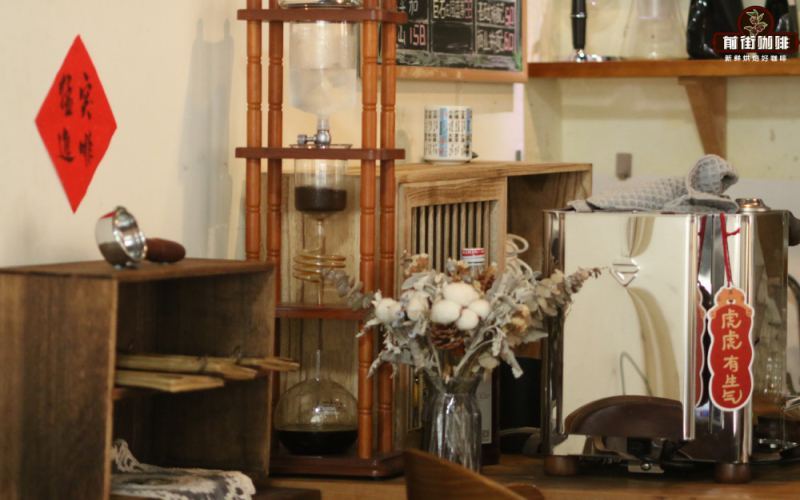
Why Is Cold Brew Coffee Called Dutch Coffee? A Full Analysis from Its Dutch Origins to Front Street Brewing Practices
Cold drip coffee is becoming increasingly common in cafes. Watching ice water drip through the coffee grounds, drop by drop, is a uniquely soothing process in itself. But many people don't know that this low-temperature, slow-extraction method actually has another name—Dutch Coffee. So what exactly is the relationship between it and cold brew and iced brew? And how do you use a cold drip tower? Starting from Front Street Coffee's in-store practice, this article sorts out the historical origins, brewing parameters, and bean selection approach for cold drip coffee, helping you systematically understand the ins and outs of this low-temperature extraction method. [more…]

The Complete Guide to Iced Coffee: From Dutch Origins to Home Cold Brew, Mastering Four Key Characteristics at Once
On a sweltering summer day, a glass of iced drink never fails to refresh the spirit. For coffee lovers, besides dropping ice cubes into hot coffee, there is another method well worth trying—cold brew coffee. It is made by steeping coffee grounds in cold water for a long time, then filtering and extracting the liquid. The result is a sweet, smooth taste with greatly reduced bitterness, carrying a faint, elusive note of fermented wine. This brewing method can be traced back to the maritime wisdom of eighteenth-century Dutch merchants. It later made its way to Japan, evolving into refined cold drip devices, and then swept across Europe and America with the third wave of coffee. This article will guide you through the historical origins and four core characteristics of cold brew coffee, and, using "Front Street Mozart" as an example, walk you step by step through making clear, sweet cold brew at home. [more…]
How exactly do you tell cold brew, ice drip, and iced brewed coffee apart? A full analysis of the origins of Dutch coffee and Kyoto coffee
Many coffee enthusiasts encounter a common confusion while self-studying: when searching for cold brew coffee, they always come across a bunch of terms that look similar yet are all different—ice drip, ice brewed, cold steep, Dutch coffee, Kyoto coffee—leaving people baffled. Do these names actually refer to the same thing, or do they each have different craftsmanship and history? This article starts from the broad concept of cold brew coffee, sorting out layer by layer the difference between cold steep and ice drip, tracing the origins of the two alternative names Dutch coffee and Kyoto coffee, and analyzing the true meaning of the term ice brewed. If you've also been dizzied by these terms, why not follow Front Street and clarify them all thoroughly together. [more…]

Why Is Iced Drip Coffee Called Dutch Coffee? A Full Breakdown from Origin Legends to Cold Brew Differences and Brewing Practice
Ice drip coffee is often called Dutch Coffee. The origin story widely circulated was actually fabricated by Japanese coffee practitioners to promote ice drip pots. The mainstream method in Europe and America is not drip-based, but immersion-based cold brew. Ice drip coffee is made by dripping ice water evenly through coffee grounds, a slow extraction at low temperature and normal pressure, giving it a rich yet not bitter taste. Ice-brewed coffee and ice drip coffee both fall within the category of Dutch coffee. This article focuses on the key operational points of ice drip pots—their structure, coffee-to-water ratio, grind size, drip rate control, and refrigerated fermentation—and, drawing on beans such as Front Street Mozart, Sidra, Gutingding, Butterfly, and PWN Golden Mandheling, explains how different flavor-type coffee beans perform in ice drip and how to approach blending them. [more…]
Java Coffee Full Analysis: Robusta Production Distribution, Dutch Colonial History, and Typica Specialty Flavor
Java Coffee, known in English as Java Coffee, is a name of great historical significance on the global coffee map. It refers both to coffee produced on the Indonesian island of Java and to a chapter that once left a vivid mark on the history of specialty coffee. This article systematically sorts out Java coffee's varietal classification and cultivation distribution, from Robusta's lowland cultivation characteristics to the differences between the two major categories A.P. and W.I.B., then traces the journey of Dutch colonists bringing coffee to Java, as well as the turning point in variety replacement around 1920. The article will also introduce a flavor review of Java Pancoer Typica, including its oily mouthfeel, bittersweet chocolate notes, and nutty finish, and mention Sumatra Front Street Mandheling as one of the few Arabica treasures still surviving today. Whether you are new to single-origin coffee or want a deeper understanding of Indonesian bean lineages, this content can provide a complete reference. [more…]
Dutch cold brew coffee: one drop every few seconds? A complete illustrated guide to dark roast bean selection and refrigerated maturation
Entering May, the weather in Chongqing has already started to get hot, and the cold brew dripper that had been sitting idle for a whole year can finally be put to use. This article will take the traditional Dutch-style cold drip brewer as an example to fully demonstrate the process of making cold drip coffee, while also answering two common questions: what drip rate in seconds per drop is appropriate, and what kind of coffee beans should be chosen. Although there are special cold drip coffee beans sold on the market, whether single-origin or blended beans, it is recommended to use dark roast, because light roast beans tend to become weak and sour under cold drip extraction. In addition, completing the drip filtration does not mean it can be drunk immediately; it still needs at least 24 hours of refrigerated maturation, and the flavor only reaches its peak after three days. At the end, the article also shares a little trick for making shaped ice cubes with coffee liquid, helping you avoid diluting the coffee concentration as the ice cubes melt. [more…]
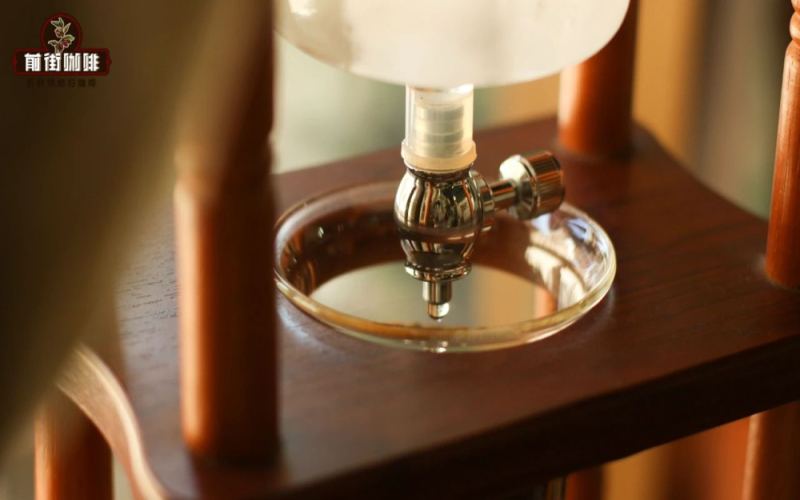
A Complete Guide to Cold Brew Coffee: From Dutch Origins to Bean Selection and Practical Parameters
Cold brew coffee, with its rich yet non-bitter taste brought about by low-temperature slow extraction, has become a highly popular coffee category in summer. This article begins with the definition and historical origins of cold brew coffee, sorts out the relationship between Dutch coffee, iced brewed coffee, and cold brew coffee, then breaks down in detail the structure and usage of the cold brew pot, and using Costa Rica Mozart coffee as an example, provides key parameters such as grind size, coffee-to-water ratio, and drip rate. The article also shares Front Street Coffee's specific recommendations for bean selection across four major categories—tropical fruit fermented type, crisp and clean type, sweet and delicious type, and flavor blend type—to help coffee enthusiasts make a cup of outstanding cold brew coffee at home. [more…]
The Dutch Origins and Japanese Refinement of Cold Brew Coffee: A Full Analysis from Historical Roots to Brewing Parameters
Did ice drip coffee really not originate in the Netherlands? Many friends who come to Front Street Coffee are drawn in by the sight of ice water slowly dripping through an ice drip brewer, and become curious about exactly what kind of coffee this is. Ice drip coffee requires a long, slow extraction of 6 to 8 hours, so its output is limited and it is often in short supply. This article will begin with the historical origins of ice drip coffee, clarify the relationship between Dutch coffee, ice drip coffee, and cold brew coffee, then introduce in detail the structure and use of the ice drip brewer, and share specific brewing parameters using Costa Rica Mozart coffee as an example. Finally, Front Street will also recommend coffee beans suitable for making ice drip coffee according to four directions—tropical fruit fermented type, light and clean type, sweet and delicious type, and flavor blend type—to help everyone make a cup of rich yet not bitter ice drip coffee at home. [more…]
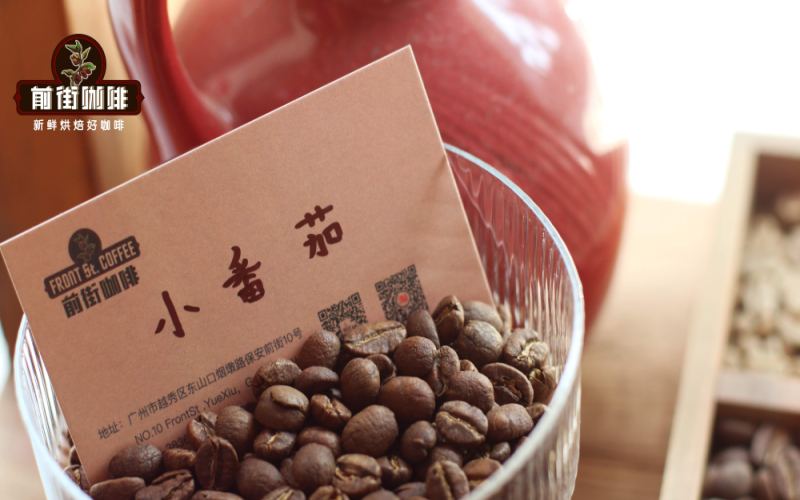
The Origin Story of Cold Brew Coffee | Why Is Cold Brew Called Dutch Coffee? How Do You Use a Cold Brew Coffee Maker? Which Coffee Beans Are Best for Cold Brew?
Many friends who come to Front Street Coffee say that watching the ice water slowly drip through the cold brew tower is so therapeutic, and they ask Front Street what kind of coffee this is. This is the biggest difference between ice drip coffee and many other coffee categories: it generally requires a long, slow extraction of 6-8 hours, so Front Street's ice drip output is usually not large. [more…]
Are Cold Brew and Cold Drip the Same Coffee? A Clear Breakdown of Cold Brew and Cold Drip Classifications
When searching for iced coffee in summer, terms like cold brew, ice drip, ice-brewed, cold steep, Dutch coffee, and Kyoto coffee often leave people bewildered. In fact, these names all revolve around low-temperature extraction, yet there are differences in craftsmanship and semantics between them. This article starts from the broad concept of cold brew coffee, sorts out the two main paths of immersion and drip filtration, explains why ice-brewed coffee has the vaguest definition, and traces the origins of Dutch coffee and Kyoto coffee. It will also share Front Street Coffee's approach to bean selection when making low-temperature extracted coffee, helping coffee enthusiasts clarify concepts and choose the right flavor. [more…]
A Complete Analysis of the Origins and Flavor Characteristics of Indonesian Sumatra Mandheling Coffee Beans
Sumatra is one of Indonesia's three major coffee-producing regions and an extremely distinctive presence among the world's Arabica coffees. This article will take you back through the history of how coffee was introduced to the Indonesian archipelago by the Dutch, through colonial plantations, the leaf rust crisis, and the tortuous process of smallholders being redistributed land, and will analyze the reasons why Sumatran coffee carries aromas of herbs and woody agarwood—mixed varieties, terroir conditions, and the locally unique wet-hulling process. The article will also introduce Mandheling, hailed as "the world's most full-bodied coffee," covering its bean size, hardness, and key selection points, as well as Front Street Coffee's original intention in sharing coffee knowledge and promotional activities. [more…]

Cold Brew Coffee | What is the origin of Dutch coffee? Which coffee beans are suitable for cold brew? How much caffeine does cold brew contain?
As the weather gets hotter, the cold brew coffee at Front Street Coffee is selling well. Actually, cold brew coffee is not as complicated as everyone believes. Today, Front Street Coffee will share how to make cold brew coffee and discuss its caffeine content. The origin of cold brew coffee: "In the 1600s, Dutch sailors from the then-colon [more…]
Indonesian Java Island Coffee Region and History: An Analysis of West Java Honey-Processed Java Flavor
When people mention Indonesian coffee, most first think of Sumatra, yet it is Java that is the starting point of this country's coffee history. This article will outline Java's growing regions and cultivation history, from its introduction during the Dutch colonial period and the impact of leaf rust, to the breeding and promotion of the S795 (Jember) variety, and will focus on the West Java Mount Tigula honey-processed beans offered by Front Street Coffee—which break away from the herbal and spicy notes commonly associated with Indonesian coffee, presenting instead the bright sweet-tartness of tropical fruit and a red-wine-like finish. Brewing parameters are included at the end for coffee lovers' reference. [more…]
Exploring the Origins and Flavor Characteristics of Cold Brew Coffee: Front Street Coffee Shares How to Choose the Right Coffee Beans for Cold Brew
Cold brew coffee, with its unique low-temperature slow extraction method, delivers a rich yet non-bitter taste and has gained increasing popularity among coffee enthusiasts in recent years. So where exactly does cold brew coffee come from? And what is its connection to cold-brewed coffee and Dutch coffee? Drawing on the store experience of Front Street Coffee, this article traces the historical origins and brewing principles of cold brew coffee, explains in detail the structure of a cold brew tower and how to use it, and, combining several Front Street Coffee beans, offers bean selection ideas for friends with different taste preferences across four major categories—tropical fruit fermented type, clean and refreshing type, sweet type, and blended type—to help everyone make a satisfying cup of cold brew coffee at home. [more…]
Cold Drip, Cold Brew, and Iced Brew: A Detailed Guide to the Process Differences of Low-Temperature Coffee Extraction and Five Handcrafted Bean Selections
In the iced coffee family, there are many names—cold brew, ice drip, iced brewed, cold steeped, Dutch coffee, Kyoto coffee—that often leave people bewildered. This article starts from the broad concept of cold brew coffee, sorts out the two major low-temperature extraction paths of immersion and drip filtration, traces the origin of Dutch coffee, the process by which Japan's Hanabusa Coffee invented the three-layer ice drip pot, and the emphasis on the brewing and aging step behind the term "iced brewed." The article also presents five Front Street single-origin beans suitable for making iced brewed coffee, covering Yirgacheffe, Kenya, Panama Butterfly, Costa Rica Mozart, and Strawberry Candy Geisha blend, explaining each one's origin, altitude, variety, and processing method, and noting the flavor performance of medium-light roasts in cold brew. [more…]
The Origin and History of Cold Brew Coffee | Which Coffee Beans Are Good for Cold Brew? How Can Coffee Beginners Choose Single-Origin Beans for Cold Brew? An Introduction to Cold Brew Methods, Coffee-to-Water Ratios, and Extraction Parameters
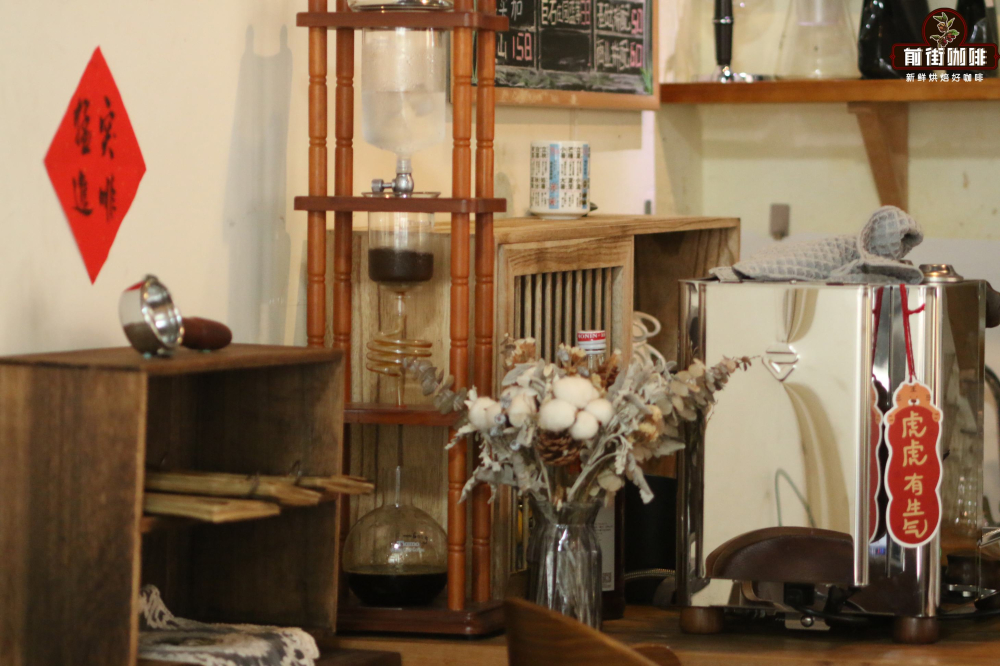
For more specialty coffee knowledge, please follow: Front Street Coffee (Frontsteet Coffee) Many friends who come to Front Street to drink coffee say that watching the ice water in the cold drip brewer slowly drip through the process is so soothing, and ask Front Street what kind of coffee this is. This is the biggest difference between cold drip coffee and many other coffee categories. [more…]
Ice Drip Coffee (Dutch Coffee) | Where Does Ice Drip Coffee Come From, How to Brew It, Its Characteristics and Taste, and How It Differs from Cold Brew
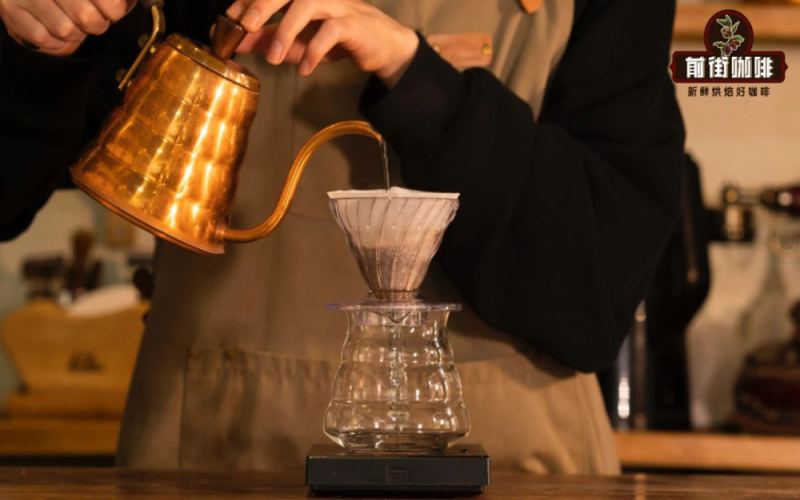
For more specialty coffee knowledge, please follow: Front Street Coffee (Frontsteet Coffee). There are many ways to brew coffee, and the most common is pour-over coffee, but pour-over coffee requires attention to many small details; and today Front Street wants to introduce to you a relatively simple coffee brewing method. [more…]

Is Kopi Luwak Really Cat Poop? Uncovering How Civet Excrement Becomes a Rare Beverage
Kopi Luwak, just by its name, evokes both curiosity and resistance. Is it actually cat excrement? The answer is: yes, it is, but not in the ordinary sense of cat feces. The raw material for this coffee comes from the droppings of wild civets in the tropical rainforests of Indonesia, which, after washing and roasting, surprisingly become one of the most expensive coffees in the world. From its accidental discovery during the 17th-century Dutch colonial period, to the animal ethics controversies sparked by today's captive farming, and to its unique heavy fermentation flavor and deep roasting process, Kopi Luwak has a complex and tortuous story behind it. This article will provide a complete overview of the origins, production process, and flavor characteristics of Kopi Luwak, as well as other animal-fermented coffees derived from it, while reminding everyone to view this special beverage rationally. [more…]
The Past and Present of Indonesian West Java Coffee Beans: Variety Tracing, Planting History, and Honey Processing Flavor Analysis
When it comes to Indonesian specialty coffee, most people first think of Sumatra's Mandheling. Yet in West Java, there is another coffee bean with a completely different style—it lacks herbal and spice notes, instead presenting a soft tropical fruit acidity. This article will guide you through the geography and climate of the West Java producing region, the cultivation history of Java coffee from the Dutch colonial period to the ICCRI research institute, the classification of major Arabica varieties, and the details of the S795 (Jember) variety and honey processing method. This honey-processed bean from the Arimani Estate, offered by Front Street Coffee, perfectly showcases the delicate aroma, soft acidity, and refined mouthfeel characteristic of the Java producing region. Brewing parameters and flavor descriptions are included at the end for coffee enthusiasts' reference. [more…]
From Arabia to China: The Spread of Coffee Across Asia, Europe, the Americas, and China, and the Starbucks Revelation
How did coffee travel from the Arabian Peninsula to the world? Why were the Dutch able to break the Arab monopoly and bring coffee to Asia? How did Venetian merchants make coffee all the rage in Europe? From the Boston Tea Party to Wall Street's financial district, how did coffeehouses shape American history? How did Brazil and Colombia become giants of global coffee production? When and how did coffee enter China? This article traces the timeline of coffee's spread across Asia, Europe, the Americas, and China, and reveals how brands like Starbucks use Latin American coffee beans to influence the global market. At the same time, the many beans recommended by Front Street Coffee also reflect this historical thread. [more…]