







Why is cold drip coffee called Dutch Coffee?
Cold drip coffee is often called Dutch Coffee, but the name did not come from the Netherlands. The widely repeated story about seventeenth-century Dutch sailors brewing coffee with cold water aboard ships was invented by Japanese coffee professionals to sell cold drip pots. In Europe and America, the common method is immersion cold brew, not drip extraction.
Cold drip coffee drips ice water evenly through coffee grounds, extracting slowly at low temperature under normal pressure for a rich, low-bitterness cup. Both cold brew and cold drip fall under Dutch Coffee. Bean choice changes the result, and a wet-hulled bean such as Golden Mandheling can add herbal, caramel-like depth to a cold drip batch.
Cold drip coffee is often called Dutch Coffee. The widely circulated origin story was actually fabricated by Japanese coffee professionals to promote cold drip pots. The mainstream approach in Europe and America is not the drip method, but immersion cold brew. Cold drip coffee is made by dripping ice water evenly through coffee grounds, extracting slowly at low temperature under normal pressure, resulting in a rich yet not bitter taste. Cold brew coffee and cold drip coffee both fall under the category of Dutch coffee. This article focuses on the structure of the cold drip pot, coffee-to-water ratio, grind size, drip rate control, and refrigerated fermentation, and combines beans such as Front Street Mozart, Sidra, Guddingding, Butterfly, and PWN Golden Mandheling to explain the performance and blending ideas of different flavor types of coffee beans in cold drip.
The Origin of Cold Brew Coffee
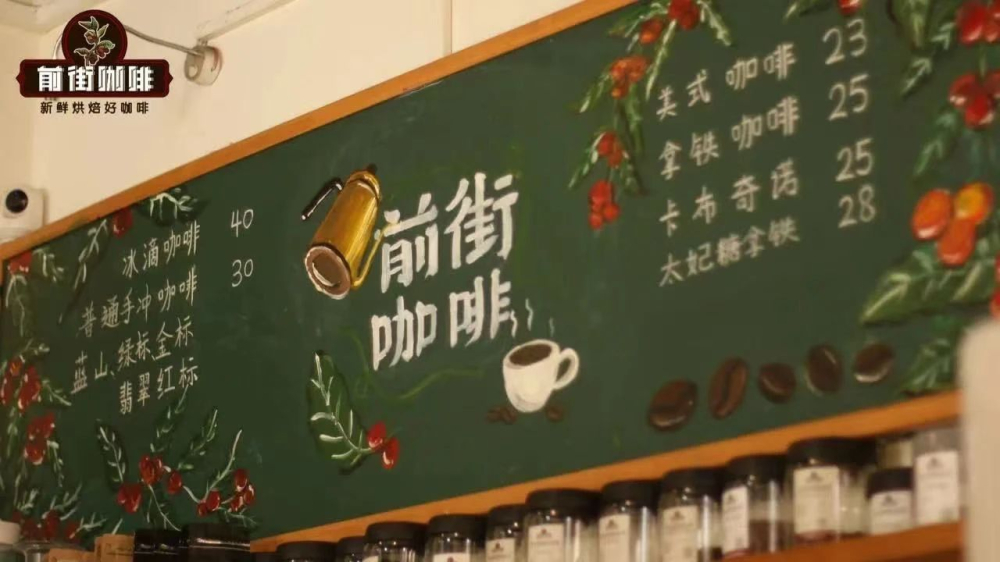
"In the seventeenth century, Dutch sailors transported coffee beans from their Indonesian colonies back to Europe. There was no hot water on board, so they could not make hot coffee, and they came up with the method of extracting with cold water. The coffee obtained this way was soft and smooth, with a prominent aroma, and not only did the crew love drinking it, ordinary people liked it just as much."
Front Street Coffee has learned that this widely circulated claim about the origin of cold drip coffee was in fact fabricated by Japanese coffee professionals to sell cold drip pots, as a marketing tactic. The reality is that in Western countries, including the Netherlands, the mainstream method is not the Japanese-style drip-by-drip extraction, but the so-called "Cold-Brew" method of soaking coffee grounds in cold water for a long time. In the West, there is also no such thing as Dutch Coffee in the sense of cold drip. It was only later that some coffee businesses heard the Japanese-style origin story of cold drip coffee and used it for marketing.
Dutch-Coffee is generally considered to be the collective term for cold brew coffee and cold drip coffee, but in Europe and America the immersion method is actually more commonly used, rather than the drip method.
What Is Cold Drip Coffee
Cold drip coffee refers to a method in which ice water is dripped evenly through coffee grounds to slowly extract aromatic substances under normal pressure. Low-temperature ice water makes it difficult to dissolve the bitter components of coffee, while the slow flow rate significantly increases the extraction yield, so cold drip tastes rich but not bitter. If you choose coffee beans with distinctive flavors to make it, the fermented notes and fruity sweet-tartness, together with the coolness of ice, make a cup especially refreshing in summer.
After reading the history above, Front Street believes you already have a general understanding that the method of soaking coffee grounds in cold water to obtain coffee liquid is what people call Dutch Coffee. Cold drip coffee, improved from the cold brew principle, is also classified as Dutch coffee. In addition, there is a relatively new low-temperature extraction method, cold brew coffee, which involves pouring ice water into a container filled with coffee grounds, letting it sit for twelve to twenty-four hours, and then filtering out the grounds to obtain a cup of iced coffee with a slight alcoholic note and sweet-tartness. Its brewing principle is consistent with Dutch coffee, so it is also considered a type of Dutch coffee.
How to Use a Cold Drip Coffee Pot
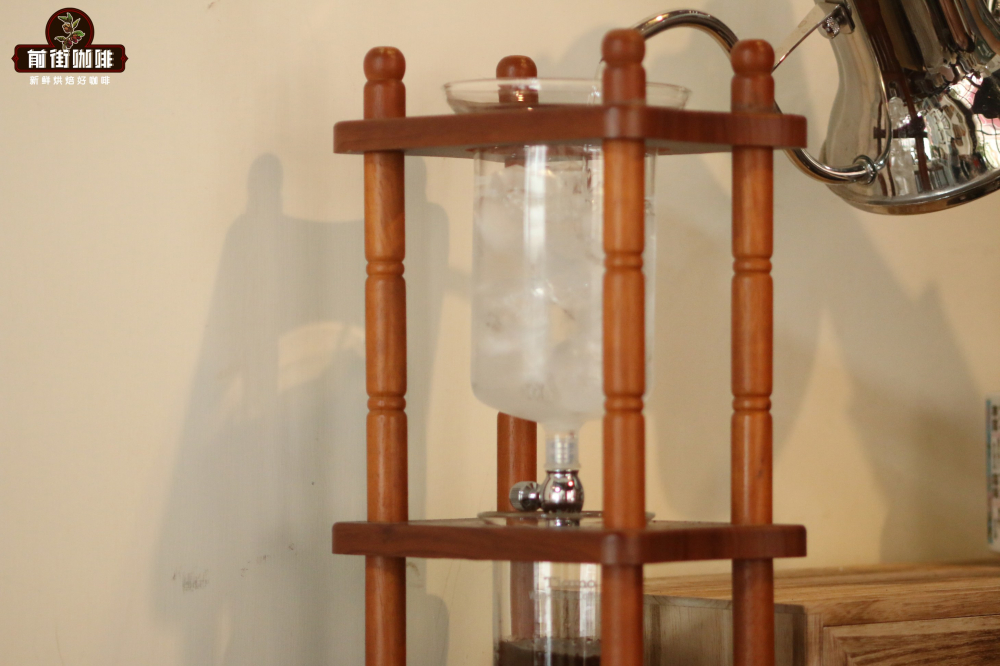
You can find all kinds of cold drip pots online, with a wide variety of materials and shapes, but basically they all consist of three sections: upper, middle, and lower, and can be broken down into four main parts: the upper pot, the valve, the powder cup, and the lower pot.
The top container is used to hold ice cubes and water, and below it is connected a metal part, namely the valve, which changes the drip speed by adjusting the opening size so that ice water drips evenly into the coffee grounds. The middle glass cup-shaped pot is used to hold the ground coffee, with a filter hole in the center of the bottom through which the extracted coffee liquid drips out, and the large pot at the bottom is responsible for collecting it.
Here Front Street chooses the popular Front Street Mozart coffee from its stores for the brew. Mozart coffee beans use anaerobic honey-processed green beans, with flavor notes of raisins, osmanthus, and fruity fermented sweetness, and the cold drip method makes the fermented quality more prominent.
In terms of grind size, Front Street usually chooses the same coarseness as for iced pour-over. Because low-temperature water reduces the extraction yield, the coffee needs to be ground finer to improve extraction. For this bean, a 85% passing rate on the Chinese No. 20 standard sieve is used, which corresponds to a grind setting of 9 on the ek-43s grinder at Front Street stores.
Generally, first calculate the extraction parameters: the coffee-to-water ratio is 1:10, extracting 600 grams of coffee liquid from 60 grams of coffee, with the ice-water mixture at a 1:1 ratio, and the valve flow rate controlled at 7 drops every 10 seconds, usually completing the drip within 6 to 8 hours. (The cold drip ratio is generally between 1:10 and 1:12, and can be adjusted to your own taste.)
Place a round filter paper at the bottom of the middle pot with water, pour in the ground coffee, and be careful to spread it flat to ensure even extraction. Then place another round filter paper on the surface of the coffee bed to prevent water droplets from disturbing the bed. Before dripping begins, first wet the coffee bed with cold water, which both saves extraction time and avoids uneven extraction at the beginning.
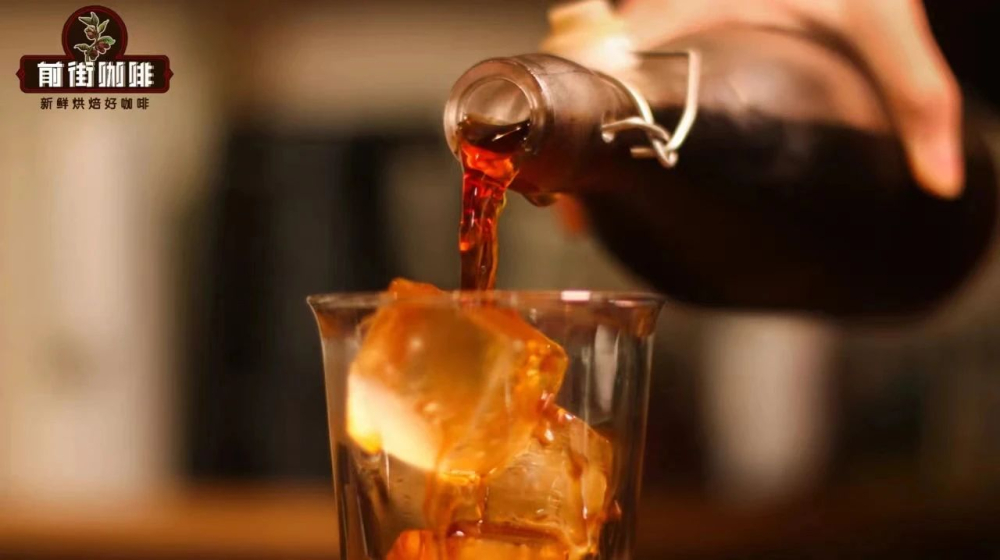
Place the powder cup on the stand and begin adding the ice-water mixture, usually half ice and half water. Adjust the valve flow rate to 7 drops/10 seconds, so that the falling water droplets align with the position where the coffee liquid drips out. After dripping ends, pour the coffee liquid from the lower pot into a sealable container. Front Street uses a glass bottle, and puts it in the refrigerator to ferment for more than 12 hours, and it is generally ready to drink the next day.
After a night of refrigeration, Front Street Mozart coffee presents an alcoholic-like fermented quality, as well as the sweet-tartness of berries, pineapple, and other tropical fruits. It tastes rich but not bitter, and after dilution with ice it is like drinking a refreshing fruit wine.
How to Choose Coffee Beans for Cold Drip Coffee
The biggest feature of cold drip coffee is long extraction at low temperature, so when choosing beans, priority is generally given to types with distinctive flavor characteristics. Here Front Street introduces several more typical flavor types.
1. Tropical fruit and fermented wine aroma type
For example, the Front Street Mozart coffee mentioned earlier has the sweet-tartness of dark berries, plus the wine aroma produced by low-temperature aging, making the overall taste even better. In addition, there are several beans on the Front Street bean list that belong to this type, such as Front Street Sidra Coffee, Front Street Blackberry Coffee, and Costa Rica Strawberry Candy Coffee. Their aromas are all very prominent, and they are likewise suitable for iced pour-over and cold brew.
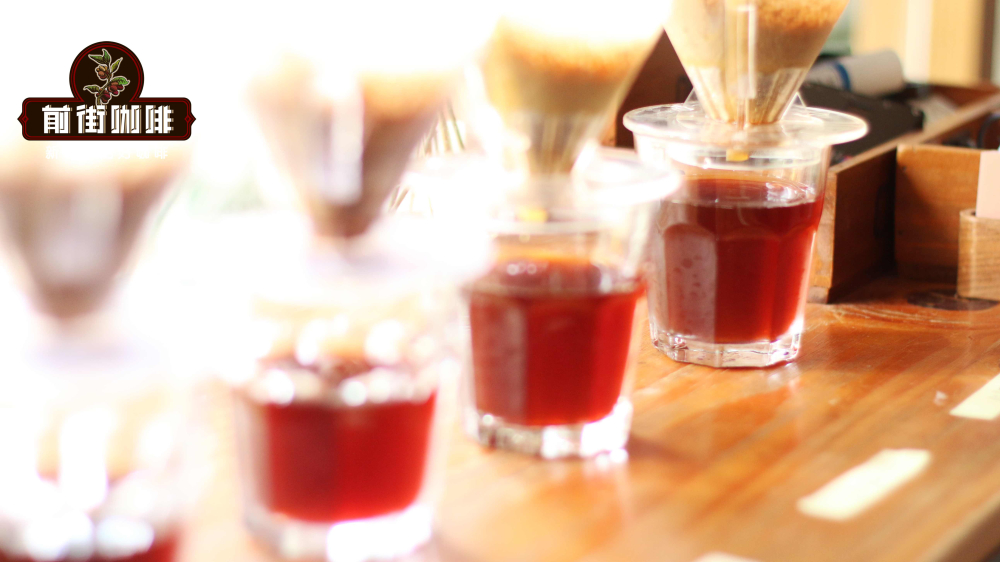
2. Refreshing and clean type
Some beans are washed-processed, with clean and full acidity. Made into cold drip coffee, they present a juice-like acidity, with the transparent fresh fragrance of cherry tomatoes and pomelo, very suitable for drinking in hot summer. The top choices are Front Street Guddingding Cooperative Coffee and Front Street Butterfly Coffee. If you prefer a light and fresh style, you will definitely like this pure and transparent taste.
3. Sweet and delicious type
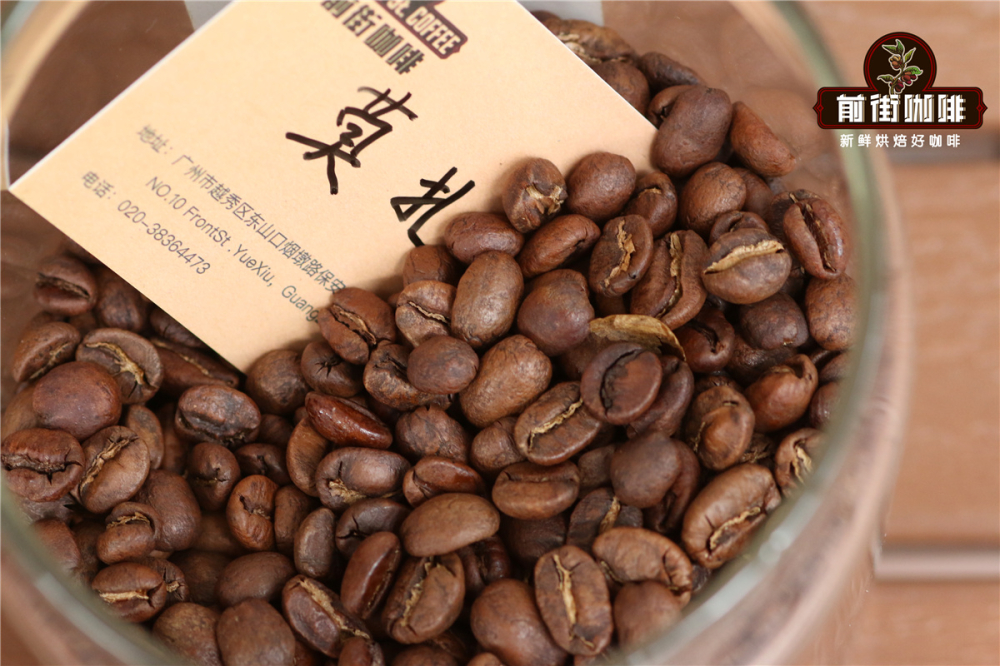
Compared with the light-to-medium roast coffees in the two categories above, dark-roasted beans are usually less often used for cold drip, and many people think it will be both strong and bitter. Actually, that is not necessarily true. Front Street has tried making cold drip coffee with Front Street PWN Golden Mandheling, and after adding ice it has a rich chocolate sweetness, along with a fermented aroma, and is not bitter at all. If you cannot accept the "heavy-flavored" Mandheling, Front Street Queen's Estate can also present nutty and chocolate flavor notes, and under dilution with ice it also has a smooth creamy mouthfeel.
4. Flavor blending type
Friends who often drink espresso must know that coffee beans can be made into blends, and cold drip coffee can do the same. In addition to using single-origin beans with clear flavors, cold drip can also extract a mixture of two or more single-origin beans. For example, Front Street has tried blending Honduras Lychee Orchid Coffee and the Musician Series Beethoven Coffee at 1:1, hoping to drink coffee with both an alcoholic note and a fruity note. After mixed dripping, the extracted coffee has both a rich brandy aroma and honey sweetness, as well as a refreshing fruity acidity. Following this idea, you can mix according to personal preference and get a cup of cold drip coffee that suits your taste.
Regarding flavor expression, everyone can refer to the category recommendations above from Front Street when choosing. Cold drip coffee extracts at low temperature and is slower in efficiency, so it is more forgiving and can be flexibly adjusted according to factors such as equipment at home and budget. It should be noted that all flavor expression is based on the roasting freshness of the coffee beans, so Front Street recommends choosing coffee beans within their optimal flavor period. Front Street's roasting principle is freshly roasted good coffee, and all shipped coffee beans are freshly roasted within 5 days, hoping every customer can drink good coffee when the flavor is at its best.
The above content is compiled by CoffeeHunters, a coffee news website.


