







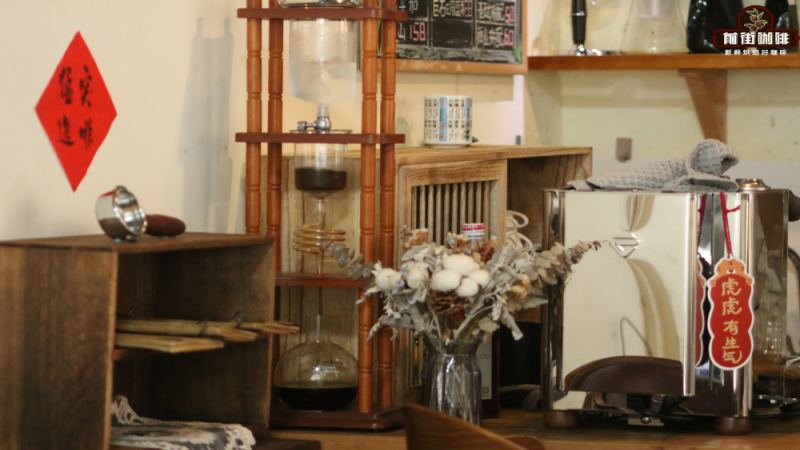
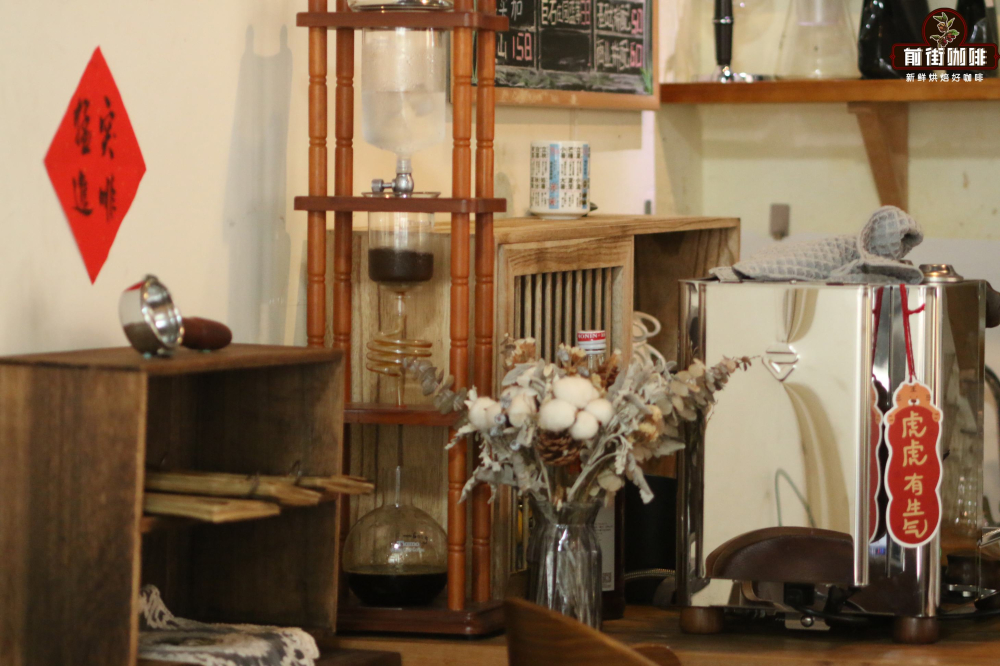
Cold drip coffee is becoming more and more common in cafés, and watching ice water drip through the coffee grounds drop by drop is a uniquely soothing process in itself. But many people don't know that this low-temperature, slow-extraction method actually has another name—Dutch Coffee. So what exactly is its relationship with cold brew and iced brewed coffee? And how should a cold drip brewer be used? Starting from Front Street Coffee's in-store practice, this article sorts out the historical origins, brewing parameters, and bean selection approach for cold drip coffee, helping you systematically understand the ins and outs of this low-temperature extraction method.
For more specialty coffee knowledge, please follow: Front Street Coffee ( Frontsteet Coffee )
Guests who come to Front Street for coffee often say that watching the ice water slowly drip in the cold drip brewer is especially soothing, and then ask Front Street what kind of coffee this is. This is exactly what sets cold drip coffee apart from other categories—it often requires six to eight hours of long, slow extraction, so Front Street's cold drip output has always been limited and is often in a state of "supply falling short of demand."
The Story of Cold Drip Coffee
So-called cold drip coffee is made by letting ice water pass through a bed of coffee grounds at a constant drip rate, slowly extracting the aromatic substances from the coffee under normal pressure. Because the water temperature is low, bitter compounds are not easily released, while the slow water flow increases the extraction yield, so cold drip tastes rich yet not bitter. If you choose beans with strong flavor expression, the fermented notes and fruity sweet-tartness, combined with the coolness of ice, make it very refreshing in one sip during summer.
The Origin of Cold Drip Coffee
We often hear the three names cold drip coffee, cold brew coffee, and Dutch Coffee. What exactly are the differences and connections among them? Front Street will start with a story about Dutch Coffee.
In the early eighteenth century, the Dutch transported coffee beans from their colony Indonesia back to Europe. The sea voyage was long, and there was neither hot water nor the conditions to leisurely brew a cup of coffee on board. Unable to drink hot coffee, they came up with a method of extraction using cold water: they took a container, put in ground coffee, poured in cold water, and let it steep for several hours. The resulting coffee was unexpectedly sweet and completely lacked bitterness. Dutch merchants found that this convenient method allowed them to drink coffee during their maritime trade journeys, so the practice of making coffee with cold water gradually spread.
However, this method of extracting coffee with ice water did not become widely popular in the Netherlands itself. Instead, it was preserved by the Japanese and gradually improved into what we now know as cold drip coffee. So occasionally you will see the claim that "cold drip coffee was invented by the Japanese." More accurately, the Japanese improved on the Dutch method and kept this brewing method alive, which is why we have the chance to drink iced coffee with such a distinctive taste.
After reading the story above, Front Street believes you already roughly understand that this method of steeping coffee grounds in cold water to obtain coffee liquid is what people call Dutch Coffee. Cold drip coffee, improved from the cold-brew principle, also belongs to the category of Dutch Coffee. In addition, there is a relatively newer low-temperature extraction method—cold brew coffee—which is made by pouring ice water into a container holding coffee grounds, letting it sit for 12 to 24 hours, and finally filtering out the grounds to get a cup of iced coffee with a slight alcoholic note and sweet-tartness. Its brewing principle is consistent with Dutch Coffee, so it is also included in the Dutch Coffee system.
How to Use a Cold Drip Coffee Brewer
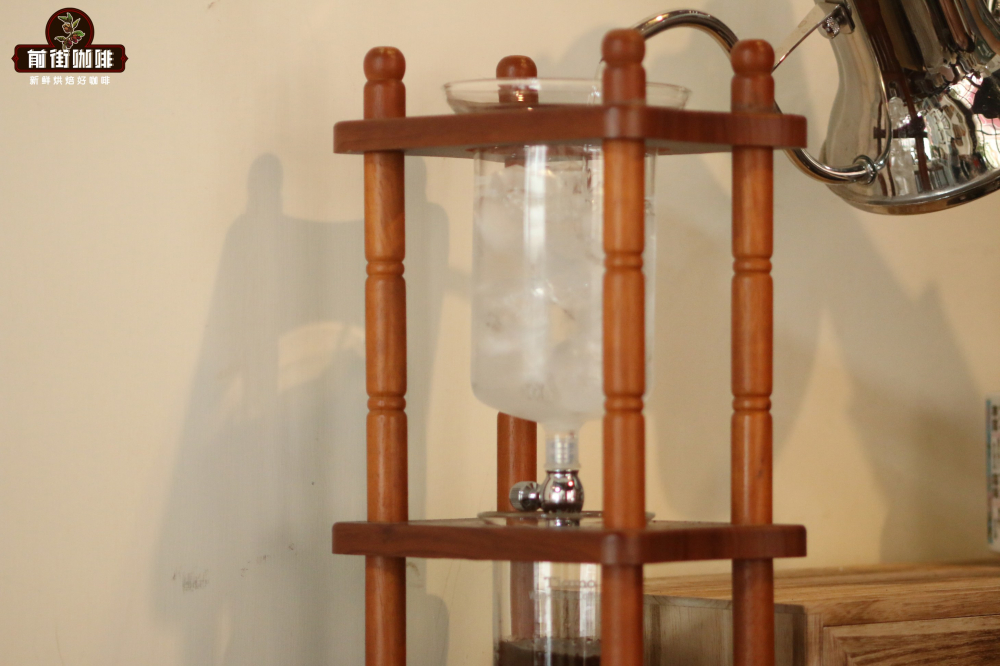
You can find all kinds of cold drip brewer devices online, with different materials and shapes, but basically they all consist of three parts: top, middle, and bottom, specifically divided into four main structures: upper pot, valve, powder cup, and lower pot.
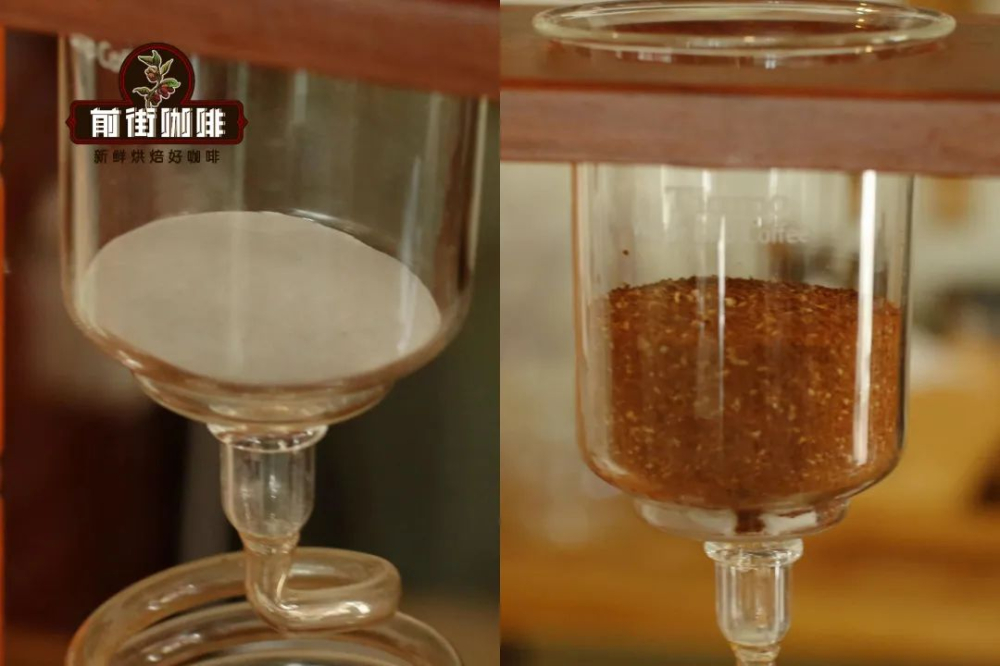
The topmost vessel is used to hold ice and water, and connected below it is a metal component—this is the valve. By adjusting the opening size of the water outlet, you control the drip speed so that ice water drips evenly into the coffee grounds. The middle glass pot, similar to a cup, is used to hold the ground coffee. There is a filter hole in the center of the bottom, through which the extracted coffee liquid drips out, and the large pot below collects the coffee liquid.
Here, a relatively popular Front Street Costa Rica Mozart coffee bean is chosen for making it. Front Street Mozart coffee beans use raisin anaerobic honey-processed green coffee beans. The flavor is the sweet aroma of raisins, osmanthus, and fermented fruit, and cold drip coffee can make the fermented note more obvious.
In terms of grind size, Front Street generally chooses the same grind size as for iced pour-over. Because low-temperature water lowers the extraction yield, the coffee is ground finer to compensate. For this bean, choose a 85% passing rate on the Chinese No. 20 standard sieve. According to Front Street's store grind size, that is a 9 setting on the ek-43s grinder.
Usually we first calculate the extraction parameters, using a coffee-to-water ratio of 1:10, extracting 600g of coffee liquid from 60g of coffee. The ratio of ice to water mixture is 1:1, and the valve flow rate is controlled at 7 drops every 10 seconds. It generally finishes dripping within 6-8 hours. (Usually the ratio for cold drip is between 1:10 and 1:12; everyone can adjust according to their own taste.)
At the bottom of the middle pot, fit a circular filter paper with water, then grind the coffee beans into powder and pour them in. Be careful to spread them flat to ensure even extraction. Place another circular filter paper on the surface of the coffee bed to prevent water droplets from disturbing the bed. Before dripping, the coffee bed needs to be moistened with cold water; this both saves extraction time and avoids uneven extraction at the beginning.
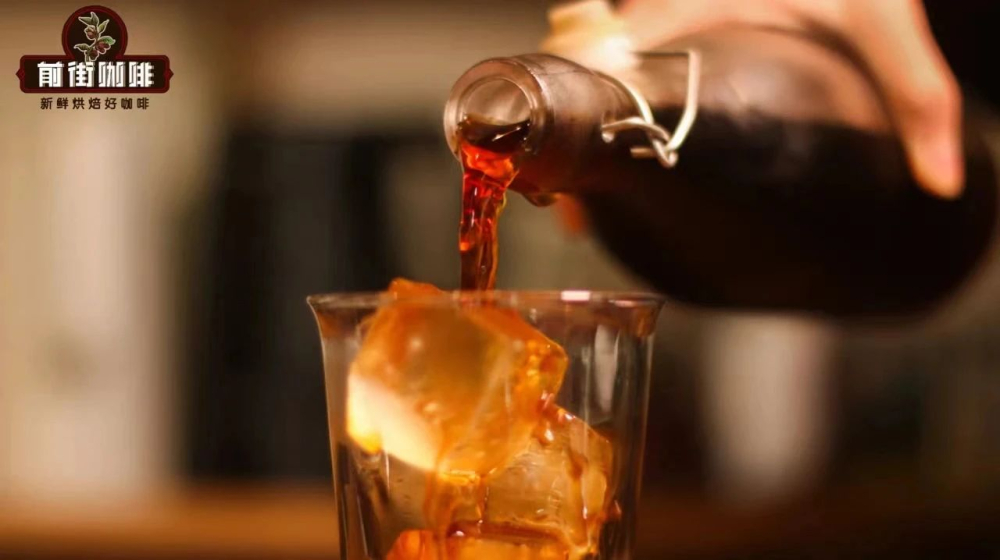
Place the powder cup on the stand and begin adding the ice-water mixture, usually half ice and half water. Adjust the valve flow rate to 7 drops/10 seconds, mainly aligning the dripping water droplets with the position where the coffee liquid filters out. After dripping is complete, pour the liquid in the lower pot into an airtight container. At Front Street, for example, a glass bottle is used, and it is placed in the refrigerator to ferment for more than 12 hours. Usually it can be drunk the next day.
After a night of refrigeration, Front Street Mozart cold drip coffee presents a wine-like fermented character and the sweet-tartness of tropical fruits such as berries and pineapple. The taste is rich but not bitter. After adding ice to dilute it, it is like drinking a refreshing fruit wine.
How to Choose Coffee Beans for Cold Drip Coffee
The biggest characteristic of cold drip coffee is long extraction at low temperature, so when choosing coffee beans we generally consider types with more prominent flavor characteristics. Here Front Street introduces several typical flavor types of coffee beans.
1. Tropical fruit and fermented wine aroma type
For example, Front Street Strawberry Candy Coffee has the sweet-tartness of dark berries, plus the winey flavor produced by aging at low temperature, making the overall mouthfeel even better. In addition, several coffee beans on Front Street's bean list also belong to this type: Front Street Sidra Coffee, Front Street Bahia Coffee, and Front Street Pacamara Coffee. They have very obvious aromas and are likewise suitable for iced pour-over and cold brew methods.
2. Refreshing and clean type
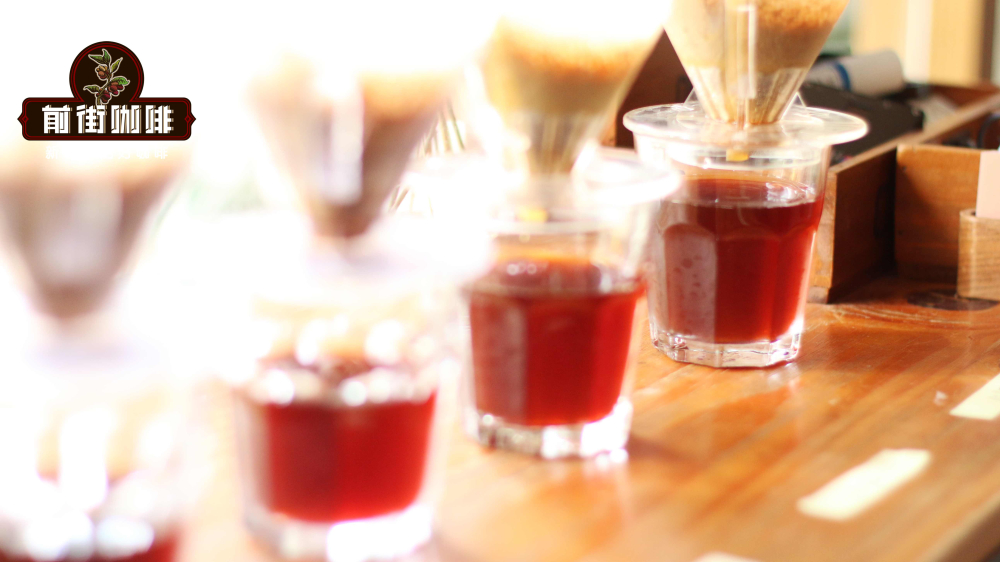
Some use washed processing to make the coffee's acidity very clean and full. When made into cold drip coffee, this flavor has a juice-like acidity, with the transparent fresh fragrance of cherry tomatoes and pomelo, very suitable for drinking in hot summer. Recommended are Front Street Cherry Tomato AA Coffee, Front Street Ethiopia Washed Gedeb Cooperative Coffee, and Front Street Butterfly Coffee. If you are a lover of light and fresh flavors, you will definitely like this pure and transparent taste.
3. Sweet and pleasant type
Compared with the above two types of medium-light roasted coffee, dark-roasted coffee is generally less often used to make cold drip coffee, as it is thought to be very strong and bitter. Actually, that is not the case. Front Street has tried using Indonesian Golden Mandheling to make cold drip coffee. After adding ice, it has a rich chocolate sweetness and a fermented aroma, and is not bitter at all. If you cannot accept the "heavy taste" of Mandheling, it is recommended to buy Front Street Brazil Queen's Manor Coffee Beans or Front Street Huila Coffee Beans, which can also present nutty and chocolate flavor notes, and with dilution by ice also have a smooth creamy mouthfeel.
4. Flavor blend type
Friends who often drink espresso surely know that coffee beans can be made as blends, and cold drip coffee can do the same. In addition to using single-origin beans with clear flavors, cold drip coffee can also choose to extract a mixture of two or more single-origin beans. For example, Front Street has tried blending Front Street Lychee Orchid Coffee and Front Street Musician Series Beethoven Coffee at a 1:1 ratio, hoping to drink coffee with both winey and fruity notes. After mixed dripping, the extracted coffee shows rich brandy aroma and honey sweetness, along with refreshing fruity acidity. Following this idea, you can make combinations according to personal preference to get a cup of cold drip coffee with your desired taste and flavor.
Regarding flavor expression, everyone can refer to Front Street's category recommendations above when choosing. Because cold drip coffee is extracted at low temperature, the efficiency is slower, so it is more forgiving. You can adjust according to factors such as your home equipment and budget. Note here that all flavor expression is based on the roasting freshness of the coffee beans, so Front Street recommends choosing coffee beans within their optimal tasting period. Front Street's roasting principle is freshly roasted good coffee. What Front Street ships is coffee beans freshly roasted within 5 days, hoping every customer can drink good coffee during its best flavor period.
For professional coffee knowledge exchange and more coffee bean information, please follow Coffee Workshop (WeChat public account cafe_style)
For more specialty coffee beans, please add the private WeChat Front Street Coffee (FrontStreet Coffee), WeChat ID: qjcoffeex
The above content is compiled by CoffeeHunters, a coffee news website.


