







Search Results for: Digital Scale
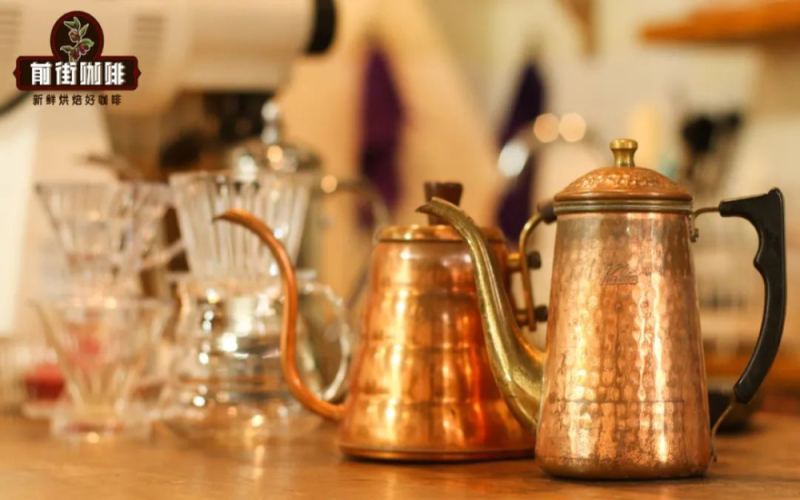
Pour-Over Coffee Equipment Buying Guide: How to Choose a Grinder, Gooseneck Kettle, Dripper, and Digital Scale
Want to get into pour-over coffee but feel overwhelmed by the dizzying array of gear on shopping platforms? On a limited budget, what should you prioritize, and how should you allocate your spending for the best value? Front Street Coffee breaks down the most essential pieces of pour-over equipment for you: the grinder, which determines the ceiling of flavor; the pouring kettle, which affects your pouring feel; the dripper, which influences filtration; and the digital scale, which makes your data visible. Starting from a ranking of importance, this article explains the key points for choosing each piece of gear and offers advice on pitfalls to avoid, helping you build a truly practical pour-over setup within a limited budget—so you take fewer detours and brew a delicious cup as quickly as possible. [more…]
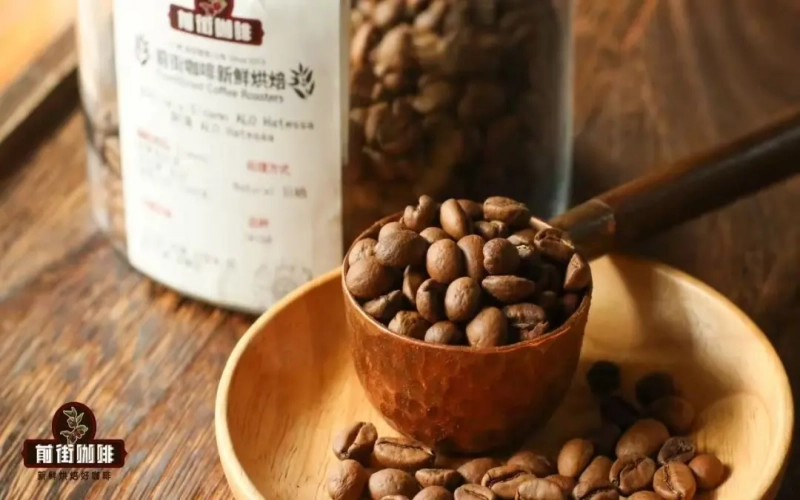
Measurement in Pour-Over and Espresso: Why a Digital Scale Beats a Measuring Spoon, and How Coffee-to-Water Ratio Affects Strength
In coffee brewing, the choice of measuring tools may seem like a minor matter, yet it directly affects consistency in the cup. A measuring spoon is convenient, but it measures volume rather than weight; due to differences in variety, cultivation, and roasting, the same level spoonful of different coffee beans may scoop out 9g or 11g, an error large enough to change the direction of the flavor. Front Street Coffee once conducted an experiment with Geisha Village Red Label Geisha: with water volume and other parameters unchanged, adjusting the dose by just 1g produced noticeable differences in concentration and extraction yield. This article will use experimental data to explain why electronic scales have become the first choice of coffee shops, and to show why measurement accuracy must be even higher under pressurized espresso extraction. [more…]
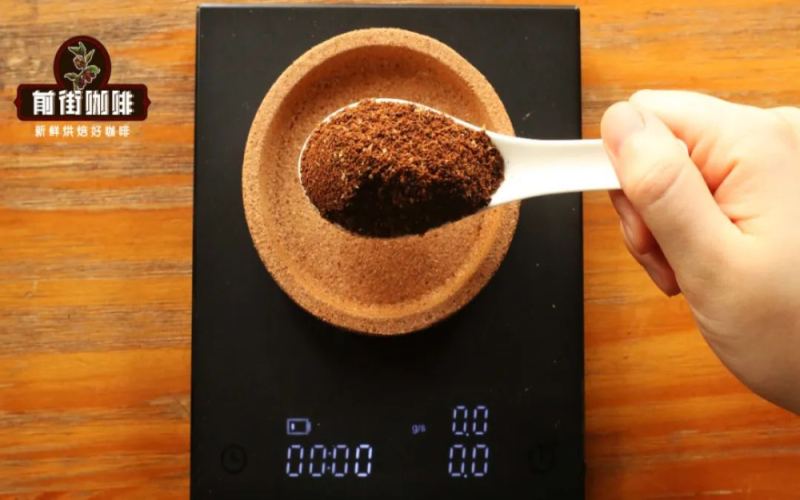
How Many Grams Is a Scoop of Ground Coffee? And How Many Scoops Are in 15 Grams of Coffee Beans? A Practical Conversion Guide
Many friends who are just getting into pour-over coffee, in order to save money, often skip tools like electronic scales and thermometers, and instead use spoons they already have at home to estimate their coffee dose. But spoons vary in size and depth, and the roast level of the coffee beans also affects density, so there is no uniform answer to how many grams a single spoon holds. This time, Front Street Coffee specifically gathered four common types of spoons—a porcelain soup spoon, a small stainless steel spoon, a cupping spoon, and a promotional bean scoop—and separately weighed light roast, medium-light roast, medium-dark roast, and dark roast coffee beans before and after grinding, compiling a complete set of data, and teaching you how to convert, based on roast level, the number of scoops needed for close to 15 grams of coffee, so that even without an electronic scale you can still roughly control your coffee dose. [more…]
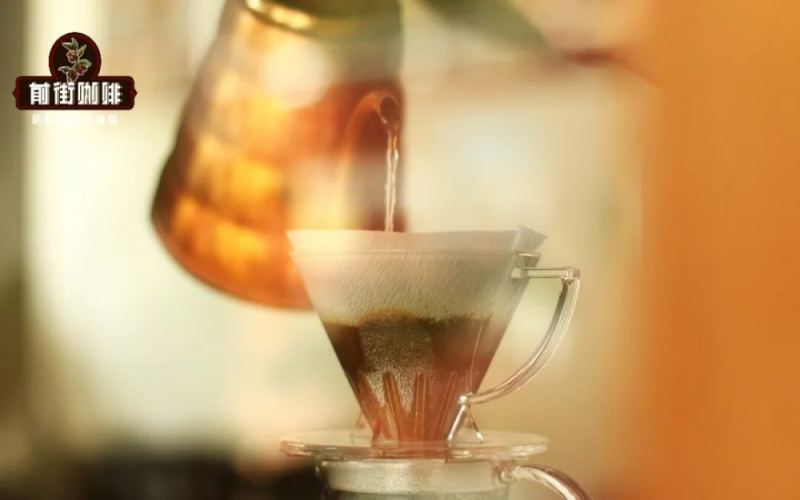
How Should Beginners Choose Pour-Over Coffee Equipment? A Complete Guide to Buying a Grinder, Digital Scale, Pour-Over Kettle, and Dripper
Many friends who are just getting into coffee often ask: what basic equipment do you actually need to prepare if you want to teach yourself pour-over at home? In fact, pour-over may seem professional and complicated, but once broken down, it is nothing more than a grinder, a digital scale, a gooseneck kettle, a dripper and filter paper, a server, and coffee beans. This article gives purchasing suggestions one by one according to budget and needs, and offers reference directions for the common bean-selection confusion beginners face. Front Street will also draw on everyday experience to share ideas for choosing everyday beans, helping you gradually build your judgment of brewing and flavor while keeping costs under control. [more…]
How to Choose the Coffee-to-Water Ratio and Coffee-to-Liquid Ratio for Pour-Over Coffee? A Full Analysis of Drip Parameters and Conversion Logic
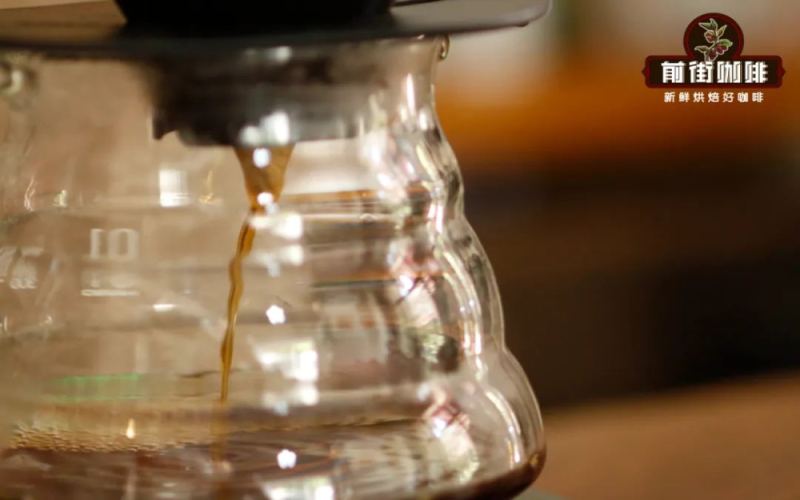
In the parameter system of pour-over coffee, the coffee-to-water ratio and the coffee-to-liquid ratio are two parallel measurement logics. The former relies on a digital scale to precisely control the amount of water poured, while the latter judges the final volume of coffee liquid through the markings on a serving carafe. Many classic utensils, such as the Kono serving carafe and the Hario Cloud server, have hidden scale markings that correspond to specific coffee dose designs. The coffee-to-liquid ratio is more flexible when dealing with clogged drippers and deep-roast foam handling, while the coffee-to-water ratio excels in the precision of staged pouring information. The two can also be converted into each other: coffee grounds absorb about twice their own weight in water when saturated, so a coffee-to-water ratio of 1:15 is roughly equivalent to a coffee-to-liquid ratio of 1:13. Only by understanding this logic can reasonable adjustments be made according to different beans and utensils. [more…]
What to Do If You Don't Have a Digital Scale for Pour-Over Coffee? Visual Estimation Tips and Pulsed Pouring Plans for 15g of Grounds
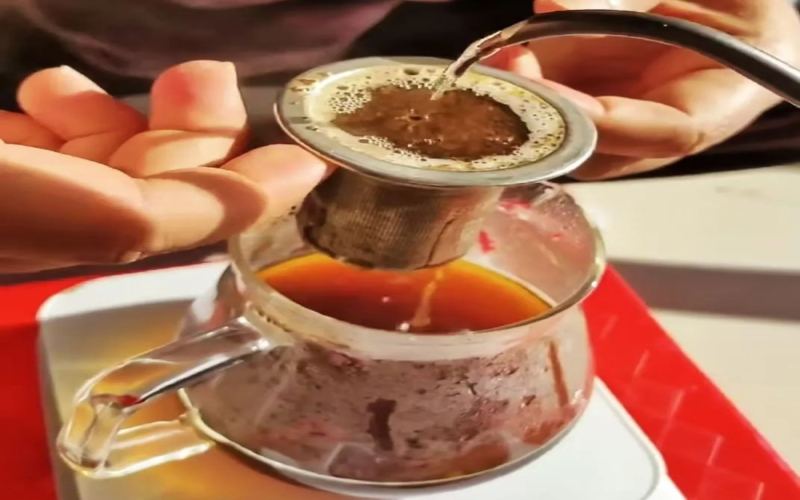
The consistent output of pour-over coffee is inseparable from the precise measurement of an electronic scale, but if you run into the predicament of a broken scale, a dead battery, or simply no alternative tool to be found, does that mean you have to give up on a good cup of coffee? Starting from the two core variables of coffee dose and water volume, this article shares Front Street Coffee's hands-on experience: how to judge 15g or 20g of ground coffee by visually estimating the height of the coffee bed, how to use the dripper's markings as a reference under different roast levels, how to choose a coffee-to-water ratio between 1:14 and 1:16, and a three-stage blind brewing process that requires no scale. Even without equipment, mastering these techniques can still brew a qualified pour-over of about 210ml. [more…]
A Beginner's Guide to Pour-Over Coffee: A Practical Tutorial on Mastering Equipment Preparation and Brewing Essentials from Scratch
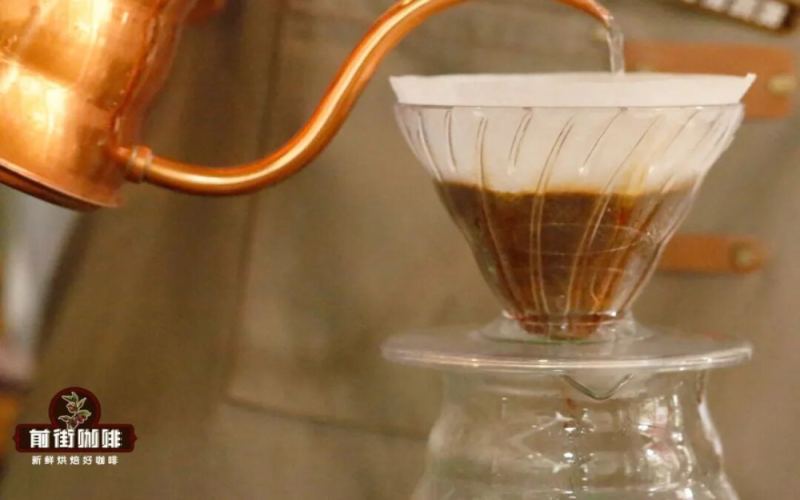
Those new to pour-over coffee are often overwhelmed by a string of technical parameters like grind size, water temperature, and extraction yield, only to find that their hands simply can't keep up with their eyes during actual brewing. In fact, what beginners really need at this stage isn't memorizing data, but first finding a feel for brewing and grasping a few core principles. From the perspective of Front Street, this article walks through the essential starter equipment, bean selection approaches for different flavor preferences, and simple ways to judge key steps like weighing beans, grinding, water temperature control, and pouring rhythm—helping novices brew a cup they're happy with while second-guessing themselves as little as possible. [more…]
A Guide to Buying the Six Essential Pour-Over Coffee Tools: How to Choose Brands for Grinders, Gooseneck Kettles, Drippers, and More, Plus Beginner Pitfall Advice
Just getting into pour-over coffee, many people feel overwhelmed by the bewildering array of equipment on the market and don't know where to start. This article focuses on the six essential pieces of basic gear for pour-over—the grinder, the pour-over kettle, the dripper, the filter paper, the thermometer and the digital scale—going through each one's categories, pros and cons and the people they suit, and offering specific buying guidance. From the trade-offs between hand grinders and electric grinders, to the differences between cheat kettles, gooseneck kettles and swan-neck kettles, and on to the extraction characteristics of conical, trapezoidal and wave drippers, it helps you make the right choice based on your own budget and needs, so you don't waste money. [more…]
French Press Coffee Full Analysis: A Detailed Guide to Grind Size, Water Temperature, Coffee-to-Water Ratio, and Brewing Steps
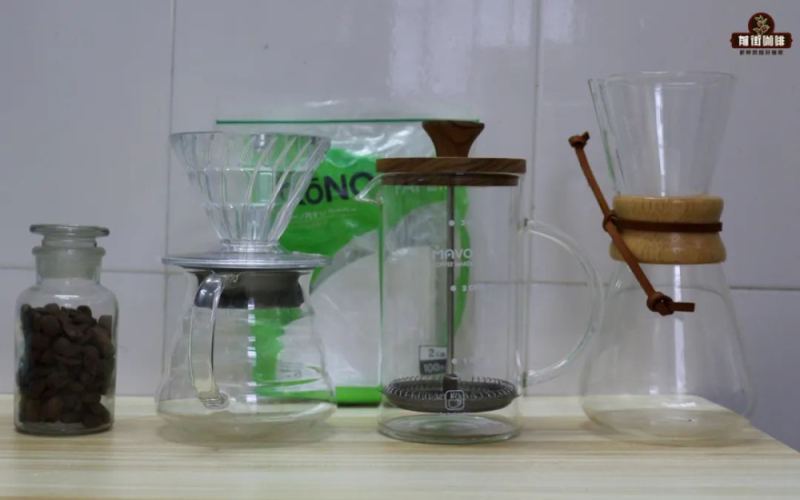
Even without professional equipment like a digital scale or thermometer, a French press can still brew great coffee. This article shares Front Street Coffee's practical tips for using a French press in a makeshift environment: how to solve the ratio problem using the markings on the carafe, how to estimate the coffee dose with the coin water-displacement method, how to control water temperature with the boil-and-rest method, and the specific steeping time and plunger operation. It also explains the flavor and mouthfeel characteristics of French press coffee, helping coffee lovers produce consistent results even with limited equipment. [more…]
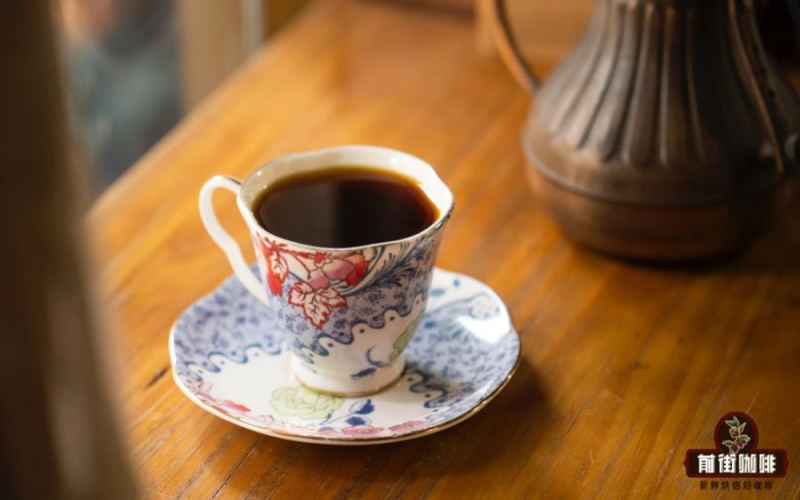
How Should You Drink Yirgacheffe Drip Bag Coffee Correctly? A Complete Guide to Front Street Red Cherry and Two Other Flavors Plus Homemade Brewing
Drip coffee bags, with their combination of portability and flavor, have become the daily go-to for many busy coffee lovers. This article focuses on Yirgacheffe, a classic growing region, introducing the origin information and flavor characteristics of three drip coffee bag products from Front Street Coffee: the washed Yirgacheffe, the sun-dried Red Cherry, and the Gutingding, while also explaining how to make your own drip coffee bags at home using fresh coffee beans, including specific steps such as bean selection, grinding, bagging, and sealing. In response to many customers reporting unsatisfactory results when brewing drip coffee bags, the article also breaks down water temperature control and staged pouring techniques in detail, helping you consistently extract a good cup of coffee with both floral notes and fruity acidity even without a digital scale. [more…]
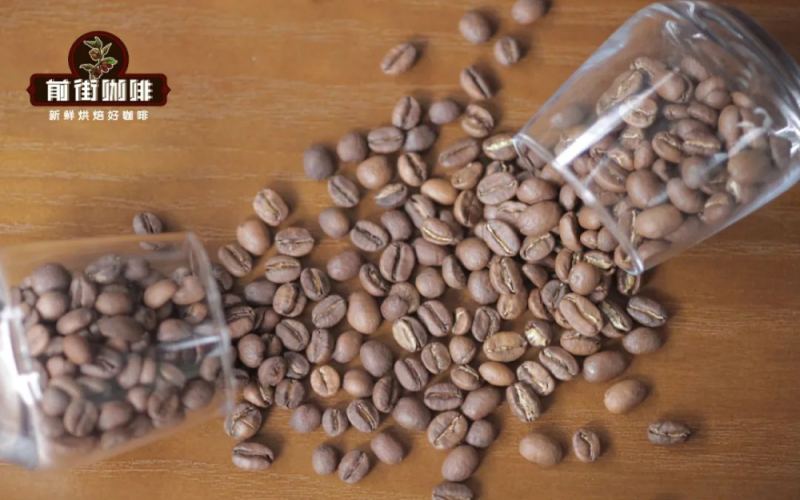
Yirgacheffe Pour-Over Guide: Flavor Characteristics, Roasting Logic, and Three-Stage Extraction Practice
Yirgacheffe, with its complex profile of citrus, lemon, berries, and floral notes, plus a clear tea-like body, has become the go-to entry choice for many coffee lovers. This article focuses on this classic Ethiopian bean, sorting out the key factors behind its flavor formation—from the introduction of the washed processing method and the accidental discovery of medium-light roasting, to the equipment setup, grinding, and water temperature parameters needed for home pour-over. At the same time, using 15 grams of coffee and a 1:15 coffee-to-water ratio as an example, it breaks down the specific steps and timing of a three-stage pour, and explains the roasting settings of Front Street Coffee's three Yirgacheffe daily-drinker beans, helping readers reliably reproduce a bright, delicate cup at home. [more…]
Yirgacheffe Coffee Flavor Analysis and Pour-Over Tutorial: A Complete Guide from Origin to Extraction
Yirgacheffe has won the hearts of many coffee lovers with its elegant floral aroma and bright fruity acidity. To recreate this fresh, non-bitter pour-over at home, you first need to understand its origin background, processing method, and roasting logic, and then master key parameters such as grinding, water temperature, and pouring. This article begins with the origins of Front Street Yirgacheffe, explains how washed processing shapes its clean citrus notes, analyzes why it is so widely popular, and shares the specific steps for a three-stage pour-over, helping you brew a Yirgacheffe at home that is closer to the café flavor. [more…]
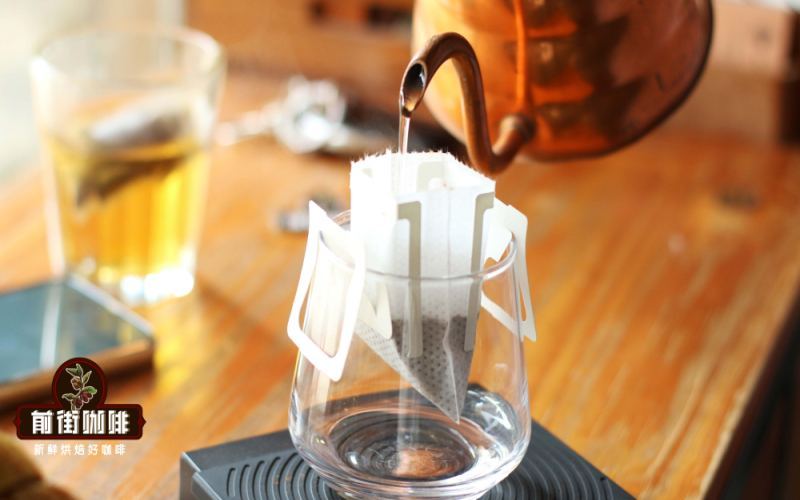
How to judge the grind size for drip bag coffee, how much coffee powder to put in a single pack, and the complete process for making your own drip bag coffee
Want to make your own drip coffee bags but aren't sure how coarse the coffee grounds should be or how many grams to put in each bag? Actually, the bar to making your own drip bags isn't that high—as long as you have a grinder, drip filter bags, a digital scale, and a sealer, you can get started. The grind size directly affects the flow rate during brewing, which in turn determines the strength and flavor of the coffee, so beans of different roast levels need to be matched with different settings. This article will walk you through the whole process of making your own drip bags, from tool preparation, grind parameter references, filling and sealing, to storage methods, and includes complete brewing steps, so you can easily make a smooth cup of drip coffee at home. [more…]

Beginner's Guide to Making Coffee at Home: Choosing Your First Pour-Over Setup and Practical Tips to Avoid Pitfalls
Specialty coffee is becoming more and more popular, and many friends who are just getting into coffee have begun to toy with the idea of brewing at home. Yet faced with a dazzling array of equipment, how to avoid wasting money and choose gear that truly suits you has become a problem for many beginners. Starting from the importance of coffee bean freshness and fresh grinding, this article goes through the key points for choosing a grinder, dripper, gooseneck kettle, filter paper, server, and digital scale one by one, and includes practical advice from Front Street. Whether you are just starting out or preparing to upgrade your equipment, this guide can help you clarify your thinking, avoid common pitfalls, and build a stable, easy-to-use pour-over setup on a reasonable budget. [more…]
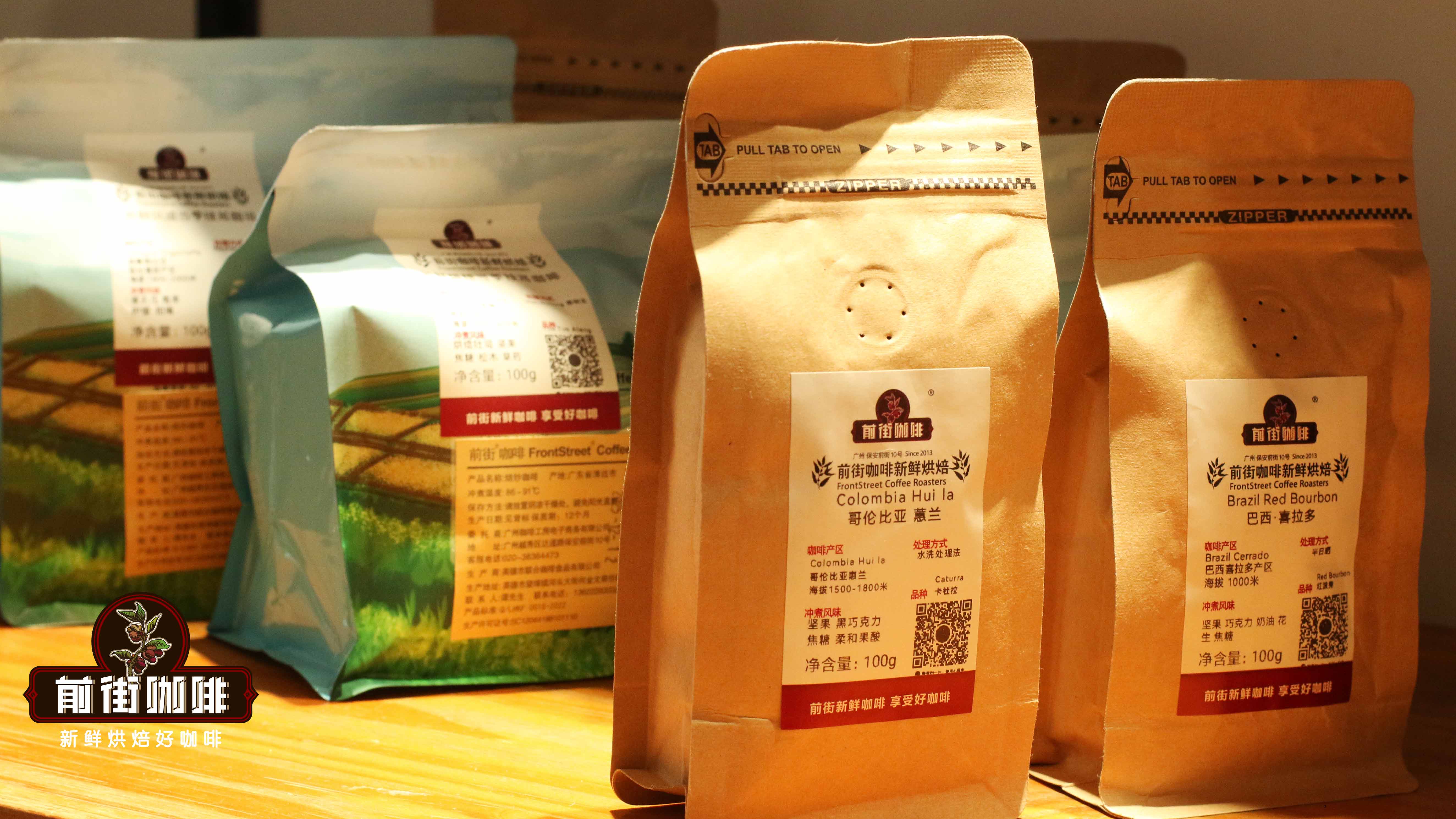
Espresso Machine vs. Hand Grinder Comparison: Coffee Bean Types Suitable for Hand Grinding and Brand Flavor Details
Hand-ground coffee and espresso machines are two common ways of making coffee, and they differ in extraction principles, flavor presentation, and suitable bean types. Espresso machines rely on high pressure for rapid extraction, delivering rich crema and intense flavor; pour-over, by contrast, uses hot water soaking and filtration to reveal the finer origin-specific character of coffee beans. In this article, Front Street Coffee provides a detailed comparison of the differences between the two, and recommends several single-origin coffee beans suitable for hand grinding and brewing, including washed Yirgacheffe, Costa Rica Tarrazú, and Indonesia Lintong Mandheling, while also providing specific brewing parameters and techniques to help coffee lovers find a hand-ground coffee solution that suits their taste. [more…]
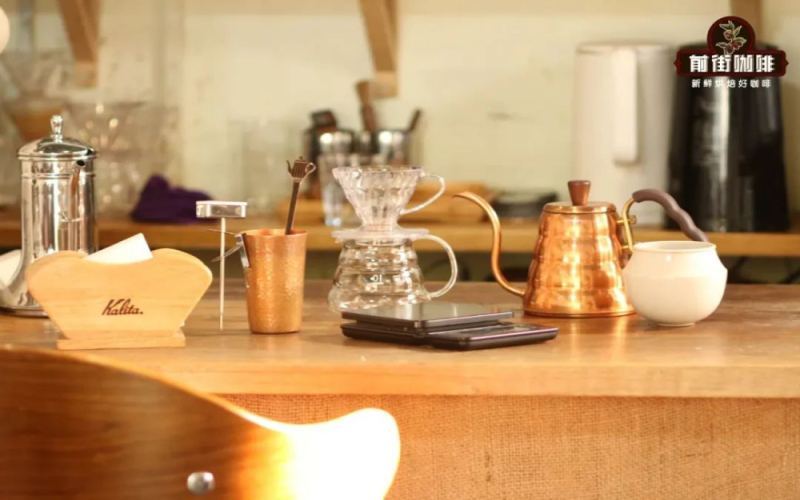
Learn Pour-Over from Scratch: A Practical Guide for Beginners on Choosing Coffee Gear and Beans
Friends who are just getting into specialty coffee are often eager to replicate a delicious pour-over at home. But faced with the bewildering array of equipment and beans on the market, how can beginners on a limited budget spend as little as possible while still buying the most suitable gear? This article will analyze the key points for choosing coffee beans, a grinder, a pour-over kettle, a dripper and filters, and a digital scale, one by one in order of priority, and give specific product recommendations from the Front Street brand. The core idea is: save the bulk of your budget for the grinder, start with low-spec entry-level gear for everything else, and only consider upgrading after you have grasped the principles of extraction and found your flavor preferences. [more…]
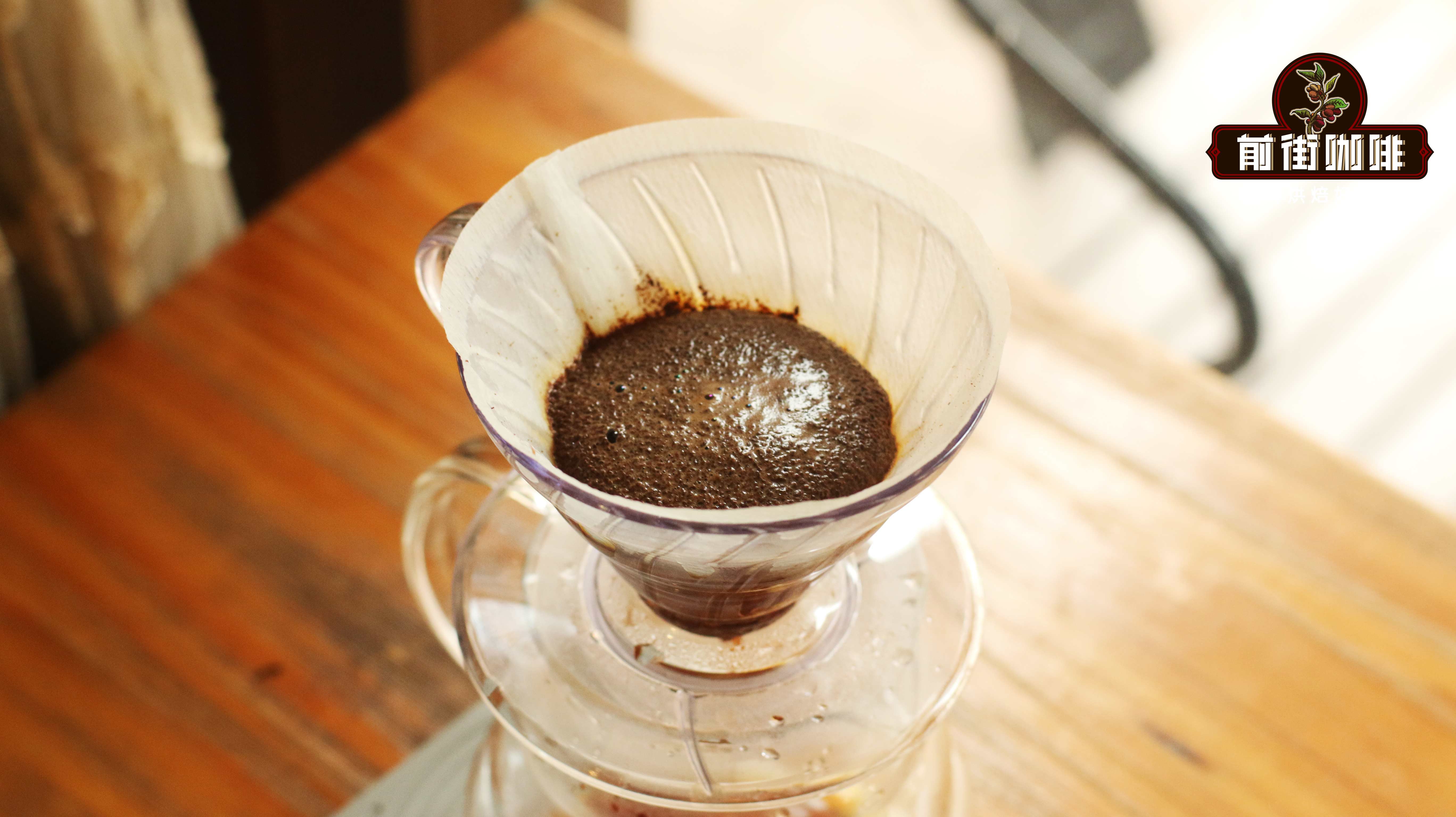
A Beginner's Guide to Home Pour-Over Coffee: Equipment Selection, Key Techniques, and Front Street Coffee's Everyday Bean Recommendations
To brew a clean, well-layered pour-over coffee at home, you don't actually need complicated equipment, but every step affects the final taste. From grinders, digital scales, and drippers to filter papers, gooseneck kettles, and thermometers, this article walks through the pour-over gear suitable for home use in the order of the brewing process, and gives specific brand models and reference prices. At the same time, for everyday drinking needs, it recommends a number of single-origin beans with distinct styles from the Front Street Coffee daily drinking series, covering different flavor directions such as rich and full-bodied, floral, nutty, and chocolatey, making it easy for coffee lovers to choose according to personal preference. [more…]

Starbucks China Ushers in a Leadership Transition: Molly Liu Promoted to CEO, Belinda Wong Remains Chairman
Starbucks China announced a major leadership change today: effective September 30, Liu Wenjuan will be promoted from co-chief executive officer to chief executive officer of Starbucks China, while Wang Jingying will continue as chairman of Starbucks China. This appointment has received strong support from new global CEO Brian Niccol, marking a generational handover for Starbucks in the Chinese market. Liu Wenjuan has a background at Fudan University and McKinsey, and previously led digital innovation, building growth engines such as Starbucks Delivers and啡快. Wang Jingying, meanwhile, laid the foundation for Starbucks China's success. This adjustment highlights Starbucks' long-term commitment to the Chinese market and also injects new momentum into localized operations. [more…]

How did the coffee market move from a slump to prosperity? An in-depth analysis of the 2020 industry transformation and future prospects
In 2020, the pandemic and financial scandals plunged the coffee industry into a wave of store closures, with brands like Starbucks, Luckin Coffee, and Coffee Box scaling back their offline operations. Yet amid the doubts, the coffee market quietly grew stronger, as an expanding consumer base, an influx of new brands, and innovative sales channels together pushed the industry into the spotlight. This article reviews the ups and downs of the past year, analyzes how the coffee market gradually won attention, and explores its future prospects. [more…]
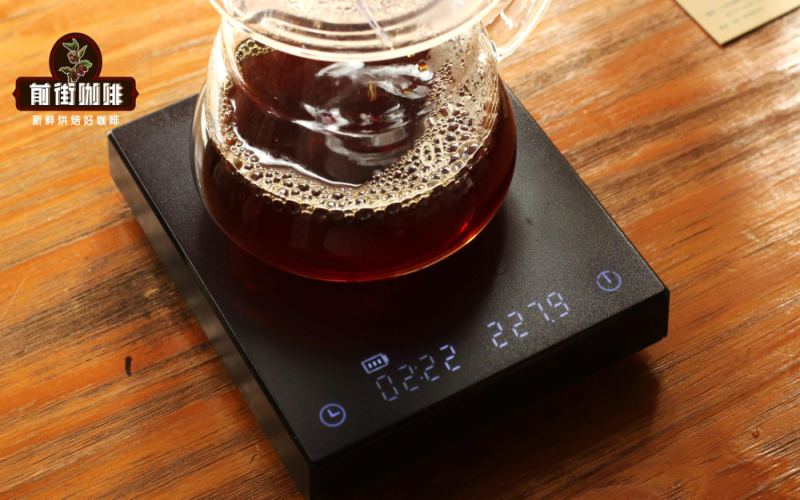
How Long Is a Normal Pour-Over Coffee Extraction Time? An Analysis of the Relationship Between Coffee Dose, Pouring Technique, and Time Parameters
When using a scale with a timer for pour-over coffee, what practical significance does it actually have? The length of the extraction time directly reflects the direction of the coffee's flavor—too long, and it becomes strong and bitter; too short, and it turns weak and thin. But extraction time is not a variable that can be controlled independently; it is constrained by many factors such as the dose, pouring method, and grind coarseness, making it a classic passive parameter. This article will systematically sort out the normal extraction range for a 15-gram dose, analyze the impact of increasing the dose and changing the number of pour stages on time, and explain how to use extraction time to judge whether the brewing parameters are reasonable. The article also includes the recommended brewing time for Front Street Yirgacheffe coffee beans for readers to compare and refer to. [more…]