







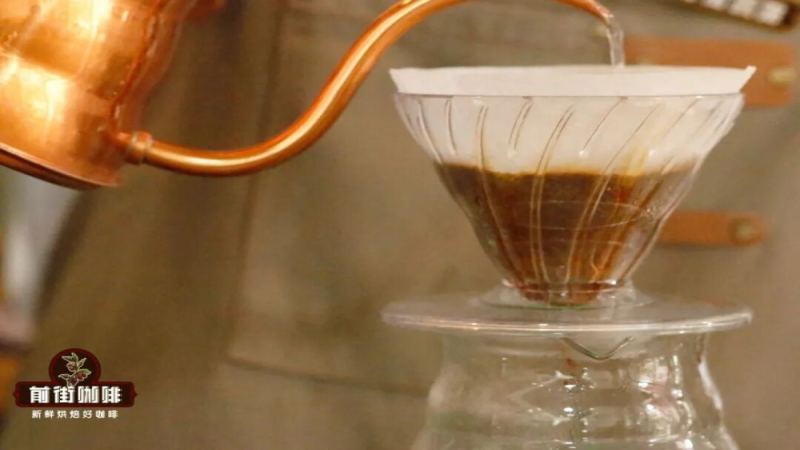
What should beginners know about pour-over coffee brewing?
Pour-over beginners should focus on finding a brewing rhythm rather than memorizing grind size, water temperature, and extraction yield figures. The practical starting point is to assemble essential tools, pick a bean that matches your taste, and learn simple ways to judge weighing, grinding, water temperature, and pouring pace. Brewing a cup you are satisfied with comes from feel and a few core principles, not from chasing every technical parameter at once.
Experienced drinkers split into three camps: minimalists who grind, dump, and pour; shops like Front Street that plan every parameter for consistency; and hobbyists who chase complex techniques. Beginners are usually none of these yet, so the advice is to skip fine details early, learn the basic 7 steps to make coffee, and note how long to grind coffee beans only once the process feels natural.
Friends who are just getting into pour-over coffee are often bewildered by a whole string of technical parameters like grind size, water temperature, and extraction yield, and when they actually try it, they find their hands simply can't keep up with their eyes. In fact, what beginners really need to do isn't memorize data, but first find the feel of brewing and grasp a few core principles. This article, from Front Street's perspective, sorts out the essential beginner tools, the bean-selection approach for different flavor preferences, and simple ways to judge key steps like weighing beans, grinding, water temperature control, and pouring rhythm, helping novices brew a cup they're happy with using the least amount of fuss.
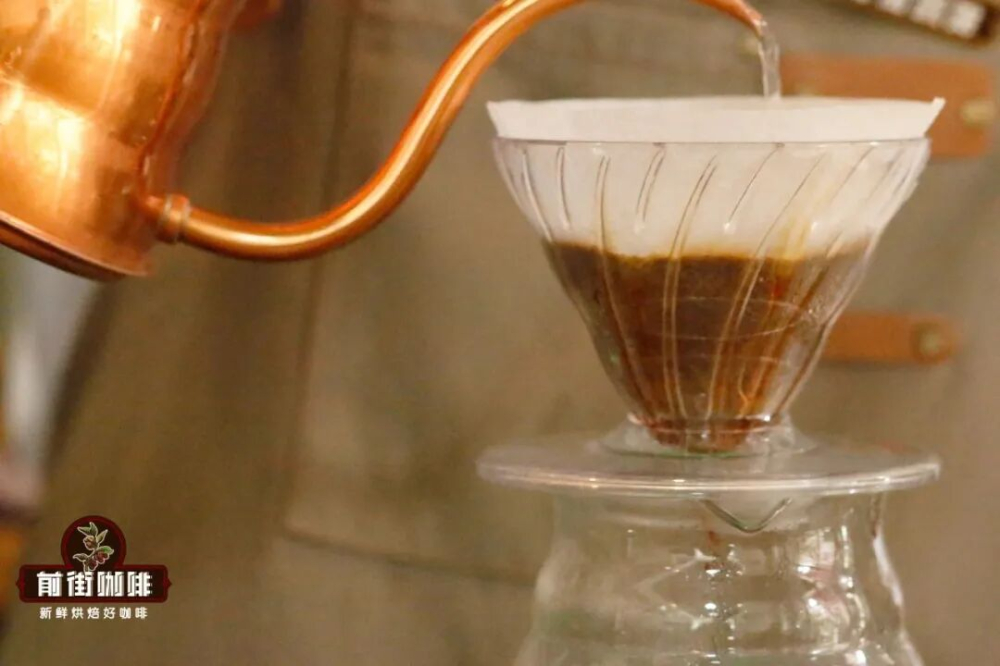
When it comes to brewing coffee, people with different standpoints have quite different views.
To the minimalist "veteran coffee drinker," making coffee is just three actions: grind the beans, dump the grounds, pour water, wait for it to finish dripping, and drink—any extra steps are a pure waste of time; if you switch to the perspective of a shop that needs to ensure consistency in output, such as Front Street, then the emphasis is on having every parameter clear in mind and building a brewing plan based on the characteristics of the coffee beans being used;
and if you're the kind of deeply obsessed pour-over player, you'll most likely be eager to study all sorts of tricky techniques, exotic gear, and complex data, even developing a set of "signature extraction plans" that belongs only to you.
Unlike the three types of experienced people above, many friends who walk into a Front Street shop are actually still at the pre-beginner or just-beginning stage. These novices who have just started brewing usually begin by searching online for all kinds of pour-over gear, learning all kinds of plans, binge-watching video tutorials, and even memorizing coffee jargon by heart, only to find once they get hands-on that their eyes say they've got it but their hands say they don't, and the coffee they brew is even harder to describe.
For these friends, Front Street's advice is: don't get hung up on details like grind size, technique, water temperature, and extraction yield right from the start—begin by finding the feel, pay attention to a few principles and details, then choose a bean that suits your taste and try to brew a cup you're satisfied with.
The first step is to gather the necessary equipment: a pour-over kettle for pouring water, a dripper and filter paper for straining coffee grounds, a grinder for grinding beans, plus a digital scale with a timer, a thermometer for measuring hot water, and a server for holding the coffee (an ordinary cup works as a substitute). As for the digital scale and thermometer, many people hesitate over whether to buy them, but Front Street thinks each plays an important role and neither is expensive, so if you want to improve your brewing in a targeted way, it's best to have both.
Pour-over coffee bean choices can be roughly divided into three categories: sour-leaning, balanced, and heavy-bodied. Friends who like sourness should go straight for floral, citrus, and berry notes; for a balanced taste, choose beans that have both fruity and roasted aromas (like toast, nuts, chocolate); if you prefer the heavy-bodied type, it's best to go straight for a dark roast. Here, Front Street Kafa Forest is used, with floral notes, citrus acidity, and a slight aroma of sunflower seeds and nuts, belonging to a medium-light roast.
With equipment and beans ready, let's start brewing.
Weighing beans and grinding: before grinding, first weigh out the amount of beans needed for one cup of coffee—here, using Front Street's daily output spec of 15g of beans. Suppose you don't plan to buy a digital scale; you can refer to this Front Street article "No Scale? Learn to Measure Coffee Weight with a Spoon!" , and use containers at home to judge.
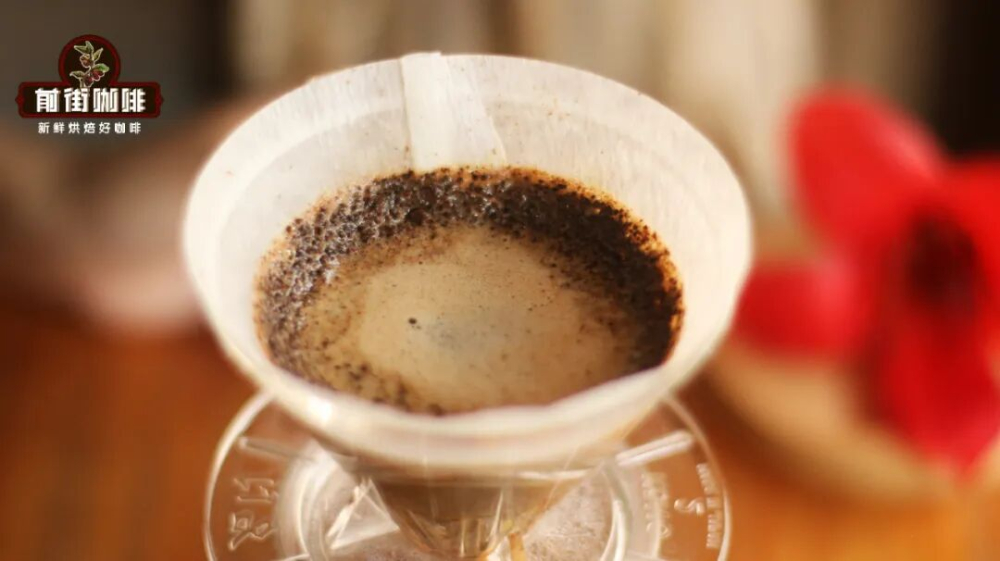
After weighing the coffee beans, take out another 2–3 beans and grind them in the grinder; when the particle size is close to granulated sugar, pour all the remaining beans into the hopper and grind. If the grind comes out much coarser than sugar, adjust the setting finer by 3–5 clicks; if it's finer than sugar, adjust coarser by 3–5 clicks. (This method can only help us roughly judge the grind setting; to find the most suitable coarseness for a particular bean, you still need to look at how it performs in the actual brew.)
Preparing hot water: although Front Street has discussed the effect of water temperature on coffee flavor in many articles, for beginner practice, remembering too many numbers will only give you a worse headache, so Front Street recommends just choosing a reliable value—90°C, which can suit many types of coffee beans and help us avoid both over-extraction and under-extraction as much as possible. If you don't have a thermometer on hand, boil the water, remove the lid, and let it sit at a room temperature of 25–30°C for 2 minutes 30 seconds to about 3 minutes, and the water temperature will drop to 90°C.
Pouring water: when brewing tea we pour hot water according to the amount of tea leaves; coffee is actually the same—less water makes it stronger, more water makes it weaker. When just starting out, Front Street recommends a 1:15 coffee-to-water ratio, that is, 15g of coffee grounds with 225g of hot water. If the brew comes out too strong and bitter, add more hot water next time and adjust the ratio to 1:16 or 1:17. Likewise, friends without a digital scale can refer to another Front Street article "No Digital Scale—How to Brew Coffee Blind?" and judge the amount of water by feel.
The pouring technique is the most basic part of pour-over coffee, and also the parameter with the most variation, capable of bringing out different characters in the coffee, but as a beginner you may well find it completely unfathomable. In fact, you don't need fancy techniques—novices can still brew delicious coffee, as long as within about 2 minutes you make sure all the hot water is poured onto the coffee grounds and the grounds and water make full contact.
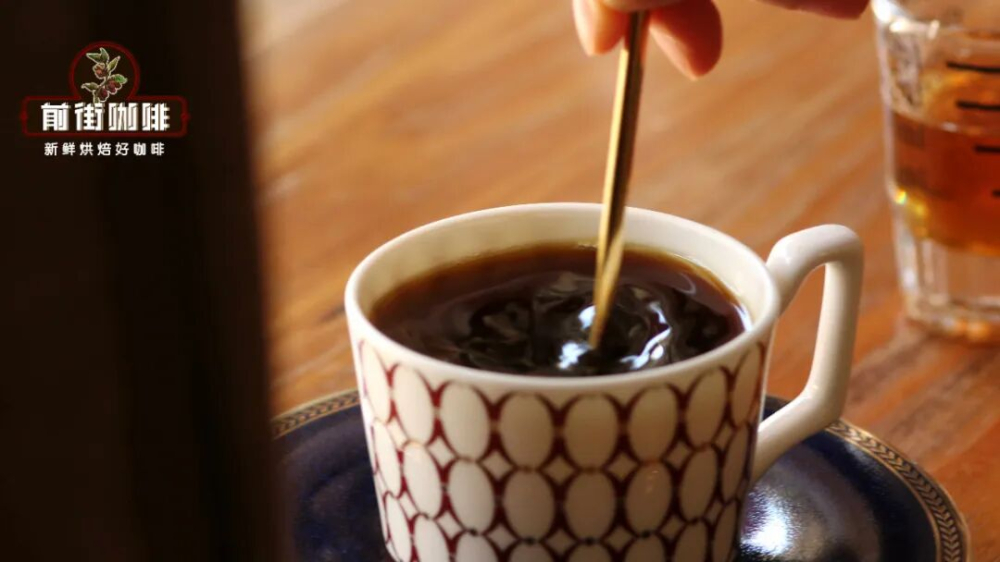
For example, Front Street's usual three-stage extraction of 15g of Kafa Forest coffee grounds, with the corresponding 225g of water poured in three stages, shows on the digital scale as: 30g, 125g, 225g.
When the drip time falls between 1 minute 50 seconds and 2 minutes 10 seconds, the coffee grounds have formed a nice "bowl" shape, and it tastes moderately strong, that means there's no major problem with your pouring.
If the extraction time is under 1 minute 40 seconds and the taste is on the weak or sour side, it's most likely caused by too strong a flow; Front Street suggests switching to a gentler, slower pour. Conversely, if the time exceeds 2 minutes 20 seconds and the taste is strong and bitter, the coffee grounds may have been steeped too long; next time you can increase the flow and pour in circles.
When you successfully brew a delicious cup of coffee, it means you've basically mastered the brewing steps and have a preliminary understanding of certain parameters, and you can gradually get familiar with them and improve them in future practice. If you want to further raise your brewing level, you'll need to try to understand how these parameters change coffee flavor and how they relate to one another, then apply them flexibly in brewing.
The above content is compiled by CoffeeHunters, a coffee news website.


