







Search Results for: Creation of the Gods II
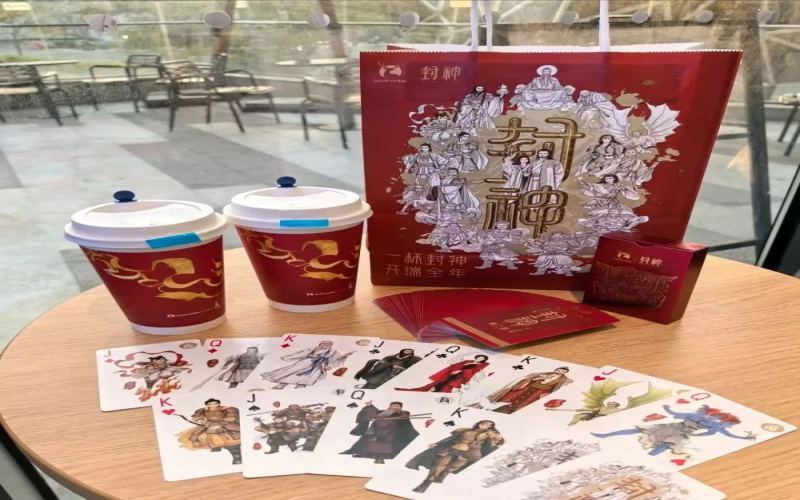
Luckin's "Creation of the Gods II" collaboration drink sparks controversy over taste, limited cup sleeves absent due to printing issues
Luckin Coffee's co-branding campaign with the Lunar New Year film "Creation of the Gods II" has officially launched, with the simultaneous release of a pistachio latte and movie-themed merchandise. However, the first batch of consumers who tried the new product gave polarized reviews of its taste, with many reporting a noticeable greasiness and the inability to substitute oat milk with regular milk. Even more surprising to merchandise collectors was that the co-branded limited-edition cup sleeves were urgently recalled by headquarters due to a printing error, and themed cup sleeves would no longer be offered during the campaign. Meanwhile, misprinted cup sleeves have appeared for sale at high prices on second-hand platforms, sparking considerable skepticism. This article will sort through the sequence of events and the reactions from all sides. [more…]
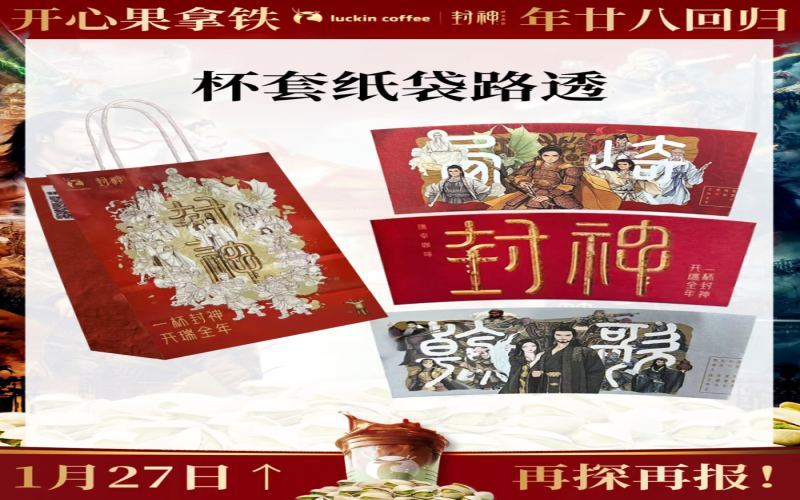
Luckin Coffee's collaboration with "Creation of the Gods II" featured a typo in its promotional materials, where "Xiqi" was mistakenly written as "Xiqi," sparking heated discussion among netizens.
Luckin Coffee's co-branding collaboration with the mythological film "Creation of the Gods II: Demon Force" had not yet officially launched when it drew widespread attention due to a typo on the cup sleeves. The cup sleeves, which should have borne the two characters "西岐" (Xiqi), were mistakenly printed with "西崎" (Xiqi). This error quickly fermented on social media. Netizens flooded online channels to call on Luckin Coffee officials, hoping for a swift recall and reprint. However, given the approaching Spring Festival, factory and logistics shutdowns for the holiday, and the film's release schedule, a reprint was nearly impossible. Ultimately, based on new merchandise photos shared by employees, Luckin appeared to have chosen to let the mistake stand and continued to roll out this batch of misspelled cup sleeves. This article will walk you through the entire sequence of events and also look at how brands like Front Street Coffee have performed with their co-branded merchandise. [more…]
Papua New Guinea Bird of Paradise Coffee: The "Little Blue Mountain" Flavor of the Typica Variety and a Brewing Guide
Papua New Guinea is hailed as a "Little Blue Mountain" producing region; its Typica variety originates from Jamaican Blue Mountain, and combined with an island-type highland growing environment, it displays a unique flavor balancing bright acidity with floral and fruity aromas. Starting from Front Street Coffee's sourcing practice, this article systematically reviews the country's producing regions, cultivation models, historical development, and grading system, with a focus on the terroir characteristics of Sigri Bird of Paradise Estate and Kimel Estate, and includes Front Street's roasting curves, cupping comparisons, and three-pour hand-brewing parameters. If you want to understand this island coffee that carries Blue Mountain lineage yet shows more pronounced fruity acidity, this article provides a complete knowledge framework and practical reference. [more…]

When Lemon Meets Espresso: The Origins of Espresso Romano and a Hands-On Test of Two Home Recipes
Espresso with lemon—a combination that may sound unfamiliar, yet it has actually been circulating in southern Italy for over half a century, where locals call it caffè canarino or caffè al limone, written in English as Espresso Romano. Its origins are closely tied to the historical context of post-World War II Italy, when coffee beans were scarce and dark-roasted beans were bitterly charred and hard to swallow, while the lemon-rich southern regions happened to provide a natural ingredient to temper the bitterness. In addition to tracing this history, this article will also put two beans—Sunflower Warm Sun Blend and Brazil Queen's Estate—to the test, using espresso and moka pot methods respectively to brew this drink, recording how sweetness, acidity, and bitterness contend when lemon meets coffee, and exploring the embellishing role of lemon juice in contemporary coffee creation. [more…]
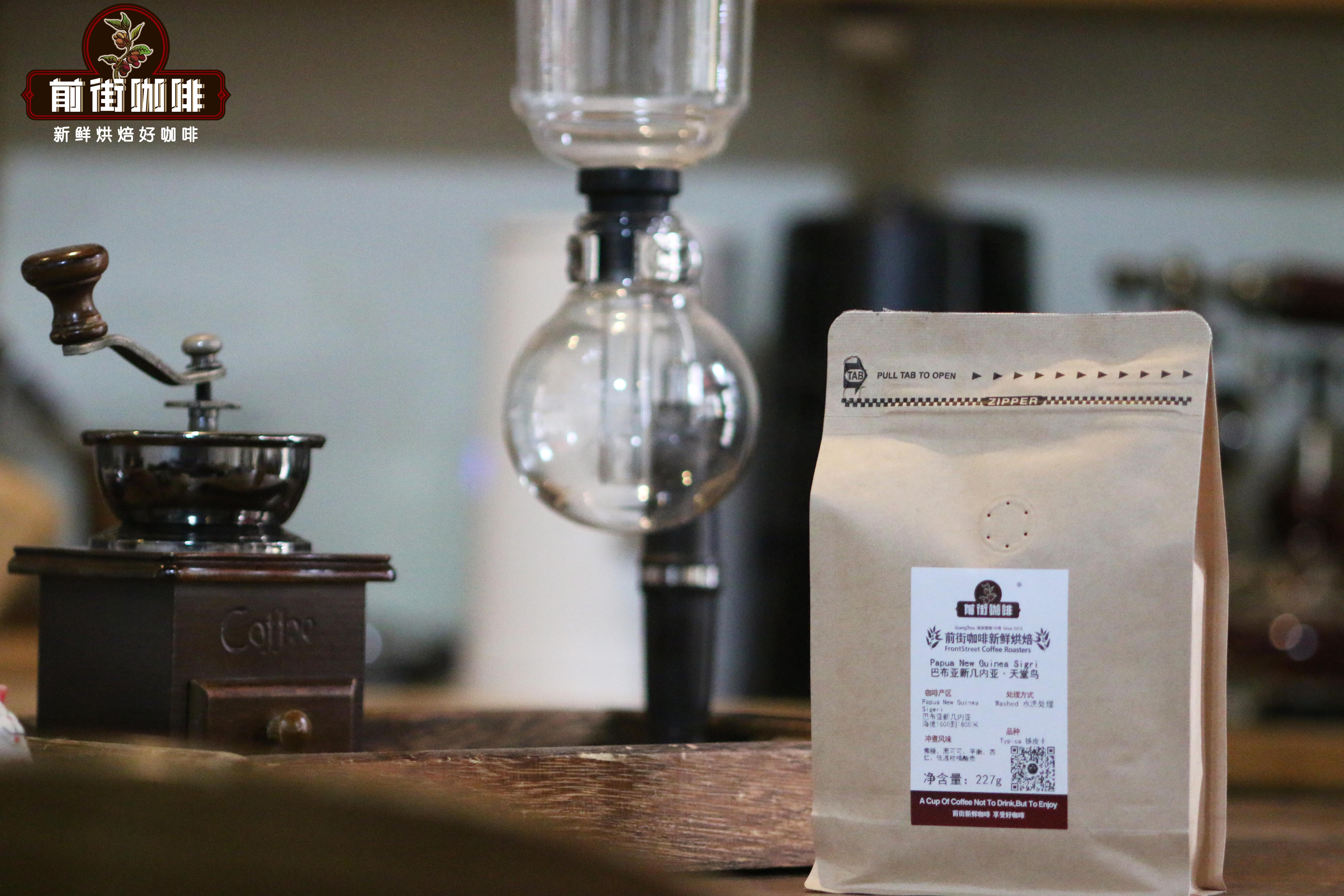
Papua New Guinea Bird of Paradise Coffee Beans: The Flavor Code from Jamaican Blue Mountain Introduction to Sigri Estate
Papua New Guinea is both a familiar and unfamiliar origin for coffee lovers. Many people have heard of Front Street Papua New Guinea coffee, yet few have actually tasted it. Those who have often compare it to the flavor of "Front Street Blue Mountain Coffee Beans," which is why it has earned the nickname "Little Blue Mountain." To investigate the origin of this name, Front Street specifically acquired and listed this coffee. This article will provide a comprehensive interpretation of the unique charm of Papua New Guinea Bird of Paradise coffee beans, covering its cultivation history, industry challenges, estate background, varietal characteristics, processing methods, and Front Street's roasting and brewing recommendations. [more…]
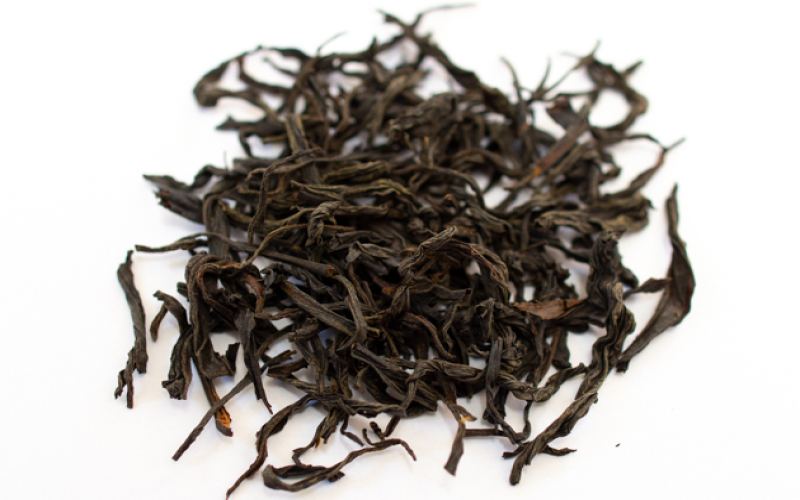
The Origins of Tongmuguan Lapsang Souchong Qizhong and Earl Grey Tea and a Detailed Explanation of the Blending Recipe
This article focuses on Tongmuguan Lapsang Souchong, introducing the terroir and natural farming cultivation characteristics of its top-grade Qi Zhong tea, and telling the historical story of how Lapsang Souchong sparked the British black tea craze and inspired the creation of Earl Grey tea. The article also includes an Earl Grey black tea blend recipe based on Lapsang Souchong, and retains Front Street Coffee's relevant product recommendations, making it suitable for caffeine enthusiasts interested in black tea culture and blending. [more…]
What Exactly Does Fancy Coffee Mean? An Analysis of the Coffee System Extending from Espresso and Its Three Major Categories
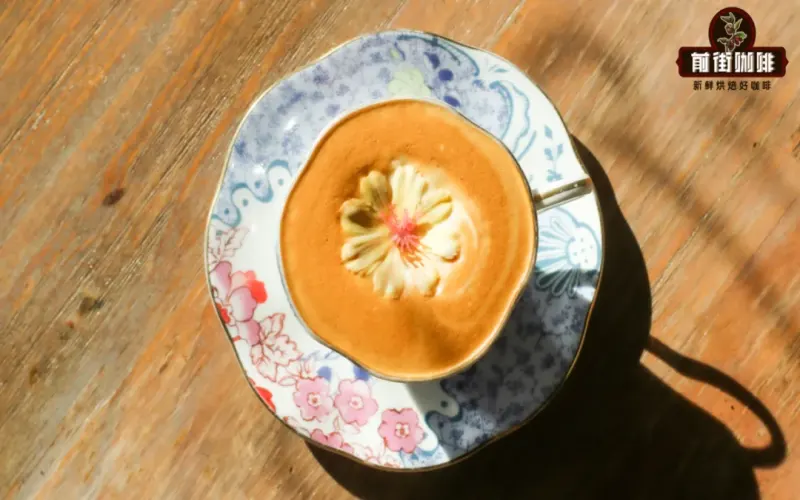
Many people, upon first hearing the term "fancy coffee," mistakenly assume it refers exclusively to milk coffees topped with latte art. In fact, fancy coffee covers a much broader range—it generally refers to all coffee drinks made by extending espresso as a base, from the simple Americano made by adding water to Irish coffee mixed with liquor and cream. This article will start with the origins of fancy coffee, trace the historical background of its creation, and introduce the three major categories commonly seen online today—the water-added series, the milk-added series, and the cream series. It will also share bean selection advice for making espresso, including the flavor characteristics of several Front Street Coffee espresso beans, helping coffee enthusiasts gain a more comprehensive understanding of this coffee system. [more…]

The Origin Story of Flat White | Can Starbucks' Flat White Be Made Iced? What's the Difference Between Ristretto and Espresso?
Flat White is translated as Flat White/Aussie White coffee, also known as "fresh milk espresso," and Starbucks China named it "Furui White coffee." It is a fancy milk coffee originating from New Zealand and Australia. It is said that during World War II, Italians immigrated to New Zealand and Australia and brought coffee culture to the local area. In 19 [more…]
Does Americano with milk still count as an Americano? From origins to ratios, decoding the right way to add milk
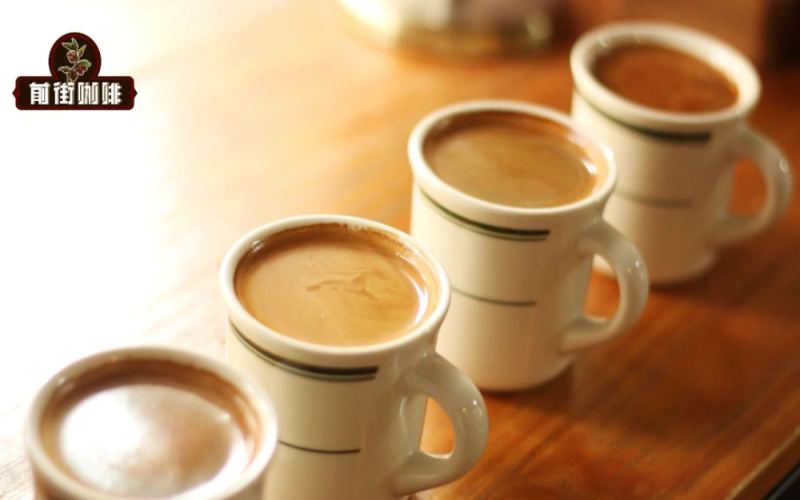
Does adding milk to an Americano upgrade the taste or simply turn it into a latte? Many friends who make coffee at home have this question. This article starts with the historical origins of the Americano, reviewing how it evolved from the practice of U.S. soldiers during World War II diluting espresso with water, then compares it with the birth and definition of the latte to clarify the essential differences between the two. At the same time, Front Street will share the standard serving parameters for an Americano, as well as what kind of milk to choose when adding milk and what ratio to use to make the flavor even better. Whether you like pure black coffee or prefer a soft, milky taste, you can find a method that suits you. [more…]
Starbucks Disney collaboration merch sparks debate: red envelopes, omamori, and wooden divination blocks make a cross-border debut
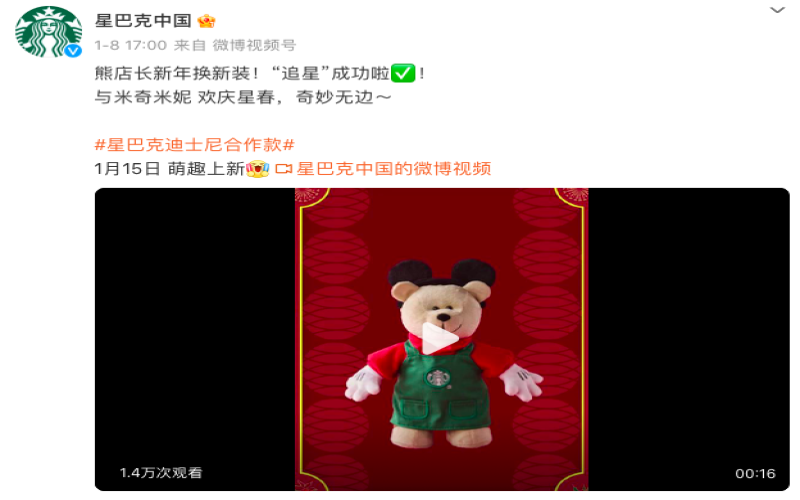
The second Starbucks and Disney collaboration is set to launch on January 15, featuring Mickey and Minnie as the campaign's main characters. In addition to regular merchandise such as mugs and plush toys, the official lineup also includes red envelopes printed with the brand logo, omamori charms, and wooden divination blocks (bwa bwei), sparking lively discussion among netizens. The appearance of bwa bwei, a common divination tool in the Fujian and Guangdong regions, in a coffee brand collaboration has left many people exclaiming over the surprising combination. This article will walk you through the specific merchandise of this collaboration, the cultural background of bwa bwei, and the amusing reactions from netizens. At the same time, Front Street Coffee will continue to follow the brand strategy behind this cross-industry attempt. [more…]
Why is Papua New Guinea coffee called Little Blue Mountain? Flavor differences from Jamaican Blue Mountain and an analysis of Bird of Paradise Estate
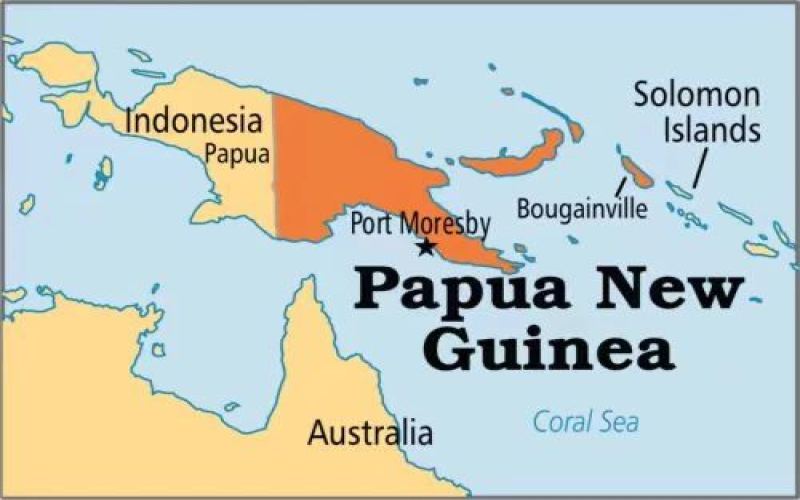
Papua New Guinea coffee is often called "Little Blue Mountain" by enthusiasts, a description rooted in both historical origins and similarities in terroir. This article begins with the Papua New Guinea coffee offered by Front Street Coffee, tracing the country's coffee introduction and cultivation history, industry fluctuations, and the reasons behind inconsistent quality, while providing a detailed analysis of Front Street's Papua New Guinea · Bird of Paradise Estate—including origin information, variety characteristics, washed processing methods, roasting recommendations, and brewing parameters—to help you understand its similarities to and differences from Jamaican Blue Mountain. [more…]
Papua New Guinea Bird of Paradise Estate Coffee Beans: Where Does the "Little Blue Mountain" Flavor of the Typica Variety Come From?
Papua New Guinea coffee is often dubbed "Little Blue Mountain," but few people have truly tasted it. For this reason, Front Street Coffee has specially introduced Front Street Papua New Guinea Bird of Paradise Estate coffee beans, sorting through everything from the region's terroir and cultivation history to variety characteristics. Bird of Paradise Estate is located in the Waghi Valley of the Western Highlands Province, at an altitude of about 1,500 meters, and is known for its Typica variety and washed processing. Its cup profile presents nutty notes, cocoa, gentle fruit acidity, and a caramel finish. This article will guide you through why coffee from this island nation combines richness with fruit acidity, as well as Front Street's roasting and brewing recommendations. [more…]
A Complete Analysis of Bolivian Coffee Estates: Terroir and Varieties — From San Angel to Illimani, the Flavors of Specialty Beans
Bolivia, with its high altitudes and tropical climate, has become a coffee origin that cannot be overlooked in the specialty coffee world. This article takes an in-depth look at several representative estates in the country—San Angel, Sugar Mill, Castle Ruins, Brugmansia, Wish, Alpaca, Provincial Eagle, and more—covering the cultivation stories and flavor characteristics of varieties such as Typica, Caturra, Java, and Geisha, and explaining how the Sunrise Project helps local coffee farmers improve quality. Front Street Coffee also continues to follow the unique performance of these estates. [more…]

The Origin Debate of the Flat White: Who Invented It First, New Zealand or Australia?
Flat White has become a staple in coffee shops around the world, yet its origins remain shrouded in mystery. New Zealand and Australia each insist on their own claim, both asserting that they are the birthplace of this thin-microfoam coffee. Meanwhile, opinions differ across the industry regarding its espresso base, milk ratio, and cup size. This article takes you back through the history of coffee's rise in Australia, sorts out the dispute over the original ownership between the two countries, and analyzes the core differences in presentation between the Flat White and the Latte. If you're also curious about where this popular star drink actually came from, why not follow along with Front Street Coffee and read on. [more…]
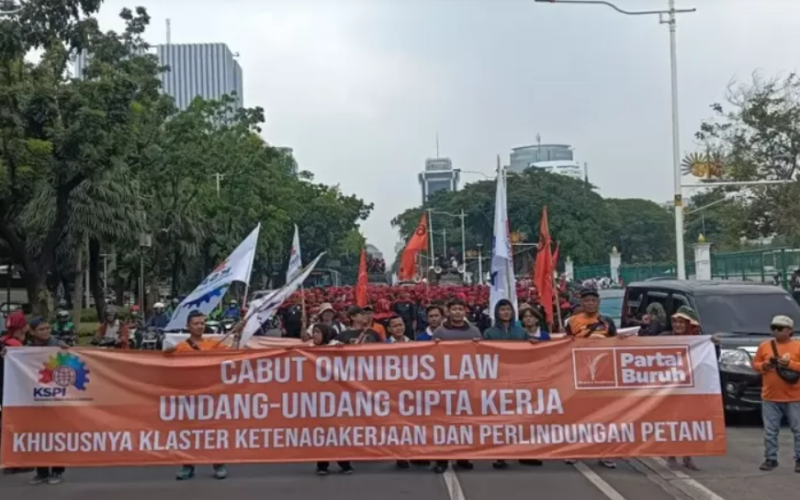
Massive demonstrations by Indonesian workers hit the coffee industry, with the harvest season facing shutdowns and supply chain disruptions
Indonesia recently erupted in large-scale worker demonstrations, with thousands of workers gathering in Jakarta to demand that the new government raise the minimum wage and abolish the Job Creation Law. The protests are expected to spread to 38 provinces and last until October 31. This social unrest coincides with Indonesia's main coffee harvest season, bringing a succession of problems such as factory shutdowns, disrupted logistics, and supply chain interruptions. Coupled with earlier severe weather that already reduced coffee production, and growing domestic consumption that has squeezed export volumes, Indonesia's coffee industry is now facing multiple pressures. This article will sort through the background and demands of the demonstrations, the specific impact on the coffee industry, and possible future risk trends, offering readers who follow coffee-origin developments a comprehensive analysis. [more…]
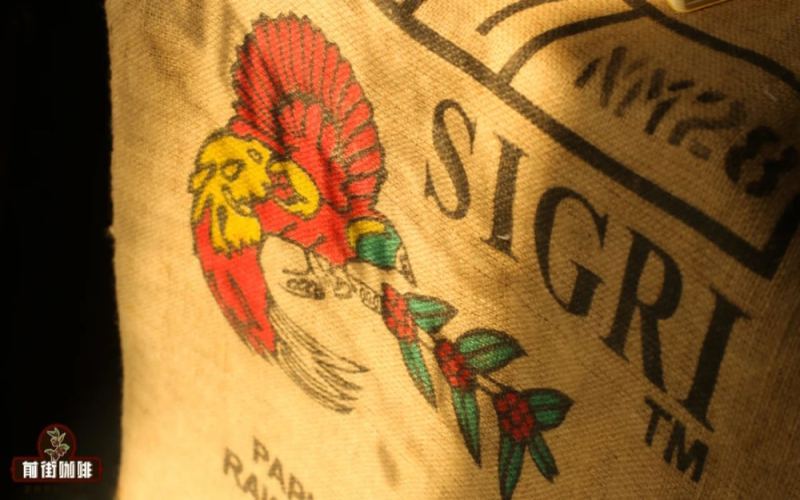
Papua New Guinea Bird of Paradise Estate PB Peaberry Specialty Coffee Brewing Parameters and Front Street Coffee Pour-Over Recommendations
Papua New Guinea is the largest island nation in the South Pacific. Its signature coffee, Bird of Paradise, shares a deep connection with Blue Mountain coffee due to its Typica lineage, and it is often called "Little Blue Mountain." Front Street Coffee once compared the two: Blue Mountain pour-over presents a rich, full-bodied dark chocolate and caramel profile, while Papua New Guinea coffee, within its full body, carries a touch of fruity acidity, each with its own distinctive character. This article will systematically sort out the background knowledge of this coffee-producing country from the perspectives of geographical environment, coffee history, producing region distribution, washed processing, and grading system, with a key introduction to the Typica AA coffee beans from the Bird of Paradise estate. At the end, it includes the medium-dark roast approach given by Front Street Coffee, a Kono dripper paired with 88°C water temperature, 15 grams of coffee at a 1:15 coffee-to-water ratio, and a staged pouring plan, helping enthusiasts recreate at home this bean's toasted bread sweetness, nutty sweetness, and subtle fruity acidity layers. [more…]
Papua New Guinea Bird of Paradise Coffee Beans: The Origins of the "Little Blue Mountain," Terroir of the Producing Region, and Front Street Brewing Method
In Papua New Guinea, the largest island nation in the South Pacific, a coffee often called "Little Blue Mountain" is produced—Bird of Paradise. It carries Blue Mountain lineage because Typica was introduced from Jamaica in 1931, and thanks to the volcanic soil of the Waghi Valley and a three-time washed fermentation process, it presents a cup profile that combines bright fruit acidity, floral and fruity aromas, and full body. Through multi-region comparison and cupping selection, Front Street Coffee has listed the AA-grade washed beans from Bird of Paradise Estate and offers brewing suggestions using a medium-dark roast and a Kono dripper. This article will outline Papua New Guinea's geographical environment, coffee history, producing region distribution, grading and naming rules, as well as the cultivation and processing details of Bird of Paradise Estate, to help coffee enthusiasts gain a comprehensive understanding of this "Little Blue Mountain." [more…]

Illustrator accuses Jueke Coffee of unauthorized use of artwork; brand responds claiming original creation, dispute may proceed to litigation
Recently, an illustrator publicly accused the new Chinese-style coffee brand Jueke Coffee of unauthorized use of their artwork, involving three illustrations including "Watermelon and Lotus," and plans to file a lawsuit. Jueke Coffee responded that the packaging design is original, there is no infringement, and refused to apologize or pay compensation. Both sides hold their own views, and the incident has sparked widespread attention. This article reviews the course of the incident, the positions of both parties, and netizen reactions, and includes relevant recommendations from Front Street Coffee. [more…]

Why does Luckin Coffee's packaging design keep going viral? The brand communication logic behind paper bag secondary creation.
After finishing a cup of Luckin Coffee, the taste may soon be forgotten, but the paper bag is often kept. In recent years, Luckin has continued to attract consumer attention through its packaging design. From co-branded editions to seasonal limited editions, from coffee-region themes to holiday specials, materials such as paper bags and cup sleeves not only serve a containing function but have also become carriers that consumers spontaneously collect, repurpose, and share. This article analyzes how Luckin uses a single piece of paper to achieve deep interaction between the brand and consumers from the perspectives of design strategy, environmental philosophy, and social communication, and explores brand development ideas that independent coffee shops can learn from. [more…]
Why is the Australian-style Long Black so hard to find in China? How exactly does it differ from an Americano?
Both are espresso diluted with water, yet Americano and Long Black have completely different preparation logic and flavor goals. The former adds coffee first and then pours in water, is suitable both hot and cold, and allows loose ratios; the latter requires water to be prepared first before pouring in the espresso, must be drunk while hot, and exists solely to preserve that layer of Crema aroma. This article comprehensively sorts out the differences between this pair of black coffee "rivals," from origin and method to presentation details, and analyzes why Long Black has never become as popular in China as Flat White. Front Street Coffee will also combine its own serving parameters to share the key points for making a standard Long Black, as well as how to order if you want an iced version. [more…]