







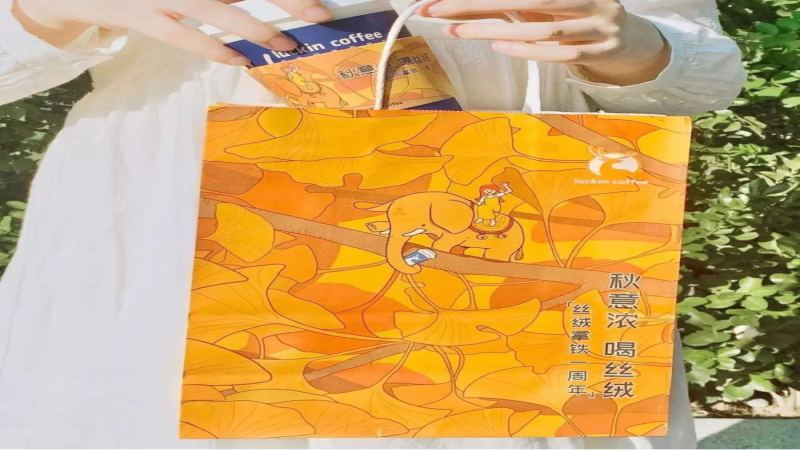
How Does Luckin Coffee Packaging Design Drive Second Creation?
Luckin Coffee has built attention through packaging design that consumers keep, upcycle, and share. Collaboration editions, seasonal limited editions, origin themes, and holiday specials turn paper bags and cup sleeves into collection items rather than carrying materials. The design principles are simple: keep materials recyclable, let consumers create second works, and let the brand gain secondary spread.
After finishing a cup, the taste may fade, but the packaging often stays. Luckin observed the habit of reusing and restyling paper bags and invested in design around relaunches, celebrations, and merchandise. Independent coffee shops can study this approach, since the same logic applies whether the drink is a latte or any beverage coffee is made from.
After finishing a cup of Luckin Coffee, the taste may soon be forgotten, but the paper bag is often kept. In recent years, Luckin has continued to attract consumer attention through packaging design. From collaboration editions to seasonal limited editions, from coffee-origin themes to holiday specials, paper bags, cup sleeves, and other materials not only serve a carrying function but have also become vehicles for consumers to spontaneously collect, upcycle, and share. This article analyzes how Luckin uses a single piece of paper to achieve deep interaction between the brand and consumers from the perspectives of design strategy, environmental philosophy, and social communication, and explores brand development ideas that independent coffee shops can learn from.
For professional coffee knowledge exchange and more coffee bean information, please follow Coffee Workshop (WeChat public account: cafe_style)
For more specialty coffee beans, please add the private WeChat of Front Street Coffee (FrontStreet Coffee), WeChat ID: qjcoffeex
Not long ago, a friend of mine who works in design stared at a Luckin paper bag on the table and could not help but sigh: Every time I buy Luckin, I am actually moved by its design! Whether or not it is a collaboration, Luckin really has a knack for thematic creativity!
Since Luckin completed its large-scale restructuring, its marketing methods have indeed been refreshing. While continuing to issue coupons to retain old customers, it also uses diverse designs to capture the attention of mass consumers from every angle. As environmental awareness grows ever deeper, Luckin has gained a great deal from just one piece of paper. The taste of coffee may be forgotten in an instant after it goes down, but the packaging is often kept. Luckin has precisely observed everyone's habit of being happy to recycle and reuse, and has invested a great deal of effort in packaging design. Whether it is a product relaunch, a holiday celebration, a seasonal change, a brand collaboration, or merchandise development, designers work around several core principles: let materials be recyclable, let consumers create second works, let the brand gain secondary spread, and at the same time let consumers directly understand the intention through the design.
I wonder if you have this habit: once paper bags pile up, you always want to do something with them. Many netizens recall that as children they liked to wrap textbooks with paper bags, and would also cut out the nice patterns on the bags and keep them, thinking they would come in handy for handmade newspapers later. After growing up, this habit still remains. But compared with childhood, people's hands-on skills today are truly impressive. Some directly use the original materials of the bag to transform it into a tissue box or phone case; those with even more skill make lanterns, small night lights, and other objects.
Consumers' secondary creations not only greatly increase the recycling rate of materials, but also allow the brand to complete five rounds of communication invisibly. Which five rounds? Brand promotion sparks attention — consumers spontaneously buy — after collecting and transforming, they share their works — other consumers follow suit and imitate — more people who originally paid little attention to the brand are attracted to join the consumption, thus starting a new round of cyclical communication. In content design, Luckin launches corresponding themes around spring, summer, autumn, and winter as well as various holidays; when there is no specific occasion, it selects directions with high public attention for collaborations or new product launches. For products involving coffee-producing regions, the design inspiration is often drawn from representative wildlife and plants of each place of origin, presenting regional characteristics in the form of illustrations. By capturing the unique features of the natural world and using rich colors to convey the beauty of nature, it calls for environmental protection while also strengthening the brand image.
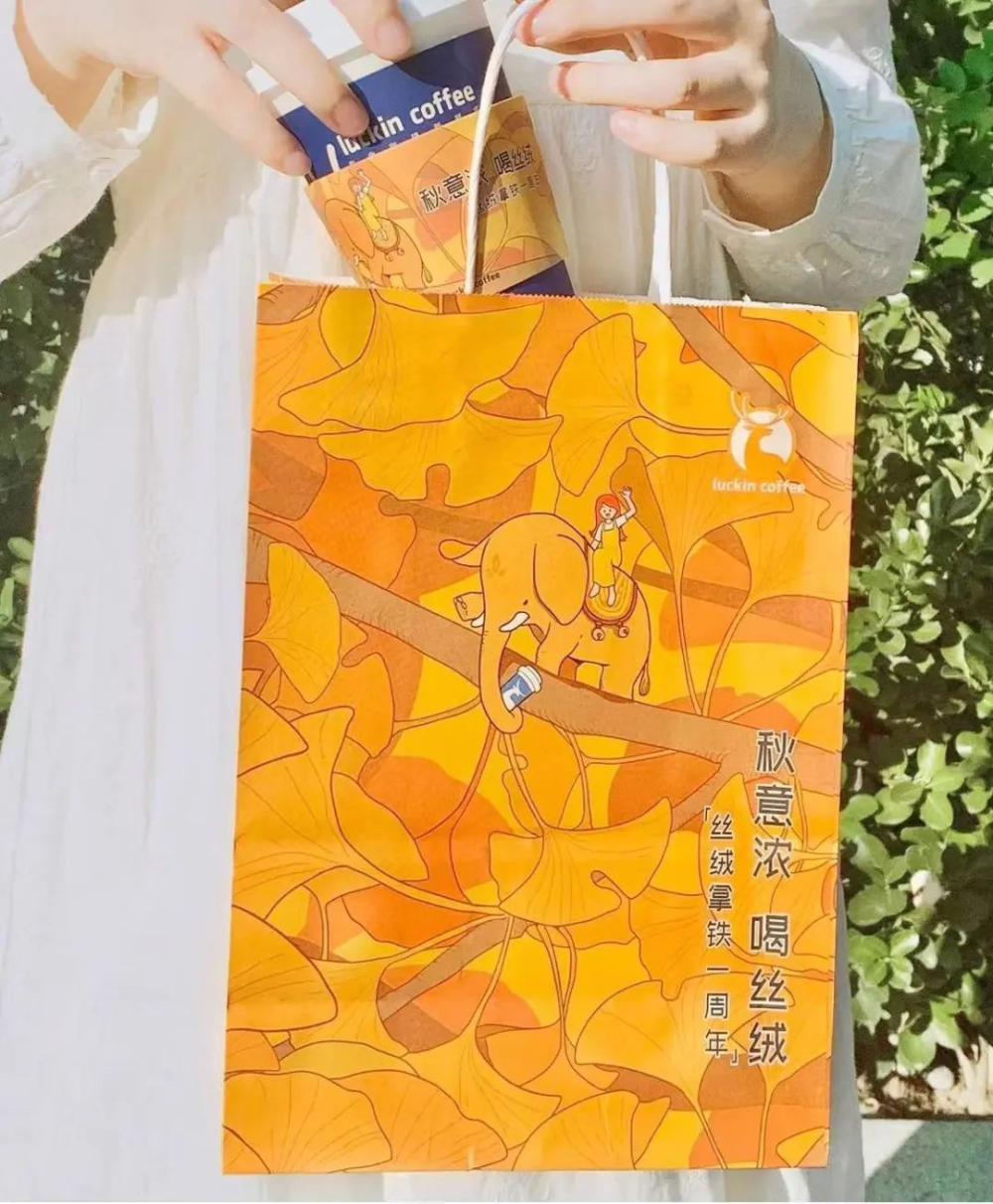
In addition to the design itself, Luckin also interacts with netizens on major social platforms and develops emojis, closing the distance between the brand and consumers in a down-to-earth way. DIY works posted by netizens also receive official recognition, which can be said to have comprehensively grasped the preferences of the new generation of consumers. For coffee brands, especially independent coffee shops, development cannot be achieved without more consumers being exposed to them. Playing together with consumers, providing more interactive experiences beyond coffee, and letting the brand be remembered in diverse ways are the keys to brand growth.
Image source: Internet
The above content is compiled by CoffeeHunters, a coffee news website.


