







Search Results for: Costa Rican Geisha
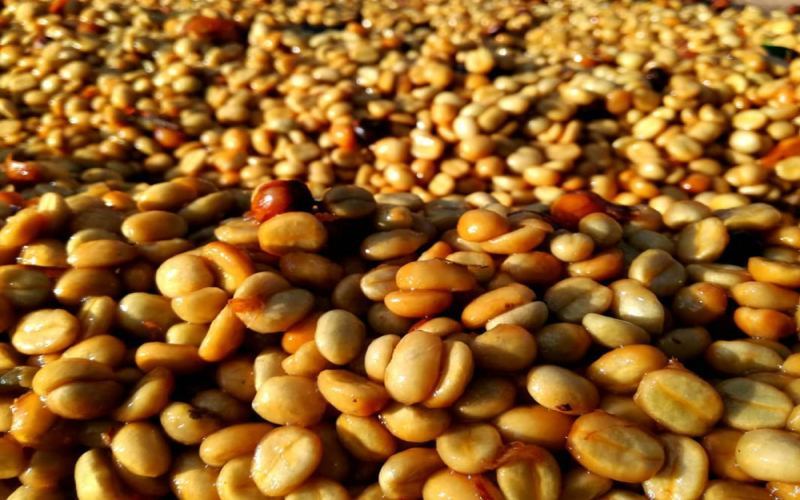
An Analysis of the Pour-Over Flavor and Mouthfeel Characteristics of Costa Rican Geisha and Mirazu Natural Process Beans
Costa Rica is renowned worldwide for its honey-sweet coffee flavors, and its honey processing technique is regarded as the industry benchmark. Since its founding in 2013, Front Street Coffee has introduced Costa Rican beans, which remain a signature choice for coffee lovers with a sweet tooth. This article systematically reviews Costa Rica's eight major producing regions, main coffee varieties, processing methods such as honey processing and raisin anaerobic honey processing, and highlights Front Street selected beans including the Mirazu Estate sun-dried Geisha and the Musician Series, taking you through a comprehensive understanding of the flavor code of this Central American coffee powerhouse. [more…]
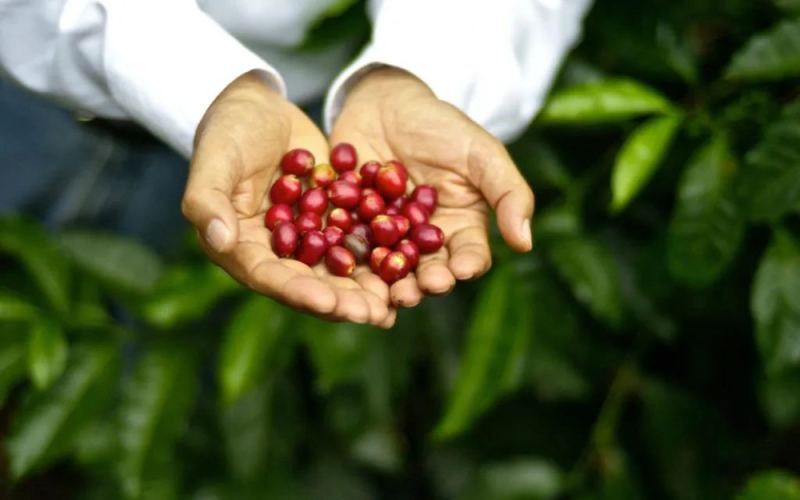
Flavor Differences Between Costa Rican and Panamanian Geisha and Analysis of Tarrazú Labrador Estate Honey-Processed Geisha
Since Geisha rose to prominence in 2004, it has quickly become a star variety in the global coffee world, with Panama and Costa Rica being the two most representative producing countries. This article starts with the variety's spread history, the terroir conditions of the two countries, regional characteristics, and processing methods to analyze the similarities and differences in flavor between Costa Rican Geisha and Panamanian Geisha, and focuses on the honey-processed Geisha from Hacienda San Isidro Labrador in the Tarrazú region. It also presents a tasting comparison of two Geisha coffees from Front Street Coffee, helping coffee enthusiasts more clearly understand the diverse expressions of the same variety in different origins. [more…]

Costa Rican Coffee from Introduction to Rise: A Full Analysis of Producing Regions, Variety Characteristics, and Bean Grading
Costa Rica is an important specialty coffee-producing country in Central America. Thanks to its high altitudes, volcanic soils, and microclimates, it cultivates Arabica coffee that is clean and sweet with bright acidity. This article reviews the history of coffee cultivation and the evolution of policy in Costa Rica, introduces the eight major producing regions and main varieties, including Caturra, Catuai, Geisha, and Bourbon, and explains the altitude-based grading system. The article also draws on Front Street Coffee's cupping and brewing experience to provide flavor references and pour-over recommendations for regions such as Tarrazu and the Western Valley, making it suitable for coffee enthusiasts who want a systematic understanding of Costa Rican coffee. [more…]
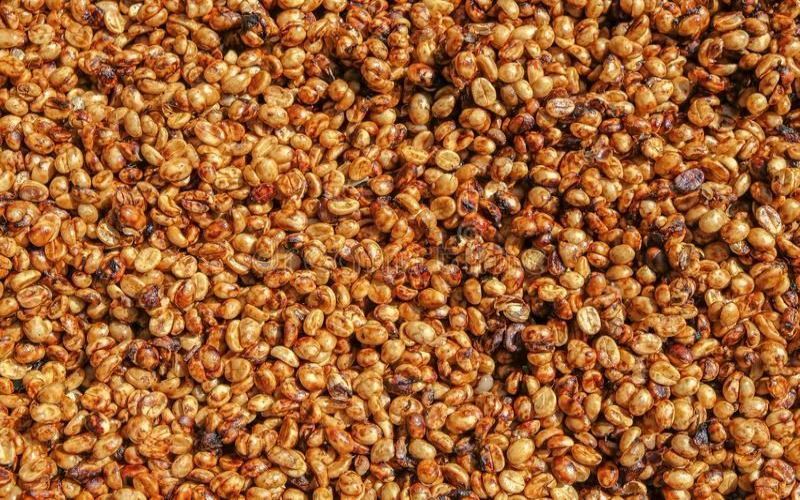
Costa Rican Honey-Processed Coffee Flavor Analysis: Tarrazú Region Characteristics and a Strawberry Candy Geisha Pour-Over Guide
Costa Rican coffee is renowned for its honey-like sweetness, especially the beans produced in the Tarrazú region, which, with the support of volcanic soil and microclimates, present a balanced, rich chocolatey and smooth taste. Front Street Coffee this time brings the Mirazu Estate Strawberry Candy Geisha blend, using the raisin honey processing method, combining four varieties—Geisha, ET47, SL28, and MAICO—offering both jasmine floral notes and the fermented sweetness of strawberry berries. This article will delve into the background of the Costa Rican region, the story of Mirazu Estate, the raisin honey processing technique, and share Front Street's roasting curve, cupping report, and pour-over suggestions, helping coffee enthusiasts brew a cup of sweet, excellent coffee at home. [more…]
Why Does Costa Rican Honey-Processed Coffee Have Such Outstanding Sweetness? Uncovering the Regions, Varieties, Processing Methods, and Import Situation
Costa Rican honey-processed coffee has long been celebrated for its honey-like sweetness, and Front Street Coffee has featured it as a signature pour-over since 2013. Although this Central American country is not the largest producer, its legally mandated cultivation of Arabica, its blessed volcanic soil and high-altitude growing regions, and its masterful honey-processing techniques combine to create elegant, sweet coffee flavors. From Front Street's perspective, this article systematically reviews Costa Rica's producing regions, common varieties, processing methods such as honey processing and raisin anaerobic honey processing, and recommends several representative coffee beans including the Musician Series, Fire Phoenix Sapphire, Rume Sudan, and Geisha. [more…]

A Complete Guide to Costa Rican Honey Process Coffee: Tarrazú Region Characteristics and Front Street Strawberry Candy Geisha Blend Pour-Over Recommendation
Costa Rican coffee is deeply loved by coffee enthusiasts for its honey-sweet flavor, and the Tarrazú region in particular is a representative of specialty coffee. From the perspective of Front Street Coffee, this article systematically introduces Costa Rica's coffee-growing regions and the terroir characteristics of Tarrazú, with a focus on analyzing the estate background, variety composition, and raisin honey processing method of Front Street Strawberry Candy · Geisha Blend coffee beans, giving you insight into this outstanding pour-over coffee with pronounced sweetness and both floral and berry notes. [more…]
Costa Rican Honey-Processed Coffee Flavor Analysis: A Brewing and Tasting Guide to the Mirazu Estate Geisha Blend
Costa Rican coffee has always been known for its balanced and smooth character, chocolatey notes, and honey-like sweetness. The Strawberry Candy Geisha blend from Mirazu Estate, newly launched by Front Street Coffee, uses the raisin honey processing method to cleverly combine the floral aroma of Geisha with the berry sweetness of ET47, SL28, and MAICO, presenting jasmine floral notes, strawberry, raisin, and a creamy mouthfeel. This article, from Front Street's origin perspective, will outline the main coffee-producing regions of Costa Rica and the terroir characteristics of Tarrazú, explain in detail Mirazu Estate's cultivation philosophy, the varietal composition of the Geisha blend, and the key points of the raisin honey processing method, and include Front Street roasters' medium-light roast profile, cupping report, and pour-over parameters, so you can fully understand and enjoy this Costa Rican honey-processed coffee with its standout sweetness. [more…]
Costa Rican Honey-Processed Coffee Flavor Analysis: Sweet, Prominent Hand-Brewed Beans from the Tarrazú Region and Key Brewing Points
Costa Rican coffee has won the hearts of many coffee lovers with its honey-like sweetness. In this article, Front Street Coffee takes you deep into Costa Rica's core producing regions and the distribution of its eight major coffee-growing areas, with a focused analysis of the Tarrazú region and its representative estate, Mirazu. It also details the unique characteristics of the raisin honey processing method, as well as the variety composition, green bean analysis, roasting curve, cupping performance, and pour-over brewing parameters of Front Street Costa Rica Strawberry Candy Geisha Blend coffee beans, helping you gain a comprehensive understanding of this Costa Rican coffee with prominent sweetness and rich layered flavors. [more…]
How to brew Costa Rican honey-processed coffee? A full breakdown of Front Street Coffee's Geisha blend pour-over parameters and flavor
Costa Rican coffee is famous for its honey-sweet flavor, and honey-processed beans in particular stand out for their sweetness. From the perspective of Front Street Coffee, this article first introduces the characteristics of Costa Rica's producing regions and the superior conditions of Tarrazú, then focuses on the Geisha blend from Mirazu Estate—composed of Geisha, ET47, SL28, and MAICO, using a raisin honey processing method. It then shares in detail the green bean analysis, roasting curve, cupping report, and pour-over parameters, including water temperature, grind size, coffee-to-water ratio, and staged pouring technique. Whether you want to understand the principles of honey processing or want to replicate a pour-over that combines sweetness and floral aroma, you'll find practical reference here. [more…]

Exploring Costa Rican Coffee: A Full Analysis of Flavor Characteristics, Eight Major Regions, and Variety Classification
Costa Rica, a Central American country, nurtures consistently high-quality Arabica coffee thanks to its high altitude, fertile volcanic soil, and microclimates. Since the introduction of coffee in 1729, the local government has promoted the refined development of the coffee industry through policies such as tax exemptions, land incentives, and legislation mandating the cultivation of only Arabica. This article will guide you through Costa Rica's coffee cultivation history, the distribution of its eight major producing regions and their flavor differences, and provide an in-depth analysis of the characteristics of major varieties such as Caturra, Catuai, Geisha, and Bourbon. Finally, it includes brewing suggestions from Front Street Coffee to help you gain a comprehensive understanding of this Central American coffee powerhouse. [more…]
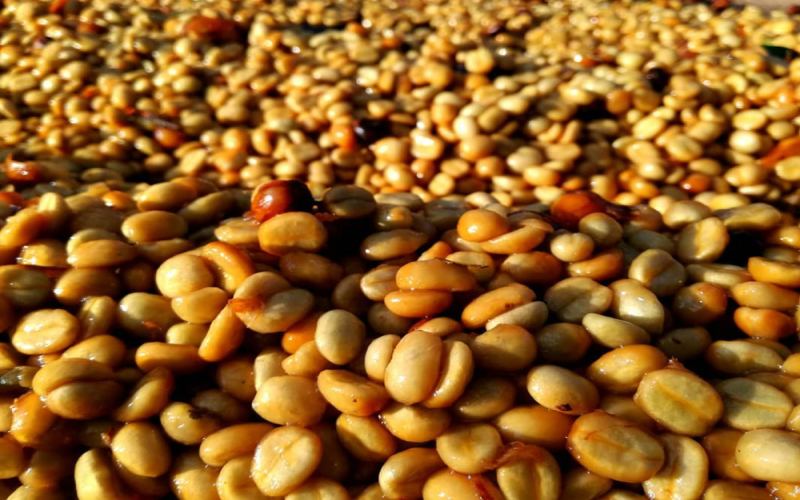
Sweet as Honey Costa Rican Coffee: A Detailed Guide to Raisin Honey-Processed Geisha Blend Pour-Over Parameters
Costa Rican coffee has always won over countless enthusiasts with its honey-like sweetness. This article centers on the newly arrived Costa Rica Mirazu Estate Geisha blend from Front Street Coffee, starting with the terroir of the producing region, the story of the estate, and the variety composition, then explaining in detail the key points of the raisin honey processing technique, and including a medium-light roast profile, SCAA-standard cupping data, and a complete set of pour-over parameters. Whether you want to gain a deeper understanding of the charm of the Tarrazu producing region or are looking for a brewing reference you can follow directly, this article has the answers. [more…]
Tracing the Origins of Costa Rican Honey Processing: From Brazil Pulped Natural to Tarrazú La Labrador Estate Geisha Analysis
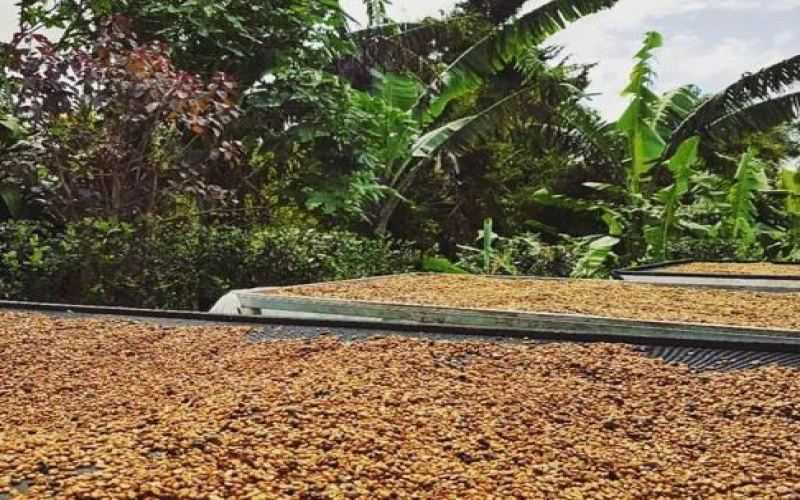
Costa Rican coffee is famous for honey processing, but honey processing does not mean adding honey—it is a method that retains the mucilage layer. Its predecessor was Brazil's pulped natural process, which Costa Rica borrowed, improved, and brought to prominence. This article systematically traces the development and flavor characteristics of Costa Rican honey processing, from the origins of honey processing, the invention of the mucilage remover, its promotion after the 2008 earthquake, and the subdivision into black, red, yellow, and white honey, to Front Street Coffee's introduction of the honey-processed Geisha from Finca San Isidro Labrador in the Tarrazú region, giving you an in-depth understanding of the ins and outs of this processing method. [more…]

The Cultivation Origins and Flavor Analysis of Geisha Coffee in Costa Rica's Western Valley and Tarrazú Regions
Costa Rica is located in the Central American isthmus. Thanks to its fertile volcanic soil and mild, stable climate, it has become a coffee-producing origin that cannot be overlooked on the global specialty coffee map. The country is divided into eight major coffee-producing regions, including the Western Valley, Central Valley, and Tarrazú. Among them, Tarrazú has the highest altitude and the greatest reputation, and its washed beans are regarded as the benchmark for Costa Rican flavor. Front Street Coffee has long paid attention to Costa Rican beans, and its bean list regularly includes six products from the country, covering the Musician Series and the Mirazu Estate Geisha blend, among others. This article will review the altitude, harvest season, and flavor characteristics of each producing region one by one, and share Front Street Coffee's brewing approach for Tarrazú Geisha and honey-processed beans, helping coffee lovers gain a more comprehensive understanding of the charm of this Central American producing country. [more…]
Flavor Analysis and Pour-Over Parameter Guide for Honey-Processed Coffee from Costa Rica's Tarrazú Region
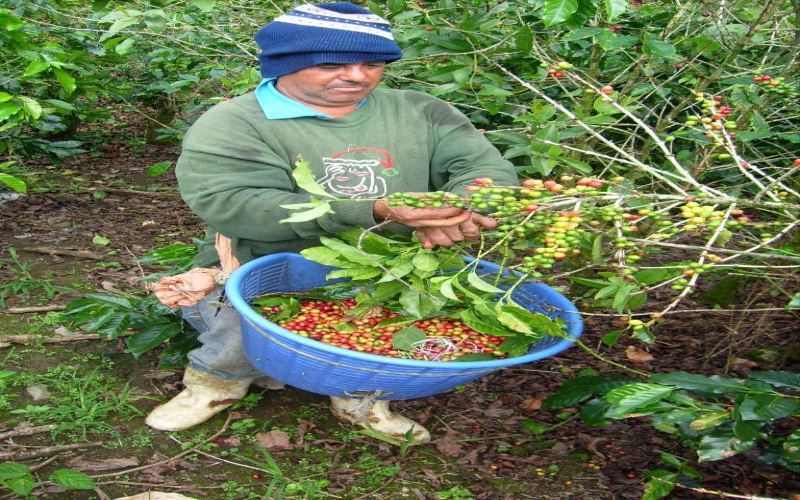
Costa Rica is world-renowned for its honey-processed coffee, with balanced acidity and sweetness and a rich fermented aroma, making it the traffic magnet for Front Street Coffee. This article starts with Costa Rica's coffee cultivation history and management system, sorts out the evolution from washed to honey processing, explains in detail the logic for distinguishing black honey, golden honey, red honey, yellow honey, and white honey, and takes the raisin honey-processed Geisha blend from Mirazu Estate in the Tarrazu region as an example to introduce its origin information, variety composition, and brewing parameters. Tarrazu accounts for about 35% of the country's coffee production and is a core specialty coffee region. This article also compiles its geographical and climatic advantages and green bean grading standards, making it suitable for coffee enthusiasts to systematically understand the flavor sources and pour-over approaches of Costa Rican honey-processed coffee. [more…]

Tracing the Origins of Costa Rican Geisha and Its Blend Expression: Analyzing the Strawberry Candy Flavor of Mirazu Estate
The origin of Geisha's fame actually lies in Costa Rica, and the Panamanian variety was introduced from there. This article starts from the history of variety dissemination, compares the differences between Costa Rican and Panamanian Geisha, and focuses on the strawberry candy Geisha blend from Mirazu Estate launched by Front Street Coffee. The beans come from the Tarrazu region, at an altitude of 1700 meters, and are a half-and-half blend of four varieties: Geisha, ET47, SL28, and MAICO. They are processed as raisin honey and cup with jasmine floral notes, raisin sweetness, and strawberry gummy flavors. The article also outlines the background of each variety, processing details, and includes Front Street's V60 brewing parameters and technique for coffee enthusiasts' reference. [more…]
Sources of Sweetness in Costa Rican Geisha Coffee and Brewing Key Points: A Comparative Analysis of Candelilla and Miramonte Estates
The Geisha variety traveled from Ethiopia to the world, rose to prominence in Panama, and then took root in the high-altitude growing regions of Central America. Costa Rica, with the volcanic soil and microclimate of the Tarrazu region, has become an important stronghold for Geisha cultivation. Front Street Coffee this time focuses on two Geisha products, from Finca Sabanilla and Mirazu Estate, respectively using washed and raisin honey processing, with completely different flavor directions. This article will systematically sort out the causes of the sweetness and the key brewing points of Costa Rican Geisha, from origin terroir, variety composition, green bean processing, and roasting curve to the V60 three-pour brewing method, to help you make a choice according to your taste preference. [more…]
Analysis of Costa Rican Specialty Coffee Bean Origins, Mirazu Geisha Blend Flavor, and Brewing Key Points
Costa Rica is located in southern Central America, and the coffee it produces is similar in quality to Colombian coffee, often used in coffee blends. This article will walk you through the bean size, acidity, and aroma characteristics of Costa Rican coffee, as well as the impact of high-altitude cultivation on flavor, with a special focus on the flavor profile of Mirazu Geisha blend coffee beans. At the end of the article, we've also compiled nine key points to note when brewing coffee, including water temperature, water quality, grind size, and recommended dosage, to help you consistently extract a delicious cup at home. If you're a fan of specialty coffee, this bean recommended by Front Street Coffee is a great place to start. [more…]
Why Is Costa Rican Coffee So Notably Sweet? A Flavor Profile Analysis of Honey-Processed Geisha Blend Beans
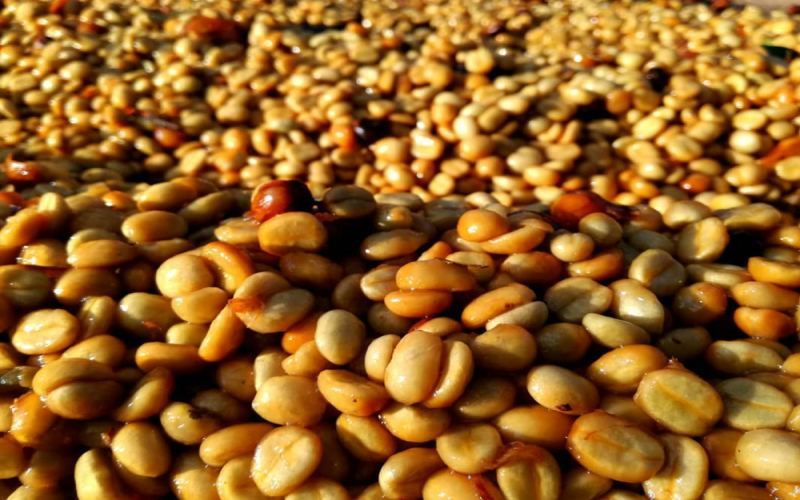
Costa Rican coffee is renowned for its outstanding sweetness, which is due both to the country's unique microclimates and high-altitude volcanic soil and to its strict control over the specialty coffee industry. As a key process for enhancing sweetness, honey processing preserves varying proportions of mucilage, giving coffee a diverse range of sweet expressions from caramel to dark berries. This article will analyze the sources of sweetness in Costa Rican coffee, explain in detail the classification and characteristics of honey processing, and recommend several representative honey-processed coffee beans from Front Street Coffee, including Geisha Blend, Blackberry, Mozart, and Strawberry Candy, to help readers fully understand the appeal of this processing method. [more…]
A Comprehensive Analysis of Costa Rican Coffee: From Introduction History to Eight Major Producing Regions and the Variety Classification System
Although Costa Rica is often jokingly referred to as a homophone of "Godzilla," it is a pivotal specialty coffee-producing country in Central America. Since the first coffee seedling was introduced from Cuba in 1729, this country has been inextricably linked with coffee. High altitudes, microclimates, and fertile volcanic soil provide exceptional growing conditions for Arabica. From government tax incentives encouraging cultivation, to legislation limiting production to Arabica only, to institutions like ICAFE and CATIE promoting quality improvement, Costa Rica has pursued a path of quality supremacy in coffee. This article will guide you through its introduction history, the terroir differences of its eight major producing regions, its main cultivated varieties, and its altitude-based grading system, along with Front Street Coffee's brewing recommendations. [more…]
Costa Rican Honey-Processed Geisha Flavor Analysis: A Comparison of Regional Characteristics and Processing Method Differences with Panamanian Geisha
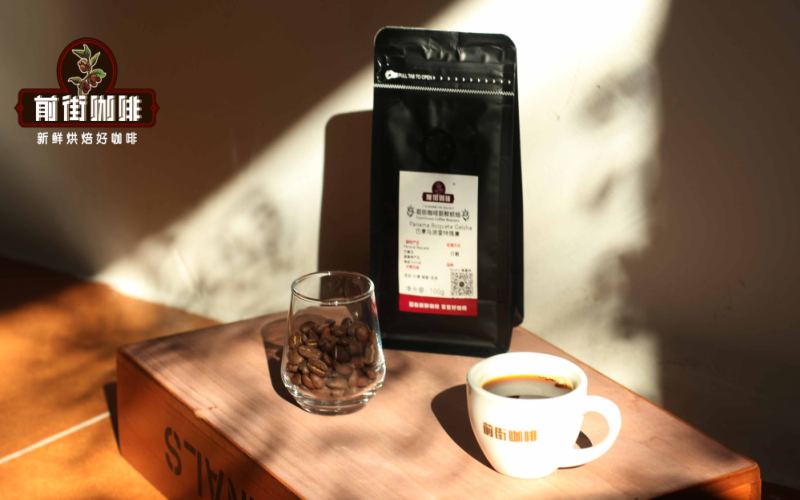
The Geisha variety presents dramatically different flavor profiles across different producing regions. Panama has established a high-end benchmark with its masterful washed and natural processing, while Costa Rica's honey processing gives Geisha more pronounced sweetness and fermentation complexity. This article starts with a Panama Boquete honey-processed Geisha sourced from Front Street Coffee, documenting its specific expressions of floral notes, citrus, cream, and green tea finish through cupping and pour-over practice. At the same time, it traces the propagation of Geisha from Ethiopia to Panama, and compares the essential differences in flavor characteristics between Costa Rican honey processing and traditional Panamanian processing methods, providing coffee enthusiasts with a complete tasting reference. [more…]