







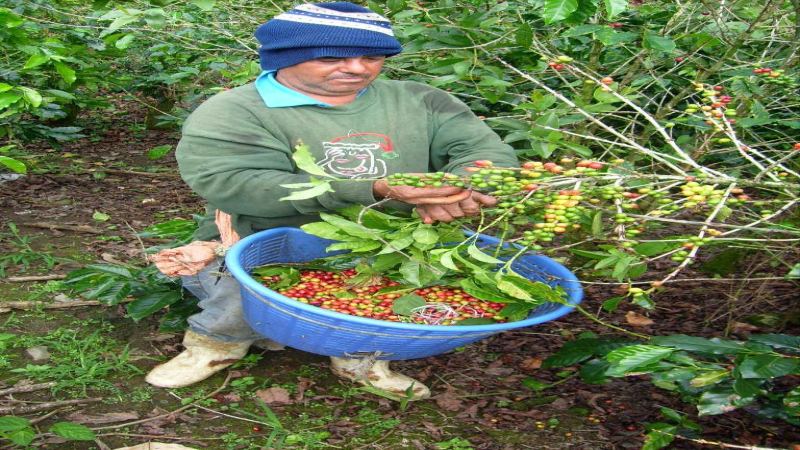
How did honey processing shape Costa Rican coffee production?
Costa Rica built its reputation on honey-processed coffee, which balances acidity and sweetness with pronounced fermentation aromas. The country introduced washed processing in 1830 and improved quality through it, then farmers began experimenting with new methods. Tarrazu alone accounts for roughly 35 percent of national coffee production and ranks as a core specialty region.
Honey processing is graded by how much mucilage stays on the bean, giving the black, gold, red, yellow and white honey categories and their different sweetness levels. The Mirazu Estate raisin-honey Geisha blend from Tarrazu illustrates the style. Strict cultivation management and green bean grading standards support the cup, and pour-over parameters should follow the specific lot.
Costa Rica is world-famous for its honey-processed coffee, with balanced acidity and sweetness and rich fermentation aromas—it's Front Street Coffee's traffic magnet. This article starts from Costa Rica's coffee-growing history and management system, traces the evolution from washed to honey processing, explains in detail the logic for distinguishing black honey, gold honey, red honey, yellow honey, and white honey, and uses the raisin honey-processed Geisha blend from Mirazu Estate in the Tarrazu region as an example to introduce its origin information, variety composition, and brewing parameters. Tarrazu accounts for about 35% of the country's coffee production and is a core specialty coffee region. This article also organizes its geographical and climatic advantages and green bean grading standards, suitable for coffee lovers to systematically understand the flavor sources and pour-over approaches of Costa Rican honey-processed coffee.
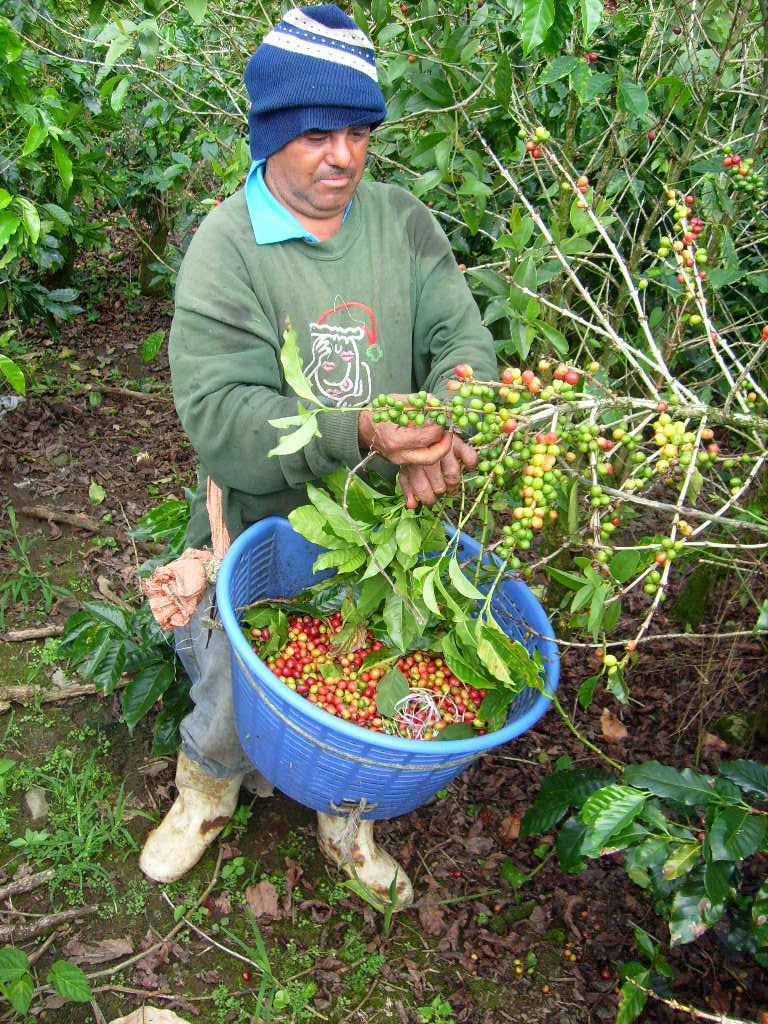
For more specialty coffee knowledge, please follow the WeChat public account: Front Street Coffee (FrontStreet Coffee)
Many baristas at Front Street have a particular preference for the cleanliness, delicacy, and unadorned character of washed beans. However, it must also be admitted that the direction currently favored by consumers is the expression of sweetness. Costa Rica is named for its honey processing, with balanced acidity and sweetness and full fermentation aromas—it's Front Street's traffic magnet, and it makes people sink into it with just one sip.
Today let's talk about Front Street's traffic magnet—Costa Rican coffee. According to Front Street's understanding, Costa Rica has not been growing coffee for a particularly long time; the history of coffee cultivation can be traced back three hundred years, but local coffee farmers place great importance on cultivation techniques and have gradually formed a unique coffee culture. Costa Rica has refined management and strict systems on the cultivation side, while also continuously polishing processing methods, making its coffee industry one of the best-organized industries in the world today.
In 1830, Costa Rica began introducing the washed processing method. Over time, the quality of washed coffee was effectively improved. In order to further improve quality and increase sales, local coffee farmers began trying new processing methods. During this innovative process, coffee farmers discovered a processing method between natural and washed that greatly shortened the time required to process coffee, and honey processing was born.
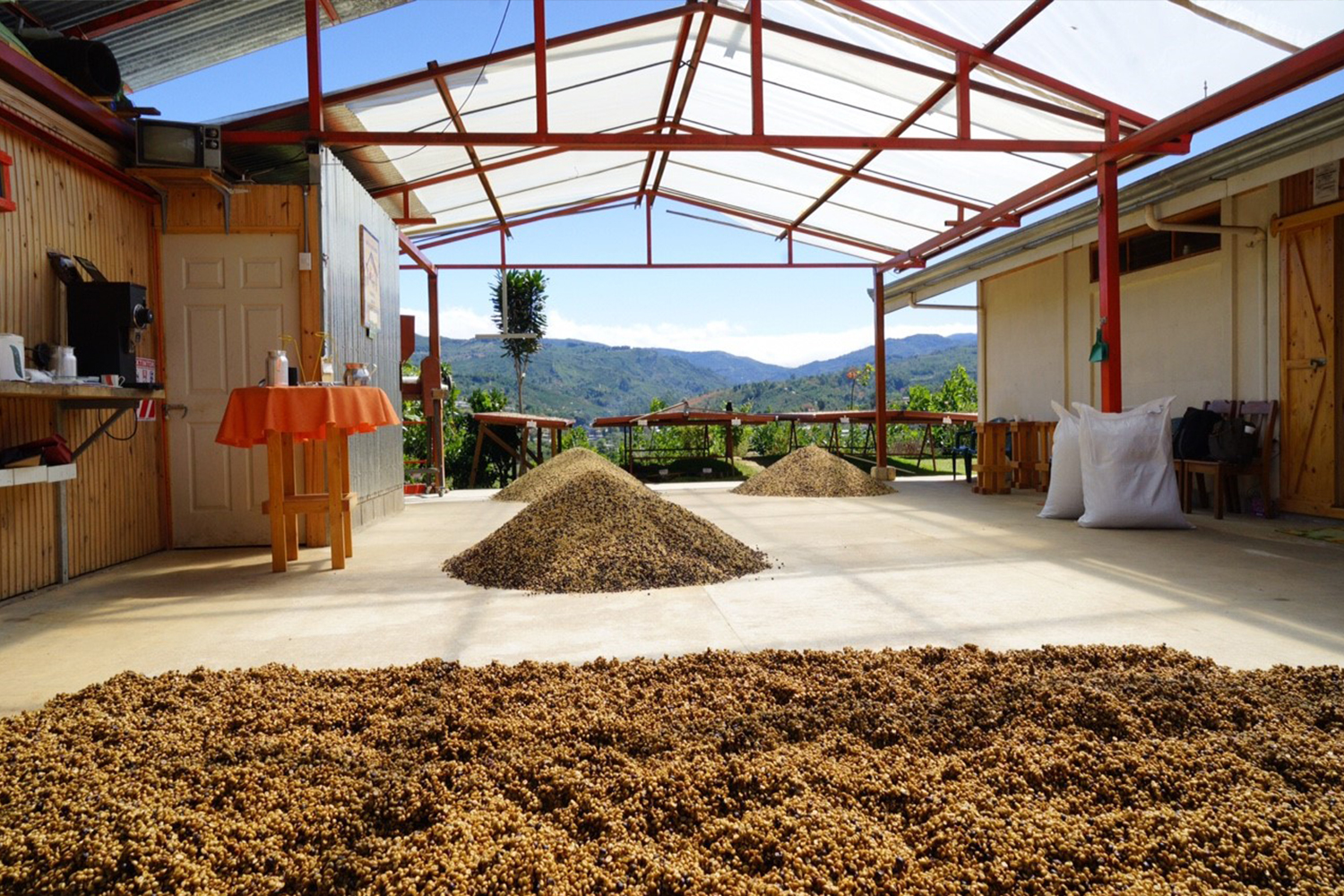
The selected coffee cherries are sent to a depulper to remove the skin and pulp but retain the mucilage, then placed in a shaded, ventilated area to dry naturally. The drying time generally requires 12-14 days. Finally, check the moisture content of the green coffee beans and whether fermentation has reached an acceptable level. The retention of mucilage makes honey-processed coffee beans as sweet as honey, which is also the reason Costa Rican coffee has a large number of loyal fans. The mucilage content and fermentation time also change the appearance and flavor of the coffee, so locally in Costa Rica honey-processed coffee is further divided into black honey, gold honey, red honey, yellow honey, and white honey.
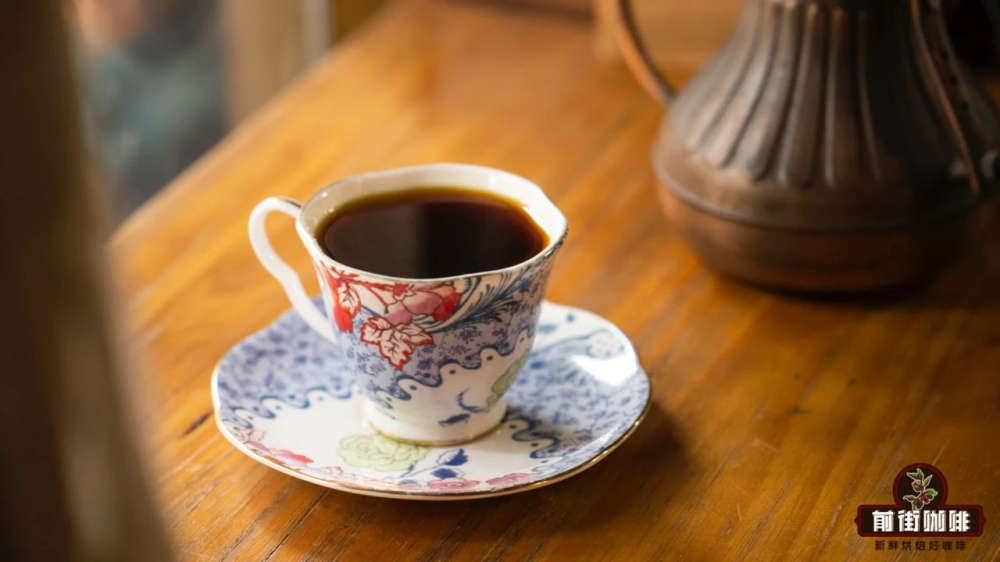
Among Front Street's Costa Rican coffee beans, the raisin honey processing method is the most common, and it differs from the regular honey processing above. Raisin honey processing first dries the coffee fruit in the sun until the coffee fruit becomes wrinkled like raisins, then removes the skin and pulp, retains 100% of the mucilage, and dries it again until the moisture content of the coffee drops to 11%.
Take Front Street's most classic Costa Rican Mirazu as an example:
Front Street Costa Rica Mirazu Coffee Beans
Country of origin: Costa Rica
Region: Tarrazu
Estate: Mirazu Estate
Altitude: 1,700 meters
Processing method: Raisin honey processing
Coffee varieties: Geisha, ET47, SL28, MAICO
This Geisha blend coffee comes from Costa Rica's Tarrazu region. You should know that although Costa Rican coffee is divided into eight regions: West Valley, Central Valley, Tarrazu, Tres Rios, Orosi, Brunca, Turrialba, and Guanacaste, the coffee production of the Tarrazu coffee region accounts for about 35% of Costa Rica's coffee output.
Therefore, if you pay attention, you will find that almost half of Front Street's Costa Rican coffees come from the Tarrazu region, including the famous Musician series coffees: Mozart, Beethoven, and Bach. The Tarrazu region is Costa Rica's most important and highest-quality specialty region. In addition to micro-lots, Tarrazu also produces a large number of extremely high-quality large lots. Tarrazu is located in Costa Rica's picturesque Central Valley. It has distinct dry and rainy seasons, perfect soil composition and terrain, and an altitude of about 1,200-1,800 m. All these factors make this area a well-deserved perfect growing region for Arabica varieties. The name "Tarrazu" comes from the ancient Huetar indigenous people who once settled there.
According to Front Street's understanding, Costa Rican green coffee beans are usually graded according to the dual standards of altitude and defects. By altitude, they are graded as SHB (Strictly Hard Bean) and HB (Hard Bean), while by defect rate they are graded under two standards: EP (European Preparation) and USP (U.S. Preparation). Compared with USP, EP requires a lower defect rate. This Costa Rican SHB EP is therefore a high-grade large lot of Costa Rican coffee. Of course, most coffee circulating in the market now is almost all high-grade coffee beans; good quality brings more profit to green bean traders and coffee farmers, and likewise spreads the fame of Costa Rican coffee.
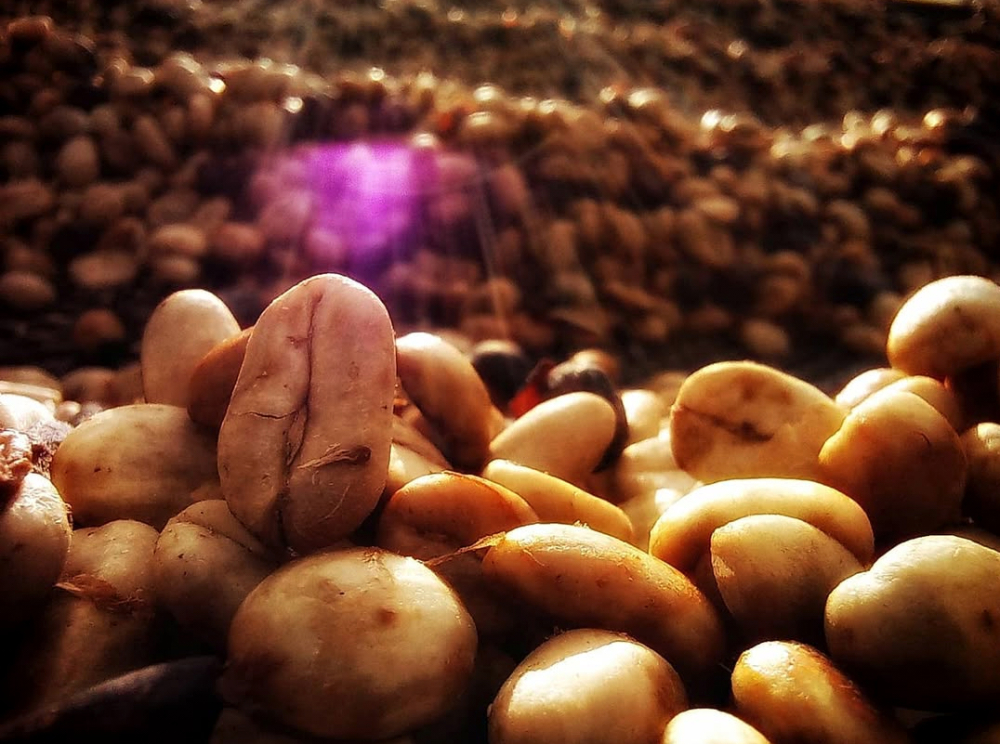
Have you ever wondered why coffee grows so excellently in Costa Rica? Follow Front Street and count Costa Rica's favorable conditions for coffee cultivation. Costa Rica has a mild climate, rainy mountainous areas, and fertile soil formed by volcanoes. This uniquely advantaged environment provides the best conditions for coffee growth. In addition to the superior growing environment, the Costa Rican government also showed great foresight by beginning to vigorously develop the coffee planting industry in the early nineteenth century. To date, coffee in Costa Rica has surpassed cocoa, tobacco, and sugar cane to become an important cash crop and major source of fiscal revenue. Costa Rican Tarrazu coffee beans, because of geographical factors such as high latitude and high altitude, have a large temperature difference between day and night at the origin, rich flavor substances in the coffee, and pleasant acidity, but it is also very soft and balanced. Because the local volcanic soil is very fertile and well-drained, it also possesses the necessary conditions for high-quality coffee.
So what about Front Street's Mirazu? According to Front Street's understanding, this coffee bean from Mirazu Estate in Tarrazu is grown at an altitude of about 1,700 meters. The estate owner, Esteban, is a coffee doctor and also a family member of the well-known Candle Estate, and he is very skilled in research and development related to cultivation and green bean processing.
From the green bean information above, it can be seen that this coffee is a blend of bean varieties. Front Street will introduce the most famous among them, Geisha coffee: Geisha was discovered in 1931 in the Geisha forest of Ethiopia, later sent to the Coffee Research Institute in Kenya, introduced to Uganda and Tanzania in 1936, and introduced to Costa Rica in 1953. Geisha coffee is an original variety within the Arabica species and is especially picky about its growing environment, requiring high altitude, shading by clouds and mist, fertile soil, and sufficient accumulated heat. Unlike other green beans that smell distinctly grassy, this raisin honey-processed coffee bean is full of floral aroma, with abundant sweet berry flavors. If you don't believe it, come and brew it with Front Street and try it for yourself~
Dripper: V60
Water temperature: 90°C
Dose: 15 grams
Coffee-to-water ratio: 1:15
Grind size: 78% passing through a Chinese standard No. 20 sieve
Pulse pouring: Use 30 grams of water for a 30-second bloom, pour in a small stream in a circular motion until 125 grams, then pause; when the water level drops and is about to expose the coffee bed, continue pouring until 225 grams and stop; when the water level drops and is about to expose the coffee bed, remove the dripper. (Start timing at the beginning of the bloom.) The extraction time is 2 minutes.
Professional coffee knowledge exchange
More coffee bean information
Please follow Coffee Workshop (WeChat public account: cafe_style)
For more specialty coffee beans, please add the private WeChat Front Street Coffee (FrontStreet Coffee), WeChat ID: kaixinguoguo0925
The above content is compiled by CoffeeHunters, a coffee news website.


