







Search Results for: Comparison of Coffee Bean Origins
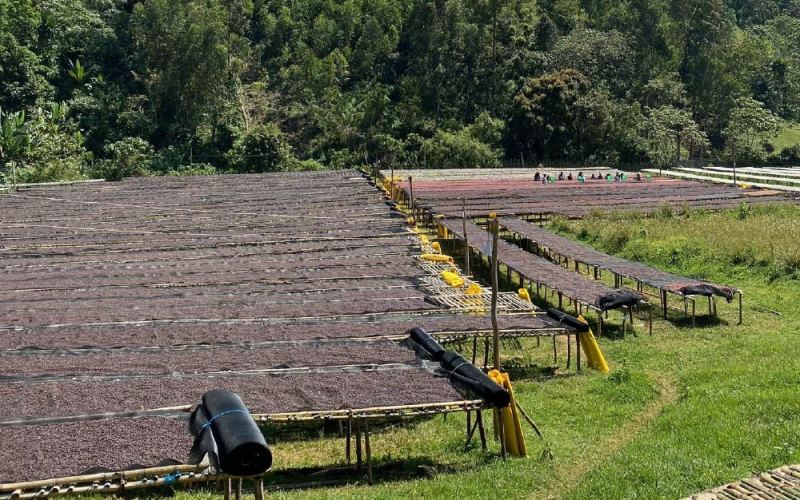
Washed vs. Natural Coffee Beans Flavor Comparison | Which Coffee Origins Use the Washed Processing Method? Washed Coffee Bean Processing Steps, Flow, and Flavor Characteristics
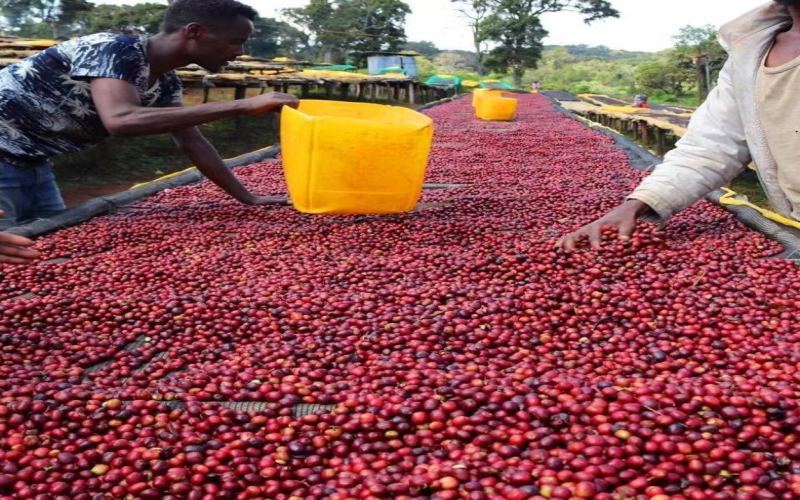
The washed method is currently the most widely used green bean processing method and one of the most traditional coffee processing methods. Typically, washed coffee has higher cleanliness than natural coffee, with brighter and more elevated acidity, and a more intense acidity as well. Popular options on the Front Street Coffee menu, such as the Ethiopian Gotiti Cooperative coffee beans, Kenyan [more…]

Origin Selection for Moka Pot Beans — A Comparison Between Indonesian Mandheling and Ethiopian Coffee
The moka pot extraction method presents coffee beans from different origins in different ways. The climate, altitude, and processing method of an origin determine the chemical composition and flavor characteristics of the coffee beans, and these characteristics are amplified under the high-temperature, high-pressure extraction of the moka pot. Understanding origin differences can help us make choices that better suit our taste when selecting beans. [more…]
A Complete Guide to Brazilian Santos Coffee Beans: From Historical Origins to a Flavor Comparison of Front Street Queen's Farm and Cerrado
Brazil Santos coffee beans are one of the most familiar Brazilian representatives for coffee lovers worldwide, known for being soft and smooth, low in acidity, and prominently nutty, and they are also the top choice recommended by Front Street Coffee baristas for customers who dislike sourness. This article will take you through the legendary origins of Brazilian coffee from more than three hundred years ago, outlining how Brazil started from zero to become the world's largest coffee-producing country, and will also introduce in depth two Bourbon-variety Brazilian beans from Front Street Coffee—the Yellow Bourbon from Queen Estate in São Paulo and the Red Bourbon from Cerrado in Minas Gerais—covering regional terroir, processing methods, roasting recommendations, and brewing parameters to help you fully understand the classic charm of Brazilian coffee. [more…]
An Advanced Bean List for Home Machine Users: A Nine-Coffee Route from Blends to Single Origins
Home espresso enthusiasts all reach a point: once you've settled into a comfortable daily blend, you start wanting to see farther horizons. This article lays out a progressive bean list route, with nine beans arranged by style progression, each step having a clear flavor goal. The starting station is the depth of blends. Commercial blends and specialty blends solve the "easy everyday drinking" [more…]
Comprehensive Comparison of Blue Mountain Coffee and Yirgacheffe: Analysis of Origins, Varieties, Flavor Profiles, and Brewing Key Points
In the world of specialty coffee, Jamaican Blue Mountain and Ethiopian Yirgacheffe stand as the ultimate representatives of two distinct styles. The former is renowned for its nutty and chocolatey notes and its balanced ratio of acidity, sweetness, and bitterness, while the latter has won over countless palates with its jasmine florals and bright fruity acidity. Which one is better? Front Street Coffee believes that drinking coffee is an extremely subjective matter—rather than debating who comes out on top, it is better to analyze them one by one, from origin terroir, variety characteristics, to processing methods, and then make a judgment based on your own taste preferences. This article will guide you through a complete understanding of the unique qualities of these two coffees, covering producing region background, grade classification, variety differences, brewing parameters, and more. [more…]
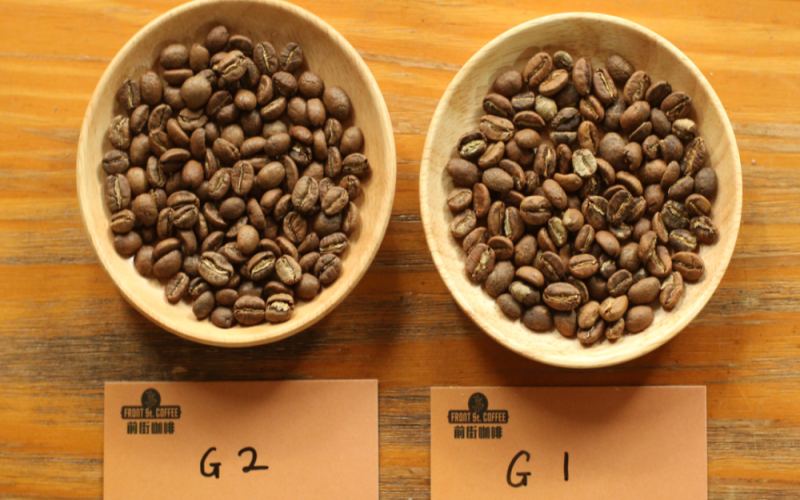
An Introduction to Green Coffee Bean Grades | A Comparison of Coffee Bean Characteristics, Flavor, and Taste Across National Green Coffee Bean Grading Systems: G1, G2, AA, PB, SHB
For more specialty coffee knowledge, please follow our WeChat official account: Front Street Coffee (FrontStreet Coffee). Many friends, while drinking coffee at Front Street, ask our baristas, "What is Yirgacheffe G1 and Yirgacheffe G2?" "What is Kenya AA, AB?" What is Guate... [more…]

How to pair a moka pot for making lattes/cappuccinos and frothing milk?: First decide how you'll drink it, then decide the bean list.
When you're just starting out buying beans, there's no need to rush to collect every kind of flavor. Start by picking a bean with a clear flavor profile that isn't fussy about brewing methods, then keep your dose, grind, and water temperature fixed, and observe how it performs in terms of entry, sweetness, and finish, gradually building your own flavor reference frame. A moka pot uses steam pressure to complete extraction; fill the basket with grounds [more…]
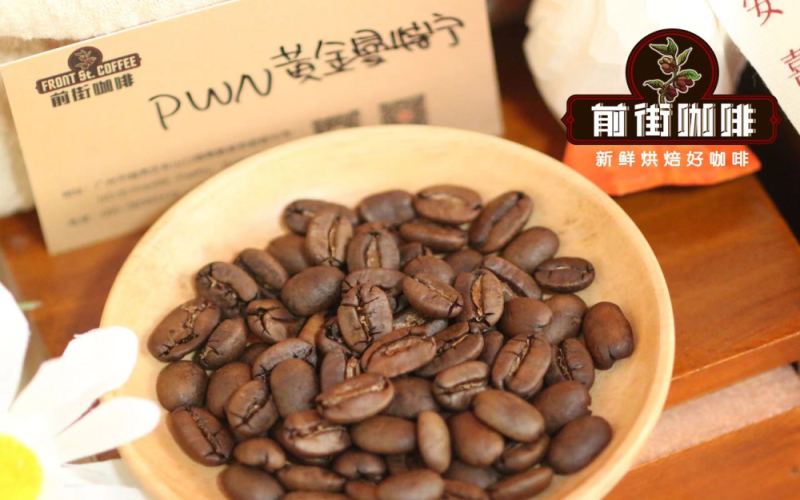
Moka Pot Tutorial Illustrated | Comparison of Coffee Ground Coarseness Between Moka Pot and Espresso Machine What Kinds of Coffee Beans Are Suitable for Moka Pot
The moka pot is the most affordable type of machine for brewing espresso coffee, and it is commonly used in Italian households. It was invented in 1933 by the Italian Alfanso Bialetti, and it brews coffee by heating the base, making it a type of steam-distillation method. The moka pot and 19 [more…]
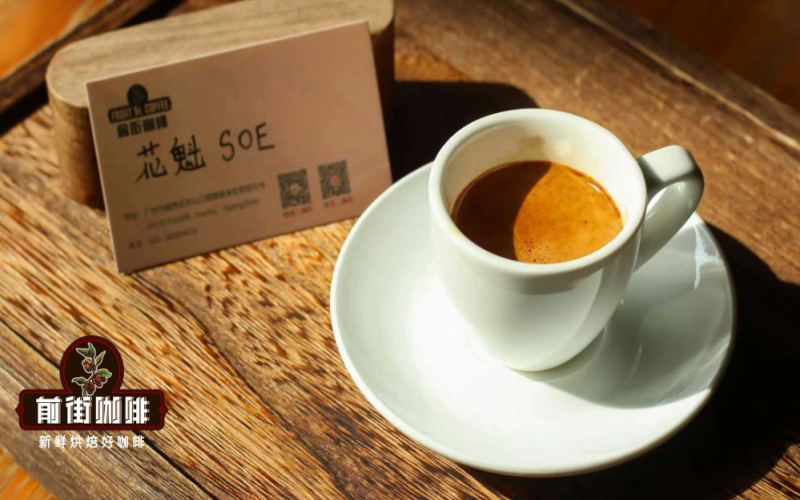
SOE Coffee Bean Recommendations | What is SOE in specialty coffee? Do espresso beans with different roast levels produce large differences in espresso flavor and mouthfeel?
After the concept of "specialty coffee" emerged, the unique flavors of various regions have become increasingly familiar to coffee connoisseurs, and SOE has also become increasingly popular in the coffee market. So how do you choose the right SOE coffee beans? SOESOE is "Single Origin Espresso" [more…]
How to Choose Americano Black Coffee Beans: From a Single Bean to a Complete Solution
Three fates of the same bean: in pour-over it reveals aroma and clarity, on an espresso machine it competes on strength and sweetness, and in a moka pot it negotiates pressure, heat, and the coffee bed. Since the differences in performance are so obvious, you cannot choose beans without considering the brewing device, and the parameters must also be adjusted according to the roast level. The taste of a cup of pour-over comes from the origin, the [more…]
A Guide to Buying Espresso Beans: Sorting Out Flavor Preferences for Different Scenarios
Flavor goes beyond the two extremes of acidity and bitterness: aroma, sweetness, body, mouthfeel, and finish are all dimensions of experiencing a cup of coffee. When choosing beans, first confirm your direction—floral and fruity, nutty and cocoa, or a balance of both—then filter by origin, processing method, and roast level. Dose, grind size, yield, and extraction time are the four [more…]
How to Choose Several Coffee Beans Suitable for Pour-Over: Plan Your Bean List Based on Drinking Volume and Budget
Put a bean into a pour-over, espresso machine, or moka pot, and it will show three different faces. Pour-over highlights aroma and clarity, the espresso machine emphasizes intensity and sweetness, and the moka pot requires a balance among pressure, heat, and the coffee bed. The brewing device determines the approach to bean selection, while the roast level determines the direction of the parameters. The flavor direction of pour-over is determined by origin, variety, and process [more…]
Common pour-over coffee beans: choosing based on body and cleanliness
When you first start buying beans, rather than chasing breadth of flavor, it's better to first dig deep into a single bean: choose one with a clear flavor profile and high brewing compatibility, lock in the dose, grind, and water temperature, then observe the details of the entry, sweetness, and finish—this is how a flavor reference is established. Pour-over flavor comes from origin, variety, processing method, and roast level. [more…]
Sweet aftertaste coffee beans: a flavor path with low acidity and lingering sweetness
Beans with understated acidity and a prominent sweet finish place their flavor emphasis on sweetness and aftertaste: natural (dry) processing and medium-dark roasting round off the acidity, leaving a lingering sweetness. Front Street Coffee's Ethiopian Huakui has a sweet finish with a passion fruit aftertaste; the acidity on the palate flashes by, and sweetness takes over the second half. In Kafa Forest, the sweetness actually becomes more pronounced as the temperature drops. [more…]

Espresso Coffee Bean Recommendations | What's the Difference Between Latte Espresso Beans and Single-Origin Coffee Beans? What Are Some Common Recommended Latte Espresso Bean Blends?
Some friends may know about coffee beans, but not realize that coffee beans are also divided into espresso and single-origin. Actually, it's not hard to understand—the lattes and similar drinks we often have belong to espresso coffee, so the coffee beans used must match accordingly. Not all coffee beans can be used to make espresso. Some people ask Front Street: So what kind of [more…]

Coffee Type Flavor Comparison | What Are the Mainstream Coffee Drinks? What's the Difference Between Americano, Latte, Cappuccino, Mocha, and Pour-Over Coffee? Which Coffee Tastes Good Without Being Bitter?
For more specialty coffee knowledge, please follow the WeChat public account: Front Street Coffee (FrontStreet Coffee). As international freshly ground coffee brands such as Starbucks and Costa have entered China with their directly operated stores, a coffee craze has risen in the country, and many businesses keep making a big fuss over coffee drinks. In addition to [more…]
Complete Guide to Kenya PB Round Beans: From SL28 and SL34 Varieties to the K72 Washed Process
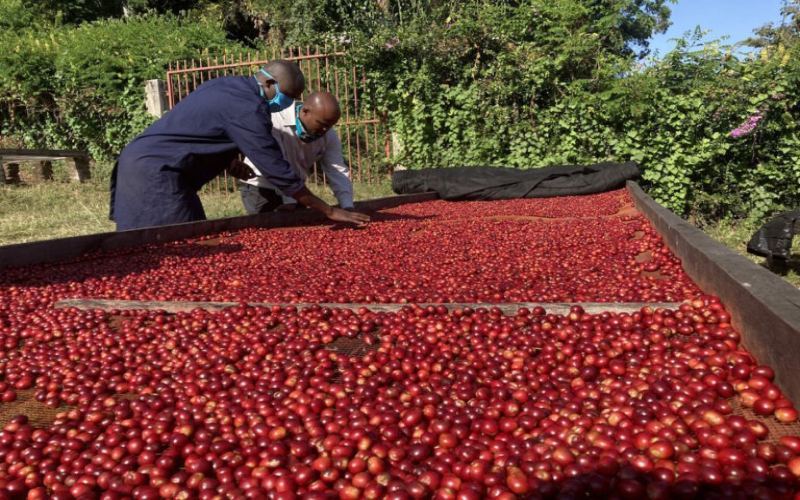
Although Kenya is not the birthplace of coffee, its high altitude, large day-night temperature difference, and phosphorus-rich soil give rise to coffee beans with a distinct flavor. This article will guide you through Kenya's coffee-growing geography, the origins of the SL28 and SL34 varieties, the AA and AB grade classifications, and exactly what the unique PB round beans are. At the same time, we will also introduce the Kenya 72-hour washed processing method (K72) recommended by Front Street Coffee, and how to brew a cup of Kenyan coffee with bright acidity and rich layers using the pour-over method. [more…]
How to use a moka pot? Detailed steps: bean configurations from a single cup to entertaining guests
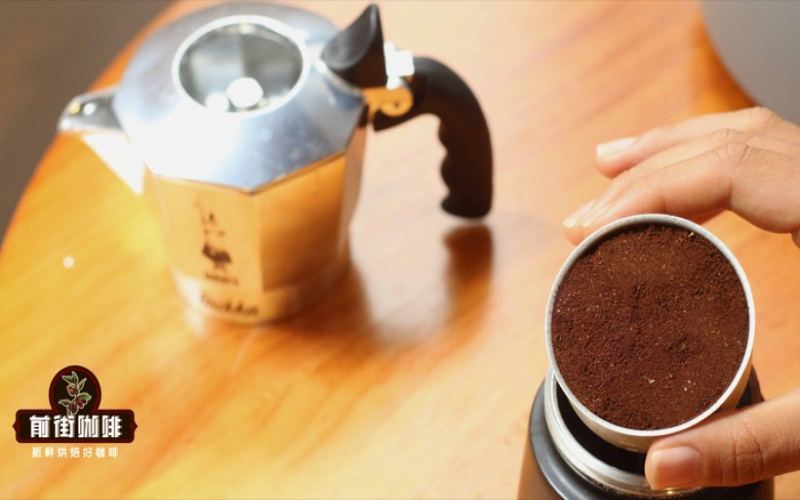
The taste of a cup of coffee—acidity and bitterness are only the beginning; aroma, sweetness, body, mouthfeel, and finish are what complete the picture. When choosing beans, first lock in your preference for floral and fruity notes, nutty and cocoa notes, or balance, then match that to the origin, processing method, and roast level. Steam pressure is the core of how a moka pot works, so there is no need to tamp the grounds; [more…]

How to Choose American Beans for Home Use: Balancing Value and Flavor
When making Americano at home, choosing the beans matters more than the equipment: a basic drip machine paired with the right beans can still brew a fully flavored cup. Front Street Coffee Kenya Little Tomato works well for home Americano—the sweet-and-sour notes of cherry tomatoes and brown sugar come through clean and bright in the drip machine's downward extraction. Have a cup in the morning, and it offers more layers of flavor than takeout coffee. [more…]
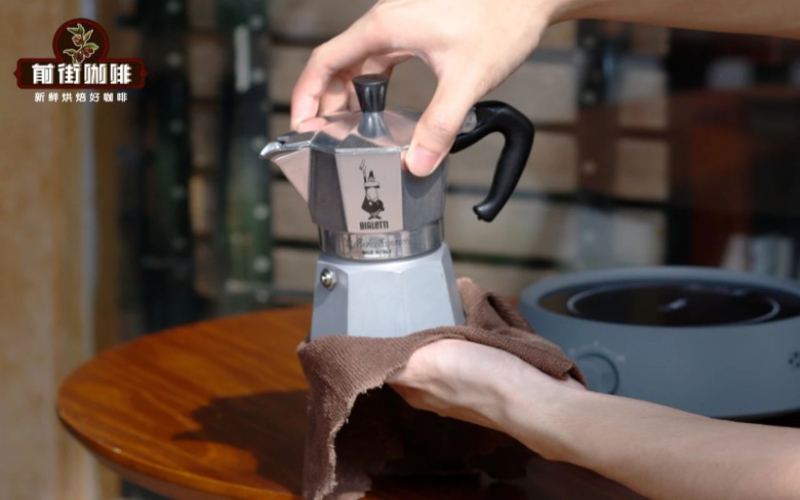
What heat should you use for a moka pot? Can you use an open flame/induction cooker/electric ceramic stove?: The bean selection order for tasting layered flavors
Beyond sourness and bitterness, aroma, sweetness, body, mouthfeel, and finish also make up the flavor experience. The order for choosing beans: first determine the orientation—floral and fruity, nutty and cocoa, or balanced—then match it across the three dimensions of origin, processing method, and roast level. Moka pot extraction is driven by steam pressure, so just fill the filter basket with grounds and [more…]