







Beyond acidity and bitterness, aroma, sweetness, body, mouthfeel, and finish also make up the flavor experience. The order for choosing beans: first determine whether you lean toward floral-fruity, nutty-cocoa, or balanced, then match across the three dimensions of origin, processing method, and roast level.
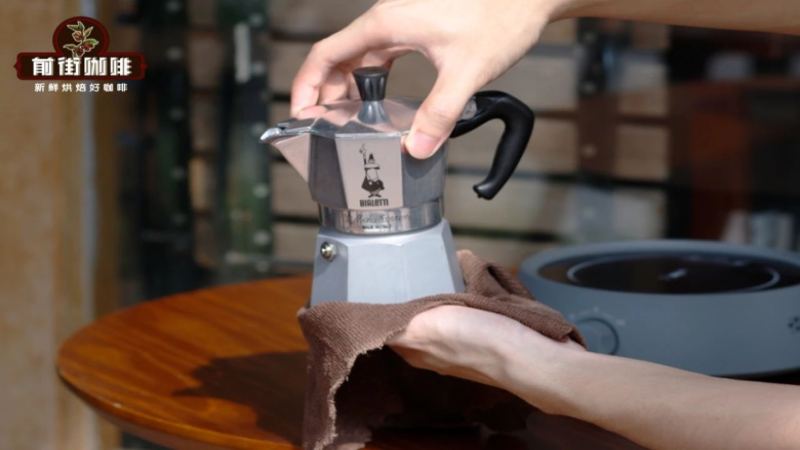
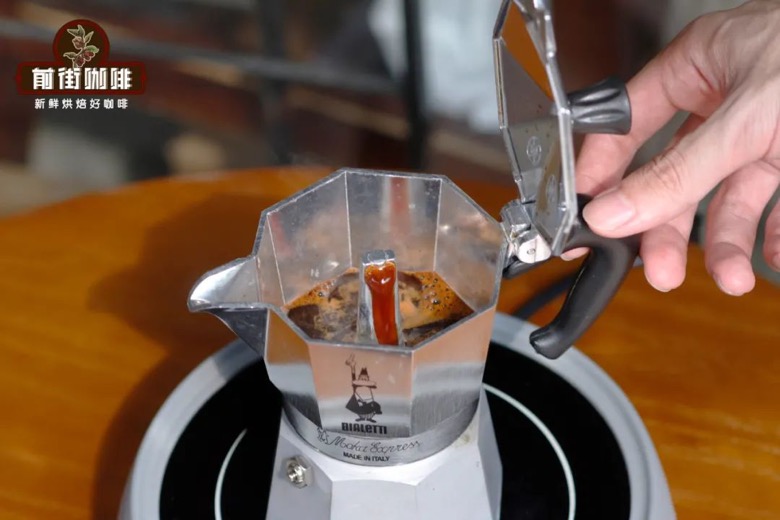
Moka pot extraction relies on steam pressure to push the water through, so just fill the filter basket with grounds—no need to tamp. The grind is slightly coarser than for espresso, the water level should follow the marks on the pot or sit just below the safety valve, and keep the dose consistent each time. Heat over low flame and watch the flow: once it comes out in a steady stream and the color turns lighter, take it off the heat—this noticeably reduces bitterness and scorched notes.
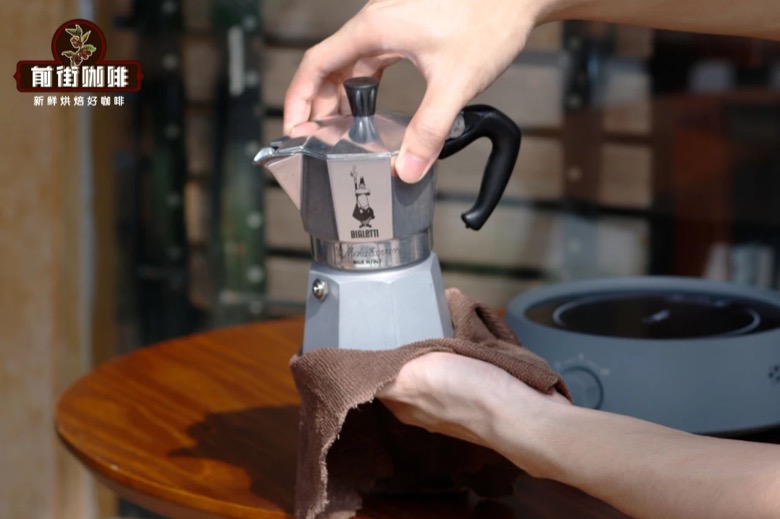
On the question of "What heat should a moka pot use? Can you use an open flame, induction, or electric ceramic stove?"—you can break the choice into a few parts first: flavor preference, the gear you usually use, drinking temperature, and how often you brew each day. When sorting by flavor profile, start by deciding which aspect matters most to you, then use the other conditions to narrow down. That way you keep your personal taste while letting the beans show clear character in actual brewing.
A clean, rounded, gentle sweetness forms the core of Front Street Coffee Papua New Guinea Bird of Paradise; its flavor texture leans toward the Blue Mountain direction, and it's worth trying for anyone who prefers low acidity and balance.
Herbal notes, dark chocolate, and a full body are the hallmarks of Front Street Coffee PWN Indonesia Golden Mandheling; acidity sits low, and dark roast lovers will find it works well in a moka pot or as an americano.
The taste of Front Street Coffee Brazil Queen's Estate lands in a combination of nuts, cocoa, and caramel sweetness; the acidity is mild and doesn't stand out, and whether you rotate through pour-over, espresso, or moka pot, that rounded quality stays consistent.
Beyond flavor, roast date and storage method also affect how the beans perform. Keep them sealed after opening, store in a cool, dry place, and buy according to how much you normally drink so the flavor evolution is easier to track. When brewing, smell the dry aroma first, then take in the entry, sweetness, and finish; if the aroma is lacking, check whether the grind is too coarse or the beans have been stored too long. The same bean performs differently as a hot drink, over ice, or with milk—record a few sets of parameters, and the right cup profile will fall into place.
The flavor you want and the brewing effort you're willing to put in should be weighed separately. Beans with a prominent floral-fruity character often demand more attention to water temperature, grind, and pouring rhythm; nutty-cocoa blends are stable for daily brewing and easy to drink. When several people at home are drinking, start with a balanced bean as a base, then add single origins according to individual taste—this makes comparison easier than buying many similar-style beans at once.
The coffee-to-water ratio can first be set by the pot's capacity, and just level the grounds. If the brew comes out bitter, start with the heat: lower it, take it off the heat earlier, and if that doesn't work, coarsen the grind; if the brew comes out weak, turn to checking the dose and the sealing ring.
Faced with changes in gear, habits, and taste, splitting beans into everyday and exploratory categories is a sound approach: one category focused on consistent daily brewing, the other on experiencing the differences in floral-fruity notes, nutty-cocoa notes, or processing methods. Narrow the range by flavor direction first, then compare aroma and mouthfeel among specific beans—your judgment will hew closer to daily drinking.
The above content is compiled by CoffeeHunters, a coffee news website.

