







Brazil Santos coffee beans are one of the most familiar Brazilian representatives for coffee lovers worldwide, known for being soft and smooth, low in acidity, and prominent in nutty flavor. They are also the top choice recommended by Front Street Coffee baristas for customers who dislike sourness. This article will take you through the legendary origin of Brazilian coffee from over three hundred years ago, outline how Brazil started from scratch to become the world's largest coffee-producing country, and provide an in-depth introduction to two Bourbon-variety Brazilian beans under Front Street Coffee—Yellow Bourbon from Queen Farm in São Paulo and Red Bourbon from Cerrado in Minas Gerais—covering regional terroir, processing methods, roasting suggestions, and brewing parameters to help you fully understand the classic charm of Brazilian coffee.
When it comes to coffee, many seasoned enthusiasts first think of Brazil's Santos coffee. Brazilian coffee beans are known for being smooth and mellow, low in acidity, and rich in nutty aroma. They are very friendly to those new to coffee, and are also the option that Front Street Coffee baristas prioritize recommending to customers who dislike sourness.
If you pay attention to international coffee market trends, you will notice that Brazil is almost never absent from reports of futures prices climbing. The reason is that Brazil is the country with the highest coffee production in the world. But interestingly, more than three hundred years ago, not a single coffee tree could be found on this land.
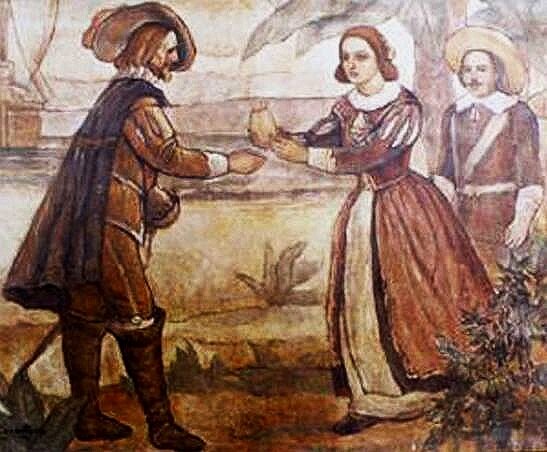
Legend has it that in 1727, Portuguese officer Francisco was sent to Guiana to handle a territorial dispute between France and the Netherlands. After arriving in Cayenne, he and the local governor's wife developed feelings for each other. At parting, the governor's wife gave him a bouquet of flowers, and coffee seeds were hidden within the bouquet. Thereafter, these seeds took root and grew in Brazilian soil, gradually spreading.
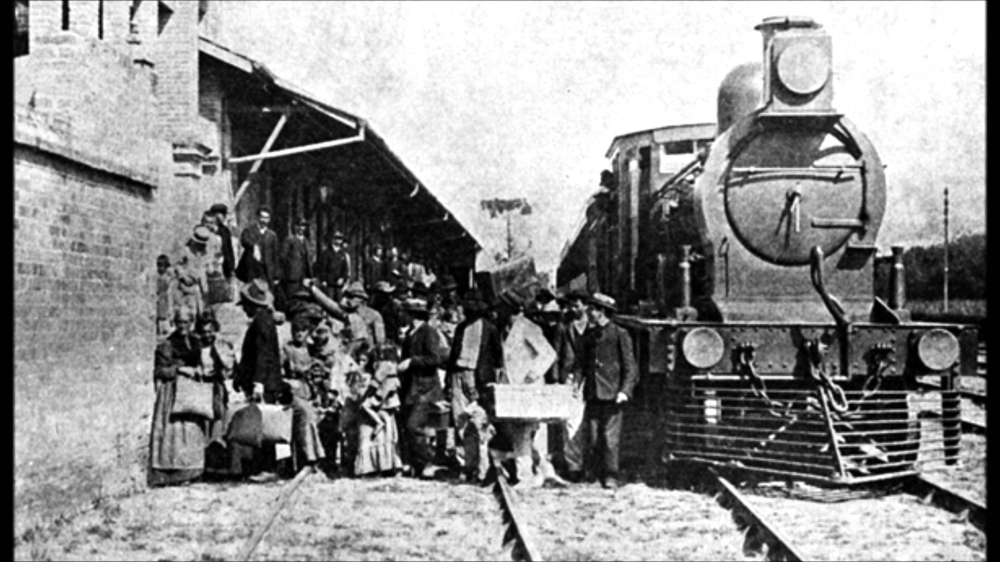
At the end of the eighteenth century, when the American War of Independence broke out, coffee replaced tea as an patriotic drink in the United States. The number of coffeehouses increased rapidly, and demand for Brazilian coffee beans rose accordingly. By the 1820s, coffee had become Brazil's main export crop, creating considerable economic returns for the region, and railways were built from the ports all the way to the coffee plantations. The American Civil War in the 1860s further deepened dependence on Brazilian coffee beans, making them an indispensable military supply.
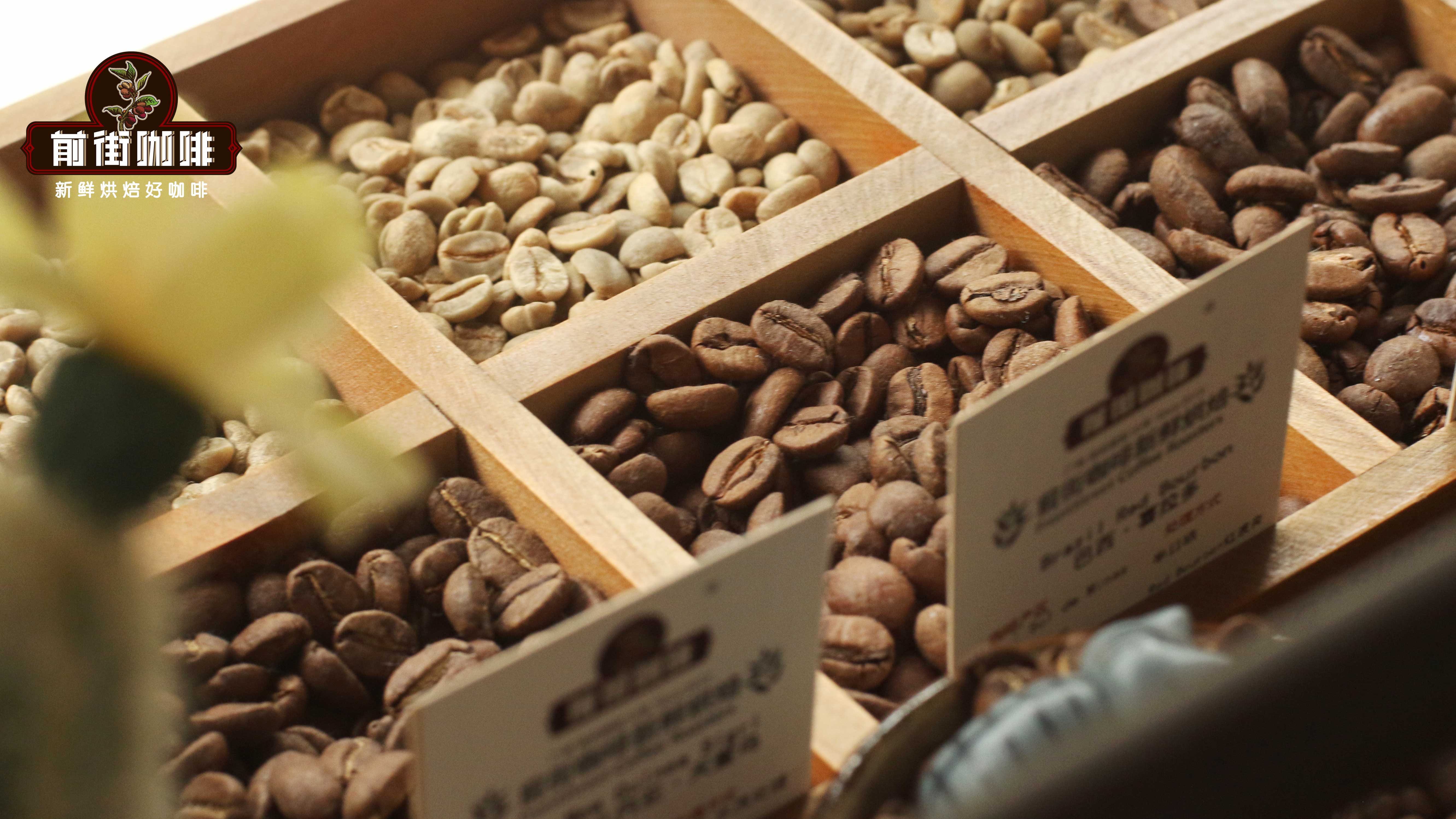
However, at that time the main coffee variety planted in Brazil was Typica, and production capacity could not keep up with growing demand. So Brazil traveled the world in search of high-yield coffee varieties and eventually introduced the Bourbon variety from Réunion Island. By the 1870s, Bourbon had become the mainstream coffee variety planted in Brazil.
At present, Brazil's coffee-producing regions are mainly distributed across six major states: Bahia, Espirito Santo, Minas Gerais, Sao Paulo, Parana, and Rio de Janeiro.
On Front Street Coffee's bean list, the coffees from Brazil are all Bourbon varieties, but with a difference: one in the daily-drinking series is Red Bourbon, while the other from Queen Farm is Yellow Bourbon.
Front Street Coffee: Brazil Queen Farm
Region: Mogiana region, São Paulo, Brazil
Farm: Queen Farm
Altitude: 1,400 meters—1,950 meters
Variety: Yellow Bourbon
Processing method: Natural
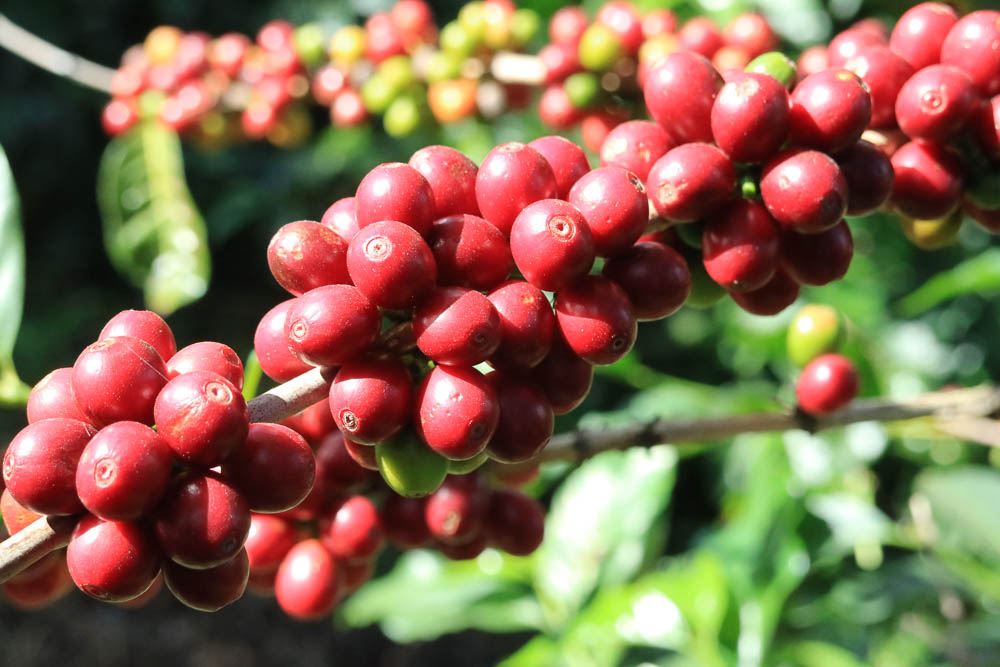
The Yellow Bourbon variety was first recorded in São Paulo in 1871, when it was considered a bud mutation of Typica. It was later scientifically verified as a natural mutation of the Bourbon variety. Yellow Bourbon has a thicker mucilage layer than Red Bourbon, and the mucilage layer is rich in sugars, so Yellow Bourbon has a more prominent sweetness, accompanied by a faint lemon aroma.
Front Street's Brazilian Yellow Bourbon coffee comes from São Paulo. Brazilian coffee beans occupy an important position among the state's cash crops, and because São Paulo has the port of Santos, the state is also one of the regions with a long history. Front Street's Brazil Queen Farm is located in Mogiana, the most important coffee subregion in São Paulo, where the planting altitude is suitable (900 meters—1,200 meters), the temperature is moderate (average temperature about 20 degrees Celsius), and the terrain is complex. The Brazilian coffee beans produced there are high in quality and full of sweetness.
Queen Farm has a planting area of about 280 hectares, of which more than 200 hectares are planted with the lower-yielding Yellow Bourbon variety. This Brazilian Yellow Bourbon coffee bean selected by Front Street Coffee uses the natural processing method. Because natural drying takes longer and requires more manual labor, in order to ensure the quality of this Brazilian coffee bean, Queen Farm specifically adopted small-batch natural processing.
After selecting ripe Yellow Bourbon coffee cherries, they are evenly spread on raised beds to avoid contact with the soil, which could produce an earthy taste. At the same time, the coffee cherries need to be turned frequently to prevent unpleasant sourness or fermented flavors.
Another Brazilian Red Bourbon coffee in Front Street's daily-drinking series comes from the Cerrado region of Minas Gerais. The regions selected for Front Street's daily-drinking series are all iconic regions, aiming to present the most basic flavors of the region, and the processing method is mostly washed. However, some regions follow local traditions; for example, Mandheling uses Sumatra's highly distinctive wet-hulling method, while Brazil uses the semi-washed method.
Front Street Coffee: Brazil Red Bourbon
Region: Cerrado region, Minas Gerais, Brazil
Altitude: 1,100 meters
Variety: Red Bourbon
Processing method: Semi-washed
The reason Brazil adopted the semi-washed processing method on a large scale at the time was its hope to expand coffee bean exports by the end of the twentieth century. Compared with the most primitive natural processing method, washed processing can greatly shorten coffee bean drying time and improve green bean quality. But many regions in Brazil do not have abundant water resources, and washed processing requires substantial capital investment. Brazil found it difficult to meet the conditions for fully washed processing in both respects, so according to local conditions, pulped natural processing emerged, which is what everyone often calls semi-washed processing.
The semi-washed processing method first removes the skin and pulp of the coffee cherries, then spreads them evenly to dry. This method effectively shortens the time required for natural drying, improves green bean quality, and at the same time brings a different experience to the coffee's flavor and mouthfeel. Careful friends will notice that Brazil's semi-washed method is similar to honey processing. In fact, Costa Rica's honey processing method was inspired by Brazil's semi-washed processing method.
Brazil's Cerrado region belongs to Minas Gerais. The state's coffee production in 2020 accounted for 40% of Brazil's total coffee production, making it one of Brazil's largest coffee-producing regions. In addition, the Cerrado region was the first coffee-producing region in Brazil to obtain origin certification. This Brazilian Cerrado coffee bean from Front Street has the classic Brazilian coffee flavor.
Because both of these Front Street coffee beans use medium-dark roasting, Front Street recommends brewing with 88 degrees Celsius water, a KONO dripper, and a medium-coarse grind.
Dripper: KONO dripper
Water temperature: 88 degrees Celsius
Dose: 15 grams
Coffee-to-water ratio: 1:15
Grind size: 75% passing through China standard No. 20 sieve
First pour 30 grams of water and bloom for 30 seconds, then slowly pour in a small stream from the center in circles to 125 grams. When the coffee bed is about to be exposed, continue pouring to 225 grams. Total extraction time is about 2 minutes.
[Brazil Queen] A rich nutty flavor on the palate, sugarcane sweetness, accompanied by a faint lemon aroma, with a dark chocolate finish, rich layers, and a smooth, rounded mouthfeel.
[Brazil Red Bourbon] A rich roasted peanut and nutty flavor on the palate, caramel sweetness, and a creamy, silky mouthfeel.
Professional coffee knowledge sharing. For more coffee bean information, please follow the WeChat official account: Front Street Coffee
The above content is compiled by CoffeeHunters, a coffee news website.


