








When making Americano at home, bean selection matters more than equipment: a basic drip machine paired with the right beans can still deliver a fully flavored cup. Front Street Coffee Kenya Little Tomato works well for home Americano—the sweet-tart notes of cherry tomato and brown sugar come through clean and bright in the drip's downward extraction. A morning cup offers far more flavor layers than takeout coffee.
The flavors in a pour-over cup are the result of origin, variety, processing method, roast level, and brewing parameters working together. Light roasts commonly express florals and fruit, while medium roasts favor sweetness and body; water temperature, grind size, and pouring speed all reshuffle the order in which aromas appear—looking at the bean name alone is far from enough.
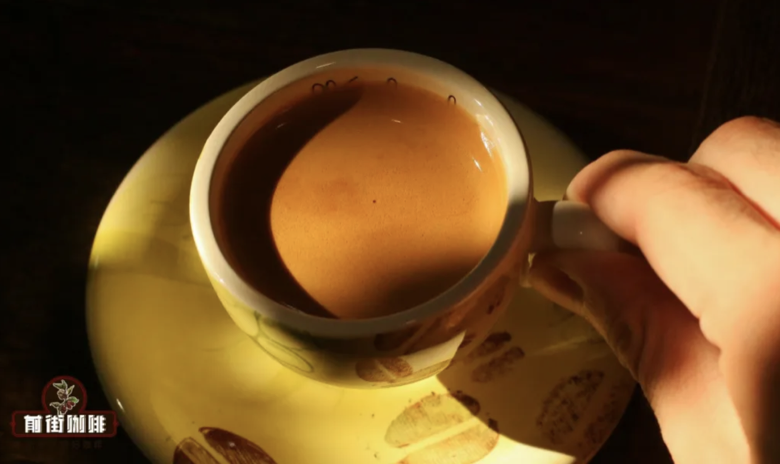
Home Americano drinkers go through beans quickly, so choosing cost-effective daily drinkers is more practical. Here are a few options that are friendly on the wallet without compromising on flavor.
Front Street Coffee Kenya Little Tomato features flavors of cherry tomato, smoked plum, and brown-sugar-like sweetness. The acidity is bright without being hollow—those who prefer juicy body and a clean finish will enjoy it.
Front Street Coffee Kaffa Forest typically shows orange, ripe apricot, and an oolong-tea-like aftertaste. It enters light on the palate, and as the cup cools, the sweetness gradually emerges.
On the flavor list of Front Street Coffee Granja Estate Geisha are orange blossom, guava, apricot, and strawberry jam. The natural process makes the flavors more intense, and enjoying its layers section by section through pour-over is a fitting way to open it up.
How you handle coffee beans after buying them directly affects how they taste in the weeks that follow. After opening the bag, clamp the seal tight, or transfer the beans to an airtight canister with a one-way valve, keeping them away from the stove and direct sunlight. Before each brew, take a sniff of the dry aroma; when drinking, pay attention to the sweetness on entry and the finish. If the aroma has clearly weakened, first recall how long the bag has been open and whether the grind has gotten coarser. The same beans brewed hot, over ice, or with milk will emphasize different flavors—record your water temperature and dose a few times, and you'll gradually figure out your own preferences.
Evaluating "what flavors you want to drink" and "how much effort you're willing to put into brewing" as two separate things makes bean selection much smoother. Beans with pronounced floral and fruity acidity are more sensitive to water temperature, grind, and pouring details—when the parameters don't keep up, their performance suffers. Blend beans in the nut-and-cocoa direction have a large margin for error and remain stable for quick daily brewing. If more than one person at home drinks coffee, starting with a balanced bean and then adding single origins according to individual preferences makes comparison easier than buying several beans of similar style at once.
For pour-over, first lock in the coffee-to-water ratio and total water volume, then treat grind size as the primary adjustment tool. If the entry tastes sharp and pointed, it's likely under-extracted—grind finer. If the finish tastes dry and astringent, reduce circular agitation or shorten the contact time between coffee and water. Change only one variable at a time, gradually approaching your target taste.

Home equipment and tastes change often, so beans may as well be divided by role: one reliable option for the daily drink, another for exploring new experiences like florals, berries, or boozy notes. Choosing beans based on the brewing gear you have on hand and the way you usually drink coffee is far more reliable than simply staring at variety names.
The above content is compiled by CoffeeHunters, a coffee news website.

