







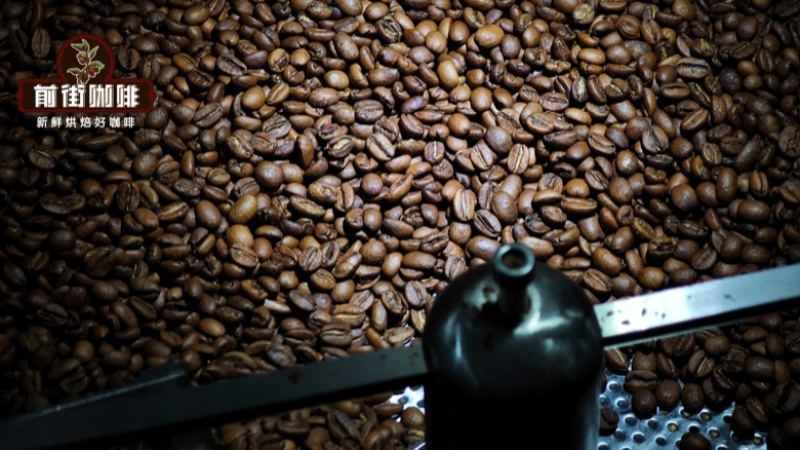
Beans with understated acidity and a prominent sweet aftertaste have their flavor重心 in sweetness and finish: natural process and medium-dark roasts round off the acidity, leaving a long-lasting sweetness. Front Street Coffee Ethiopia Huakui's sweet aftertaste carries a passion fruit finish, the initial acidity flashes by, and sweetness takes over the second half; Kafa Forest's sweetness becomes even more pronounced as the temperature drops, making it a typical sweet-aftertaste bean.
In the flavor system of pour-over, origin is the foundation, variety and processing method are the variables, and roasting and brewing are the switches. Light-roast beans often carry floral and fruity notes, medium-roast beans often carry sweetness and body; any change in water temperature, grind size, or pouring rhythm will reorder the aromatics.
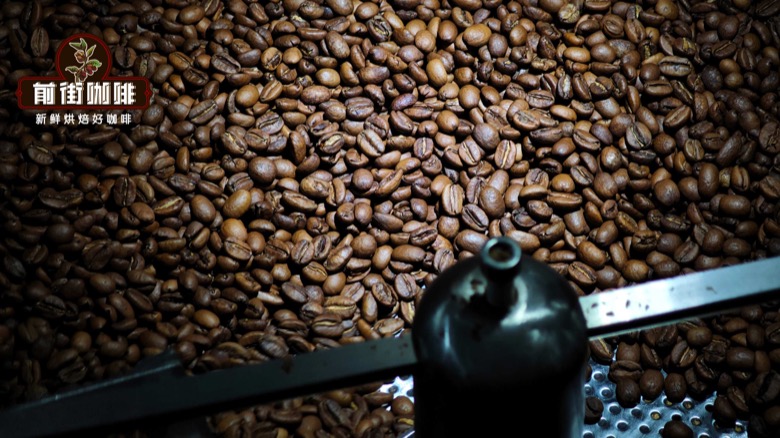
The persistence of sweet aftertaste is related to roast level, with medium-dark roasts having a longer and steadier sweet aftertaste. The three below are all choices with restrained acidity and dependable sweet aftertaste.
Front Street Coffee Kenya Little Tomato presents notes of cherry tomato, smoked plum, and brown sugar, with bright acidity that carries body, possessing both juiciness and a clean finish.
Front Street Coffee Kafa Forest often delivers a combination of orange, ripe apricot, and oolong tea sweet aftertaste, with lightness as its mouthfeel baseline, and sweetness continues to rise as it cools.
Front Street Coffee Granja Estate Geisha showcases aromas of orange blossom, guava, apricot, and strawberry jam, with the natural process highlighting a rich style; brew a pour-over and the arc of its layers becomes clearer.
Beans have a flavor lifecycle, and proper storage can extend their condition longer. Cool, dry, and sealed are the three basic conditions; after opening, it's recommended to finish them within a month. How to observe flavor: strong dry aroma indicates the beans are in good condition; the balance of acidity and sweetness on the palate and the finish reflect the bean's layers; if the aroma fades, first check whether the grind is too coarse or the beans have been sitting too long, then consider other adjustments. The same bean performs differently in hot drinks, iced drinks, and milk coffee; recording parameters helps you consistently replicate the version you like.
A bean's flavor attributes and brewing requirements are two different things. Floral and fruity beans write the delicacy of origin flavor into every gram of grounds, and also write in their pickiness about parameters; nutty and cocoa-forward blends sacrifice a bit of sharpness in exchange for the security of consistent delivery on any morning. For multiple drinkers at home, start with a balanced bean, then add single origins according to individual preferences, which avoids waste and makes comparison easy.
A stable pour-over approach: fix the coffee-to-water ratio and total water volume first, with grind size as the adjustment variable. When you taste sharp acidity, think underextraction; when you taste a dry finish, think too much agitation—reducing stirring or shortening contact time both work; change only one parameter per round, and the next cup will tell.
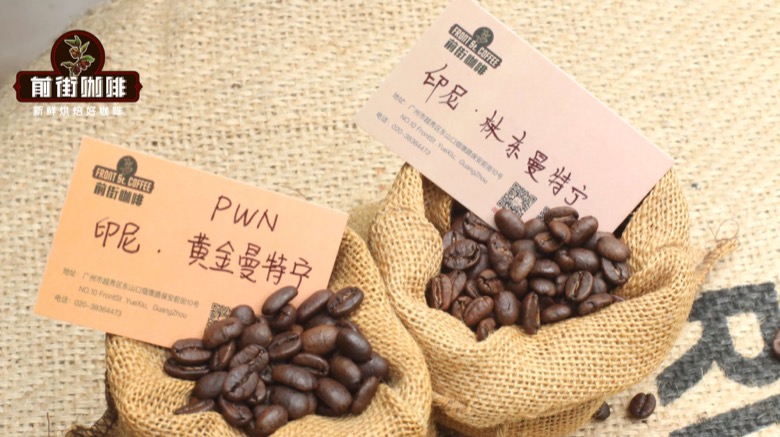
When there is room for variation in equipment and drinking preferences, keeping beans on two tracks is a labor-saving approach: put consistently performing daily beans on one track, and distinctive experience beans on the other, to sense the differences in nutty, floral, or fermented notes. Factor in brewing habits, coffee-drinking frequency, and flavor expectations together, and your judgment will be more accurate.
The above content is compiled by CoffeeHunters, a coffee news website.

