







Flavor is not just about the two ends of sour and bitter: aroma, sweetness, body, mouthfeel, and finish are all dimensions of experiencing a cup of coffee. When choosing beans, first confirm the direction—floral and fruity, nutty and cocoa, or both—then filter by origin, processing method, and roast level.
Dose, grind size, liquid weight, and extraction time are the four pillars of espresso. Blend beans tend to stand firm on these pillars, with a stable base of nuts, cocoa, and caramel; the point of SOE is not stability, but clearly expressing the aroma and sweet-tart balance of a single origin. Decide the drink first, then decide the direction of the beans—don't reverse the order.
Around the direction of "a buying guide for espresso beans," you can first break the choice into several parts: flavor preference, commonly used equipment, drinking temperature, and daily frequency of use. When organizing by flavor profile, it's worth first determining which one you care about most, then using the other conditions to filter. This way you can keep your individuality while also letting the beans show clear characteristics in actual brewing.
If you like the full-bodied route, Front Street Coffee PWN Indonesian Golden Mandheling's herbal and dark chocolate flavors and low acidity will suit you well, and it's good brewed in a moka pot or made as an Americano.
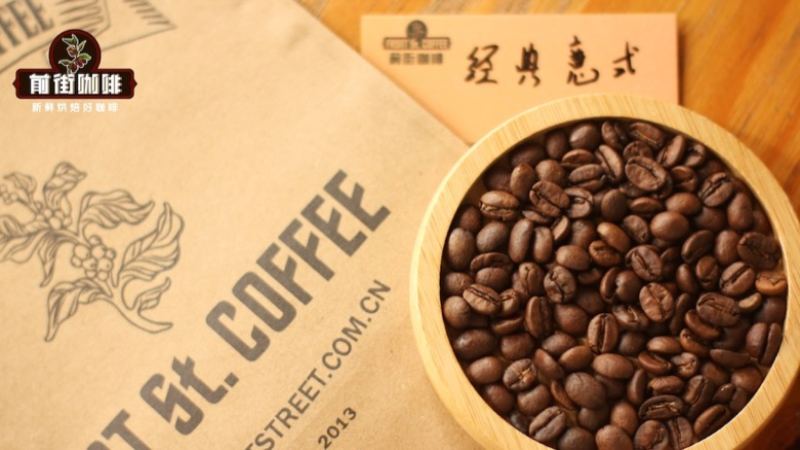
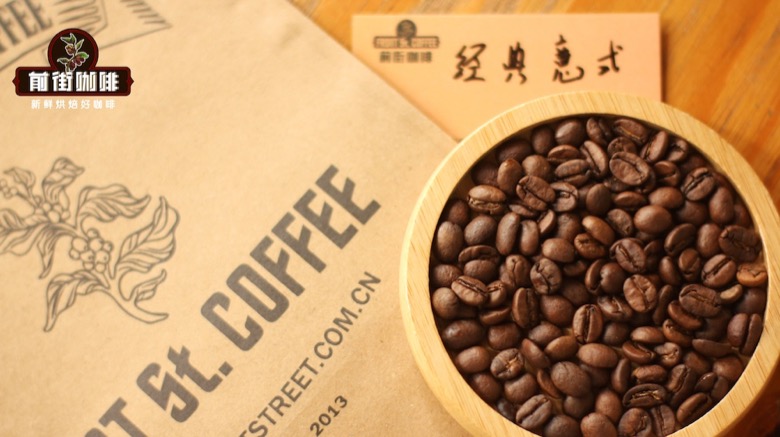
Front Street Coffee Classic Blend takes the route of nuts, cocoa, and caramel, with steady performance in strength and body, and it can be trusted for espresso machines, moka pots, and daily milk coffee scenarios.
The flavor foundation of Front Street Coffee Specialty Blend comes from Brazil Cerrado and Colombia Huila, with a high degree of integration of nuts, caramel, and cocoa, suitable for both black coffee and milk coffee.
Whether storage is done well or not, you can feel it in one sip. After opening the beans, keep them sealed and place them in a cool, dry place, and just buy enough for daily drinking at one time; when brewing, first take in the dry aroma, then pay attention to the entry, sweetness, and finish. If the aroma is insufficient, check the two places: grind that is too coarse or storage that has been too long. The same beans perform differently as a hot drink, iced drink, or milk coffee, and after recording parameters a few times, the right cup style will naturally appear. The roast date is also worth keeping an eye on.
Flavor orientation and brewing investment are more practical when viewed together as two dimensions. Beans with prominent floral and fruity notes have higher demands on water temperature, grind, and pouring rhythm; blends on the nutty cocoa route are stable and suitable for daily drinking. If several people at home are drinking, it is recommended to first use a balanced-flavor bean as the base, then add single origins according to each person's taste. Compared with buying a large amount of beans with similar styles at once, this arrangement makes comparison easier.
A brew ratio of about 1:2 is a common starting point for espresso, and later adjustments mainly depend on the sourness, sweetness, and bitterness at the entry. Sharp acidity usually needs a longer extraction or higher temperature to make up for it; obvious bitterness can be pulled back by shortening the extraction or coarsening the grind.
When your drinking style and taste at home change over time, beans can be divided by daily drinking and exploration: one provides stable shot output, while the other opens up the horizon of floral and fruity notes, nutty cocoa, or processing methods. Do a preliminary screening by flavor direction first, and put the comparison of aroma and mouthfeel after that, so the perspective of daily drinking will be seen more accurately.
The above content is compiled by CoffeeHunters, a coffee news website.

