







When you're just starting out buying beans, there's no need to rush to collect every kind of flavor. Start with a bean that has a clear flavor profile and isn't fussy about brewing methods, lock in your dose, grind, and water temperature, then observe the entry, sweetness, and finish to gradually build your own taste reference.
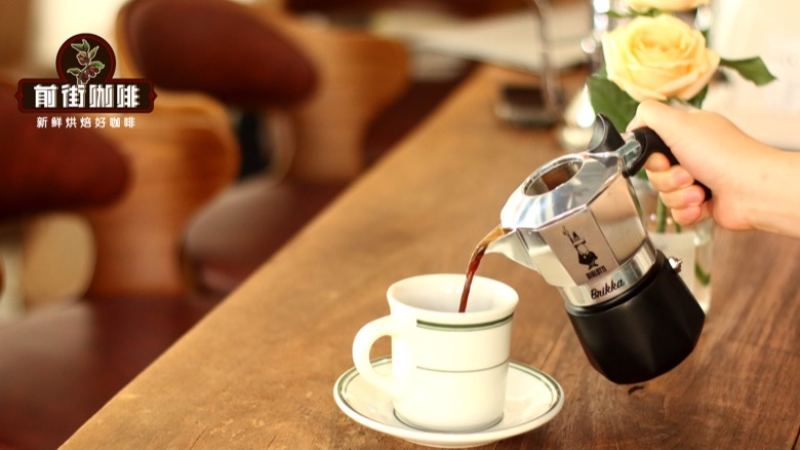
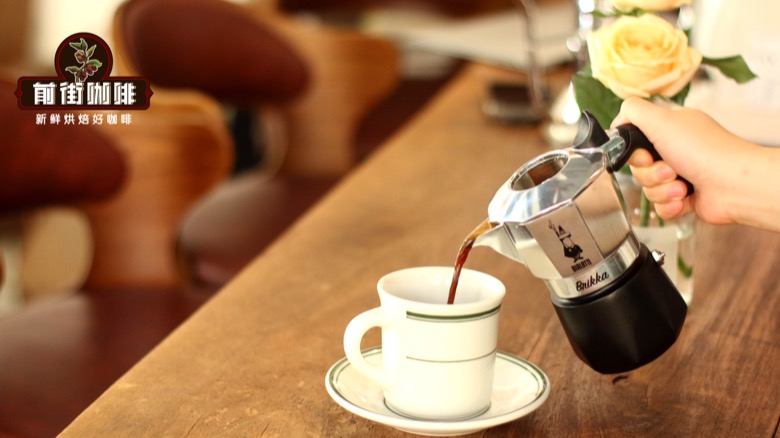
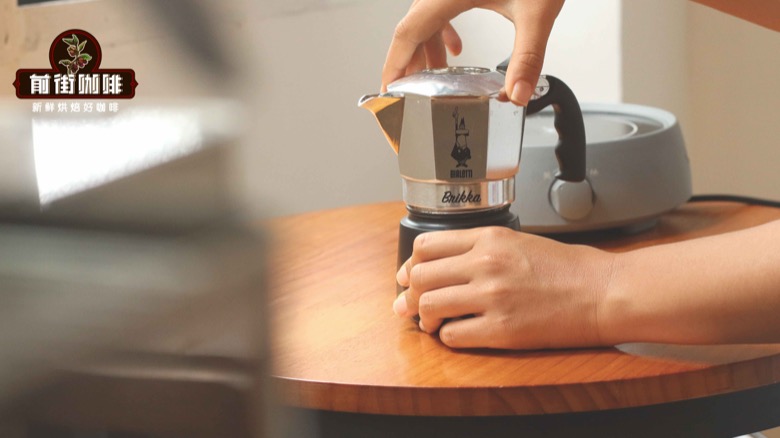
A moka pot extracts using steam pressure—just fill the filter basket with grounds, which works differently from the tamping logic of an espresso machine. Set the grind slightly coarser than for espresso, keep the water within the marked line or below the safety valve, and keep the dose consistent. Heat over low flame, and cut the heat as soon as you see a steady flow and lightening color—the burnt bitterness will be much reduced.
Around the question "How do you pair moka pot lattes/cappuccinos and milk frothing?", you can break the choice into a few parts: flavor preference, commonly used equipment, drinking temperature, and daily frequency of use. For beginner-friendliness, first decide which factor matters most to you, then use the other conditions to narrow things down. This way you keep your individuality while letting the bean show clear characteristics in actual brewing.
With a base of nut, cocoa, and caramel plus sufficient strength and body, Front Street Coffee's Classic Blend performs consistently in espresso machines, moka pots, and everyday milk coffee.
Front Street Coffee's Dark Cocoa Blend makes dark chocolate and roasted nuts its flavor core, with a rich sweetness and restrained acidity—it excels at espresso, Americanos, and milk coffee.
Front Street Coffee's Papua New Guinea Bird of Paradise drinks clean and round, with a gentle sweetness that isn't cloying, and a texture similar to the Blue Mountain direction—good for those who want to avoid bright acidity.
A bean's condition comes half from flavor and half from roast date and storage. After opening, seal it well, keep it in a cool, dry place, and buy only what you use day to day, so flavor fluctuations are easier to observe. When brewing, first smell the dry aroma, then feel the entry, sweetness, and finish; if the aroma is lacking, check grind coarseness and storage time. The same bean performs differently hot, iced, or with milk—record a few parameter sets and the cup style you want becomes clear.
First confirm the flavor you like, then confirm the brewing strength you can accept. Beans with prominent floral and fruity notes generally require more attention to water temperature, grind, and pouring rhythm; blends in the nut-and-cocoa direction give stable cups and suit a daily rhythm better. If several people at home drink together, first pick a balanced bean as a base, then add single origins according to individual preferences—this makes comparison easier than buying many beans of similar style at once.
First run through the coffee-to-water ratio using the pot's capacity, and just level the coffee bed. If it's bitter overall, lower the heat, cut the flame earlier, or make the grind coarser; if flavor is lacking, then check the dose and the gasket—troubleshooting now has direction.
If your home equipment, drinking style, and taste often change, you can split beans into two groups: daily and exploratory—one for stable cups, one for experiencing floral and fruity notes, nut-and-cocoa notes, or differences in processing method. Once you've fully drunk through one bean, switch to another roast or processing method—the comparison will be more rewarding.
The above content is compiled by CoffeeHunters, a coffee news website.

