







Search Results for: Cold Brew Fermentation
A Review of Popular Cold Brew Coffee Maker Brands and a Practical Guide: A Full Breakdown from Bean Selection to Cold Brew Fermentation
Cold brew coffee, with its refreshing sweet-and-sour flavor profile brought about by low-temperature extraction, has been gaining increasing favor among coffee enthusiasts in recent years. But if you want to make a delicious batch of cold brew at home, every step matters—from bean selection, grinding, and tamping to drip rate and refrigerated fermentation. This article walks through the complete cold brew-making process, covering in detail how to choose coffee beans based on roast level and freshness, the key techniques for leveling and tamping the grounds, the role of pre-wetting and placing filter paper, the standard range for grind size, how to regulate drip rate and coffee-to-water ratio, and the flavor-enhancing effect of refrigerated resting. The article also recommends several single-origin beans suited to cold brew, including Front Street Coffee's Sidra, Strawberry Candy, and Cherry Tomato, along with specific recipes and operating parameters—making it a useful reference for coffee lovers who want to systematically master cold brew techniques. [more…]
How to drink cold brew coffee for maximum flavor? A detailed explanation of the underlying fermentation principles and three Front Street concentrate recipes.
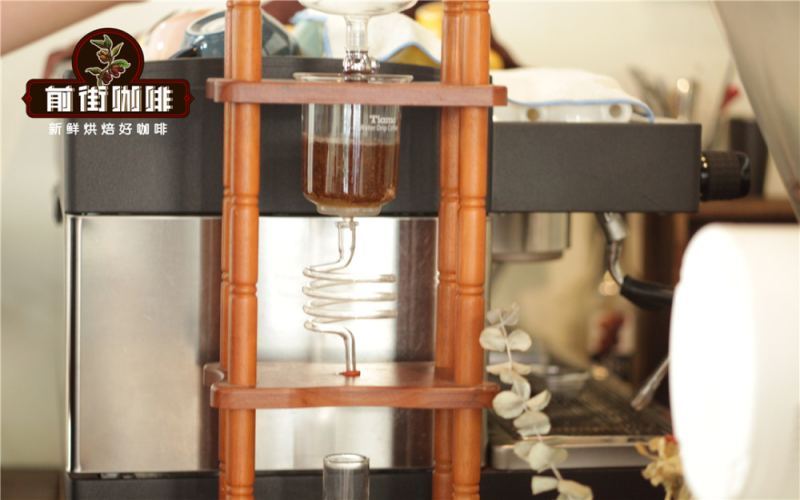
Cold brew coffee is a method of extracting coffee with ice water at low temperatures, completely different from regular pour-over. It originated from the invention of the Dutch on the island of Java in the 17th century, using condensed water pressure to drip through coffee grounds one drop at a time, taking up to 8 hours. Cold brew coffee has a unique flavor and needs to be refrigerated and fermented after extraction, reaching its best state on days 3 to 7, with a complex aroma reminiscent of fermented rice wine. This article explains in detail the steps for making cold brew coffee, key points for fermentation and storage, and shares three cold brew recipes commonly used by Front Street Coffee—dark berry type, light and clean type, and sweet and delicious type—to help you easily make a delicious cold brew suitable for summer. [more…]

Kenyan Coffee Bean Flavor Analysis and Detailed Guide to Three Cold Drink Methods: Ice Hand Pour, Ice Drip, and Cold Brew
Kenyan coffee is famous for its bright acidity and berry flavors, which are inseparable from its unique varietal genetics and processing methods. The Bourbon lineage cultivated in the early twentieth century, plus the two disease-resistant, high-yield varieties SL-28 and SL-34, nurtured a distinctive acidic aroma in Kenya's high-concentration phosphoric acid soil. Kenya's signature double washing method (K72), through two fermentations and repeated washing, further amplifies the bean's cleanliness and acetic acid concentration. Because of its bright acidity and elevated flavors, Kenyan beans are especially suitable for making iced coffee. This article will systematically sort out the varietal origins and washing process of Kenyan coffee, and share Front Street Coffee's specific parameters and operational details for three methods: iced pour-over, iced drip, and cold brew. [more…]
The Complete Guide to Making Cold Brew Coffee: Detailed Steps from Bean Selection to Refrigerated Fermentation and Front Street Flavor Recommendations
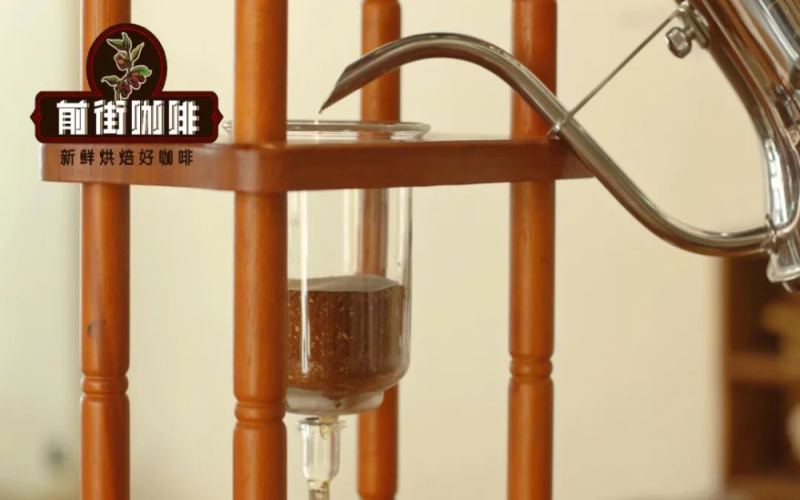
Cold brew coffee, with its refreshing taste and rich layers of flavor, has become a favorite among many coffee lovers. To make a delicious cold brew, every step is crucial, from choosing the coffee beans to controlling the drip rate. This article starts with the principles of bean selection and, combined with recommendations for several Front Street Coffee beans, explains in detail the process of making cold brew coffee, including the ratio of coffee grounds to water to ice, techniques for using filter paper, drip rate control, and the refrigeration and fermentation time required. Whether you are a beginner just getting into cold brew or an advanced brewer looking to improve your output quality, you will find practical guidance in this guide. [more…]
Can Mandheling Be Used for Cold Brew? A Guide to Cold Brew Coffee Ratios, Shelf Life, and Bean Selection
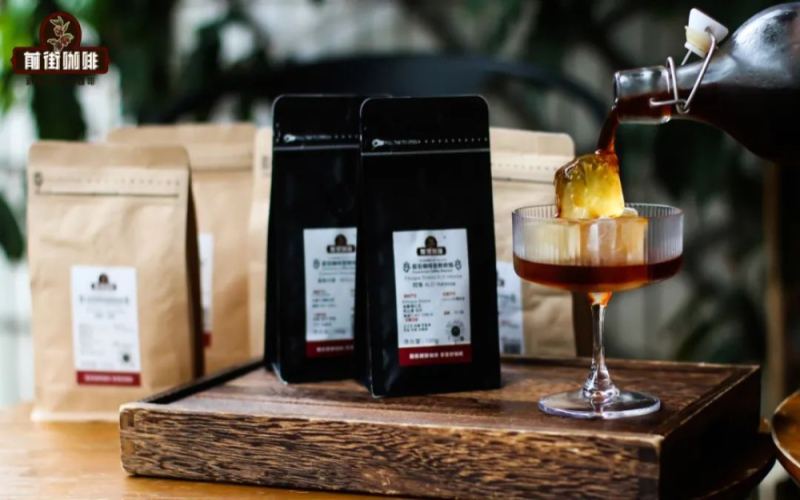
Cold brew coffee, with its non-bitter, slightly acidic, and mellow characteristics, has become a popular drink in summer. Different coffee beans present entirely different flavor profiles under low-temperature extraction—from fruity sun-dried beans, to rich and acid-free dark roast beans, to anaerobically processed beans with intense wine-like aromas, the range of choices is quite broad. This article starts from the perspective of bean pairing and, combined with Front Street Coffee's bean list recommendations, helps you find the coffee bean most suitable for cold brew; it also answers practical questions such as how long cold brew coffee can be stored and how to control the coffee-to-water ratio, so you can easily make a cup of cold brew to your liking at home. [more…]
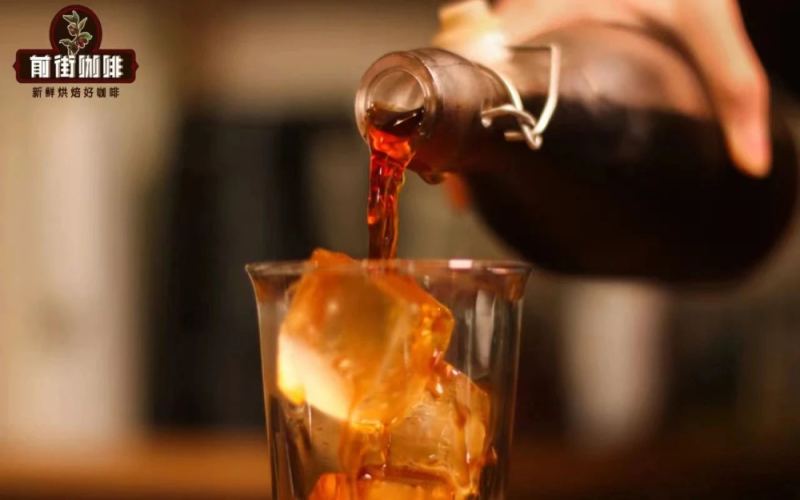
Single-Origin Cold Brew Coffee Bean Flavor Comparison and Selection Guide: From Grinding Parameters to the Full Extraction and Fermentation Process
Cold brew coffee, through its low-temperature slow extraction, presents a rich yet not bitter unique taste, making it an ideal drink for cooling off in summer. Coffee beans from different origins and processing methods give cold brew distinctly different flavor expressions. This article will compare single-origin coffee beans suitable for making cold brew, recommend specific choices such as Front Street Coffee Strawberry Candy, Mozart, and Dingding, and explain in detail the complete process from grinding setting, coffee-to-water ratio, ice-water mixing, to drip flow rate and cold fermentation, helping coffee enthusiasts make a cup of cold brew coffee that is full of juicy feel, refreshing and clean right at home. [more…]

Ice Drip Coffee Fermentation Duration and Cold Brew Optimal Drinking Window: Production Key Points and Storage Recommendations
Cold brew coffee takes a long time to make, so it is often available only in limited quantities at cafés. It originated in Europe and is said to have been invented by the Dutch, which is why it is also called Dutch Coffee. During preparation, ice water seeps through the coffee grounds by dripping naturally, eventually flowing drop by drop into the lower pot, so it is also known as water-drip coffee, and the whole process usually takes more than 8 hours. This article will introduce the steps for making cold brew coffee in detail, including the key aspects of the coffee-to-water-to-ice ratio, grind size selection, filter paper placement, and drip rate control, while also answering common questions about cold brew coffee fermentation time and the best drinking period. The article also uses Front Street Strawberry Candy coffee beans as an example for a practical demonstration and explains the effect of low-temperature refrigeration "aging" on flavor, as well as why it is recommended to drink it within 5 days. [more…]
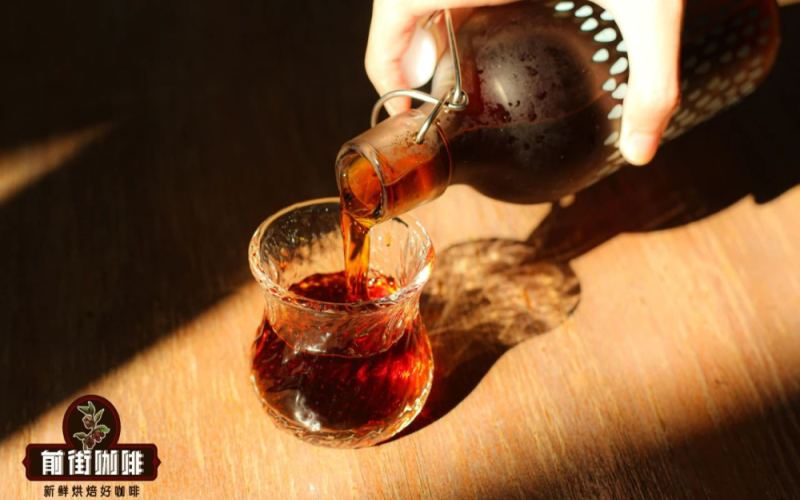
Cold Brew Coffee Characteristics | How much time is needed to make cold brew coffee? What is "cold brew flavor"? Which coffee bean origins are suitable for making cold brew?
Here's what happens: when a customer pushes open the door of the Front Street shop and steps inside, their attention is immediately drawn to the blackboard nearby. There's nothing particularly special on the blackboard—it simply lists new drink recommendations along with the words "Ice drip coffee must be ordered 2 days in advance." As a result, many customers who see it ask, "Ice [more…]
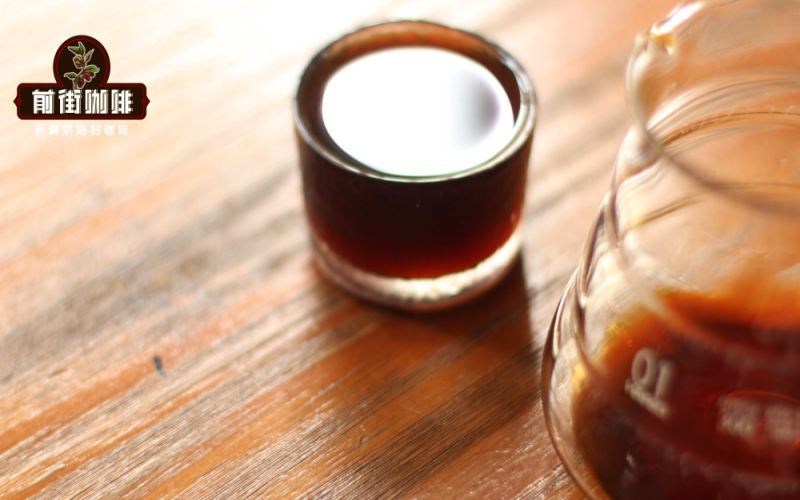
Complete Guide to Bean Selection and Brewing for Cold Brew Coffee: Coffee-to-Water Ratio, Refrigerated Fermentation Time, and Storage Tips
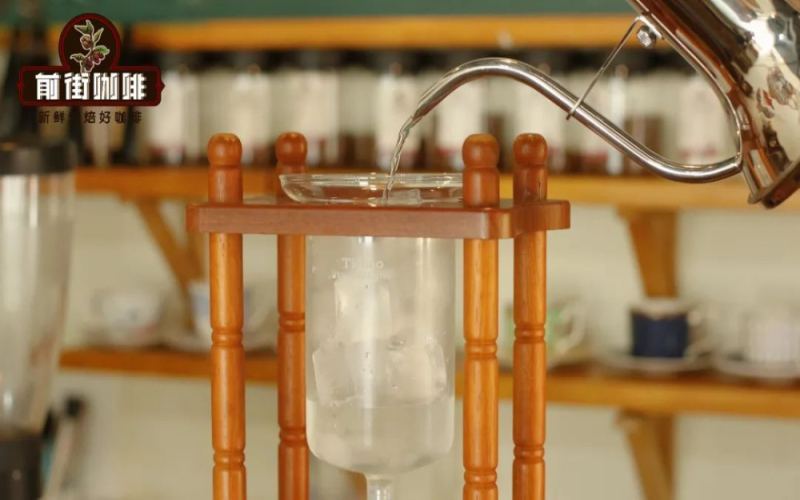
Cold brew coffee, with its refreshing taste and rich aroma brought by low-temperature extraction, has become increasingly popular among coffee lovers in recent years. But which beans should you use, how do you set the coffee-to-water ratio, why must it be refrigerated for more than 8 hours after brewing, and how long can it be stored? This article addresses these frequently asked questions, drawing on the practical experience of Front Street Coffee, and breaks down the key points of making cold brew coffee one by one—from bean selection ideas and classic blend recipes to the complete steps for using a Tiamo cold brew tower—to help you make a cup of cold brew coffee that is full of aroma and smooth on the palate. [more…]
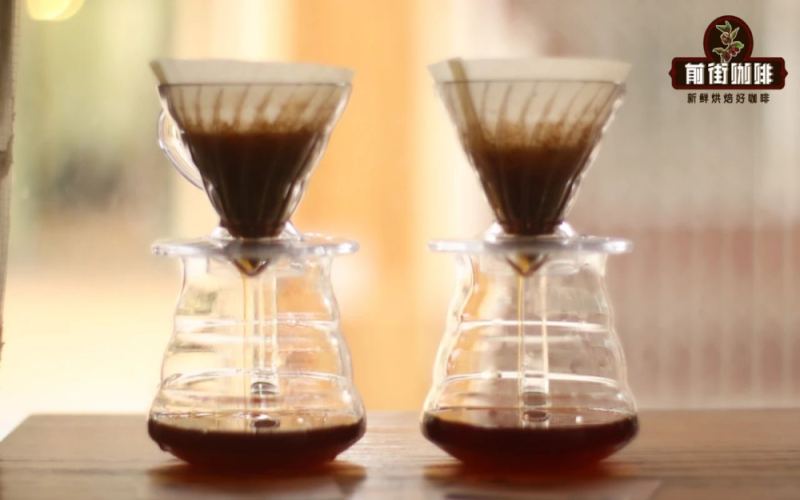
Cold Brew Iced Coffee Powder-to-Water Ratio | What Is the Method for Making Cold Brew Coffee? Which Coffee Bean Origins Are Suitable for Brewing Cold Brew Coffee?
Many people distinguish cold brew coffee from iced coffee. The reason is that what we understand as iced coffee is made by extracting with hot water, then adding ice or chilling it, turning the coffee from a hot temperature into iced coffee—this is the traditional concept. The biggest difference with cold brew coffee is that it uses cold water throughout the entire process, obtaining the coffee liquid through low-temperature extraction. [more…]
Analysis of Cold Brew Coffee Ratios and the Reason for Fermenting Overnight After Extraction
Cold brew coffee is a popular drink in summer. Its low-temperature, long-extraction method gives the coffee a clean and smooth taste. But many people wonder: why does cold brew need to be placed in the refrigerator to ferment overnight after extraction before it can be drunk? In fact, this step is more accurately an oxidation process. Based on Front Street Coffee's production experience, this article introduces the extraction principles of cold brew coffee, the coffee-to-water ratio, the specific operating steps, and the approach to choosing blended beans. Front Street will also share how pairing two kinds of coffee beans can make cold brew's flavor layers more prominent while preserving the unique aroma and rich mouthfeel brought by fermentation. [more…]
Annual Review and Buying Guide of Cold Brew Coffee Maker Brands: A Complete Practical Analysis from Bean Selection to Extraction Details
As a low-temperature slow-extraction beverage, cold brew drip coffee has won increasing favor among coffee enthusiasts in recent years. This article walks through the entire process of making cold brew drip coffee, covering everything from the principles of selecting coffee beans and controlling grind size, to tamping technique, pre-wetting steps, filter paper placement, drip rate and coffee-to-water ratio, and the timing of refrigerated fermentation, explaining each in detail one by one. At the same time, drawing on Front Street Coffee's actual production experience, it shares a variety of single-origin bean recipes and blending ideas suitable for cold brew drip, helping readers make a cup of cold brew drip coffee with a clean flavor and balanced acidity and sweetness at home. [more…]
PWN Golden Mandheling Cold Brew Coffee Making Guide: A Full Analysis from Bean Selection to Extraction and Fermentation
Ice drip coffee, with its smooth mouthfeel and clean layers, has always been a favorite among coffee lovers, and at Front Street Coffee it is a best-selling drink in summer. This article focuses on the PWN Golden Mandheling bean, systematically explaining the low-temperature slow extraction principle of ice drip coffee, why it needs to be refrigerated and fermented for 12 to 24 hours, and how to identify genuine PWN Golden Mandheling, along with the pour-over brewing parameters from Front Street Coffee baristas and a flavor description of Golden Mandheling. Whether or not you have an ice drip brewer on hand, you can find a method that suits you and recreate a rich, full-bodied iced Mandheling at home. [more…]
Cold brew coffee steeping time | What is the coffee-to-water ratio for cold brew iced coffee? Should hot water or cold water be used to make cold brew coffee? Which coffee beans are suitable for cold brew iced coffee?
Cold brew coffee is one of the essential drinks we can enjoy in the hot summer days. Standing in front of the blackboard at Front Street Coffee, looking at the dazzling array of coffee varieties, all my knowledge of the producing regions was instantly forgotten, and I didn't know where to start. This time, let [more…]

Coffee Equipment | What equipment is needed to make ice drip cold brew? How long can ice drip cold brew coffee be stored? Why does cold brew ice drip taste better after sitting overnight?
For more specialty coffee knowledge, please follow our WeChat public account: Front Street Coffee (FrontStreet Coffee). Recently, more and more friends have been making cold brew coffee, ice drip coffee, and other cold-brewed coffees at home. The ice drip coffee that Front Street prepares in advance is also in short supply. Many friends have also asked, [more…]
Cold Brew Coffee Bean Selection Guide: A Complete Analysis of Single-Origin Coffee Bean Flavor Pairings and Creative Recipes
In recent years, cold-drip and cold brew coffee made through low-temperature extraction have become increasingly favored by coffee enthusiasts, but which beans to choose, what equipment to use, how long it can be stored, and how to drink it creatively are all questions people care about. Based on Front Street Coffee's practical experience, this article provides a detailed overview of the extraction principles of iced coffee, equipment selection, single-origin bean recommendations suited to different flavors, the impact of chilled fermentation on taste, creative drinking methods such as adding dried flower petals, and safe refrigeration storage limits, helping you make a cup of outstanding iced coffee at home. [more…]
How to Make Starbucks-Style Cold Brew at Home? A Complete Tutorial from Principles to Sherry Ice Drip
In the heat of summer, a cup of cold brew coffee made with low-temperature extraction is a favorite among many coffee lovers. But what exactly is the difference between cold brew, iced pour-over, and iced Americano? Which coffee beans are more suitable for cold brew? Using Honduran Sherry beans as an example, Front Street Coffee gives a complete demonstration of the iced drip coffee-making process, including key parameters such as coffee dose, grind size, coffee-to-water ratio, and drip rate control. At the same time, the shelf life of cold brew coffee is also a concern for many people, and this article also provides practical suggestions. [more…]
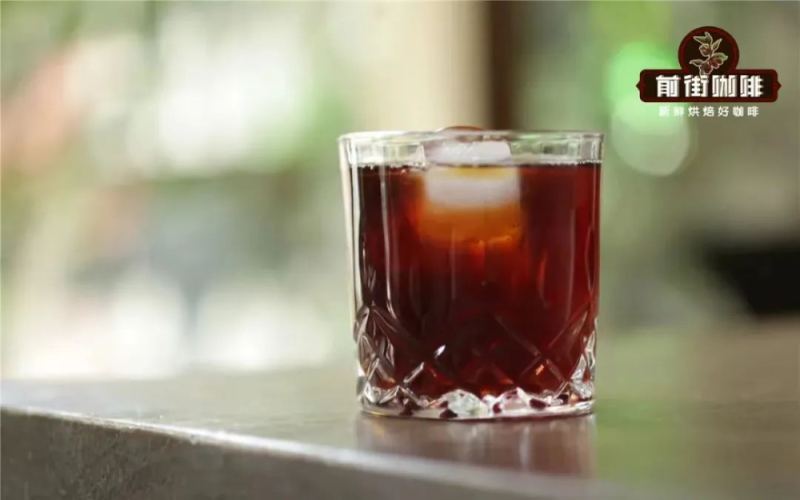
Homemade Iced Coffee | What's the Difference in Taste Between Cold Brew Coffee and Ice Drip Coffee? What Are the Key Points for Making Ice Drip and Cold Brew? What Is the Coffee-to-Water Ratio for Ice Drip and Cold Brew?
In recent years, cold brew coffee and ice drip coffee have won huge favor among coffee consumers! Especially in summer, the ice drip/cold brew coffee in coffee shops becomes the "king of kings" among iced coffees! One reason is that it has a mouthfeel that iced pour-over coffee/iced Americano coffee cannot replicate, and another is that its production time is long, [more…]
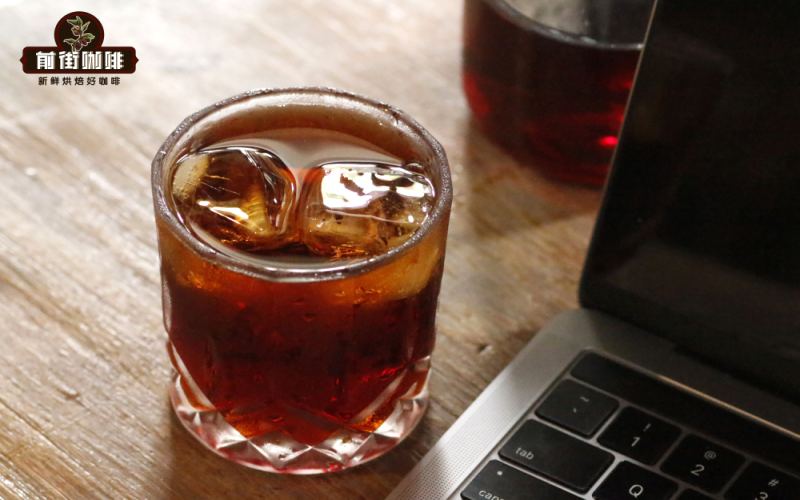
Why Does Cold Brew Coffee Develop More Wine-Like Aromas Over Time? A Chemical Perspective on Low-Temperature Aging and Fermentation Mechanisms
Many people tasting cold drip coffee for the first time are surprised: is there alcohol in this cup of coffee? In fact, that boozy note does not come from alcohol, but is the result of the unique cold drip extraction method combined with subsequent low-temperature aging. Starting from Front Street Coffee's actual cold drip coffee-making parameters and drawing on chemical principles, this article explains how ester hydrolysis produces the alcohols responsible for the wine-like aroma, while comparing the differences with the natural fermentation of hot-brewed coffee, and gives the optimal drinking window and safety recommendations for cold drip coffee. [more…]
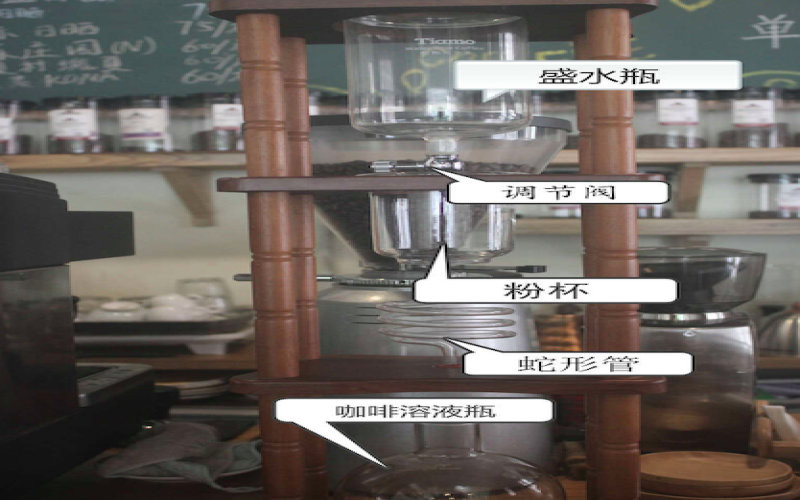
How to choose coffee beans for cold brew? Front Street Coffee explains the blending logic and key production points.
Still craving a refreshing cup of coffee after autumn arrives? Cold brew drip coffee might just be the ideal choice. It uses ice water at low temperatures for slow, prolonged extraction, followed by refrigerated fermentation. Astringent compounds are less likely to be released, giving the final product a fuller body and a gentle fermentation aroma. Front Street Coffee (FrontStreet Coffee) has taken notes of wine, fruit, and cream as its theme this time, selecting Front Street Honduras Sherry and Front Street Megalith Black Honey beans, blended at a 1:1 ratio, with a coffee-to-water ratio of 1:12, seven drops every ten seconds, and two days of refrigerated fermentation, creating a cup of cold brew drip coffee with floral notes, strawberry and blueberry sweet-tartness, and flavors of vanilla and liqueur chocolate. The following article will share this blending approach in full, along with key details such as pre-infusion, filter paper placement, and tamping, for coffee enthusiasts' reference. [more…]