







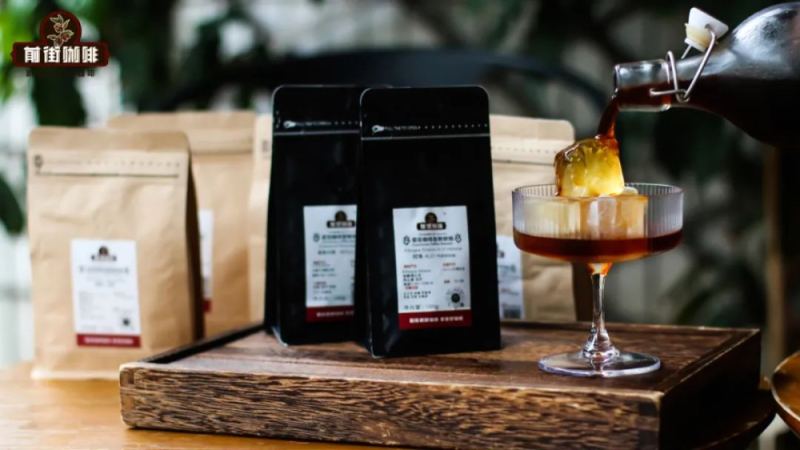
Is Mandheling a Good Fit for Cold Brew Coffee?
Yes, Mandheling works for cold brew, though it steers the cup in a different direction than fruity beans. Low-temperature extraction gives cold brew its low bitterness, weak acidity, and smooth mouthfeel. Mandheling's rich, full-bodied profile carries pine, herb, nut, and caramel notes into the brew, so the result is heavier and less fruit-forward than a natural Ethiopian or Panamanian bean.
Bean pairing decides the style. For sweet-and-sour, fruit-driven cold brew, natural or honey-processed beans from Ethiopia, Colombia, and Panama are the usual pick, such as Sidamo or Huakui. For a deep, low-acid cup, Mandheling fits. Practical controls matter too: keep the coffee-to-water ratio consistent and store the concentrate properly, since cold brew keeps well refrigerated for several days.
Cold brew coffee, with its non-bitter, slightly sour, and smooth characteristics, has become a popular drink in summer. Different coffee beans exhibit drastically different flavor profiles under low-temperature extraction—from fruit juice-like natural beans, to rich and non-acidic dark roast beans, to intensely wine-flavored anaerobic beans, the options are quite broad. This article will start from the perspective of bean pairing, combined with Front Street's bean list recommendations, to help you find the coffee bean most suitable for cold brew; it will also answer practical questions such as how long cold brew coffee can be stored and how to control the coffee-to-water ratio, so you can easily brew a cup of cold brew to your liking at home.
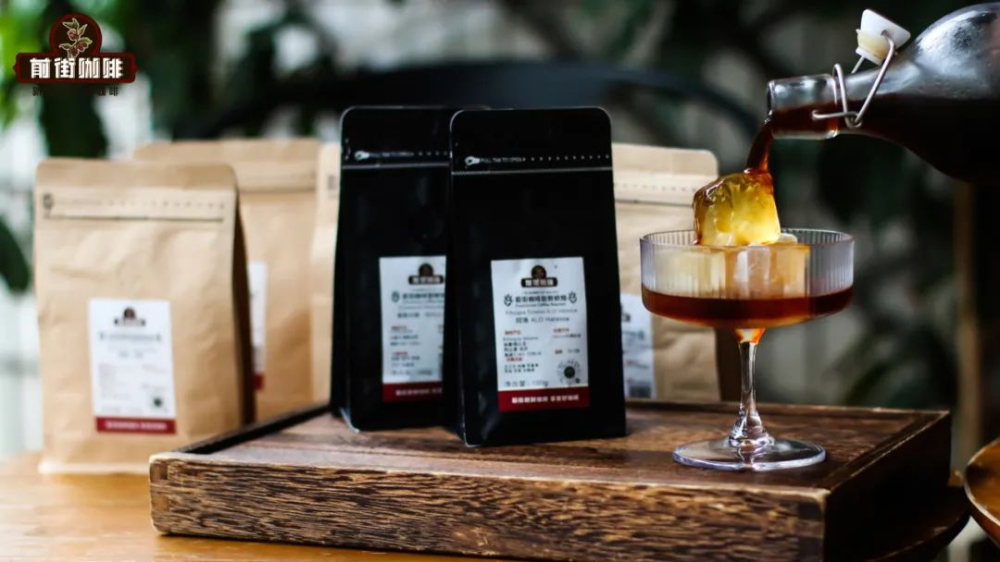
The most notable feature of cold brew coffee is its low bitterness, weak acidity, and overall smooth and gentle mouthfeel, and due to the low-temperature long extraction, it also develops a fermented charm similar to "low-temperature aging." In fact, as long as you combine the flavor characteristics of the coffee beans themselves with the principles of cold brew production, you can roughly infer what style a bean will present as cold brew. If you find it hard to grasp, no worries—Front Street will now discuss a few coffee beans commonly used for everyday cold brew, so you can directly choose and easily brew your preferred cold brew flavor.
When it comes to the most popular type of cold brew in summer, it must be the direction of sweet and sour refreshment with abundant fruity aromas. This type of cold brew has almost no noticeable bitterness, and the bright sweet-and-sour taste perfectly dispels the summer heat.
To make a cup of cold brew full of fruity juiceiness, Front Street recommends prioritizing natural or honey-processed coffee beans from Ethiopia, Colombia, and Panama. The reason is that coffees from these regions inherently carry a lot of fruit tones, and natural and honey processing further amplify and enrich these aromatic layers.
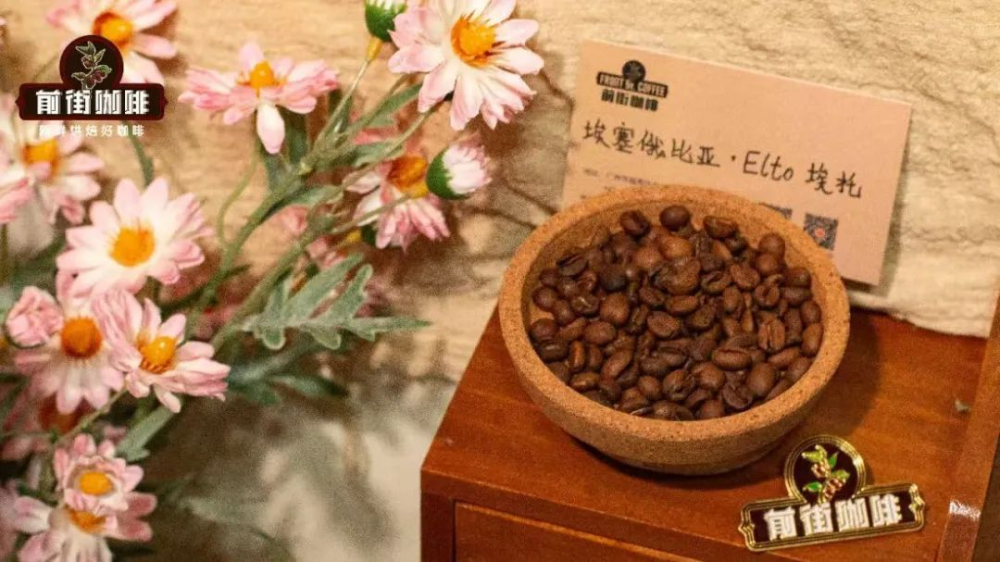
Taking the actual bean list as an example, Front Street Sidamo·ALO and Front Street Huakui fit the above conditions well. Using them for cold brew yields coffee with rich mango aroma, rounded citrus acidity, and a hint of pineapple fermentation; Front Street Ethiopia Elto also performs excellently, with the extracted cold brew presenting a combination of lychee, mango, and blueberry aromas.
Washed beans have a lower degree of fermentation, allowing them to more completely preserve the coffee's original flavors. In particular, washed beans from Ethiopia and Panama are renowned for their clean and fresh fruity notes; and the Geisha variety T2722 is especially famous, with its intense floral aroma known to almost everyone.
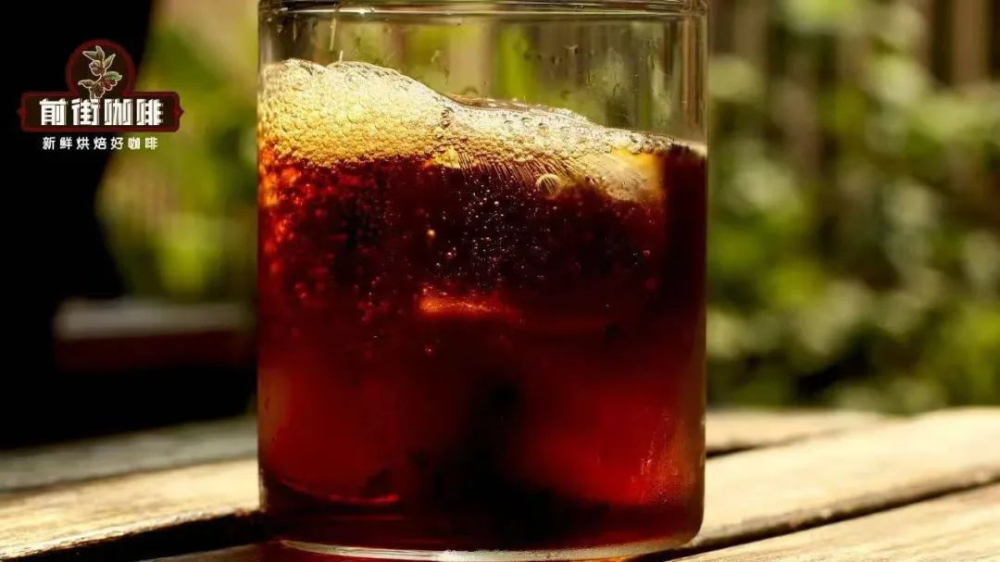
For example, Front Street Yirgacheffe·Gutingding, after washing, brews a cold brew with the subtle notes of lemon, white flowers, and green tea; Front Street Boquete·Washed Geisha and Front Street Washed Butterfly also extract flavors interwoven with white floral, citrus, and honey.
Of course, many friends prefer the rich and deep taste of dark roast. Front Street has previously shared how to make cold brew using dark roast espresso blend beans. If you also like this "zero acidity," intensely aromatic, and extremely full-bodied cold brew style, you might try making it with dark roast beans.
Front Street Blue Mountain No.1, Front Street Golden Mandheling, and Front Street Huilan are all worth considering. The cold brew brewed with them will show rich chocolate tones, caramel-like sweetness, and a quite thick body.
Wine-flavored cold brew is a regular offering at Front Street stores, with a huge fan base. Many people love cold brew not just because its flavor is more concentrated, but also because of that fermentation feel different from the usual. When we choose coffee beans with a deeper degree of fermentation to make cold brew, the final product often emits a stronger wine aroma, and one sip feels like drinking alcohol, which is truly satisfying.
If you happen to be the type who likes cold brew with a rich wine aroma, Front Street recommends using anaerobic processed beans. Most anaerobic processing causes the coffee beans to undergo deeper fermentation, resulting in a pronounced fermented feel.
For wine-flavored cold brew, Front Street usually uses two beans: one is Front Street Honduras·Sherry from the bean list. It is a medium-roast anaerobic processed bean, and the extracted cold brew has almost no sourness, replaced by vanilla and creamy high sweetness, accompanied by a very intense whiskey aroma.
If you prefer a wine-flavored cold brew with prominent fruity acidity and higher sweetness, then Front Street Costa Rica Strawberry Candy from the bean list is definitely worth a try. This raisin honey processed bean itself carries the fermented aromas of strawberry, berries, and raisins, and after making cold brew, the sweetness further increases, with the strawberry and raisin notes transforming into a liqueur-like flavor, quite outstanding. Front Street Costa Rica·Mozart, using the same processing method, is also suitable; besides berry and raisin aromas, it also captures a hint of lavender-like purple floral note.
It should be noted that the fermentation during low-temperature extraction does not stop because of refrigeration; refrigeration only slows down the fermentation rate. As time passes, the substances dissolved in the water continue to change, eventually leading to spoilage. In addition, each time the bottle cap is unscrewed, the coffee liquid contacts the air, which not only accelerates the loss of aroma but may also introduce bacteria into the container.
Considering both flavor performance and food safety, whether it's ice drip or cold brew, for any coffee extracted in a low-temperature environment, Front Street recommends consuming it within 5 days (counting from the day of production).
The above content is compiled by CoffeeHunters, a coffee news website.


