







Does Cold Brew Coffee Make You Feel Drunk?
Cold brew coffee does not contain alcohol, so drinking it will not get you drunk. A long, cold extraction changes the taste rather than adding alcohol. To make it, choose beans, set a coffee-to-water-to-ice ratio, use filter paper, control the drip rate, and refrigerate during fermentation for the desired time.
Bean choice drives the final flavor. Medium-roasted beans are generally the priority, and beans stay at their peak within two months after roasting. Cold brew tends to amplify winey notes, fruity fermentation feel, and sweet-tart character. Examples include light-roast Yirgacheffe washed and medium-dark Brazil Cerrado.
Cold brew coffee, with its refreshing taste and rich flavor layers, has become a favorite among many coffee lovers. To make a good cup of cold brew, every step is crucial, from choosing coffee beans to controlling the drip rate. This article will start with the principles of bean selection, combine recommendations from several Front Street Coffee beans, and explain in detail the cold brew process, including the coffee-to-water-to-ice ratio, filter paper techniques, drip rate control, and refrigeration fermentation time. Whether you are a beginner just getting into cold brew or an advanced brewer looking to improve quality, you will find practical guidance in this guide.
Choosing Coffee Beans
The final flavor of a cup of cold brew depends largely on what beans you use. Many people's impression of coffee stops at bitterness, especially those who often drink a certain American chain brand. If you are already used to a bitter taste, you might start with cold brew Mandheling, which can let you directly feel the obvious difference between cold brew and everyday black coffee. Once you gradually get used to it, you can try some light-roasted beans. Their unique aroma and fruity acidity make them very suitable as an entry choice for specialty coffee. Overall, we generally recommend giving priority to medium-roasted coffee beans.
In Front Street Coffee's view, the key to choosing beans is to select different flavor profiles according to personal taste preferences, while also making sure the beans are still within their best flavor period, that is, within two months after roasting. Cold brew as an extraction method is itself good at amplifying the winey notes, fruity fermentation feel, and sweet-tart character in coffee. If you have no idea how to choose, you can refer to several flavor representatives compiled by Front Street Coffee:
Prominent fruity notes, bright acidity, light and clean body — light-roast Front Street Coffee Yirgacheffe washed, light-roast Front Street Coffee Kenya Little Tomato, light-roast Front Street Coffee Panama Geisha
Nutty and chocolate notes, full-bodied — medium-dark roast Front Street Coffee Brazil Cerrado, medium-dark roast Front Street Coffee Colombia Huila
Balanced sweetness and acidity, with a faint fermented aroma and fruity notes — medium-light roast Front Street Coffee Costa Rica Baja, medium-light roast Front Street Coffee Strawberry Candy, medium-light roast Front Street Coffee Ethiopia Natural Red Cherry
Rich winey aroma, unique flavor — medium-roast Front Street Coffee Colombia Papayo, Front Street Coffee Big Belly Navel
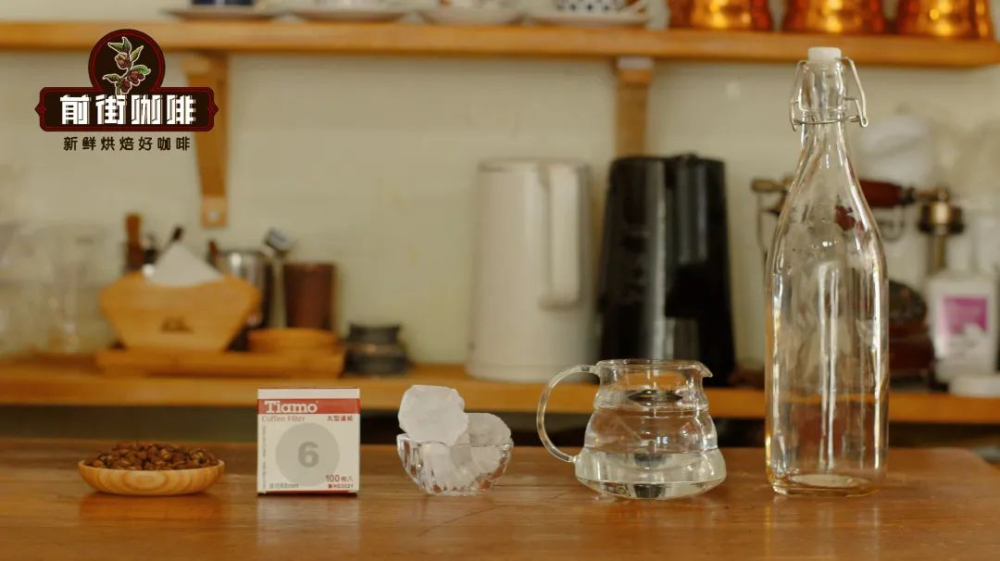
Preparation before making: cold brew dripper, room-temperature direct drinking water, ice cubes, round filter paper for cold brew, 50g Front Street Coffee Strawberry Candy coffee beans, a sealed bottle, coffee-to-water-to-ice ratio of 1:6:6, 300g water, 300g ice.
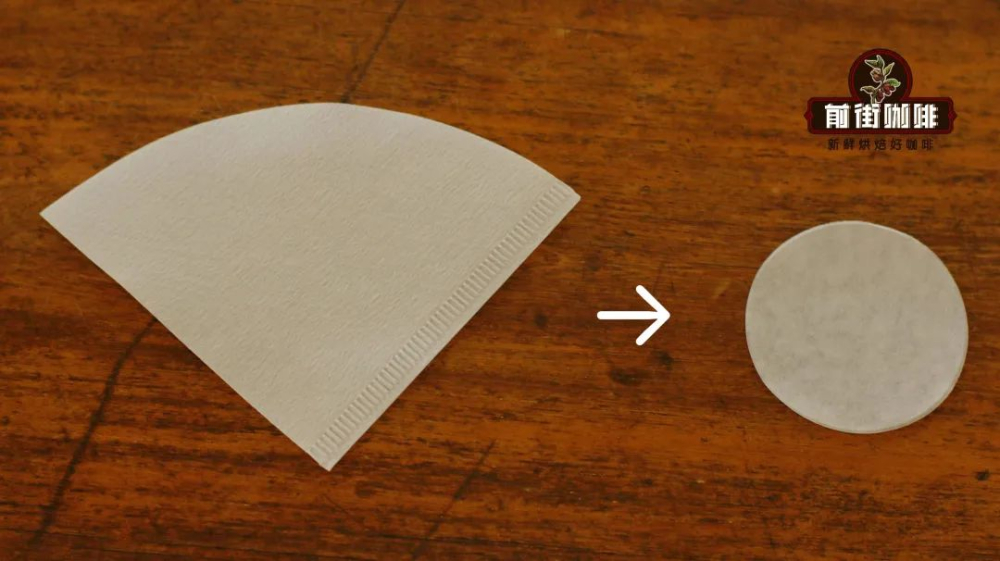
(Tip: If you do not have dedicated cold brew filter paper on hand, you can cut ordinary pour-over filter paper into a circle matching the size of the cold brew filter basket as a substitute.)
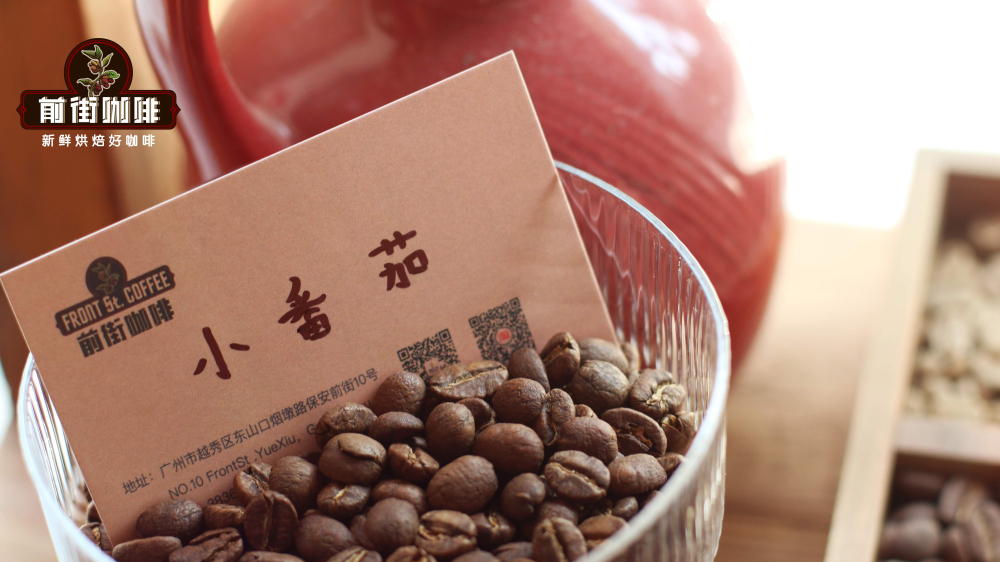
For coffee beans used in cold brew, if you want a style such as fresh floral notes or rich fruity notes, Front Street Coffee Strawberry Candy, Front Street Coffee Kenya, and Front Street Coffee Yirgacheffe are all good choices. Cold brew made with these beans usually has a refreshing aroma and is smooth to drink with or without ice.
Step 1: Grind Front Street Coffee Strawberry Candy coffee beans into coffee grounds.
(For reference only: The coffee beans used in this demonstration are Front Street Coffee Strawberry Candy. This is a blend made from Costa Rica and Panama beans, with a rich coffee aroma and flavors of rose, raisin, cream, and berries when drunk. The grinder used is an EK43s, and the grind setting is 9, the same as the usual setting for iced pour-over.)
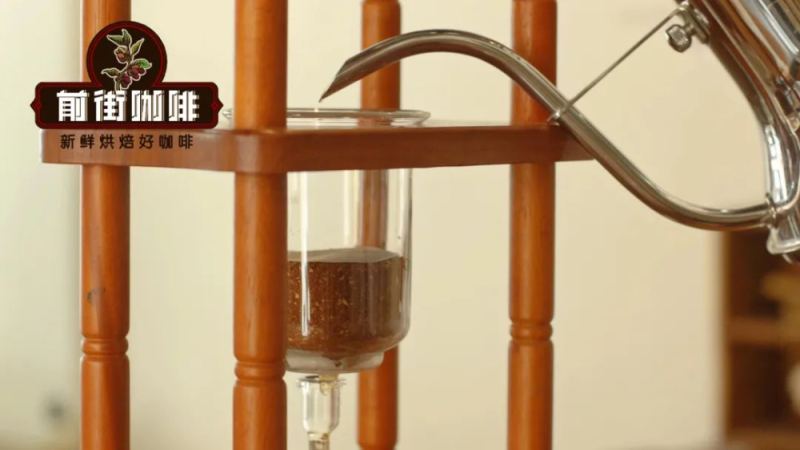
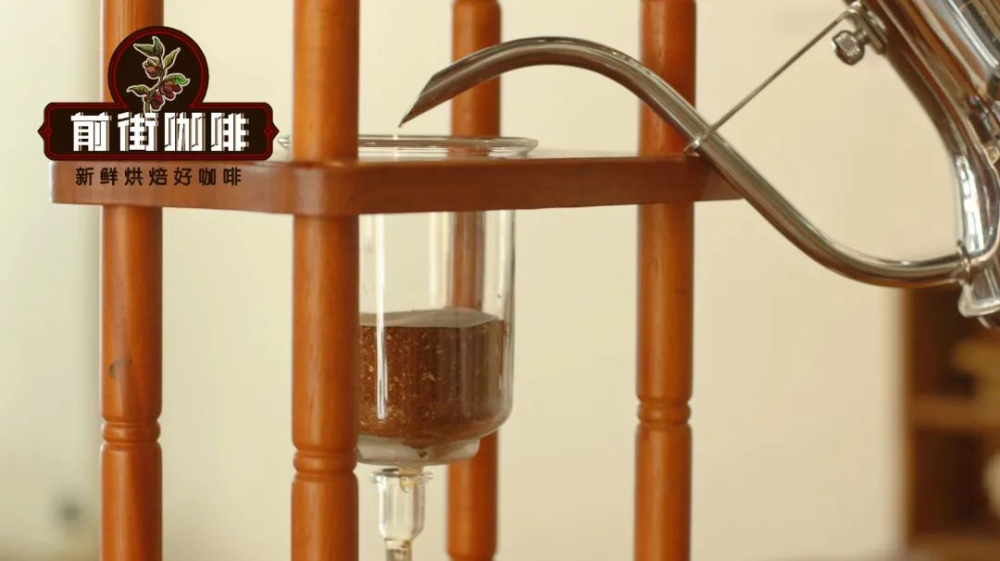
Step 2: Place a layer of round cold brew filter paper in the filter basket of the cold brew dripper, wet it with water, then pour in the coffee grounds and level them.
Step 3: Cover the leveled coffee grounds with another round cold brew filter paper, and wet the coffee grounds with room-temperature water. (Tip: All the grounds need to be wet, which can shorten the drip time and ensure the coffee bed is evenly penetrated by water.)
Step 4: Pour ice and water, in that order, into the top container of the cold brew dripper with the drip rate valve.
(Note: Before pouring in the water, the drip rate valve needs to be closed to prevent the poured ice water from rushing down directly in a large stream.)
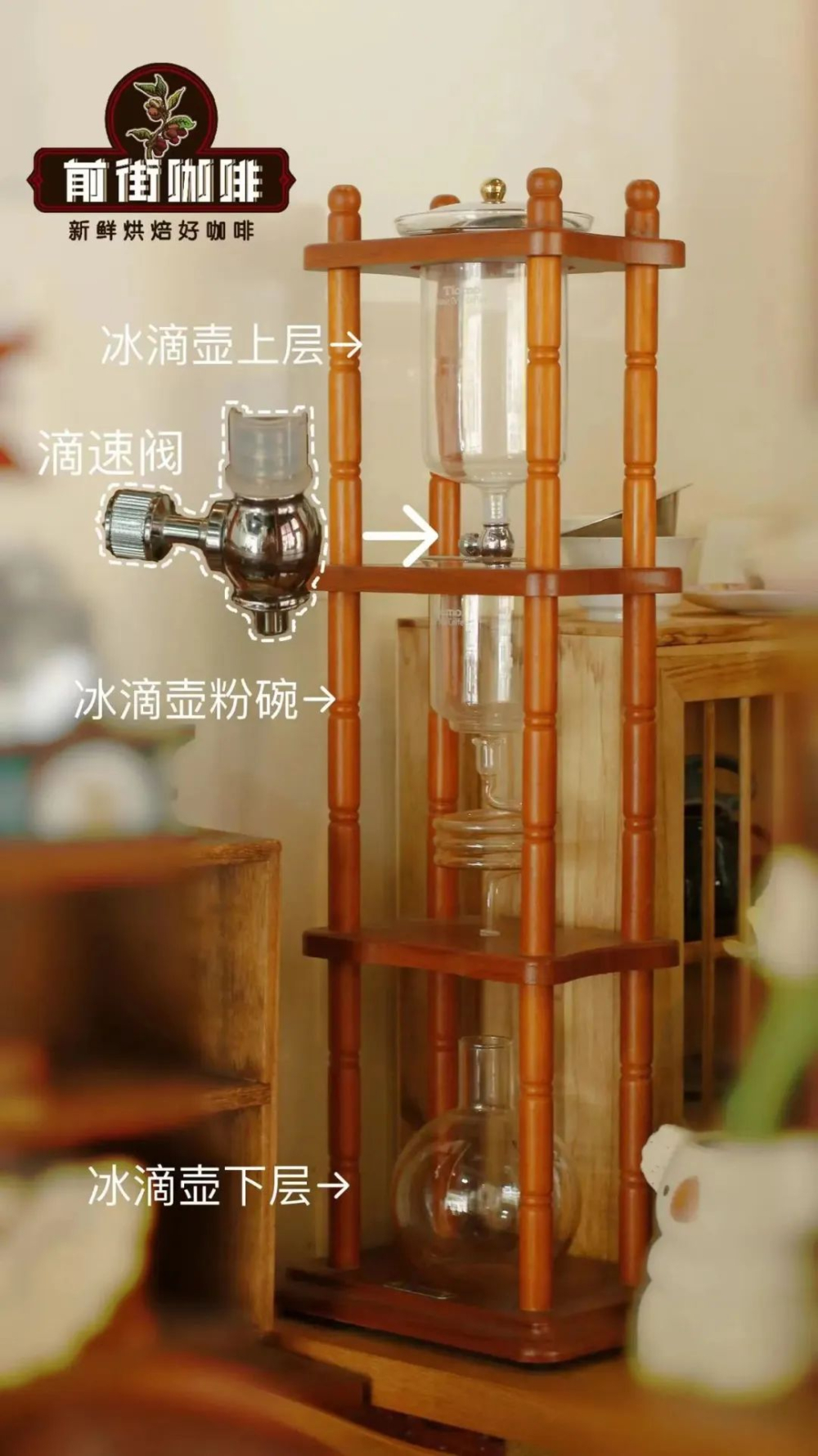
Step 5: Set the drip rate valve so the dripping speed is 7 drops per 10 seconds, then wait until dripping is complete.
(The drip process takes a long time, so you need to check the drip rate occasionally to prevent changes.)
Step 6: After dripping is complete, pour the coffee into a sealed bottle and refrigerate for 8 hours.
(Note: Refrigerate! Not freeze!)
Step 7: Time to enjoy! The long making and waiting process has finally paid off. Enjoy to the fullest the goodness brought by this long-term effort! (It tastes even better with ice cubes added!)
The above content is compiled by CoffeeHunters, a coffee news website.


