







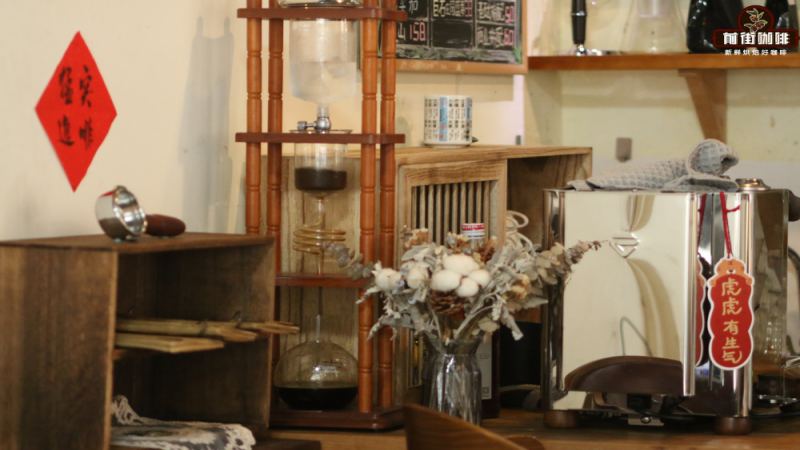
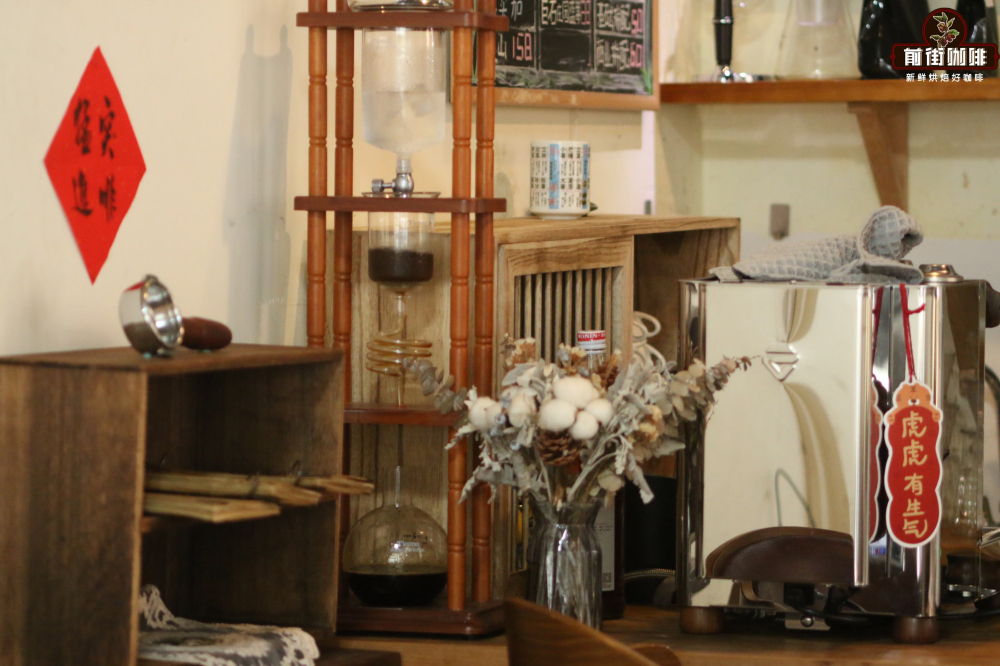
Cold brew coffeeis one of the essential drinks we can enjoy in the hot summer days. Standing in front of the blackboard at Front Street Coffee, looking at the dazzling array of coffee categories, all understanding of the producing regions is immediately thrown to the back of your mind, and you don't know where to start. This time, let Front Street introduce to youcold brew coffeerelated information.
What is cold brew coffee?
Cold brew coffee is brewed in a completely different way from ordinary hot coffee. Just from the literal meaning, cold brew coffee means using lower-temperature water to extract the coffee. However, possibly because iced pour-over coffee or iced Americano is served as ice + coffee, Front Street has also encountered quite a few friends who mistakenly regard iced pour-over coffee as cold brew coffee.
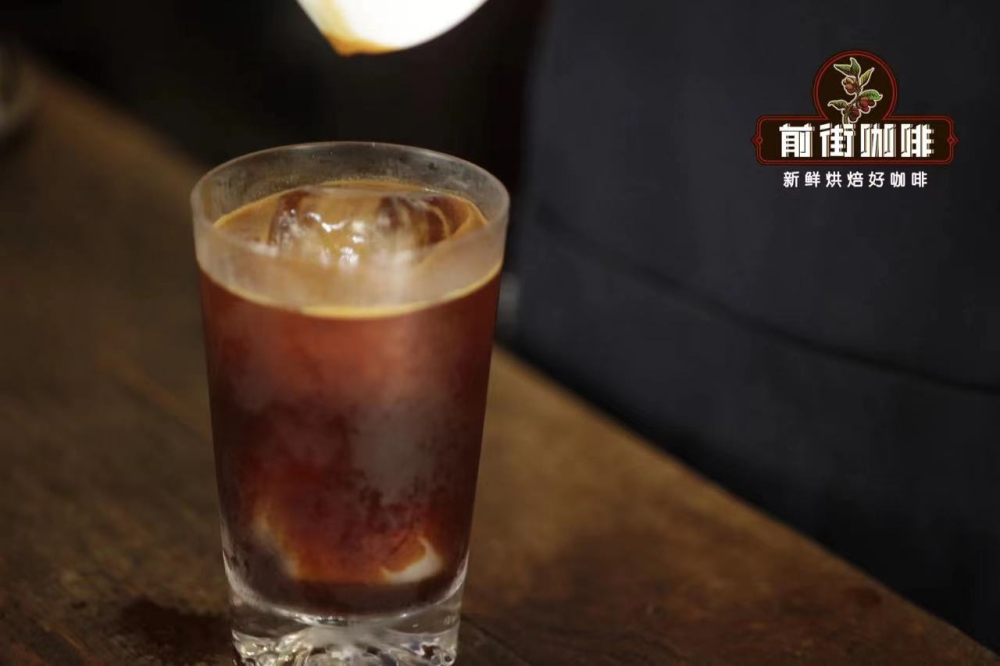
If you want to clearly identify what cold brew coffee really is, actually, you only need to look at the water temperature used in the extraction process. Cold brew coffee generally uses room-temperature, or even water close to 0°C, to extract the coffee. In other words, whether it is iced Americano or iced pour-over coffee, even if it is ultimately served at a low temperature, because hot water is used to contact the coffee grounds during extraction, it cannot be considered a type of cold brew coffee.
Cold brew coffee can be roughly divided into two types according to the different production methods. One is cold steeped coffee, in which coffee grounds are fully soaked in low-temperature water for a long period of immersion extraction; the other isice drip coffee, in which ice water is passed through drop by drop onto the coffee grounds for extraction.
In Front Street Coffee's stores, due to equipment limitations, among the cold brew coffees produced by Front Street Coffee, onlyice drip coffeeis available for selection.
The key point of cold brew coffee is: the temperature is very low. First, one concept you need to know is that coffee beans contain 30% soluble substances, but making coffee is simply a process of extracting some of the better-flavored substances from the coffee. The higher the water temperature used, the faster the various soluble substances in the coffee are released: among them, acidic substances move the fastest; next are sweet substances; and bitter substances move the slowest. As the temperature rises, the total amount of these flavor substances also increases.
On the contrary, if the water temperature is very low, the longer the extraction time needed to extract a certain amount of flavor substances. This is also why friends who want to taste the ice drip coffee of a specific coffee bean at a Front Street store need to make a reservation two days in advance.
What coffee beans are suitable for making cold brew coffee?
Because the water temperature used in making cold brew coffee is relatively low, after the coffee grounds contact the water, the rate at which flavor substances in the coffee beans are released slows down greatly, which also causes the extraction amount of some bitter substances with larger molecular mass to decrease, thereby more prominently highlighting the coffee's sweet and sour flavors.
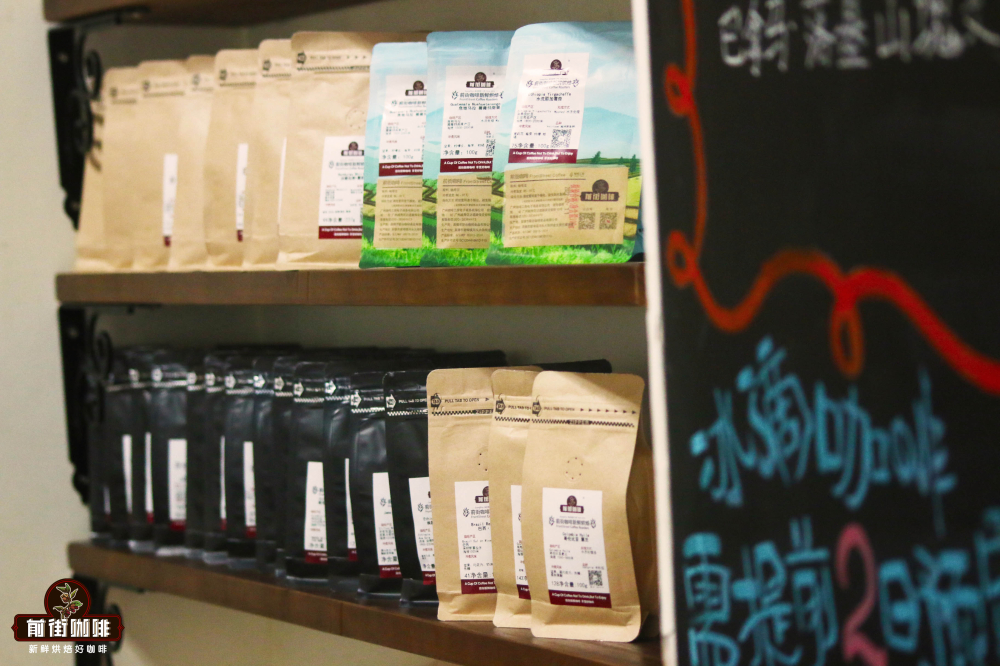
Therefore, Front Street suggests using some coffee beans with a relatively light roast level and good acidity, such as Kenya, or coffee beans with prominent and unique flavors, such as Honduras Sherry.
The process of Front Street Coffee using Honduras Sherry coffee beans to make ice drip coffee
Next, Front Street will use Honduras Sherry coffee beans as an example to explain the process of making cold brew coffee. First, Front Street will introduce this bean to everyone.
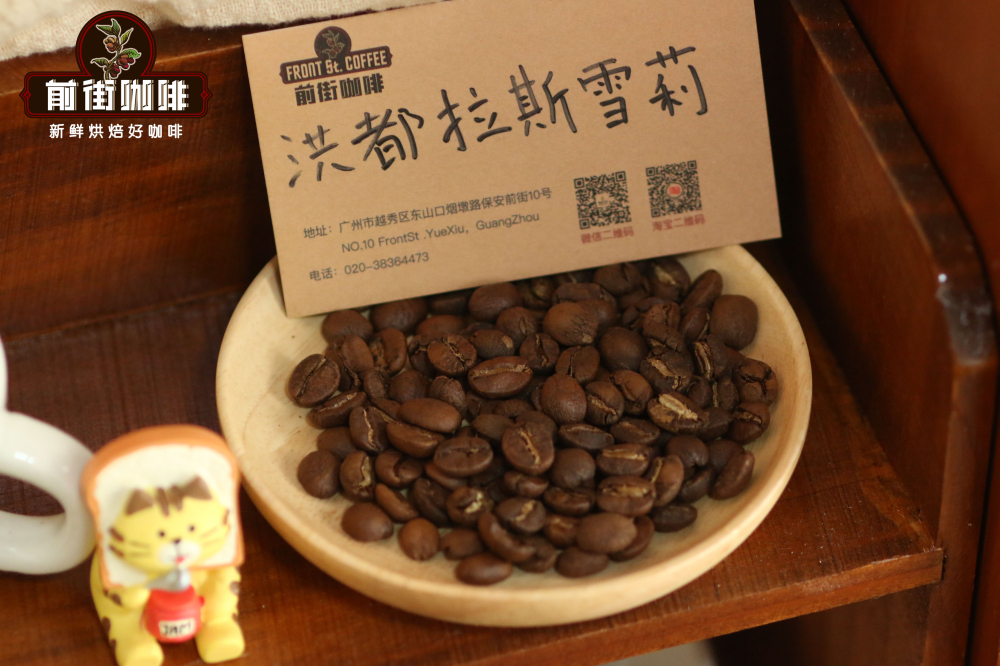
Honduras Sherry coffee beans use a processing method of fine washing + Sherry whisky barrel fermentation. Cleaned parchment beans are placed into Sherry whisky barrels for low-temperature fermentation for 30 to 40 days, allowing the aromatic substances of the liquor in the barrels to better penetrate into the green coffee beans. Finally, they are evenly spread out in a cool place to dry, avoiding the aromatic liquor substances decomposing into unpleasant alcoholic acidity due to excessively high temperatures from direct sunlight.
In the whisky world, malt undergoes germination, drying, grinding, saccharification, fermentation, and finally distillation, and the resulting liquor is put into barrels for long-term aging. Among this, 75% of whisky's flavor comes from the aging wooden barrels. Aging in barrels made of different materials and soaked in different liquids also produces different flavors. Among the various types of whisky, Sherry cask whisky has captured a large number of whisky connoisseurs and whisky beginners with its rich sweet aroma. And because Front Street's Honduras Sherry coffee beans use Sherry whisky barrels for low-temperature fermentation, they inherit to a certain extent the sweet richness of Sherry whisky.
When formulating the roasting curve, in order to preserve the soft acidity of Central American beans, Front Street gave Honduras Sherry coffee beans a medium roast level.
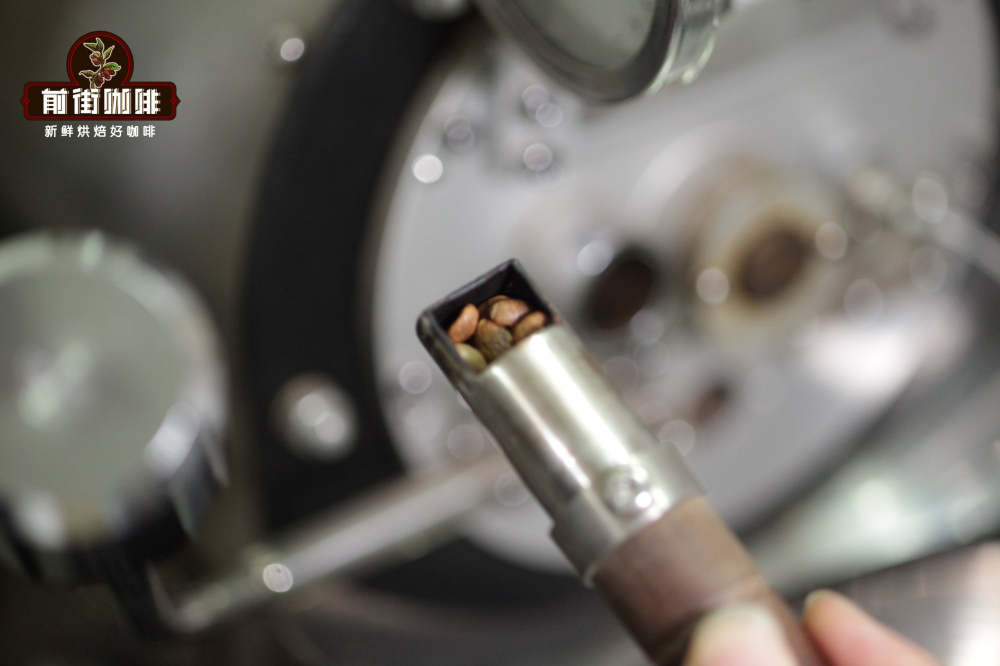
Front Street Coffee cupped the roasted Honduras Sherry and tasted rich vanilla and cream flavors, soft berry acidity, and after the berry acidity faded, an obvious oak barrel aroma emerged.
Dose: 60 grams
Coffee-to-water ratio: 1:10
Water temperature: 0°C——4°C
Time: 6——8 hours
Grind size: 85% passing rate on China No. 20 standard sieve
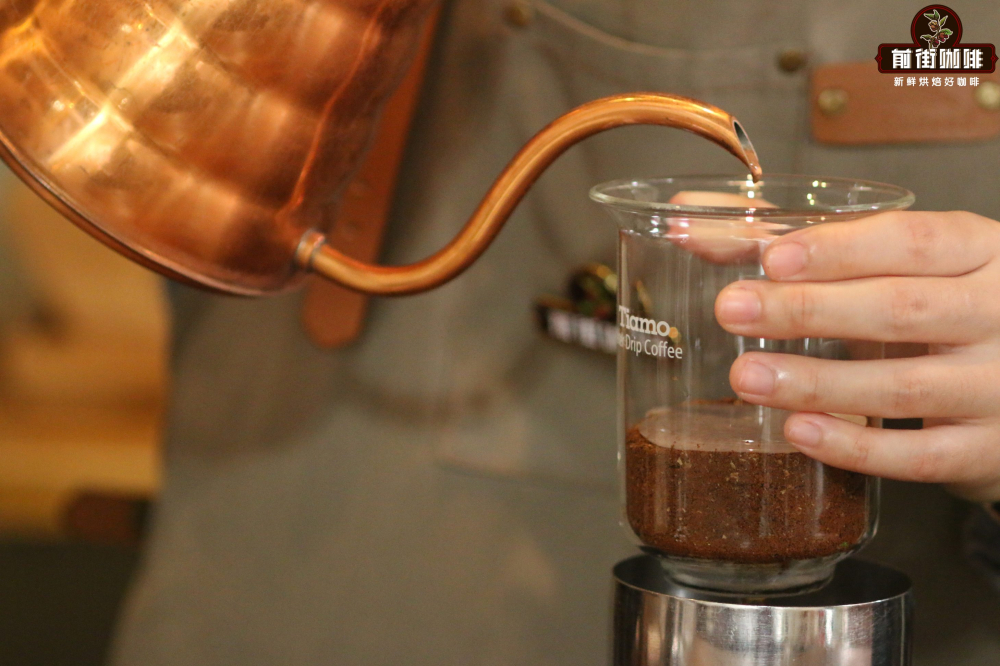
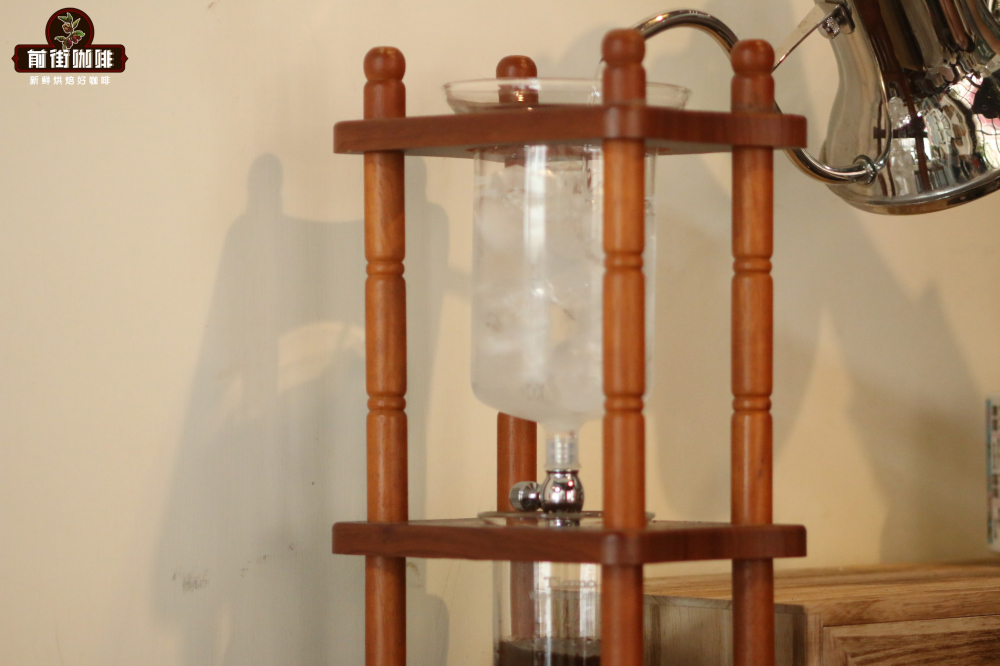
Put 60 grams of coffee grounds into the coffee powder cup and extract 600 milliliters of coffee liquid,cold brew coffee water-to-coffee ratio1:10. In choosing the grind size, because compared with ordinary pour-over coffee, the water temperature contacting the grounds is low, a slightly finer setting than pour-over coffee is chosen. Judging by a No. 20 sieve, the passing rate will be around 85%. The mixing ratio of ice and water used is roughly 1:1, and the throttle valve is controlled at a flow rate of 7 drops/10 seconds. A moistened filter paper is also placed on the coffee bed to allow for more even extraction. The entire extraction process lasts about 6——8 hours. After extraction is completed, the coffee liquid is bottled and placed in the refrigerator to chill for 12 hours before drinking.
After a night of fermentation, the ice drip coffee made with Sherry coffee beans has obvious berry acidity, along with the rich sweetness of chocolate, nuts, dried fruit, and more from Sherry whisky, with a heavy mouthfeel and a fermented quality.
How long can cold brew coffee be kept at most?
Because cold brew coffee takes a relatively long time to make, some friends prefer to make it in batches and store it for later use. "How long can cold brew coffee be preserved" This question has also troubled quite a few friends.

Front Street suggests that the prepared cold brew coffee should be placed in a sealed container and stored in the refrigerator for low-temperature refrigeration.
From the time cold brew coffee completes extraction and is sealed for storage, the coffee liquid begins to ferment. As time extends, the fermented flavor becomes stronger and stronger, eventually producing a spoiled and deteriorated taste. Front Street Coffee once kept records: on the fifth day of refrigerated storage after the cold brew coffee was made, the coffee flavor weakened and was replaced by a strong fermented quality. For safety's sake, Front Street suggests that after cold brew coffee extraction is completed, it should be drunk within one week.
For professional coffee knowledge exchange and more coffee bean information, please follow Coffee Workshop (WeChat public account cafe_style)
For more specialty coffee beans, please add the private WeChat of Front Street Coffee, WeChat ID: qjcoffeex
The above content is compiled by CoffeeHunters, a coffee news website.


