







What makes distilled coffee taste different from hot brew?
Cold brew extracts with ice water at low temperatures, which is fundamentally different from pour-over. The method traces to Dutch colonists on the island of Java in the 17th century, who used condensed water pressure to soak grounds drop by drop over about eight hours. Also called Dutch coffee, distilled coffee, or water-drip coffee, it is refrigerated and fermented after extraction.
Cold brew reaches its peak state between days 3 and 7, when the aroma turns complex and reminiscent of fermented rice wine. Serve it over ice or dilute to taste. Three common recipe directions are the dark berry type, the refreshing and clean type, and the sweet and delicious type, each built to suit a different bean and a different summer mood.
Cold brew coffee is a method of extracting coffee with ice water at low temperatures, completely different from regular pour-over. It originated from the invention of the Dutch on the island of Java in the 17th century, using condensed water pressure to soak the coffee grounds drop by drop, taking up to 8 hours. Cold brew coffee has a unique flavor and needs to be refrigerated and fermented after extraction, reaching its best state on days 3 to 7, with a complex aroma reminiscent of fermented rice wine. This article explains in detail the steps for making cold brew coffee, key points for fermentation and storage, and shares three cold brew recipes commonly used by Front Street Coffee—dark berry type, refreshing and clean type, and sweet and delicious type—to help you easily make a delicious cold brew perfect for summer.
For more specialty coffee knowledge, please follow: Front Street Coffee (Frontsteet Coffee)
There are many ways to brew coffee, and cold brew is one of them. It belongs to the category of iced coffee, and every hot summer, iced coffee becomes a favorite of coffee lovers.
Cold brew coffee naturally does not use hot water for brewing, but rather low-temperature water, which is fundamentally different from our daily pour-over coffee. It is relatively easier to operate, but takes much longer. If you want to order a cold brew coffee in a coffee shop, you might have to rely on luck.
In 1699, during the Dutch colonial rule of Indonesia, coffee was widely planted on the island of Java, and local Dutch immigrants created this method of making cold brew coffee. They believed at the time that the acidity in coffee was the culprit causing stomach discomfort, and after switching to ice water, the acidity was somewhat reduced, so they preferred to enjoy coffee this way.
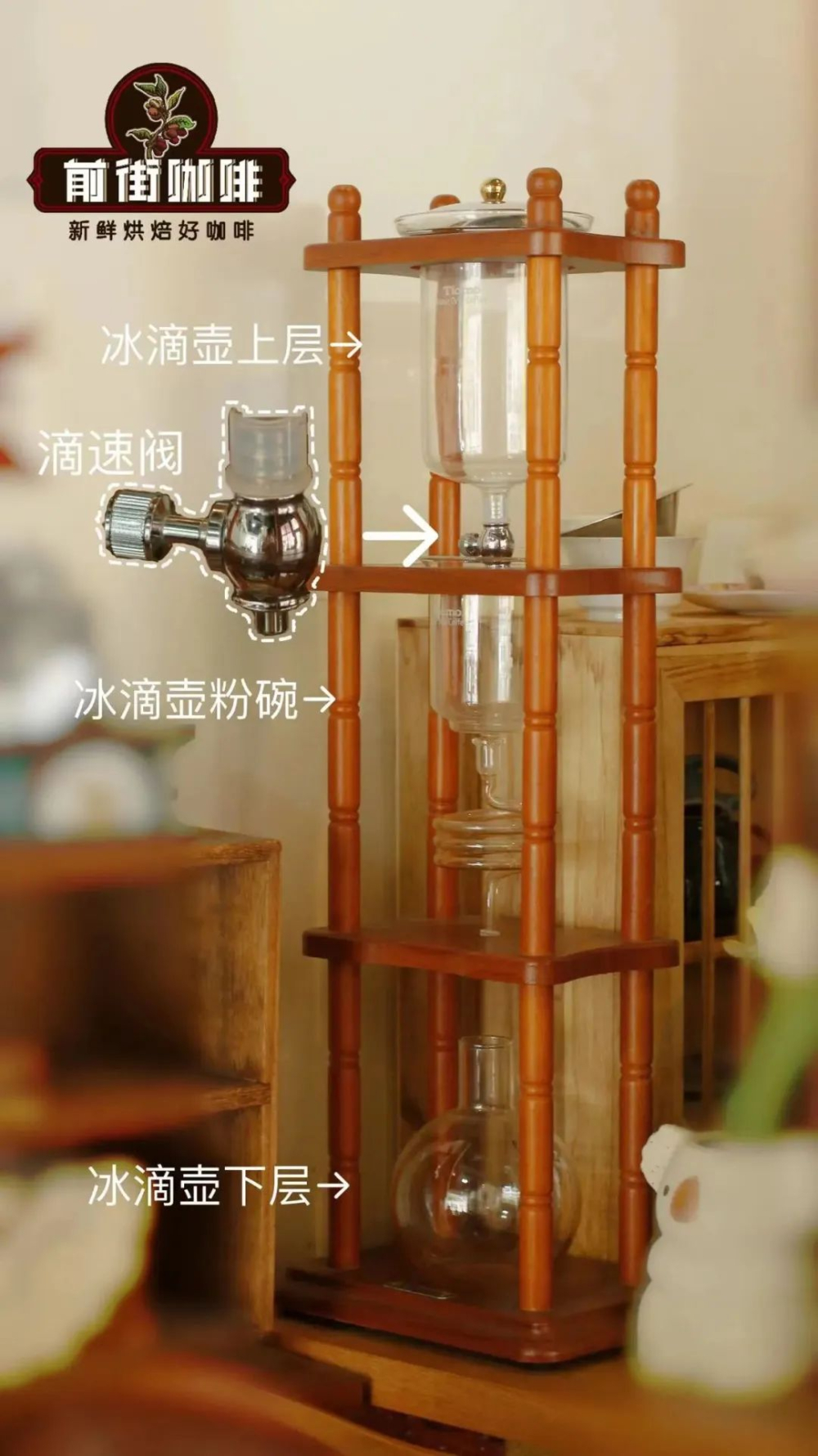
Cold brew coffee, some call it Dutch Coffee, distilled coffee, or water-drip coffee, also known as Dutch-style drip coffee. It relies on the compatibility between coffee itself and water, mainly depending on condensed natural permeation water pressure, extracting drop by drop over about 8 hours. The specialty of cold brew coffee lies in extraction with ice water; in a low-temperature environment, it takes longer to dissolve the aromatic substances in coffee. Therefore, a dropper device similar to a chemistry experiment is used, letting ice water fall drop by drop, slowly soaking and permeating through the coffee grounds. In the common traditional cold brew coffee maker, the speed of water droplets falling can be manually controlled. Cold brew coffee, also called water-drip coffee or ice-brewed coffee, is a way of making coffee drinks. The common iced coffee drip filter consists of 3 to 4 layers of glass containers mounted on a wooden stand.
Steps for making cold brew coffee:
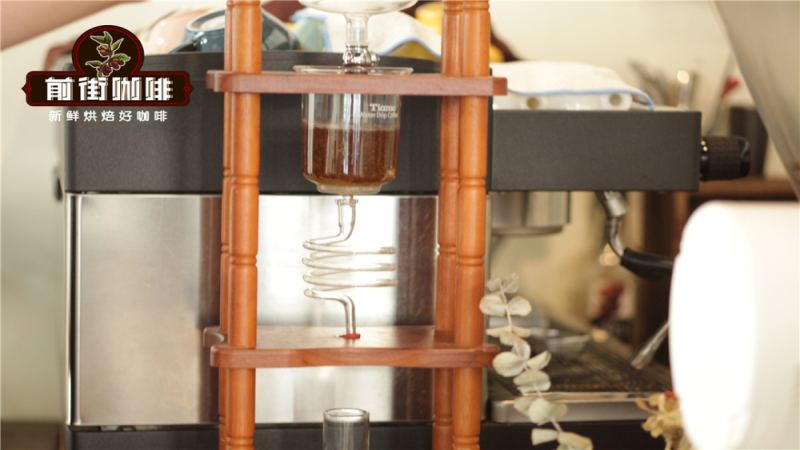
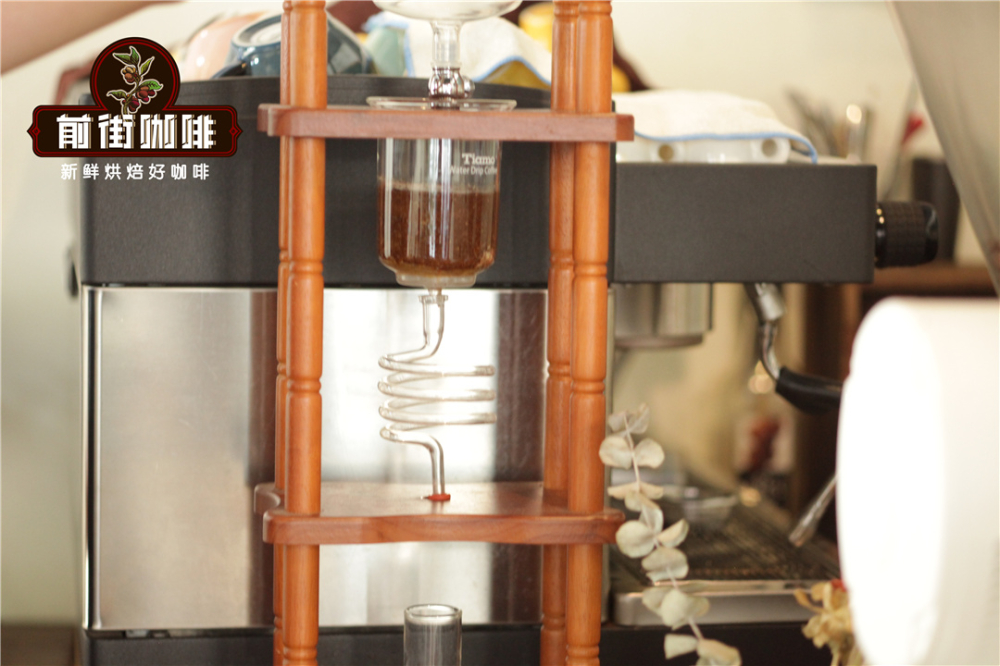
1. A commonly constructed cold brew coffee pot is divided into three basic units: upper pot, middle pot, and lower pot. The upper pot is used to hold the ice-water mixture, and the middle pot is the coffee grounds cup. First, close the water flow control valve at the bottom of the upper pot, and pour pure cold water or an ice-water mixture into the upper pot.
2. Place the clean lower pot below the middle pot to catch the extracted coffee liquid.
3. Place a piece of filter paper flat at the bottom of the coffee grounds cup, put an appropriate amount of ground coffee into it, gently tap a few times to level the coffee grounds, then place another piece of filter paper flat on top.
4. Open the water flow control valve at the bottom of the upper pot and adjust the speed at which water droplets fall. Usually we control it at a speed of 40 to 50 drops per minute, so obtaining 1000 milliliters of cold brew coffee takes 5 to 8 hours.
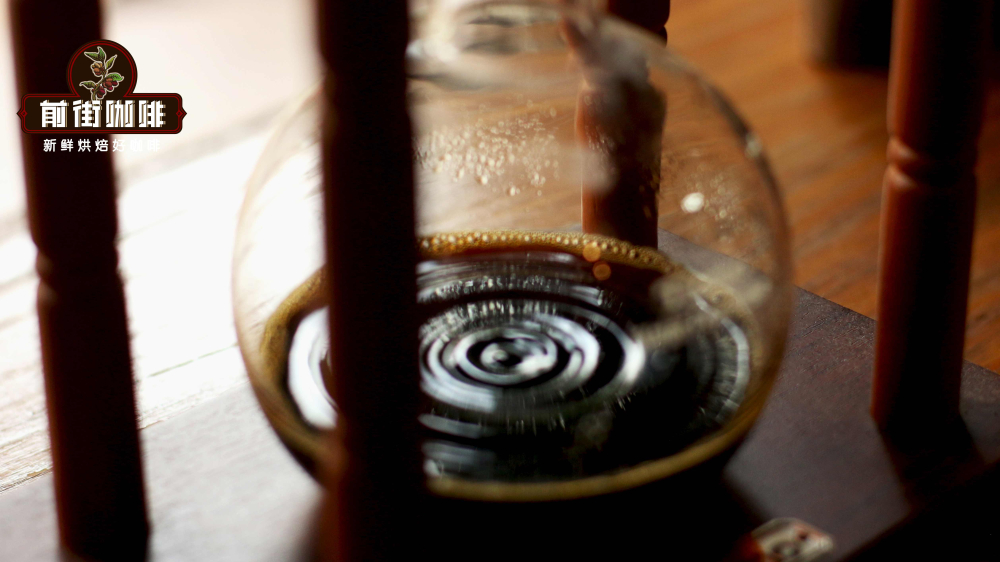
5. After adjusting the water droplet speed, slowly drip with cold water, extracting at a low temperature of 5 degrees Celsius for 8 hours of long dripping, thereby obtaining richer flavor substances. When the water in the upper pot is used up, we can remove the lower pot.
6. If you want the cold brew coffee to show its best flavor, you can bottle the extracted cold brew coffee and store it in the refrigerator. On days 3 to 7, the coffee flavor is at its best, showing a complex and elegant flavor like fermented rice wine. No wonder it has earned the reputation of "ice-drip rice wine coffee," and its longest drinking period can approach half a month.
Of course, it is not that it can be kept for any length of time. Front Street does not advocate keeping cold brew for a week, because bacteria exist in the air or in the bottle, and it is hard to guarantee the coffee's condition after a long time. The recommended drinking period for cold brew is within 72 hours. After 72 hours, do not feel it is wasteful—coffee kept that long may not be good for your health if drunk.
Below is a share of the cold brew coffee recipes often made by Front Street Coffee (FrontStreet Coffee).
1. Dark berry type: Costa Rica Mozart 60 grams. The Mozart coffee bean uses an anaerobic honey processing method and itself has a very special raisin aroma. Used to make cold brew coffee, it shows very obvious blueberry, black grape, and wine-fermented flavors, with a refreshing mouthfeel and lingering fragrance on the palate.
2. Refreshing and clean type: Kenya Little Tomato 60 grams. Azaria's acidity is very lively, overall like a glass of juice. Used to make cold brew coffee, it carries the fresh fragrance of cherry tomatoes and grapefruit, with a refreshing and light acidity, very suitable for summer drinking.
3. Sweet and delicious type: Indonesia Golden Mandheling 60 grams. Few shops use dark-roasted coffee to make cold brew coffee. If you have not tried it, you might think that cold brew made from dark-roasted coffee beans will be very bitter, but that is actually not the case.
Using Front Street's cold brew method and placing it in the refrigerator for 24 hours before adding ice cubes, the Golden Mandheling cold brew coffee performs as sweet, with a hint of chocolate bitterness, overall very clear, and a rich fermented sensation that feels comfortable.
The above content is compiled by CoffeeHunters, a coffee news website.


