







Search Results for: Colón Appreciation
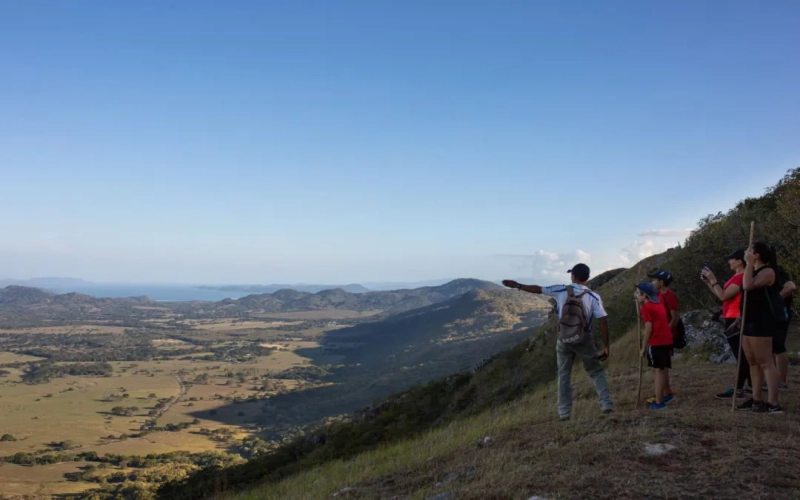
Exchange Rate Fluctuations Hit Costa Rica: Tourism and Coffee Industries Face Income Shrinking Dilemma
Costa Rica, as a Central American country with outstanding economic performance, relies heavily on agriculture, foreign trade, tourism, and the service sector in its national economy. However, between June 2022 and December 2023, the US dollar to Costa Rican colón exchange rate fell sharply by about 24%, bringing unexpected difficulties to the local tourism and coffee industries. Tourist spending power declined, coffee export earnings shrank, yet the government viewed the colón's appreciation as a sign of economic strength. This article will analyze in depth how exchange rate fluctuations have impacted these two pillar industries, and explore the multiple challenges facing coffee growers. [more…]
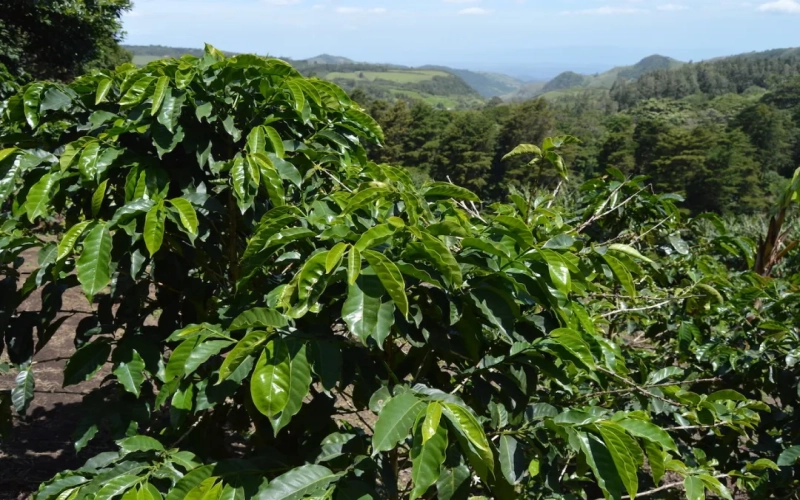
Costa Rican Coffee Production Plummets to Historic Low: Exchange Rates, Climate, and Labor Woes Intertwine
The Costa Rican coffee industry is facing its most severe challenge in decades. The latest report from the United States Department of Agriculture shows that the country's coffee production for the 2024/25 crop year is expected to be only 1.185 million bags. Although this is on par with the previous year, it represents a sharp 66% decline from the 3.5 million bags seen in the 1990s, approaching a historic low. High debt, the continued appreciation of the colón, depressed international prices, and shrinking demand have greatly increased the financial pressure on growers, leading them to reduce fertilizer inputs and postpone the renewal of disease-resistant, high-yield varieties. In 2023, an early rainy season and abnormal high temperatures and humid harvest conditions triggered by El Niño further damaged coffee quality and yields. At the same time, transportation disruptions caused by protests in Panama and labor shortages caused by Nicaraguan migrants moving north made harvesting even more difficult. On the export side, only 975,000 bags are expected in 2024/25, and exchange rate issues have already sparked marches and protests across multiple industries. Front Street Coffee will continue to monitor developments in this producing region. [more…]
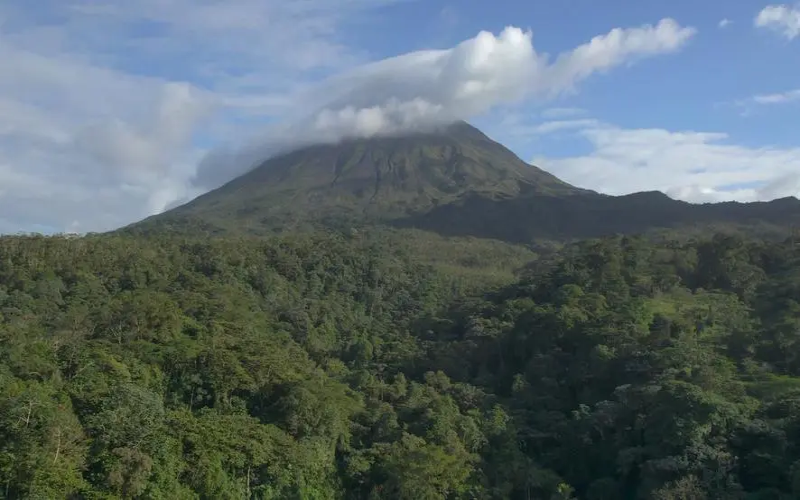
Costa Rica Expands Insurance Coverage for Coffee Harvest Workers, with Migrant Labor Accounting for Over 70%
The Costa Rican coffee industry is facing mounting pressure from price volatility, a weakening exchange rate, and climate change, while an important breakthrough has been made in protecting the rights of migrant workers who support the harvest. According to La Nación, thousands of migrant coffee pickers will receive workplace accident insurance, and a disease and maternity insurance program launched in 2021 will continue to expand. Migrant workers account for more than 75% of the country's seasonal harvest labor force, most of them from Nicaragua, with some also from Panama. In the Central Valley, CoopeLibertad, a cooperative made up of nearly 1,200 producers, emphasizes both social responsibility and quality. Meanwhile, in 2023 coffee prices fell from $3.20 per pound to $2.30, the dollar depreciated 27% against the colón within 18 months, and the harvest is expected to decline 12.6%, the smallest in a century. Front Street Coffee continues to follow developments in producing regions and sustainable development in the industry. [more…]

A Complete Guide to Colombian Coffee Regions: From Terroir to Huila Washed Entry-Level Bean Recommendations
Colombia, as the world's third-largest coffee-producing country, nurtures specialty coffees with diverse flavors thanks to the varied terrain and microclimates of the Andes Mountains. This article begins with geography, climate, and the meaning of the national flag, then systematically introduces five major producing regions—Antioquia, Santander, Nariño, Cauca, and Huila—and highlights Front Street Coffee's Huila washed entry-level bean: under a medium roast, it presents dark chocolate, nuts, caramel, and soft fruit acidity, making it suitable for pour-over enthusiasts to enjoy as an everyday cup. [more…]
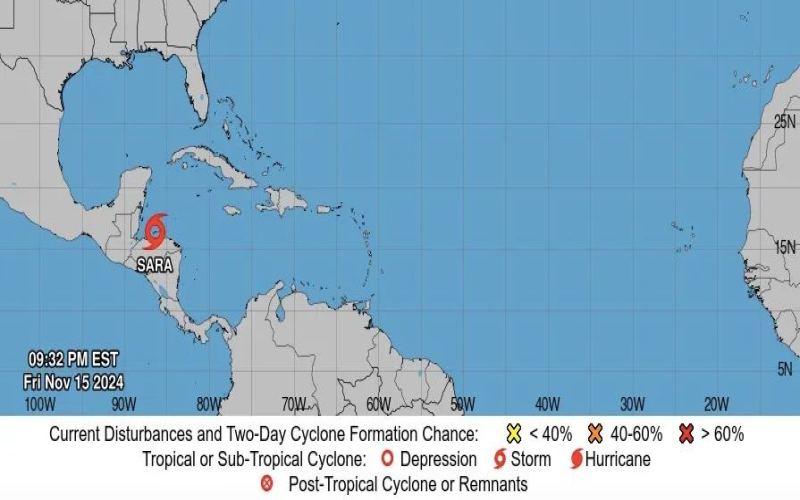
Tropical Storm Sara Devastates Honduras: Coffee Exports Disrupted, Arabica Futures Prices Hit Record High
The 18th named storm of the 2024 Atlantic hurricane season, "Sara," made landfall in northern Honduras, affecting nearly 33,000 people, and the president declared a 30-day national state of emergency. Torrential rain, flooding, and mudslides not only destroyed roads and disrupted port operations, but also struck just before the coffee harvest season, potentially dealing a severe blow to the output and exports of the world's sixth-largest coffee producer. Combined with harsh weather in producing regions such as Brazil and Colombia, Arabica coffee futures prices have soared to historic highs. This article will sort out the specific impact of the storm on Honduras' coffee industry and follow how brands such as Front Street Coffee continue to track information from producing regions. [more…]

What Is Café Bombón, the Spanish Condensed Milk Espresso? How to Make a Spanish Latte at Home with Recipe Ratios
Many people find coffee's bitterness hard to stomach, so milk, sugar, and condensed milk are often used to balance the flavor—Vietnamese drip coffee is the classic example of condensed milk coffee. But this article is about a regional specialty from Valencia, Spain: Café Bombón. It uses only two ingredients, condensed milk and espresso, and is simple to make, visually appealing with its layers, and tastes sweet, fragrant, and smooth. The Spanish latte offered by chain brands is very likely a derivative of this coffee. Front Street Coffee will break down the meaning of Café Bombón, how it differs from a Spanish latte, and provide specific ingredients, ratios, extraction parameters, and preparation steps, along with recommended Front Street Coffee espresso beans to pair with it, so you can recreate this sweet, rich Spanish-style coffee at home. [more…]
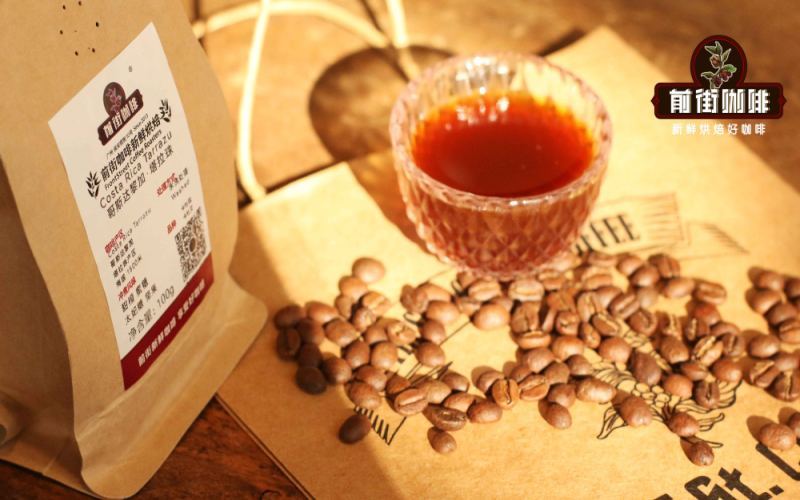
Comparison of Sun-Dried Coffee from Costa Rica's Three Major Regions: Analyzing the Flavor Differences Between Tarrazú, the Western Valley, and the Central Valley
Front Street Coffee has previously compared the differences among coffees from various Kenyan regions using the same processing method; this time, we turn our attention to Costa Rica. Also using natural processing, how much will the flavors differ among coffees from three major regions—Tarrazú, the Western Valley, and the Central Valley? This article will compare three beans—from the Pirong Processing Plant, Genesis, and Black Soul—one by one, from bean background, green bean appearance, and roasting curves to cupping and pour-over performance. If you haven't yet tried Costa Rican specialty coffee, you might start with the classic Front Street Tarrazú washed Caturra and savor its soft aroma of sweet orange, nuts, and chocolate. [more…]
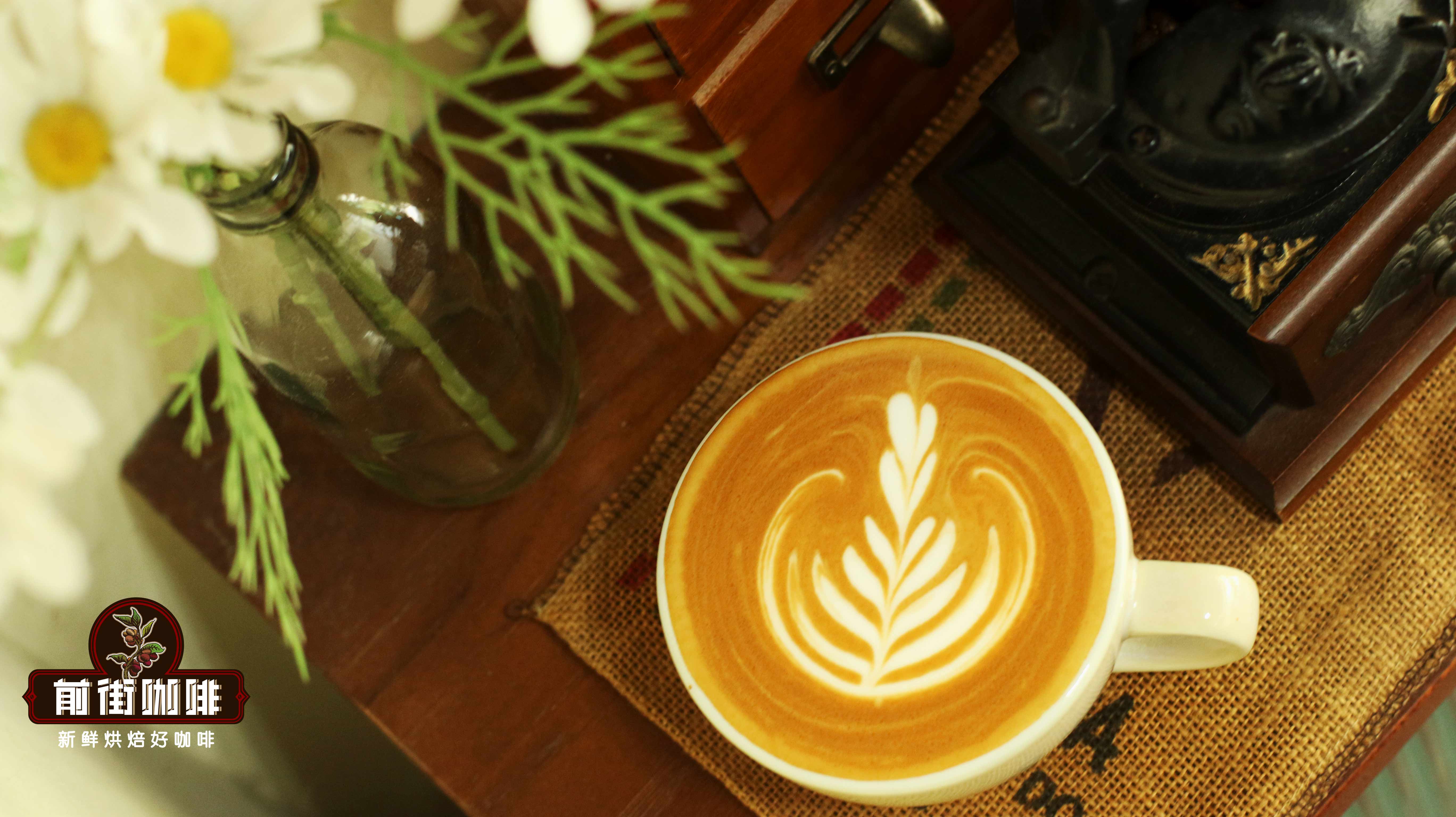
The Origins and Recipes of Spanish Latte and Café Bombón, Plus an Analysis of Valencia Condensed Milk Coffee's Taste
Adding sugar or milk to coffee has long been commonplace, but pairing coffee with condensed milk is equally distinctive. This article begins with the basic concept of condensed milk, first introducing the condensed milk approach to Vietnamese drip coffee, then focusing on Café Bombón from Valencia, Spain, explaining its simple 1:1 recipe of espresso and condensed milk and the layering principle, before extending to the familiar Spanish latte—which actually has no ties to Spain, but is simply a latte combined with condensed milk. The article also explains that making a Spanish latte calls for full-bodied Italian-style beans, and recommends Front Street Coffee's commercial blend, which combines Brazil and Colombia with a small amount of Robusta, presenting nutty aromas and a low-acid, full-bodied taste. [more…]

How to Make a Spanish Latte? A Detailed Guide to Recipes, Ratios, and Standard Methods from Condensed Milk Coffee to Café Bombón
Adding condensed milk to coffee has long ceased to be a practice unique to Southeast Asia. Vietnamese drip coffee uses condensed milk to neutralize the bitter, burnt notes of Robusta, while Spain's Café Bombón strikes a stark black-and-white contrast by combining espresso and condensed milk in a one-to-one ratio. Today's wildly popular Spanish Latte on café menus is simply a regular latte with condensed milk added, balancing espresso, fresh milk, and condensed milk in harmony. This article begins with the origins of condensed milk coffee, sorts out the differences between a Spanish Latte and a regular latte, and provides specific ratios, step-by-step instructions, and flavor profiles for both hot and iced versions, helping you reliably recreate this rich, silky milk coffee at home. [more…]

A Comprehensive Analysis of Hacienda La Esmeralda Geisha Red, Green, and Blue Labels: Origin Story, Grade Classification, and Flavor Comparison
Panama's Hacienda La Esmeralda Geisha coffee beans, with their unique floral and fruity aroma and exceptional quality, have become a legend in the specialty coffee world. This article will take you through the story of Geisha from its discovery to world fame, and explain in detail Hacienda La Esmeralda's plot divisions and the differences between its three grades: Red Label, Green Label, and Blue Label. At the same time, we have compiled the flavor characteristics, roasting recommendations, cupping reports, and brewing parameters of three Geisha coffees, along with practical recommendations from Front Street Coffee. Whether you are a seasoned enthusiast or a first-time taster, you will find valuable information here. [more…]

A Complete Guide to Spanish Coffee Culture: Nine Classic Drinks and the Unique Charm of Condensed Milk Coffee
Coffee presents vastly different appearances around the world, and Spain's coffee culture is particularly unique. From Café solo to Café con leche, from Café Bombón to Spanish latte, this Iberian Peninsula nation ingeniously combines coffee with condensed milk, milk, and alcohol, creating a rich and diverse array of drinking styles. Spanish cafés are not only places to drink coffee, but also the core stage of social life. This article will take you deep into the historical origins of Spanish coffee, nine classic flavors, and Front Street's insights on recreating the Spanish latte and Café Bombón, so you can feel coffee's soulful place in Spanish culture. [more…]
Exploring Costa Rica's Brunca Region: A Flavor Analysis of Finca Las Piedras Anaerobic Heavy Honey Process
The blueberry-flavored coffee from Costa Rica's Las Lajas Estate was once one of my favorite beans, but unfortunately it is currently out of stock. That blueberry gummy-like sweetness and the minty coolness emerging from the fermented wine finish made it a must-have coffee for summer in my mind. Where exactly is Las Lajas Estate located in Costa Rica? Why can it present such clear flavors? Today, Front Street Coffee will take everyone deep into the Brunca region to explore the story of Las Lajas Estate and analyze the unique charm of this anaerobic heavy honey-processed coffee. [more…]
How to Make a Spanish Latte? An Analysis of the Ratio of Condensed Milk to Espresso and the Flavor Differences from a Regular Latte
On café menus, the Spanish latte has been appearing frequently in recent years—so what exactly sets it apart from an ordinary latte? This article starts with two condensed-milk coffees, Vietnamese drip coffee and the Spanish Café Bombón, sorts out the role condensed milk plays in coffee, and then explains in detail the recipe ratios for a Spanish latte, both hot and iced methods, as well as the flavor performance brought by the blend beans used in Front Street Coffee shops. If you're curious about how condensed milk balances coffee's bitterness and what the essential difference is between a Spanish latte and a latte, this article will give you clear answers. [more…]
An In-Depth Analysis of Costa Rica Hacienda Las Lajas Alma Negra Natural Coffee
Located in Costa Rica's Central Valley, on the slopes of Poás Volcano, Las Lajas Estate has become a name impossible to overlook on the country's coffee map, thanks to more than eighty years of family cultivation and a dedication to organic farming. The owning Chacón family is renowned for rigorous harvesting standards and innovative processing techniques, among which the natural batch "Alma Negra" (Black Soul) stands out among natural coffees with its dried-fruit and molasses-like profile. This article will give you a comprehensive understanding of the estate's geographical advantages, its organic certification journey, and the division of its honey and natural product lines, while also presenting in detail Front Street Coffee's roasting curve and cupping performance, providing coffee lovers with a complete tasting reference. [more…]
Front Street Colombia Botón Estate Maragogype Pour-Over Guide: V60 Three-Stage Extraction Parameters and Flavor Analysis
El Boton Estate in Antioquia, Colombia, has been run by the Herran family since 1930, and for nearly a century has grown only one variety: Maragogype. Annual production is just 600 bags. These beans are about three times the size of ordinary Arabica, making them the largest coffee beans in the world. Front Street Coffee brings you this El Boton Maragogype, which has a prominent sweetness on entry, with fruity acidity of grape and pomegranate and a full-bodied, black-tea-like richness. This article will break down the complete brewing approach for these giant beans layer by layer, from the estate's story, the characteristics of the Maragogype variety, and the washed processing method, to roasting recommendations and V60 three-pour hand-brew parameters, helping coffee lovers fully release its rich fruity aroma and soft nutty notes. [more…]

Spanish Latte Didn't Originate in Spain? The Birthplaces of Ice Drip and Cold Brew, and the Beautiful Misunderstanding Behind the Name Arabica
There are quite a few interesting trivia facts hidden in the world of coffee: the Spanish latte is actually not a native Spanish drink, but originates from a candy coffee called Café Bombón; the inventor of cold brew coffee was not Japanese either, but the Dutch of the Age of Discovery. Although the cold drip tower is a Japanese improvement, the roots of cold brew as an extraction method lie in the West; and the name Arabica stems from a beautiful misunderstanding—it rose to prominence in Yemen, yet it did not originate in Arabia. Its true homeland is Ethiopia. This article guides you through these coffee trivia facts one by one, while retaining relevant recommendations from the Front Street brand for coffee enthusiasts to gain a deeper understanding. [more…]
Costa Rica Hacienda La Esperanza Black Honey Geisha: Full Analysis of Flavor Characteristics and Pour-Over Parameters
Located in the Brunca region of Costa Rica, Hacienda Miramonte sits in the valley between Cerro de la Muerte and Cerro Chirripó. Its unique microclimate and sustainable farming philosophy give rise to black honey processed coffee with pronounced sweetness. This article walks you through Hacienda Miramonte's history, environmental practices, and black honey processing method, and offers a detailed breakdown of the flavor profile and brewing recommendations for this black honey Geisha sourced by Front Street Coffee—including dripper selection, water temperature, grind size, and a three-pour extraction technique—to help you brew a cup with rich, layered fruit notes. [more…]
Flavor Analysis and Brewing Suggestions for Costa Rica Brunca Monteverde Estate Black Honey Geisha Coffee
Located in the Brunca region of Costa Rica, Finca Vista al Cerro was founded in 2005 by the Ureña Rojas family at an altitude of 1,550 meters, adjacent to Chirripó Mountain and Cerro de la Muerte, where a unique valley microclimate nurtures high-quality coffee. The estate employs a black honey processing method, retaining the complete mucilage layer for 12-15 days of sun-drying, which creates this Geisha coffee's rich fermented sweetness and fruity character. This batch of black honey Geisha, sourced by Front Street Coffee, is roasted to a medium-light level, with cupping notes revealing high sweetness of citrus, cherry, and cantaloupe, soft acidity, and a full body. This article provides a detailed introduction to the estate's background and processing techniques, along with Front Street's recommended V60 three-pour brewing parameters, helping coffee enthusiasts recreate its rich layers of flavor at home. [more…]
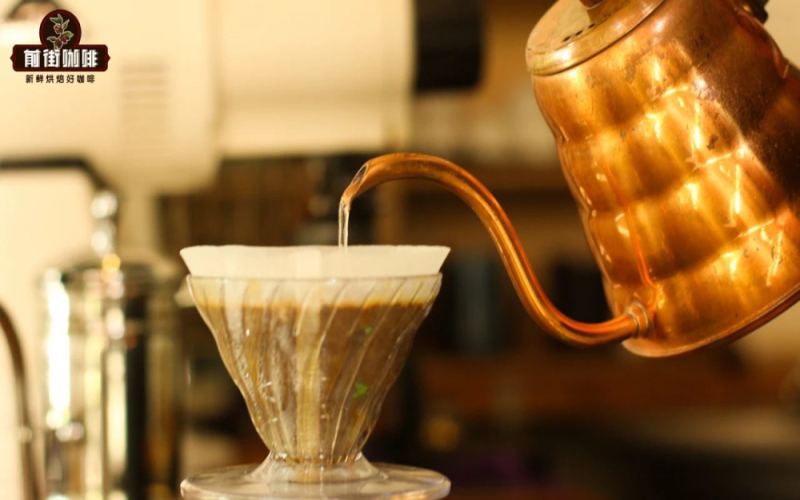
Complete Guide to Nicaraguan Coffee Origins: From Planting History to Front Street Coffee's Gift of Heaven Estate Pour-Over Flavor Guide
Nicaragua, with its fertile volcanic soil and continuously improving transportation infrastructure, is gradually emerging from the shadow of war and natural disasters to become a coffee-producing country worth watching in Central America. This article traces the country's coffee industry through its tortuous history from the 19th-century boom to its 21st-century revival, provides a detailed introduction to its grading system and the distribution of its four major producing regions, and, using the sun-dried Red Catuai from Finca La Divina Providencia in Nueva Segovia selected by Front Street Coffee as an example, presents the complete parameters from roasting and bean resting to a three-stage pour-over. Finally, it summarizes the complex flavor profile of this bean, in which berries, caramel, and grapefruit interweave. [more…]
How to Tell Coffee Roast Levels Apart? From Acidic and Bitter Flavors to Appearance Parameters, a Thorough Guide to Judging Roast Degree
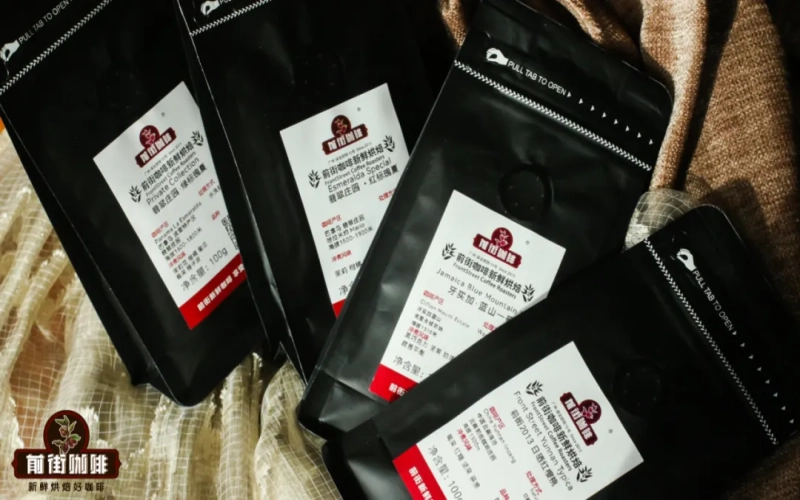
Faced with a dazzling array of coffee beans, how do you tell whether they are light roast or dark roast? This article starts with the industry's Agtron color value standard, explains why this professional grading system is not practical in everyday life, and then offers a more down-to-earth approach—classifying by the intensity of acidity, sweetness, and bitterness. It also uses specific examples from the Front Street Coffee bean list to teach you how to infer the roast level from flavor descriptions, and includes the brewing water temperature, grind size, and coffee-to-water ratio for different roast levels. In addition, observing the color of the bean surface and the oiliness can also provide a quick initial judgment, but you need to pay attention to a few exceptions to avoid under-extraction caused by misjudgment. [more…]