







Search Results for: Coffee for two
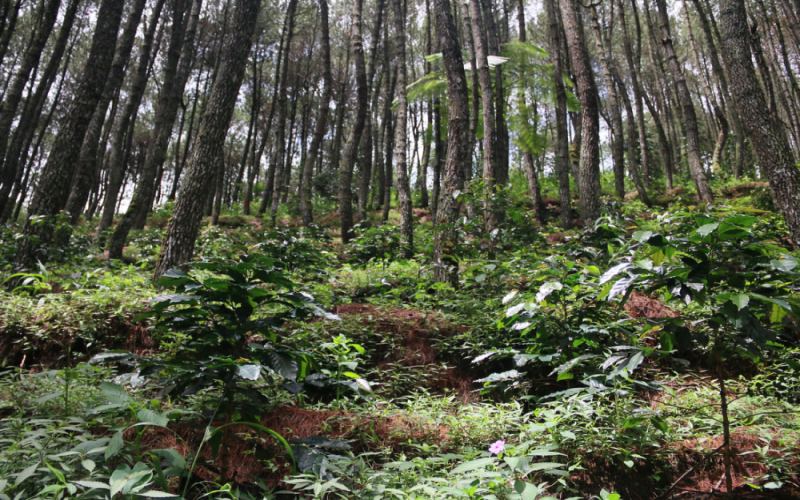
What Does "Two Lakes, Two Mandhelings" Refer To? A Detailed Look at the Regional Differences and Flavor Origins of Sumatra Mandheling
Sumatra is the core producing region of Mandheling coffee, and among its areas, the two major producing regions of Lake Toba and Lake Tawar are collectively known as the "Two Lakes, Twin Mandheling." The Mandheling produced in these two lake regions is likewise thick and aromatic, but their flavor profiles each take a different direction. Mandheling is not the name of a bean variety, but rather a general term formed under a chance turn of history. From the introduction of Arabica during the Dutch colonial period, to the switch to Robusta after rust disease, and then to the name "Mandheling" arising from a linguistic misunderstanding during the Japanese occupation, this name carries the winding past of Indonesian coffee. This article sorts out the flavor characteristics of the Two Lakes, Twin Mandheling, and introduces the classic mouthfeel brought by the wet-hulled processing and medium-dark roasting of Front Street Coffee Lintong Mandheling. [more…]
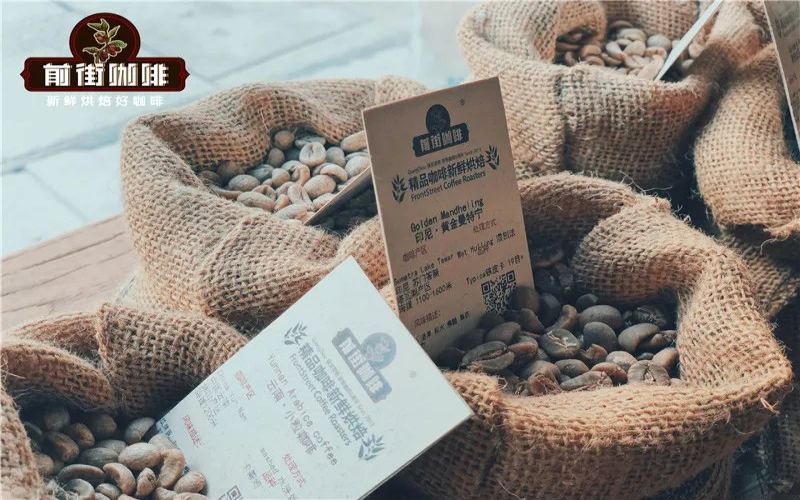
What does "Two Lakes, Two Mandhelings" refer to? A detailed explanation of the origins of Mandheling and the flavor differences between its two major producing regions.
The two major producing regions of Sumatra, Lake Toba and Lake Tawar, give rise to the famous "Two Lakes, Two Mandhelings" Mandheling. The former has a low, muted flavor with a grassy jelly herb note, while the latter has bright fruity acidity and a woody aroma. The origin of Mandheling can be traced back to the late 17th century during the Dutch colonial period. After coffee leaf rust, disease-resistant varieties such as Tim Tim and Catimor gradually became the mainstay, and the wet-hulled process further gave the coffee its unique herbal and spice notes. This article will guide you through the definition of "Two Lakes, Two Mandhelings," the history of Sumatran coffee, the wet-hulled process, and the regional background and pour-over recommendations for Front Street Coffee PWN Golden Mandheling. [more…]
Complete Guide to Mandheling Coffee: Characteristics of Two Major Producing Regions, Roasting Approaches, and Brewing & Extraction Techniques
Mandheling stands out in the coffee world with its low acidity, full body, and pronounced bittersweet character. This article focuses on two Indonesian Mandhelings from Front Street Coffee—Lintong Mandheling and PWN Golden Mandheling—sorting out the regional background of Sumatra's "Two Lakes, Two Mandhelings," analyzing how medium-dark roasting shapes herbal spice and dark chocolate notes, and sharing practical tips for avoiding excessive bitterness during brewing and extraction. It also introduces the espresso performance of Front Street's classic blend and the flavor differences between the two Mandhelings under cupping comparison, helping coffee lovers understand Mandheling's personality and charm more comprehensively. [more…]

Double-chamber filter paper overturns pour-over blending logic: a new way to brew two coffee beans in one pot and the price controversy
The usual way to make a pour-over blend is to mix different beans together and then grind and brew them as one, but a dual-chamber filter paper launched by Spanish accessory maker Sibarist breaks that convention. The filter has a paper wall down the middle that splits the original bed of grounds into two, letting baristas brew two different coffees at the same time, or the same bean at two different grind sizes, and ultimately fuse a brand-new flavor in a single cup. After the product appeared at the SCA Expo in Chicago, its price was announced: a pack of 30 sheets costs 30.94 euros, or about 8 yuan per sheet, which had plenty of enthusiasts saying they could not bring themselves to pay it. Chinese netizens, meanwhile, saw in its unfolded shape a resemblance to a double-flavor hot pot, and their imaginations ran to a "mandarin duck latte"玩法 in which coffee grounds go on one side, tea leaves on the other, and hot milk is poured through to brew it. [more…]
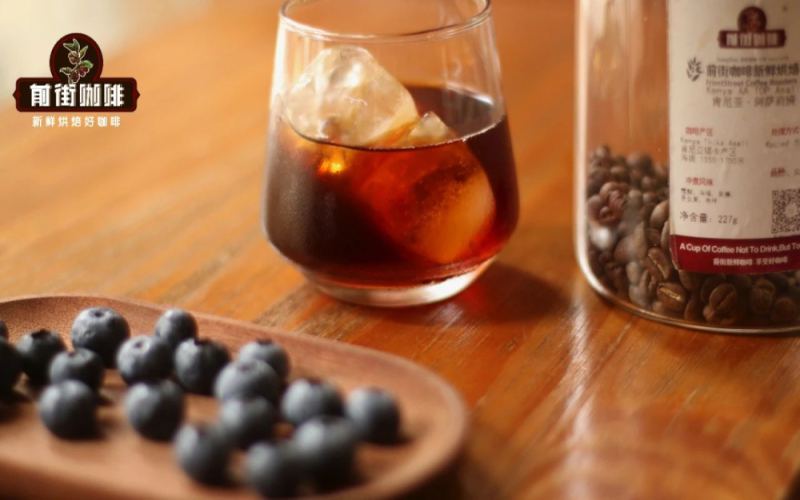
Kenyan Coffee Bean Grading and Variety Analysis: Flavor Differences Between AA and AB Grades and Brewing Guide for Two Front Street Coffee Beans
Kenyan coffee is renowned for its multilayered mouthfeel and juicy acidity, with its flavor core stemming from the two major varieties SL28 and SL34, as well as the unique K72 washed processing method. This article systematically reviews the history of variety selection and breeding, cultivation patterns, trading methods, and flavor differences across producing regions of Kenyan coffee, and provides a detailed interpretation of the origin information, flavor characteristics, and brewing parameters of Front Street Coffee's two Kenyan beans, Sathini and Azalea, helping coffee enthusiasts gain a more comprehensive understanding of the allure of Kenyan coffee. [more…]

Starbucks System Glitch Triggers Rush for Two Cups for 9 Yuan, 49.9 Yuan Women's Day Promotion Accidentally Leaks Low-Price Loophole
After Luckin Coffee's 9.9 yuan promotion was scaled back, brands like Cotti Coffee and Tims rolled out short-term 9.9 yuan offers to grab market share. Starbucks, which once declared it would "compete on market, not price," recently suffered a system glitch during its March 8 Women's Day promotion, accidentally letting some consumers buy two large drinks for just 9 yuan. The loophole quickly sparked a frenzy of deal-hunting on social media, with some successfully placing orders while others had their payments canceled and refunded after checkout. Starbucks quickly fixed the bug, and the promotional price returned to 49.9 yuan for two cups. This accident not only gave consumers a taste of the thrill of "snagging a bargain," but also reignited discussion about the coffee price war. [more…]
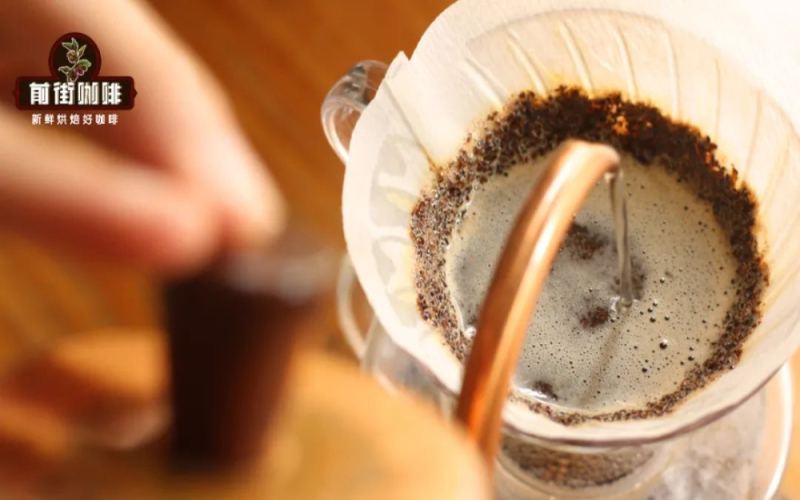
Fine Grind Fast Pour vs. Coarse Grind Slow Pour: Flavor Differences and Practical Comparison of Two Pour-Over Schools
In the world of pour-over coffee, beyond the common brewing schools, two opposing approaches have emerged, divided by grind size and brew time: fine grind fast brew and coarse grind slow brew. Both are based on the same extraction principles, yet they deliver entirely different drinking experiences. This article will analyze the theory behind these two approaches from the perspectives of surface area, water flow rate, and dripper pairing, and conduct a practical comparison using the same medium-roast Papua New Guinea · Bird of Paradise beans, using a V60 and a Kono dripper, the same coffee-to-water ratio and water temperature, to observe the specific flavor differences between fine grind fast brew and coarse grind slow brew, helping coffee enthusiasts understand how to choose the right brewing strategy based on grind size. [more…]
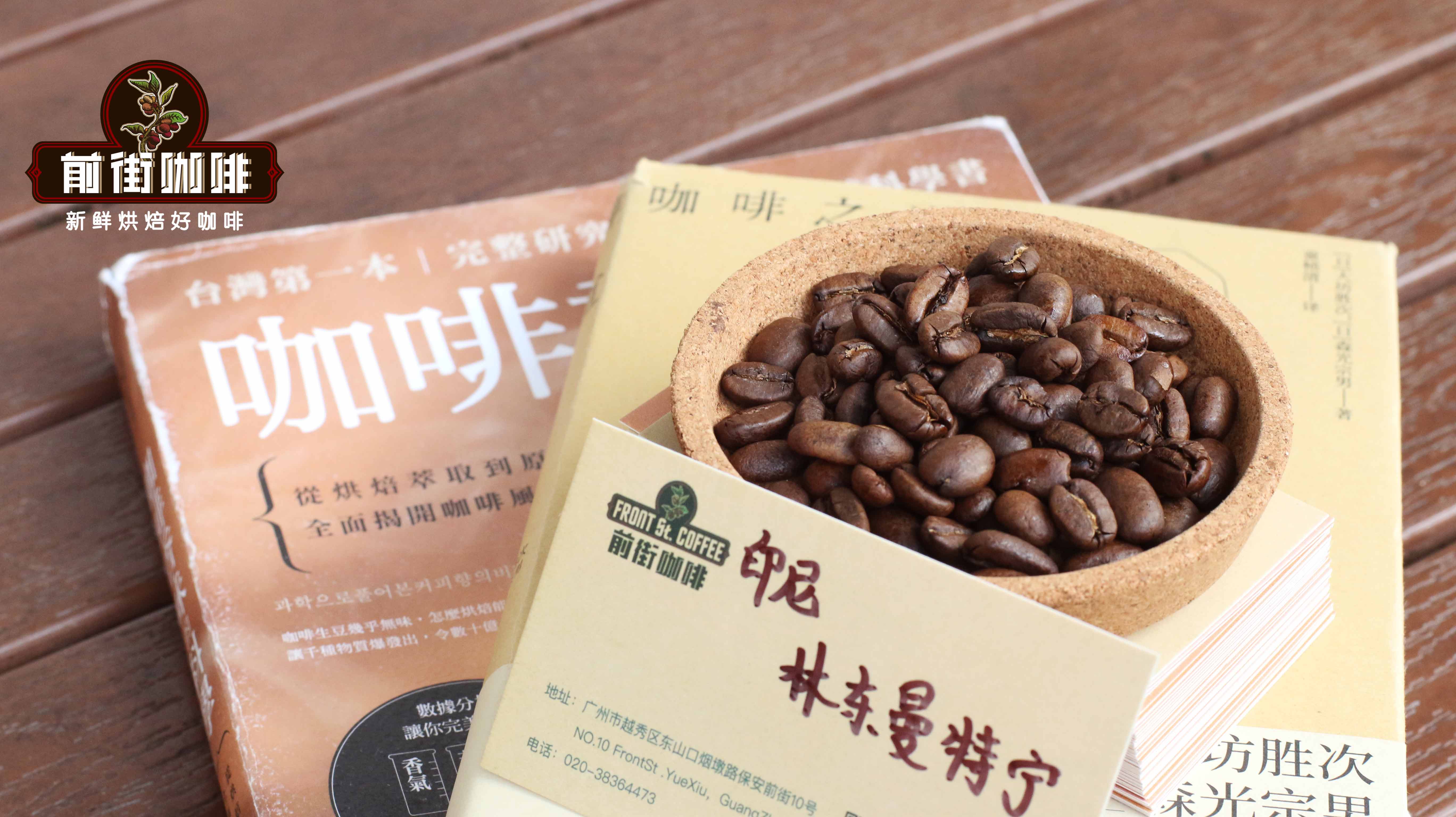
Sumatra Takengon Mandheling G1 Specialty Coffee: Flavor Characteristics and Interpretation of the Differences Between the Two Lakes Regions
Sumatran Arabica coffee is collectively known as Mandheling, but the flavor differences between its two major lake regions—Lake Toba and Lake Tawar—are worth exploring in depth. Lake Toba has a low, muted aroma, even carrying notes of grass jelly, while Lake Tawar displays brighter fruit acidity along with flavors reminiscent of incense cedar and wood. The two are separated by more than three hundred kilometers, and their cultivation histories differ by at least thirty-six years. This article focuses on the Takengon Mandheling G1 produced in the Gayo highlands by Lake Tawar, tracing its full journey from introduction during the colonial period to its unique wet-hulling process, and analyzing why this bean presents a complex flavor profile of caramel, spice, pine, and dark chocolate. It also introduces the product characteristics and suitable brewing methods of Front Street Mandheling G1 and Front Street PWN Golden Mandheling, providing coffee enthusiasts with a reference for purchasing and tasting. [more…]

Luckin Coffee store sells half-baked cheesecake two and a half months past its expiry date; consumer seeks 1,000 yuan in compensation and ultimately receives statutory compensation
Recently, a consumer ordered a half-baked cheesecake from Luckin Coffee, only to find that the product had expired for over two months. The consumer demanded 1,000 yuan in compensation based on the Food Safety Law. Luckin's customer service initially offered only ten coffee coupons, then raised it to 300 yuan plus ten coupons, both of which were rejected. The incident sparked widespread discussion, with many Luckin employees revealing that light food products should strictly follow first-in-first-out and daily inspections. The fact that this expired item went undetected for two months reflects obvious loopholes in store food safety management. Ultimately, Luckin completed compensation at the statutory amount by noon the next day. This article will review the incident, the legal basis, and industry management practices, and include related recommendations from Front Street Coffee. [more…]

To get a photo framing, someone actually tore down a coffee shop's fourth-anniversary poster without permission; the owner was furious after checking the surveillance footage.
Coffee shops, with their exquisite decor, often become popular spots for photography enthusiasts to shoot and take photos. However, a recent surveillance video has drawn widespread attention: two passersby, when passing by a closed coffee shop, actually tore off the white poster posted on the door without permission in order to take satisfactory photos. It is understood that this poster was specially made by the shop owner to celebrate the shop's fourth anniversary. After being away for two days, the owner returned to find the poster had disappeared, and was furious after checking the surveillance footage. After the incident spread online, the two individuals involved took the initiative to contact the owner and call to apologize, explaining that they had mistakenly thought it was a shop transfer advertisement. This incident has once again sparked discussion about the boundaries of photo-check-in culture—when personal creative needs conflict with the rights and interests of businesses, how should the line be drawn? [more…]
Coffee Brewing Tips for Two: Front Street Coffee Unlocks the Key Extraction Points for Sharing
Drinking coffee alone is certainly pleasant, but if you want to share a pot of good coffee with family and friends, the brewing method needs to be adjusted accordingly. Front Street Coffee uses Ethiopia Gesha Village Chaka as an example to break down in detail the complete brewing process for two servings of coffee. From filter choice, dose setting, grind size adjustment to water temperature control and pouring technique, it analyzes one by one the details that are easily overlooked in multi-serving extraction. The article not only provides precise parameters and operating steps, but also explains why the grind should be coarser, the water temperature lowered, and how to avoid over-extraction through staged pouring. Whether you are a coffee novice or a seasoned enthusiast, you can gain practical multi-serving brewing experience from it, making the moment of sharing coffee more relaxed and enjoyable. [more…]
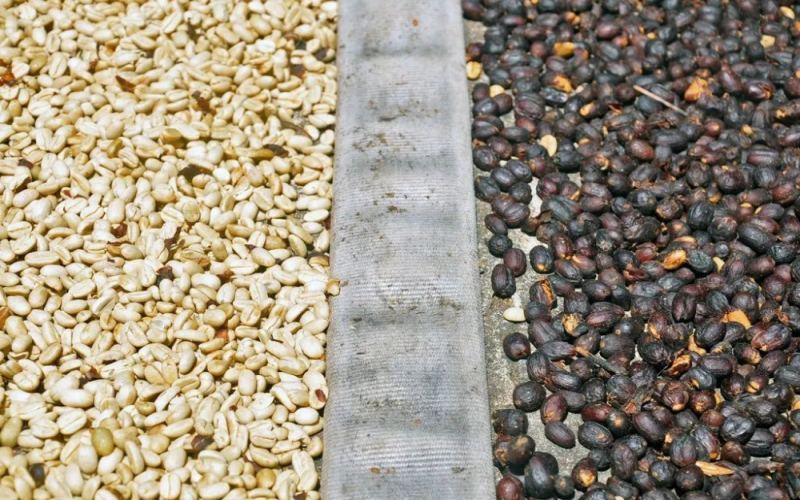
Why Are Washed Coffees More Acidic Than Natural Ones? Understanding the English Terms and Flavor Differences of Two Processing Methods
Washed and natural are the two most mainstream processing methods in the coffee industry, but for most enthusiasts, it is hard to tell which flavor profile in the cup belongs to which just by name. Some say natural coffees are sweeter and washed coffees are more acidic—is this claim actually true? This article will analyze the processing steps, the causes of flavor, English terminology, and other angles, and with the help of Front Street Coffee's Panama Butterfly natural and washed versions, conduct a blind tasting comparison to help readers clarify the core differences and respective charms of the two processing methods. [more…]

A customer took photos at the sink in a coffee shop, causing the countertop to break; after checking the surveillance footage, the owner said they wanted to call the police.
Taking photos at coffee shops has long become a daily routine for many customers, but accidents caused by this practice happen from time to time. A coffee shop owner recently encountered an exasperating yet almost comical scene: two young women entered the restroom while taking photos in the shop, and shortly after, a loud crash was heard. After the two hurriedly left, the owner discovered that the entire washbasin had broken off and crashed to the floor. Surveillance footage showed the two had entered the restroom to take photos, but that area happened to be a blind spot in the camera coverage, making it impossible to confirm what had happened. Netizens speculated that a customer may have sat on the wall-mounted washbasin, causing it to give way under the weight. The incident sparked widespread discussion, with many expressing sympathy for the owner, while others suggested relocating the washbasin or posting a notice to prevent similar situations from happening again. [more…]
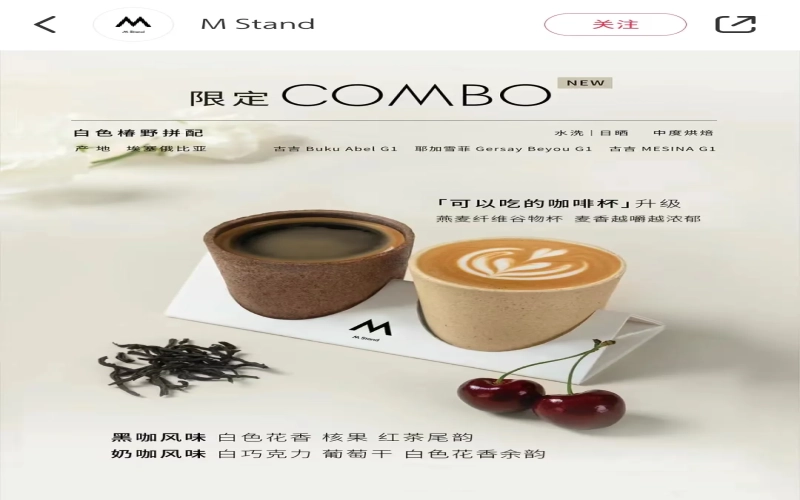
M Stand launches an edible cup Combo set: the one-bean-two-ways concept is full of creativity, yet netizens complain the cup itself is hard to gnaw through
M Stand once went viral online with an oat cookie latte that you can eat together with the cup. Now the brand has innovated further on this basis, launching a limited-edition Combo paired with a medium-roast Ethiopian blend bean, achieving two drinks from one bean. The black-and-white edible cups respectively hold a hot americano and a hot latte. The cup bodies are made from oat fiber grain, with the white cup being original flavor and the black cup cocoa flavor. However, this new product, which must be enjoyed on-site and cannot be delivered, has sparked polarized reviews on social platforms—beyond the coffee's taste drawing attention, the texture of the oat cup itself has become a hot topic of discussion. Many netizens complain that it is dry and hard like paper, difficult to swallow, and some even had their mouths cut. [more…]

Latte vs. Cappuccino: A Comprehensive Analysis—From Milk Foam Ratio, Taste and Flavor to Origins and History
Latte and cappuccino are the two most frequently ordered espresso milk coffees in coffee shops, both based on espresso with milk and milk foam added, similar in appearance yet each with its own character. Many coffee lovers wonder: what exactly is the difference between these two drinks? This article, from the perspective of a Front Street Coffee barista, first clarifies the category classification of latte and mocha, then compares latte and cappuccino item by item around milk foam thickness, latte art performance, ingredient ratios, and mouthfeel, while also tracing the origins and historical development of the two coffees. The article also incorporates the flavor performance of Front Street's specialty blend coffee beans to help readers make a more suitable choice based on their own preference for coffee strength. [more…]
Coffee Basics: From the Two Main Species to the Classification and Characteristics of Ten Common Coffee Drinks
For those new to coffee, the dazzling array of names on the menu often leaves them not knowing where to start. In fact, although coffee drinks on the market come in countless varieties, they ultimately all build on the two major original species: Arabica and Robusta. Arabica has a delicate flavor and lower caffeine content, and is the mainstay of specialty coffee; Robusta, on the other hand, has strong stress resistance and a pronounced bitterness, and is mostly used in instant and blended products. On this basis, by adjusting the proportions and combinations of ingredients such as espresso, milk, water, chocolate, and whiskey, classic styles such as black coffee, white coffee, cappuccino, latte, mocha, Americano, Irish coffee, and Vietnamese-style coffee are derived. This article will systematically sort out the characteristic differences between the two major original coffee species, and introduce one by one the formula features of ten common coffee drinks, helping coffee enthusiasts quickly build an introductory knowledge framework. [more…]
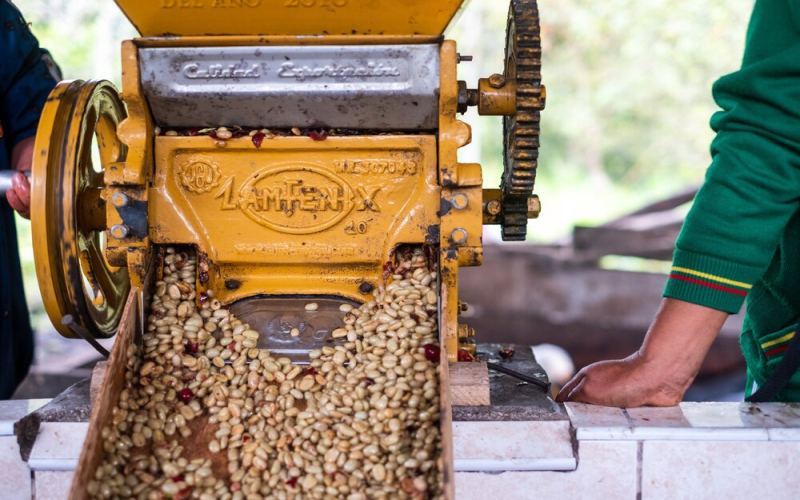
Comparison of Ethiopia's Two Major Specialty Coffee Regions: Flavor Differences Between Yirgacheffe and Sidamo and Representative Bean Recommendations
Ethiopia is a genetic treasure trove of Arabica coffee, and among its regions, Yirgacheffe and Sidamo are the two most frequently mentioned by coffee enthusiasts. Yirgacheffe is known for its citrus and floral notes, while Sidamo is celebrated for its diverse fruity and floral harmony and wild flavors. This article will compare the two from the perspectives of regional geography, altitude and climate, and varietal characteristics, while also introducing representative single-origin beans such as Front Street Coffee Yirgacheffe Gutingding, Front Street Coffee Red Cherry, Front Street Coffee Huakui, and Front Street Coffee Hamashu, to help readers more clearly understand the flavor profiles of these two regions and provide a reference for everyday purchasing. [more…]
Where does Combo Coffee come from? What exactly do "one bean, two brews" and "one bean, multiple brews" mean?
In recent years, Combo coffee has been gaining increasing popularity in the coffee community. Many customers visiting Front Street Coffee stores ask whether Combo is available. Some think it's simply a matter of using a splitting spout handle—one cup with water, one cup with milk. Is it really that simple? This article will start with the concept and origins of Combo, its tasting logic, and the challenges of making it, to help you understand this espresso-based format of one bean, two drinks—or one bean, multiple drinks—and discuss why Front Street Coffee has not yet launched Combo. [more…]
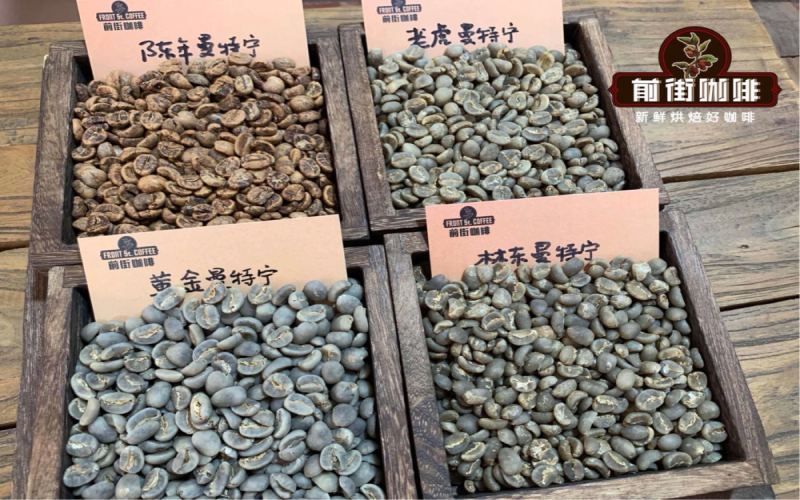
Comparison of Flavor, Production Regions, and Grades: Sumatra Two Lakes Double Mandheling vs. Jamaican Blue Mountain Coffee
Sumatra's Mandheling and Jamaica Blue Mountain are two classics in the coffee world that are vastly different in style yet equally highly regarded. The former, centered on Lake Toba and Lake Tawar, forms the rich and mellow "Two Lakes, Twin Mandhelings"; the latter, by virtue of the unique terroir of Jamaica's Blue Mountain range, has earned the name of the balanced and elegant "Coffee Beauty." This article will systematically sort out the differences between Mandheling and Blue Mountain coffee from multiple dimensions including production region history, growing conditions, processing methods, grading, and cupping flavors, while preserving Front Street Coffee's recorded tasting notes on PWN Golden Mandheling and Blue Mountain No. 1, to help coffee enthusiasts more clearly understand the character and value of these two beans. [more…]
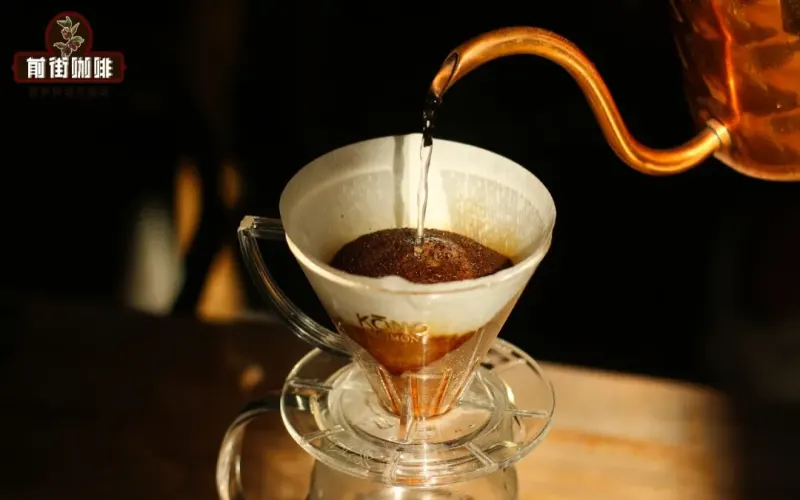
Pour-Over Kettle Buying Guide: An In-Depth Analysis of Two Core Considerations—Temperature Control Features and Water-Flow Difficulty
Faced with the dazzling array of pour-over kettles on the market, how should beginners make a suitable choice? Front Street points out that when purchasing, you only need to focus on two key dimensions: whether it comes with a temperature control system, and how easy it is to control the water flow. Temperature-controlled and non-temperature-controlled versions differ significantly in price and convenience—taking Brewista as an example, the price gap between the two can reach about four times. The difficulty of water control mainly depends on the length of the kettle neck, its inner diameter, and the shape and caliber of the spout—a slender gooseneck with a small-caliber curved spout suits beginners pursuing stable pouring, while a short, thick neck with a large-caliber flat spout is better suited to advanced players who enjoy fancy pouring techniques. This article will break down these two directions one by one, and include specific recommendations for Front Street's commonly used Hario Cloud Kettle, Kalita Swan-Neck Kettle, Fellow Kettle, and others, to help you find the one that fits your hand best. [more…]