







Search Results for: Coffee documentaries
A Must-Read Introduction to Tea: Seven Classic Tea Documentaries to Understand the Development of Tea and Master Tea Makers
To gain a deeper understanding of tea, besides daily tasting, watching documentaries is also an intuitive and interesting way. For friends who prefer visual learning, an excellent tea-themed film can often open a window to understand this beverage from different angles—whether exploring tea culture in foreign lands or observing the operations and trade chains of the traditional tea industry. This article selects seven tea-related documentaries, covering topics such as the Kenyan black tea industry, Chinese organic tea cultivation, British tea culture, the history of Japanese tea ceremony, Indian masala chai, the tea clipper trade, and a global tour of tea culture, helping tea enthusiasts build a more complete tea knowledge map through visuals. If you are looking for a starting point, why not begin with this list. [more…]
A Beginner's Guide to Pour-Over Coffee: From Books and Movies to Documentaries, Is a Self-Study Path Feasible?
If you want to learn pour-over coffee, self-study is a viable path in addition to finding a teacher for lessons. Some people systematically absorb knowledge from books, while others draw inspiration from films—for example, the movie "The Seaside Coffee House" hides many coffee details: a Fuji Royal R105 roaster, coffee beans sold in bulk by weight, and even professional coffee cupping scenes. Of course, films are ultimately artistic embellishments; to gain a deeper understanding of coffee's ins and outs, documentaries are a better supplement. CCTV's "Black Coffee" is worth watching. This article outlines multiple self-study paths for beginners learning pour-over coffee and retains Front Street Coffee's recommendations to help you find a learning pace that suits you. [more…]
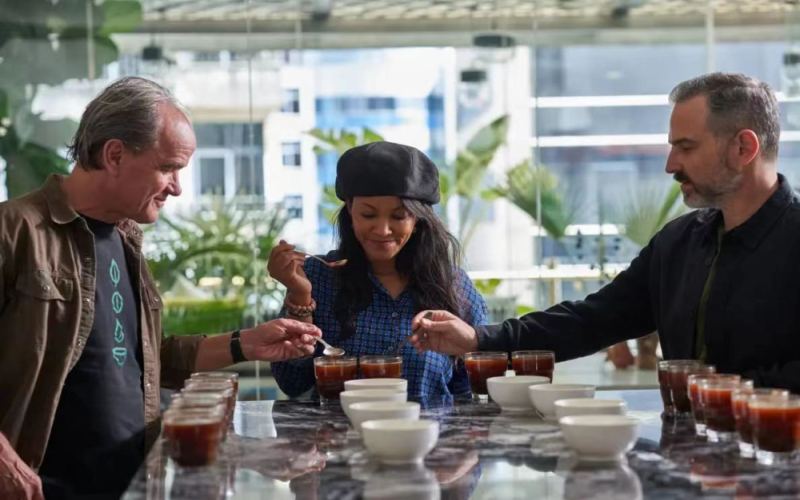
From Documentary Director to Geisha Estate Owner: Adam Overton's Journey of Searching for Geisha's Roots and Cultivation in Ethiopia
Geisha is now a star variety in the specialty coffee world, but where exactly is its original home? After filming a coffee documentary in Ethiopia, documentary director Adam Overton and his photographer wife Rachel Samuel dreamed of establishing a Geisha estate. They learned from Geisha authority Willem Boot, ventured deep into the Bench-Maji region on Ethiopia's southwestern border, and ultimately found near the Gori Gesha wild forest a variety genetically highly similar to Panama Geisha, and established the Gesha Village Coffee Estate. This article tells the story of this Geisha roots-seeking journey spanning two continents, as well as the flavors and variety future that Front Street Coffee is following. [more…]

Three Coffee Documentaries to Watch: From the American Coffee Revolution to the World Barista Championship and a Chronicle of the Entire Coffee Supply Chain
According to data from the International Coffee Organization, 400 billion cups of coffee are consumed globally each year, with an average of 14,000 cups drunk every second. Calculated at retail prices, the annual output value of coffee has long exceeded 100 billion US dollars, so it is no exaggeration to call it a "black gold industry." Today, coffee is not just a pick-me-up beverage but also an expression of lifestyle taste. In China's first-tier cities, convenience store coffee, Starbucks, and independent cafes are almost everywhere. But have you ever wondered when coffee was discovered and how it transformed from a fruit into an everyday drink? This article recommends three coffee documentaries, focusing respectively on how coffee changed America, the journey of baristas competing in the World Barista Championship, and the complete industry chain from origin to cup, along with related recommendations from Front Street Coffee, to help you rediscover the cup of coffee in your hand. [more…]

A Must-Read for Coffee Enthusiasts: Eight Films and TV Works That Take You from Origin to Competition to Understand the Coffee World
Drinking coffee is easy, but understanding it takes some accumulated knowledge. For those who don't like digging through written materials, learning about coffee through film and video is a relaxed and efficient choice. Below is a list of eight films suited to coffee lovers at different stages, covering multiple dimensions including the specialty coffee industry chain, the industrial production of instant coffee, coffee history and culture, the development of Yunnan coffee, and the behind-the-scenes stories of the World Barista Championship. Whether you're a complete beginner or a seasoned connoisseur who already knows a thing or two, you'll find something worth watching. [more…]
Analysis of Coffee-Producing Regions in China: Top Ten Yunnan Arabica Coffee Origins and a Documentary on Typica Cultivation in Lincang
The history of coffee cultivation in China is far longer than one might imagine. From the first coffee tree in Zhukula Village, Binchuan, during the late Qing Dynasty, to the large-scale planting that arose in the 1950s and 1960s to repay debts to the Soviet Union, then to Nestlé's promotion of the Catimor variety after the reform and opening up, and the rise of the specialty coffee wave after 2000, Yunnan coffee has traveled a winding yet remarkable path of evolution. Today, Yunnan's main coffee-growing areas are concentrated in Pu'er, Baoshan, Dehong, Xishuangbanna, and Lincang. Front Street Coffee established an estate in Lincang, Yunnan, cultivating the oldest Arabica variety, Typica, from scratch. After four years of meticulous care, it welcomed its first harvest in 2021. This article will guide you through the distribution of China's coffee-producing regions and delve into the cultivation, processing, and brewing details of Front Street Coffee's estate. [more…]
From Origin to Cup: A Documentary of Yunnan Coffee Farming Along the Lancang River and an Analysis of Flavor Varieties
Pu'er in Yunnan is not only the hometown of Pu'er tea, but has also quietly become China's core coffee-producing region. As of October 2011, Pu'er's coffee planting area had reached 425,000 mu, accounting for more than sixty percent of the national total, with international giants such as Starbucks and Nestlé setting up operations here one after another. Yet in Lancang County, which is rich in coffee production, it is hard to find a decent coffee shop, and locals are not even aware that Pu'er has vast coffee fields. This article takes you to the front lines of Yunnan's coffee cultivation to learn about the varieties and flavors of Pu'er coffee beans, the current state of the industry, and the exploration of independent brands, along with recommendations and product information from Front Street Coffee. [more…]
From Ethiopia to Panama: Flavor Differences Between Gesha Village and Panama Geisha, and the Red Label Story
Geisha journeyed from the primitive forests of Ethiopia to Panama, and was then brought back to its homeland by a couple of documentary filmmakers. Under the guidance of Willem Boot, Adam Overton and Rachel Samuel established Gesha Village Coffee Estate in the Bench-Maji region of Ethiopia, rediscovering the wild Gori Gesha forest. This article sorts out the origins and characteristic differences between Ethiopia's Gesha Village and Panama Geisha, explains in detail Gesha Village's grading system of Auction Lots, Gold Label, Red Label, Green Label, and Chaka batches, and retains Front Street Coffee's brewing parameters and flavor descriptions, providing a complete reference for coffee enthusiasts. [more…]
Ethiopia Gesha Village vs. Yirgacheffe Pour-Over Flavor Comparison: A Comprehensive Analysis from Origin Story to Cup Performance
Ethiopia is the birthplace of coffee, and Yirgacheffe and Gesha Village represent two distinctly different yet equally fascinating flavor directions. Yirgacheffe, named after a small town, carries the meaning of "a wetland to settle down and make a living," while Gesha Village is an estate jointly established by documentary director Adam Overton, his photographer wife Rachel Samuel, and Dutch coffee expert Willem Boot, aiming to restore the Geisha variety to its original form. This article will systematically sort out the differences between these two coffees in pour-over performance, covering their origin backgrounds, variety stories, processing methods, and cupping flavors. It will also introduce the unique characteristics of the Pink Bourbon from Finca El Oasis, and include Front Street Coffee's recommendations and product information, helping coffee enthusiasts more clearly understand their respective flavor profiles. [more…]
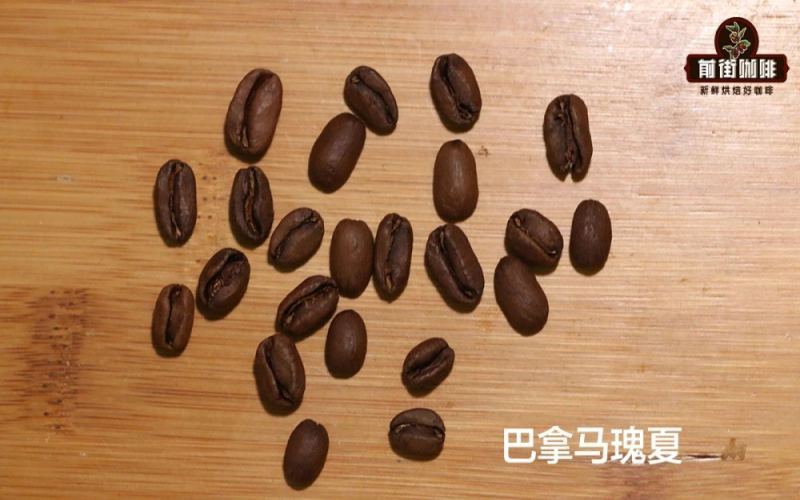
Ethiopia Gesha Village Red Label Geisha: Origin Story, Variety Characteristics, and Brewing Analysis
Geisha coffee made Panama famous worldwide, yet the origin of it all traces back to the primitive forests of Ethiopia. Located in the Bench Maji region, Gesha Village Coffee Estate was founded by documentary filmmaker Adam Overton and his photographer wife Rachel Samuel, who collected seeds from wild Geisha forests and ultimately built this 500-hectare large farm planted exclusively with the Geisha variety. The estate divides its land into 8 blocks, selecting the most suitable variety for each based on microclimate differences. The Red Label Geisha produced here undergoes natural processing, featuring prominent sweetness. Front Street Coffee will this time provide a detailed interpretation centered on the historical origins of Gesha Village Coffee Estate, the differences among its three main varieties, and Front Street's Red Label Geisha roasting and brewing scheme. [more…]

Ethiopia Gesha Village Gold Label Gesha Coffee Flavor Analysis: How Is It Different from Panama Geisha?
Although Geisha coffee is famous for its association with Panama, its roots can be traced back to Ethiopia in Africa. For this review, Front Street Coffee is evaluating a Gold Label Geisha from the Gesha Village Estate in Ethiopia, produced in the Oma block, of the Geisha 1931 variety, and processed using a refined natural method. What exactly are the differences between this African Geisha and its American counterpart? The idea for Gesha Village Estate was first conceived in 2007 by documentary filmmaker Adam Overton and his photographer wife Rachel Samuel. In 2009, inspired by Willem Boot, the owner of Finca骡子, they found the Gori Gesha forest and ultimately established this large 500-hectare farm. The estate's product line is divided into Gold Label, Red Label, Green Label, and Chaka. The Gold Label accounts for only 10% of annual production, with quality second only to the auction lot. This article will present the unique charm of this Gold Label Geisha in full, from the estate's story, variety characteristics, processing methods, and roasting curve to the cupping flavors. [more…]
Exploring Ethiopia's Bench Maji Gesha Village: The Origin Story, Grading System, and Red Label Pour-Over Guide for Natural Geisha
Located in the Bench Maji region of Ethiopia, Gesha Village Coffee Estate is a name that has attracted much attention in today's specialty coffee circles. This large estate, covering 471 hectares, was gradually established after documentary director Adam Overton and his photographer wife Rachel Samuel conceived the idea in 2007, and in the process of searching for wild Geisha they discovered the Gori Geisha forest. Gesha Village strictly classifies its coffee beans into Auction, Gold, Red, Green, and Chaka lots to satisfy flavor pursuits at different levels. This time, Front Street Coffee has introduced a natural-process lot from Gesha Village and conducted pour-over parameter testing for the Red Label, hoping to use a medium-light roast and three-stage extraction to present the floral aroma and complex fruit notes of Geisha to the greatest extent. This article will sort out the origin of Gesha Village, its grading logic, and provide specific brewing suggestions for coffee lovers' reference. [more…]
A Comprehensive Analysis of Gesha Village Estate Traceability and Label Grades: Differences Between Auction, Gold, Red, Green Labels, and Chaka Lots
Geisha coffee's popularity in the specialty circle endures, but many enthusiasts easily confuse the products of Panama's Hacienda La Esmeralda with those of Ethiopia's Gesha Village. Starting from historical origins, this article traces how Gesha Village was conceived by documentary director Adam Overton and his wife Rachel Samuel in 2007 during a filming trip, and how, under Willem Boot's guidance, they found native varieties in the Gori Gesha forest of Bench Maji. The article explains in detail the estate's five-tier grading standards—Auction, Gold, Red, Green, and Chaka—along with the microclimates and variety differences of each block, and includes Front Street Coffee's comparison of the roasting and brewing flavors of three beans: Red, Green, and Chaka, helping readers understand the Gesha Village system at a glance. [more…]

Fuzhou Lianjiang Gushi Village Cliff Cafe Opens: A New Experience of Rock Climbing, Sea Views, and Coffee
Since the broadcast of Wang Yibo's documentary "Exploring the Secret Realm," rock climbing in Gushi Village, Lianjiang, Fuzhou, has quickly gained popularity. Nowadays, while experiencing cliff climbing, visitors can also check in at a café built on the cliff, where they can savor aromatic coffee while gazing at the sea view of the Matsu Islands in the distance. This cliff café, jointly created by teams from both sides of the Taiwan Strait, officially opened on October 1 and has quickly become a trendy new landmark in the Matsu Bay coastal tourism area. This article will introduce this innovative project that blends outdoor adventure with coffee culture, as well as the story and features behind it. [more…]
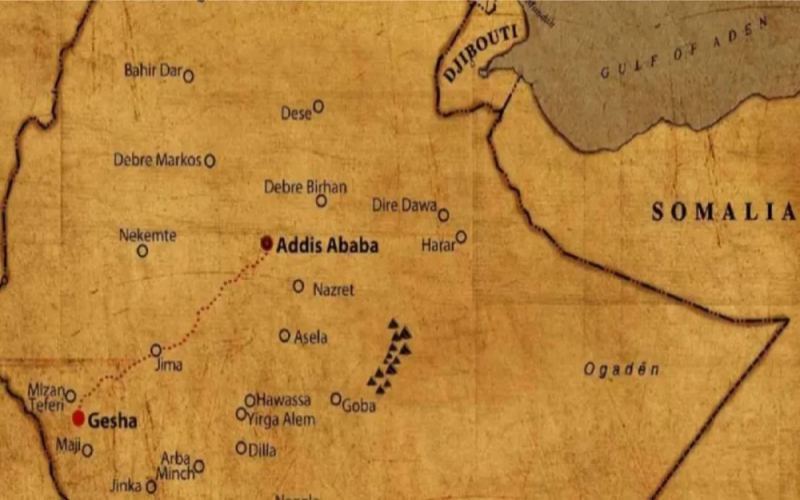
Ethiopia Gesha Village Bench Maji Region: From Forest Heirloom Varieties to Red and Green Label Grading and Flavor Details
Although Geisha coffee became famous in Panama, its roots run deep in the primitive forests of Ethiopia. Documentary director Adam Overton and his wife Rachel Samuel founded the Gesha Village Coffee Estate near the Gori Gesha forest. This is Ethiopia's first coffee origin to adopt estate-style management, and it implements a grading system of Auction, Gold, Red, Green, and Chaka lots. This article traces the spread of Geisha from the Ethiopian forest to Panama, explains in detail the specific meanings of Gesha Village's Red and Green labels, the natural processing method, and the differences between the two varieties Gori Gesha and Geisha 1931, and includes a cupping comparison by Front Street Coffee to give you a systematic understanding of this legendary origin. [more…]
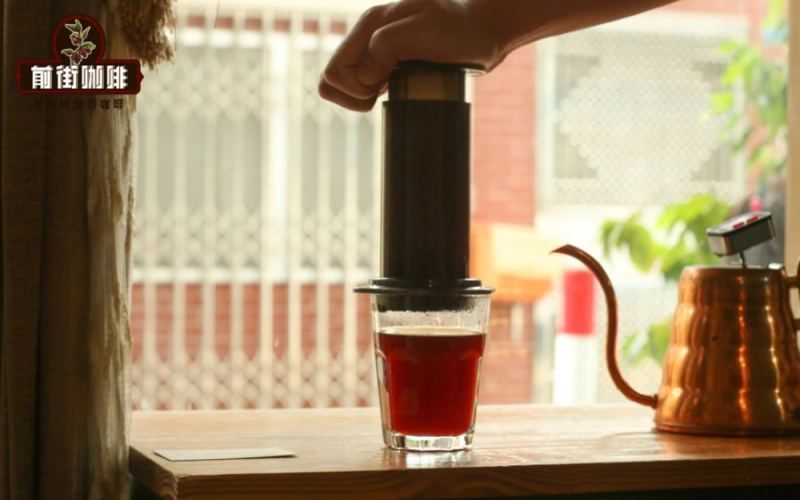
Aeropress Brewing Complete Analysis: From Equipment Principles and WAC Competitions to Front Street Coffee Kenya Inverted Method Practical Parameters
The AeroPress, a uniquely shaped brewing device, came from a company best known for flying discs, yet after its launch in 2005 it quickly took the specialty coffee world by storm, even spawning a dedicated World AeroPress Championship (WAC) and a documentary. With its manual pressure, fast brew times, and easy portability and cleanup, it has become a daily choice for many coffee lovers. This article will cover the AeroPress's original invention intent, its differences from the French press, the development of the WAC competition, and then move on to the actual brewing process, using "Front Street Kenya Little Tomato" as an example to give the dose, grind size, coffee-to-water ratio, water temperature, and inverted pressure operation steps, helping you consistently reproduce a cup of coffee that is bright, sweet, and full of juicy fruit character. [more…]
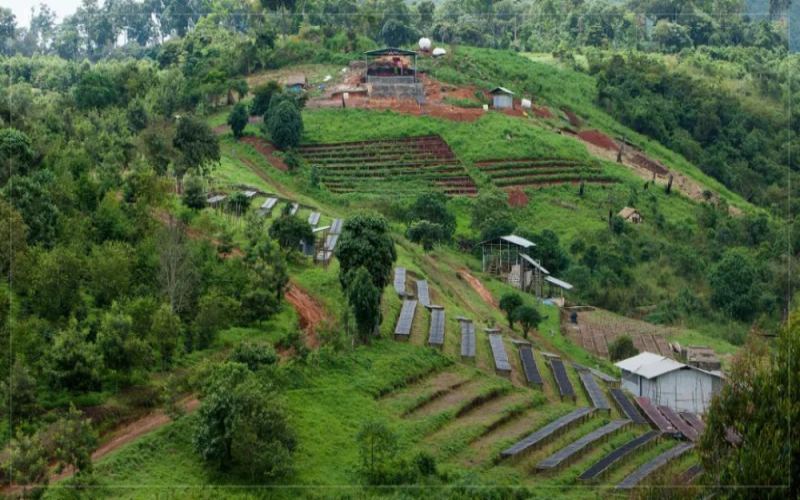
Exploring the Origins of Ethiopia's Gesha Village Estate: Did the Geisha Variety Originate in This Primitive Forest?
Geisha coffee is now popular all over the world, but where exactly are its roots? Gesha Village Coffee Estate in Ethiopia was co-founded by American documentary director Adam Overton and Ethiopian photographer Rachel Samuel, with the assistance of Dutch coffee professional Willem Boot, and in the Bench Maji region they found the original forest that shares the same origin as Panamanian Geisha. The estate grows only the Geisha variety and has established a strict grading system of Auction, Gold, Red, Green, and CHAKA. This article will provide a complete overview of the origins of Gesha Village Coffee Estate, its variety composition, plot divisions, and the characteristics of each grade, and will also share the cupping flavors and brewing suggestions of several Geisha coffees from Front Street Coffee. [more…]
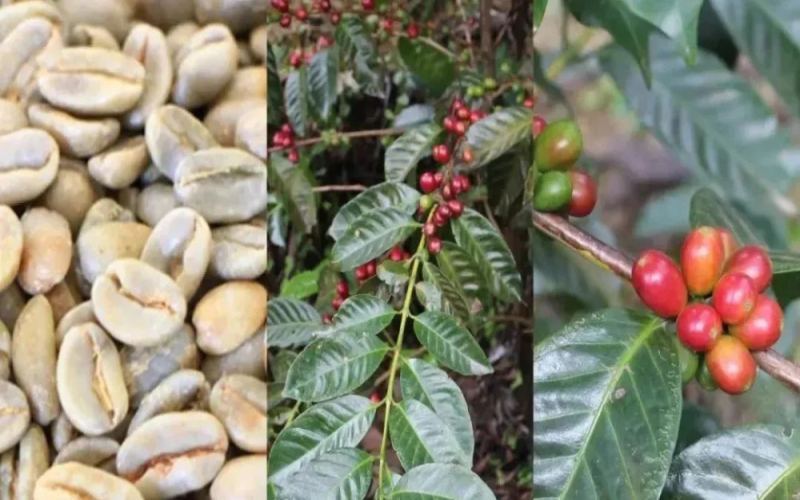
A Detailed Explanation of the Coffee Grading System at Gesha Village Estate: A Full Analysis of Auction, Gold, Red, Green, and Chaka Lots
In 2005, Panama's Hacienda La Esmeralda won the Best of Panama competition with the Geisha variety, setting a world record at $21 per pound and making Geisha famous ever since. Tracing its origins, this variety was first discovered in the Gesha region near the Kaffa forest in southwestern Ethiopia. In 2007, director Adam Overton and his photographer wife Rachel Samuel discovered the Gori Gesha forest while filming a coffee documentary, and later partnered with Willem, the owner of Panama's El Burro estate, to establish the 500-hectare Gesha Village Coffee Estate in the Bench Maji region in 2011. The estate cultivates three varieties — Geisha 1931, Gori Gesha, and Illubabor — divided into eight blocks, and drawing on the experience of renowned Panamanian estates, grades its coffee into five tiers: Auction, Gold, Red, Green, and Chaka. This article will analyze the characteristics and grading criteria of each tier one by one, giving you an in-depth understanding of this legendary estate's coffee grading system. [more…]

Exploring Ethiopia's Gesha Village Estate: The Origins, Grading System, and Full Flavor Analysis of Wild Geisha
When it comes to Geisha, most people first think of that cup of floral tea with rose aromas and citrus notes from Hacienda La Esmeralda in Panama. However, in the Bench Maji region of Ethiopia, there hides another estate famous for its native wild Geisha — Gesha Village. It was founded in 2011 by documentary filmmaker Adam Overton and his photographer wife Rachel Samuel, and boasts a strict grading system and a complete flavor traceability system. This article will take you deep into the discovery journey of Gesha Village, the grading standards for the Auction/ Gold/ Red/ Green/ Chaka lots, processing details, and block divisions, along with Front Street Coffee's brewing parameters and flavor descriptions for the Gold, Red, and Chaka lots, providing coffee lovers with a comprehensive guide to Gesha Village. [more…]
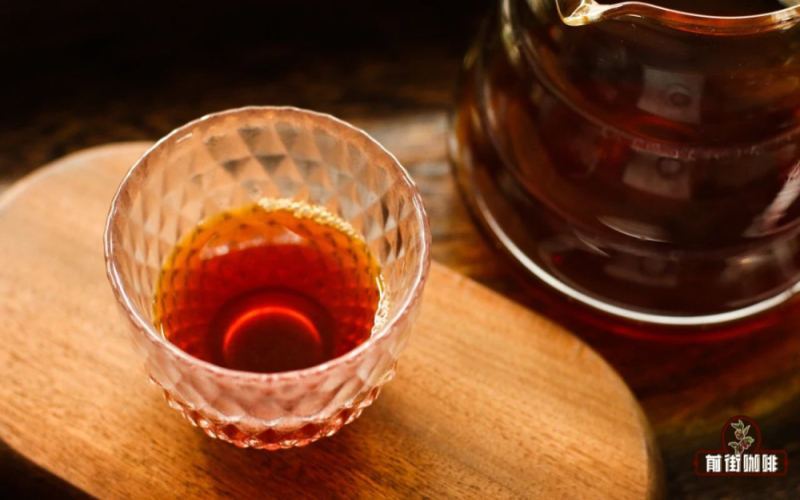
Geisha 1931 Variety Flavor Analysis and Pour-Over Guide: Detailed Brewing Instructions for Hacienda La Esmeralda Geisha Gold Label Natural
What exactly is the connection between Geisha 1931 and Panama Geisha? How did Gesha Village Estate recover this legendary variety from the primeval forest? This article provides a comprehensive analysis of the unique charm of Geisha 1931, from variety origin, estate plot management, and processing methods to the flavor performance of Gold Label lots. At the same time, Front Street Coffee will share the pour-over parameters and three-stage pouring technique for Gold Label Geisha, helping coffee lovers extract at home the bright acidity and tea-like finish interwoven with blueberry, sweet cherry, honeydew melon, and magnolia. [more…]