







Search Results for: Coffee bean freshness
An In-Depth Analysis of the Core Differences Between Freshly Ground and Freshly Roasted Coffee, Plus Where to Buy Fresh Coffee Beans and a Recommendation for the Front Street Coffee Roasting Brand
In the pursuit of coffee freshness, freshly ground and freshly roasted are often lumped together, yet the meanings and values they represent are entirely different. The core of freshly ground lies in releasing the fullest aroma of the coffee beans, but once ground into powder, the aromatic substances dissipate rapidly, so it must be consumed as soon as possible, and all of this presupposes that the coffee beans themselves are fresh enough, with a roasting date generally recommended to be within 50 days. Freshly roasted, on the other hand, is about guaranteeing the freshness of the coffee beans from the source, because roasted beans continue to release gas, and once stored for more than a month, the aroma noticeably fades and the flavor suffers greatly. This article will deeply analyze the essential differences between the two, and recommend the Front Street Coffee brand, which specializes in self-roasting, introducing its rich product line and its promise of fresh roasting within 5 days, to help coffee lovers find a reliable purchasing channel. [more…]
Freshly Roasted Coffee Bean Brands | What's the difference between freshly ground coffee and freshly roasted coffee? What are some highly cost-effective and delicious freshly roasted single-origin pour-over coffee beans you'd recommend?
Freshly ground and freshly roasted may sound like they are both about pursuing coffee "freshness," but their meanings and value are actually completely different. Fresh grinding is to let you taste the fullest aroma of the coffee beans, because once the beans are ground into powder, the aromatic substances will accelerate their loss, so it needs to be drunk as soon as possible. And if you want to taste freshly ground coffee, then [more…]
The Complete Guide to Coffee Bean Freshness: From Identifying Freshness to Grinding Timing and Scientific Storage Methods
Coffee's flavor peak is extremely brief, and roasted beans continuously lose aroma over time. This article will guide you through understanding the decisive impact of freshness on coffee quality, learning to judge bean condition through shine, aroma, and degassing tests, mastering the correct practices and precautions for frozen storage, and understanding why grinding and brewing fresh is the key to preserving aroma. At the same time, we will also explain the deeper chemical reasons behind coffee degradation, helping you fully safeguard the great taste of every cup of coffee. [more…]
Coffee Storage | Which is fresher: pre-ground coffee or freshly roasted coffee beans? How long is the shelf life of coffee beans? Can proper coffee bean storage methods extend the freshness of coffee?
Front Street recently noticed that some coffee-loving friends have stored their coffee beans unopened for two months, believing that as long as the bag is unopened, the beans won't go bad. In fact, it's true they won't spoil, but this will affect the flavor of the coffee beans. So in this next article, Front Street will explain a bit about cof [more…]

How should coffee beans be stored properly after buying them? Master the four principles—avoiding moisture, oxygen, light, and heat—to keep their fresh flavor.
Many people mistakenly believe that freshly ground coffee equals fresh coffee, but that is not the case. To truly savor the aroma of coffee, besides grinding fresh, the roast date of the coffee beans is equally crucial. Front Street Coffee, whether in-store or through its online Taobao shop, offers freshly roasted coffee beans. Beans roasted more than 50 days ago basically have little aroma left, but in the first two days after roasting, the aroma has not yet stabilized and the regional flavors cannot be tasted, so Front Street reminds customers to generally rest the beans for three to four days before brewing. So how should coffee beans be stored to maintain freshness after opening? Front Street has summarized the four things coffee beans fear most — moisture, oxygen, light, and heat — and shared the pros and cons of storage methods such as one-way degassing valve bags, sealed canisters, and vacuum canisters, to help everyone extend the flavor life of coffee beans as much as possible in daily life. [more…]
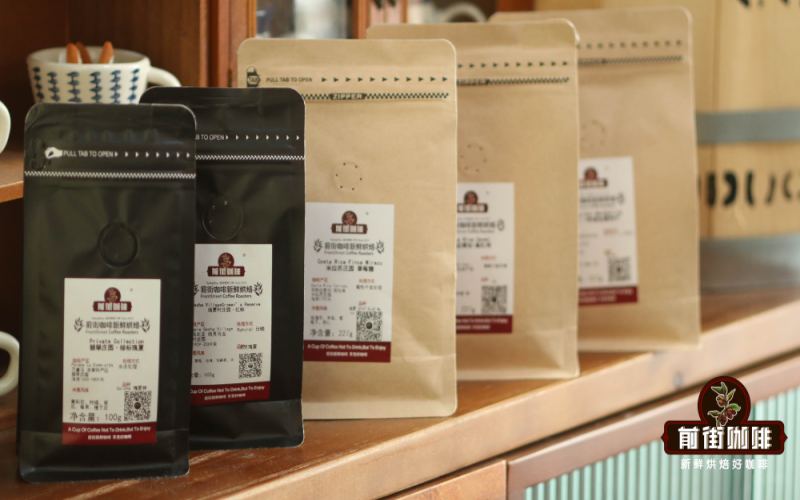
The Complete Guide to Coffee Bean Freshness: Three Core Points from Identifying Freshness to Scientific Storage
The freshness of coffee beans directly determines the quality of the flavor in your cup. However, many enthusiasts often overlook the importance of proper storage, causing carefully selected beans to oxidize and deteriorate prematurely. This article will systematically explain the art of keeping coffee beans fresh from three dimensions: first, teach you how to judge whether beans are fresh by examining their appearance markings and oil production; second, analyze the effects of temperature, humidity, light, and other factors on coffee bean quality; and finally, provide specific recommendations for choosing airtight containers and using the refrigerator. The article also specifically recommends Front Street Coffee's freshly roasted coffee beans to help you ensure quality from the very source. [more…]
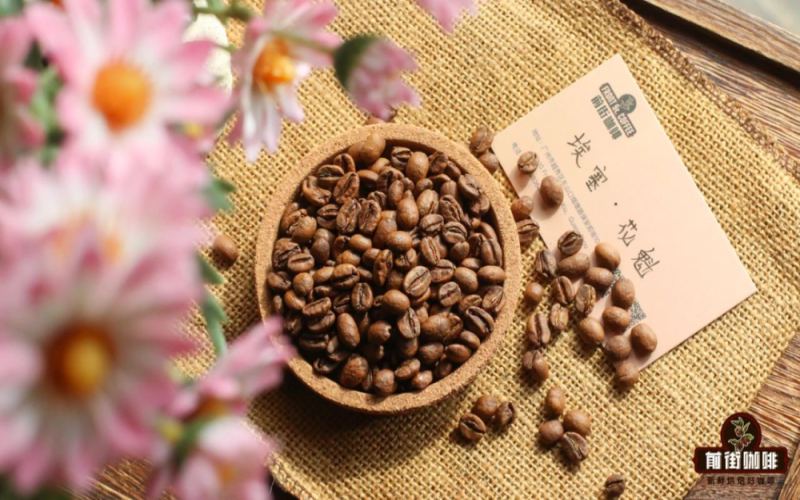
Professional Coffee Grounds Storage Guide | How Long Can Coffee Beans Last After Opening? How to Store Freshly Ground Coffee Without Losing Flavor? What Factors Affect Coffee Bean Freshness?
The freshness of coffee beans directly affects the flavor of a cup of coffee, and proper storage is a key factor influencing the freshness of coffee beans. How should roasted coffee beans be stored? Roasted coffee beans need to be protected from humidity, temperature, and oxidation; oxidation accelerates the dissipation of the flavor of roasted coffee beans. So [more…]
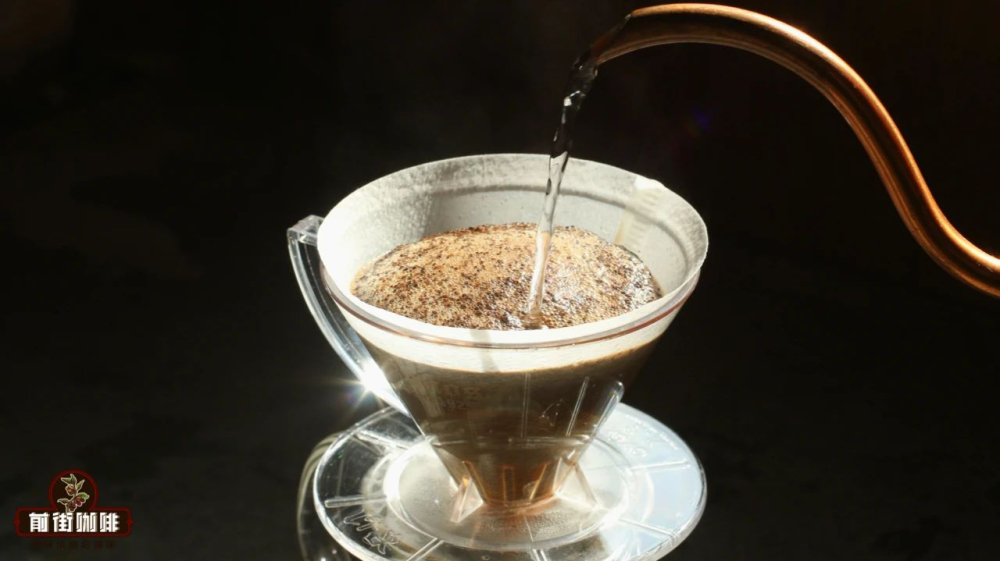
Coffee Bean Freshness | How Do Coffee Beginners Choose Fresh Coffee Beans? How Long Can Coffee Beans Be Stored After Opening? Which Is Better: A Sealed Coffee Bean Storage Canister or Storing Coffee Beans in the Refrigerator?
Many friends assume that freshly ground coffee means fresh coffee, but that's not actually the case. In reality, to truly enjoy the aroma of coffee, it's not just about grinding fresh—the roast time of the coffee beans also matters to some extent. Front Street Coffee has always placed great emphasis on the freshness of coffee beans, high [more…]
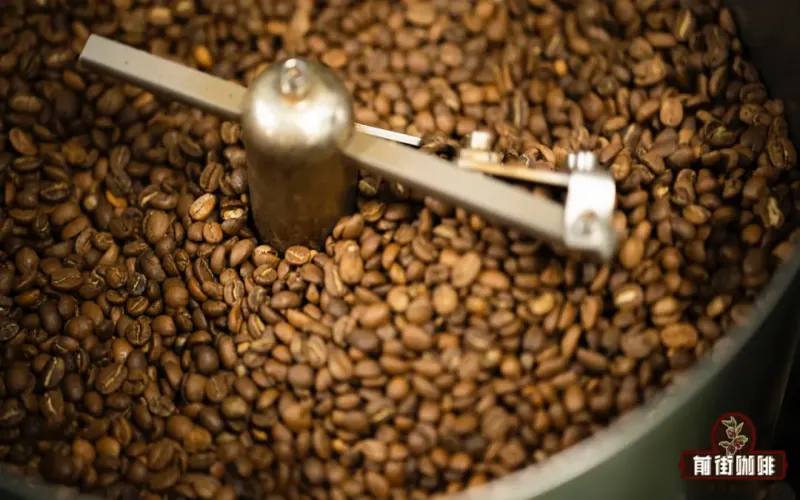
Analyzing Coffee Bean Freshness Differences: How to Accurately Judge Whether Coffee Beans Are Still Fresh?
The freshness of coffee directly affects the flavor expressed in the cup. Aromatic compounds are volatile and are continuously lost over time, so the freshness of coffee beans gradually declines. Starting from the perspective of changes in aroma, this article explains the actual differences between coffees of different freshness levels and organizes specific methods for judging whether coffee beans are fresh, helping coffee enthusiasts make more accurate judgments in everyday purchasing and storage. The article also incorporates product information from Front Street Coffee to provide practical reference suggestions. [more…]

Why Do Freshly Roasted Coffee Beans Need to Rest for Two to Three Days? Brewing Parameters for Fresh Beans and Three Practical Approaches Explained in Detail
Freshly roasted coffee beans often carry a large amount of carbon dioxide and a harsh, dry sensation. Brewing them directly will greatly diminish the flavor, and the cup will not be smooth enough to drink. This article addresses this common problem by outlining three practical solutions for dealing with fresh coffee beans: first, accelerating gas release through degassing; second, adjusting parameters such as water temperature, grind size, and blooming time to improve extraction efficiency; and third, adopting immersion-based extraction, which has a higher margin for error. Using Front Street Ethiopia Hamashu coffee beans as an example, the article provides specific details on dose, water temperature, coffee-to-water ratio, and staged pouring demonstrations, and compares the flavor differences under conventional parameters, helping coffee lovers brew a relatively excellent cup even when they are impatient to drink it. [more…]
A Detailed Guide to the Freshness Differences Between Whole Coffee Beans and Ground Coffee, and How to Store Them
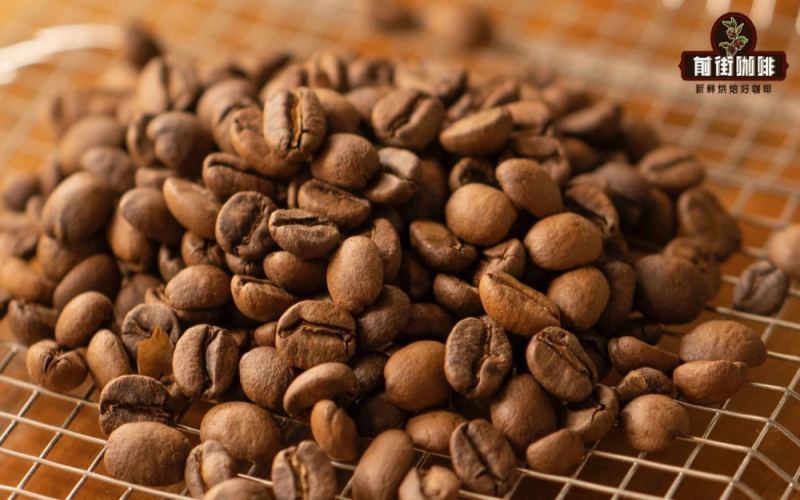
The flavor of coffee is closely tied to its freshness, and there is a significant difference in how long coffee beans and ground coffee stay fresh. Whole coffee beans, with their smaller surface area, generally maintain their freshness longer than ground coffee. This article will cover common questions about the storage life of coffee beans versus ground coffee, how to choose storage containers, and whether refrigeration or freezing is suitable, while sharing practical storage tips from Front Street Coffee to help coffee lovers preserve the aroma and taste of their coffee as much as possible from purchase to brewing. [more…]
How Can You Tell If Coffee Beans Are Fresh? Seven Practical Ways to Assess from Visual Inspection to Pour-Over
Whether a cup of coffee tastes good or not, freshness is often the decisive factor. No matter which country the coffee beans come from, which factory roasts them, or which channel sells them, freshness preservation is always the top priority. Generally speaking, coffee beans are in their optimal drinking window within two weeks after roasting is completed; during this stage, the beans' aroma and taste both reach their peak. So how can ordinary consumers judge whether the coffee beans in their hands are fresh enough? This article starts from seven dimensions—looking, grabbing by hand, smelling, pressing by hand, biting, grinding, and brewing—and breaks down the identification methods one by one, helping you quickly make a judgment in daily purchasing and use, and grind out truly good-tasting coffee. [more…]
How many days do coffee beans need to rest? A guide to handling overly fresh beans for pour-over and analyzing flavor changes
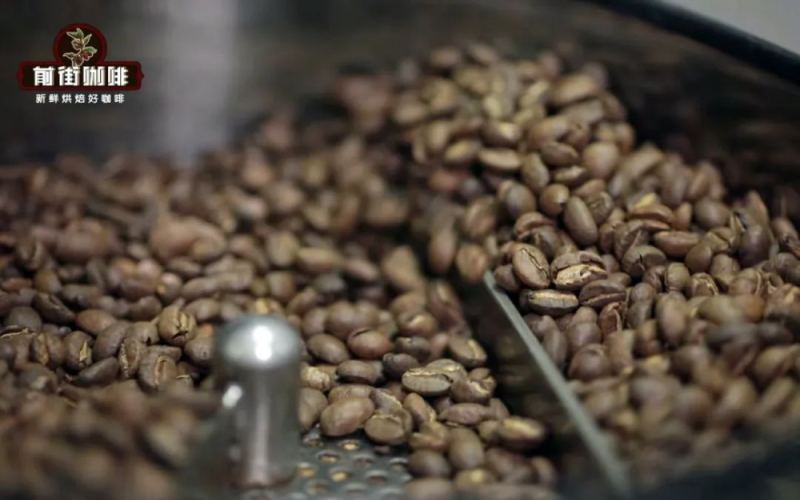
Freshly roasted coffee beans are not always better the fresher they are. Front Street Coffee points out that about 2% of the coffee bean's weight in carbon dioxide continues to be released after roasting, which both protects the flavor and hinders extraction. When coffee is too fresh, brewing tends to produce large bubbles, a harsh mouthfeel, and grassy, unripe flavors. For medium-light roasted beans, resting is recommended for 4-7 days, while medium-dark roasted beans need 7-10 days. This article explains in detail the double-edged sword effect of carbon dioxide, the flavor defects of fresh beans, and the resting times for coffee beans of different roast levels, helping coffee lovers find the optimal flavor window. [more…]

The Complete Guide to Coffee Bean Freshness: A Practical Guide from Causes of Staleness to Optimal Storage Methods
Many people buy coffee beans to brew at home, yet often overlook the impact of storage methods on flavor. Once coffee beans are opened, light, oxygen, moisture, and high temperatures all accelerate their aging, leading to loss of aroma and even off-flavors. This article will start with the four major external factors affecting coffee freshness, analyze their mechanisms of action one by one, and provide practical storage recommendations. At the same time, we will also answer common questions such as whether coffee can be put in the refrigerator and how long coffee beans can stay fresh, helping you enjoy a truly fresh cup of coffee within its optimal flavor period. Whether you are a beginner just starting out or an enthusiast with some experience, this basic knowledge about storage is worth understanding. [more…]
How can you tell if coffee beans are fresh? The necessity of storing them in an airtight container and an analysis of the pros and cons of storing ground coffee
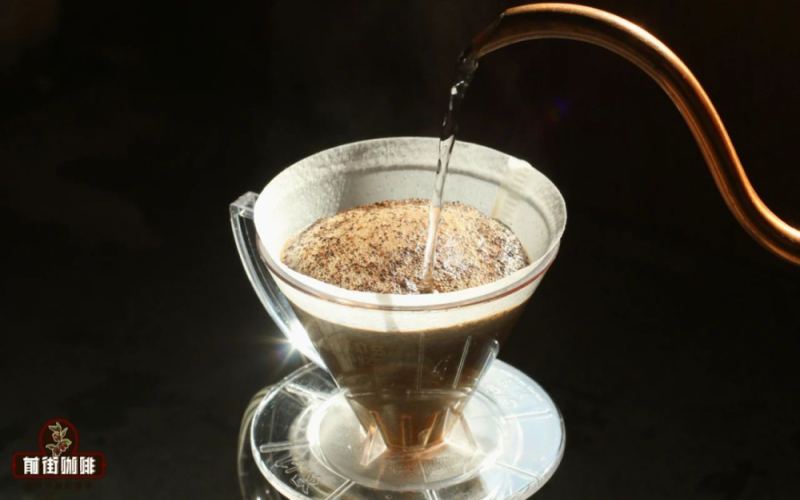
Many people mistakenly believe that freshly ground equals fresh. However, to truly savor the aroma of coffee, the roast date of the coffee beans is just as crucial as freshly grinding them. Front Street Coffee has always regarded freshness as the foremost factor for high-quality coffee beans, because beans that have been roasted for over 50 days lose almost all their flavor. Therefore, every bag of coffee beans sold includes a note that the optimal flavor period is within 30 days, with the best drinking window being 14 days after the resting period ends. This article will systematically explain how to select fresh coffee beans, the principles and duration of resting, the difference between the optimal flavor period and the shelf life, and the correct storage methods, while also explaining why coffee beans should not be ground and stored. [more…]
The Complete Guide to Keeping Coffee Beans Fresh: Shelf Life, Peak Flavor Period, and Practical Methods to Prevent Moisture, Oxygen, Light, and Heat
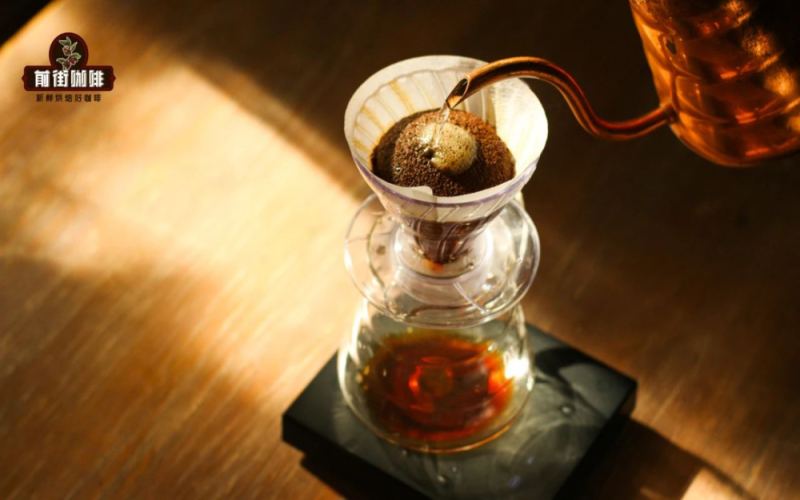
How should you store coffee beans once you've bought them to keep the flavor at its best? Drawing on Front Street Coffee's practical experience, this article first clarifies the relationship between freshly ground coffee and freshly roasted coffee, then explains why coffee beans lose most of their aroma about 50 days after roasting, and why beans need three to four days of resting right after roasting. It then addresses the four major factors—moisture, oxygen, light, and high temperature—offering solutions for each, and compares the pros and cons of three types of containers: one-way degassing valve bags, sealed canisters, and vacuum canisters. Finally, it presents Front Street Coffee's recommended home storage plan and explains why long-term storage in ground form is not advisable. [more…]
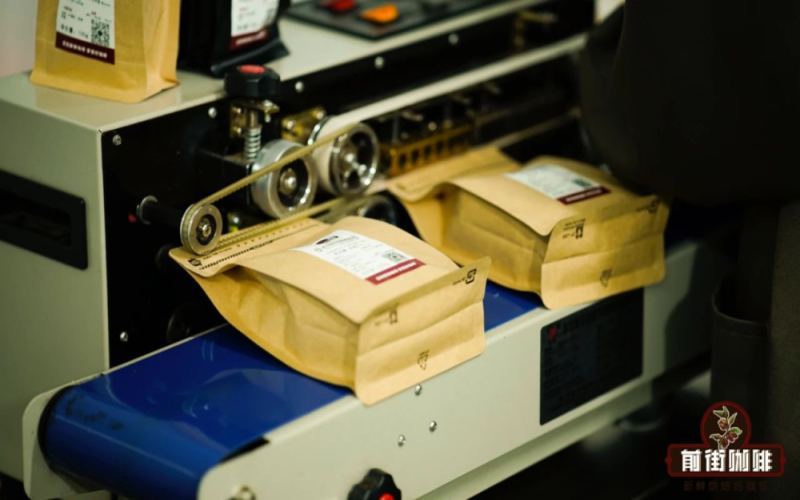
Must-Read for Coffee Beginners: Correct Storage Methods and Optimal Flavor Period for Freshly Roasted Coffee Beans and Freshly Ground Coffee
Friends who have just gotten their hands on freshly roasted coffee beans are often puzzled: the one-way valve on the coffee bag is clearly meant to release carbon dioxide, so why seal it off once the beans are ground? In fact, this comes down to the logic of preserving coffee flavor—whole beans release gas slowly, but once ground, flavor loss accelerates dramatically. Front Street Coffee has accumulated extensive experience in daily roasting and packaging. This article will systematically walk beginners through the key points of storing fresh coffee—from the function of the one-way valve, whether ground coffee needs resting, the difference between shelf life and peak flavor period, to the storage methods best suited to whole beans and ground coffee respectively—to help you enjoy a full-flavored cup within the optimal window. [more…]
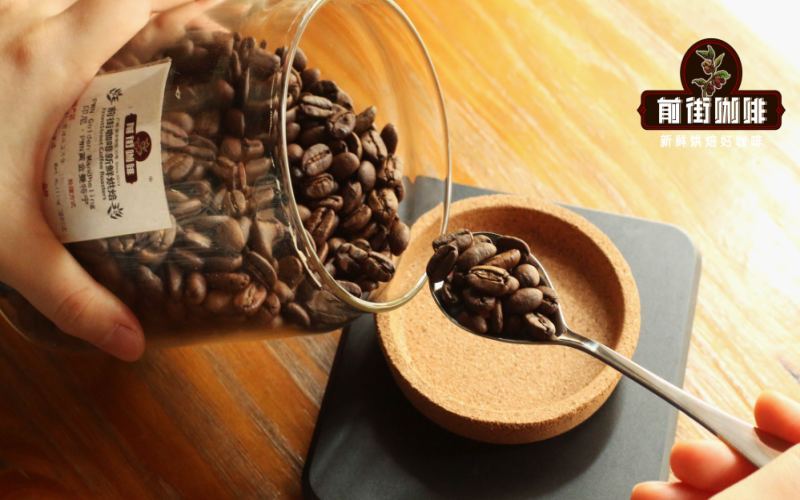
The Complete Guide to Keeping Coffee Beans Fresh: Best-By Dates, Storage Mistakes, and the Right Way to Store Them
The freshness of coffee beans directly determines the flavor performance of a cup of coffee, and whether the storage method is appropriate is the key factor affecting the freshness of coffee beans. From the professional perspective of Front Street Coffee, this article systematically sorts out the two major categories of coffee bean storage—the different precautions for green beans and roasted beans—deeply analyzes the mechanisms of the three major freshness "killers": light, high temperature, humidity, and oxygen, and provides two practical storage solutions: one-way exhaust valve packaging bags and vacuum-sealed canisters. The article will also answer how long coffee beans can actually be stored, the difference between the peak flavor period and the shelf life, why refrigeration is not recommended, and clever ways to reuse expired beans, helping coffee lovers maximize the retention of the best flavor of every bag of beans. [more…]
A Complete Guide to Coffee Bean Resting: Whether to Rest, How Long, and How to Judge Freshness
When you first buy coffee beans, you'll often hear baristas suggest letting them "rest" before brewing for better flavor. But why do coffee beans need to rest? How long should the resting period be? And how long can freshly roasted beans be stored? These questions puzzle many coffee lovers. From Front Street's perspective, this article discusses the principles behind resting beans: freshly roasted beans carry popcorn and smoky notes and are rich in carbon dioxide, which hinders extraction; resting is precisely the process that lets the gas release slowly and the flavors gradually unfold. It also shares how to judge a bean's condition by the doming during the bloom, and why, once you receive your beans, you might as well drink them while observing how they change. [more…]
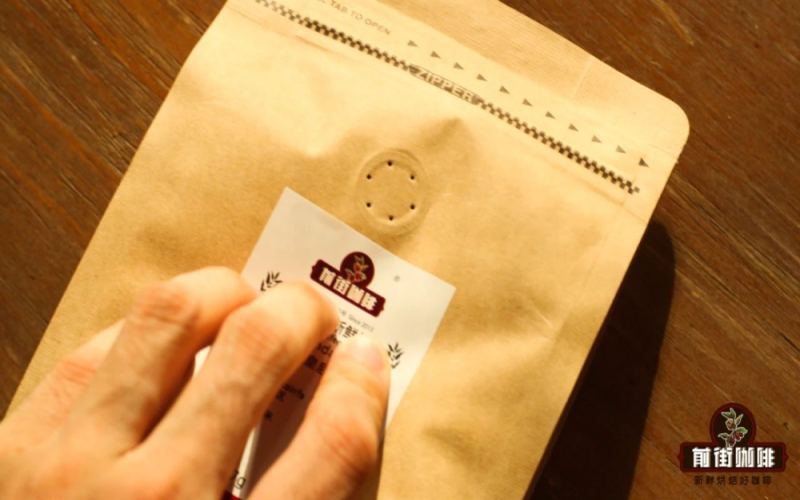
Quickly Select Fresh Coffee Beans | How to Tell If Single-Origin Coffee Beans Are Freshly Roasted? Recommended Coffee Bean Roasting Brands for Beginners
Many friends have left comments saying they don't know how to choose coffee beans, or how to tell whether the coffee beans they bought are fresh. So today, Front Street Coffee will teach you how to choose coffee beans, so that next time you buy coffee, you won't have to worry about getting beans that don't suit you or aren't fresh. Let's take a look at the most basic things you need to know when choosing coffee beans. [more…]