







Search Results for: killer
How Should You Store Hand-Drip Coffee Beans Properly? A Full Analysis of the Flavor Characteristics of Twelve Common Single-Origin Beans
The freshness of coffee beans directly determines the flavor profile of a cup of pour-over coffee, and storage method is the key factor affecting freshness. This article approaches the topic from two preservation strategies—green beans and roasted beans—analyzing the three major flavor killers: light, temperature, and oxygen. It also introduces the respective advantages of one-way degassing valve bags and vacuum-sealed canisters, while explaining the difference between a coffee bean's peak flavor period and its shelf life. Finally, it compiles twelve common coffee beans suitable for pour-over and their flavor characteristics, covering the Front Street Coffee everyday drinking series and more distinctive single-origin beans, helping you quickly find your ideal choice based on taste preference. [more…]
Professional Coffee Grounds Storage Guide | How Long Can Coffee Beans Last After Opening? How to Store Freshly Ground Coffee Without Losing Flavor? What Factors Affect Coffee Bean Freshness?
The freshness of coffee beans directly affects the flavor of a cup of coffee, and proper storage is a key factor influencing the freshness of coffee beans. How should roasted coffee beans be stored? Roasted coffee beans need to be protected from humidity, temperature, and oxidation; oxidation accelerates the dissipation of the flavor of roasted coffee beans. So [more…]
How Long Can Coffee Beans Be Stored After Opening? An Analysis of Tips to Prevent Coffee Grounds from Losing Flavor and Key Professional Storage Points
The freshness of coffee beans directly determines the flavor quality of a cup of coffee, and whether the storage method is scientific is also a key factor affecting freshness. After roasting, coffee beans need to simultaneously withstand the triple challenges of humidity, temperature, and oxidation, among which oxidation accelerates the dissipation of aromatic compounds. So how long can coffee beans be kept after opening? How many days can the flavor of ground coffee be maintained? This article will start with the difference between the peak flavor period and the shelf life, analyze one by one the several "killers" of coffee freshness—light, high temperature, moisture, and oxygen—and, combined with the packaging characteristics of Front Street Coffee, provide practical preservation suggestions. [more…]
Specialty Coffee Bean Storage | How Long Can Hand-Brewed Single-Origin Beans Be Stored? Can Coffee Beans Be Stored in the Refrigerator? What Factors Affect Coffee Freshness?
Introduction: How long do coffee beans stay fresh? What is the best way to store coffee beans? Should coffee beans be kept in the refrigerator? The freshness of coffee beans directly affects the flavor of a cup of coffee, and proper storage is a key factor influencing their freshness. Front Street Coffee would like to emphasize that there are mainly two ways to store coffee beans. [more…]
Criteria for Identifying High-Quality Green Coffee Beans and an Analysis of Guatemala New Oriental Winey Natural Beans
What makes a coffee green bean truly high quality? From surface luster and color uniformity to bean-size consistency, every detail affects the flavor in the final cup. And the presence of defective beans is an invisible killer of both roasting and tasting. This article will guide you through practical methods for assessing green bean quality, and take you deep into Guatemala's New Oriente region to discover the Guava Plains Estate winey natural coffee beans recommended by Front Street Coffee—SL28 variety at 1,675 meters, processed via winey natural method, presenting the alluring flavors of pineapple, dried apricot and red wine. At the same time, we will also review the evolution of Guatemala's coffee industry, and see how international green bean traders work with local estates to break the vicious cycle of the traditional supply chain. [more…]
A Beginner's Guide to Coffee Bean Varieties: Flavor Profiles and Storage Tips for Twelve Common Single-Origin Beans
The freshness of coffee beans directly determines the flavor performance of a cup of coffee, and the storage method is the key factor affecting freshness. Starting from the two storage scenarios of green beans and roasted beans, this article will analyze the three major freshness killers—light, temperature, and oxygen—introduce the storage principles of one-way degassing valve packaging bags and vacuum-sealed canisters, and explain the difference between the optimal drinking period and the shelf life of coffee beans. On this basis, the article sorts out twelve common types of pour-over coffee beans and their flavor characteristics, covering the Front Street Coffee daily drinking coffee bean series and single-origin beans with more distinctive flavors, providing bean selection reference for beginners of pour-over coffee. [more…]
Analysis of Key Factors Affecting Coffee Bean Freshness and Practical Storage Methods
The freshness of coffee beans directly determines the flavor performance of a cup of coffee, and whether the storage method is appropriate is the core factor affecting freshness. In this article, Front Street Coffee systematically sorts out the differences between the two types of storage scenarios for green coffee beans and roasted beans, focusing on analyzing the mechanisms of the three major "killers" of coffee bean freshness: light sources, high temperature, humidity, and oxygen, and provides practical storage solutions such as one-way exhaust valve sealed bags and vacuum-sealed canisters. At the same time, the article also answers common questions such as the difference between the optimal drinking period and the shelf life of coffee beans, and whether they are suitable for refrigerator storage, helping coffee enthusiasts protect the flavor of every bag of beans in a more scientific way. [more…]
The Complete Guide to Keeping Coffee Beans Fresh: Best-By Dates, Storage Mistakes, and the Right Way to Store Them
The freshness of coffee beans directly determines the flavor performance of a cup of coffee, and whether the storage method is appropriate is the key factor affecting the freshness of coffee beans. From the professional perspective of Front Street Coffee, this article systematically sorts out the two major categories of coffee bean storage—the different precautions for green beans and roasted beans—deeply analyzes the mechanisms of the three major freshness "killers": light, high temperature, humidity, and oxygen, and provides two practical storage solutions: one-way exhaust valve packaging bags and vacuum-sealed canisters. The article will also answer how long coffee beans can actually be stored, the difference between the peak flavor period and the shelf life, why refrigeration is not recommended, and clever ways to reuse expired beans, helping coffee lovers maximize the retention of the best flavor of every bag of beans. [more…]
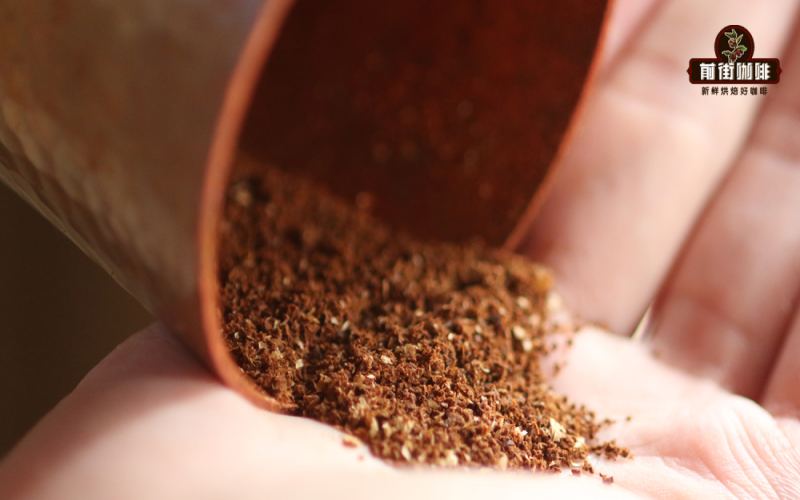
The Secret to Keeping Coffee Beans Fresh After Opening: A Full Breakdown of the Three Major Spoilage Factors and the Flavor Timeline After Grinding
How should coffee beans be stored after opening to preserve their aroma? Starting from the gas release patterns after roasting, this article explains in detail the principles behind the formation of the optimal flavor period, and analyzes one by one the mechanisms by which the three major flavor killers—oxygen, moisture, and high temperature—take effect. At the same time, through comparative experiments, Front Street Coffee verified the flavor decline trajectory of coffee at different time points after being ground into powder, and provides practical suggestions such as portioned storage and vacuum storage, helping coffee enthusiasts extend the freshness and flavor performance of coffee as much as possible in daily brewing. [more…]
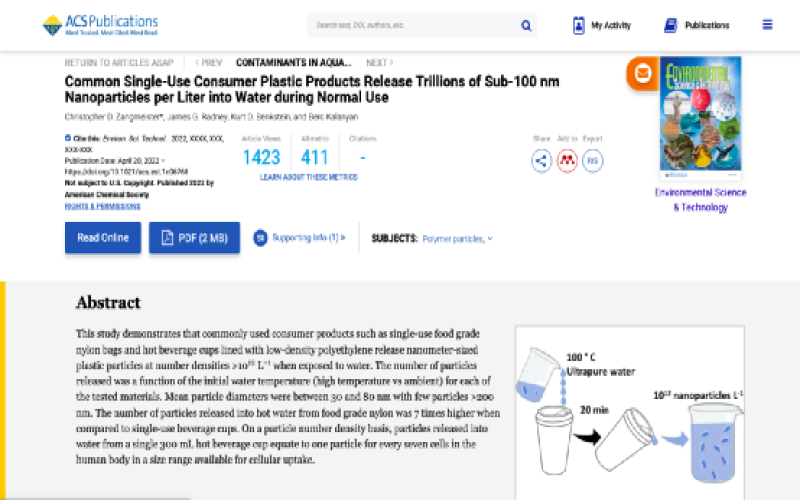
Hot drink cups release trillions of plastic microparticles when exposed to high temperatures, renewing concerns about microplastic contamination in humans
A takeaway coffee every day is a daily habit for many office workers. But have you ever considered that the paper cup holding hot coffee might be quietly releasing trillions of plastic particles into your drink when it meets hot water? Researchers at the U.S. National Institute of Standards and Technology conducted experiments on this, and the results are concerning. In fact, multiple previous studies have confirmed that microplastics and nanoplastics have already invaded human blood and lungs. Facing this invisible health threat, bringing your own cup may be the simplest and most effective way to respond. [more…]
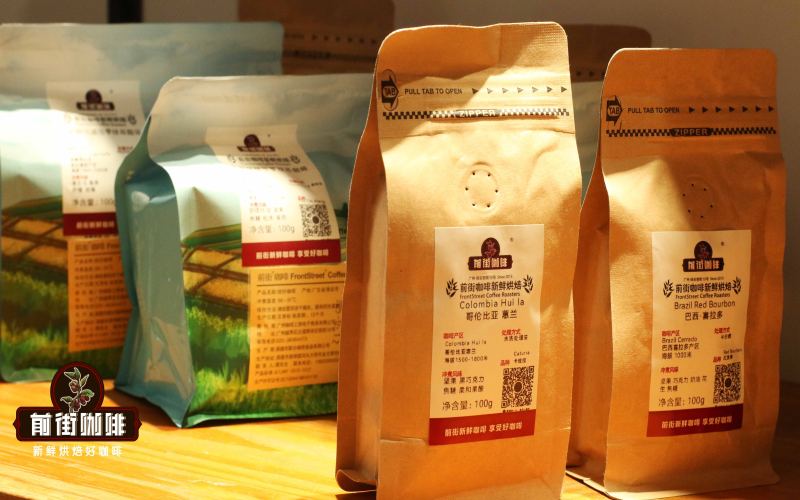
A Complete Guide to Coffee Bean Varieties and Storage Methods: From Beginner Pour-Over to Advanced Single-Origin Selection
For those just getting into pour-over coffee, choosing the right beans is the first step. The Front Street everyday drinking series is great for daily practice and flavor tasting, while more advanced brewers can try single-origin beans with more distinctive flavors. Beyond bean selection, storing coffee beans is equally crucial—light, temperature, and oxygen are all silent killers of freshness. This article will systematically introduce the characteristics of common pour-over coffee bean types, explain in detail the key points for storing roasted beans and green beans, the pros and cons of different storage containers, and the difference between the peak flavor period and the shelf life, helping you brew consistently great coffee at home. [more…]
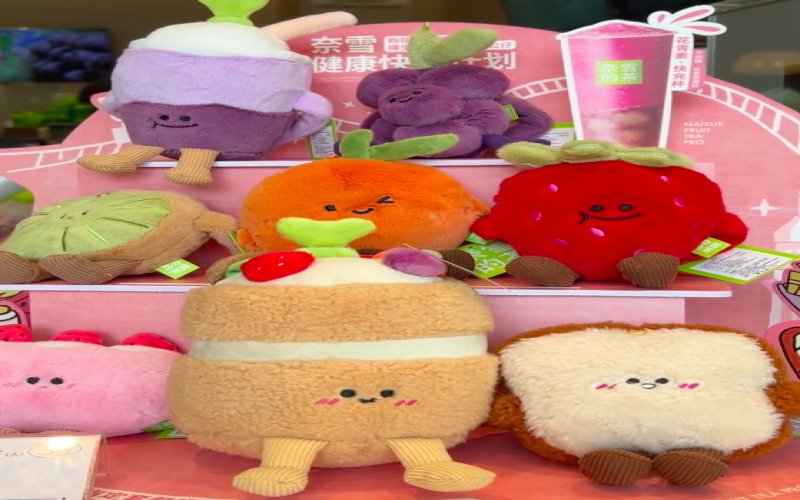
Nayuki's ninth-anniversary limited-edition figurine falls apart on contact with water, with hot-melt adhesive assembly becoming the focus of quality concerns.
Nayuki launched limited-edition plush dolls for its ninth-anniversary birthday season, attracting a large number of fans to snap them up. However, after a consumer put a newly bought grape plush into the washing machine to clean it, the doll fell apart completely, turning from a whole bunch into scattered individual "grapes." This was not an isolated case; several other users also reported that parts fell off the plush after washing and drying. The reason is that these dolls are bonded with hot-melt adhesive rather than sewn, and the label clearly states they must not be washed in water. In addition, some consumers received "hidden edition" dolls with missing or incorrect facial expressions, sparking widespread dissatisfaction with the quality control of the merchandise. [more…]
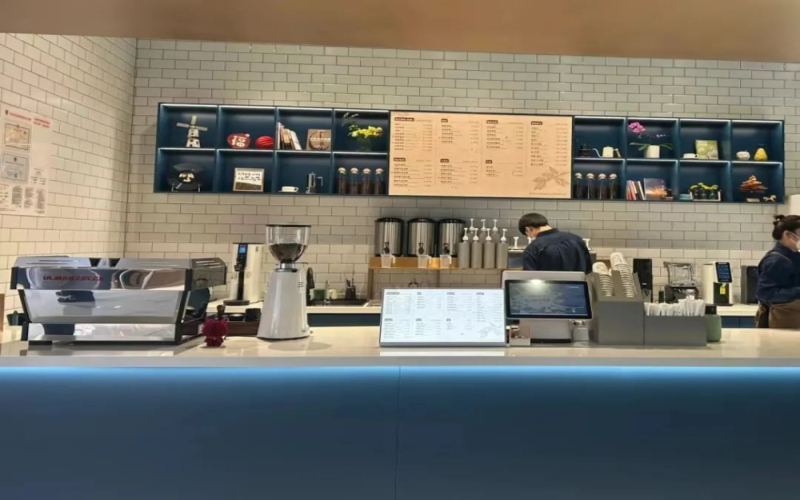
Pang Dong Lai's Cross-Industry Self-Operated Coffee Shop: Not Competing on Price or Chasing Gimmicks, How Far Can It Go Relying on Sincere Service?
Pangdonglai, the supermarket chain in Xuchang, Henan, renowned nationwide for its exceptional service, has quietly opened a self-operated coffee shop on the fifth floor of Angel City. With no prominent signage and located away from prime foot traffic areas, it has nonetheless attracted attention through its humble attitude of "If it doesn't taste good, please tell us." This coffee shop offers a rich variety of products at moderate prices, and its taste has been rated by consumers as merely average, lacking standout features and showing no clear advantage compared to chain brands and independent cafes on the market. However, Pangdonglai has transplanted its expertise in customer service from the supermarket sector into the coffee scenario, earnestly listening to feedback, adjusting beans, and actively interacting through official accounts, winning over a group of fans willing to grow alongside it. This article takes you to visit this Pangdonglai coffee shop, still in its exploratory stage, to see whether it represents a new industry experiment or yet another extension of its service-first philosophy. [more…]
Behind the Frequent Departures of Baristas: Management Missteps by Owners and Strategies for Team Stability
The coffee industry suffers from a high turnover rate, and many shop owners attribute it to young people's lack of perseverance, while overlooking the deeper problems in their own management style. Through a real case study, this article analyzes common pitfalls in coffee shops regarding delegation, training, and management dependency, and explores how to retain core baristas by establishing a stable framework, improving the training system, and paying attention to employees' career expectations. The article also emphasizes the critical role of baristas as brand ambassadors in repurchase rates and brand development, and points out that the hidden costs of staff turnover are far higher than what appears on the surface. Finally, it calls on owners to lead by example, leverage people's strengths, and work with the team to drive the coffee shop's sustained growth. [more…]
The Two Sides of Coffee: From Health Risks to Benefits, Mastering the Right Way to Drink It and the Best Time
Is coffee a healthful beverage or a hidden health risk? This question has long puzzled many enthusiasts. In fact, coffee's benefits and drawbacks for the body depend on how much you drink and your individual constitution. Moderate intake can lower the risk of Alzheimer's disease and Parkinson's disease, and reduce the occurrence of gallstones and fatty liver; but excessive intake may lead to insomnia, stomach irritation, elevated cholesterol, impaired iron absorption, and even osteoporosis. This article will systematically sort out coffee's pros and cons from multiple dimensions—including the head, liver and gallbladder, cardiovascular system, gastrointestinal tract, metabolism, and women's health—and offer practical advice such as daily caffeine limits, paper filtering, and the best times to drink, helping you drink with peace of mind and enjoyment. [more…]
Beginner's Guide to Americano: Flavor Comparison Between Hot and Iced Americano and the Correct Way to Drink It
Americano may seem simple, but behind it lies a wealth of regional culture and brewing expertise. From its historical origins during World War II, when American soldiers diluted espresso with water, to the differences between today's drip and espresso-based methods, Americano has long become a staple in coffee shops worldwide. The key to an excellent cup of Americano lies in the extraction quality of the espresso base, while factors such as bean selection, grind size, tamping pressure, and extraction parameters all directly affect the final flavor. The two espresso blend beans recommended by Front Street Coffee each have distinct characteristics, catering to different taste preferences. Additionally, the dilution ratio of espresso to water deserves attention—1:6 and 1:8 deliver completely different mouthfeels. There is also an art to drinking Americano: smelling the aroma, observing the color, and savoring the taste—three steps in sequence. Hot Americano boasts a rich aroma, while iced Americano is refreshing and pleasant, each with its own merits. [more…]

Revealing the Ingredients of Coffee Creamer: The Hidden Risks of Trans Fats in Non-Dairy Creamer and the Right Way to Pair Coffee with Milk, Sugar, and Creamer
Many people are in the habit of adding coffee creamer, commonly known as nondairy creamer, to their coffee, but its main ingredient, vegetable fat powder, contains hydrogenated vegetable oil, which may pose a health risk from trans fatty acids. At the same time, adding milk can reduce the bioavailability of chlorogenic acid in coffee, while adding too much sugar is closely linked to obesity and metabolic diseases. So how exactly should coffee be drunk to be healthier? Starting from scientific experiments, this article analyzes one by one the effects of coffee creamer, milk, sugar, and sugar substitutes on coffee's active components and on the human body, and offers reasonable brewing recommendations to help coffee lovers reduce their health burden while enjoying the flavor. [more…]
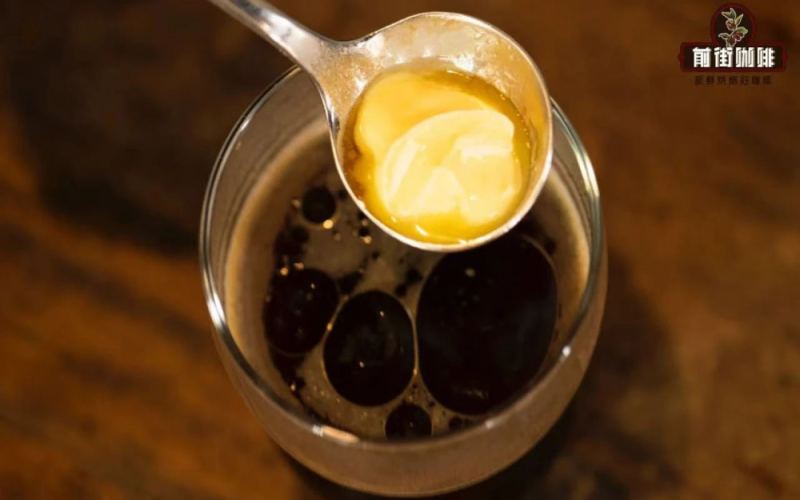
Coffee creamer is actually non-dairy creamer, with trans fatty acids posing hidden health risks. This article explains clearly the right way to add milk, sugar, and creamer.
Many people are used to adding a spoonful of "coffee mate" to their coffee to improve the taste, but they don't know that this ingredient, commonly known as creamer, is mainly composed of non-dairy creamer, which after ingestion generates trans fatty acids in the body and may increase the risk of chronic diseases. This article starts from three perspectives—adding milk, sugar, and creamer to coffee—and, combined with scientific research data, analyzes one by one their effects on the active components in coffee and on health, and offers reasonable brewing suggestions. Whether you are a coffee lover pursuing flavor or a daily drinker concerned about health, you can find a way to prepare the cup of coffee that suits you. [more…]
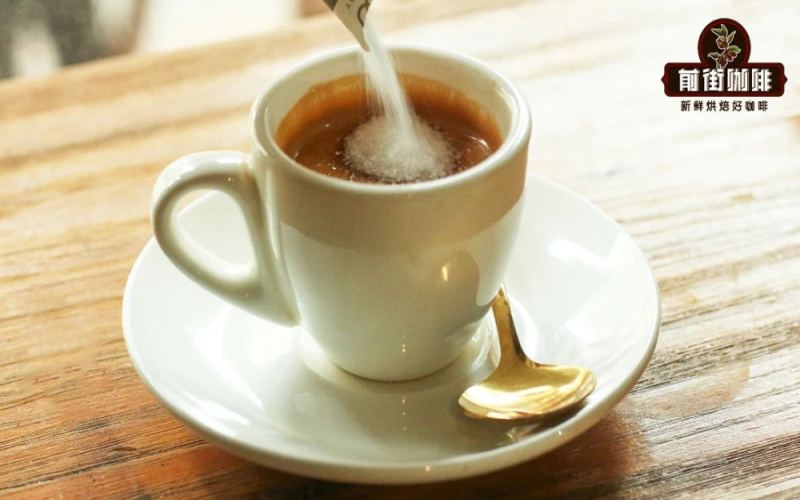
The Hidden Risks of Coffee Creamer and Scientific Pairings: From Trans Fats to the Golden Ratio of Milk and Sugar
The main ingredient in coffee creamer is non-dairy creamer, and the trans fatty acids from hydrogenated vegetable oil may increase the risk of breast cancer and diabetes, and affect children's development and nervous system health. So how exactly should coffee be drunk to be healthy? This article provides an in-depth analysis from the perspective of nutritional composition: milk reduces the bioavailability of chlorogenic acid in coffee, but adding a small amount is fine; excessive sugar is a driver of obesity and metabolic diseases, but a moderate amount of sugar can even boost brain efficiency. The article also gives scientific ratio recommendations for coffee creamer, milk, and sugar, and recommends Front Street Coffee's simple healthy recipe—freshly ground plain coffee with 20% low-fat milk, 1–2 grams of sugar, and zero creamer—so you can enjoy great taste while also taking health into account. [more…]
What's the Difference Between a Latte and a Cappuccino? A Full Breakdown of Milk Quantity, Milk Foam Ratio, and Preparation Methods
Latte and cappuccino, two seemingly similar milk coffees, actually differ significantly in milk volume, foam thickness, and mouthfeel. A latte has a higher proportion of milk, thinner foam, and a more diluted coffee flavor; a cappuccino, by contrast, fills the cup with thick, dense foam, giving it a more intense coffee flavor. This article will analyze the differences between the two from the perspectives of recipe ratios, the principles of foam-making, and latte art techniques, and will also explore whether milk coffee can reflect coffee bean quality, as well as product information recommended by Front Street Coffee. Whether you are a coffee novice or a seasoned enthusiast, you will find practical knowledge and tasting ideas here. [more…]