







Search Results for: Coffee aroma
Why Strawberry and Peach Notes Are Hard to Capture in Pour-Over Coffee and How to Adjust High-Temperature Fast-Extraction Parameters
Many coffee enthusiasts are often puzzled when tasting pour-over: why are fruity notes like citrus and pineapple easy to identify, while the sweet aromas of strawberry and peach always seem veiled? Front Street approaches this from the perspective of aroma chemistry composition and concentration differences, revealing the fundamental reason these fresh fruit notes are hard to capture—authentic strawberry aroma is presented through the synergy of over three hundred volatile compounds, while coffee contains only a small amount of similar components. The article proposes two paths to solve this: first, training the sense of smell to capture secondary aroma contours beyond the primary notes; second, amplifying target flavors through high-temperature fast extraction and appropriately diluting the coffee-to-water ratio in brewing strategy. Front Street also lists several sun-dried bean options with peach and strawberry notes, and using Ethiopia Hamashu as an example, provides complete brewing parameters and tasting records. [more…]
Where Does Coffee Aroma Come From: A Brief Discussion of the Chemical Components and Reaction Mechanisms Behind Roast Flavor
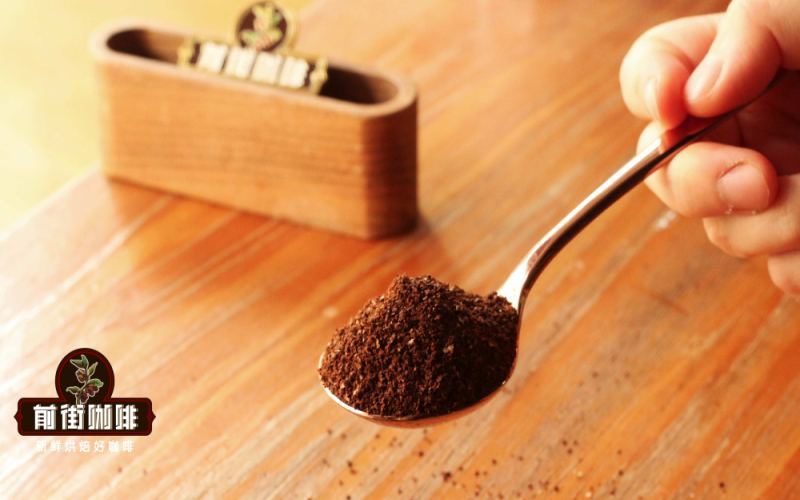
The allure of coffee often begins with that intoxicating whiff of aroma. Many people, even if they don't drink coffee regularly, are drawn to the dry fragrance released the moment the beans are ground. At Front Street Coffee's stores, we frequently encounter customers like this—who prefer the dry aroma of coffee grounds and the wet aroma of the brewed liquid over the taste on the palate. So, what exactly makes up coffee's aroma? And what reactions occur during roasting? This article will explore the over thousand volatile compounds in coffee, categorized into the enzymatic, caramelization, dry distillation, and defect groups, to analyze the difference between dry and wet aromas, and discuss why coffee often smells better than it tastes, guiding you to rediscover the flavors in your cup from both olfactory and gustatory perspectives. [more…]
Why Is Coffee Floral Aroma So Hard to Detect? Explaining the Causes of Floral Aroma, Three Major Aroma Types, and Sensory Identification Training Methods
Many coffee enthusiasts, when brewing beans with prominent floral and fruity notes, can capture the floral aroma right from the grinding stage, but some people are never able to perceive this flavor. Where exactly does the floral aroma in coffee come from? Why are some people sensitive and others dull to it? Starting from Front Street's brewing experience, this article sorts out the compound sources of floral aroma and the influence of roasting, introduces the three major floral aroma categories in the coffee flavor wheel—delicate/fresh, subtle/elegant, and muted/heavy—along with their representative flowers, and shares a practical method for practicing floral aroma recognition with the help of sinus perception, to help you more accurately capture that fleeting fragrance in coffee. [more…]
Where do the red wine and whiskey aromas in coffee come from? How do cold brew, ice drip, and iced coffee present fruit wine flavors
In coffee flavor descriptions, wine-inspired terms such as red wine, champagne, and whiskey are common, and many consumers wonder: does coffee contain alcohol? Can you drive after drinking it? In fact, these wine-like aromas come from the aromatic molecules in the coffee itself, not from added alcohol. From the perspective of Front Street, this article systematically sorts out the sources of wine-like aromas in coffee, focusing on the effects of processing methods, roast level, and extraction method on the expression of wine-like aromas, and explains why cold brew, ice drip, and iced brewed coffee can present fruity wine flavors. At the same time, readers are reminded to distinguish between black coffee and specialty coffee drinks, to avoid the risk of drunk driving caused by alcohol contained in specialty coffee drinks. [more…]

A Guide to Improving Coffee Flavor Perception: A Complete Analysis from Using the Flavor Wheel to the Mechanisms of Aroma Discrimination
The world of coffee flavor is richly layered, but many people can only taste sourness and bitterness, struggling to capture those stunningly delicate aromas. To truly appreciate the value of an expensive cup of coffee, you need to systematically train your flavor perception. From the perspective of Front Street, this article breaks down the composition of coffee flavor—how taste and aroma combine—explains in depth the chemical makeup and volatile characteristics of coffee aroma, and introduces the two mechanisms by which the human body perceives aroma: orthonasal and retronasal olfaction. At the same time, the article details how to use the Super Clear Flavor Wheel to make abstract flavors concrete, and how to gradually build a personal aroma memory bank by drinking more, smelling more, and feeling more, ultimately improving your precision in discerning coffee flavors. [more…]
Why Does Coffee Aroma Matter More Than Taste? A Comprehensive Analysis from Pour-Over Extraction to Front Street Coffee's Huakui Flavor
Many people are drawn in by the aroma of coffee, yet find that the flavor once it hits their palate is not as enchanting as it smells. This gap—"smells great, tastes bland"—is in fact closely tied to the more than 1,200 volatile aromatic compounds in coffee, the difference between dry and wet aromas after grinding, and the way retronasal olfaction perceives flavor. Starting from customer feedback at Front Street Coffee's shops, this article sorts through the four major aroma categories—enzymatic, caramelized, dry-distillation, and defective—and explains why a gap exists between coffee's aroma and its taste experience. Front Street then brews the 2025 new-crop natural Hambela Guji using 15 grams of grounds, a 1:15 coffee-to-water ratio, 91°C water, and a three-stage pouring method, and introduces the background of this champion bean from Ethiopia's Hambela, guiding you through the complete, true flavor of a cup of pour-over coffee. [more…]
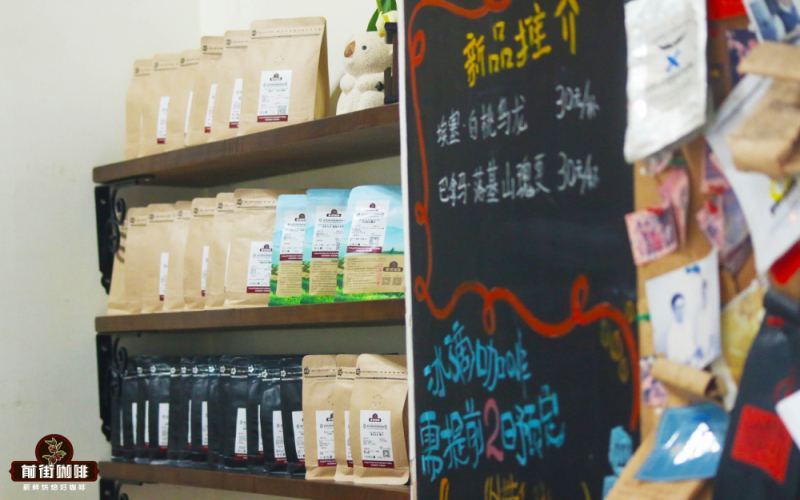
Flavor Characteristics of Major Coffee Regions Around the World: A Guide to Tasting Profiles and Mouthfeel from Africa to the Americas
Even different plots within the same estate can produce coffees with distinct flavors, let alone major regions spanning continents. The three great specialty coffee belts—Asia, Africa, and Central & South America—nurture vastly different flavor profile characteristics due to terroir differences: Ethiopia's floral and citrus notes, Indonesia's rich herbal undertones, and Central America's balanced chocolate character, each with its own following. Before deciding to put a coffee on the shelf, Front Street Coffee repeatedly roasts and cups samples from each region, selecting the most representative lots before recommending them to consumers. This article systematically organizes the flavor characteristics and taste descriptions of major coffee-producing countries worldwide, covering Ethiopia and Kenya in Africa; Indonesia and India in Asia; Guatemala, Costa Rica, and Panama in Central America; and Colombia and Brazil in South America, providing coffee lovers with a complete flavor profile reference. [more…]
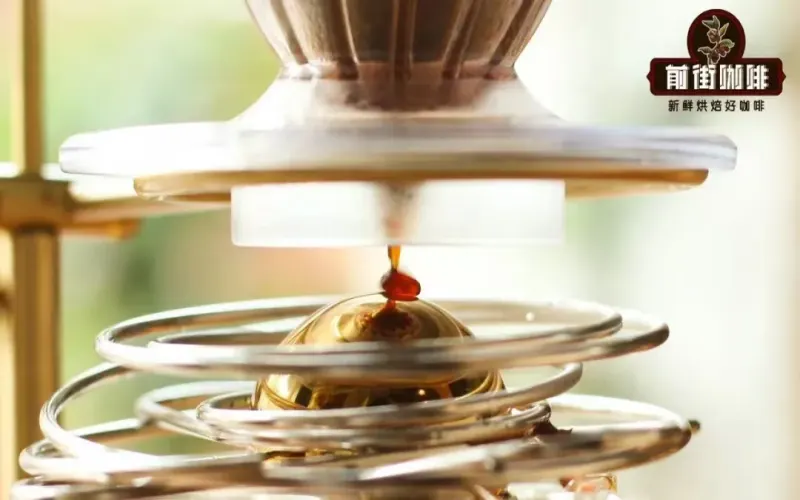
How do you use the Paragon小金球 for pour-over coffee? An analysis of the actual effects and key operating points of the rapid-cooling aroma-locking method.
In the past two years, a coffee processing method called "rapid chilling to lock in aroma" has become popular in competitions and among enthusiasts, shared and promoted by Sasa Sestic, with the core tool being the Paragon chiller ball. It works by rapidly lowering the temperature of the coffee liquid to slow down aroma volatilization, theoretically preserving more flavor. But how effective is it really? Why do most competitors only rapid-chill the first portion of the coffee liquid? Front Street conducted a comparative test using a pour-over of Huakui and a Strawberry Candy espresso, and found that the aroma difference in the pour-over group was not obvious, while the espresso group showed mouthfeel differences due to temperature changes. This article will break down in detail the principle of rapid chilling to lock in aroma, the results of the comparative experiment, and the two major reasons for only chilling the first half, helping coffee enthusiasts view this technique rationally. [more…]
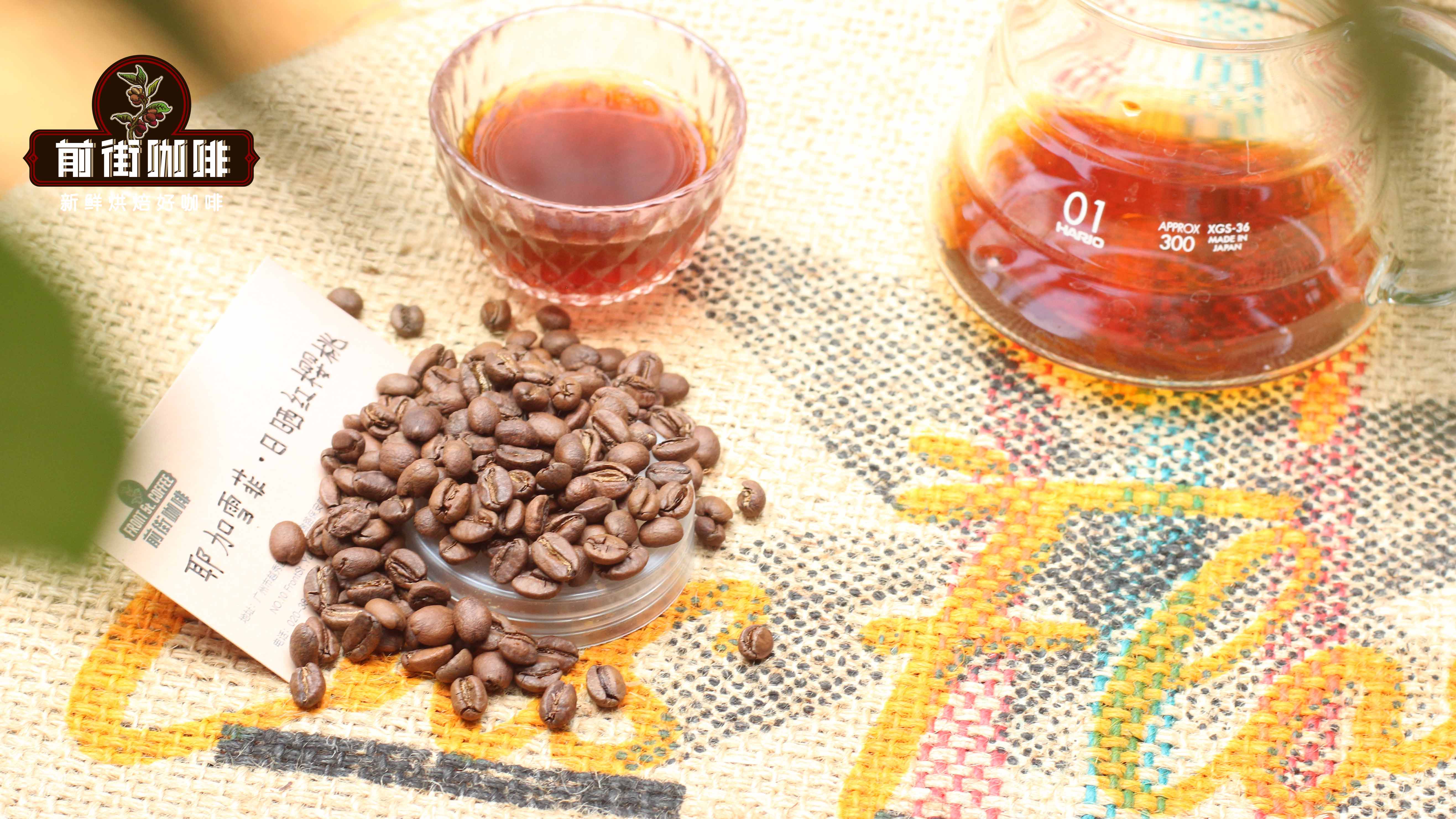
Pour-over espresso has a rich aroma but tastes bitter on the palate? Analyzing the difference between smelling and tasting from a sensory mechanism perspective
Many coffee enthusiasts, when grinding and brewing specialty coffee, are drawn in by alluring aromas like strawberry, jasmine, citrus, and honey, yet after one sip, they often taste pronounced bitterness and acidity, a far cry from the expected sweetness. This phenomenon of smelling fragrant but tasting bitter actually stems from the different sensory systems we engage when smelling versus tasting. This article, starting from this topic often discussed at Front Street, will analyze in detail the mechanisms of orthonasal and retronasal olfaction, explain the changes in aroma compounds within the oral cavity, and why the impact of taste overshadows aroma perception. At the same time, we will also share a simple and practical tip—closed-mouth exhale—to help you capture richer layers of aroma after swallowing coffee, and demonstrate flavor expression with practical examples. [more…]
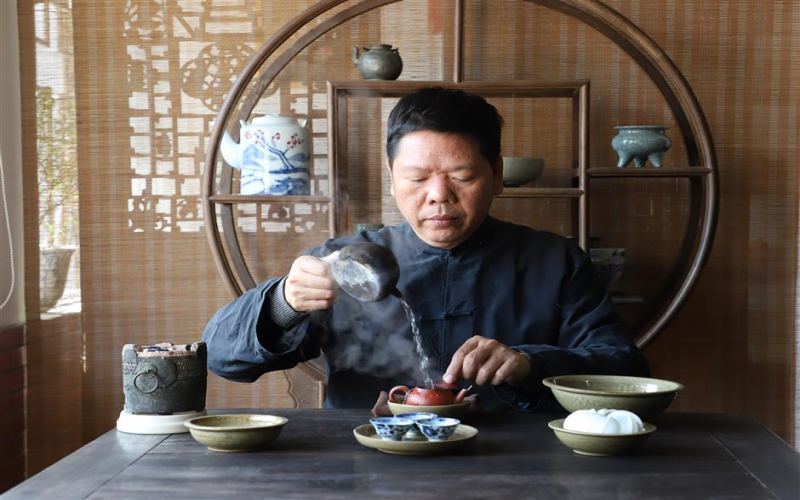
Does Duck Shit Aroma Dancong Oolong Tea really smell like duck shit? Exploring the origin of its name, processing techniques, and unique qualities
Duck Shit Aroma—a tea with a rather unconventional name—often sparks curiosity: does it really smell like duck droppings? And what connection could it possibly have to cat shit coffee? In fact, Duck Shit Aroma is one of the most richly fragrant varieties of Phoenix Dan Cong oolong tea, and behind its name lies an intriguing story. This article will guide you through the origins of the name Duck Shit Aroma, its unique growing environment and characteristics, the six processing steps from picking to finished tea, and how to perfectly brew it in a gaiwan so you can savor its intertwined aromas of almond, flowers, and fruit with a long-lasting sweet aftertaste. If this tea sparks your interest, why not give the Duck Shit Aroma recommended by Front Street Coffee a try and experience the fascinating contrast between its name and its true character. [more…]
How to Describe Coffee Flavors? A Comprehensive Analysis of Flavor Characteristics of Major Coffee-Producing Countries and Regions Worldwide
Even coffee from different plots within the same estate can vary in flavor, let alone regions spanning different countries. The three major specialty coffee regions—Asia, Africa, and the Americas—each display distinctly different regional characteristics due to their unique terroir. Ethiopia's floral and citrus notes and the rich, full-bodied character of Asian coffees each have their own following. When recommending single-origin beans to customers, Front Street Coffee matches them based on taste preferences—those who prefer acidity can choose Front Street Kenya Small Tomato or Front Street Yirgacheffe, while those who enjoy a full-bodied cup can try Front Street Jamaica Blue Mountain or Front Street Golden Mandheling. Front Street currently offers more than 200 specialty coffee beans, and every bean has undergone repeated roasting tests and cupping screenings, only being recommended to consumers after confirming it is representative of its region. The following content is a coffee flavor guide compiled by Front Street after multiple rounds of roasting and cupping of common coffee regions around the world. [more…]
Why Do Coffee, Tea Aromas, and Floral Notes Always Go Together? Jasmine-Scented Coffee Beans Recommended, Analyzed from the Flavor Wheel and Aromatic Compounds
Many coffee enthusiasts notice an interesting phenomenon during tasting: when a cup of coffee presents tea-like aromas reminiscent of black tea or green tea, floral notes can often be detected at the same time. This is no coincidence—tea and floral aromas largely overlap at the molecular level. This article starts with the new flavor wheel shared by Front Street Coffee, combines it with a scientific analysis of aromatic compounds in tea, explains why black tea is classified under the "floral" category, and further sorts out the floral compounds commonly found in green tea, black tea, and oolong tea, such as cis-methyl jasmonate, β-ionone, β-damascenone, nerolidol, and more. Once this pattern is understood, it can also become a useful trick for capturing coffee flavors. At the end, Front Street Coffee will recommend several coffee beans that easily express tea and floral notes, including Boquete Geisha, Yirgacheffe Gudingding, and Colombia Walking Geisha, and explain how origin, altitude, processing method, and roast level affect flavor expression. [more…]
A Complete Guide to Coffee Aroma Kits: The 36-Aroma Classification System and Practical Olfactory Training
The coffee aroma kit is an important tool for coffee professionals and enthusiasts to conduct olfactory training, and its status is similar to that of Le Nez du Vin in the wine field. Currently, mainstream products include the 36-note Le Nez du Cafe produced by Edition Jean Lenoir in France, and the 100-note Coffee Flavor Map launched by Scentone in South Korea. The SCAA certification course uses the 36-note version, which divides aromas into four major groups, covering enzymatic, caramel, dry distillation, and defective groups. It not only helps memorize specific flavors but also reveals the patterns of flavor evolution during the coffee roasting process. This article will list the 36 aromas one by one, explain in detail the logic of the four major categories, and share specific methods for daily olfactory training, including how to use Front Street Coffee's freshly ground coffee powder for dry aroma and wet aroma comparison exercises, so as to effectively improve flavor discrimination ability. [more…]
Pour-Over Coffee Floral Extraction Guide: Causes of White Floral Flavors and Brewing Techniques for Geisha Beans
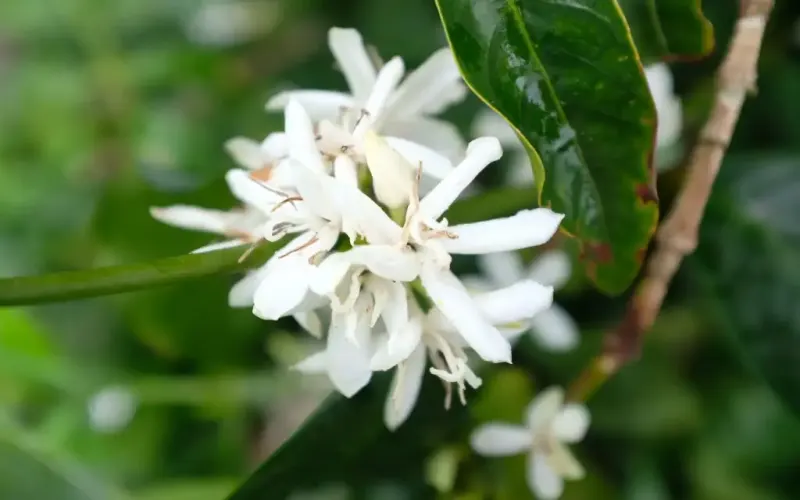
Many coffee enthusiasts buy coffee beans with floral descriptions, yet when they brew and taste them, they often can't find the expected floral aroma. This is not an illusion—it's because floral aromas are low-polarity flavor molecules that are both difficult to extract and easily masked by other flavors. Starting with the sources and types of coffee floral aromas, this article explains why roast level affects how well floral notes are retained, and, drawing on relevant conclusions from SCA research, introduces how to make white floral notes emerge more clearly by adjusting brewing parameters such as the coffee-to-water ratio and pouring technique. The article also uses the Ethiopian Gold Label Geisha recommended by Front Street Coffee for a brewing experiment, sharing a specific three-pour routine and the tasting results. [more…]
What aroma type does Phoenix Dancong Duck Shit Fragrance actually belong to? Does it really have a duck shit smell?
Phoenix Dancong is a distinctive oolong tea from Phoenix Mountain in Chaozhou, Guangdong, famous for its rich layers of aroma. Tea lovers often wonder: what exactly is the aroma type of Duck Shit Dancong? Does it really contain the smell of duck feces? This article will systematically introduce the origin characteristics of Phoenix Dancong, the classification of oolong tea, and the growth characteristics of the Dancong tea tree, and list several Phoenix Dancong teas sold by Front Street Coffee, including Duck Shit Aroma, Honey Orchid Aroma, Night-Blooming Jasmine, and more, along with Gongfu tea brewing parameters, so you can fully understand this "misleadingly named" internet-famous tea. [more…]

Where Does the Wine Aroma in Coffee Come From? Does Single-Origin Black Coffee Contain Alcohol? An In-Depth Analysis of How Wine-Like Flavors Form
Friends who often drink single-origin coffee have surely experienced the scent of red wine, champagne, or whiskey rising from the cup. These boozy aromas are already commonplace in specialty coffee. But many people new to coffee worry: after drinking a cup of coffee with a strong wine flavor, can I still drive? The answer is that there is no need to worry—pure single-origin black coffee contains no alcohol. So where exactly does this wine aroma come from? In fact, it follows the same logic as strawberry flavor coming from strawberry aroma and orange flavor coming from orange aroma—after roasting, coffee beans generate certain aroma compounds identical to those found in alcoholic beverages, and together with the assistance of taste and mouthfeel, this creates a wine association in our minds. It is worth noting that not every coffee can present a wine aroma; this is closely related to the coffee's growing environment, varietal genetics, and subsequent processing methods. This article will systematically sort out the ins and outs of wine-like flavors in coffee, from the causes of the aroma to the factors of cultivation and processing. [more…]
Which flowers are the white floral notes in coffee actually derived from? Which pour-over beans have the most prominent floral expression?
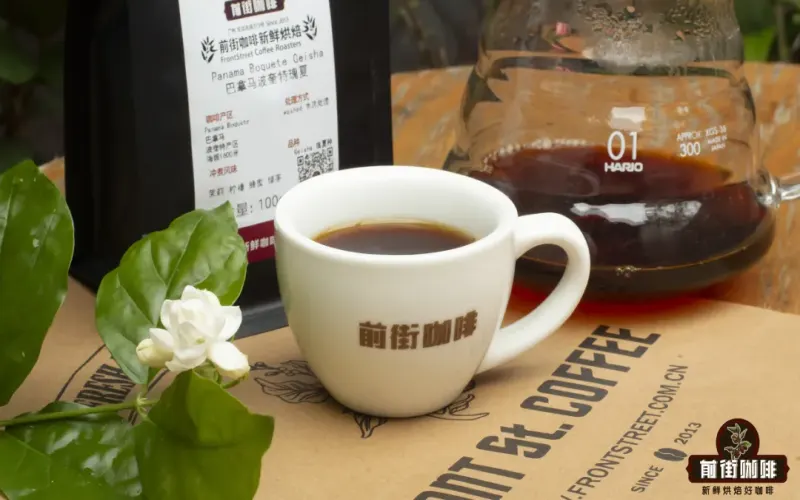
The white floral aroma in coffee isn't actually from added flowers; rather, coffee itself contains the same aroma molecules found in certain flowers, which we perceive through retronasal olfaction. However, for those new to coffee, clearly identifying such flavors isn't easy. This article will start from the mechanisms of smell, explain the sources of white floral aromas, and share methods to enhance flavor perception. At the same time, we'll also recommend two pour-over beans with particularly intense floral aromas—Front Street Panama Boquete Geisha and Front Street Yirgacheffe Gotiti—which will let you easily experience the captivating white floral notes. [more…]
Is the aroma kit worth buying? A complete guide to the 36-note Coffee Nose: price, uses, and training methods
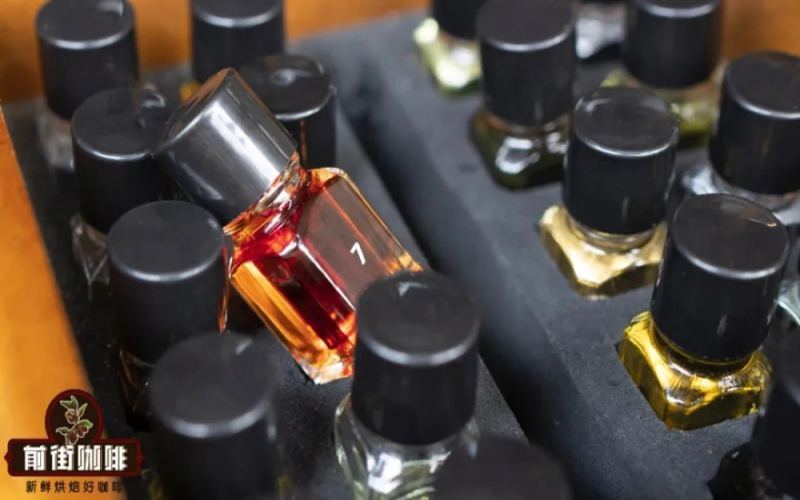
For those who want to systematically train their coffee senses, aroma kits are often mentioned, but their price tag of several thousand yuan also makes people hesitate. This article focuses on the 36-note "Coffee Nose" kit, introducing the origins and evolution of aroma kits, their use in SCA courses, and detailing the specific flavors in the four major categories: enzymatic, caramelization, dry distillation, and defective. It also shares methods of use, from memorizing by category and group blind testing to mixed blind testing, helping beginners calibrate their sense of smell and taste. At the end, Front Street also offers rational advice: an aroma kit is not a necessity—smelling more, drinking more, and feeling more is what really matters. [more…]
Exploring Coffee Floral Aromas: Three Major Aroma Types and Flavor Analysis of Representative Coffee Beans
The aromatic world of specialty coffee is intricate and diverse, and floral notes are one of its most captivating elements. But with such a wide variety of floral aromas, how can we tell whether a cup of coffee has floral notes, and which type they belong to? Starting from the coffee flavor wheel, this article groups floral notes into three main categories: the fresh type represented by jasmine, the subtle type represented by rose, and the muted type represented by chamomile, and analyzes the characteristics and representative floral varieties of each. At the same time, drawing on three coffee beans—Front Street Yirgacheffe Guddina, Front Street Natural Hualkui, and Front Street Costa Rica Mozart—it explains the flavor expression of coffees with different floral types, helping coffee lovers capture and identify floral notes more accurately during tasting. [more…]
A Complete Guide to Tasting Mandheling Coffee: A Practical Guide to Aroma, Taste, Flavor, Mouthfeel, and Aftertaste
Tasting a cup of coffee is not mysterious. As long as you follow a systematic method, you can accurately judge its quality and fluently describe your impressions. From the perspective of Front Street, this article breaks coffee tasting into five steps—aroma, taste, flavor, mouthfeel, and aftertaste—and explains the key points and descriptive techniques for each stage one by one. It then uses PWN Golden Mandheling as an example to show how to apply this method to the tasting practice of a specific coffee, helping readers fully master the appreciation logic of Mandheling coffee from aroma to aftertaste. [more…]