







Understanding How Smell and Taste Shape Your Coffee Experience
Many coffee enthusiasts notice that floral coffee beans and other specialty coffees smell sweet and fruity. Yet after brewing, the cup tastes bitter or sour. This difference between aroma and fragrance in coffee comes from two separate sensory paths. Smelling happens through the nose, while drinking involves the mouth and throat. Aromas you notice before sipping are not the same ones you perceive while tasting.
During sipping, volatile compounds travel from the mouth to the nasal cavity, a process called retronasal olfaction. Taste and touch then mix with these aromas. Bitterness and acidity can mask sweet scents, so the cup feels less fragrant. A simple tip is to exhale slowly with your mouth closed after swallowing. This pushes aroma back through your nose, helping you catch more layers in your coffee.
Many coffee enthusiasts, when grinding and brewing specialty coffee, are drawn in by alluring aromas like strawberry, jasmine, citrus, and honey. Yet, upon taking a sip, they often encounter a pronounced bitterness or acidity that is far from the anticipated sweetness. This phenomenon—smelling fragrant but tasting bitter—actually stems from the different sensory systems we engage when smelling versus drinking. This article, building on a topic often discussed at Front Street, will delve into the mechanisms of orthonasal and retronasal olfaction, explain how aroma compounds change in the oral cavity, and why taste impacts can overpower aroma perception. We will also share a simple and practical tip—exhaling with a closed mouth—to help you capture richer layers of aroma after swallowing coffee, illustrated with real examples of flavor expression.
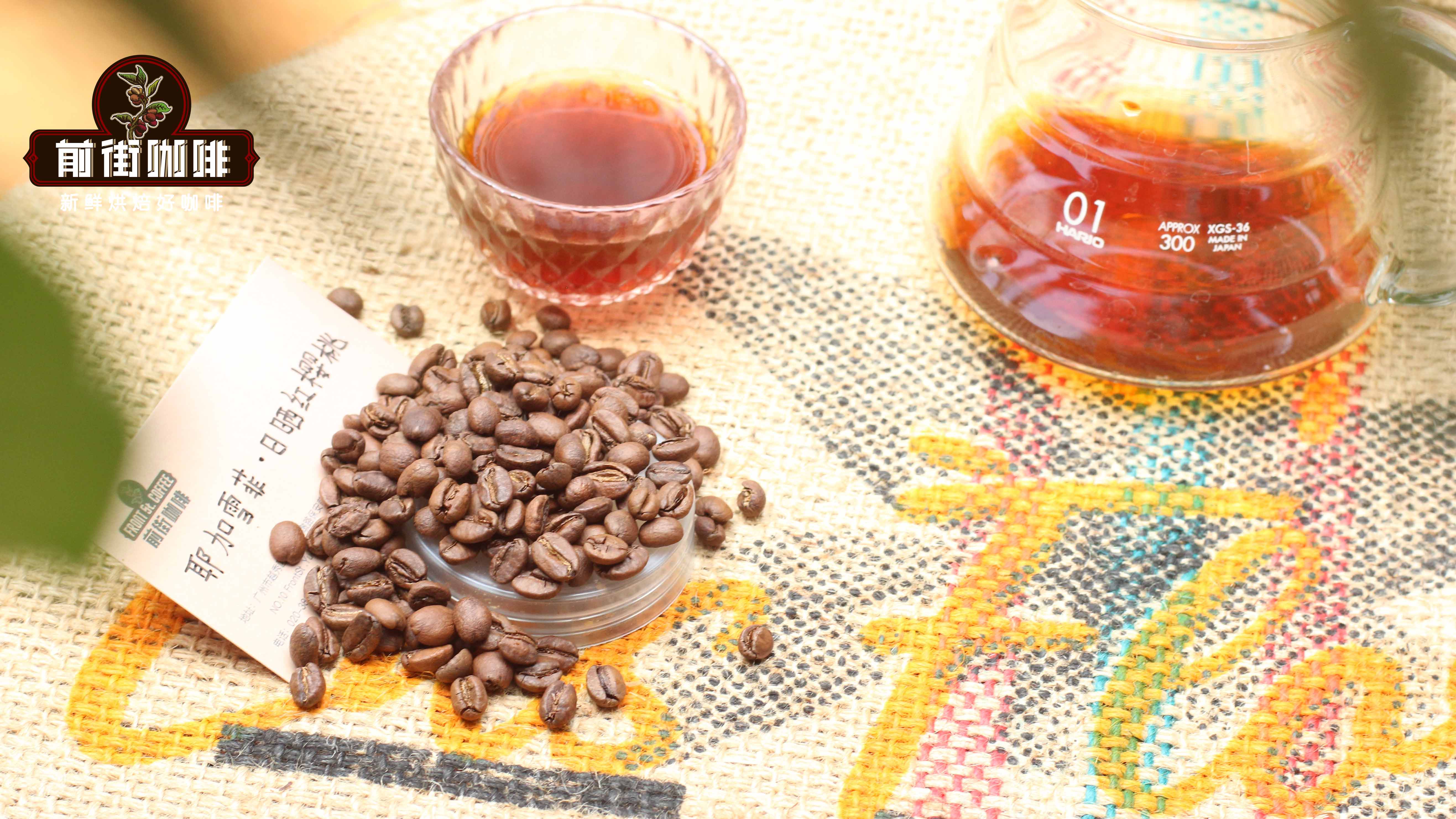
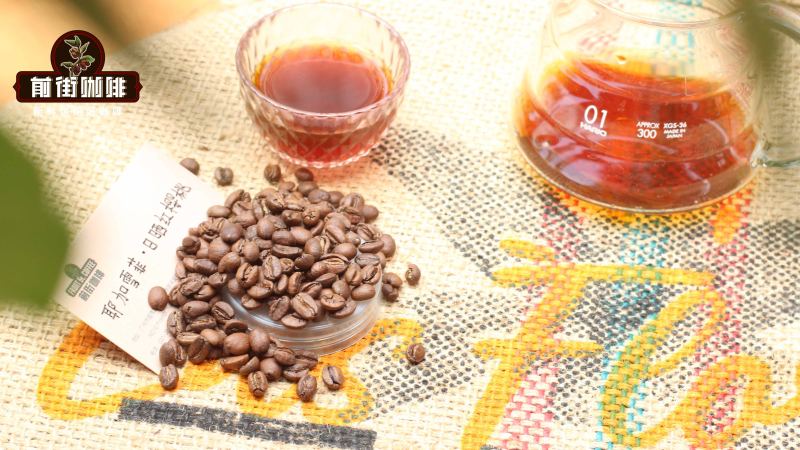
Strawberry, jasmine, lavender, citrus, grape, apricot, mango, honey... These aromas are frequently detectable when we grind coffee beans or brew coffee. If you are a newcomer to specialty coffee, chances are you will be deceived by such an "illusion"!
These aromas spark the imagination, leading us to envision how sweet this cup of coffee must taste. Then, after downing a mouthful, you will likely exclaim with a contorted face, "Help! Why does this coffee taste so bitter? It's nothing like what I smelled!"
This is a topic frequently shared at Front Street, as friends often engage in this discussion when buying beans at Front Street's physical stores. Why doesn't coffee taste as fragrant as it smells? Why does coffee smell fragrant but taste bitter?
It's simple: the senses we use for "smelling" and "drinking," as well as what those senses encounter, are different! The sense relied upon for "smelling" is primarily olfaction, while for "drinking," we use not only olfaction but also taste, touch, and other senses.
Different senses allow us to perceive different things. Setting that aside for now, although we can perceive aroma when both smelling and drinking, what we smell can also differ.
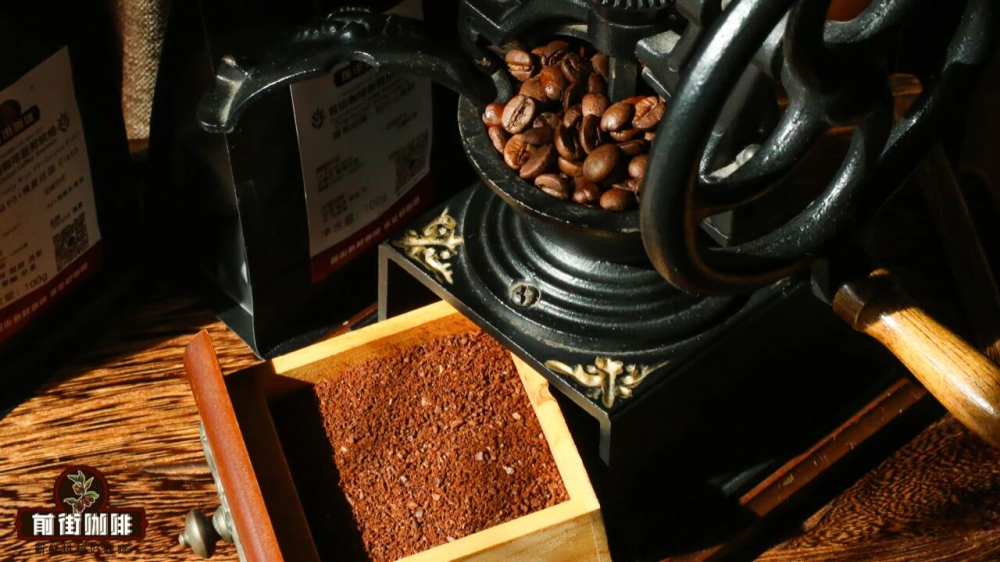
Research shows that roasted coffee contains over 850 aromatic compounds, most of which are volatile. When coffee beans are ground into powder, we can capture the most intense and complex aromas! This is because crushing the beans releases a large amount of aromatic substances and increases the surface area, causing volatile aromas to diffuse rapidly at this point. Even without bringing your nose close, you can smell the rich coffee fragrance.
When brewing coffee, the contact between hot water and coffee grounds also accelerates the release of aromas, though the scent is less intense compared to grinding. You need to lean close to the cup to smell it, but it is still quite rich.
Whether it's the dry or wet aroma of coffee, what we use when smelling is basically "orthonasal olfaction." When drinking coffee, we mainly perceive aromas through "retronasal olfaction," that is, sensing the aromas released by the liquid in the oral cavity through the nasal passages connected to the mouth.
Even if the number of aromas in the coffee upon entry is the same as before, retronasal olfaction perceives far fewer aromas compared to orthonasal olfaction. This is because some aromas are degraded after entering the oral cavity with the coffee, and the airflow during swallowing prevents effective wide diffusion, so fewer aromas are ultimately captured by retronasal olfaction. This is why coffee doesn't smell as fragrant as it tastes.
In addition, when drinking coffee, we perceive more of the taste. The water-soluble flavors like bitterness and acidity in coffee directly impact our taste buds and are perceived by us. Compared to the ethereal aromas, these sensations are more pronounced.
Furthermore, the aromas we smelled earlier have already led us to imagine the coffee's taste, but the actual flavor turns out vastly different, creating a huge contrast. This easily makes us overlook the coffee's aroma and focus solely on its taste. This is why coffee smells very fragrant but tastes very bitter or sour.
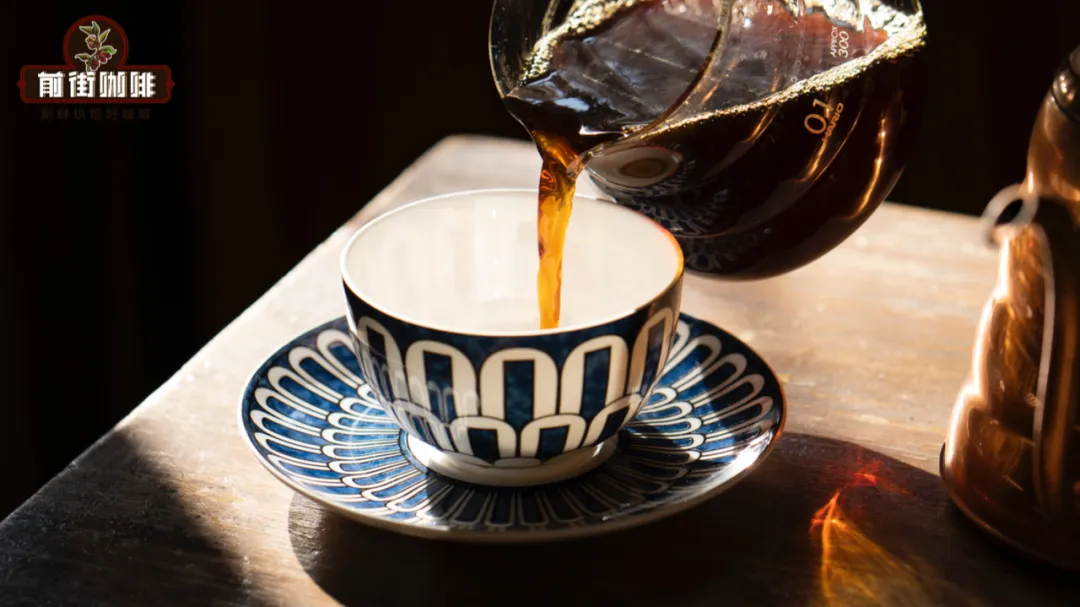
But in fact, after coffee enters the mouth, we can still perceive distinct aromas—it just requires a little trick. This trick is exactly what Front Street shared in a recent article on aftertaste: exhaling with a closed mouth. After swallowing the coffee, we exhale through the nose, which drives the aromas remaining in the oral cavity up to the nasal passages, allowing us to taste more aromas.
Here's an example: Front Street's sun-dried Huakui from our bean list, when ground into powder, offers dry aromas of strawberry, mango, and guava; when brewed, it reveals wet aromas of jasmine, oolong tea, and berries; and after swallowing with a closed-mouth exhale, you can perceive very rich aromas like pineapple, strawberry, guava, and floral notes from Front Street's Huakui coffee.
Although not as intense as the dry aroma, the presence of the coffee's taste makes these aromas more three-dimensional, helping us better associate specific flavors.
The same goes for taste: the first sip of coffee feels very bitter and sour because our mouth hasn't adapted to the sudden coffee. But after the first sip, as the mouth adapts to the taste, subsequent sips become milder. Before it completely cools, the coffee will likely taste very smooth. So, after being startled by the bitterness, be patient and take a few more sips—you might just acquire a taste for it~
The above content is compiled by CoffeeHunters, a coffee news website.


