







Search Results for: Coffee Processing Techniques

What types of sun-dried processing methods are there for coffee beans? A full analysis of the differences between natural and semi-natural processing techniques.
The impact of coffee processing methods on green bean flavor is akin to the influence of winemaking techniques on wine; different processing methods can bring out completely distinct characteristics. This article will systematically outline the origins, procedures, and flavor traits of the natural process, and compare the similarities and differences among mainstream methods such as the washed process, semi-washed process, and honey process, helping enthusiasts understand the logic behind each processing method and its expression in the cup. The article also combines several representative beans from Front Street Coffee to provide specific purchasing references. [more…]
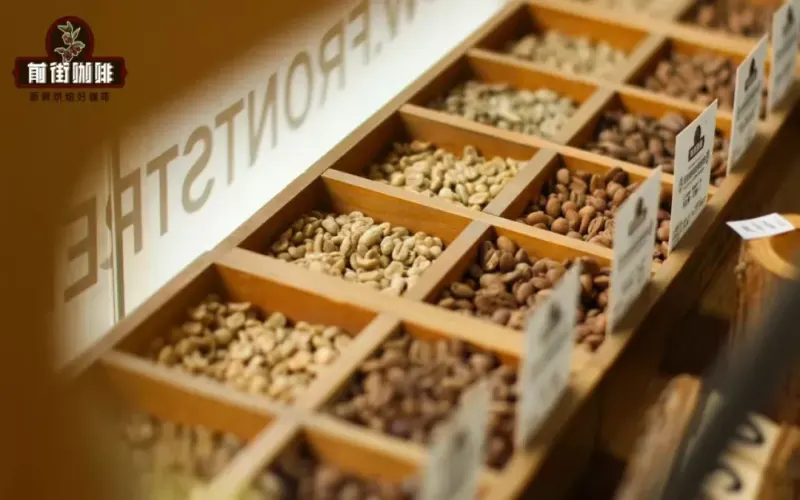
A Complete Guide to Coffee Processing Methods: Flavor Differences Between Natural, Washed, and Anaerobic Fermentation Plus Six Major Mainstream Techniques
The flavors of coffee are endlessly varied. Beyond variety and origin, the processing method is also a key factor determining what ends up in the cup. From the most basic natural and washed methods to the honey processing and anaerobic fermentation that have become popular in recent years, every technique influences the acidity, sweetness, bitterness, and aroma of coffee. Before the rise of the specialty coffee wave, the sole purpose of processing coffee beans was actually just to dry them quickly for storage, but today these methods have long since become a core means of shaping flavor. This article will systematically sort through the world's six major mainstream coffee processing methods, compare the essential differences between natural and washed processing, and offer an in-depth interpretation of the principles and flavor characteristics of anaerobic processing. At the same time, drawing on the practical experience of Front Street Coffee, it will help you understand more comprehensively how processing methods affect coffee quality. [more…]

From Coffee Cherry to Cup: A Comprehensive Guide to Coffee Bean Processing Methods, Extraction Techniques, and Instant Coffee Production
Coffee processing encompasses three levels: the processing methods that extract coffee beans from coffee cherries, the brewing methods that extract coffee liquid from coffee beans, and the industrial processes that turn coffee liquid into instant coffee powder. Traditional processing methods include three types—washed, natural, and honey—each giving coffee beans a distinctly different flavor profile. Extraction methods fall into three mainstream categories: drip, pressure, and cold brew, corresponding to pour-over coffee, espresso, and cold brew coffee, respectively. As for instant coffee, regular instant and freeze-dried coffee also show clear differences in production techniques and flavor retention. This article will break down these processing stages one by one to help coffee enthusiasts build a complete knowledge framework from seed to cup. [more…]

Yirgacheffe Red Cherry Project Coffee Bean Analysis: Flavor Differences Between Natural and Red Honey Processing and Pour-Over Techniques
On Front Street Coffee's Ethiopian region menu, Front Street Red Honey Red Cherry and Front Street Natural Red Cherry always stand out. What exactly is the Red Cherry Project? And what different flavor expressions do the natural and red honey processing methods bring to coffee? Starting from the background of the Yirgacheffe region, this article will explain in detail the origins and operation of the Red Cherry Project, compare the characteristics of natural and red honey processing techniques, and share Front Street Coffee's roasting suggestions and pour-over parameters for these two beans, leading readers to a comprehensive understanding of these two highly representative Ethiopian coffees. [more…]
Ethiopian Yirgacheffe Natural Bean Flavor Analysis: A Complete Overview of Taste Characteristics from Origin Cultivation to Processing Techniques
Yirgacheffe is one of Ethiopia's most representative specialty coffee regions, and naturally processed Yirgacheffe beans are especially renowned for their intense fruity aromas and distinctive sweetness. This article will guide you through Yirgacheffe's origin background, cultivation methods, flavor characteristics, and how the natural processing technique creates its captivating taste. From lemon and floral notes to honeyed sweetness, from traditional sun-drying to rigorous sorting procedures, we offer a comprehensive analysis of this single-origin coffee highly praised by coffee enthusiasts. Front Street Coffee will also recommend Yirgacheffe natural beans worth trying, helping you find your ideal flavor. [more…]
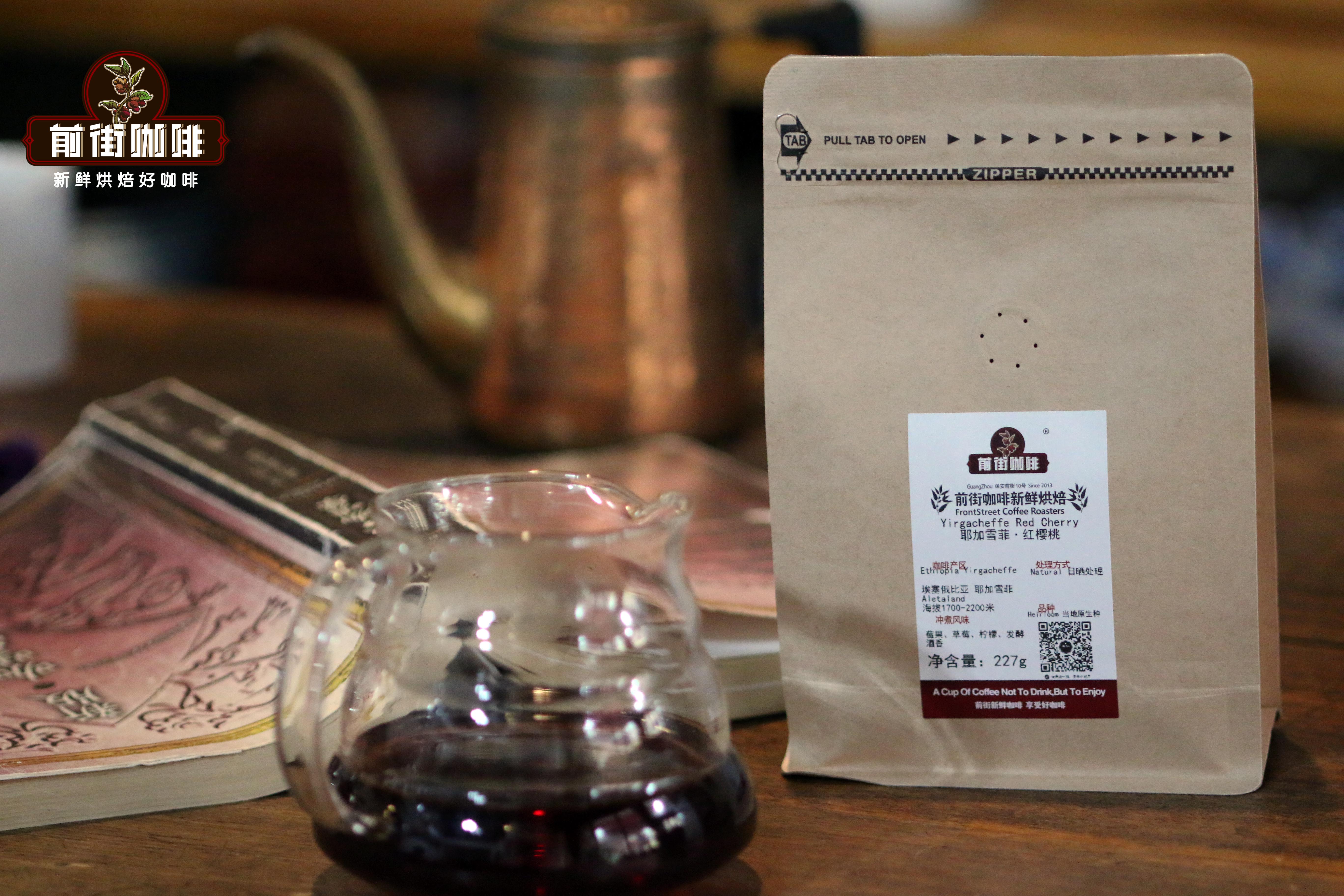
Ethiopian Yirgacheffe Coffee Bean Region Analysis: Washed vs. Natural Flavor Differences and Pour-Over Techniques
Yirgacheffe is where many coffee lovers take their first step into the world of specialty coffee. This highland region in southern Ethiopia, with its unique microclimate and processing methods, produces a cup profile reminiscent of floral and fruity tea. This article systematically traces the origins of the Yirgacheffe growing region, the flavor tendencies of the two major processing methods—washed and natural—and, drawing on Front Street Coffee's bean lineup and brewing experience, offers readers a complete reference from bean selection to extraction. [more…]
A Complete Guide to Coffee Bean Processing Methods: The Boundaries of Traditional Craft, Fermentation Innovation, and Special Processing Techniques
The processing method of coffee beans directly affects the flavor in the cup. From natural, washed, to honey processing, each traditional craft has its own unique expression. However, in the past decade, many processing methods claiming to be "special" have emerged in the coffee world. How exactly are they defined in relation to traditional methods? This article sorts out the characteristics and differences of common processing methods, explores the role of fermentation in tradition and innovation, and introduces the Red Plum processing method from Finca Paraiso in Colombia. Front Street Coffee is always happy to share coffee knowledge, hoping to let more people understand the logic behind processing methods and drink the best coffee at the lowest price. [more…]

Costa Rican Coffee Micro-Lot Guide: A Full Analysis of Terroir Characteristics Across Eight Major Regions and Honey Processing Techniques
Costa Rica is one of the representative origins of specialty coffee in Central America, divided into eight major coffee regions nationwide, each nurturing distinctly styled coffees through its unique terroir. This article, from the perspective of Front Street Coffee's bean selection, systematically reviews Costa Rica's regional distribution and the influence of altitude and climate on flavor, with a focus on comparing two beans: the Tarrazú washed daily drinker and the Giant Stone Estate blueberry anaerobic heavy honey process. It also details the processing differences among white honey, yellow honey, red honey, and black honey, and includes Front Street's standard brewing parameters to help coffee enthusiasts more clearly understand the flavor divide between washed and honey processing in the cup. [more…]
Analysis of Coffee Bean Fermentation Principles and Processing Techniques: From Microbial Reactions to the Key to Flavor Consistency
Fermentation plays an irreplaceable role in coffee processing, directly influencing the final flavor profile and sensory quality of the coffee. How sugars and acids break down under controlled conditions, how microorganisms participate in the process, and why fermentation consistency matters so much for market partnerships—these are all key to understanding coffee quality. Drawing on the hands-on experience of Finca Black Mountain in Guatemala and Capricornio Coffee in Brazil, and incorporating the research perspective of agricultural engineering PhD Mauricio Villegas, this article systematically examines the mechanisms of coffee fermentation, common misconceptions, and methods for achieving reproducibility. Whether you are a coffee professional or a devoted enthusiast, you will gain a clear understanding of the relationship between fermentation and coffee quality. [more…]

A Complete Analysis of Washed Yirgacheffe Beans: Variety Characteristics, Processing Techniques, and Pour-Over Applications
Yirgacheffe is one of Ethiopia's most recognizable coffee regions, and the washed processing method best showcases its clean, bright flavor profile. This article focuses on Front Street Coffee's Gudingding, a selection of washed Yirgacheffe, outlining the specific steps of the washed process, explaining why it fully brings out the bean's own flavors, and clarifying how a light-to-medium roast preserves citrus, lemon, white floral notes, and a green-tea-like lightness on the palate. The article also introduces suitable brewing methods, including pour-over, cold brew, and drip bags, helping coffee enthusiasts understand the flavor logic and everyday applications of this bean. [more…]
A Complete Guide to Coffee Bean Processing Methods: The Differences Between Traditional Washed, Natural, and Honey Processing and Anaerobic Fermentation Flavor-Enhancing Techniques
After coffee cherries are picked, they must go through a series of processing steps before they become the green beans we are familiar with, and different processing methods directly determine the direction of the flavor in the cup. Washed, natural, and honey processing are the three classic methods, and there are also diverse techniques such as semi-washed, semi-natural, and in-body fermentation. In recent years, anaerobic fermentation and flavor-enhanced processing have also sparked much discussion—how exactly do they differ from conventional processing? This time, Front Street Coffee will guide everyone through a systematic overview of the classification of coffee processing methods and their respective characteristics, from the swampy green appearance of semi-washed beans, to the pectin-derived sweetness of honey processing, and then to the clean, bright character of washed beans, breaking down one by one the process, flavor performance, and representative producing regions of each technique, helping coffee lovers build a clear cognitive framework. [more…]

Costa Rica Musician Series Chopin Coffee Bean Flavor Analysis and Pour-Over Sweetness Enhancement Techniques
A new member joins the Costa Rica Musician Series—Chopin coffee beans. Hailing from Canet Estate, this bean is renowned for its rose aroma and pronounced sweetness. This article provides a comprehensive analysis of the flavor code of Chopin coffee beans, covering the terroir of the producing region, the raisin honey processing method, the characteristics of the Yellow Catuai variety, the roasting curve, and cupping performance. At the same time, Front Street Coffee shares pour-over parameters and staged extraction techniques, and compares the flavor differences at water temperatures of 92°C and 90°C, helping coffee enthusiasts find the best brewing method to enhance sweetness, allowing the rose-like sweet fragrance of this Chopin to bloom fully in the cup. [more…]

Front Street Coffee Rose Valley Double Anaerobic Enzyme Washed Process Explained: A Complete Guide to Flavor Sources and Brewing Techniques
Front Street Rose Valley coffee beans have become a favorite among many coffee lovers thanks to their unique flavors of rose, peach, and liqueur chocolate. Where exactly does this bean's alluring aroma come from? The answer lies in the double anaerobic enzyme washed processing method it uses. This article will break down each stage of this processing method step by step, from the coffee cherry's first anaerobic fermentation to the coffee bean's second enzyme anaerobic stage, and then to the drying stage, helping readers understand the principles behind the formation of these special flavors. At the same time, in response to the brewing difficulties of this type of anaerobically processed coffee bean, the article will also share practical techniques such as grind size calibration, water temperature control, bloom assessment, and three-pour brewing, so that you can consistently bring out the rich fruity aroma and sweetness of Front Street Rose Valley at home. [more…]

How Anaerobic Fermentation Reshapes the Coffee Flavor Landscape: From WBC Championship to Santa Viny 96-Hour Natural
In recent years, the coffee consumer market has continued to expand, and various novel green bean processing methods have emerged one after another. The industry habitually refers to them collectively as special processing methods. These techniques give coffee a more diverse and distinctly individual flavor expression, and also bring richer layers of mouthfeel, thus winning the favor of a large number of enthusiasts. At present, the more mainstream special processing methods include anaerobic washed or natural, enzyme washed, lactic acid fermentation, and barrel-aged processing, among others. Among them, anaerobic fermentation has especially high exposure. This trend can be traced back to 2015, when the WBC World Barista Championship winner that year, Sasa Sestic from Australia, brought anaerobic fermentation processing into the public eye, and discussions around the fermented feel of coffee have not ceased to this day. This article will sort out the development of anaerobic processing, analyze the specific process of anaerobic natural, and introduce anaerobic-processed coffee beans such as Santa Vini currently sold by Front Street. [more…]
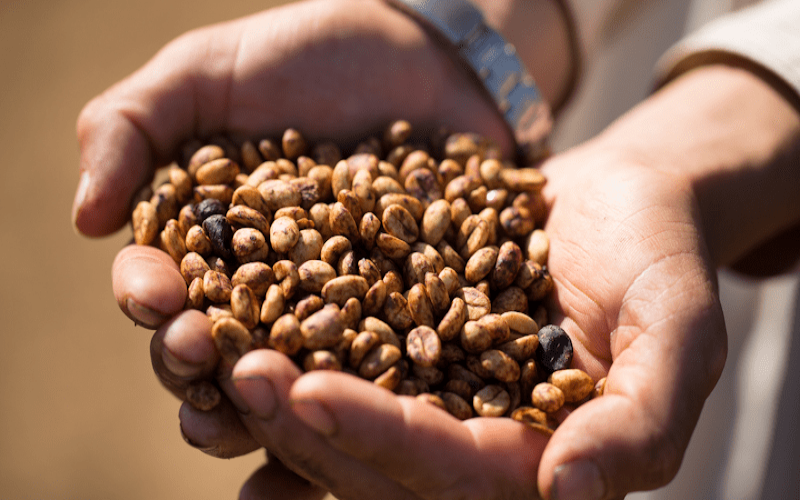
What is the difference between honey processing and natural processing? A detailed explanation of mucilage-retention techniques and the innovative raisin honey process
Among coffee processing methods, washed, natural, and honey processing are three common approaches. Honey processing, with its unique technique of retaining mucilage during drying, achieves a more exquisite balance in flavor. From Brazil's pulped natural to Costa Rica's yellow, red, and black honey grading, and on to the raisin honey process that has become popular in recent years, this processing method has continuously evolved into a rich array of variations. This article will systematically review the origins of honey processing, the various grading standards, and its core differences from natural and washed processing, with a focus on introducing the innovative workflow and flavor characteristics of raisin honey processing. It will also recommend several classic honey-processed coffee beans from Front Street Coffee to help coffee enthusiasts gain a deeper understanding of the appeal of this processing method. [more…]

Coffee Flavor Tasting Guide: Perception Techniques from Aroma to Mouthfeel and a Comparison of Hot Brew vs. Ice Brew
Have you ever wondered where the citrus, floral, and other flavors in coffee come from? This article starts with the building blocks of coffee flavor, explaining how variety, origin, processing method, and roast level shape a cup's unique character, and shares tasting tips that even beginners can pick up quickly. We'll also explore how hot brewing and iced brewing affect flavor expression in pour-over coffee, and recommend several classic beans from Front Street Coffee to help you capture coffee's subtle layers more clearly in your everyday brewing. [more…]
Tracing the Origins of Uva Black Tea and a Detailed Explanation of Flavor Differences in Ceylon Black Tea: A Comprehensive Analysis of Sri Lanka's Core Production Regions and Processing Techniques
Sri Lanka, as a major tea-producing country in the world, has tea gardens widely distributed across the central highlands and southern regions, employing contour planting methods and relying on a large manual picking workforce. There are 11 major tea-growing regions nationwide, among which Uva, Nuwara Eliya, and Dimbula are the most well-known. Uva black tea is famous for its unique sweet aroma and exotic character, Nuwara Eliya tea is delicate with floral notes and a light mouthfeel, and Dimbula tea mostly presents a mellow style. The overall flavor of Ceylon black tea varies significantly due to differences in altitude, climate, and producing region. Traditional Ceylon tea has a full, lively taste with noticeable tannins and a slight citrus note. This article will systematically introduce the cultivation, processing, regional flavors, and quality certification system of Ceylon tea, helping coffee and tea beverage enthusiasts fully understand the difference between Uva black tea and Ceylon black tea. Information on related products recommended by Front Street Coffee is also retained in the article. [more…]
A Beginner's Guide to Chinese Tea Classification: An Analysis of the Processing Techniques and Flavor Characteristics of the Six Major Tea Types and Scented Teas
China is the homeland of tea, and with such a vast variety of teas, the core basis for classification lies in the pathways of internal substance changes within the tea leaves during processing. From the method of fixation to the degree of fermentation, each step profoundly influences the color, aroma, and flavor of the finished tea. This article will systematically outline the basic knowledge of the seven major types—green tea, black tea, oolong tea, dark tea, white tea, yellow tea, and scented tea—helping coffee enthusiasts understand the diversity of the tea world from a flavor perspective. Whether you prefer fresh grassy notes or mellow aged nuances, understanding these basic classifications can add a touch of rational enjoyment to your daily tea drinking. [more…]
Yirgacheffe Drip Coffee Flavor Analysis and Pour-Over Techniques: How to Bring Out Floral and Fruity Notes
Yirgacheffe is a highly representative specialty coffee region in Ethiopia, renowned for its citrus acidity, berry sweetness, and tea-like finish. Front Street Coffee's Yirgacheffe everyday drip bags balance convenience and flavor, making them ideal for daily office or home enjoyment. This article systematically reviews Yirgacheffe's flavor characteristics and extraction key points, from the region's background and washed processing methods to drip bag brewing steps, helping coffee lovers easily brew a clean, bright floral-fruity profile. [more…]
An In-Depth Analysis of the Flavor Characteristics and Processing Techniques of Yirgacheffe Coffee Beans
Yirgacheffe, as Ethiopia's most representative specialty coffee region, has repeatedly refreshed enthusiasts' understanding in recent years thanks to the natural (dry) processing method. This article starts from the grade evolution of Front Street natural Yirgacheffe, explaining in detail its quality leap from G3 to G1, analyzing the strict red cherry picking and multi-layer screening process, and interpreting how the two processing methods—washed and natural—shape its signature citrus, jasmine floral notes, and rich fruity charm. At the same time, it traces the origin of the place name "Yirgacheffe," restores its high-altitude pastoral growing environment, and ultimately reveals the complete flavor profile of the so-called "Yirgacheffe taste"—a sensory feast interwoven with jasmine, lemon, peach, almond sweetness, and tea-like aroma. [more…]