







How do natural and red honey processing change Yirgacheffe coffee?
The Red Cherry Project (ORC) was launched in 2007 by Trabocca, a Netherlands green bean trader, to improve quality on small Ethiopian farms. Cherries must be entirely red and hand-picked throughout. Yirgacheffe, in Sidama at around 2,000 meters, gives the two Front Street lots their base: one natural, one red honey.
Both beans sit at the top of the Ethiopia menu and differ mainly in processing, which shapes sweetness, acidity and body in the cup. The article covers the project's background, compares the two techniques, and shares roasting recommendations plus pour-over parameters so the flavor gap between natural and red honey is easy to taste at home.
On Front Street Coffee's Ethiopia region menu, Front Street Red Honey Red Cherry and Front Street Natural Red Cherry always stand out. What exactly is the Red Cherry project? What different flavor expressions do the natural and red honey processing methods bring to coffee? Starting from the background of the Yirgacheffe region, this article will explain in detail the origin and operation of the Red Cherry project, compare the characteristics of natural and red honey processing techniques, and share Front Street Coffee's roasting recommendations and pour-over parameters for these two beans, leading readers to a comprehensive understanding of these two highly representative Ethiopian coffees.
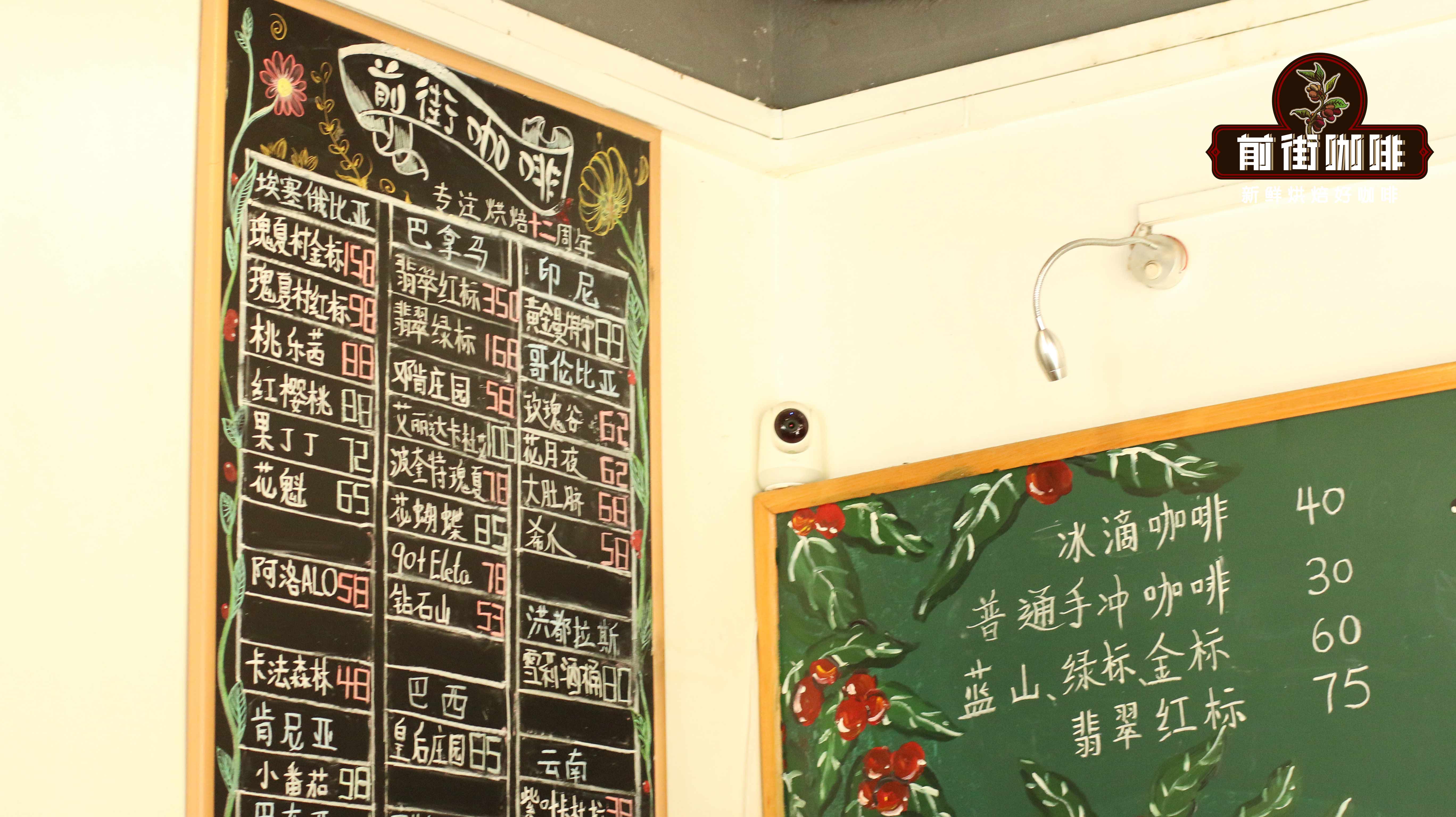
On Front Street Coffee's menu, Front Street Yirgacheffe from the Ethiopia region has always been a favorite choice among many coffee lovers. On the region's bean list, Front Street Red Honey Red Cherry and Front Street Natural Red Cherry occupy the first and second rows respectively, making them very prominent. In this article, Front Street Coffee will focus on the concept of Red Cherry, explaining how Front Street Red Cherry coffee differs in flavor under different processing methods.
Yirgacheffe
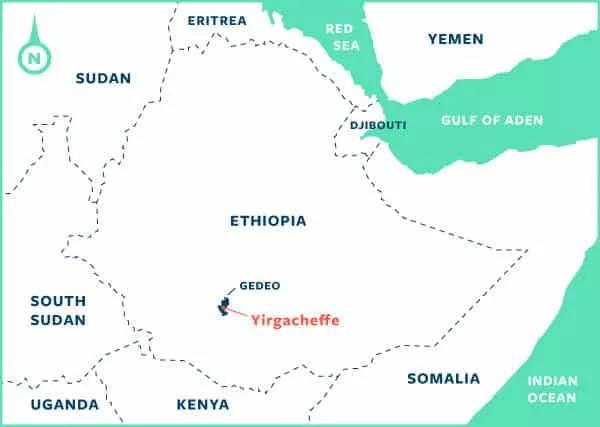
Yirgacheffe is located in the Sidama Province of Ethiopia, situated in a highland area at an altitude of 2000 meters, making it one of the coffee regions with the highest average altitude in Ethiopia. The coffee produced here is named Yirga Cheffe. Among these, "yirga" means to settle, and "cheffe" refers to wetlands, so together it can be understood as "let us settle and thrive in this wetland." This small town is located on the eastern side of the East African Rift Valley.
The Red Cherry Project
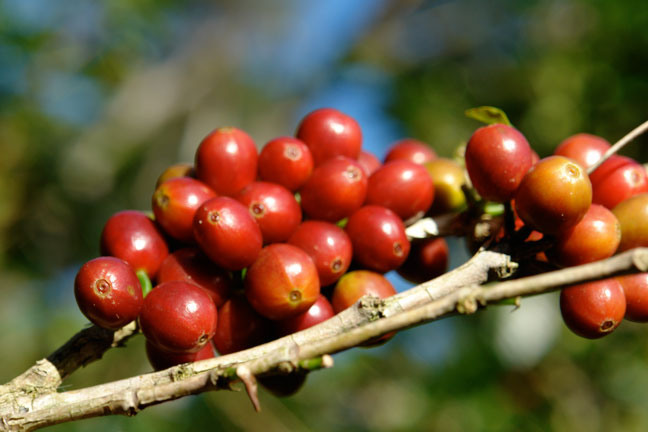
The "Red Cherry Project" (ORC) is a program aimed at improving the coffee quality of small-scale farms. In 2007, Trabocca, the largest green bean trader in the Netherlands, officially launched this project in order to seek high-quality Ethiopian coffee.
The project sets strict requirements for the harvesting stage: coffee cherries must be entirely red, and hand-picking must be used throughout. However, this is only the most basic entry requirement; the operation of the project itself is far more complex than imagined. The core purpose of the project is to incentivize coffee farmers while also bringing surprises to roasters. Trabocca, the largest coffee bean trader in the Netherlands, invites Ethiopian farms before the harvest season to produce small batches of about 1,500 to 3,000 kilograms (25 to 50 bags) of coffee beans. During picking, only women are allowed to handle the selection, and they must ensure that every single cherry is 100% ripe and red. This stage has a huge impact on the final coffee flavor, so Ethiopian women with sharp eyesight and willingness to endure hardship have become an indispensable force driving the Red Cherry Project.
The Red Cherry Project can also be seen as a strengthening measure that encourages farms to invest more effort in screening and sorting beans, so the price of these coffees is also relatively higher. Red Cherry actions cover multiple types such as washed, natural, semi-washed, semi-natural, and experimental coffee. The main production areas include Yirgacheffe, Sidama, Bonga Forest, Lekempti, Kembata, Illubabor, Harar, and Limu. In 2011, the Golocha production area near Harar was also added. The coffees from these regions each have unique flavors and can fully demonstrate the charm of Ethiopian coffee. After receiving the coffee, Trabocca also conducts a second screening. Through cupping quality tests by offices in both Ethiopia and the Netherlands, farms that meet the standards receive substantial bonuses. Trabocca, the promoter of the Red Cherry Project, has reinvested all profits obtained over these years into the development of partner farms.
What Is Natural Processing and What Is Red Honey Processing
Front Street Natural Yirgacheffe has strict requirements for harvesting standards. Before the cherries enter the drying stage, unripe green cherries and defective cherries are first removed by hand; during the natural drying process, damaged or moldy cherries are picked out again. After two weeks, the sugar and essence of the fruit pulp have completely permeated the coffee beans. When the moisture content drops to 12%, the hardened pulp, pectin layer, and pod are cleaned off with a hulling machine. The extracted coffee beans still need to undergo density and bean color testing to eliminate defective beans, and finally workers visually pick out any defective beans that slipped through. After multiple layers of inspection and screening, every resulting coffee bean is a specialty bean, ensuring a clean and refined quality with rich, alluring fruity aromas.
So-called honey processing refers to the process of making green beans by drying them in the sun with mucilage still attached. After the outer pulp of the coffee cherry is removed, a sticky gel-like substance remains on the surface. Traditional washed processing uses clean water to wash it off, but some high-altitude production areas are limited by water resources, so this method of directly drying in the sun emerged. The pectin mucilage is the part of the coffee cherry with the highest sugar content and is also an important component of the fermentation stage in processing. It can be said to determine 80% of the nutrient supply during processing. Yellow honey retains 60% of the pectin, red honey retains 75% of the pectin, and black honey removes almost no pectin.
Representative Ethiopian Coffee Beans — Front Street · Yirgacheffe Natural Red Cherry & Front Street Red Honey Red Cherry
Product Name: Front Street Red Honey Red Cherry
Region: Yirgacheffe Idido
Growing Altitude: 2000-2200m
Processing Method: Red Honey Processing
Variety: Local Heirloom
Product Name: Front Street Natural Red Cherry
Region: Yirgacheffe Aletaland Estate
Growing Altitude: 1700-2200m
Processing Method: Natural Processing
Variety: Ethiopian Heirloom
Roasting Recommendations & Brewing Temperature
When roasting these two Front Street Red Cherry coffee beans, Front Street roasters used a medium-light roast in order to retain more of the citrus and berry acidity characteristic of the Front Street Yirgacheffe region, while also better presenting the fermented feel of natural processing and the sweetness of red honey processing. When brewing medium-light roasted beans, it is recommended to keep the water temperature at 90-91°C. Slightly higher water temperature helps extract the aromatic substances and acidity of light-roasted beans (fruity aromas, floral aromas, and fruity acidity). Because medium-light roasted beans are relatively hard, increasing the water temperature can enhance the extraction efficiency of the coffee grounds and avoid unpleasant flavors such as sharp acidity.
How Front Street Coffee Brews the Two Front Street Yirgacheffe Red Cherry Coffees
When brewing beans from the Yirgacheffe region, Front Street Coffee chooses the Hario V60 dripper. The V60 conical dripper has a wider opening, and together with its unique spiral curved ribs, air is more easily released, thereby improving extraction quality. The mouthfeel may not be thick enough, but the sweet-and-sour sensation and vivid aroma brought by high concentration are exactly its highlights.
Front Street Brewing Parameters:
Water Temperature: 92~93°C
Dose: 15g
Coffee-to-Water Ratio: 1:15
Grind Size: Fine sugar grind size
Front Street Brewing Method: Pour 30 grams of water in the first stage for a 30-second bloom, then pour 95 grams (the electronic scale shows about 125 grams), completing the pour in about 1 minute. When the water level drops to 2/3 of the coffee bed, pour the remaining 100 grams (the electronic scale shows about 225 grams), completing the pour in about 1 minute 40 seconds. Dripping is completed at 1 minute 55 seconds. Remove the dripper and extraction is complete.
Front Street Natural Red Cherry Brewed Flavor: Lemon, licorice, citrus, berries, sweet orange. The overall sweetness is relatively high, with caramel and cream flavors in the sweet aftertaste, and a black tea aroma in the finish.
Front Street Red Honey Red Cherry Brewed Flavor: It smells of ginger flower, with citrus, lemon, and fruit candy on the palate, cedarwood aroma in the middle, honey sweetness, an oolong tea sensation in the tail, and a long-lasting creamy finish.
The above content is compiled by CoffeeHunters, a coffee news website.


