







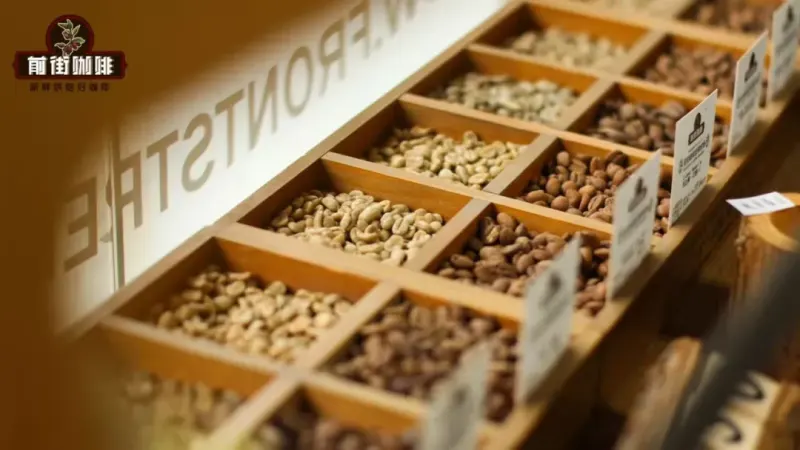
How do coffee process methods shape flavor and coffee quality?
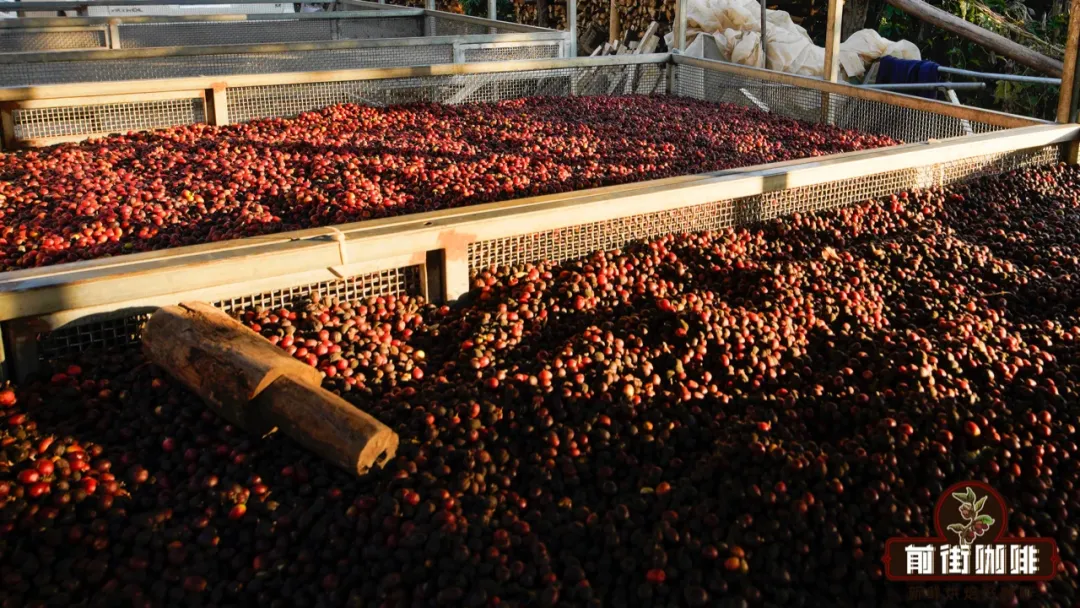
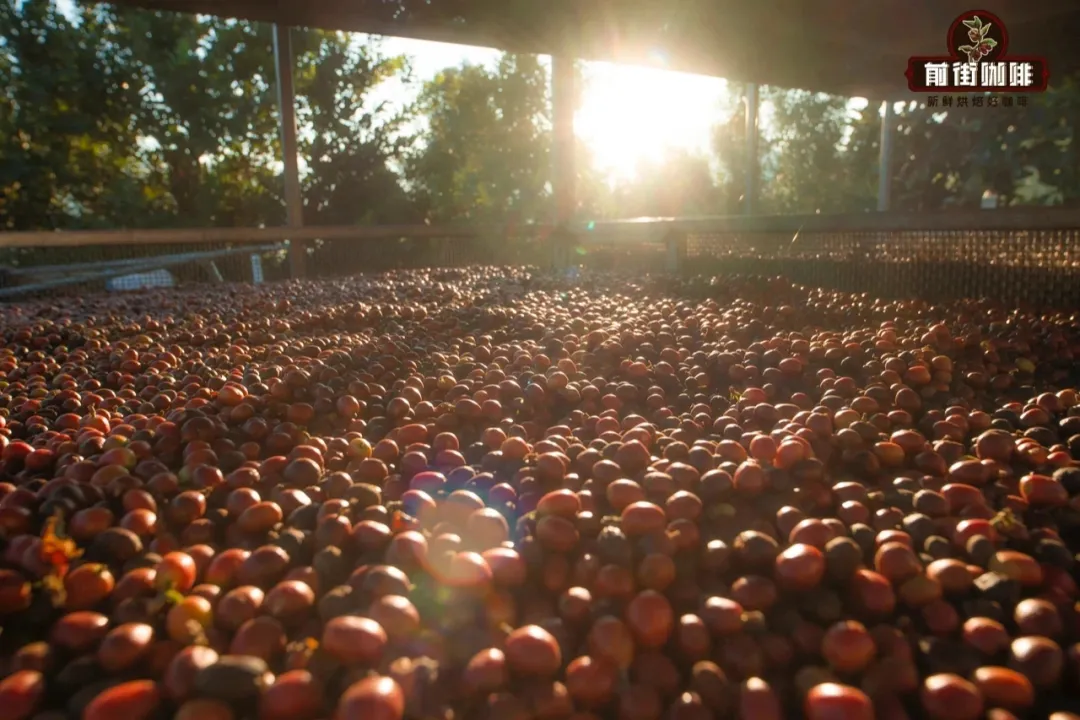
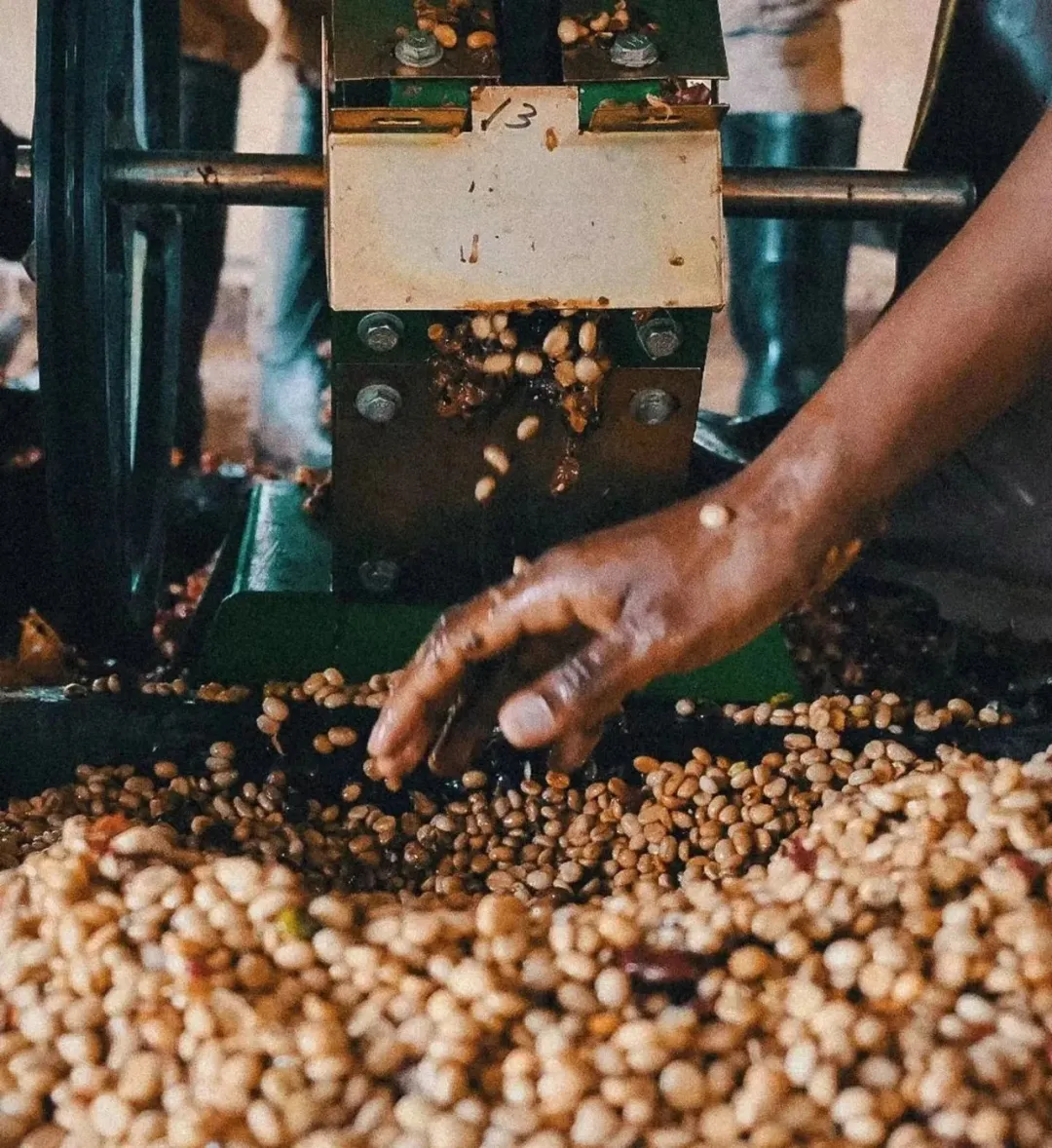
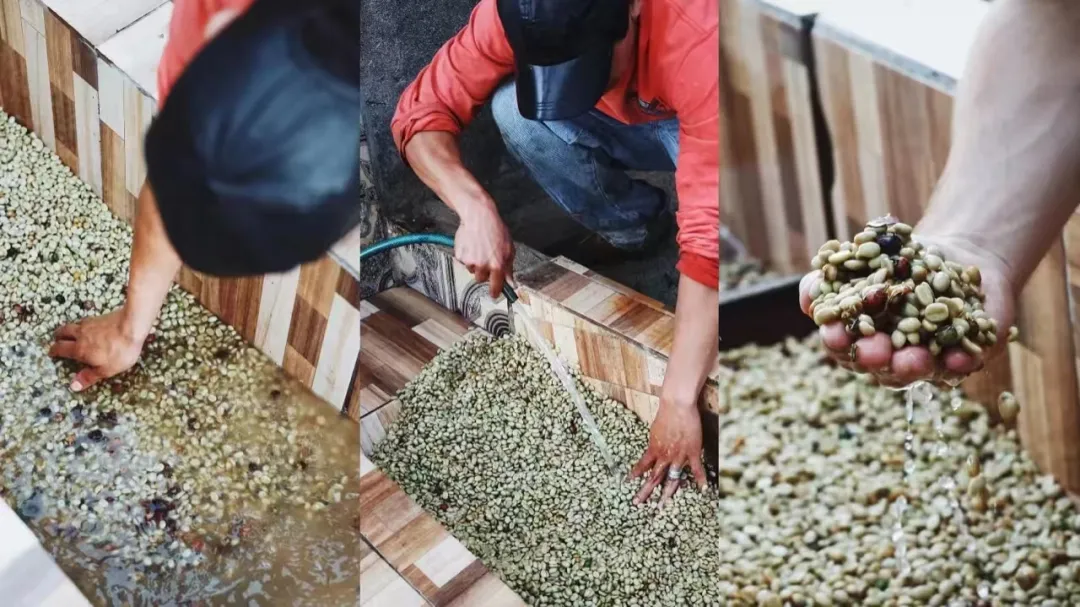
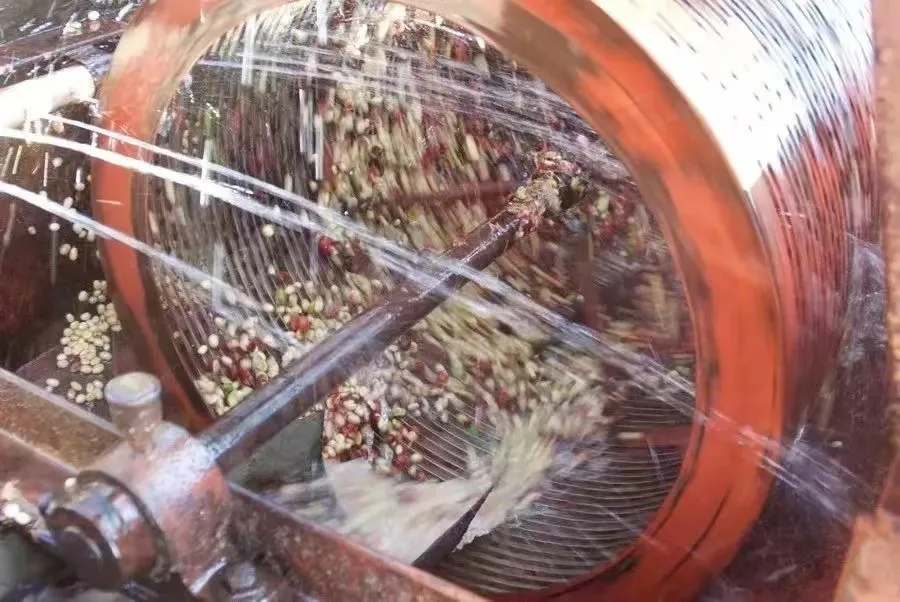
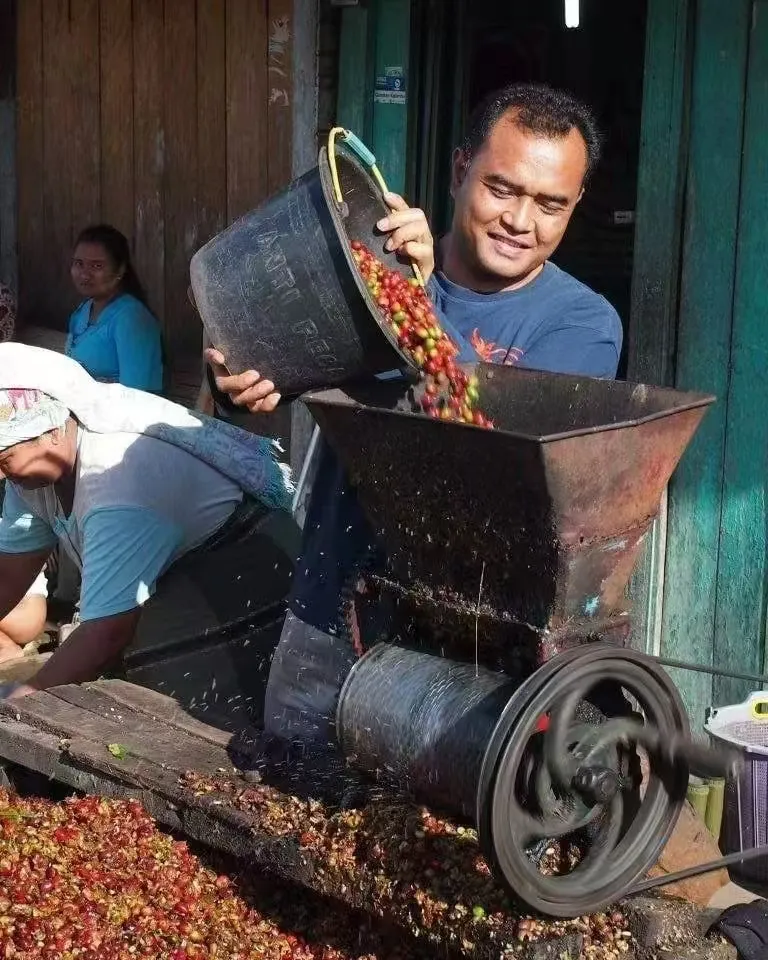
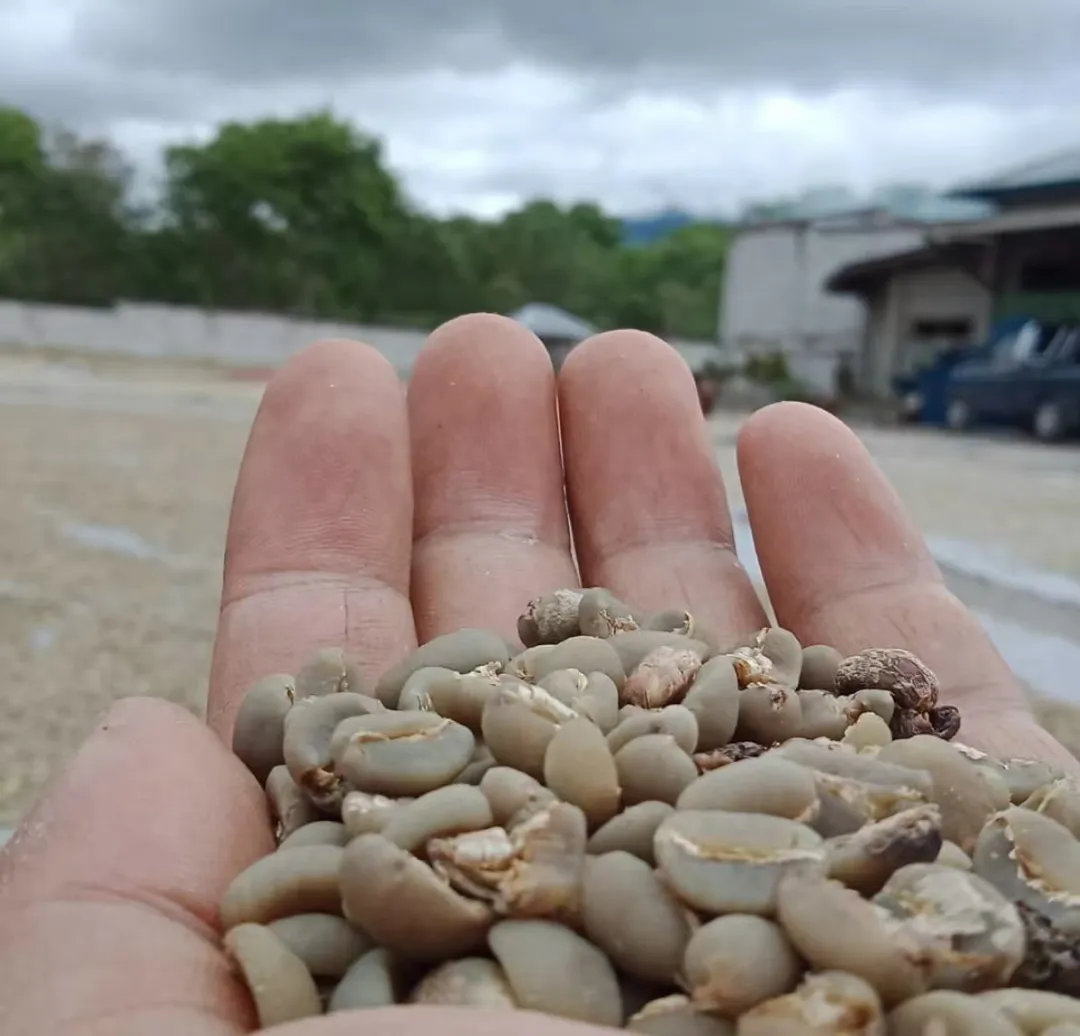
Coffee processing covers the steps that turn harvested cherries into dried, storable green beans. Natural, washed, honey, and anaerobic fermentation each change how much fruit mucilage stays on the bean and how it ferments, which in turn shifts the cup's acidity, sweetness, bitterness, and aroma. Processing began as a way to dry beans quickly for storage, but it now serves as a core tool for shaping flavor.
The article sorts through six mainstream techniques and contrasts natural and washed methods directly, then explains the principles behind anaerobic fermentation. Drawing on practical experience from Front Street Coffee, it shows how different steps produce different flavor expressions and why processing is a key factor in coffee quality alongside variety and origin.
The flavors of coffee are endlessly varied. Beyond variety and origin, the processing method is also a key factor determining what ends up in the cup. From the most basic natural and washed methods to the honey processing and anaerobic fermentation that have become popular in recent years, every technique influences coffee's acidity, sweetness, bitterness, and aroma. Before the rise of the specialty coffee wave, the sole purpose of processing coffee beans was actually just to dry them quickly for storage, but today these methods have long since become the core means of shaping flavor. This article will systematically sort through the world's six mainstream coffee processing methods, compare the essential differences between natural and washed, and offer an in-depth interpretation of the principles and flavor characteristics of anaerobic processing, while also drawing on the practical experience of Front Street Coffee to help you understand more comprehensively how processing methods affect coffee quality.
There are many kinds of coffee processing methods, a dazzling array of them—just the ones we know well number no fewer than five! Things like natural, washed, honey processing, and so on and so forth. We all know that because of their different steps, processing methods cause coffee to develop completely different flavor expressions, but
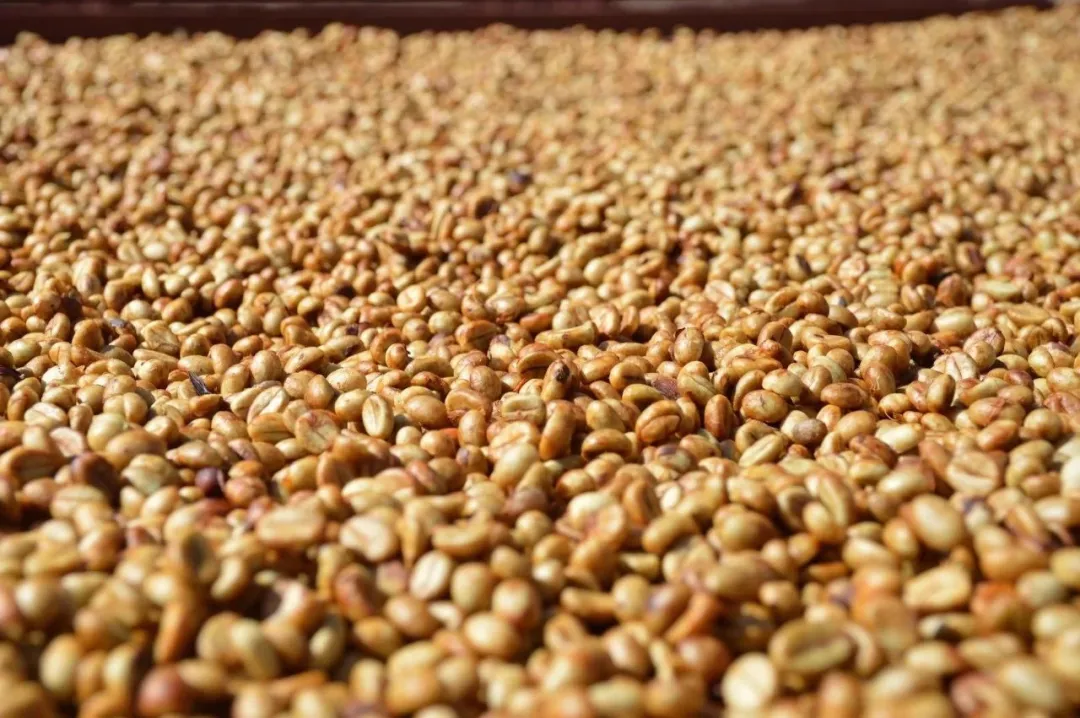
Before the concept of specialty coffee became widespread, the birth of processing methods in the world served only one purpose—to dry coffee beans and make them easier to store, and that was all.


The above content is compiled by CoffeeHunters, a coffee news website.


