







Search Results for: Coffee Processing Innovation
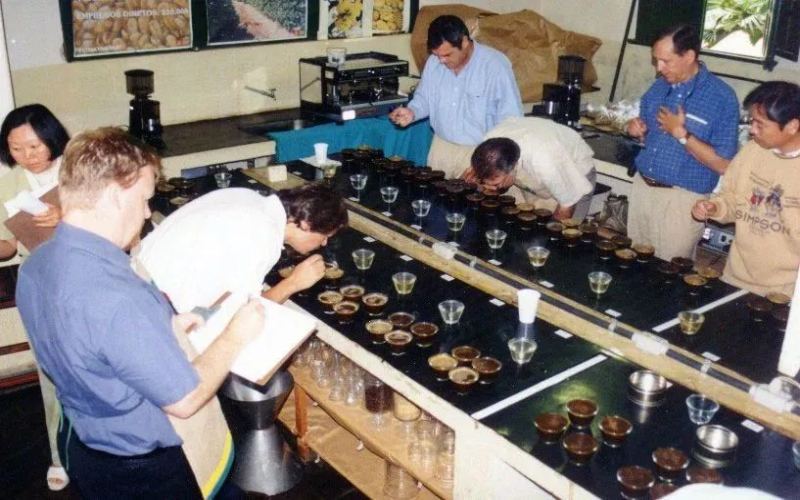
2023 Brazil Cup of Excellence Format Innovation: Three Processing Method Categories Reveal the Winners List
The 2023 Cup of Excellence (CoE) in Brazil underwent a major competition format change, for the first time dividing participating green beans into three categories: dry process, wet process, and experimental process, with awards evaluated separately for each. This change aims to respect different processing methods, encourage producer innovation, and promote fair competition. After pre-selection and multiple rounds of national and international judging, the lists of ten winning beans in each of the three groups have been announced, with a minimum score requirement of 87 points. Erwin Mierisch, Executive Director of the Alliance for Coffee Excellence, stated that the new classification both recognizes the value of traditional processing methods and responds to market demand for innovative processing methods. This article will outline the competition format details, the winning situation in each group, and explore the profound impact of this change on the specialty coffee industry. [more…]
A Complete Guide to Coffee Bean Processing Methods: The Boundaries of Traditional Craft, Fermentation Innovation, and Special Processing Techniques
The processing method of coffee beans directly affects the flavor in the cup. From natural, washed, to honey processing, each traditional craft has its own unique expression. However, in the past decade, many processing methods claiming to be "special" have emerged in the coffee world. How exactly are they defined in relation to traditional methods? This article sorts out the characteristics and differences of common processing methods, explores the role of fermentation in tradition and innovation, and introduces the Red Plum processing method from Finca Paraiso in Colombia. Front Street Coffee is always happy to share coffee knowledge, hoping to let more people understand the logic behind processing methods and drink the best coffee at the lowest price. [more…]

Luckin Coffee's Q3 revenue tops 10 billion for the first time: stores exceed 20,000, product innovation drives growth
On October 30, 2024, Luckin Coffee released its third-quarter financial report, with total net revenue for the quarter reaching 10.181 billion yuan, a year-on-year increase of 41.4%, marking the first historic breakthrough of quarterly revenue exceeding 10 billion yuan. Alongside revenue growth, operating profit and net profit also performed steadily. The store scale continued to expand to 21,343, firmly holding the top position in China's coffee industry, with both self-operated and partnered store revenues achieving double-digit growth. Behind this support is a mature supply chain system and continuous product innovation. This article will analyze the causes of Luckin Coffee's quarterly 10 billion yuan achievement from aspects such as financial report data, store expansion, operational models, and product strategies, and also focus on its future growth potential. [more…]
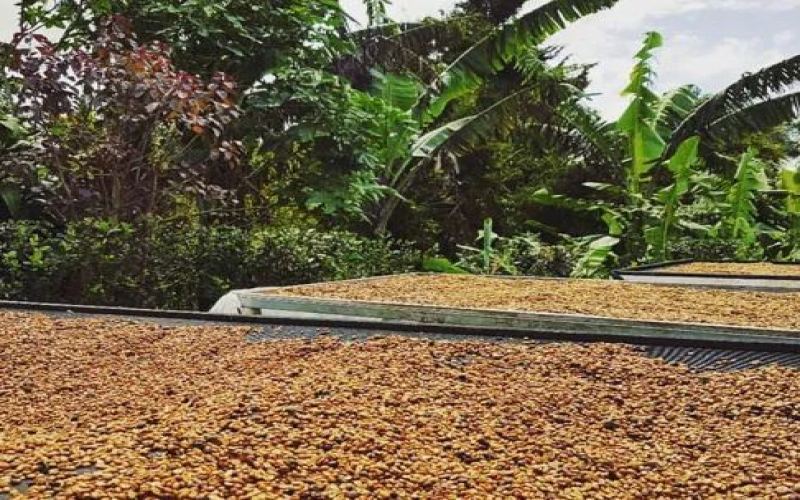
Costa Rica Central Valley Las Haras Estate: A Pioneer of Organic Certification and the Path of Honey Processing Innovation
Central America's coffee output is not particularly high, yet Costa Rica, with its exceptional natural environment and spirit of innovation, occupies an important place in the global specialty coffee landscape. Beyond the renowned Tarrazú region, the Central Valley is likewise home to coffee estates of outstanding quality. Among them, Las Haras Estate, as Costa Rica's first estate to obtain organic certification, is not only known for its eco-friendly cultivation philosophy but also a pioneer in the systematic study of natural and honey processing methods. Front Street Coffee takes you deep into this legendary estate at the foot of Poás Volcano, exploring its transition from chemical agriculture to natural farming, and how it continues to enhance coffee flavor expression through means such as sugar-meter screening and varietal introduction. [more…]
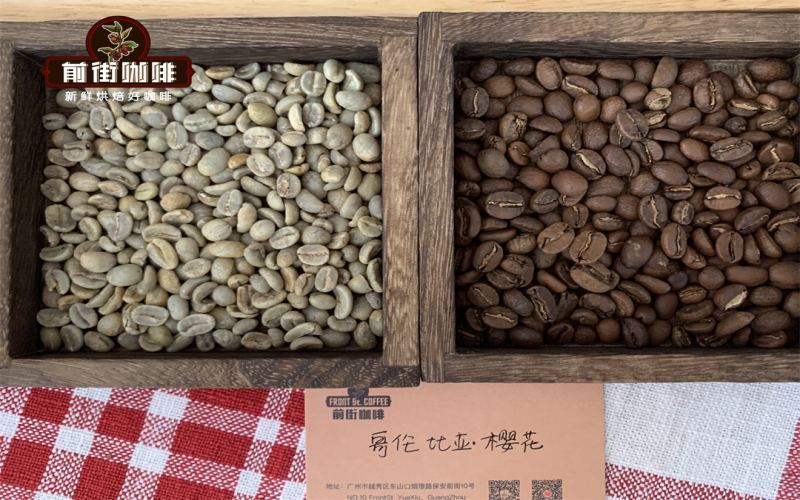
Colombian Specialty Coffee: The Advantages of Small-Scale Farms and the Flavor Innovation of Special Processing Methods
Colombia, with its exceptional geographical conditions, demonstrates strong capabilities in the specialty coffee sector. Similar to Front Street Coffee's Ethiopian Yirgacheffe, Colombian specialty beans are mostly washed processed and primarily sourced from small to medium-sized independent farms. Compared to Brazil's large-scale plantations, the smallholder model often delivers superior cupping performance. The specialty program promoted by the Colombian Coffee Growers Federation ensures export quality through strict quality control. In recent years, innovative processing methods such as rum barrel infusion and anaerobic fermentation have also emerged from Colombia, continuously injecting new ideas into the specialty coffee world. A recent new pour-over release from Front Street Coffee once again let me experience the captivating floral aromatics and potential of Colombian specialty coffee. [more…]
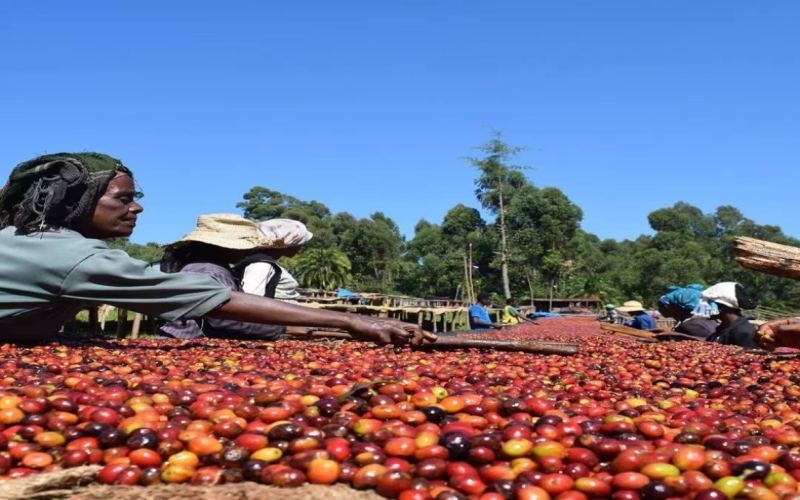
Hacienda Altieri: Family Management and Processing Innovation as Twin Drivers
In August 2026, the 30th BOP concluded in Boquete. In the Traditional Varieties category, Altieri Specialty Coffee took first place with 93.63 points, leaving Hacienda La Esmeralda and Santa Teresa Estate behind, setting [more…]
An Analysis of Rum Barrel Fermented Coffee Beans Processing Method: The Specialty Coffee Innovation Craft of Finca San José in Colombia
The highly sought-after "Front Street San Jose Estate Rum Barrel Fermented" coffee beans at the coffee market greet you with a rich rum aroma the moment you open the bag. Where exactly does this unique boozy scent come from? Starting from the terroir conditions of San Jose Estate in Caldas Province, Colombia, this article tells how the estate owner, inspired by rum aging, conceived the idea in 2013 of putting green coffee beans into oak barrels. After years of experimentation, the low-temperature rum barrel fermentation process was established in 2017, using the Castillo variety, and involving fully washed processing, 20-hour fermentation, resting in oak barrels aged over 8 years for three months, and daily tumbling, so the beans evenly absorb the rum aroma. These beans once won silver as a blend in the Cappuccino category at the 2019 RASV Australian International Coffee Roasting Competition. Suitable for pour-over, espresso, ice drip, or cold brew, it is a versatile specialty choice recommended by Front Street. [more…]

Jamaica Blue Mountain Geisha vs. Classic Blue Mountain: A Comparative Analysis of Natural Processing and Clifton Estate Innovation
In 2020, Jamaica's Clifton Estate broke the decades-old tradition of Blue Mountain coffee, not only launching sun-dried Blue Mountain on a large scale, but also cultivating and exporting the Geisha variety for the first time. This batch of Blue Mountain Geisha was packaged in wooden barrels, produced in scarce quantities, and carries Rainforest Alliance certification. This article will present Front Street Coffee's exploration of this innovative batch in full, from the estate's history, the origins of the Geisha variety, the washed processing method, and the roasting curve, to cupping and brewing insights. Just what kind of flavor will the combination of Blue Mountain and Geisha bring? How does one choose between the traditional Blue Mountain taste and Geisha's floral aroma? Let us taste and see together. [more…]
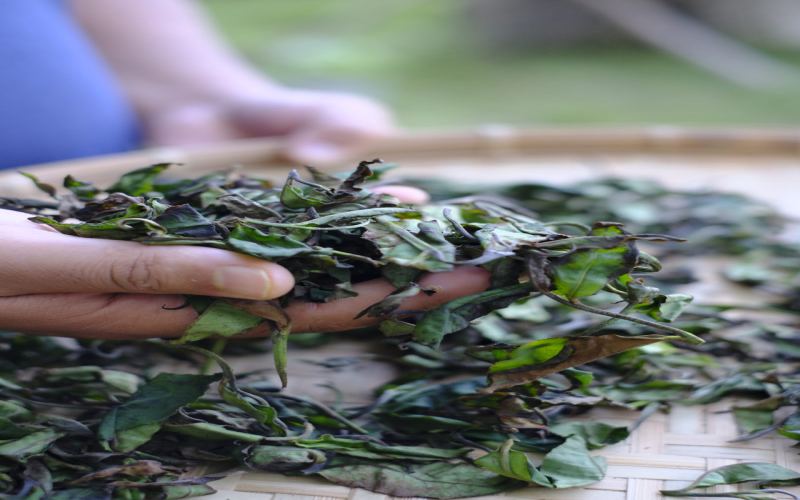
Oolong Tea Innovation in India's Assam Tea Region: From Poetic Inspiration and Firewood Craftsmanship to Natural Scenting with Native Flowers
Assam is world-famous for its black tea, but this region also produces stunning oolong teas. This article will introduce you to how Assamese tea artisans tell the story of tea through poetry, and explore two distinctive oolongs—Meraki and Petrichor. Meraki emphasizes the tea master's vigilant care throughout withering, oxidation, and wood-fire roasting, while Petrichor employs a natural scenting process, using Assam's native xewali flowers to impart a unique aroma to the oolong. We will also cover the cultural significance of the xewali flower, as well as the flavor profiles and purchasing advice for these two teas. If your understanding of Indian tea is still stuck on black tea, this article will refresh your perspective. [more…]

Exploring the 90+ Geisha Estate, Esmeralda, and Sophia: Processing Methods and Flavor Analysis of Panama Geisha Coffee Beans
Geisha coffee has always been the white moonlight in the hearts of specialty coffee lovers, and Panama is the stage where it shines before the world. From its meteoric rise at the 2004 BOP to the fierce competition among major estates today, the legend of Geisha continues to be written. Front Street Coffee takes you deep into three world-class Geisha estates: the 90+ Geisha Estate, known for experimentation and innovation; Hacienda La Esmeralda, the leader of the Geisha wave; and Sofia Estate, perched at 2,100 meters above sea level. The article not only sorts through each estate's history, series divisions, and processing methods, but also compares in detail the differences between Front Street's Esmeralda Red Label, Green Label, and Blue Label Geisha, along with the prices and characteristics of the 90+ series, aiming to provide coffee lovers with a professional and comprehensive knowledge map of Geisha. [more…]
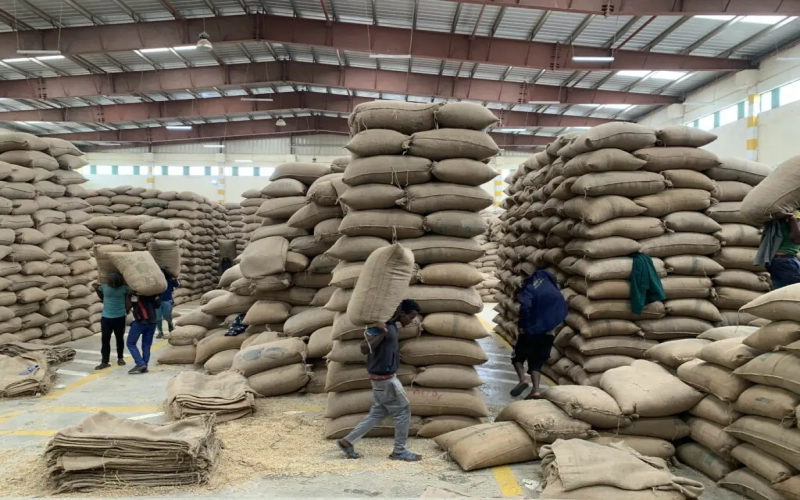
Flavor Analysis of Ethiopia Guji Zone Baha Natural G1 Coffee Beans and Discussion of the Regional System
In the landscape of Ethiopian specialty coffee, the Guji region is rising with strong momentum, becoming another star after Yirgacheffe. This article comprehensively reviews the flavor characteristics of Guji region Hambela natural G1 coffee beans, from the export system and regional terroir to processing method details. The article first analyzes the differences and traceability challenges among Ethiopia's three major coffee export systems, then focuses on the significance of the single-farm system for specialty coffee development. It subsequently delves into the geographical location, historical background, and ethnic customs of the Guji region, comparing its similarities and differences with the Yirgacheffe region, revealing Guji's potential as a future engine of innovation. Front Street Coffee recommends this natural G1, which presents typical Ethiopian flavors while possessing subtle unique characteristics, worthy of careful savoring by coffee enthusiasts. [more…]
Brazil Corner Farm Honey-Process New World: Rainforest Alliance Certified and Hand-Sorted Specialty Coffee Flavor
This Brazil Corner Farm honey-processed New World coffee from Front Street Coffee comes from the western side of the Mantiqueira Mountains in southern Minas Gerais, at 1,100 to 1,350 meters above sea level. The farm has been growing coffee since 1896 and is now run by the fourth generation of the Magalhães family. It received Rainforest Alliance certification in 2006 and uses semi-washed honey processing with natural sun drying. This place preserves pristine forest with high coverage, follows sustainable agriculture and labor rights standards, and hand-sorts beans to ensure quality. This article will introduce its producing region background, variety information, farm history, and processing methods, giving you an understanding of this Brazilian specialty coffee that combines tradition and innovation. [more…]
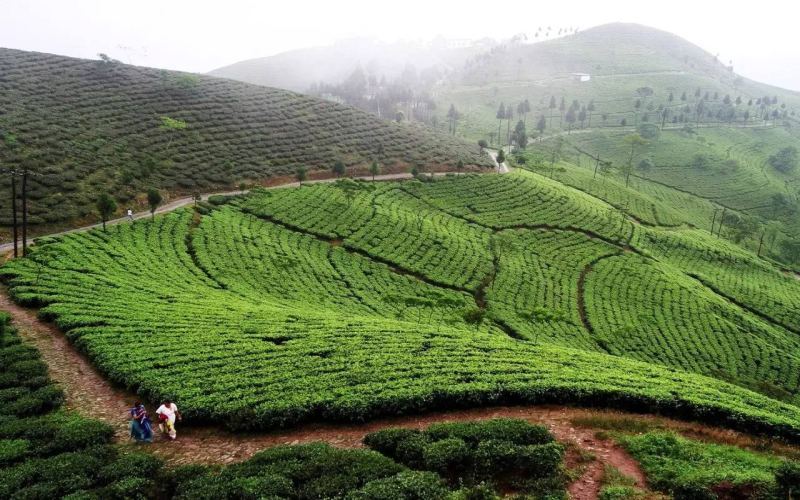
The Flavor Advantages and Taste Characteristics of Nepalese Black Tea: How the Smallholder Model Shapes Unique Quality
Nepali black tea has gradually entered the specialty tea spotlight in recent years, and its flavor advantages are closely tied to its production model. Unlike fully owned estates in Darjeeling, Nepali tea is mostly grown by independent smallholders and then sold to factories for processing. Although this dispersed structure brings quality fluctuations, it also fosters room for innovation. Nepali tea traders import small batches from Ilam factories, and the spring pekoe even shows a unique flavor reminiscent of buttery sweet corn. Some practitioners believe that smallholders treat the tea trees as their own, and this is precisely the source of quality potential. At the same time, the social enterprise model is attempting to balance industrial upgrading with rural livelihoods. Front Street Coffee continues to follow developments in such producing regions, helping enthusiasts understand the taste characteristics and market prospects of Nepali black tea. [more…]
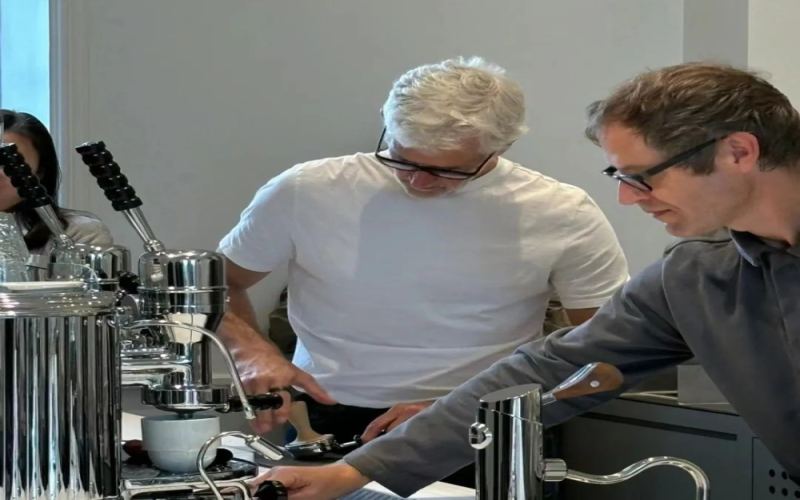
Blue Bottle founder visits Shanghai in person, using a 1950s lever machine to present a coffee Omakase feast
Blue Bottle founder James Freeman and Global Head of Innovation and R&D Benjamin Brewer arrived in Shanghai ahead of schedule and, on the second floor of Blue Bottle's first domestic store, shared the special menu for Blue Bottle Studio Shanghai with coffee lovers. From an opening of extremely light-roast Sumatra "white coffee," to a long drink simulating cupping, a short drink brewed with a flannel dripper, a shaken milk au lait, and then a digestif combining Fenjiu with naturally processed Ethiopian coffee, the entire tasting was paired with vinyl records selected by James, making it nothing short of a multisensory coffee experience. In addition, there was an Espresso 1950 not on the official menu, made with a 1950s FAEMA lever machine, adding a retro Italian touch to the event. [more…]
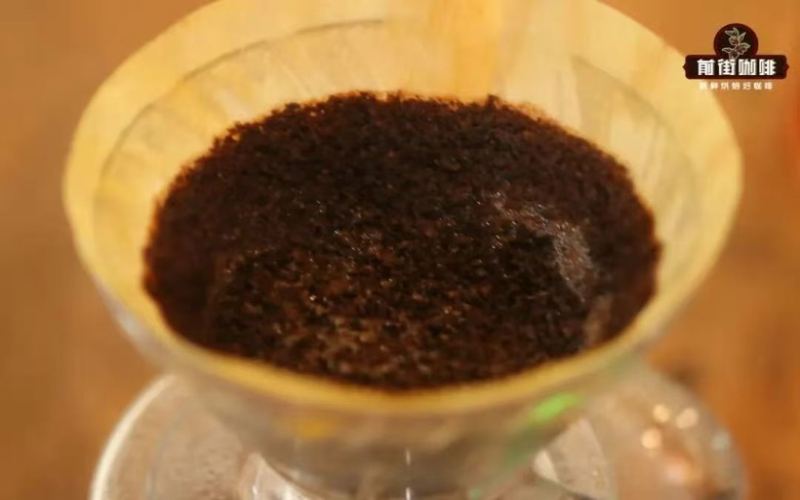
The Flavor Spectrum of Experimental Processing Methods: From Barrel Fermentation to Anaerobic Maceration
Anaerobic natural, lactic fermentation, barrel-aged, yeast inoculation—the vocabulary of specialty coffee processing methods has exploded in recent years, and coffee menus increasingly read like a brewery's process manual. These experimental processing methods are not marketing coinages; each one corresponds to a genuine technological innovation. This article maps out the mainstream lineage and examines "flavor alchemy." [more…]
Analysis of Flavor Differences Between Blue Mountain Geisha and Blue Mountain No. 1: Cupping and Brewing of Clifton Estate's Innovative Creation
In 2020, Jamaica's Clifton Estate did something that broke with tradition—it planted Geisha in the Blue Mountain region. This rare lot of Blue Mountain Geisha was washed-processed and exported in wooden barrels, and Front Street Coffee obtained it right away and completed the roasting and cupping. This article covers the estate's history, the motivations behind this Blue Mountain innovation, the origins of the Geisha variety, the processing method, the roasting curve, and the brewing parameters, offering a complete breakdown of this coffee's flavor expression and answering how it differs in taste from the classic Blue Mountain No. 1, providing coffee lovers with a detailed tasting reference. [more…]
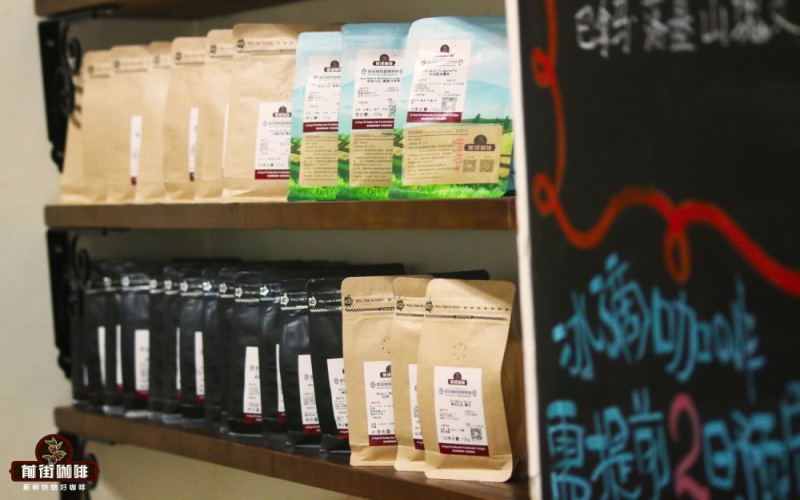
How to drink Colombia Finca El Paraiso Sakura Coffee Beans? Cauca Region Flavor and Brewing Parameters Explained
Many people first encounter specialty coffee through a cup of SOE latte. Luckin once used Huakui SOE to open up the specialty coffee conversation, and when Huakui supply became tight, Colombian Finca El Paraiso coffee beans were pushed to the forefront, becoming the flagship single-origin that took up the baton. The name Finca El Paraiso is poetic in itself—but what does it actually taste like? This article, from Front Street's perspective, sorts through the background of Colombian coffee-growing regions, the terroir characteristics of the Cauca region, and the cultivation and innovation journey of Finca El Paraiso's owner Diego Samuel, with a focus on introducing the variety, processing method, roasting approach, and pour-over parameters of Front Street's Colombian Finca El Paraiso Sakura coffee beans, helping coffee enthusiasts understand the flavor origins and brewing methods of this bean. [more…]

Luckin's Kunshan roasting base breaks ground: second self-built factory boosts annual capacity to 45,000 tons and fresh supply for stores
Luckin Coffee, which now operates over 7,846 stores, is accelerating its upstream supply chain expansion. Following the start of production at its first roasting plant in Pingnan, Fujian, Luckin's second fully automated smart roasting base—independently invested and built in Kunshan, Jiangsu—has recently broken ground and is expected to begin production in 2024. With a total investment of approximately US$120 million, the base covers 53,000 square meters and will have an annual roasting capacity of 30,000 tons, incorporating core equipment such as the Italian BRAMBATI roasting system. By then, Luckin's two major roasting bases will have a combined annual capacity of over 45,000 tons, supplying fresher and safer green coffee beans to stores nationwide while advancing the brand toward its goal of a globalized, refined supply chain. [more…]
Yirgacheffe's Two Processing Methods Explained: How Washed and Natural Shape Classic Flavors
Yirgacheffe, as Ethiopia's most renowned specialty coffee region, produces two dramatically different flavor profiles through its washed and natural processing methods. Washed processing brings bright acidity and white floral notes, while natural processing presents intense berry flavors and fermented sweetness. Front Street Coffee uses the Gotingding Cooperative's washed beans and the Red Cherry Project's natural beans as examples to explain in detail the process flow, quality control, and brewing performance of both processing methods, guiding you to a deeper understanding of the flavor logic behind Yirgacheffe's processing methods and the quality innovation significance of the Red Cherry Project. [more…]
Colombia 2011 COE Champion Estate: Full Analysis of Spring Estate Coffee Flavor and Origin
Colombia, as the world's third-largest coffee-producing country, nurtures countless specialty coffees thanks to the diverse microclimates and high altitudes of the Andes. In 2011, a tiny 2.8-hectare farm—Finca La Primavera—claimed the COE championship with a record-breaking price of $45 per pound. It belongs to the Los Naranjos Coffee Association and is carefully managed by farm owner Arnulfo. This article takes you deep into the industrial background of Colombian coffee, the ecological processing innovation, and the cultivation details, cupping flavors, and judge comments of Finca La Primavera. Front Street Coffee especially recommends this champion farm bean, with rich layers from almond and longan flower tea to grapefruit acidity—worth savoring slowly by coffee lovers. [more…]