







What Is Organic Coffee and How Do Smallholders Farm It?
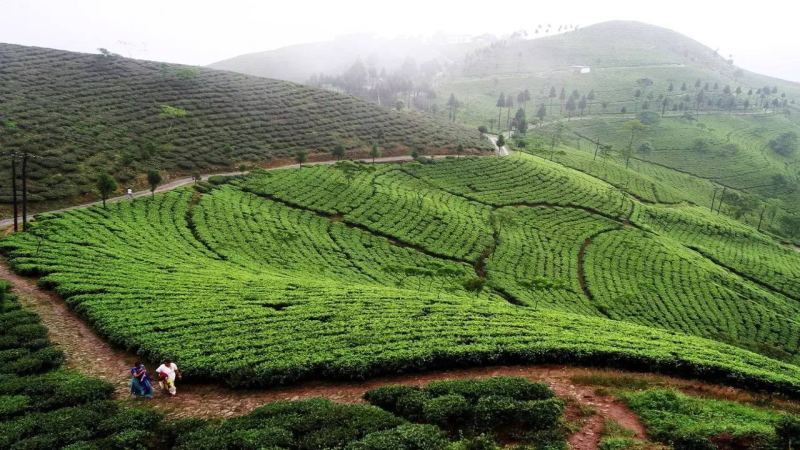
Nepali black tea shows how a smallholder model affects quality in specialty production. Unlike fully owned Darjeeling estates, most Nepali tea is grown on small plots by independent farmers who sell fresh leaves to factories. That dispersed structure causes year-to-year variation, but it also opens room for innovation, including spring white tips with buttery sweet corn notes.
One Ilam factory buys fresh leaves from a cooperative of 47 small-scale farmers, and importer Nepali Tea Traders brings in small batches from it. Western critics say the fragmented scene makes consistent quality hard to hold, while grower Rabin Joshi argues farmers treat their plants like their own children. Social enterprise models try to balance upgrading with rural livelihoods, a pattern fair trade coffee production also follows.
Nepali black tea has gradually entered the specialty tea spotlight in recent years, and its flavor advantages are closely tied to its production model. Unlike fully owned Darjeeling estates, Nepali tea is mostly grown by independent smallholders and then sold to factories for processing. This dispersed structure, while causing quality fluctuations, has also fostered room for innovation. Nepali tea traders import small batches from Ilam factories, and spring white tips even exhibit a unique flavor reminiscent of buttery sweet corn. Some practitioners believe that smallholders treating their tea plants as their own is precisely the source of quality potential. At the same time, social enterprise models are attempting to balance industrial upgrading with rural livelihoods. Front Street Coffee continues to follow developments in such regions, sorting out the taste characteristics and market prospects of Nepali black tea for enthusiasts.
Darjeeling estates have tried white tea in recent years, but this style has become a hallmark of Nepali innovation. Nepali Tea Traders is a Massachusetts-based tea importer specializing in specialty teas from Nepal, and its spring white buds produce a beverage as distinctive as white tea—containing buttery sweet corn essences, thick enough to leave a film on your lips.
Unlike Darjeeling tea, which is produced on fully landowning estates, almost all Nepali tea is grown on small plots owned by independent farmers, who then sell fresh leaves to factories. Nepali Tea Traders imports small batches from an Ilam factory that buys fresh leaves from a cooperative of 47 small-scale farmers.
The number of players in Nepal's tea economy makes the industry difficult to organize, and critics in the Western tea industry point to this as the reason Nepali tea producers struggle to maintain consistent quality year after year.
"The scene is chaotic, very wild," said Kevin Gascoyne, owner of the Montreal tea house Camellia Sinensis, who has been buying tea from Darjeeling for 25 years. "Some gardens are using this situation to innovate, but others are more rustic operations. Some lucky batches succeed, others don't."
But Rabin Joshi, 36, sees it as an advantage. "They are not just workers trying to make a living," he said. "These farmers treat their plants like their own children."
Maggie Le Beau founded the company in 2012. A former marketing executive, she saw the potential of Nepal's tea industry and wanted to give independent tea merchants direct access to the lucrative U.S. market. Joshi and his wife, Sunita Karmacharya Joshi, both Nepali immigrants, joined the company in 2015 after a devastating earthquake struck Nepal.
"We were donating money," Joshi said, "but realized that donations alone were not enough." The couple was drawn to Le Beau's approach to social enterprise and became partners in 2017.
For Nishchal Banksota, 28, founder of Nepal Tea in New Jersey, expanding Nepal's tea industry and improving rural quality of life go hand in hand. Banksota's father, Deepak Banksota, organized Nepal's first certified organic tea cooperative, the Kanchanjangha Tea Estate and Research Center, in 1984. The organization pays for farmers' housing and their children's education and subsidizes food costs, a model reminiscent of colonial-era laws requiring Darjeeling estates to provide housing and education for their workers and their children.
In the global tea industry, these are notable exceptions. The global tea industry typically relies on poorly paid migrant laborers to harvest fresh leaves, with few protections for workers.
As Nepal's specialty tea industry grows in output and sophistication, Banksota and his family are looking for ways to build Nepal's tea into a brand like Darjeeling without falling into difficulty. "We are in the honeymoon period," he said. After all, tea is an ancient beverage, and although trends develop rapidly, cultivating a sustained and sustainable tea industry takes time.
"If we don't work hard, the success story could be short," said Bachan Gyawali of Jun Chiyabari. "To be sustainable, you need to do more than be a latecomer; it requires perseverance and very hard work over the next 50 years."
The above content is compiled by CoffeeHunters, a coffee news website.


