







Search Results for: Coffee Liqueur Aroma
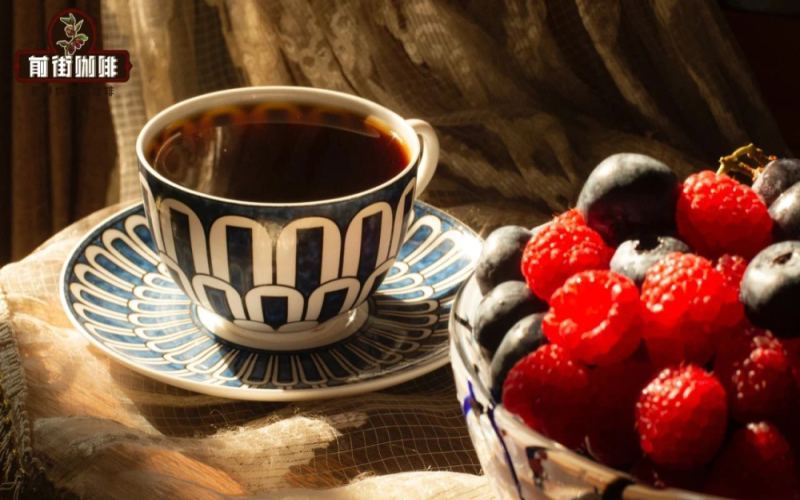
Can Coffee and Alcohol Be Drunk Together? A Detailed Look at the Origins, Recipe, and Key Steps of the Espresso Martini
Can coffee and alcohol be paired? The answer is yes, and the most iconic example is the Espresso Martini. This cocktail was created in 1980s London by bartender Dick Bradsell, blending espresso with vodka, coffee liqueur, and syrup to deliver both a pick-me-up and a gentle buzz. Since espresso makes up as much as one-third of the drink, its quality directly determines the balance and flavor of the final product. This article introduces the origins of the Espresso Martini, the challenges of making it, and shares a recipe and extraction plan developed through a collaboration between Front Street Coffee and the neighboring bar, giving you insight into this classic specialty drink that is both simple and refined. [more…]
Flavor analysis of Huila, Colombia Huayueye coffee beans: Exploring anaerobic natural processing and strawberry notes
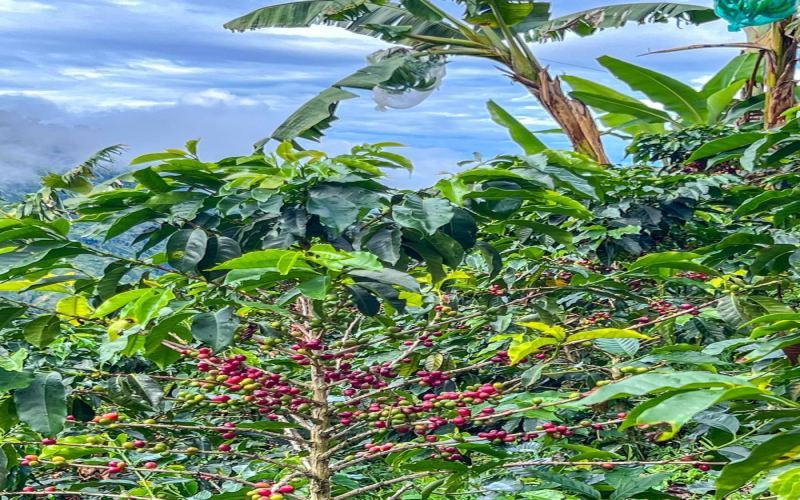
The Colombian coffee industry is currently facing the challenge of a shortage of picking labor due to the pandemic, while the Huila region continues to attract attention for its balanced flavor and rich fruity notes. The Flower Moon coffee beans from the Acevedo Gading farm that Front Street Coffee has acquired use the anaerobic natural processing method and are based on the Caturra variety, displaying complex flavors such as strawberry jam, cranberry, and liqueur-filled chocolate. This article will guide you through the latest developments in the Colombian production region, provide an in-depth analysis of the characteristics of the Huila region, the processing method and cupping performance of the Flower Moon coffee beans, and share Front Street Coffee's roasting and brewing insights. [more…]
Colombia Rose Valley and San Jose Coffee Flavor Analysis and Pour-Over Parameter Guide
Colombian coffee has always been known for its balanced and smooth character, but on this land nourished by the Andes Mountains, there are also surprising works with bold personalities. This time, Front Street Coffee brings two Colombian beans with distinctly different styles—Finca El Arbol Rose Valley and Finca San Jose. The former is processed with anaerobic double enzyme washed method, releasing an explosive aroma of peach, strawberry, and rose; the latter is low-temperature fermented in rum barrels, presenting mellow layers of rum, liqueur chocolate, and tropical fruits. This article will break down their origin backgrounds, processing techniques, brewing parameters, and pour-over flavor performance one by one. Whether you are a beginner just getting into Colombian beans or a veteran looking for a flavor breakthrough, you can find an option worth trying. [more…]
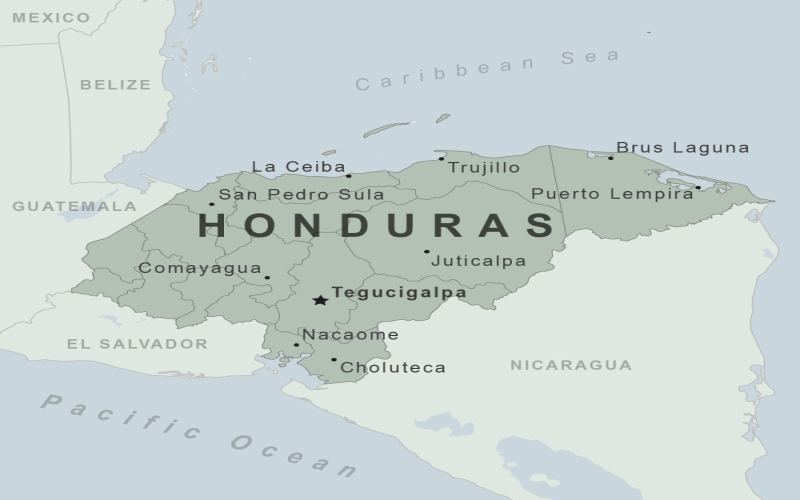
Honduras Lychee Orchid Coffee Brewing Guide: Barrel-Fermented Flavor and Moka Estate Origin Analysis
Honduras Lychee Orchid coffee took the coffee world by storm in 2019 with its unique brandy barrel fermentation process, becoming a signature example of wine-aroma coffee. This bean comes from the Moca Estate in the Marcala region, using Caturra and Catuai varieties, and undergoes low-temperature barrel fermentation for 30 days, presenting intense aromas of brandy, liqueur chocolate, and honey. This article will provide a complete analysis of the flavor sources of Lychee Orchid, from the background of the Honduran coffee industry, variety characteristics, and estate terroir to the brandy barrel fermentation process, along with Front Street Coffee's brewing parameters and techniques, to help you recreate this intoxicating wine aroma by hand. [more…]

A Detailed Analysis of the Double Anaerobic Enzyme Washed Processing Method: Colombia Rose Valley Coffee Flavor and Brewing Guide
Special processing methods have been steadily gaining popularity in the coffee world. These processing methods give coffee beans a distinctive flavor signature and rich aroma, forming a strong contrast with traditional processing methods. This article uses Front Street Coffee's Colombia Rose Valley coffee beans as a sample to deeply analyze the principles and characteristics of the double anaerobic enzyme washed processing method. Starting from the basic concept of anaerobic fermentation, it gradually breaks down the specific process of double fermentation, and combines the growing background of Big Tree Estate and the characteristics of the Caturra variety to present the complete picture of this bean. At the same time, it also includes Front Street's recommended V60 brewing parameters and operating steps to help coffee lovers reproduce Rose Valley's peach, cranberry, and liqueur chocolate flavors at home. [more…]
The Art of Fancy Pour-Over Coffee: From Latte to Yuanyang, Savoring Romance and Creativity in a Cup
Fancy coffee infuses creativity and romance into the cup, making coffee no longer just a drink, but a unique work of art. From the classic latte to romantic Irish coffee, and to Chinese-style yuan yang, each one blends a double enjoyment of visual and taste. This article takes you into the world of fancy coffee, to learn about the features and stories of the latte, cappuccino, con panna, macchiato, Irish coffee, Royal Flame coffee, Eros sweet wine fancy coffee, and yuan yang fancy coffee, and to feel how baristas turn the ordinary into the magical. If you love coffee, you might as well try the products recommended by Front Street Coffee and experience this romantic encounter in a cup. [more…]
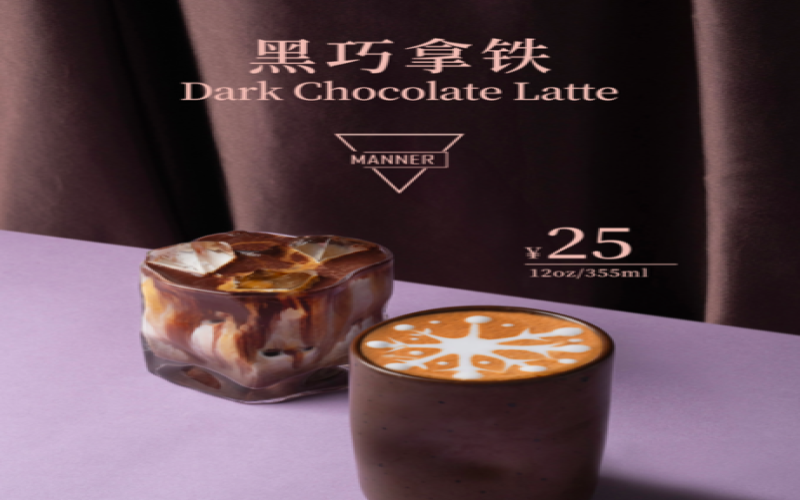
Manner's new Dark Chocolate Latte draws complaints: red wine natural SOE brings a fermented bean curd taste, consumers call for it to be pulled from shelves
Recently, Manner launched a seasonal limited-edition Dark Chocolate Latte, officially claiming it uses a red wine natural SOE paired with rich dark chocolate to deliver a delicate, sweet finish. However, after the new product hit the shelves, many consumers reported that the taste was vastly different from the marketing: the dark chocolate flavor was lacking, and instead there was a strange fermented taste resembling fermented bean curd or rotten fruit, sparking heated discussion. Some bluntly said they poured it out after two sips and urged the brand to discontinue it. Longtime fans pointed out that this new product is actually an upgraded version of last year's Raw Chocolate Latte, which was already mocked for a fermented bean curd taste last year. Still, some customers were drawn to its unique flavor, comparing it to liqueur chocolates. This article walks you through the detailed feedback on this controversial new product and the reasons behind it. [more…]
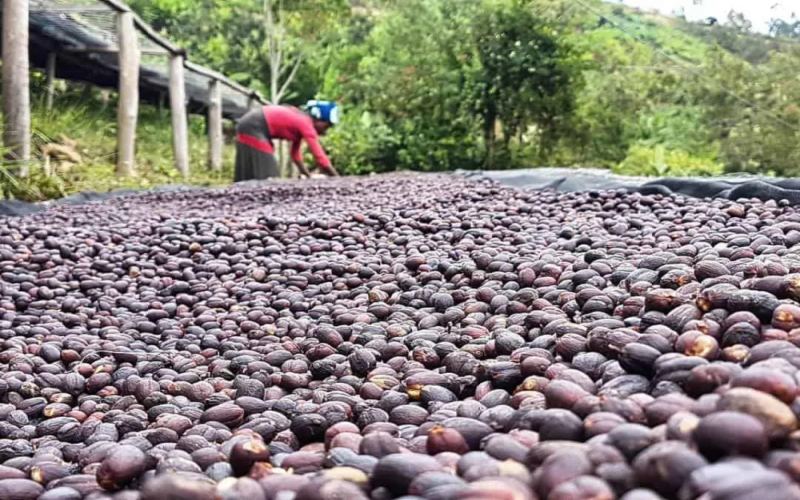
Sidamo Coffee Flavor Analysis: Taste Characteristics, Processing Methods, and Pour-Over Grind Parameters Guide
Sidamo coffee occupies a unique place in specialty coffee with its balanced flavor, high sweetness, and full body. The wine-like acidity brought by the natural process interweaves with cocoa sweetness, often presenting an intoxicating charm reminiscent of liqueur-filled chocolate. Front Street Coffee's new-season Huakui selects a high-altitude single variety, naturally processed and medium-light roasted, preserving a light aroma and suitable for pour-over, cold brew, and many other methods. This article will guide you through the flavor characteristics of Sidamo and share Front Street Coffee's complete brewing parameters and techniques for Huakui, helping you consistently reproduce its juicy feel and layered complexity in your daily extraction. [more…]
A Comprehensive Analysis of Single-Origin Coffee, Espresso, and Americano: A Complete Guide from Origin Flavors to Classic Specialty Coffee
The world of coffee is far richer than one might imagine. When classified by brewing method, the three common categories are espresso, French press, and American-style, while café menus typically present only two main directions: single-origin and specialty coffee. Single-origin coffee emphasizes the terroir of its place of origin, served without milk or sugar, with Blue Mountain, Brazil, Colombia, and Mandheling each possessing a distinct character; specialty coffee, on the other hand, relies on milk foam, milk, and decorative flavorings, with latte, cappuccino, and Irish coffee each having their own following. This article systematically sorts out the origin characteristics and flavor differences of single-origin coffee, explains in detail the balanced expression of acidity, bitterness, and body in common single-origin beans, and introduces the recipes and taste characteristics of several classic specialty coffees, helping coffee enthusiasts build a clear understanding of coffee classification and find the cup that suits their own taste. [more…]
Colombian Rose Valley Anaerobic Double Enzyme Washed Coffee Beans: Full Analysis of Santander Finca El Arbol Flavor and Brewing
In recent years, peach oolong tea-flavored beverages have become hugely popular, and many coffee lovers are on the hunt for coffee beans with a juicy peach aroma. The Colombia Rose Valley launched by Front Street Coffee is exactly such a bean—one sniff and you're smitten. It comes from Finca El Arbol in the Santander region of Colombia, uses an anaerobic double enzyme washed process, and is of the Caturra variety. This article provides a comprehensive introduction to this bean's regional background, the estate's processing methods, variety characteristics, Front Street's roasting records and cupping performance, and offers grind size calibration, water temperature control, and three-pour brewing suggestions specifically for anaerobic beans, helping you fully unlock its captivating flavors of peach, rose, and liqueur chocolate. [more…]
Colombia Huila Region Flower Moon Night Coffee Beans: A Complete Analysis of Anaerobic Natural Processing, Roasting Curve, and Pour-Over Parameters
The Huila Department of Colombia is renowned for its refined acidity and berry-like sweetness, while the Huayueye microlot bean further presents a complex profile of strawberry jam, liqueur-filled chocolate, and creamy fermentation through its anaerobic natural process. In this article, Front Street Coffee begins with Colombian coffee culture, reviewing the terroir of the Huila growing region, the characteristics of the Caturra variety, and the low-temperature slow fermentation processing at the Gading Farm, and also discloses the roasting curve of the Yangjia Pegasus 800N, the cupping results, and the V60 staged brewing parameters, providing coffee enthusiasts with a complete reference for tasting and hands-on practice. [more…]
Global Classic Coffee Flavor Guide: From Blue Mountain to Mandheling, Savoring the Taste Charm of Kopi Luwak and Italian-Style Espresso
The world of coffee is as vast as the sea, and every classic carries the terroir of its origin and the wisdom of blending. This article will guide you through a tasting journey of the world's most iconic coffee drinks—from the noble and elegant Blue Mountain and the rich, powerful Mandheling, to the rare and unique Kopi Luwak, and further to espresso-based specialties like Espresso, Cappuccino, and Mocha. Whether you prefer pure black coffee or are drawn to creative drinks where milky smoothness meets vinous notes, this flavor compendium will help you find your favorite. Front Street Coffee has always been dedicated to selecting high-quality beans, ensuring every cup delivers an authentic taste. [more…]
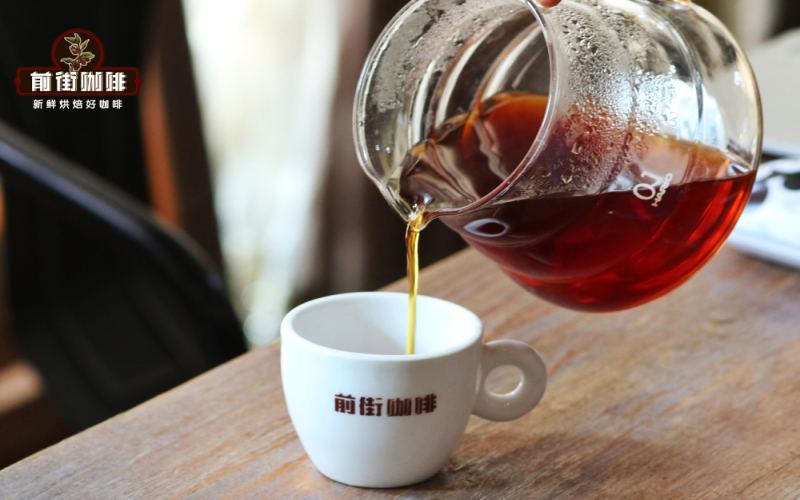
Where Does the Aroma of Colombia Rose Valley Coffee Come From? Analyzing the Role of Volcanic Soil and Anaerobic Enzyme Washed Flavor Formation
Front Street Colombia Rose Valley has become a highly talked-about coffee on the bean list thanks to its signature flavors of peach, cranberry, liqueur chocolate, and rose florals. Where exactly does its intense aroma come from? Is it a flavored bean? This article traces the real causes of Rose Valley's flavor step by step, from the volcanic soil of the Santander growing region and the characteristics of the Caturra variety to the anaerobic enzyme washed processing method that rose to prominence after 2014, and includes Front Street Coffee's in-store V60 brewing parameters and three-pour extraction steps to help you recreate at home that cup combining berry-like acidity with caramel sweetness. [more…]
Colombian Huila Region Flor de Luna Coffee: A Complete Guide to Anaerobic Natural Processing and Pour-Over Flavor Profile
Front Street Coffee introduces the Colombia Huila region La Noche Buena coffee beans, produced using the anaerobic natural process, from the El Diviso estate, Caturra variety, at an altitude of 1,800 meters. This coffee is known for its flavors of strawberry jam, liqueur-filled chocolate, and fermented wine aroma. The article provides a comprehensive analysis of La Noche Buena's unique charm, from the terroir of the producing region, the estate's background, processing techniques, to the roasting curve and brewing parameters. Front Street Coffee has always been committed to sourcing coffee beans from different producing regions around the world, so that every enthusiast can find their desired flavor. If you favor rose floral notes, strawberry sweetness, and a cocoa finish, you might want to try this experimental La Noche Buena. [more…]
The Meaning Behind Affogato and How to Eat It Correctly: Savor the Ice Cream First or Pour the Espresso First?
In the landscape of Italian desserts, besides tiramisu, which means "take me away," there is another treat described as "breathtakingly delicious," whose name means "drown me"—affogato. Both desserts center on espresso—tiramisu blends espresso with coffee liqueur, while affogato involves pouring hot espresso directly over vanilla ice cream. This article will guide you through the etymology and origin legends of affogato, outline its key preparation points and espresso extraction methods, and answer a common question: when enjoying affogato, should you eat the ice cream first or pour the coffee first? It also combines bean recommendations from Front Street Coffee to help you make an affogato that tastes like tiramisu. [more…]
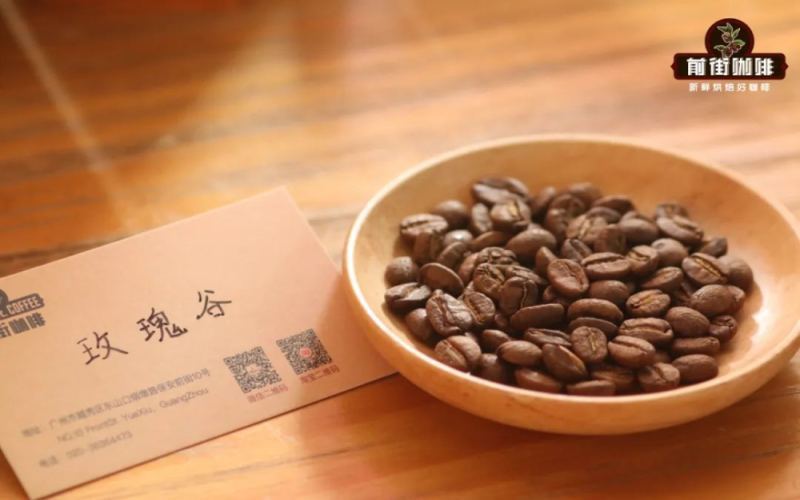
Front Street Coffee Rose Valley Double Anaerobic Enzyme Washed Process Explained: A Complete Guide to Flavor Sources and Brewing Techniques
Front Street Rose Valley coffee beans have become a favorite among many coffee lovers thanks to their unique flavors of rose, peach, and liqueur chocolate. Where exactly does this bean's alluring aroma come from? The answer lies in the double anaerobic enzyme washed processing method it uses. This article will break down each stage of this processing method step by step, from the coffee cherry's first anaerobic fermentation to the coffee bean's second enzyme anaerobic stage, and then to the drying stage, helping readers understand the principles behind the formation of these special flavors. At the same time, in response to the brewing difficulties of this type of anaerobically processed coffee bean, the article will also share practical techniques such as grind size calibration, water temperature control, bloom assessment, and three-pour brewing, so that you can consistently bring out the rich fruity aroma and sweetness of Front Street Rose Valley at home. [more…]
How to choose coffee beans for cold brew? Front Street Coffee explains the blending logic and key production points.
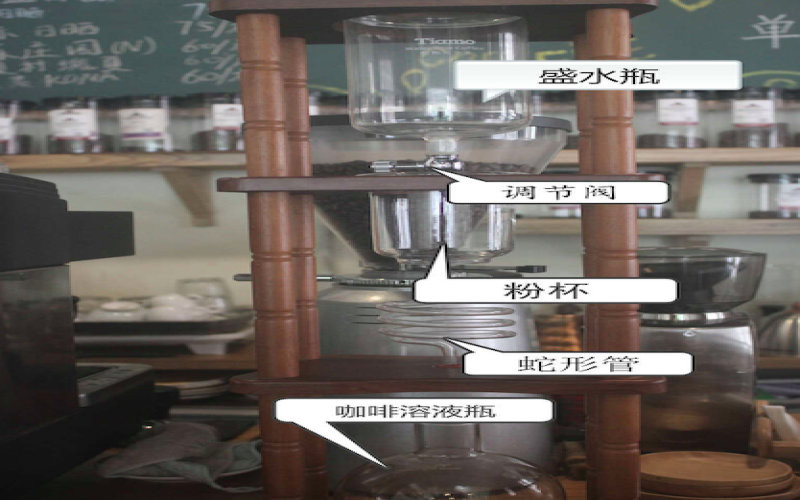
Still craving a refreshing cup of coffee after autumn arrives? Cold brew drip coffee might just be the ideal choice. It uses ice water at low temperatures for slow, prolonged extraction, followed by refrigerated fermentation. Astringent compounds are less likely to be released, giving the final product a fuller body and a gentle fermentation aroma. Front Street Coffee (FrontStreet Coffee) has taken notes of wine, fruit, and cream as its theme this time, selecting Front Street Honduras Sherry and Front Street Megalith Black Honey beans, blended at a 1:1 ratio, with a coffee-to-water ratio of 1:12, seven drops every ten seconds, and two days of refrigerated fermentation, creating a cup of cold brew drip coffee with floral notes, strawberry and blueberry sweet-tartness, and flavors of vanilla and liqueur chocolate. The following article will share this blending approach in full, along with key details such as pre-infusion, filter paper placement, and tamping, for coffee enthusiasts' reference. [more…]
How to Choose a Portable Coffee Grinder? A Guide to Making Piccolo Lattes and Espresso Blend Bean Recommendations
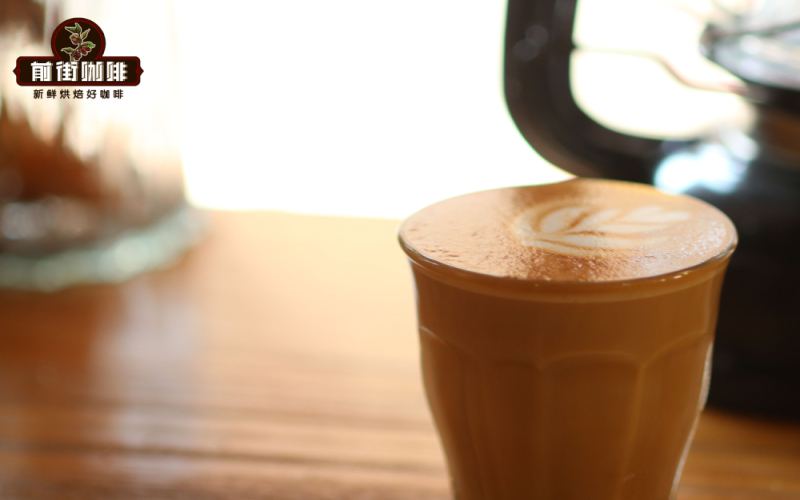
To make a piccolo latte at home, besides needing a reliable grinder, choosing the right espresso beans is equally crucial. This article starts with the origins and recipe ratios of piccolo coffee, gradually breaks down espresso extraction parameters, the logic of pairing milk with coffee, and compares the differences between flat white, latte, and cappuccino. At the same time, focusing on beans such as Front Street classic blend, Queen's Estate Brazil, Colombian washed, and PWN Golden Mandheling, it explains how blended beans complement each other's strengths, helping coffee enthusiasts recreate at home a rich, smooth piccolo coffee with a pronounced liqueur chocolate flavor. [more…]

Yirgacheffe, Sidamo, or Guji – How to Choose? A Full Analysis of the Flavor Differences of Ethiopian Heirloom Coffee Beans
Ethiopia is the birthplace of Arabica coffee, and its three major regions—Yirgacheffe, Sidama, and Guji—often leave coffee lovers struggling to choose. At Front Street Coffee shops, single-origin beans from Yirgacheffe and Sidama make up the majority, so this article starts with the origins, altitude and climate, and processing methods of these regions to sort out the distinct flavor characteristics of Yirgacheffe and Sidama. It also draws on two representative beans—Front Street washed Gedingding and Front Street natural Huakui—to offer brewing parameters and technique suggestions, helping you find the cup you love between citrus florals and liqueur chocolate. [more…]
Honduran Specialty Hand-Brewed Coffee Beans Guide: Analyzing the Barrel-Fermented Flavors of Sherry and Lychee Orchid
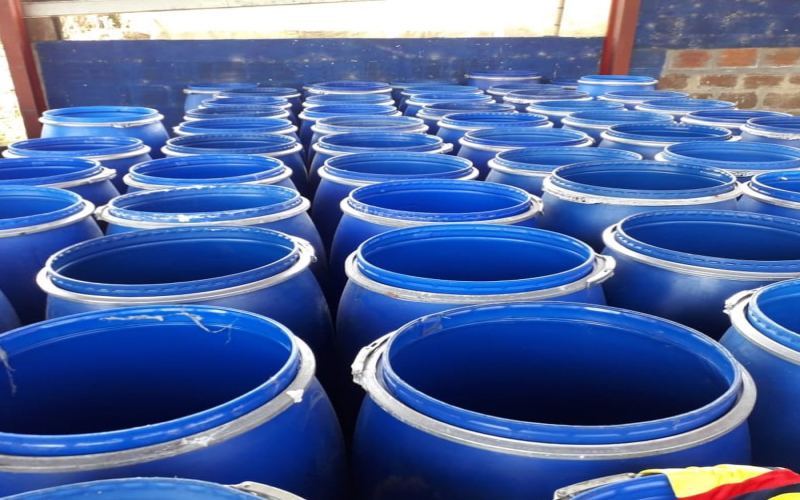
In recent years, Honduras has secured a place for itself in the specialty coffee landscape of Central America thanks to its unique barrel-fermentation processing methods. Among these, two beans in particular stand out: Sherry and Litchi Orchid. The former, fermented in whisky barrels, delivers layers reminiscent of vanilla cream and liqueur-filled chocolate, while the latter, shaped by brandy barrels, develops an elegant profile of lychee and grape. This article systematically lays out the complete picture of Front Street Coffee's Honduras Sherry coffee—from growing region background, estate information, and varietal characteristics to processing techniques, roasting curves, and brewing parameters—and compares the flavor differences among different barrel-processing methods from the same estate, offering pour-over enthusiasts a detailed reference. [more…]