







Search Results for: Coffee Growing Region Flavors
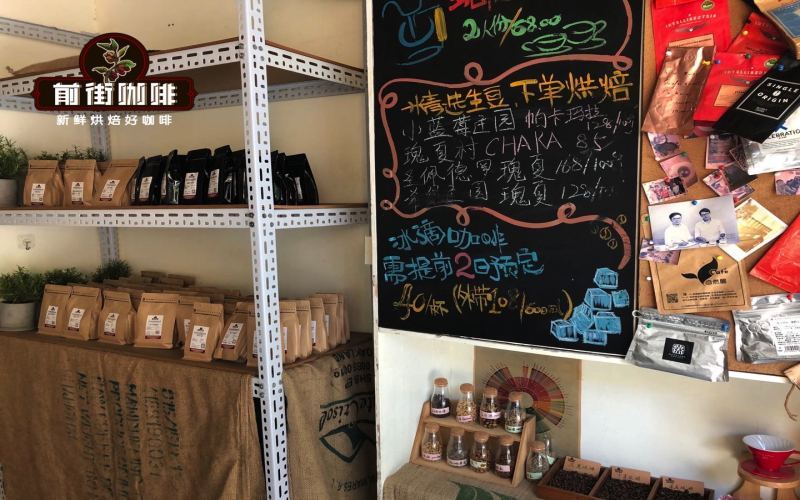
Where Does the Sour Taste of Kenyan Coffee Come From? A Full Analysis of the AA, AB, and PB Grading System and the Flavors of the Ten Major Producing Regions
Kenyan coffee is renowned for its clean, crisp cup profile and bright fruit acidity, making it one of the most recognizable African beans in the minds of many coffee enthusiasts. Why is Kenyan coffee so acidic? This is inextricably linked to its high-altitude growing environment, volcanic soil, and unique washed processing method. This article will systematically outline the growing conditions and historical context of Kenyan coffee, introduce the ten major producing regions including Nyeri, Murang'a, and Kirinyaga one by one, provide a detailed explanation of the official grading standards such as AA, AB, and PB based on bean size, and analyze the causes of its signature acidity. At the end of the article, Front Street Coffee's pour-over parameters for Kenyan Asaliya are shared for practical reference. [more…]
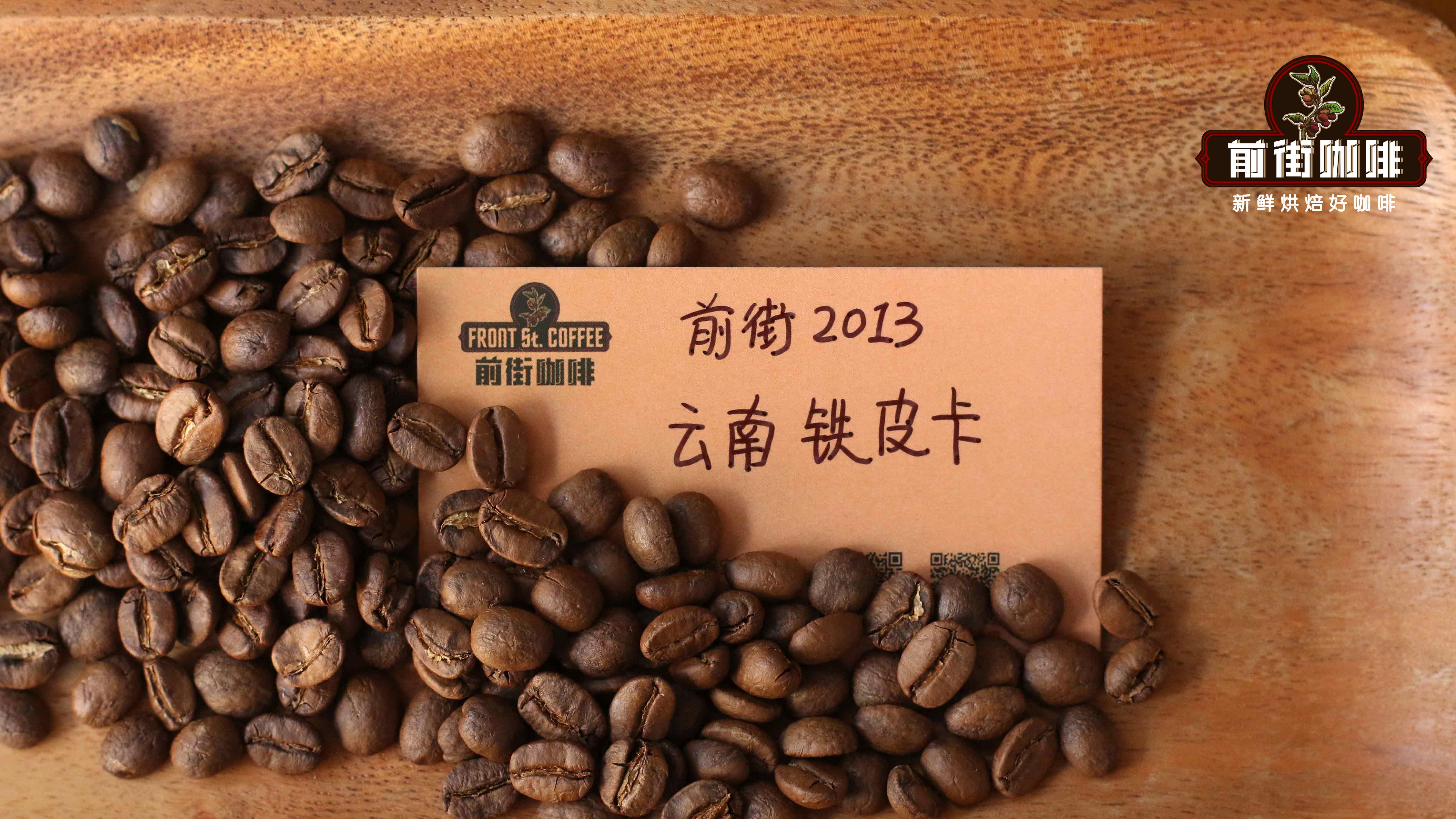
The Chinese Brand Path of Yunnan Small-Bean Coffee: Arabica Bean Selection and a Complete Guide to Front Street Coffee Brewing
Yunnan small-bean coffee has performed impressively in international competitions and flavor evaluations in recent years, injecting strong momentum into China's coffee industry. Starting from variety definitions, producing regions, and historical changes, this article sorts out the development of Yunnan Arabica coffee, and focuses on Front Street Coffee's experimental exploration of growing Typica and Bourbon in Lincang. The article also recommends three Yunnan beans currently sold by Front Street Coffee—sun-dried Typica, Baoshan washed Catimor, and fully red cherry sun-dried Catimor—and includes V60 brewing parameters and specific techniques to help enthusiasts present the nut, caramel, and plum flavors unique to the Yunnan producing region at home. [more…]

Analysis of Flavor Differences Between Colombian and Brazilian Coffee Beans: Growing Regions, Grading Characteristics, and Taste Comparison
Colombia and Brazil are both pillars of the Central and South American coffee-growing regions, yet the two countries differ considerably in their growing conditions, flavor profiles, and market positioning. Colombia, with its dual ocean ports on the Atlantic and Pacific, its three Cordillera mountain ranges creating microclimates, and its high-altitude volcanic ash soils, produces Arabica coffees with bright acidity and refined flavors. Brazil, by contrast, with its flat terrain, lower elevations, and Bourbon varieties as its foundation, offers a balanced cup with notes of nuts and chocolate and a heavy body. This article systematically compares the differences between the coffee beans of the two countries from the perspectives of growing region distribution, cultivation environment, varieties and processing, and cupping flavors, and concludes with specific bean recommendations from Front Street Coffee. [more…]
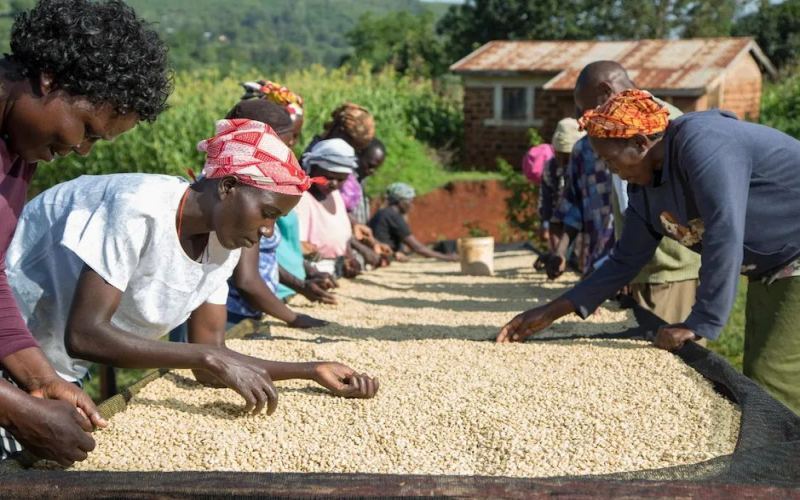
How are Kenya's coffee-growing regions divided? What makes the producing area at the foot of Mount Elgon in the west unique?
Kenyan coffee is renowned in the specialty coffee world for its layered fruity aromas and full, juicy body. This country in eastern Africa, with its high-altitude mountains, volcanic soil, and tropical monsoon climate, provides exceptional natural conditions for coffee cultivation. Kenya's coffee-growing regions are mainly divided into three major blocks: the Central Region, the East African Rift Valley Region, and the Western Region. Among them, the Western Region is represented by three major producing areas—Elgon, Trans-Nzoia, and Bungoma—at the foot of Mount Elgon, whose coffees feature bright acidity, citrus fruit flavors, and a rich body. This article will guide you through the overall distribution of Kenya's coffee-producing regions and take a closer look at the terroir characteristics of the Western Region. [more…]
An Analysis of Coffee from Guatemala's San Marcos Volcano Region: Unique Flavors and Growing Conditions Under Extremely High Rainfall
The San Marcos volcanic region is known among Guatemala's eight major coffee-producing regions for having the highest rainfall and the warmest climate. Volcanic ash from the active Santiaguito volcano makes the soil exceptionally fertile, while abundant rainfall and an earlier flowering season give the coffee beans here a distinctive character. This article provides an in-depth introduction to the growing environment, processing methods, and flavor profile of the San Marcos region, along with Front Street Coffee's flavor interpretation of beans from this region, taking you through a comprehensive understanding of this remote and unique coffee paradise. [more…]
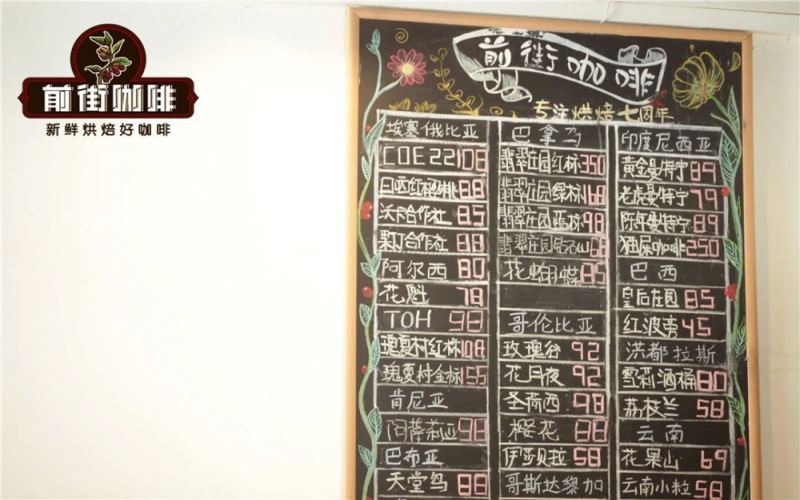
Honduran Coffee Bean Varieties, Characteristics, and Industry Story: An Analysis of Six Major Growing Regions and Barrel-Fermented Flavors
Honduras is a mountainous country in Central America, located within the coffee-growing belt, and since 2011 its coffee production has leapt to first place in Central America. This article reviews the cultivation history of Honduran coffee, the terroir characteristics and main varieties of its six major producing regions, and focuses on the characteristics, processing flow, and brewing suggestions for Front Street Coffee's Honduran Sherry and Litchi Orchid, two barrel-fermented beans. Whether you want to understand the context of Honduras's coffee industry or want to grasp the flavor differences brought by whiskey-barrel and brandy-barrel fermentation, this article can provide clear information. [more…]
An In-Depth Analysis of Kenyan AA Coffee: Origin Terroir, Grading System, and the Causes of Its Bright Fruit Acidity
On the African continent, beyond Ethiopia, Kenya is equally a presence that cannot be overlooked in the specialty coffee landscape. Anyone who has come into contact with specialty coffee, after experiencing how remarkably vivid coffee acidity can be, will almost always ask the same question: where does the coffee with the most prominent acidity come from? The brewers at Front Street Coffee often point to Kenya in their answer. Kenyan coffee is renowned for its clean and translucent cup, full and rounded body, and highly recognizable fruity acidity, conquering the taste buds of countless coffee lovers. This article will systematically review Kenya's coffee-growing terroir, historical evolution, characteristics of the top ten producing regions, and official grading standards. Using the washed fermentation process as an entry point, it will explain the reasons behind the formation of its signature flavors, and finally include the specific brewing recipe for Front Street Kenya Azalea for reference. [more…]
Terroir Analysis of Panama's Boquete Region: The Smooth, Crisp Taste and Growing Advantages of Elida Estate Specialty Coffee
The Boquete region of Panama is famous for the Geisha variety from Hacienda La Esmeralda, but its unique microclimate and volcanic soil have also nurtured many excellent estates and high-value coffee varieties. Starting from the terroir of the region, this article analyzes how the microclimate of the Boquete highlands creates the distinctive flavors of specialty coffee, and focuses on introducing the smooth and crisp profile of Elida Estate coffee. At the same time, the article retains the Front Street brand recommendation, giving you a look at Front Street Panama Butterfly, which contains 40% Geisha genetics, and its elegant flavors woven together from citrus, floral notes, and Nanyang fruit. Whether you are a Geisha enthusiast or someone looking for an everyday coffee, you can gain regional knowledge and tasting references from it. [more…]
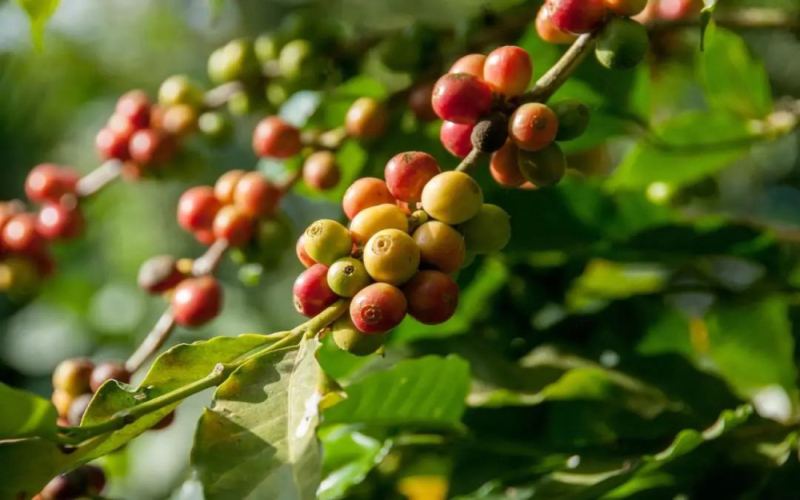
A Complete Analysis of Arabica Coffee Bean Grading and the Flavors of Core Producing Regions Worldwide
Arabica coffee accounts for more than seventy percent of global coffee production. Its cultivation conditions are demanding, with high requirements for altitude, soil, and microclimate, so different producing regions display distinctly different flavor profiles. This article focuses on the basic growth characteristics of Arabica and the distribution patterns of the Coffee Belt, systematically reviewing the flavor styles and processing methods of representative origins across the three major growing regions of Latin America, Africa, and Asia-Pacific, including Brazil Cerrado, Colombia Huila, Guatemala Huehuetenango, Costa Rica Tarrazu, Indonesia Sumatra, China Yunnan Baoshan, and Ethiopia Yirgacheffe. It also intersperses introductions to Front Street Coffee's daily drinking bean series, covering the selection approach and product characteristics for each producing region, providing coffee lovers with a complete and practical guide to Arabica origin flavors. [more…]

Colombian Specialty Coffee Bean Flavor Analysis: From the Andes Mountain Growing Regions to Washed Processing and the Grading System
Colombian coffee occupies an important place in the global coffee market thanks to its mild acidity, its rich, full-bodied notes of dark chocolate and roasted nuts, and its caramel-like sweetness. The skillful balance of sour, sweet, and bitter flavors makes it a common choice for espresso blends, and Front Street Coffee's specialty blend includes beans from Colombia. This article will take you through an in-depth look at the growing environment, main producing regions, grading system, and processing methods of Colombian specialty coffee beans, and introduce several Colombian single-origin everyday beans from Front Street Coffee worth trying, so you can experience the unique flavors nurtured by the Andes Mountains. [more…]

Analysis of Honduran Coffee-Growing Regions and Flavors: A Complete Guide from Six Major Origins to Sherry Cask Fermentation
As the largest coffee producer in Central America, Honduras nurtures a diverse range of high-quality coffees thanks to its mild tropical climate and abundant rainfall. This article systematically reviews the terroir characteristics and cup profiles of Honduras's six major producing regions, explains the origins of major varieties such as Caturra, Catuai, and Pacas, and delves into how washed processing and whisky-barrel fermentation give coffee its distinctive boozy aroma. At the same time, Front Street Coffee's Sherry and Lychee Orchid beans serve as examples to present a complete picture of Honduran coffee from origin to cup. [more…]
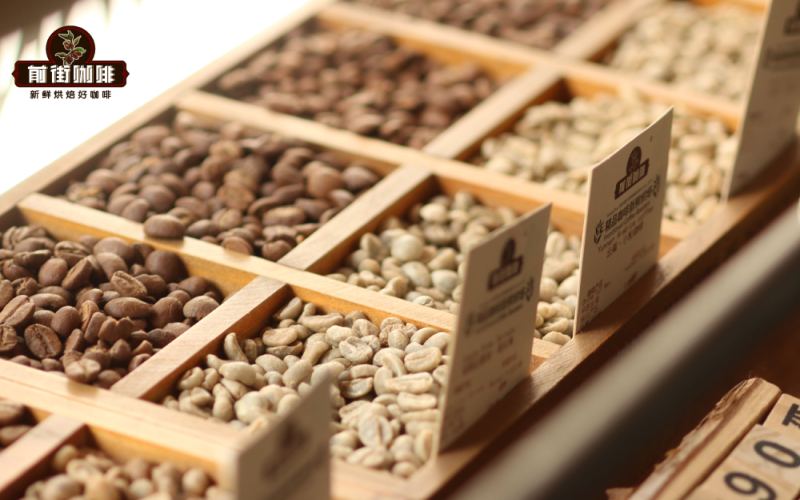
Yunnan Coffee's Variety Journey: What Exactly Is the Difference Between Catimor and Typica, and Why Does Front Street Coffee Insist on Growing Typica?
In recent years, Yunnan coffee has frequently appeared on the promotional lists of major coffee brands, from chain giants to Blue Bottle Coffee, all of which have begun to pay attention to this producing region. However, most Yunnan coffee on the market is actually of the Catimor variety. Although this variety, which carries Robusta lineage, has high yield and strong disease resistance, it struggles to express pure specialty flavor. Since 2013, Front Street Coffee has been growing Typica and Bourbon in Lincang, Yunnan, attempting to change the positioning of Yunnan coffee from the source of the variety. This article will sort out the origins of Catimor, its relationship with Arabica, and how Yunnan coffee can find its own path toward specialty coffee between variety and processing method. [more…]
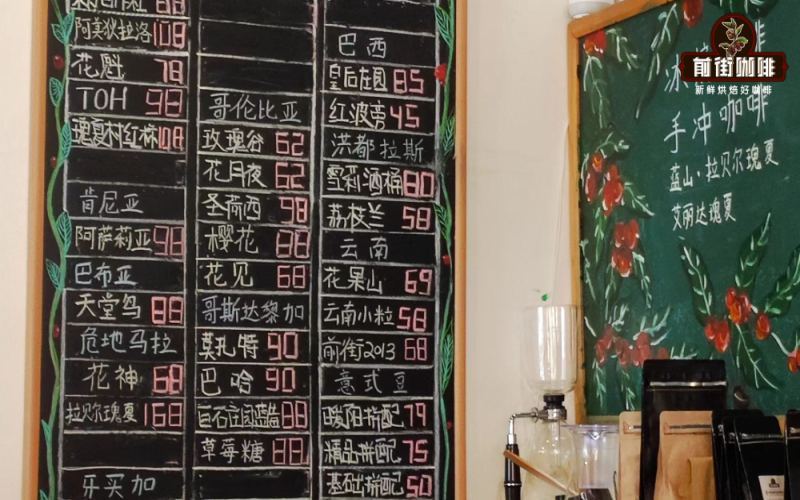
Colombia Huila Coffee Flavor Analysis: Front Street Coffee Daily Bean Brewing Tips and Growing Region Characteristics
Colombian coffee has won the favor of many enthusiasts with its complex and diverse fruity flavors, and the Huila region is a representative that combines both yield and quality. At Front Street Coffee stores, there is a rich variety of Colombian coffee beans, which often leaves friends new to specialty coffee unsure where to start—fortunately, the baristas first ask about taste preferences before making recommendations. This article will begin with the overall characteristics of Colombian coffee, sort out the growing environment, historical background, and flavor performance of the Huila region, and focus on introducing the origin information and variety characteristics of Front Street Colombia Washed Huila everyday beans, as well as a set of brewing parameters and techniques that can be reliably reproduced at home, for coffee lovers to reference and put into practice. [more…]
A Complete Analysis of the Main Arabica Coffee Producing Regions: Flavor Characteristics of the Three Major Regions and Introduction of Representative Bean Varieties
Arabica coffee accounts for more than seventy percent of global coffee production and has extremely strict requirements for its growing environment. Starting from the coffee belt on both sides of the equator, the three major producing regions of Latin America, Africa, and Asia-Pacific each nurture distinctly different coffee flavors. This article systematically sorts out the distribution of Arabica's main producing areas, introducing one by one the terroir conditions and cupping characteristics of representative producing areas such as Brazil Cerrado, Colombia Huila, Guatemala Huehuetenango, Costa Rica Tarrazu, Indonesia Sumatra, China Yunnan Baoshan, and Ethiopia Yirgacheffe, while also sharing the selection approach of the Front Street Coffee daily drinking bean series, helping coffee enthusiasts build a cognitive framework for the basic flavors of each producing area. [more…]
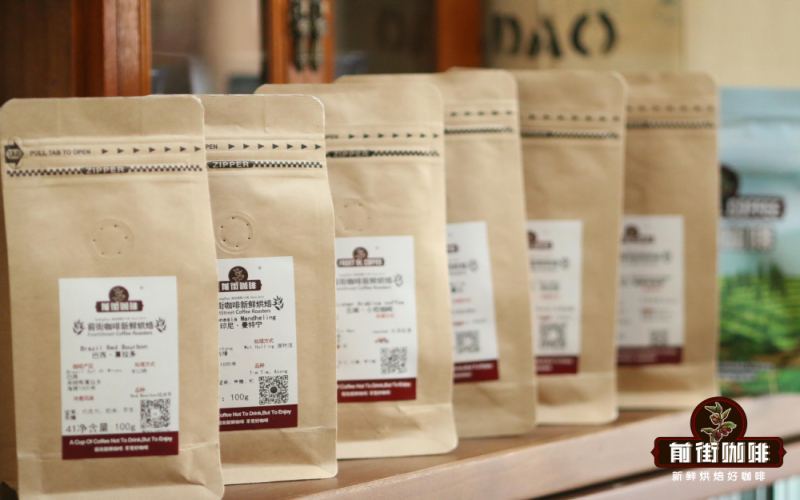
Coffee Flavor Originates from Its Region: A Rundown of the Characteristics and Signature Beans of the World's Top Ten Premium Coffee Origins
The final flavor and quality of a cup of coffee ultimately depend on the very bean it started as. Different varieties, different origins, and different processing methods all let coffee beans reveal entirely different personalities. Soil composition, elevation, hours of sunlight, rainfall, and even the faintest breeze all leave their mark inside the bean. This article, from the perspective of Front Street Coffee, sorts through ten of the world's most noteworthy coffee origins, covering Africa, Central and South America, and Asia, and introduces one by one the signature flavors of each region along with Front Street's corresponding everyday drinking bean products, helping coffee lovers build a preliminary understanding of regional flavors. [more…]
Yirgacheffe vs. Huakui Coffee Beans Compared: A Comprehensive Analysis of Growing Regions and Flavor Characteristics
Ethiopia, as the birthplace of coffee, holds a pivotal position in the global specialty coffee scene. Yirgacheffe and Guji (the region where Huakui originates) are two of its most prominent star origins. This article, from the perspective of Front Street, systematically sorts through the growing conditions, altitude differences, processing methods, and flavor profiles of these two regions, helping friends new to specialty coffee quickly build their understanding. Yirgacheffe is known for its bright acidity and intense floral aroma, while Guji stands out for its rich tropical fruit notes and lively acidity. The article also extends to introduce the flavor differences between Ethiopian washed and natural processing, as well as the rich possibilities brought by variety diversity. [more…]
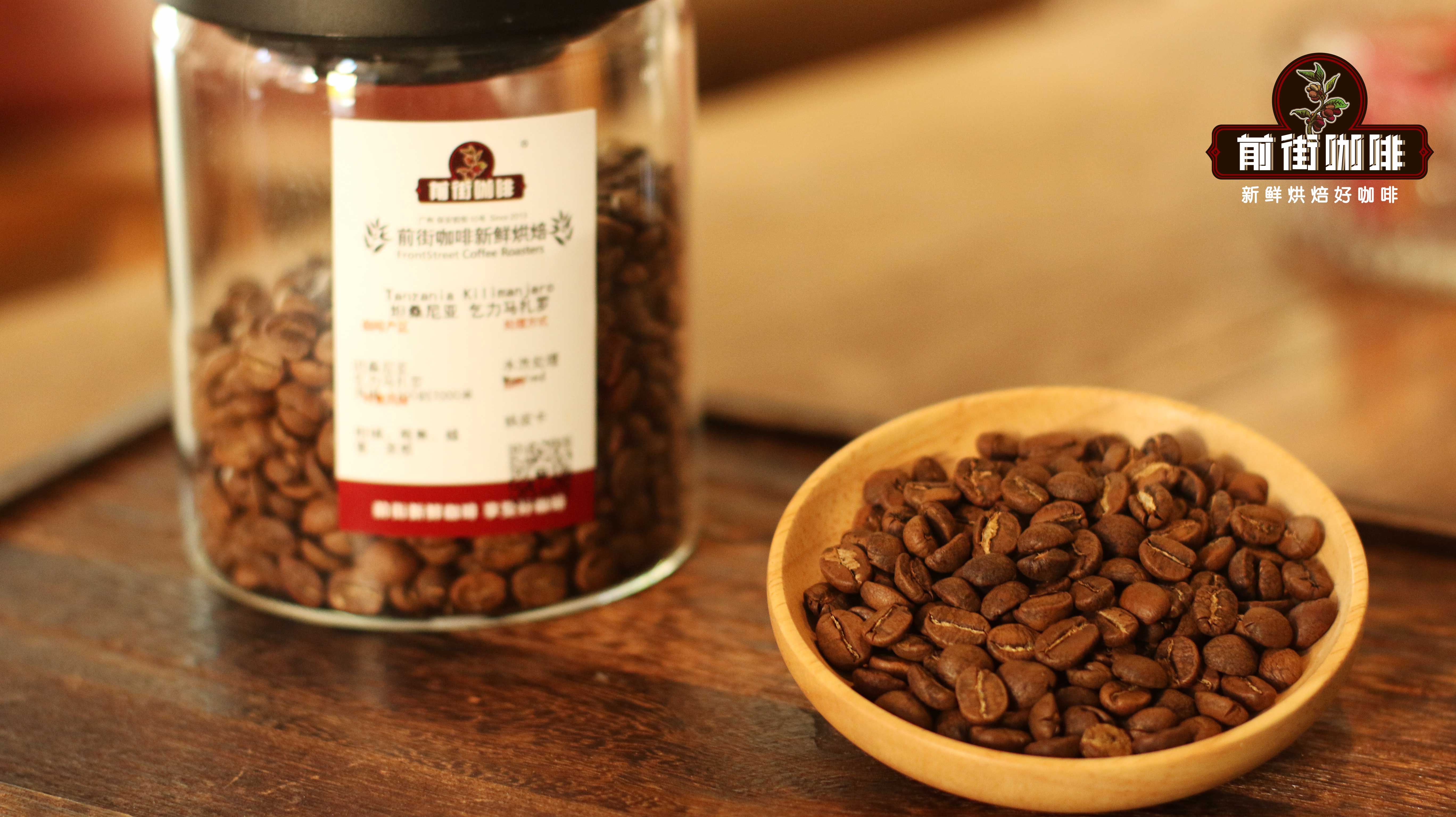
Tanzanian Coffee Bean Origins and Charm, Front Street Brand Bean Selection Guide, and Overview of Major Estates
Tanzania is located in the East African Rift Valley, with fertile volcanic soil and high-altitude growing conditions, producing coffee that combines bright acidity with a full-bodied mouthfeel. The northern Kilimanjaro region is known for citrus, spice, and malt chocolate flavors, while the southern Ruvuma region presents floral notes and elegant fruit acidity. Front Street Tanzania Kilimanjaro coffee beans are selected from northern highland AA-grade washed beans, with rich flavor layers that perform excellently whether served hot or iced. This article will comprehensively examine the characteristics of Tanzanian coffee, from regional distribution, variety evolution, processing methods to estate partnership systems, and introduce relevant product information from the Front Street brand, providing coffee enthusiasts with a practical bean selection reference. [more…]
Nicaragua Finca La Providencia Caramel-Flavored Coffee Beans: A Full Analysis of the Growing Region, Processing Methods, and Flavor Characteristics
Nicaraguan coffee is known for its deep chocolate, caramel sweetness, and almond notes, with a bright yet soft acidity that is quite different from the typical high-toned fruity acidity of Central America. This article focuses on the COE award-winning bean from Finca El Cielo, outlining the unique volcanic soil and shade-growing conditions of the Dipilto region, analyzing the rich hazelnut-chocolate sweetness, tea-like body, grapefruit, and creamy flavors brought by the washed-then-natural processing method, and explaining its SHG grade, hand-picking, and suitability for medium roasting. At the end, it includes Front Street Coffee's reasons for recommending this bean, making it suitable for coffee lovers who dislike strong acidity and seek lasting sweetness and layered complexity. [more…]
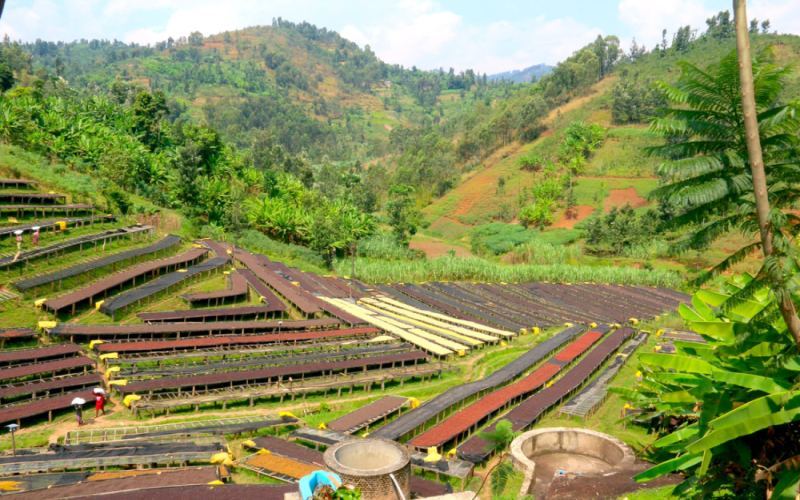
A Comprehensive Analysis of Rwanda's Coffee Producing Regions, Red Bourbon Single-Origin Bean Flavors, and Renowned Estate Brands
Since the 1920s, Rwanda has been renowned worldwide for its Arabica coffee with fruity sweetness and grassy notes. This article will take you deep into the coffee-growing conditions of this "Land of a Thousand Hills," the unique flavors of the Bourbon variety, and the revitalization journey of the local coffee industry. At the same time, we will also recommend a Front Street washed Red Bourbon coffee that fully embodies Rwanda's characteristics, and break down in detail its producing region, grading, roasting, and tasting points, helping coffee lovers gain a more comprehensive understanding of the charm of this African specialty coffee region. [more…]
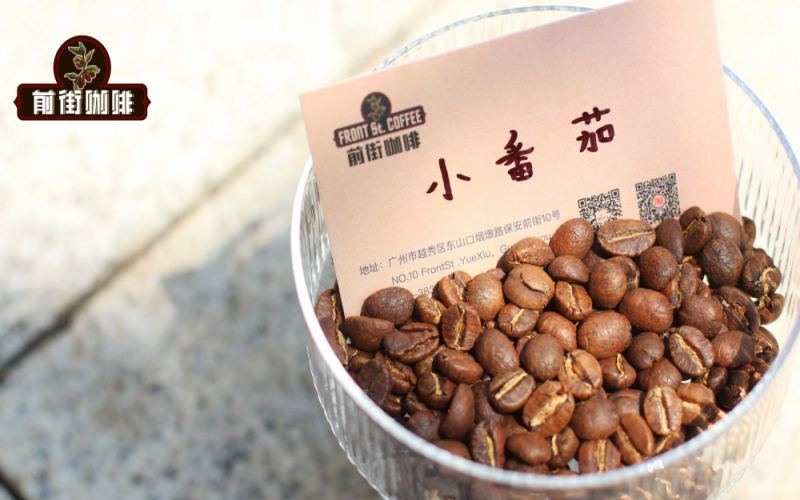
Kenyan Coffee Origin Story and Flavor Analysis: From Planting History to the AA Grading System
Kenyan coffee is renowned for its clean, crisp cup and bright fruity acidity, making it a favorite among many specialty coffee enthusiasts. From the perspective of Front Street Coffee, this article systematically sorts through Kenya's coffee-growing conditions, historical context, distribution of its ten major producing regions, and unique grading system, while also providing an in-depth analysis of the factors behind its flavor. The article also includes Front Street's Kenyan Little Tomato brewing parameters to help readers gain a comprehensive understanding of the appeal of this East African coffee-producing country. [more…]