







The flavor and quality of a cup of coffee ultimately depend on the original coffee bean. Different varieties, origins, and processing methods all allow coffee beans to display completely different personalities. Soil composition, altitude, sunlight duration, rainfall, and even a faint breeze all leave their mark on the beans. From the perspective of Front Street Coffee, this article outlines the world's top ten coffee origins worth paying attention to, covering Africa, Central and South America, and Asia, and introduces the representative flavors of each region along with Front Street's corresponding daily-drinking coffee products, helping coffee lovers build a preliminary understanding of regional flavors.
For professional coffee knowledge exchange and more coffee bean information, please follow the Coffee Workshop (WeChat public account: cafe_style).
For more specialty coffee beans, please add the private WeChat of Front Street Coffee (FrontStreet Coffee), WeChat ID: qjcoffeex.
For a coffee bean to become a fine drink in the cup, it must go through multiple processes such as processing, roasting, and brewing, but what truly determines the upper limit of this cup's flavor and quality is still the original green bean. Different coffee varieties, growing regions, and processing methods cause the beans to present completely different flavor profiles. The soil composition, altitude, sunlight conditions, rainfall, and even a faint breeze in the producing region can all affect the quality and flavor of coffee beans.
Front Street Coffee (FrontStreet Coffee) believes that an excellent specialty coffee bean should not only be judged by variety and growing altitude, but should also possess a signature flavor that represents its region. Among various coffee processing methods, washed processing can most directly reflect whether a coffee bean's flavor is good or bad.
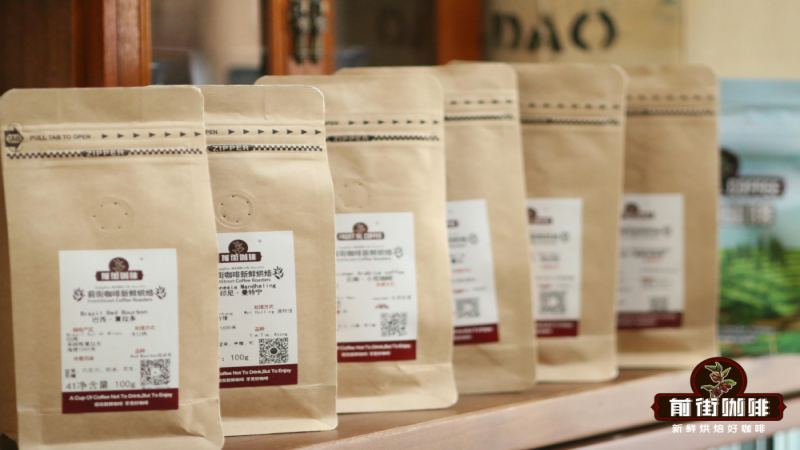
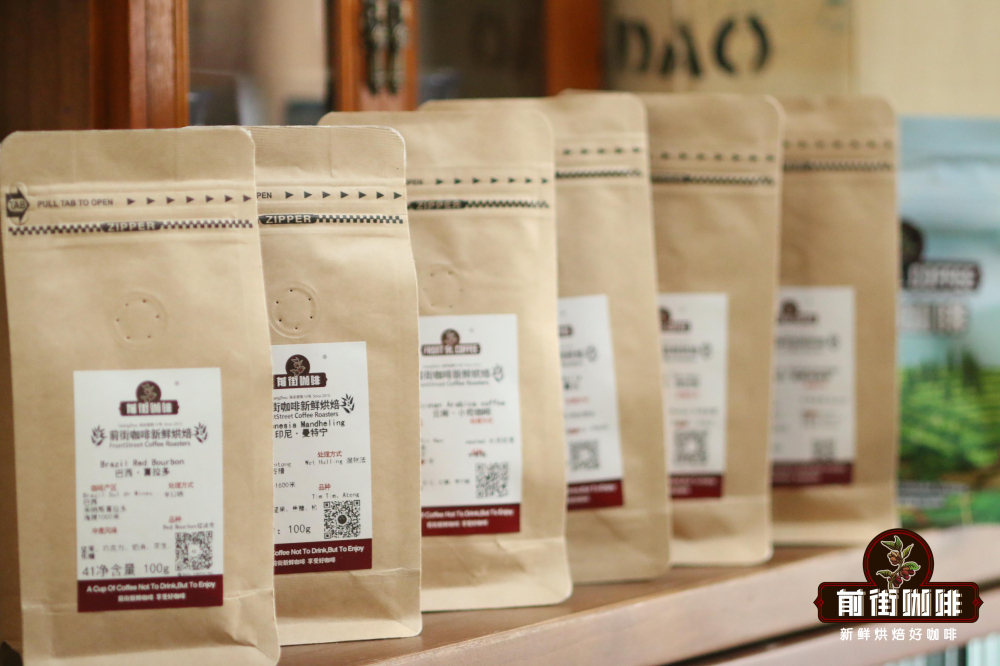
For this reason, Front Street Coffee (FrontStreet Coffee) launched 7 daily-drinking series coffee beans, covering seven major coffee-producing regions in Africa, Central and South America, and Asia (namely: Yirgacheffe in Ethiopia, Huehuetenango in Guatemala, Huila in Colombia, Tarrazu in Costa Rica, Cerrado in Brazil, Sumatra in Indonesia, and Baoshan in Yunnan). They are sold in 100g small packages at a highly cost-effective price, allowing enthusiasts to taste the representative flavors of coffee beans from seven regions at a lower cost, so they can better judge which region's coffee suits them more. This can also be regarded as the most preliminary understanding of a region's flavor.
Most single-origin coffee beans sold on the market are named after their producing regions, allowing people to roughly judge the flavor direction from the place of origin. The producing region is one of the key factors determining coffee flavor, so whether you want to find the cup you like best or want to try various different styles, you should start by getting to know the world's major coffee origins. Below, Qianjie Coffee introduces 10 delicious coffee-producing regions, in no particular order.
Ethiopia Ethiopia
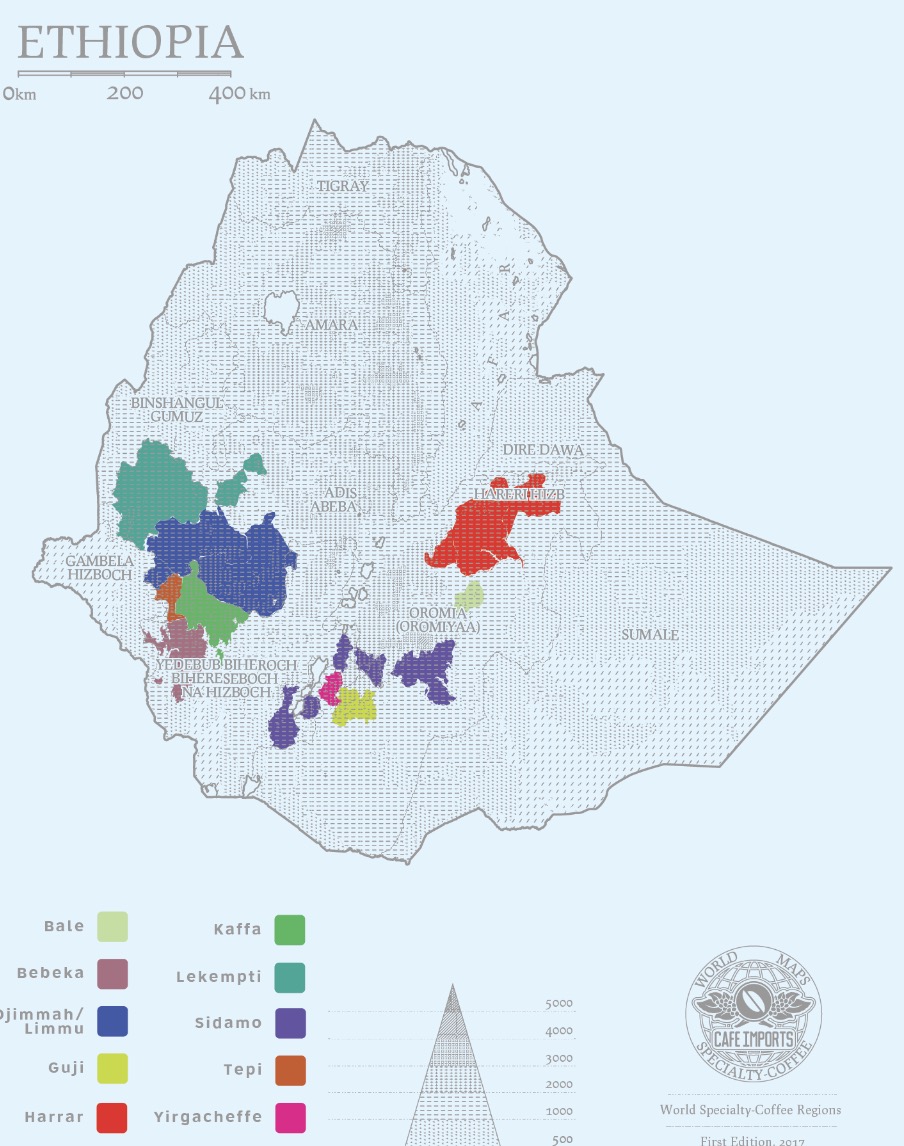
Ethiopia is the birthplace of coffee and the original home of Arabica beans. Local coffee is known for its rich, fresh style, with bright acidity and prominent fruit aromas. It is also for this reason that Ethiopian coffee beans are one of the most widely sold single-origin coffees in coffee shops around the world.
Among them, the Yirgacheffe region in southern Ethiopia, at an altitude of 1700-2100m, is one of the highest coffee-producing regions in the world and is also synonymous with Ethiopian specialty coffee. The so-called Yirgacheffe flavor refers to rich citrus and lemon acidity, intense jasmine floral aroma, a light and elegant mouthfeel with a tea-like quality, drinking like a refreshing, clean lemon tea.
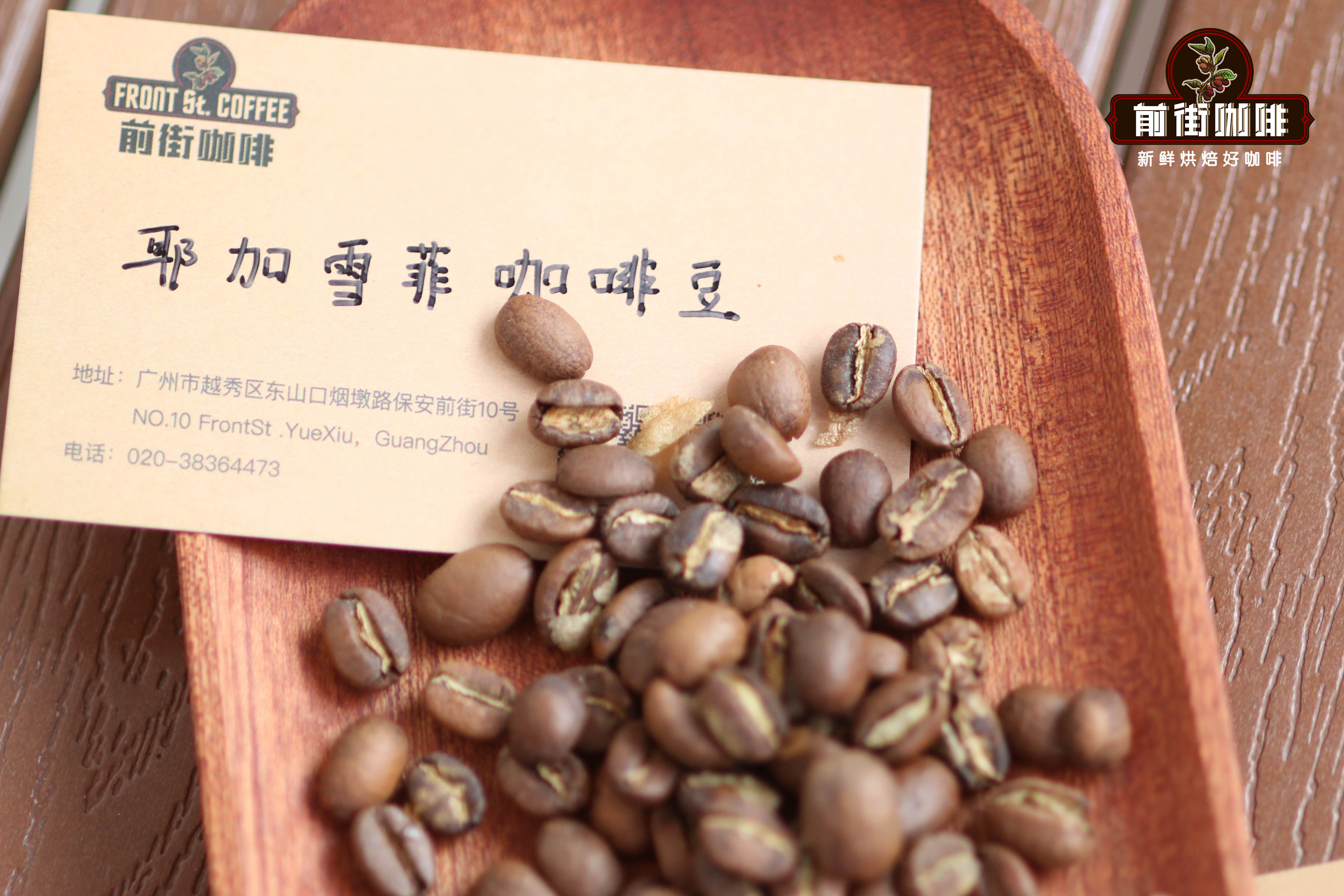
Front Street Coffee (FrontStreet Coffee) - Washed Yirgacheffe Coffee Beans
Region: Yirgacheffe, Ethiopia
Altitude: 1800m—2000m
Variety: Local heirloom varieties
Processing method: Washed
Brewing flavor: Jasmine, berries, lemon, citrus
Kenya Kenya
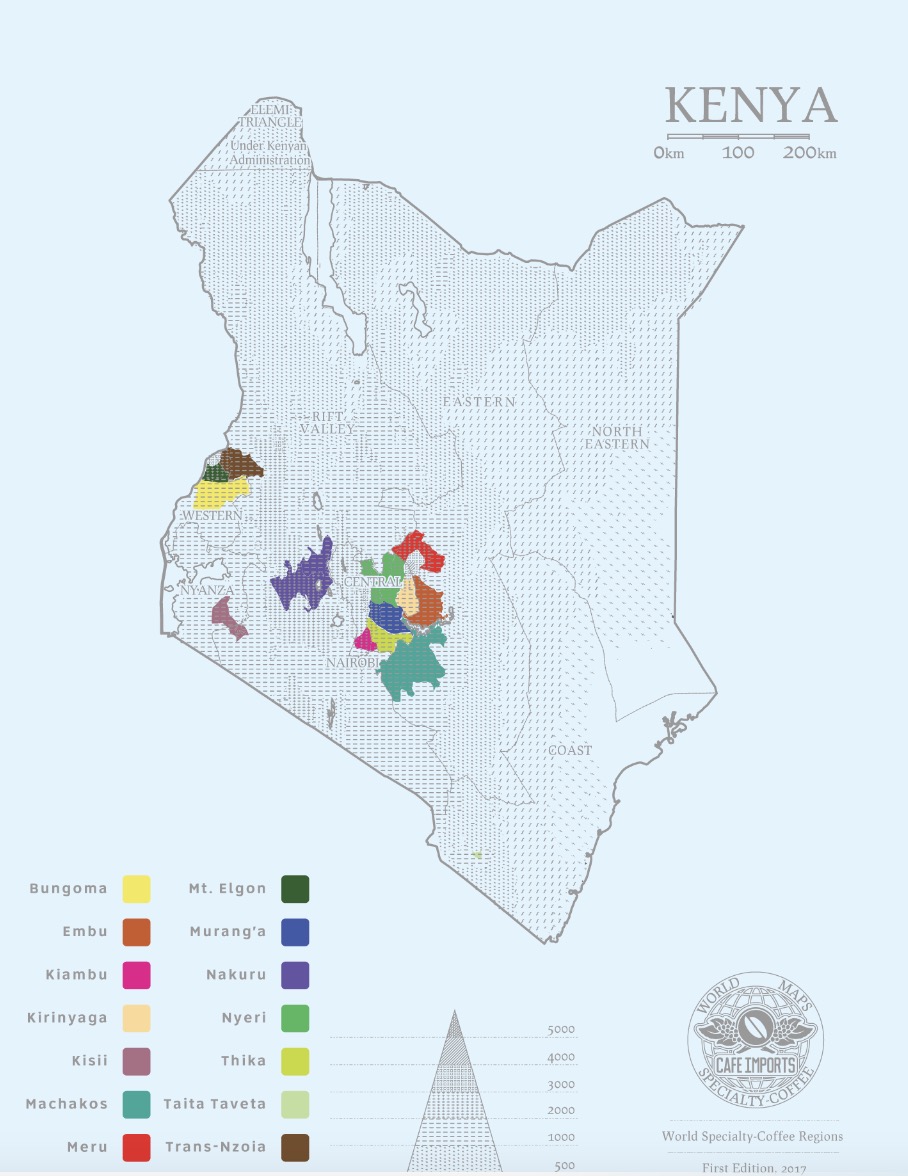
Kenya is a neighboring country of Ethiopia, but coffee took a roundabout path around the world and did not enter Kenya until 500 years later. However, local coffee has therefore become more diverse and is known for juicy, bursting coffee beans. It has both berry-like acidity such as cherry tomato and a clear, full sweet-and-sour sensation. The soil of the Kenyan highlands is rich in phosphoric acid, so the coffee grown there has a clear and lively mouthfeel.
Kenya is located in East Africa, with an average altitude of 1500 meters. Coffee is mainly grown in the volcanic areas around the Kenyan highlands from the capital Nairobi at altitudes of 1600-2100 meters. This height is suitable for the development of coffee bean flavor because the lower temperatures in the mountains slow growth, allowing the aromatic components of the coffee beans to fully develop, the fruity acidity to become more pronounced, and the texture to be harder. This fertile, crescent-shaped coffee zone is the main producing area of Kenya's specialty beans.
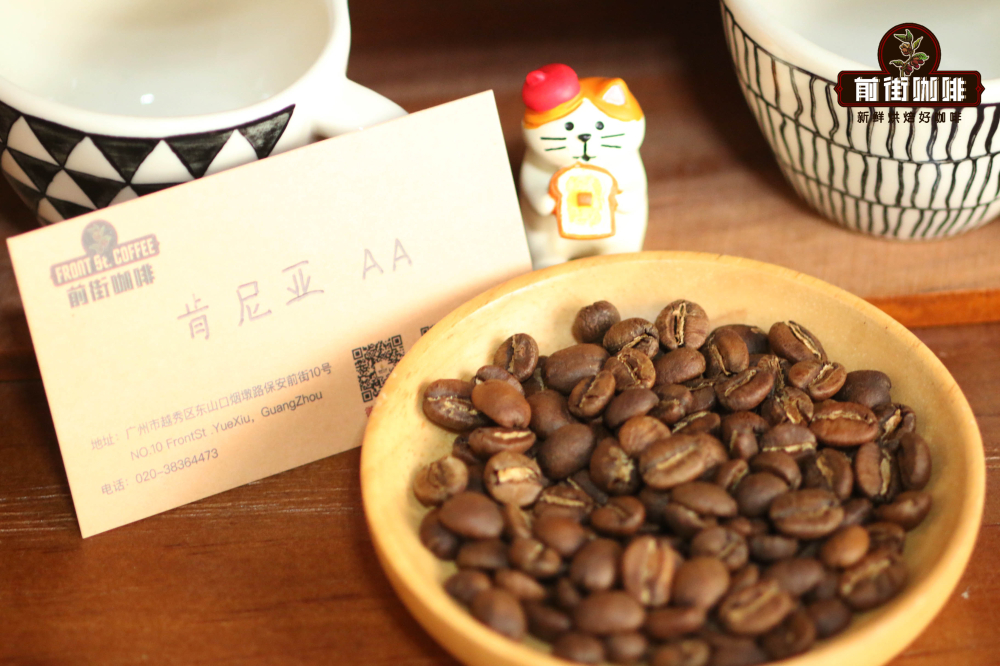
Front Street Coffee (FrontStreet Coffee) - Kenya Asaliya Coffee Beans
Region: Asali Processing Station, Thika region, Kenya
Altitude: 1550m—1750m
Variety: SL28, SL34
Processing method: K72 washed processing
Flavor description: Dark plum, cherry tomato, snow pear, yellow sugar, plum
Guatemala Guatemala
The coffee produced in high-altitude Guatemala is of excellent quality. It borders Mexico to the north, Honduras and El Salvador to the south, the Caribbean Sea to the east, and the Pacific Ocean to the west. With mountains and sea nearby, it possesses tropical rainforests, volcanic geology, and changeable microclimates, giving the coffee produced in this region a soft berry-like sweet acidity, rich nutty aroma, and a slight smoky note, and it is therefore highly recognized by coffee connoisseurs around the world.
Huehuetenango is a coffee-producing region in central Guatemala. Its name comes from Nahuatl and means "place of the ancients (or ancestors)." Because of the dry hot winds from Mexico, the mountains, though high, have no frost damage, so coffee can be grown at nearly 2000m. It is one of the three non-volcanic coffee-producing regions in Guatemala.
Front Street Coffee (FrontStreet Coffee) - Guatemala Huehuetenango Coffee Beans
Region: Huehuetenango, Guatemala
Altitude: 1500m—2000m
Variety: Bourbon, Caturra, Catuai
Processing method: Washed processing
Brewing flavor: Nuts, lemon peel, berries, citrus
Panama Panama
Before Hacienda La Esmeralda's Geisha coffee beans became famous in 2004, coffee beans from Panama did not receive much market attention. As a result, the owners of several large coffee estates in Panama at the time formed the Specialty Coffee Association of Panama (SCAP) and launched the world's first green coffee competition (BOP) in 1996, hoping to gain market recognition for outstanding coffee samples through competition and thereby obtain higher purchase prices.
With the fame of Hacienda La Esmeralda's Geisha coffee beans, Panama's annual BOP green bean competition has attracted global attention. The coffee beans from the Boquete region, where Hacienda La Esmeralda is located, are also deeply loved by everyone.
Boquete is located on the eastern slope of Baru Volcano. It is cool and foggy, and the mountainous geographical environment creates a unique microclimate. The cool climate and frequent fog help slow the ripening process of coffee cherries, similar in effect to high altitude. The coffee flavor of this region ranges from cocoa to fruity, with slight acidity.
Front Street Coffee (FrontStreet Coffee) — Panama Hacienda La Esmeralda Diamond Mountain Coffee Beans
Region: Boquete, Panama, Hacienda La Esmeralda
Plots: Cañas Verdes & Jaramillo
Altitude: 1400-1700m
Variety: Caturra, Catuai
Processing method: Natural
Brewing flavor: Citrus, berries, honey, cocoa, fermented aroma
Colombia Colombia
Colombia has nutrient-rich volcanic soil, abundant rainfall, and no frost damage. Its coffee industry is flourishing and its quality is stable. It is the world's second-largest coffee producer after Brazil, and the country only grows Arabica varieties.
Colombian coffee beans are light green and large in size, expressing the fresh elegance of South American coffee and its just-right aroma, acidity, and sweetness even more fully. Among them, coffee beans from the Huila region especially have a delicate berry-like acidity, making them even more popular.
Huila Department is located in the southern part of Colombia's Central Cordillera and is the country's most famous specialty coffee-producing region. This area is hilly land surrounded by mountains, with cultivation altitudes above 1500 meters. The region is located in mountainous terrain, and the coffee is grown on canyon slopes, so it has the high altitude and suitable temperatures required for growing high-quality Arabica beans and can also maintain relatively high quality. Coffee beans from the Huila region have a full body and heavier texture. They possess aromas of nuts, chocolate, and caramel, along with smooth, pleasant fruity acidity.
Front Street Coffee (FrontStreet Coffee) - Colombia Huila Coffee Beans
Region: Huila, Colombia
Altitude: 1500m—1800m
Variety: Caturra
Processing method: Washed processing
Brewing flavor: Nuts, dark chocolate, caramel, soft fruity acidity
Costa Rica Costa Rica
The best coffee beans in Costa Rica grow at altitudes above 1,500 meters and are labeled SHB (Strictly Hard Bean). Because the air at high altitude is cooler, the coffee fruit ripens more slowly, which further concentrates the flavor and allows it to be fully expressed during roasting. To control quality, Costa Rica only allows the cultivation of Arabica coffee beans, and growing Robusta beans has been made illegal.
Tarrazu is located south of Costa Rica's capital, San José, and is one of the country's most valued coffee-growing areas. Coffee is grown at altitudes above 1500m, so more than 95% of the coffee beans in this area can reach SHB grade. Tarrazu coffee beans are plump, with a rich body, smooth mouthfeel, intense chocolate and nut aromas, moderate acidity, and an attractive fragrance.
Front Street Coffee (FrontStreet Coffee) - Costa Rica Tarrazu Coffee Beans
Region: Tarrazu, Costa Rica
Altitude: 1500 meters
Variety: Caturra, Catuai
Processing method: Washed processing
Brewing flavor: Sweet orange, honey, toffee, nuts
Brazil Brazil
Brazil is the world's largest producer and exporter of Arabica coffee, accounting for 40% of global production. In addition to its enormous commercial coffee output, which supplies the demand for blends and espresso, it also has good single-origin coffee. Specialty-grade Brazilian Arabica coffee beans have excellent and unique flavors, with caramel and chocolate notes, relatively low acidity, and obvious sweetness. Please do not underestimate the quality of a cup of Brazilian coffee just because of its low acidity; take another sip and you will feel its wonderful taste.
Brazilian specialty coffee mainly comes from Minas Gerais. The representative coffee-producing regions of Minas Gerais include Cerrado and South Minas, both of which are higher-altitude areas. Cerrado is located in the west of Minas Gerais and is a flat plateau at 750m-1200m. South Minas is hilly land at 700m-1200m. Since 1999, among the estates that have won in Brazil's Cup of Excellence auction, South Minas has had the largest number.
Front Street Coffee (FrontStreet Coffee) - Brazil Red Bourbon Coffee Beans
Region: Cerrado, Minas Gerais, Brazil
Altitude: 1000 meters
Variety: Red Bourbon
Processing method: Semi-washed
Brewing flavor: Peanut, cream, nuts, chocolate, caramel
Indonesia Indonesia
Before specialty coffee became widely sought after, coffee beans from Indonesia generally gave people an impression of earthy and bitter flavors, but one could also taste various notes such as spice, wood, tobacco, and leather, like unsweetened dark cocoa. They were widely used for blends and were usually dominated by Robusta varieties.
Later, as specialty coffee gradually became recognized, the Indonesian government began to pay attention to coffee varieties. They realized that Arabica varieties grown on the island of Sumatra would produce more refined coffee than Robusta, so Sumatra also became one of the Arabica-producing regions in Indonesia, among which coffee beans from the Lintong and Aceh regions are deeply loved by everyone.
Mandheling is actually not specifically a coffee bean variety, nor the name of a coffee-producing region, but the name of a tribe. It was mistaken by Japanese people as the name of a coffee bean and has continued to be used that way ever since.
Front Street Coffee (FrontStreet Coffee)'s Lintong Mandheling comes from the Lintong mountain area in north-central Sumatra, near Lake Toba, at a growing altitude of 1100-1600 meters. Front Street Coffee (FrontStreet Coffee)'s Front Street PWN Golden Mandheling comes from Mount Gayo in Aceh Province in northern Sumatra, at a growing altitude of 1100-1600m.
Front Street Coffee (FrontStreet Coffee) - Indonesia Lintong Mandheling Coffee Beans
Front Street Coffee (FrontStreet Coffee) - Indonesia Lintong Mandheling Coffee Beans
Region: Lintong, Sumatra, Indonesia
Altitude: 1100m—1600m
Variety: Tim Tim, Ateng
Processing method: Wet-hulled
Brewing flavor: Toasted bread, nuts, caramel, pine, herbs
The difference between the two is that Front Street PWN Golden Mandheling coffee beans undergo at least three rounds of purely manual sorting after harvesting and drying to ensure the bean size reaches 18 or above. Defective beans are fewer than 3 (in a 300g green bean sample), belonging to the highest grade, G1. PWN has a darker green color and a neat, flat bean shape. Although the screening process for Mandheling coffee beans from the Lintong region is not as rigorous and meticulous as that of the PWN company, their flavor expression is enough to represent the Sumatra region of Indonesia.
Front Street Coffee (FrontStreetCoffee) - Indonesia PWN Golden Mandheling Coffee Beans
Region: Aceh, Sumatra, Indonesia
Company: PWN Prawira Nusantara
Altitude: 1100m-1600m
Variety: Tim Tim, Ateng
Processing method: Wet-hulled
Brewing flavor: Spices, nuts, pine, caramel, herbs, chocolate
Jamaica Blue Mountain Jamaica Blue Mountain
Jamaica, a small country in the Caribbean, became famous because of Blue Mountain coffee. The slopes of the mountains running through this island are the main coffee-producing areas of Jamaica, and the most famous among them is Blue Mountain. Blue Mountain is an excellent coffee cultivation area, with the highest peak reaching 2256m. Coffee named after Blue Mountain has large beans, good quality, and balanced taste, with appropriate acidity, bitterness, aroma, body, and sweetness. It is a specialty coffee bean recognized worldwide.
The Blue Mountain coffee sold by Front Street Coffee (FrontStreet Coffee) comes from Clifton Mount Estate, also the only coffee estate in the Blue Mountain growing area with Rainforest Alliance certification. The estate's coffee cultivation and processing areas are located at an average of 1310m. Sufficient altitude, mild afternoon cloud cover shading the mountain forests, ample sunlight, and mineral-rich planting soil provide good growing conditions for coffee trees and also extend the ripening of coffee cherries.
Front Street Coffee (FrontStreet Coffee) — Jamaica Blue Mountain No. 1 Coffee Beans
Origin: Blue Mountain Range, Jamaica
Estate: Clifton Mount Estate
Altitude: 1310m
Variety: Typica
Processing method: Washed processing
Brewing flavor: Dark chocolate, nuts, cream, balanced acidity, sweetness, and bitterness
Yunnan, China Yunnan
Yunnan Arabica coffee is suitable for growing on mountain land at altitudes of 800—1800 meters. If the altitude is too high, it tastes sour; if too low, it tastes bitter. Arabica coffee is mostly planted in dry-hot river valley areas at around 1100 meters, so the acidity is moderate, and the aroma is rich and mellow. Many areas in Yunnan (Lincang, Pu'er, Baoshan, etc.) have unique environments suitable for the growth of Arabica coffee, and the Arabica coffee produced there is of excellent quality.
Choosing the right variety, planting it at the appropriate altitude, and after maturity experimenting to find a processing method that can express its unique flavor—this is the only logical relationship Front Street believes can give specialty coffee a distinct regional flavor. Therefore, in 2013, Front Street Coffee (FrontStreet Coffee) began growing the oldest Arabica coffee variety, Typica, in an area of Lincang, Yunnan, near Myanmar at an altitude of 1300 meters. Its characteristic is a clean and tranquil coffee flavor.
It is precisely because of its clean and tranquil flavor that "Front Street 2013 Yunnan Typica Coffee Beans" have a flavor expression very characteristic of the region: plum, berries, brown sugar, black tea, nuts, with an overall mellow and clean profile.
Front Street Coffee (FrontStreet Coffee) - Yunnan Natural Typica Coffee Beans
Origin: Lincang, Yunnan, China
Estate: Front Street Coffee (FrontStreet Coffee) Estate
Altitude: 1300m
Variety: Typica
Processing method: Natural processing
Brewing flavor: Plum, berries, brown sugar, black tea, nuts
For professional coffee knowledge exchange and more coffee bean information, please follow the Coffee Workshop (WeChat public account: cafe_style).
For more specialty coffee beans, please add the private WeChat of Front Street Coffee (FrontStreet Coffee), WeChat ID: qjcoffeex.
The above content is compiled by CoffeeHunters, a coffee news website.


