







Search Results for: Coffee Grounds for Beauty

Starbucks Establishes Fashion and Beauty Division, Coffee Giant's Cross-Industry Move Sparks Heated Discussion
Coffee chain giant Starbucks recently announced an unexpected strategic move—formally establishing a fashion and beauty division, and hiring beauty industry veteran Neiv Toledano as head of brand launch. This action is not a spur-of-the-moment decision; previously, Starbucks launched co-branded products with cosmetics brands such as Kylie Cosmetics and Stonebrick, which received a good market response. As soon as the news broke, netizens' imaginations ran wild, offering suggestions for Starbucks' beauty products, from coffee grounds scrubs to mocha eyeliners, sparking lively discussion. At the same time, some voices expressed concern that frontline employees may face more sales tasks in the future. This article will sort out the ins and outs of Starbucks' crossover into beauty and the reactions from all sides. [more…]
The Complete Guide to Coffee Grounds: From Facial Scrub to Hair Mask, a Detailed Look at Coffee Beauty, Skincare, and Practical Life Hacks
Coffee has long been part of the daily rhythm for many urbanites, but most people treat it merely as a pick-me-up. In fact, coffee's uses go far beyond drinking—the grounds left after brewing are equally promising for beauty and skincare and for household life. This article systematically introduces the specific ways to use coffee grounds for facial care, hand cleansing, and hair maintenance, including practical recipes such as exfoliating scrubs, firming masks, odor removal, scalp sprays, and hair masks, each with detailed materials and step-by-step instructions. If you happen to have coffee grounds on hand, why not follow along with this article and try these simple, natural tricks. [more…]
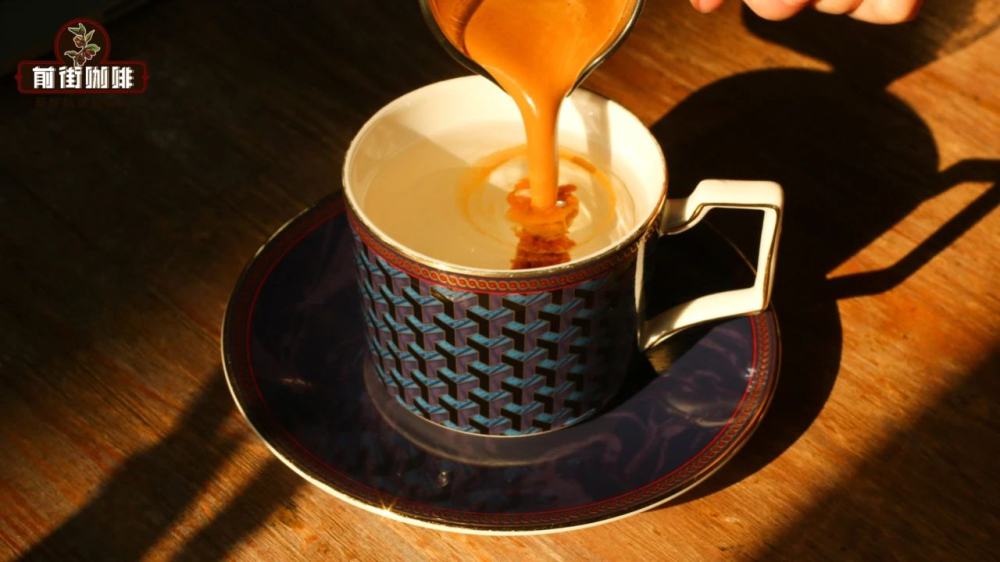
Pour-Over vs. Espresso Coffee Comparison | What are the differences between espresso and pour-over coffee in terms of coffee bean preparation methods, coffee extraction principles, and coffee-to-water ratio parameters?
Coffee is winning over more and more people in China, even starting to rival fast-drink tea beverages like milk tea, though the consumer groups for each are quite different. When it comes to coffee, pour-over coffee and espresso are a must-mention, and pour-over coffee relies most of all on single-origin beans. The unadorned beauty of pour-over coffee is not brash, [more…]
Types of Black Coffee | How Are Pour-Over and Espresso Different? Can Espresso Blend Beans Be Used for Pour-Over? Can Single-Origin Beans Be Used to Extract Espresso?
Coffee is gaining popularity among more and more Chinese people, even somewhat rivaling fast-food tea drinks like milk tea, though consumption groups each have their own preferences. When it comes to coffee, one cannot help but mention pour-over coffee and espresso. Pour-over coffee most often uses single-origin beans, and its unadorned beauty is not crude, [more…]
Jamaican Blue Mountain Coffee Grading and Flavor Secrets: A Complete Guide to Front Street Blue Mountain Coffee
Jamaican Blue Mountain coffee is hailed as the "Beauty of Coffee," captivating enthusiasts with its perfect blend of unique acidity, bitterness, sweetness, and mellow richness. But do you know how coffee from the Blue Mountain region is graded? What distinguishes coffee beans grown at different altitudes? Why does Front Street Coffee's Blue Mountain coffee maintain its pure flavor? This article will guide you through the three major grades of Jamaican Blue Mountain coffee, its rigorous harvesting and processing methods, and its unique advantages of low caffeine and rich flavor. Whether you're a coffee enthusiast or new to specialty coffee, this article will unveil the mysteries of Blue Mountain coffee. [more…]
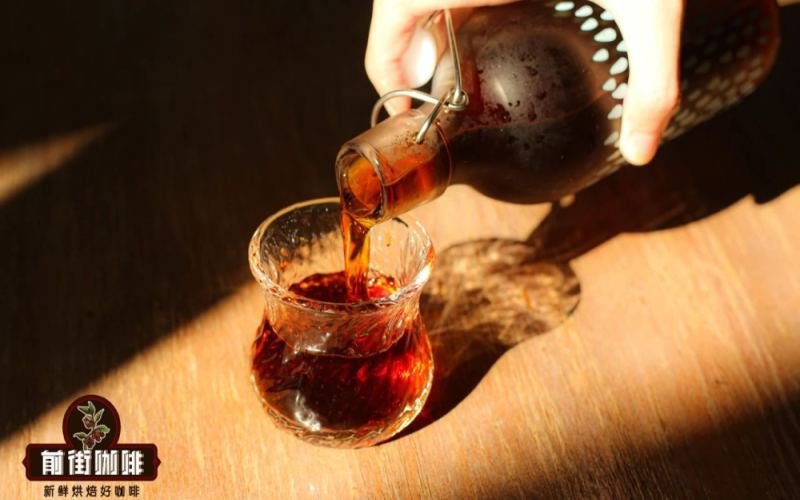
The Complete Guide to Pour-Over vs. Espresso: From Bean Selection and Extraction Methods to Cold Drip and Cold Brew
What exactly is the difference between pour-over coffee and espresso? This article compares them across three dimensions—coffee bean selection, brewing method, and caffeine content—and takes a deep dive into the specific workflows of espresso and pour-over coffee, including the extraction parameters and equipment setup used at Front Street Coffee's shops. It also introduces the characteristics and differences between two cold-extraction methods: ice drip coffee and cold brew coffee. Whether you're a beginner just getting into coffee or an enthusiast hoping to refine your brewing skills, you'll find practical reference information here and gain a feel for how different extraction methods change the flavor. [more…]
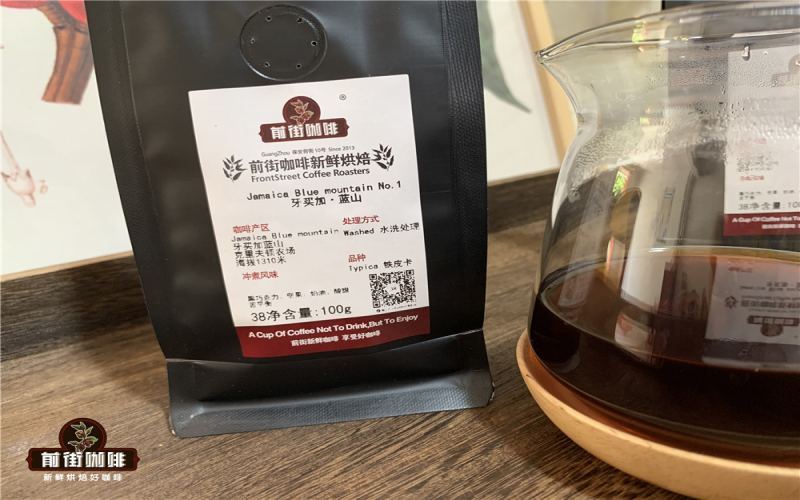
Why Is Jamaican Blue Mountain Coffee Hailed as Top-Tier? A Comprehensive Analysis of Its Pour-Over Flavor and Taste Characteristics
Blue Mountain coffee is often called one of the best coffees in the world. It is neither bitter nor sour, with a balanced flavor, like a cup of silky milk tea, and is therefore affectionately nicknamed "beauty coffee" by enthusiasts. But the excellence of Blue Mountain coffee is no accident—the unique geographical location of Jamaica's Blue Mountain range, its tropical rainforest climate, volcanic soil, and the Typica variety cultivated over more than two hundred years together create its unreplicable flavor. The Jamaican government implements strict grading and production-limiting, quality-preserving policies for Blue Mountain coffee, with unique standards from harvesting and processing to packaging. This article will comprehensively sort out the growing environment, variety characteristics, grading system, and processing methods of Blue Mountain coffee, and include Front Street Coffee's pour-over parameters and flavor description, taking you deep into this finest of the finest. [more…]
A Comprehensive Analysis of Caffeine Content in Pour-Over vs. Espresso and Whether Espresso Blend Beans Can Be Used for Pour-Over
There are significant differences between pour-over coffee and espresso in terms of preparation methods, coffee bean selection, and caffeine content. Pour-over mostly uses single-origin beans, primarily light to medium roasts, extracted at normal pressure over a longer time, so the amount of caffeine dissolved out is relatively higher; espresso relies on blended comprehensive beans, deep roasting, and rapid extraction at 9 atmospheres of pressure, with a thick mouthfeel, making it suitable for pairing with milk. This article will compare the three dimensions of bean selection, preparation methods, and caffeine content, and provide a detailed introduction to the Espresso preparation process at Front Street stores and the practical steps of pour-over coffee, helping enthusiasts understand the essential differences between the two extraction methods, while also answering the common question of whether espresso blend beans are suitable for pour-over. [more…]
Sidamo vs. Yirgacheffe Coffee Beans Comparison: A Full Analysis of Flavor Characteristics, Processing Methods, and Roasting Recommendations
Sidamo and Yirgacheffe both belong to Ethiopia's renowned coffee regions, yet each possesses a distinct flavor personality. This article focuses on Front Street Coffee's sun-dried Sidamo, washed Sidamo, and washed Yirgacheffe, systematically comparing the differences between the two in taste, aroma, and roasting performance. Sidamo features an interweaving of floral notes and earthy tones, along with nutty, cocoa, and bright lemony acidity; Yirgacheffe is known for its orange fruit aroma and light, mild character, performing differently under light and medium-dark roasts. The article also provides targeted roasting times, bean drop points, and hand-grinder grinding experiences to help coffee enthusiasts make more precise choices and brewing decisions. [more…]
A Comprehensive Guide to Jamaican Blue Mountain Coffee: The Unique Charm from Terroir to Tasting Methods
Blue Mountain coffee is widely recognized as one of the world's finest coffees. Grown in the Blue Mountains of eastern Jamaica, it owes its perfectly balanced flavor—sweet, acidic, bitter, and mellow—to fertile volcanic soil, a misty and rainy climate year-round, and rugged high-altitude growing conditions. Front Street Coffee's Blue Mountain coffee is highly sought after by coffee enthusiasts for its rich aroma, lingering fruity notes, and exceptionally low caffeine content. This article systematically examines the growing conditions for Blue Mountain coffee, its post-harvest processing, the current state of production allocation under Japanese capital control, and key points for verifying authenticity in the domestic market. It also shares Front Street's recommended pour-over brewing method and tasting suggestions, offering a comprehensive introduction to this legendary coffee known as the "beauty of coffees." [more…]

Coffee Body | How to brew a rich, full-bodied pour-over coffee? Recommended single-origin pour-over coffee beans that are neither sour nor bitter and have a sweet aftertaste
People always like to describe the beauty of a cup of coffee as rich and sweet, but what is "rich"? What is "mellow"? Wherein lies the difference? The coffee bean roast levels commonly seen on the market can be roughly and simply divided into three categories: light roast, medium roast, and dark roast. To highlight a rich and full-bodied coffee taste, roasters generally [more…]
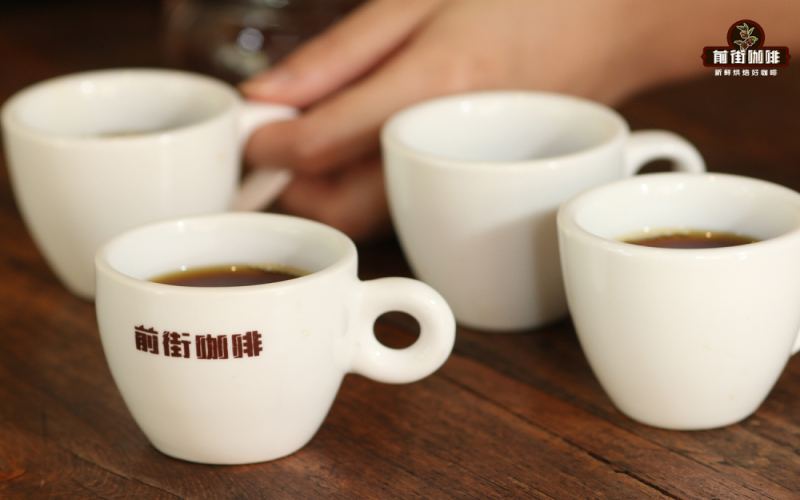
How Do You Choose a Jamaican Blue Mountain Coffee Brand? A Full Analysis of Front Street Blue Mountain Beans' Pour-Over Parameters, Flavor Profile, and Processing Method
Blue Mountain coffee is hailed as the "beauty of the coffee world," but not every product labeled Blue Mountain is authentic Jamaican Blue Mountain. True Blue Mountain coffee comes from the Blue Mountains of eastern Jamaica, at elevations of 1,000 to 1,700 meters, and is known for its Typica variety, washed processing method, and rich, balanced flavor. Front Street Coffee offers Blue Mountain No. 1 coffee beans with a Jamaican Coffee Board certificate, Rainforest Alliance certification, and wooden barrel packaging, covering both washed and natural processing methods. This article will systematically analyze the flavor characteristics and brewing suggestions of Front Street Blue Mountain coffee, from the growing environment, variety traits, and processing methods to Kono dripper brewing parameters, helping coffee enthusiasts gain a comprehensive understanding of this specialty coffee. [more…]
Analysis of the Core Differences Between Pour-Over and Espresso Coffee, with Full Process for Espresso Extraction and Pour-Over Steps
Both are cups of coffee, yet pour-over and espresso head down two completely different paths. From bean selection and extraction pressure to caffeine content, the two show striking differences at every stage. This article will systematically compare pour-over coffee and espresso across three dimensions, and break down in detail the production process of espresso and the three-stage pouring steps of pour-over coffee. At the same time, the article will also introduce the actual brewing parameters used at Front Street Coffee shops, including key data such as dose, liquid weight, and extraction time, to help coffee lovers recreate a full-flavored espresso or a clean, bright pour-over at home. [more…]
Analyzing the Core Differences Between Pour-Over and Espresso: Can Espresso Blend Beans Be Used for Pour-Over Extraction?
Many people just starting out in the world of coffee are curious: what exactly is the difference between pour-over and espresso? In fact, from bean selection and extraction pressure to caffeine content, the two take completely different paths. Pour-over favors light-to-medium roasted single-origin beans, using gentle drip filtration under atmospheric pressure to showcase the coffee's true flavors; espresso, on the other hand, mostly uses dark-roasted blends, extracting a rich coffee liquid under 9 bars of pressure, which then combines with milk or water to create classic drinks such as cappuccino, latte, and americano. This article will compare the two in detail across three dimensions—coffee beans, brewing methods, and caffeine content—and provide the practical steps for Front Street Coffee's espresso and pour-over, helping you consistently recreate a good cup of coffee at home. [more…]
A Comprehensive Guide to Jamaican Blue Mountain Coffee: Typica Variety, Flavor Profile, CIB Grading System, and Authenticity Verification
Jamaican Blue Mountain coffee is hailed as the "beauty of coffee," an elegant choice that combines acidity, bitterness, sweetness, and body in one. This article will provide coffee lovers with a comprehensive interpretation of this world-class coffee from multiple dimensions: the flavor characteristics of Blue Mountain coffee, the traits of the Typica variety, the grading system of the Jamaica Coffee Industry Board (CIB), the historical origins of Japan's priority purchasing rights, and Front Street Coffee's roasting and brewing recommendations for Blue Mountain coffee. At the same time, we will also share practical tips on how to identify authentic Blue Mountain coffee, helping you avoid the trap of "Blue Mountain flavor" blended beans in your daily purchases and truly appreciate the unique charm of genuine Jamaican Blue Mountain coffee. [more…]
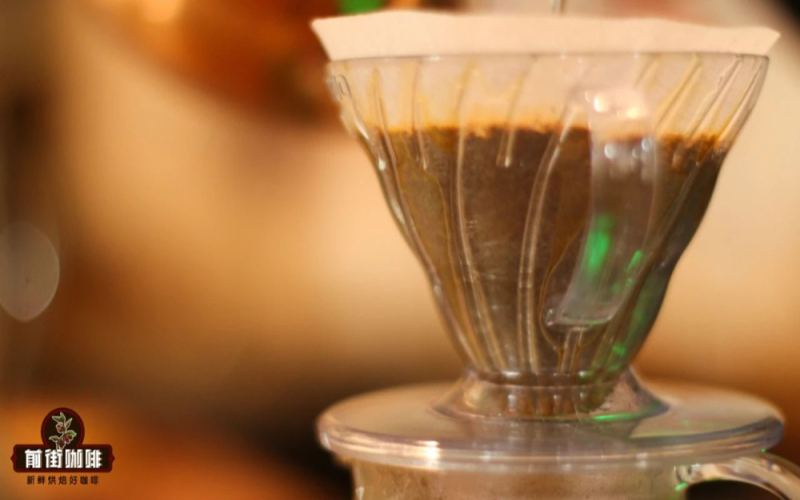
Don't Let Expired Coffee Grounds Go to Waste: Many Practical Uses and Ways to Reuse Coffee Grounds in Daily Life
For coffee lovers, the large amount of coffee grounds left after each brew is often a dilemma—simply throwing them away seems a bit wasteful. In fact, with a little clever use, these seemingly useless grounds can easily be turned into something valuable. Front Street Coffee reminds everyone that coffee grounds are not only excellent plant fertilizer, but also have multiple benefits such as deodorizing, preventing flavor transfer, beautifying and calming the mind, and even refreshing the senses. From flowerpot fertilizer to shoe cabinet dehumidifying, from preventing flavor transfer in the refrigerator to making your own calming pillow, the uses of coffee grounds in daily life are far beyond imagination. This article will systematically sort out practical tips for using coffee grounds, helping you easily achieve resource reuse while enjoying coffee, so that every particle of coffee powder can deliver maximum value. [more…]
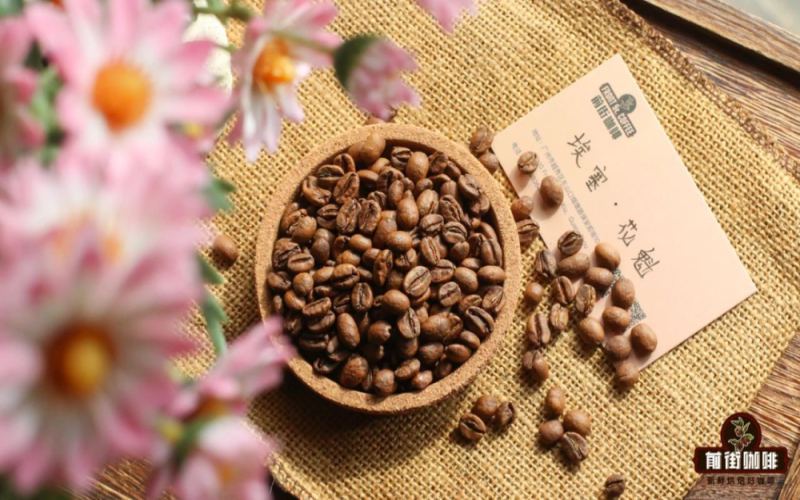
What is Huakui 6.0 Coffee? A Comprehensive Analysis of Its Origin, Variety, Processing Method, Flavor, and Mouthfeel
Huakui coffee has remained a hot topic in the specialty coffee circle in recent years, yet many people still have only a partial understanding of it. In fact, Huakui specifically refers to the sun-dried coffee beans produced by the Buku Abel processing station in Hambela, Guji region, Ethiopia—not all sun-dried beans from Sidamo or Guji can bear this name. This article will introduce the origin of the name Huakui, the traceability of its producing region, varietal characteristics, processing methods, and brewing suggestions one by one. It will also discuss the logic behind the version divisions from Huakui 2.0 to 6.0, as well as Front Street Coffee's roasting and brewing insights on this bean. Whether you are just getting to know Huakui or want to delve deeper into its terroir code, this article can give you clear answers. [more…]
In-Depth Comparison of Pour-Over and Espresso: A Comprehensive Analysis from Bean Selection and Extraction Methods to Caffeine Content
Coffee is becoming part of the daily routine for more and more people in China, and pour-over and espresso are the two most representative brewing directions. The two differ significantly in bean selection, preparation methods, and the final flavor profile. Pour-over usually uses single-origin beans and relies on gentle extraction at normal pressure, which better showcases the authentic flavor profile of the origin; espresso, on the other hand, relies on blended beans and a high-pressure environment of 9 atmospheres to produce a rich, full-bodied concentrate, which is the base for milk coffee drinks such as lattes and Americanos. In addition, the two also differ in caffeine content, grind size, and brewing time. This article will compare these differences one by one and include the specific preparation steps for Front Street Coffee's espresso and pour-over coffee for coffee enthusiasts' reference. [more…]
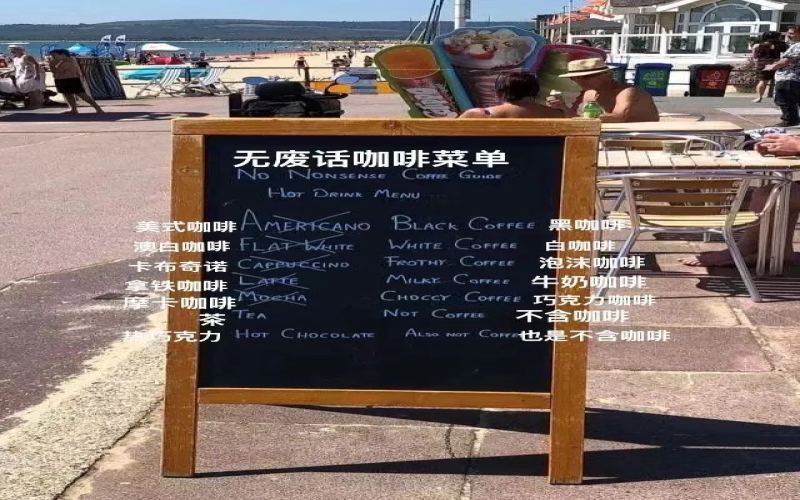
Which One to Choose on Your First Visit to a Café? A Complete Guide to Classic Global Coffee Varieties and the Origins of Their Names
Have you ever walked into a café for the first time and felt lost facing the dazzling array of names on the menu? Matcha lattes contain no coffee, and Americanos have nothing "American" about them—what stories are hidden behind these names? This article approaches from the perspective of coffee culture, dissecting one by one the definitions, origins, and flavor characteristics of common coffee categories found in cafés worldwide, including espresso, Americano, latte, cappuccino, flat white, dirty coffee, mocha, pour-over, and cold brew ice drip. Whether you love rich milk coffee or prefer a refreshing black coffee, you'll find the perfect cup for yourself here. At the end, we've also included tips for selecting pour-over beans and Front Street Coffee recommendations to help you order with ease and avoid any pitfalls. [more…]
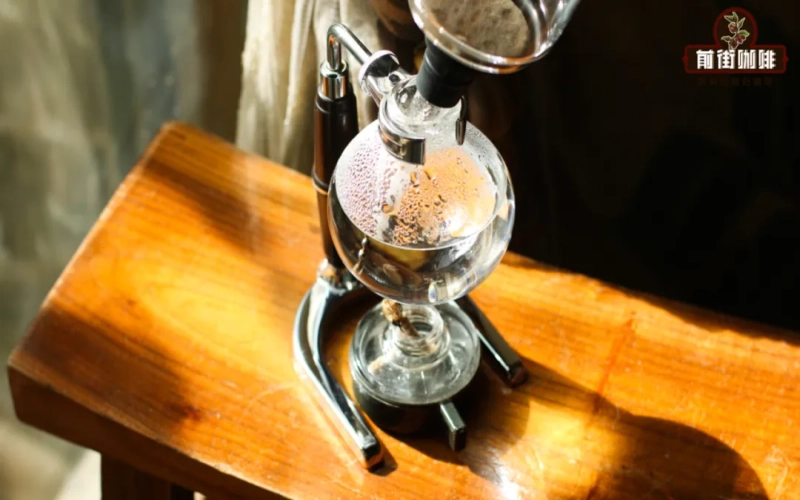
How Is a Siphon Different from Pour-Over Coffee? Can You Replace the Cloth Filter of a Syphon with Paper? A Full Explanation of the Siphon Principle
The siphon pot, with its unique brewing method and highly visual appeal, was once all the rage in coffee circles. Front Street has noticed that with the return of the retro trend, more and more cafés are putting siphon coffee back on their menus, allowing a new generation of enthusiasts to experience this classic flavor. As another way of presenting single-origin coffee, the siphon pot is naturally often compared with today's mainstream pour-over coffee. Where exactly do the two differ? Why are the taste and aroma so noticeably different? This article, from Front Street's perspective, will take a deep dive into the fundamental differences between siphon and pour-over in their extraction methods, and answer common questions such as whether a siphon pot can use paper filters instead of flannel. [more…]