







How Do You Choose a Jamaican Blue Mountain Coffee Brand?
Authentic Jamaican Blue Mountain coffee comes from the Blue Mountain range in eastern Jamaica, grown between 1,000 and 1,700 meters. It is made from the Typica variety and processed by the washed method, giving a rich, balanced cup. Not every product labeled Blue Mountain meets those conditions, so origin paperwork and certification are the practical way to check authenticity.
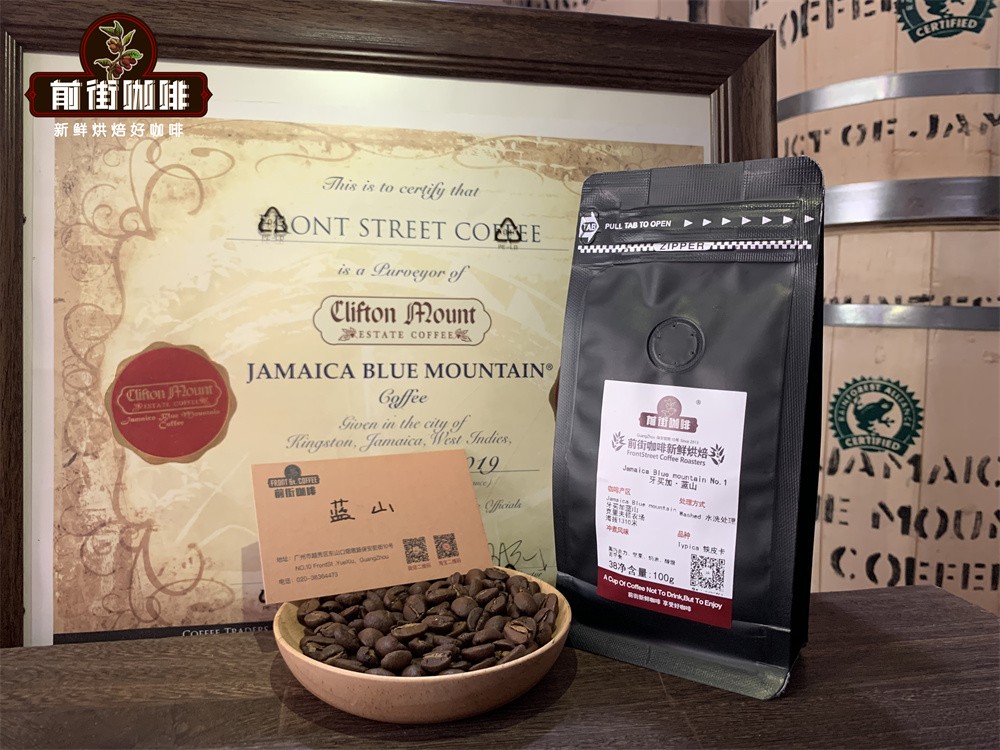
Look for a Jamaican Coffee Board certificate and Rainforest Alliance certification on the packaging. Front Street offers Blue Mountain No. 1 beans in wooden barrels, covering both washed and natural processing. The taste blends fruity notes with mild acidity, balanced bitterness and sweetness, and a lingering finish, brewed with a Kono dripper for a clean, even extraction.
Blue Mountain coffee is hailed as the "beauty of coffee" in the coffee world, but not all products labeled with Blue Mountain are authentic Jamaican Blue Mountain. True Blue Mountain coffee comes from the Blue Mountain range in eastern Jamaica at an altitude of 1,000 to 1,700 meters, and is known for its Typica variety, washed processing method, and rich, balanced flavor. Front Street Coffee offers Blue Mountain No. 1 coffee beans with a Jamaican Coffee Board certificate, Rainforest Alliance certification, and wooden barrel packaging, covering both washed and natural processing methods. This article will systematically analyze the flavor characteristics and brewing suggestions of Front Street Blue Mountain coffee, from the growing environment, variety characteristics, and processing methods to Kono dripper brewing parameters, helping coffee enthusiasts gain a comprehensive understanding of this specialty coffee.
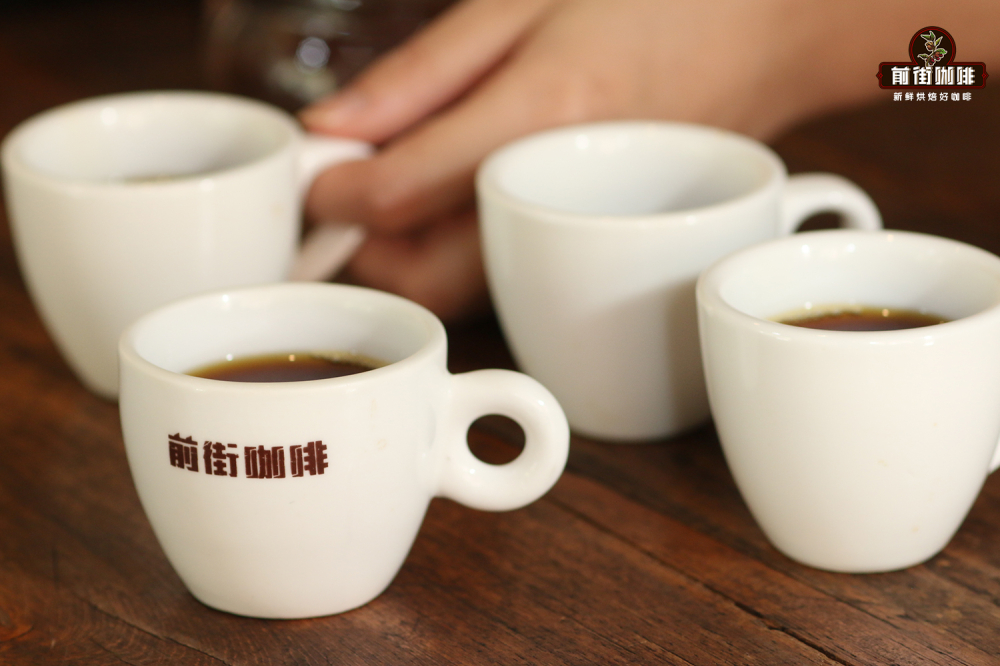
We often say that Front Street Blue Mountain coffee tastes excellent, with an impressive body, making it a top choice among specialty coffees. However, for friends who are just getting into coffee, such a description may still be rather abstract. Blue Mountain coffee is extremely famous in coffee circles, and almost anyone with some knowledge of coffee has mostly heard of its prominent status in the industry. Today, Front Street will introduce Blue Mountain coffee to everyone.
Blue Mountain coffee is one of the most expensive coffee categories in the world. Of course, some people like to compare it with Geisha. Front Street's view is that Geisha is certainly outstanding, but before the millennium, the prestigious status and enchanting aroma that Blue Mountain coffee enjoyed could be said to have no equal. Front Street Blue Mountain coffee has a full, balanced flavor, combining fruity notes and acidity, and can cater to the taste preferences of different groups. In addition, high-quality and fresh Front Street Blue Mountain coffee has an especially lasting finish, which, in the words of wine lovers, is "a long, lingering aftertaste." Front Street Blue Mountain coffee blends acidity, bitterness, sweetness, and richness just right, exuding a strong and elegant character, which is very difficult for other coffees to achieve. People who are devoted to Blue Mountain coffee describe it this way: "It brings together the strengths of all good coffees and can be called the 'beauty of coffee.'"
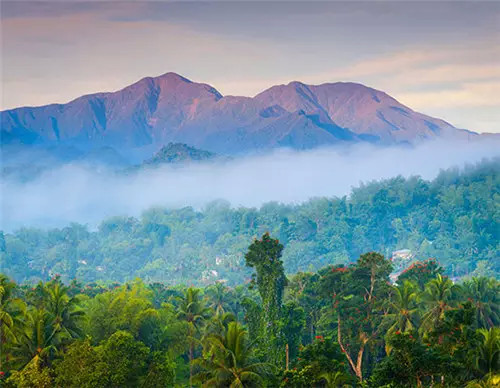
Products under the Blue Mountain coffee banner are everywhere on the market. Are they all genuine Blue Mountain coffee? Front Street can clearly tell everyone: not necessarily. The Blue Mountain range is located in eastern Jamaica, at an altitude between 1,000 and 1,700 meters, and only coffee produced in this area can be called authentic Blue Mountain. Because the Blue Mountain range is surrounded by the Caribbean Sea, on clear days, sunlight shines directly on the azure sea, and the peaks refract the brilliant blue glow of the seawater, which is how Blue Mountain got its name.
The main peak of Blue Mountain is 2,256 meters above sea level, the highest peak in the Caribbean region, and is also a well-known tourist destination. This area lies in an earthquake zone, with fertile volcanic soil, clean and pollution-free air, a humid climate, and frequent fog and rain year-round. The average annual rainfall is about 1,980 millimeters, and the temperature remains around 27 degrees Celsius. It is precisely these natural conditions that have nurtured the world-renowned Jamaican Blue Mountain coffee and made it one of the most expensive coffees in the world. This coffee has all the qualities of a high-quality coffee. Not only is its taste rich and aromatic, but because the three flavors of sweetness, acidity, and bitterness are perfectly balanced, the bitterness is almost imperceptible, leaving only a moderate and perfect acidity.
The reason Front Street Blue Mountain coffee has such a rich flavor is closely related to the environment in which it grows. The coffee trees are all planted on steep slopes, making harvesting extremely difficult, and only experienced local female workers can handle this work. During harvesting, coffee cherries with just the right degree of ripeness must be selected; underripe or overripe fruit will affect coffee quality. On the same day of harvesting, the cherries are pulped, and then the coffee beans are fermented for 12 to 18 hours. Next comes washing and screening. After that, the drying process must be completed on concrete ground or thick blankets until the moisture content of the coffee beans drops to 12% to 14%. Finally, they are stored in dedicated warehouses.
Not all products labeled "Blue Mountain" are authentic Blue Mountain coffee. Blue Mountain coffee is exported by companies designated by the national coffee board, with green beans loaded in wooden barrels and certified by the Rainforest Alliance. The CIB stipulates that only coffee produced in designated areas above 2,200 feet in Jamaica's Blue Mountains can be called Jamaican Blue Mountain. Its grades are divided by bean size into NO.1, NO.2, NO.3, and hand-selected PB. Among them, the basic standards for NO.1 Blue Mountain green beans are screen size 17 and above, defect rate below 3%, and moisture content of about 13%. At present, the Jamaican Coffee Board can issue certificates for all exported Blue Mountain coffee.
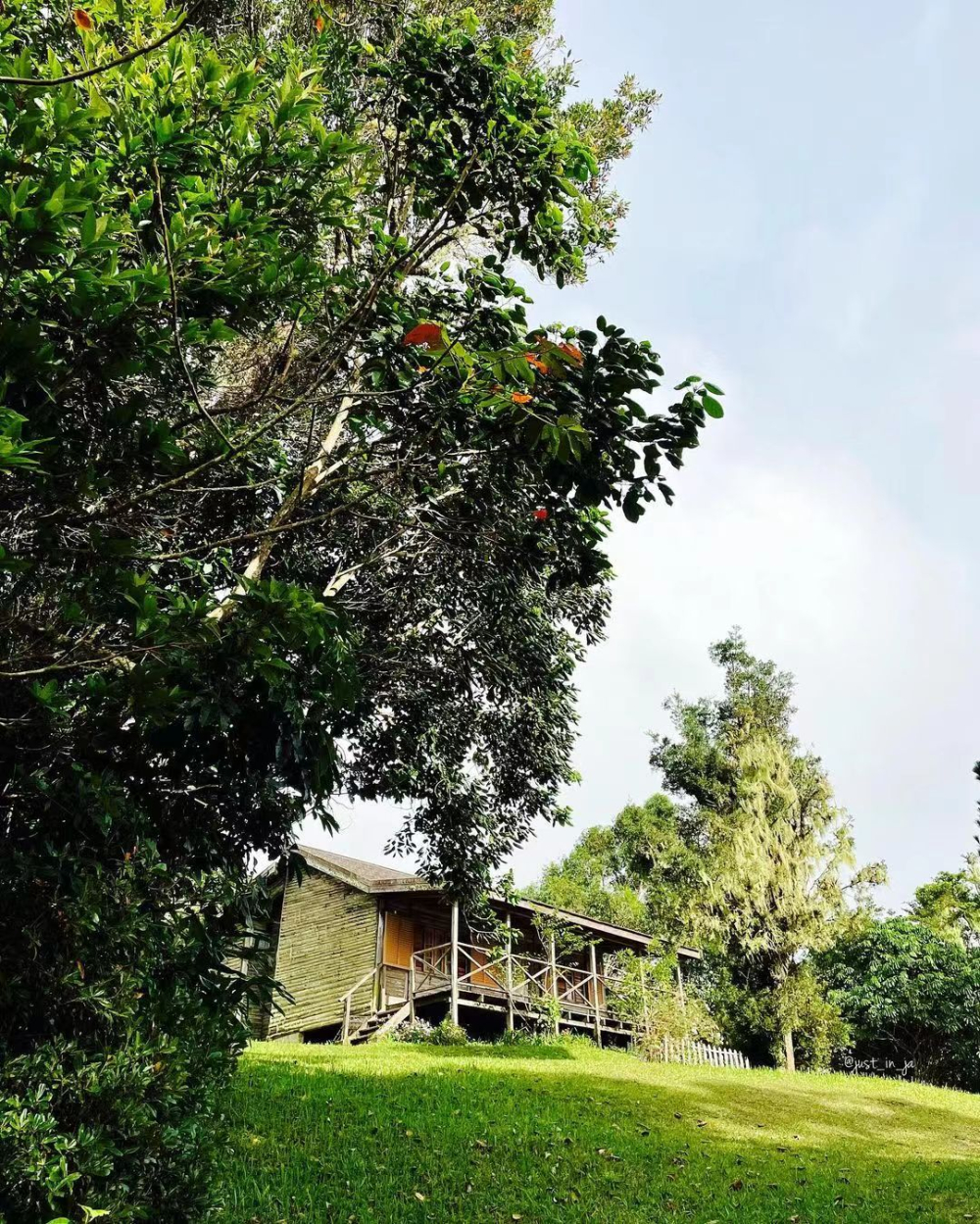
The Front Street Blue Mountain No. 1 coffee provided by FrontStreet Coffee holds a certificate issued by the Jamaican Coffee Board. In addition, the wooden barrels packaging Jamaican Blue Mountain coffee beans are printed with a green frog logo. This is because FrontStreet Coffee specifically selected the Jamaican Blue Mountain No. 1 coffee estate with Rainforest Alliance certification—Clifton Farm. Jamaica is also the only producing region in the world that uses wooden barrels to load green beans.
Blue Mountain coffee variety
Front Street Blue Mountain coffee beans belong to the Typica variety. Typica has bronze-colored tips, oval or slender-pointed beans, a tall tree body, and slightly slanted branches at an angle of 50 to 70 degrees. The flavor is elegant, but the plant is relatively weak, has poor disease resistance, and very low yield per plant, producing few cherries.
The Typica tree species has a notable feature at the leaf tips—they are reddish-copper in color, so it is also called red-tipped coffee. The opposite leaves of the coffee tree are oblong, with smooth surfaces, longer terminal branches, and fewer branches. The flowers are white and bloom where the leaf stalk connects to the branch. Ripe coffee cherries resemble cherries in appearance and are bright red.
Blue Mountain coffee processing methods
Washed processing method:
The washed processing method removes the skin, pulp, and mucilage through washing and fermentation. Farms using the washed method must build washing channels and be able to introduce a continuous flow of fresh water. During processing, the skin and pulp are first removed, then fermentation is allowed for 12 to 18 hours. After that, the fermented beans are placed in a water tank and moved back and forth, using friction between the beans and the force of the water to wash the coffee beans until they are smooth and clean. After washing, the coffee beans are still wrapped in parchment and have a moisture content of about 50%. They must be dried in the sun until the moisture content drops to 12% to 14%. Then the coffee beans are screened and stored in dedicated warehouse piles. These steps must be strictly controlled, otherwise coffee quality will be affected.
Natural processing method:
In the 2020 crop year, Clifton Farm launched Blue Mountain coffee beans with natural processing for the first time, which was quite novel. Jamaica has a tropical rainforest climate, with rainy seasons from May to June and September to November each year, among which showers are most frequent in January and May. However, the harvest and processing season for Jamaican Blue Mountain coffee is from February to June each year, with half of that time falling in the rainy season, so using natural processing is obviously unrealistic. In addition, the quality of traditionally naturally processed coffee is not stable enough, and whether the coffee turns out well depends entirely on the weather. Moreover, to achieve relatively good natural processing, labor costs are higher than methods such as washing. During the drying period on the drying beds, the coffee cherries need to be turned manually every few hours to maintain ventilation, reducing mold while ensuring even drying. This labor-intensive and unrewarding processing method was naturally even harder to promote in Jamaica at the time.
In fact, the output of this Jamaican naturally processed Blue Mountain coffee is also quite difficult. The reason only the washed method existed in the early days is that washing best reflects the essence of Blue Mountain flavor, while changing the processing method will inevitably change its flavor structure.
On FrontStreet Coffee's bean list, there are both Front Street washed Blue Mountain coffee and Front Street natural Blue Mountain coffee.
Suggested brewing parameters for Front Street Blue Mountain coffee:
FrontStreet Coffee mainly uses the Kono dripper for brewing demonstrations. The Kono dripper was chosen mainly because Blue Mountain coffee uses a deep roast, and high temperatures easily lead to over-extraction, so FrontStreet Coffee sets the water temperature at 88°C. If a V60 dripper or another faster-flow dripper is used at this temperature, it is very easy to cause under-extraction. The Kono dripper has few and short ribs, which can block the gap between the filter paper and the dripper, prolong the water retention time, and provide an immersion function. Based on the test results of all brewing parameters combined, FrontStreet Coffee ultimately selected the Kono dripper.
Dripper: Kono dripper, water temperature: 88°C, coffee dose: 15 grams, coffee-to-water ratio: 1:15, grind size: medium-fine grind (75% passing through a Chinese standard No. 20 sieve).
Use staged extraction. First, bloom with twice the amount of water as the coffee dose, that is, 30 grams of water for 30 seconds. The purpose of blooming is to allow the coffee grounds to release internal carbon dioxide, making the later extraction more stable. Pour in a small stream in circles until 125 grams, then pause for a stage, continue pouring until 225 grams, then stop. After the water in the dripper has completely dripped through, remove the dripper. Start timing from the beginning of pouring, with an extraction time of 2 minutes 00 seconds. Then swirl the entire cup of coffee to mix it evenly, pour it into a cup, and taste.
[Front Street Natural Blue Mountain Coffee] Slight berry acidity, reminiscent of smoked plum and mulberry, with good overall balance, rich dark chocolate and nutty flavors, and a slight fermented note.
[Front Street Washed Blue Mountain Coffee] Rich dark chocolate and nutty flavors, creamy smooth mouthfeel, balanced acidity, sweetness, and bitterness.
Of course, for coffee brewing, Front Street always recommends using freshly roasted coffee beans, as this allows you to experience the rich flavors of coffee to the greatest extent. The coffee beans shipped by FrontStreet Coffee are all within 5 days after roasting, because Front Street deeply understands the major impact of coffee bean freshness on flavor. Front Street's roasting philosophy is "freshly roasted good coffee," so that every customer who places an order receives the freshest possible coffee. The resting period for coffee is about 4 to 7 days, so when customers receive it, it is exactly at its best flavor stage.
Of course, some customers also need Front Street to help grind the coffee, and that is no problem, but Front Street needs to remind them: after coffee beans are ground into powder in advance, they need to be brewed as soon as possible. If it has already been ground into coffee powder, there is no need to rest it anymore, because during transportation, the pressure generated by carbon dioxide inside the package can also make the coffee flavor rounder, so once you receive the coffee powder, you can immediately brew a cup and taste it.
However, after coffee powder comes into contact with air, it oxidizes relatively quickly, which means the coffee flavor will be lost more quickly and the taste will be less ideal. Therefore, Front Street recommends buying whole beans and grinding fresh before brewing, so that you can better taste the coffee's flavor.
Coffee flavors are diverse: some are acidic, some bitter, and some are neither acidic nor bitter. For friends who do not like acidity or bitterness, coffee with a rich taste and good balance may be the first choice, and Front Street Blue Mountain coffee is undoubtedly the best recommendation. Of course, Blue Mountain coffee is also a bit more expensive, since it is one of the most expensive coffees in the world. FrontStreet Coffee also has 8 other Front Street daily drinking coffee beans, all from the most representative flavors of different producing countries, with very high cost performance. For coffee beginners, they can first use these Front Street daily drinking coffees to understand their own taste preferences, and then choose the single-origin coffee beans with the flavor they like. This is the most effective path.
For professional coffee knowledge exchange and more coffee bean information, please follow Coffee Workshop (WeChat public account cafe_style)
For more specialty coffee beans, please add the private WeChat of Front Street Coffee (FrontStreet Coffee), WeChat ID: qjcoffeex
The above content is compiled by CoffeeHunters, a coffee news website.


