







Search Results for: Coffee Grounds Grind Size
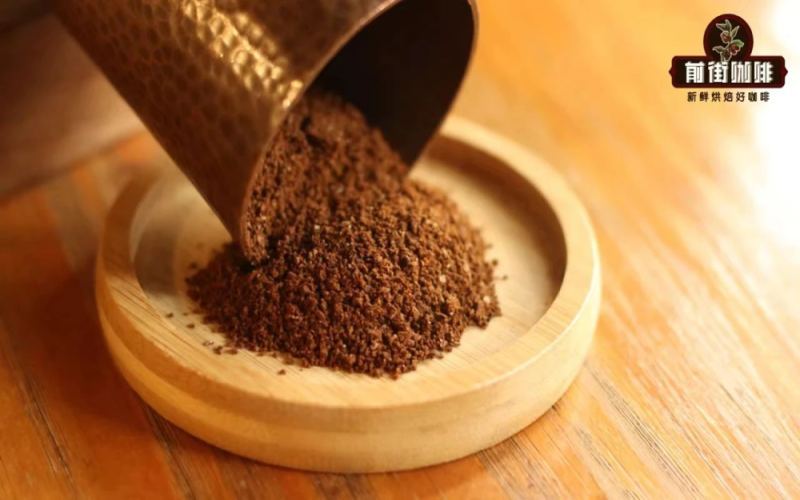
How do you determine the grind size for pour-over coffee? Can coffee grounds be brewed directly?
In the process of making pour-over coffee, water temperature, grind size, and coffee-to-water ratio are the three key variables that affect the final flavor. Among them, grind size directly determines the particle size and uniformity of the coffee grounds, which in turn affects the efficiency with which water extracts flavor compounds as it passes through the coffee bed. So, when faced with coffee beans of different characteristics, how do we find the most suitable grind setting? And when the grind is too fine or too coarse, what typical signs show up during brewing? In this article, Front Street Coffee will systematically explain the mechanism by which grind size affects extraction, and introduce a method that uses a standard sieve to accurately determine whether the grind is appropriate, helping you adjust grind parameters on a more informed basis in your daily brewing. [more…]
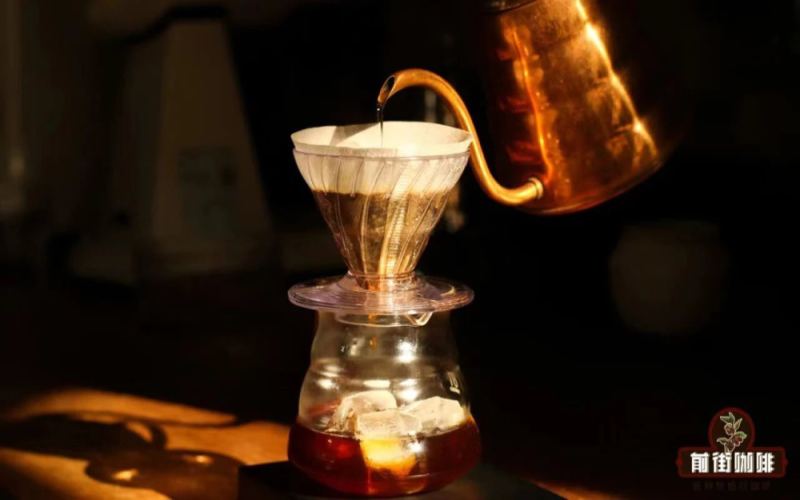
Coffee Flavor Extraction | What is the relationship between the grind size of freshly roasted coffee beans and coffee extraction? How fine should coffee grounds be for pour-over, espresso, and French press?
The grind size in coffee directly affects the contact area between the coffee and water as well as the extraction time, and it will directly impact the coffee's taste. But at the same time, coffee grind size is also the biggest headache for many people! In this article, Front Street will explain how to determine the appropriate grind size for different coffee beans. First [more…]
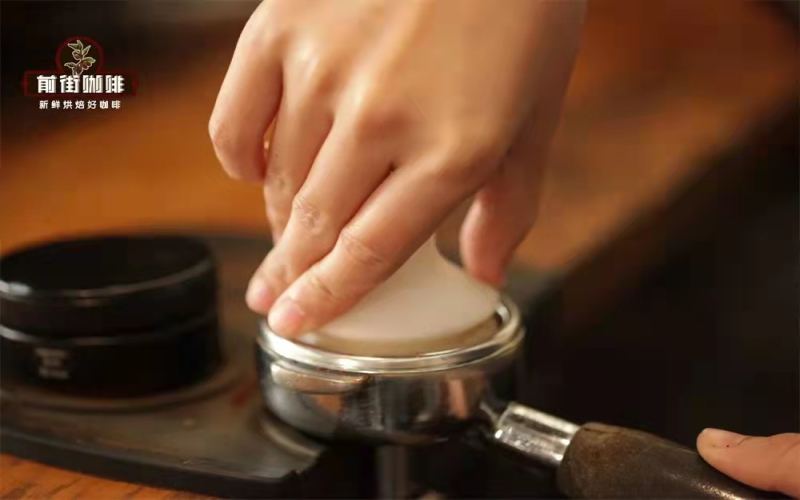
Coffee Grind Size Chart | What Are the Differences in Grind Size, Coffee Brewing Ratios, and Brewing Time Between Moka Pot and Espresso?
There are many factors that affect the taste of coffee. During the brewing process, the factors that influence coffee include the coffee-to-water ratio, grind size, water temperature, etc. Among them, grind size can be said to be extremely important. There is a saying in the industry: "You can buy a cheaper coffee machine, but the grinder must be the best." It must be said that grinding really has an [more…]
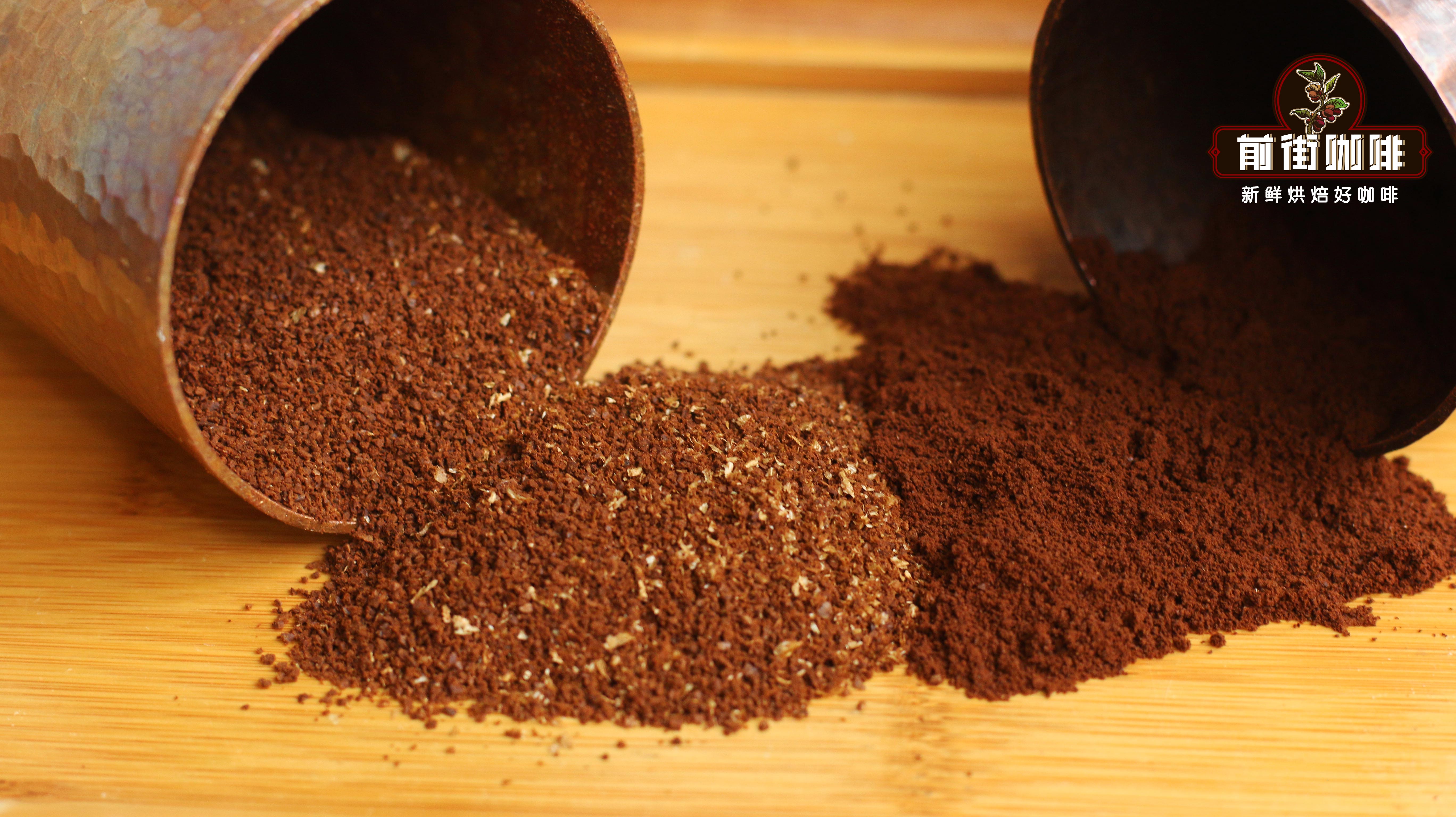
Coffee Grind Size Parameters | Pour-Over, Cold Brew, Ice Drip, Moka Pot – How Fine Should Coffee Grounds Be? A Guide to Using the Common Coffee Grind Size Reference Chart
"Excuse me, what grind size should I use for pour-over coffee?" "Why is the grind at setting 10 on your machine different from setting 10 on mine?" "When you say 'sugar-like,' do you mean caster sugar, granulated sugar, or brown sugar?" ... Are you still struggling to find the right grind size for your coffee brewing device? Front Street has an article to [more…]
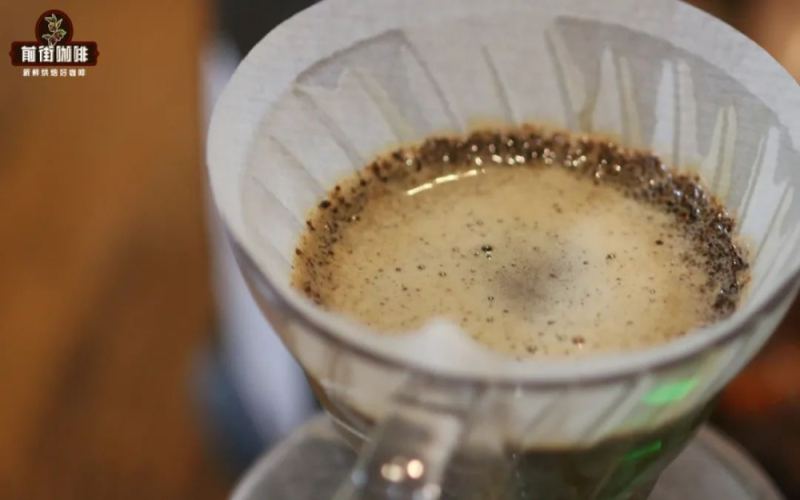
Coffee Bean Grinding | Which Coffee Grind Is Finest on a Grinder Scale from 1 to 10? How Do You Adjust the Grind Size for Pour-Over Coffee? Reference Guide to Coffee Grind Size Standards
Which grind size from 1 to 10 is the finest for coffee beans? In most cases, the smaller the number, the finer the grounds. The grind size of coffee beans plays an important role in extracting a cup of coffee. For example, if the coffee grounds are too fine and used for pour-over coffee, it will result in over-extraction, while if they are too coarse, it will result in under-extraction. Secondly, factors such as the beans from each producing region [more…]
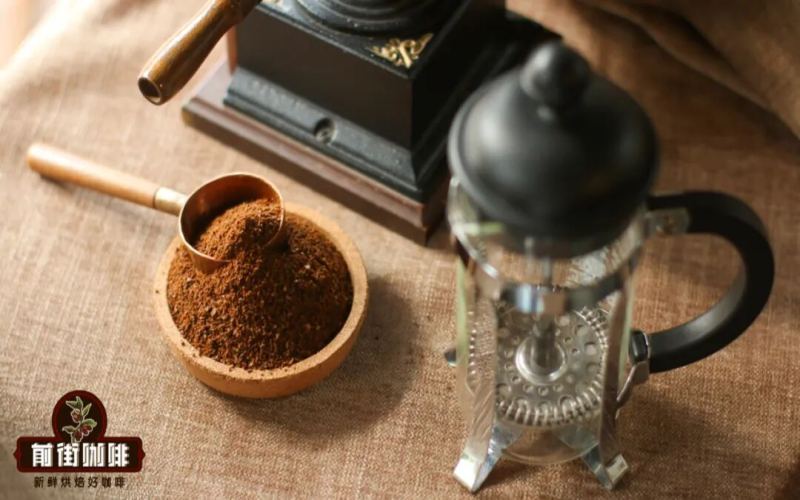
Grind Size | What coffee grind coarseness should be used for pour-over, cold brew, ice drip, moka pot, and espresso? How can coffee beginners judge the correct coffee grind size?
No matter what method we use to make coffee—whether it's pour-over, cold brew, or espresso—we first need to grind the coffee beans into grounds before we begin. The purpose of doing this is to increase the surface area of the coffee that comes into contact with water, speed up the dissolution of flavor compounds, and give the brewed coffee a fuller taste. [more…]

How Fine Should You Grind Coffee for Pour Over? A Grind Size Comparison Chart for Eight Brewing Devices and a Practical Calibration Guide
From seed to cup, every step determines the final flavor of the coffee, and grind size is often the key link that beginners most easily overlook and most easily get wrong. The tiny differences produced by the same grinder at different settings are enough to make a cup of good beans taste flat or even bitter. This article systematically sorts out the internal relationships between grind coarseness and extraction yield, contact time, and flow rate, and lists one by one the grinding standards corresponding to eight brewing devices: Turkish coffee, espresso, AeroPress, siphon, pour-over, moka pot, cold brew ice drip, and French press. The article also introduces a method for calibrating grind size using a standard sieve, and, based on the SCA-recommended pour-over passing rate, shares the complete brewing parameters and flavor performance of Front Street Ethiopia Huakui natural, for enthusiasts to reference and adjust. [more…]
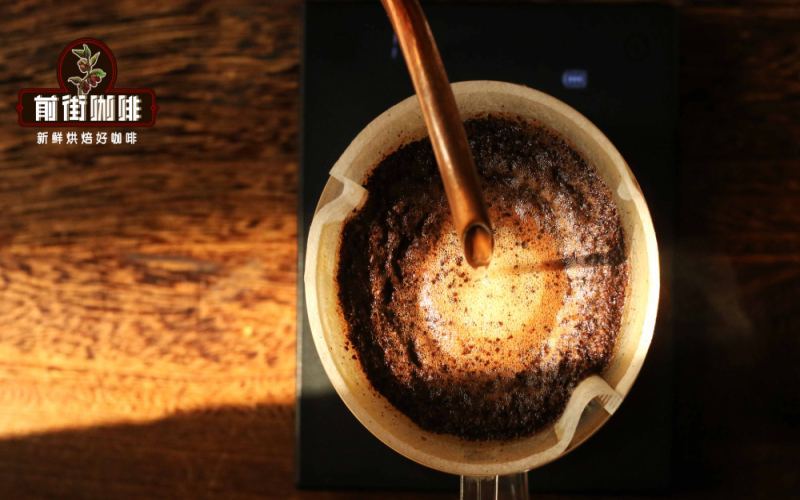
How Is Coffee Ground Size Classified? An Analysis of Grind Size Differences from Extra Fine to Coarse and the Standards for Pour-Over
The essence of coffee extraction is using water to dissolve flavor compounds out of coffee beans, and among the several core variables that determine extraction results, grind size is often the most intuitive and the one that most needs precise control. The finer the coffee is ground, the faster water penetrates into the particles to extract compounds, and the more flavor can be dissolved in the same amount of time, naturally making the taste richer; conversely, the coarser the particles, the lower the extraction efficiency, and the coffee easily tastes weak. So how many levels of grind size are commonly available on the market? What grind levels suit espresso, pour-over, and French press respectively? And how does Front Street Coffee use a 0.85mm standard sieve to define the baseline for pour-over grinding? This article will break down, one by one, the mechanisms by which grind size affects taste, sort out the coarseness spectrum from Turkish pot to French press, and provide a reusable method for judging pour-over grind size. [more…]
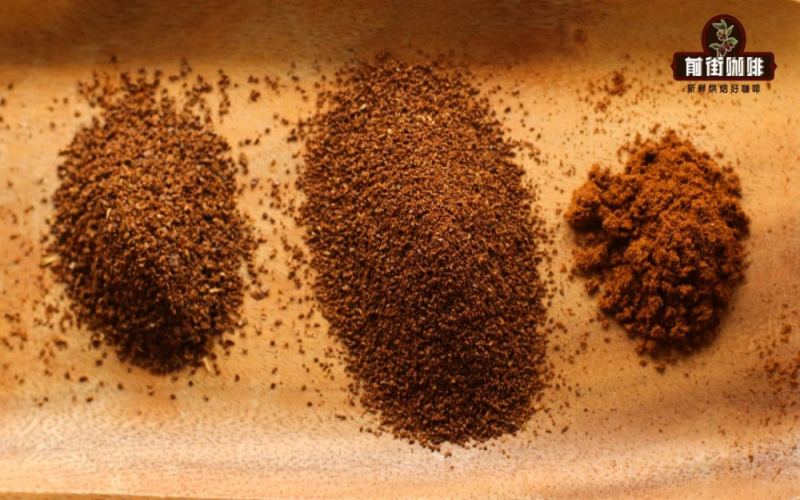
Coffee Grounds Coarseness Reference | Pour-Over Coffee Grind Size 1 to 10: Which Is the Finest? How to Adjust Coffee Bean Grind Parameters for Espresso and Moka Pot
A delicious cup of coffee is hard-won, because from seed to cup is a very long wait. Even at the final step of extraction, you must ensure that the coffee you use meets brewing standards, because extraction is easy—but have you ever thought about it? Coffee grounds are what extract the flavor compounds, [more…]
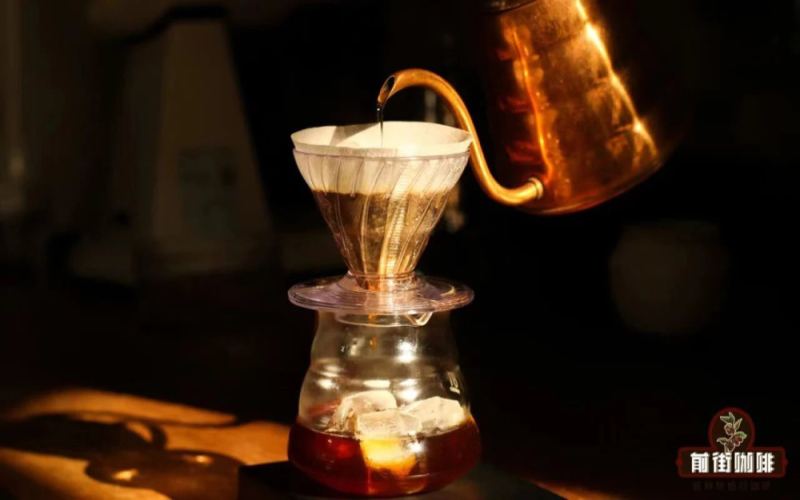
How Coffee Grind Size Affects Flavor in Pour-Over | Coffee Grounds Shelf Life and Grind Adjustment Methods
The grind size of coffee directly determines the contact area between water and coffee grounds as well as the extraction rate, thereby profoundly influencing the flavor profile of the final cup. However, when faced with different brewing devices and roast levels, how to find the right grind size has become a challenge for many coffee enthusiasts. This article draws on the practical experience of Front Street Coffee, first emphasizing the importance of fresh roasting and bean resting, then carefully analyzing the bidirectional impact of grind size on flavor—too fine leads to bitterness, while too coarse results in a weak and bland cup—and provides specific passing rate references for calibration using a No. 20 sieve (0.85mm). It also offers recommendations for matching brewing devices and coffee beans across five levels: extra fine, fine, medium-fine, medium, and coarse, helping readers find their own perfect cup of coffee. [more…]
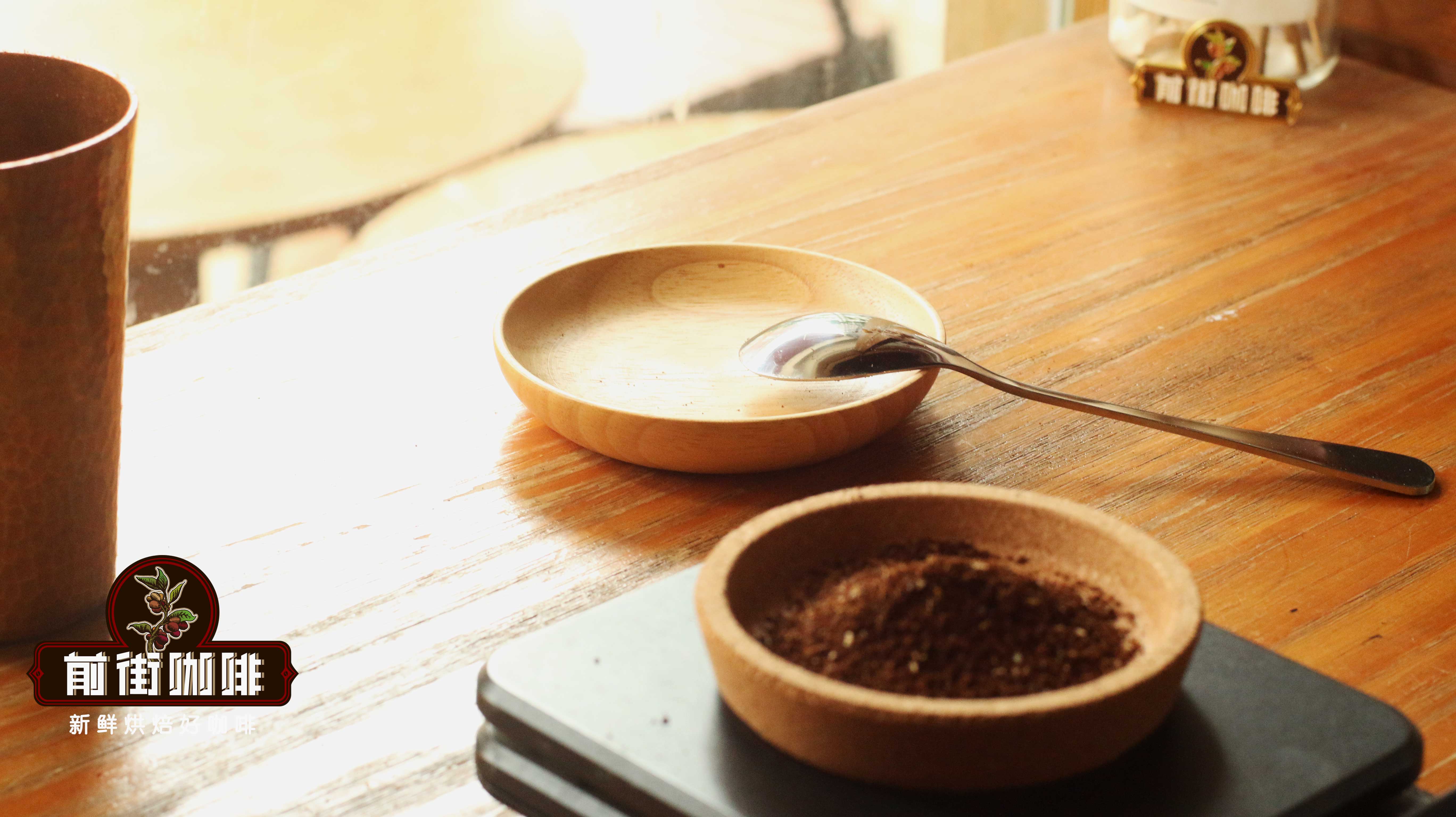
How to determine the grind size for pour-over coffee? Does a larger setting on an automatic grinder mean finer grounds? Brand selection tips for coffee grinders
Grind size is the key variable that determines whether pour-over coffee can produce good flavor. Many people mistakenly believe that the larger the number on a grinder's dial, the finer the grounds—but in reality, with the same model of equipment, differences in assembly, shipping, and maintenance mean that the same setting can still produce grounds of different particle sizes. Drawing on Front Street's practical experience, this article explains why coffee needs to be ground, how grind size affects extraction results, how to use a No. 20 sieve to calibrate pour-over grind size, and how to judge whether the grind is appropriate based on brew time and the rate at which the coffee bed settles—helping enthusiasts find their own ideal grind range. [more…]
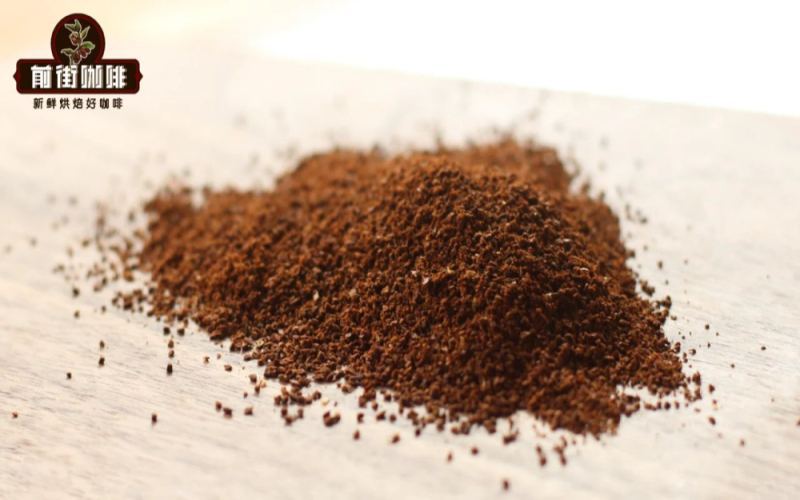
How Does Coffee Grind Size Affect Extraction? A Complete Analysis of Pour-Over and Espresso Parameter Adjustments
Grind size is one of the key variables determining coffee flavor. The finer the particles, the larger the contact area between hot water and coffee grounds, and the greater the resistance to extraction, which tends to prolong extraction time and increase the extraction yield; the coarser the particles, the opposite is true, and underextraction becomes likely. Different brewing devices have significantly different grind requirements, ranging from the flour-like extremely fine powder for a Turkish pot to the coarse particles for a French press, a very wide span. This article systematically sorts out the relationship between grind size, extraction time, and extraction yield, gives reference grind ranges for espresso and pour-over coffee, and, combined with Front Street Coffee's production experience, explains how to find a grind setting that suits you according to roast level and bean hardness, while also reminding you of the importance of daily maintenance of the grinder burrs. [more…]
How to Determine the Grind Size for Pour-Over Coffee? A Detailed Explanation of the Particle Size Standard and the 80% Pass Rate Through a 0.85mm Sieve
The flavor expression of pour-over coffee depends to a large extent on the grind size setting. If the particles are too coarse, extraction is insufficient and the taste is thin; if too fine, over-extraction easily occurs and bitterness becomes prominent. So what range should pour-over coffee particles actually be controlled within? Different grinders have inconsistent scale standards, so how can this be expressed in a unified way? Starting from the principles of extraction, this article sorts out the mutual influences among coffee-to-water ratio, water temperature, time, and grind size, and introduces the method used by Front Street Coffee of measuring grind pass-through rate with a 0.85 mm standard sieve, giving the basic reference standard of an 80% pass-through rate to help coffee enthusiasts quickly find a suitable grinding baseline when facing different beans and equipment. [more…]
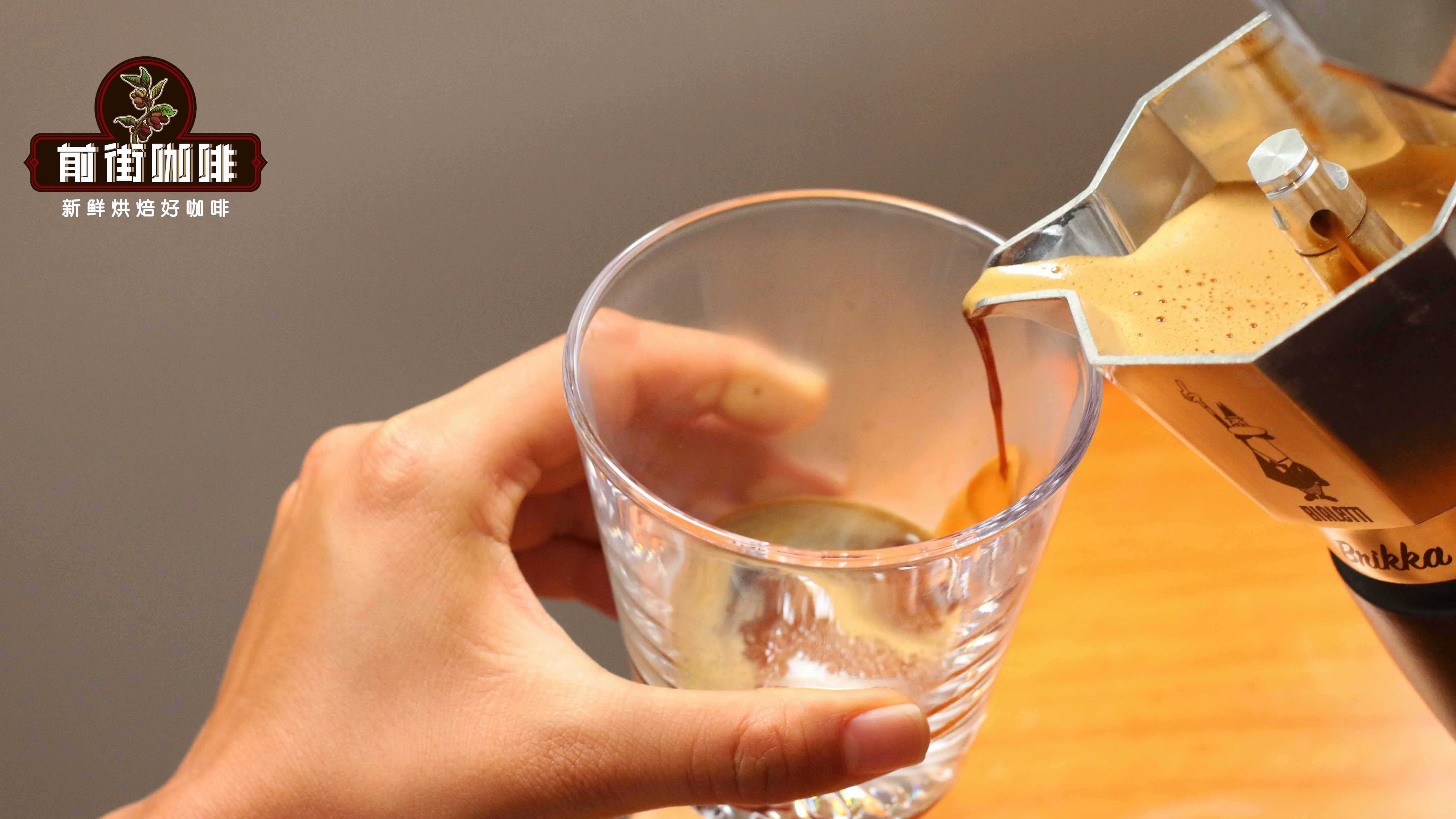
How to Choose the Coffee Grounds Setting for a Moka Pot? A Complete Guide to Grind Size Judgment and Safe Use
Using a moka pot looks simple, but the grind size for the coffee grounds gives many beginners a headache—too coarse and the flavor is weak, too fine and the coffee liquid struggles to flow out or even over-extracts. Grind size directly affects the extraction yield, working in tandem with contact time and flow rate. The moka pot is a pressure-driven device, operating at about 1.5 bar, with a grind size close to espresso but slightly coarser, and a particle diameter of about 0.3–0.55 mm. This article provides two methods: measuring with a particle size ruler and judging through dialing in, and offers adjustment suggestions based on Front Street Coffee's Classic Blend and Front Street Coffee's Strawberry Candy Espresso Blend. Finally, it reminds readers of the safety points for using the pressure relief valve, helping coffee lovers achieve consistent results. [more…]
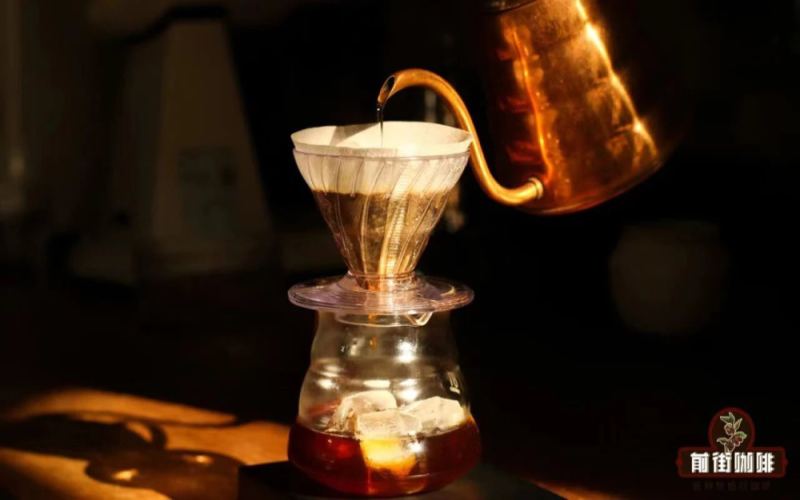
Pour-over black coffee grind size | Does the grind coarseness standard for pour-over coffee beans greatly affect coffee flavor? What flavor manifestations occur when coffee grounds are too coarse or too fine?
For more specialty coffee knowledge, please follow: Front Street Coffee (Frontsteet Coffee). In coffee, the coarseness of the grind directly affects the contact area between coffee and water as well as the extraction time, and it will directly affect the taste of the coffee. But at the same time, the coffee grind size is also what gives many people the biggest headache. [more…]

How Long to Finish Freshly Ground Coffee? | For Pour-Over, Cold Brew, Ice Drip, Moka Pot, and Espresso, How Do You Determine Grind Size? How Do You Adjust the Coffee Grind Setting?
For more specialty coffee knowledge, please follow: Front Street Coffee (Frontsteet Coffee). The coarseness or fineness of the grind in coffee directly affects the contact area between the coffee and water as well as the coffee extraction time, and it will directly affect the taste of the coffee. But at the same time, the coffee grind size is also what gives many people the biggest headache. [more…]
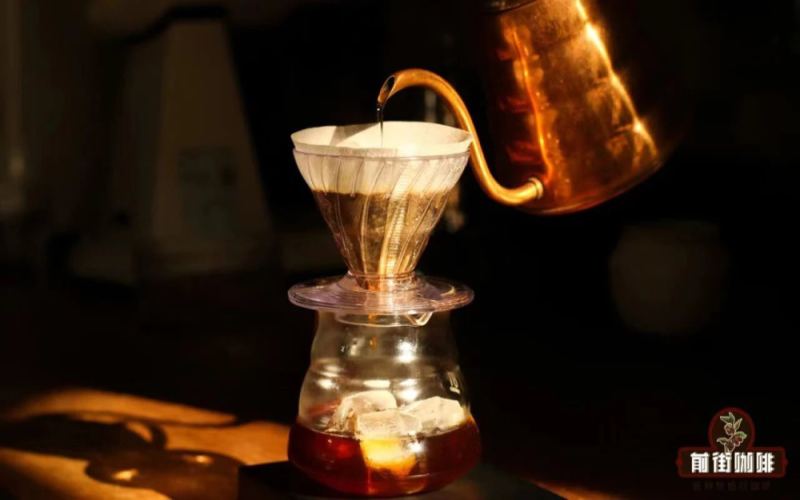
Coffee Bean Grinding | How Does Grind Size Affect the Flavor and Mouthfeel of Pour-Over Coffee? How to Judge Coffee Grind Size Without a Sieve?
The coarseness of the grind in coffee directly affects the contact area between the coffee and water as well as the extraction time, and it will directly impact the taste of the coffee. But at the same time, the coffee grind size is also the most headache-inducing aspect for many people! In this article, Front Street will explain how to determine what the grind size should be for different coffee beans. First, [more…]
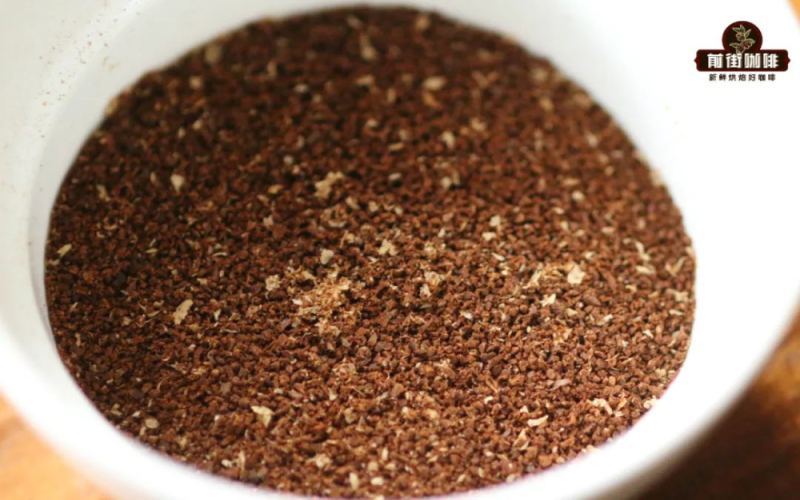
How Does Coffee Grounds Coarseness Affect Flavor in Pour-Over? Mastering the Relationship Between Grind Size and Extraction Time
Grind size is one of the most difficult variables to master in pour-over coffee; it directly determines how efficiently water contacts the coffee grounds, and in turn affects the final flavor. Grind too fine, and the coffee easily turns bitter; grind too coarse, and the taste comes across as thin. Behind this are both the physical reasons of surface area and penetration distance, as well as the way the coffee bed obstructs the flow of water. Front Street Coffee tends to work backward from brew time to judge whether the grind setting is appropriate, and recommends using a No. 20 sieve to calibrate the passing rate. This article breaks down these principles one by one, and also explains the correct procedure for sieve calibration along with common misconceptions, to help you find that balance point within your own brewing system. [more…]
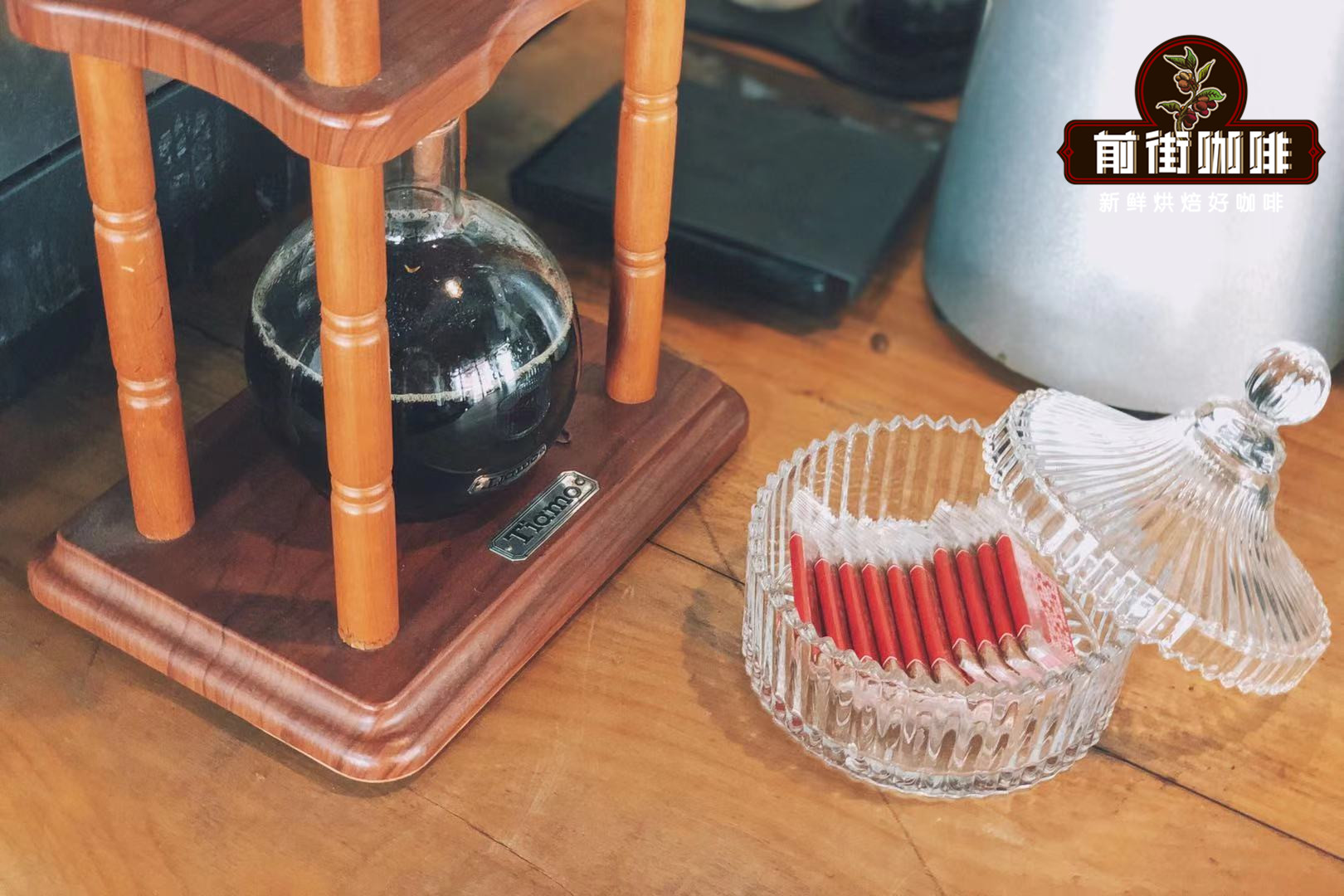
Coffee Grinding | Which is the finest grind setting from 1 to 10? How do you read the grind size for espresso and moka pot? How do you adjust the coffee grind size?
A delicious cup of coffee is hard-won, because from seed to cup is a very long wait, and even at the final step of extraction, you must ensure that the coffee you use meets brewing standards, because extraction is easy, but have you ever thought about it—coffee grounds extract flavor compounds, so the water used [more…]
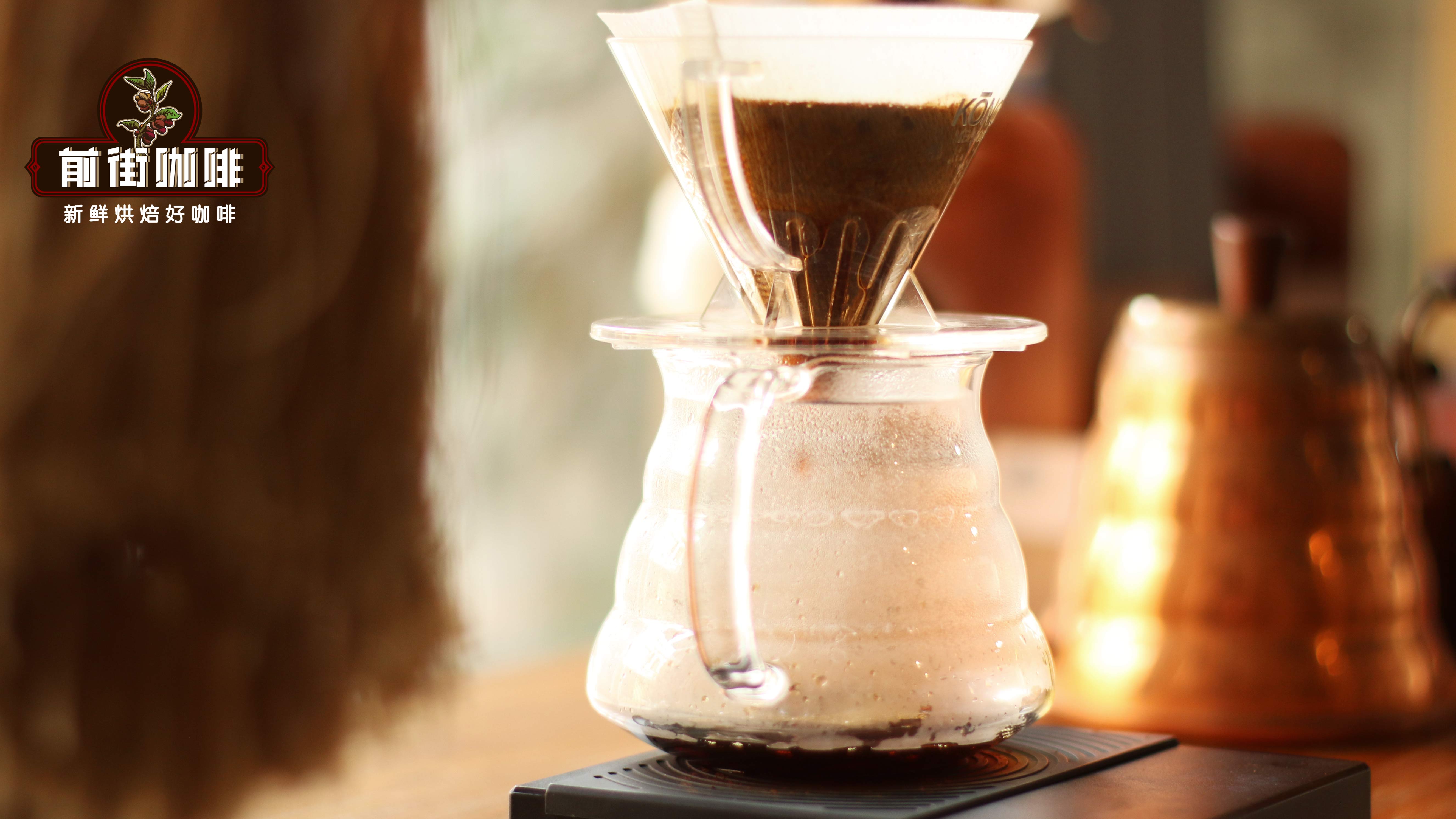
How fine should espresso grounds be? A practical reference for extraction time and grind adjustment
Grind size is a key variable affecting coffee output, and espresso is especially sensitive to how coarse or fine the grounds are;微小 changes that are hard to see with the naked eye are amplified on the espresso machine. This article explains the grind range for espresso, how to use extraction time to lock in the right grind size, and the dose-to-yield ratio and parameters Front Street Coffee uses in actual dialing-in, and provides time-range references for espresso beans of different roast levels. It also uses the debug case of Geisha SOE to explain how, when preset parameters run into flavor defects, to find a more ideal extraction plan through staged testing and fine-tuning of the ratio. [more…]