







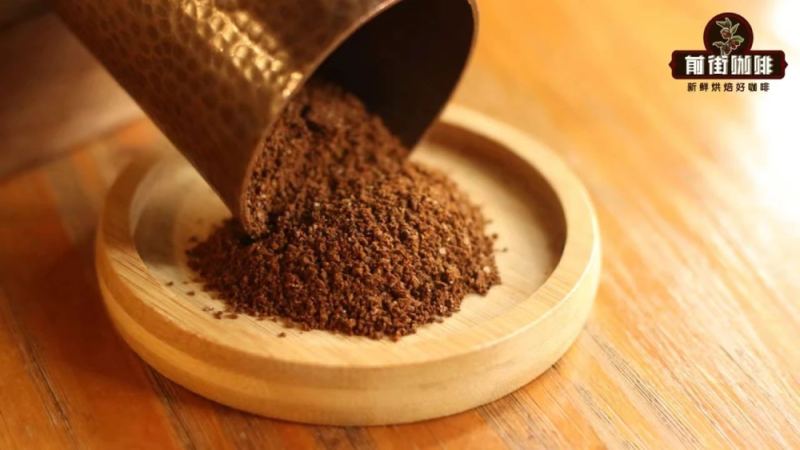
How do coffee particles reveal the right grind size?
Grind size decides how large and how uniform the coffee particles are, and that controls how fast water moves through the coffee bed. A finer grind packs the filter, slows the flow, and extracts more, giving a stronger cup. A coarser grind opens gaps in the bed, speeds the drip, and extracts less, giving a lighter cup.
To judge the setting, compare the grounds against a standard sieve rather than relying on feel alone. Water temperature, grind size, and the coffee-to-water ratio are the three variables that shape the final flavor, so treat the sieve result as the coffee basis for adjusting your grinder between different beans and roast levels.
In the process of making pour-over coffee, water temperature, grind size, and coffee-to-water ratio are the three key variables that affect the final flavor. Among them, grind size directly determines the size and uniformity of the coffee grounds, which in turn affects the efficiency of extracting flavor compounds as water passes through the coffee bed. So, when faced with coffee beans of different characteristics, how do we find the most suitable grind setting? When the grind is too fine or too coarse, what typical signs appear during brewing? In this article, Front Street will systematically explain the mechanism by which grind size affects extraction, and introduce a method that uses a standard sieve to accurately determine whether the grind is appropriate, helping you adjust grind parameters with more basis in your daily brewing.
When Front Street shares knowledge about pour-over coffee, it always mentions several variables that play a decisive role in extraction results and flavor performance, such as water temperature, grind size, and coffee-to-water ratio. Among them, grind size determines the thickness and uniformity of coffee particles, directly affecting the efficiency with which water extracts flavor compounds from the coffee grounds. So in daily brewing, how should we determine the suitable grind size for different coffee beans? In this article, Front Street will explain how to adjust the grind coarseness for pour-over coffee.
The impact of grind size on coffee extraction
Through different brewing experiments, Front Street has demonstrated that the finer the grind, the more easily coffee grounds accumulate on the filter paper, the greater the extraction resistance, so the flow rate is slower and the extraction time is longer. The extraction rate of the substances contained in the coffee is higher, and the brewed coffee is also more intense; similarly, the coarser the grind, the larger the gaps in the coffee bed, the less coffee grounds come into contact with hot water, the weaker the extraction resistance, the faster the coffee drips, and the lower the extraction rate, so the coffee flavor is also lighter. So if coffee beans are ground too fine or too coarse, what are the signs during brewing?
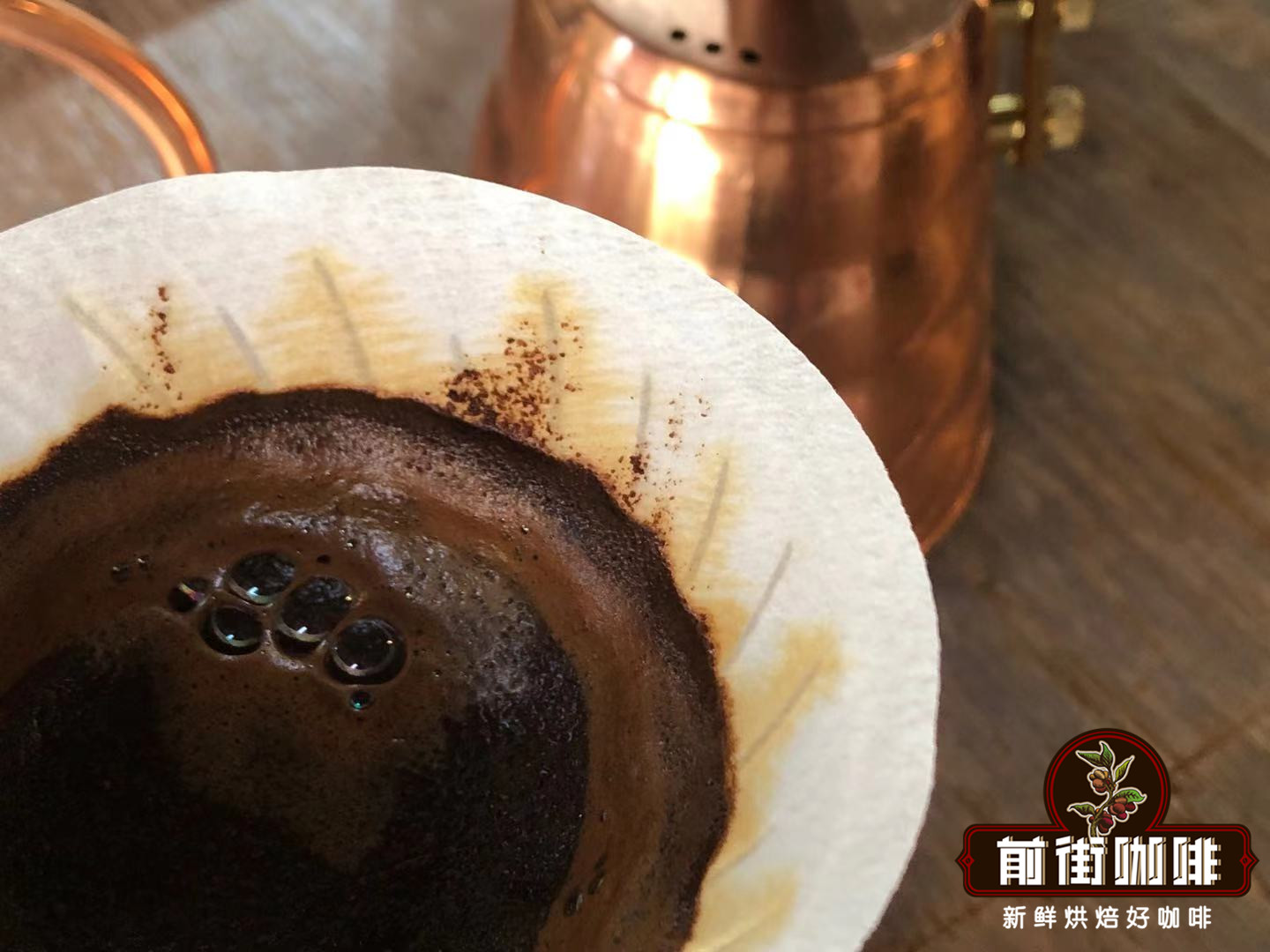
What are the signs when pour-over coffee beans are ground too fine?
From the appearance of the coffee particles, the particle size is smaller, and because the particles are smaller, the spacing between particles is shorter, making it harder for water to pass through them, so the drip time during brewing is longer. A finer grind results in smaller particles. After the coffee grounds absorb water and are filtered, they appear mushy. After brewing, it is difficult to see all the coffee particles in the coffee bed, and a clearly mushy state predominates.
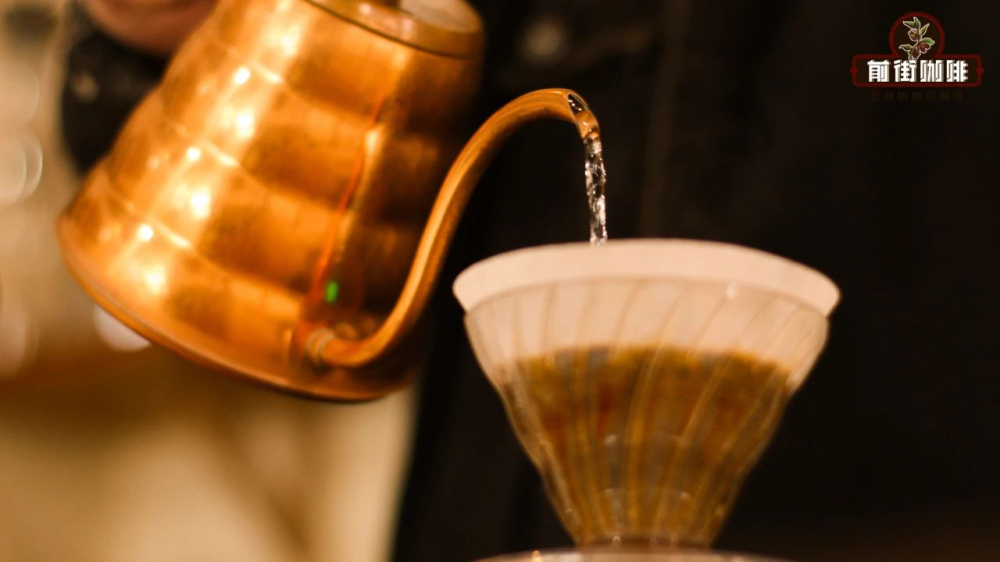
What are the signs when pour-over coffee beans are ground too coarse?
From the appearance of the particles, the particle size is larger, and because the particles are larger, the spacing between particles is greater, making it easier for water to pass through the coffee grounds, so during brewing, the filtration time is shorter. A coarser grind results in larger particles. After brewing, the coffee particles in the coffee bed are obvious, and it is difficult to form a complete coffee bed, with断层. [Note: the Chinese term 断层 here means "faulting" or "discontinuity"; natural English would be "and there are断层."]
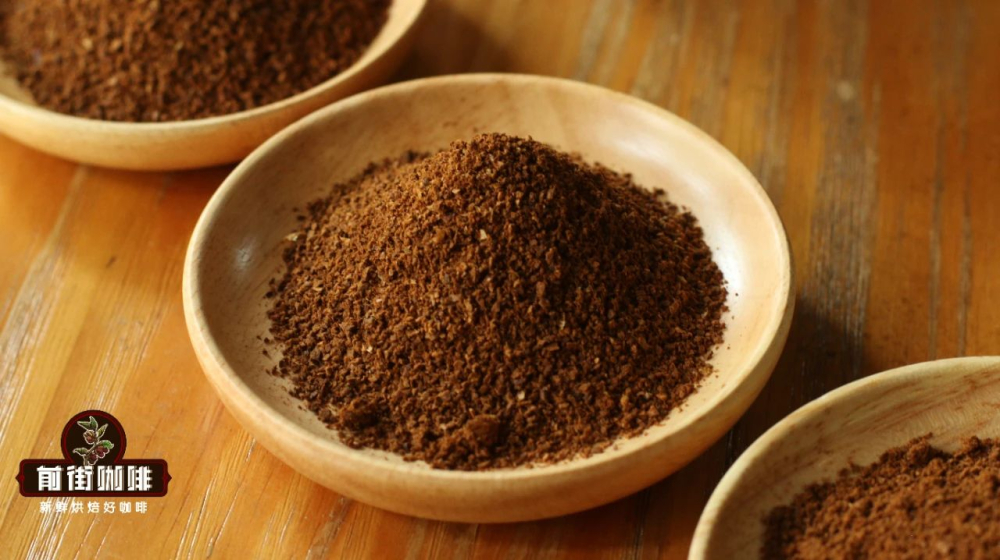
The impact of grind size on coffee extraction Grind size means the size and shape of the coffee after grinding, and also means the size of the surface area. The finer the coffee is ground, the larger the coffee surface area, the greater the area where water contacts the coffee, and therefore more substances can be extracted. The increase in surface area also allows more places for carbon dioxide inside the coffee beans to be released.
How do we adjust the grind size for pour-over coffee? When grinding coffee daily, the difference between the largest particle size and the smallest particle size of seemingly uniform coffee grounds is at least 0.6 mm. Generally, we call coffee particles larger than 0.85 mm coarse grounds, and particles smaller than 0.25 mm extremely fine grounds. If the proportion of these two types of grounds exceeds 40% of your total coffee dose, it is not suitable for pour-over coffee. Don’t understand? No worries! Front Street Coffee (FrontStreet Coffee) recommends buying a test sieve with a aperture of 0.85 mm.
How to use a sieve to determine coffee grind size? Weigh 10 g of coffee beans, set a rough grind size and grind them into coffee grounds, then pour them into the sieve for sifting, and weigh the sifted coffee grounds (you must sift until no more coffee grounds can pass through the sieve for the sifting to be considered complete). A pass-through rate of 75%-80% (7.5-8 g sifted from 10 g of grounds) is the most suitable grind size for medium-light roasted coffee beans, and a pass-through rate of 65%-70% (6.5-7.0 g sifted from 10 g of grounds) is the most suitable grind size for medium-dark roasts. If it exceeds the suitable pass-through rate, adjust the grind size coarser appropriately; if it does not reach the suitable pass-through rate, adjust the grind size finer appropriately.
The above content is compiled by CoffeeHunters, a coffee news website.


