





Search Results for: Coffee Brand Categories
HARMAY Plum Pastry Shanghai Wukang Road flagship store ventures into coffee; the former Anfu Road store transforms into hand-smashed lemon tea brand introlemons
Domestic high-end beauty retailer HARMAY has taken another cross-industry leap by opening a 700-square-meter, four-story flagship store on Wukang Road in Shanghai. The ground floor features a coffee counter by Marionbar, offering black coffee, milk coffee, chocolate drinks, and draft beer. Meanwhile, its first store on Anfu Road, which opened in 2017, has closed; the original site will be transformed into the national flagship store for its hand-shaken lemon tea brand, introlemons. HARMAY had previously sought to acquire a coffee brand and may further expand into coffee chains in the future. As of now, HARMAY has eight stores nationwide and plans to expand to cities such as Xi'an and Wuhan. Whether this cross-industry move can bring long-term value to the brand remains to be tested by the market. [more…]
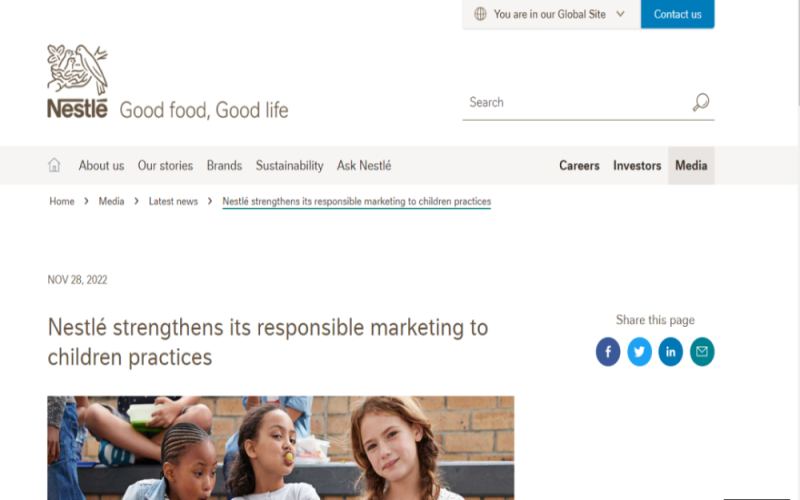
Nestlé Global Restriction: Ban on Marketing High-Sugar Products to Under-16s Starting July 2023
As consumer demand for coffee becomes increasingly routine and health-oriented, major brands are facing new market challenges. Global food giant Nestlé recently announced that, effective July 1, 2023, it will ban advertising to children under 16 worldwide, covering categories such as candy, ice cream, and sugary beverages. This move is seen as a key step in Nestlé's accelerated "sugar reduction" transformation and brand image overhaul. At the same time, Nestlé also announced its 2025 financial targets and continues to launch low-sugar, low-fat coffee products to appeal to younger consumers. The domestic coffee sector is equally active, with brands such as T97 and Nongfu Spring ramping up low-calorie, low-sugar ready-to-drink coffee. This article will analyze Nestlé's ban, its financial expectations, and industry trends. [more…]
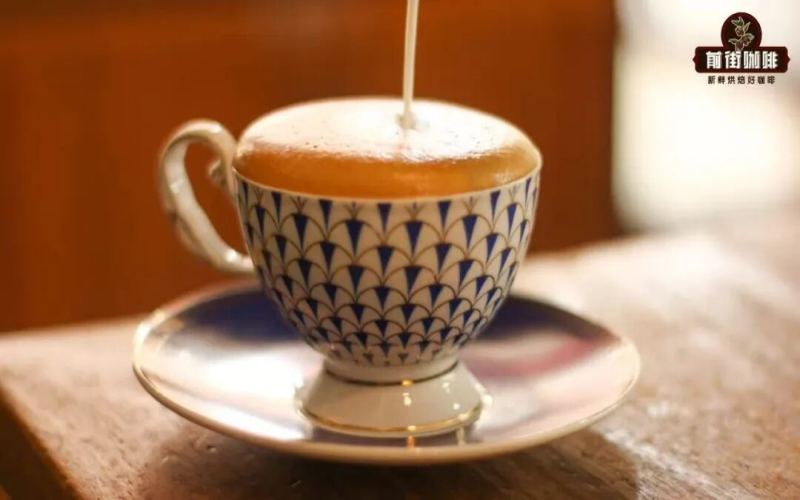
Coffee Categories | Why is latte coffee so popular? What is the origin of latte coffee? When was the art of coffee latte art born?
In a broad sense, latte coffee refers to coffee made with espresso as the base, with a certain proportion of milk added. It can be said to be an essential coffee drink on the menu of the vast majority of coffee shops, because whether it is a large chain brand or a refined independent coffee shop, the latte is almost always the highest-selling item. [more…]
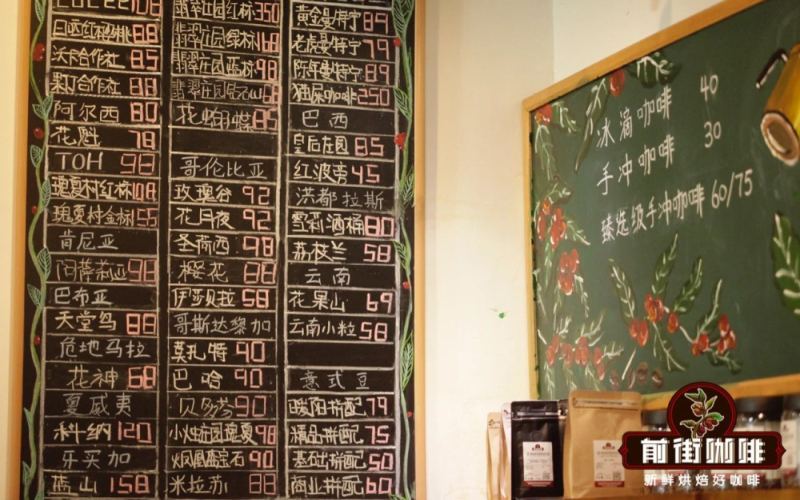
The Naming Logic of Mandheling Coffee Beans and a Guide to Identifying the Four Major Categories: A Complete Interpretation from Region to Grade
Walking into Front Street Coffee and facing a dazzling array of coffee beans, many coffee lovers feel completely lost. What exactly gives these coffee beans the right to be named this way? This article will systematically sort out the naming rules for single-origin coffee beans from the perspectives of origin naming, competition titles, estate brands, and processing methods, and will focus on breaking down the four major subtypes of Mandheling coffee—Lintong Mandheling, Golden Mandheling, Tiger Mandheling, and Aged Mandheling—to help you quickly distinguish the differences when buying. At the same time, the article will also explain the grading meanings represented by common suffixes such as G1, AA, and SHB, so that you can understand the information behind coffee bean labels at a glance. [more…]
Suning's first specialty coffee shop lands in Nanjing, entering the convenience store coffee race with 27 drinks
Suning Xiaodian's first dedicated coffee shop has begun trial operations in Nanjing, marking Suning's official move to step up its presence in the coffee market. The store adopts a "convenience store + coffee" model, offering 27 beverages across five major categories, including coffee, tea drinks, and frozen treats, with prices ranging from 12 yuan to 28 yuan. Leveraging the network advantages of more than 5,000 Suning Xiaodian stores nationwide and operational data within a three-kilometer radius, Suning Coffee has clear competitiveness in customer acquisition and daily operations. This is also Suning's fourth format for expanding coffee consumption scenarios, following vending counters, express delivery, and unmanned self-service machines. As players such as Mengniu, Nongfu Spring, Coca-Cola, Sinopec EasyJoy, and OYO successively enter the market, the battle for the coffee market has gained another variable. [more…]
What are the differences between Qimen Maofeng and Qimen Haoya? A comprehensive analysis of the two major Qihong categories, from their origin history to their grade and taste.
Qimen black tea originates from Qimen County, Anhui Province, and is one of China's traditional famous teas, renowned for its rich fruity aroma and mellow taste. It encompasses numerous varieties, among which Maofeng, Haoya, and Gongfu are the most common. This article compares Qimen Maofeng and Qimen Haoya, tracing the historical origins and variety system of Qimen black tea, detailing Maofeng's appearance, aroma, liquor color, and brewing suggestions, while also explaining its differences in grade and style from Haoya and Gongfu. The article also mentions the connection between Queen Elizabeth II of the United Kingdom and Qimen Maofeng, and provides relevant recommendations from the Front Street brand for coffee and tea enthusiasts, helping readers establish a clear understanding when purchasing and tasting. [more…]
Kenya AA Coffee and Local Specialty Brands Roundup: Dorman Estate and Front Street Recommendations
Kenya AA produced in Kenya is renowned for its bright fruit acidity, uniform bean size, and rich layered mouthfeel, making it a highly favored choice among single-origin coffees. This article focuses on Front Street Kenya coffee, answering why Kenyan local brands are rarely seen in mainstream channels, and systematically reviews four noteworthy Kenyan specialty coffee brands: JAVA HOUSE, DORMANS (Berman Estate), SAFARI LOUNGE, and Out of Africa. The content covers each brand's historical background, product positioning, flavor characteristics, and market layout, suitable for enthusiasts who want to gain a deeper understanding of Kenya's coffee landscape. [more…]
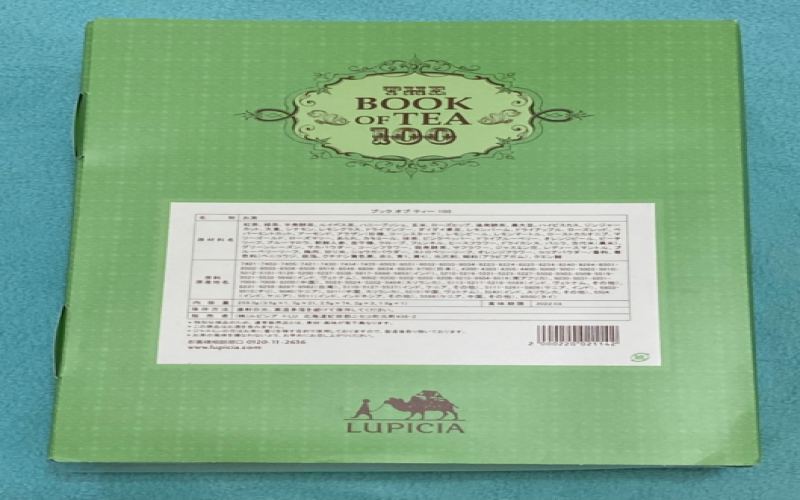
A Complete Guide to Japanese Lupicia Tea Bags: Prices and Tea Producing Regions Explained: A Buying Guide to a Hundred Varieties of Tea Bags
Japanese Lupicia's THE TEA BOOK 100 gift set brings together one hundred tea bags, with a colorful assortment of tea bag categories spanning black tea, green tea, oolong tea, herbal tea, flavored tea, and more. Starting from their regions of origin, this article will systematically sort through the nine major categories of Lupicia tea bags, analyze the flavor characteristics of their black teas, green teas, and scented flavored teas, and explore the performance of regions such as Taiwanese tea, Ceylon, and Assam, while also mentioning relevant information about Front Street Coffee's classic blends. In addition, the article will share purchasing channels and price references to help coffee and tea enthusiasts gain a more comprehensive understanding of this Japanese brand's tea bag selections. [more…]
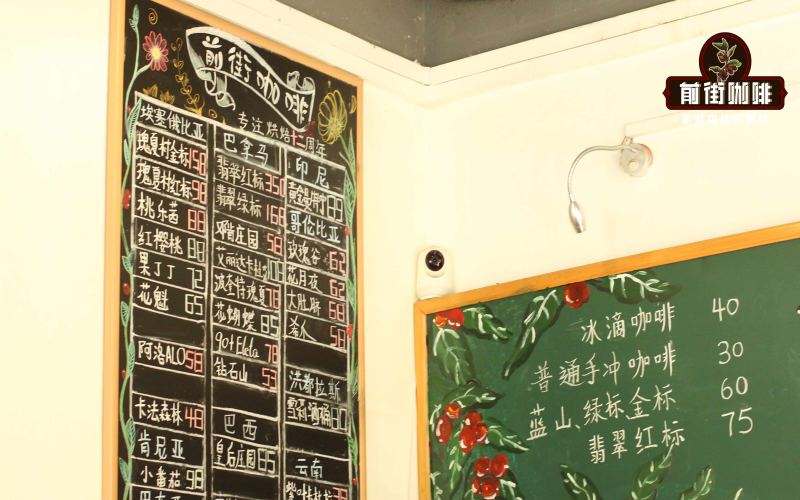
Home Coffee Bean Brand Ranking | What Tier Does illy Coffee Beans Belong To? Which Coffee Bean Brands Do Seasoned Coffee Lovers Recommend?
While domestic coffee brands are still in a leaderless situation, imported coffee beans still occupy the vast majority of the market. But faced with numerous coffee brands, which one to choose has become a troubling matter for everyone. This article does not discuss coffee bean varieties, nor instant coffee, but only seeks to understand the most common excellent coffee beans in China, [more…]
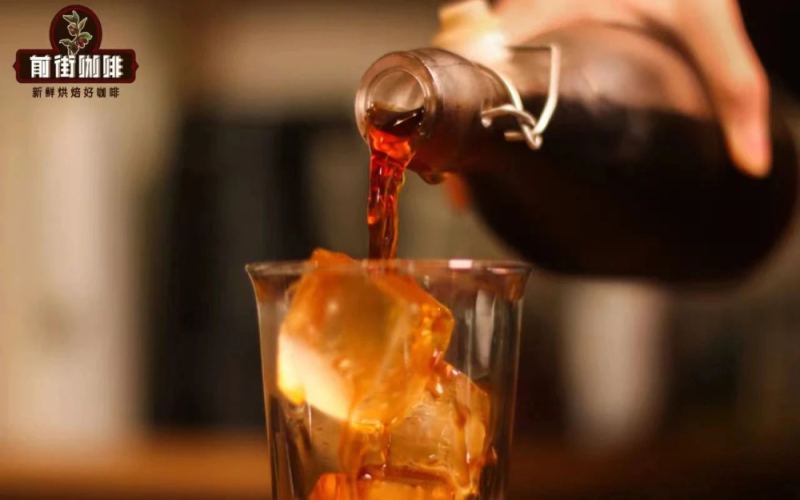
How Is an Americano Different from an Espresso? A Comparison of Iced and Hot Americano Taste and Calorie Differences
As temperatures climb, iced coffee becomes one of the most popular categories at Front Street Coffee stores. Recently, reports have pointed out that the calories in two creamers are about 56 kcal, equivalent to a small slice of thin toast. So how many calories do you actually take in with one cup of coffee? According to data published on the official website of a well-known chain brewed coffee brand, a medium Americano has about 11 kcal, and after adding 28 kcal of creamer, the total is 39 kcal; while a medium latte of the same size reaches 176 kcal, more than 4.5 times that of an Americano with creamer. In other words, the calories in one latte a day are more than drinking four Americanos with creamer in a row. This article will explain the differences between Americano and espresso, the specific method for making iced Americano, and the flavor presented by Front Street Coffee's Sunflower Warm Sun blend. [more…]
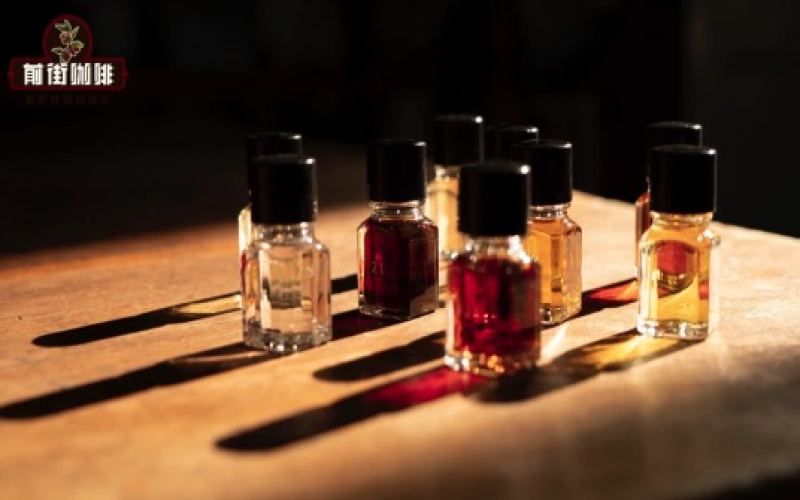
SCA Specially coffee flavor wheel | Understanding the flavor wheel is the first step in learning the flavors of coffee.
As an authoritative coffee flavor guide map, as long as it is used properly, the new partners who join can quickly categorize the flavors presented by the coffee, and after learning it, combined with practice, mastering the coffee flavor is simply a [more…]
The Evolution of the White Tea Market and an Analysis of Fuding Varieties: Sorting Out the Grading System from Silver Needle Tribute Tea to Global Production Expansion
White tea has seen continuously rising popularity in the global tea market in recent years, evolving from a single-origin landscape centered on Fuding and Zhenghe a decade ago into a complex category spanning multiple producing regions including Kenya, Rwanda, India, and Vietnam. Silver Needle, White Peony, and Shoumei — the three traditional categories — form the basic framework of white tea, classified by the selection standard of buds and leaves rather than by depth of color. This article will systematically examine the varietal characteristics of Fuding white tea, its historical origins, the logic behind its grading system, and the blurring of category boundaries brought about by the global expansion of white tea supply, helping coffee and tea enthusiasts gain a deeper understanding of this tea type that combines scarcity with health properties. Front Street Coffee, as a brand focused on direct sourcing from producing regions, has carried on its traceability philosophy in its white tea selection as well. [more…]
How to Choose a Commercial Coffee Bean Brand? Industrial, Commercial, and Specialty Coffee Grading Standards and Front Street Commercial Bean Recommendation Guide
Faced with the dazzling array of coffee beans on the market, many café operators and coffee enthusiasts are puzzled: which brand of commercial coffee beans is actually good? What kind of beans are truly suitable for commercial use? To answer these questions, we first need to clarify the basic definitions and usage differences among the three major categories: industrial coffee, commercial coffee, and specialty coffee. This article will systematically sort out the criteria for distinguishing these three types of coffee, delve into the evaluation system of specialty coffee in terms of growing altitude, screen size specifications, and the proportion of defective beans, and further introduce the traceability mechanism and terroir characteristics of estate coffee. Finally, combined with Front Street Coffee's commercial product line, it provides readers with a reference for choosing commercial coffee beans that offer both quality and value for money. [more…]
HEYTEA's Handcrafted Store Launches 50 New Products at Once: How Far Can the Whole-Leaf Tea Brewing Move Go?
Heytea has opened its first global handmade tea shop in Nantou Ancient Town, Shenzhen. The three-story space corresponds to three product lines: hand-stirred ice, handmade tea, and hand-brewed fine tea, launching over 50 new products at once. From Musang King durian to mangosteen, Thai golden pomelo, and guava, to traditional brewed pure teas covering China's six major tea categories and creative mixed cups, this shop is clearly not satisfied with the conventional tea beverage playbook. The most expensive single item, "Large Musang King Durian," is priced at 138 yuan, and the cups have also been custom-designed. The new-style tea beverage brand is returning to deep cultivation of original leaf tea, driven by the continuously expanding tea beverage track and the rising proportion of pure tea. This article takes you through a complete understanding of the product structure, pricing strategy, and industry significance of this new launch. [more…]

Starbucks Signals a Return to Russia? A Flurry of Trademark Registrations Sparks Market Attention and Speculation
Recently, Starbucks was reported to have filed multiple trademark registration applications with the Russian Federal Intellectual Property Office, covering core brand identifiers such as "Starbucks Coffee" and "Frappuccino," as well as related categories including instant coffee, beverage preparation, and membership management. This move quickly sparked speculation about whether the company plans to return to the Russian market. After exiting Russia in 2022, Starbucks' assets in the country were acquired by a local company and rebranded as "Stars Coffee," and a trademark legal dispute between that brand and Starbucks still persists. Over the past two years, Russia's coffee market has undergone significant changes, with intensified competition, shifting consumer habits, and continued uncertainty in the political and economic environment. Even if Starbucks returns, it may not be smooth sailing. So far, there has been no official response. [more…]
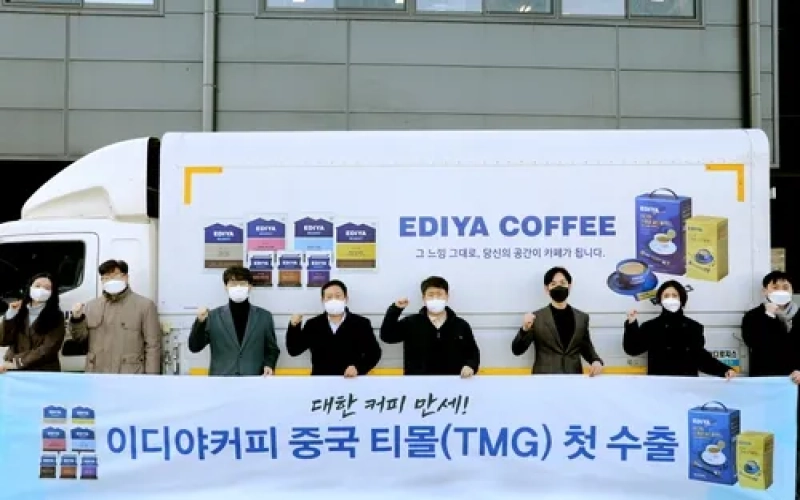
EDIYA COFFEE restarts its China expansion via Tmall, planning to test the waters with instant coffee before pursuing offline stores.
EDIYA COFFEE, the chain coffee brand with the largest number of stores in South Korea, recently announced that it will officially launch on Tmall within a month, focusing on products such as instant coffee, capsule coffee, and blended teas. This is not the brand's first foray into the Chinese market—as early as 2005 it set up a branch in Beijing, but withdrew in disappointment three years later due to a lukewarm market response; in 2018 it once again announced it would return to open stores in Beijing, but the plan was shelved due to the rise of local brands such as Luckin and Manner. This time, entering via cross-border e-commerce in a roundabout way, whether EDIYA COFFEE can carve out a share in China's coffee market, where instant and freshly ground coffee are waxing and waning, is worth watching. [more…]

HEYTEA's sub-brand Xixiaocha closes all stores: two-and-a-half-year journey ends, and the affordable tea beverage sector shifts
Heytea's sub-brand Xixiaocha recently closed its last store located in Guangzhou City Investment Building. From the opening of its first store in April 2020 to its complete withdrawal now, only two and a half years have passed. Xixiaocha once deeply cultivated six cities in the Pearl River Delta and opened 22 stores, focusing on affordable drinks priced from 8 to 16 yuan. Before closing, most stores were still profitable. At the same time, Heytea's main brand has continuously lowered prices since the beginning of this year, announcing that it will no longer launch products priced above 29 yuan, and all new products will be priced no higher than 20 yuan. The product positioning and price ranges of the two brands are increasingly overlapping. The last update on Xixiaocha's official WeChat public account remained on July 20, 2022, and its mini-program can no longer be searched. Heytea has not yet responded. This article reviews the rise and fall of Xixiaocha and analyzes its connection with the strategic adjustments of the main brand. [more…]
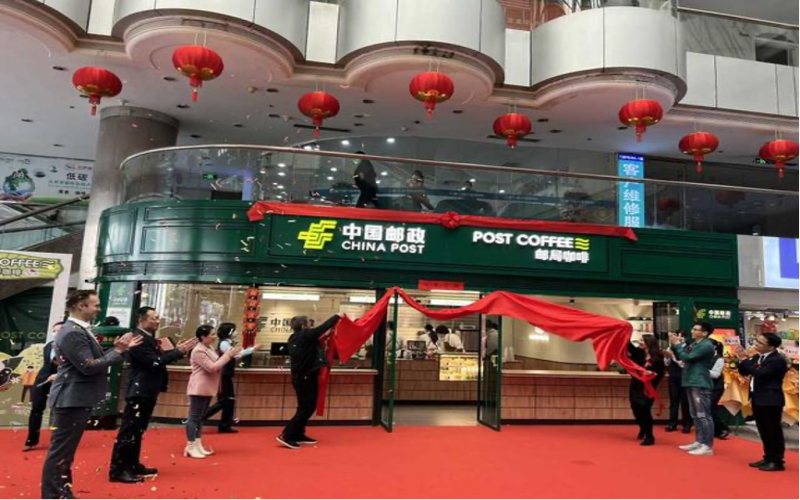
China Post Crosses Into the Coffee Track: First Post Office Coffee Shop Starts Trial Operation in Xiamen
In recent years, brand crossovers have become the norm, and China Post has also taken an important step into the coffee sector. Following the launch of "Youyang's Tea" in 2021, which sparked widespread discussion online, on February 14, 2022, China Post's first national postal coffee shop officially began trial operation in Xiamen, Fujian, marking this traditional postal enterprise's formal entry into the coffee industry. The postal coffee shop focuses on a specialty line, using coffee beans produced in Yunnan and deeply integrating postal elements with coffee culture. In fact, some post offices had previously attempted cross-industry coffee sales, such as the Xiamen University Road Post Office coffee shop and the co-branded cooperation with "Qiao Coffee" in Shanghai. As the coffee consumer base continues to expand, more and more brands are entering the market through cooperation, investment, or creating new brands. Relying on its advantage in outlet coverage, China Post plans to cooperate with "Zhongyu Kaye" to expand distinctive postal coffee shops in multiple cities. [more…]
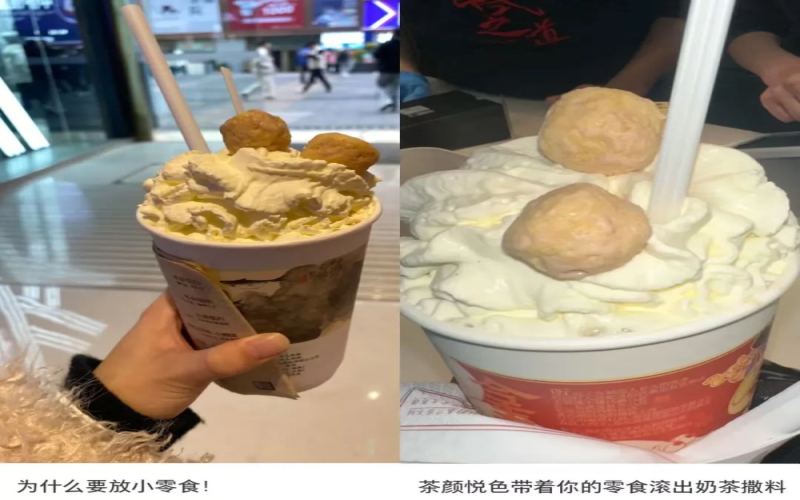
Chayan Yuese's milk tea toppings quietly replaced with puffed snacks, fans complain about both taste and appearance falling flat
Tea Yan Yue Se has always been loved by consumers for its milk tea and peripheral snacks, but recently many customers have noticed that the toppings on their drinks have been quietly replaced with the brand's own puffed snacks, such as crispy balls, cheese sticks, and corn kernels. This change has sparked strong dissatisfaction among longtime fans, who feel that puffed food does not pair well with milk tea in terms of taste, looks jarring, and have even called on the brand to stop this practice. Although Tea Yan Yue Se's snack business is growing rapidly, with annual e-commerce sales already exceeding 100 million, forcing snacks into milk tea reflects the brand's anxiety to promote its retail products. This article takes you through the ins and outs of the incident and the real feedback from fans. [more…]
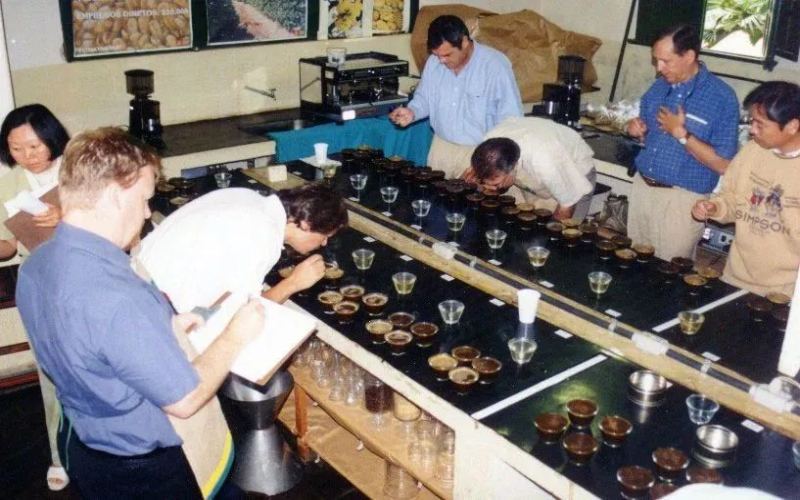
2023 Brazil Cup of Excellence Format Innovation: Three Processing Method Categories Reveal the Winners List
The 2023 Cup of Excellence (CoE) in Brazil underwent a major competition format change, for the first time dividing participating green beans into three categories: dry process, wet process, and experimental process, with awards evaluated separately for each. This change aims to respect different processing methods, encourage producer innovation, and promote fair competition. After pre-selection and multiple rounds of national and international judging, the lists of ten winning beans in each of the three groups have been announced, with a minimum score requirement of 87 points. Erwin Mierisch, Executive Director of the Alliance for Coffee Excellence, stated that the new classification both recognizes the value of traditional processing methods and responds to market demand for innovative processing methods. This article will outline the competition format details, the winning situation in each group, and explore the profound impact of this change on the specialty coffee industry. [more…]