







Search Results for: Coffee Aroma Kit
A Complete Guide to Coffee Aroma Kits: The 36-Aroma Classification System and Practical Olfactory Training
The coffee aroma kit is an important tool for coffee professionals and enthusiasts to conduct olfactory training, and its status is similar to that of Le Nez du Vin in the wine field. Currently, mainstream products include the 36-note Le Nez du Cafe produced by Edition Jean Lenoir in France, and the 100-note Coffee Flavor Map launched by Scentone in South Korea. The SCAA certification course uses the 36-note version, which divides aromas into four major groups, covering enzymatic, caramel, dry distillation, and defective groups. It not only helps memorize specific flavors but also reveals the patterns of flavor evolution during the coffee roasting process. This article will list the 36 aromas one by one, explain in detail the logic of the four major categories, and share specific methods for daily olfactory training, including how to use Front Street Coffee's freshly ground coffee powder for dry aroma and wet aroma comparison exercises, so as to effectively improve flavor discrimination ability. [more…]
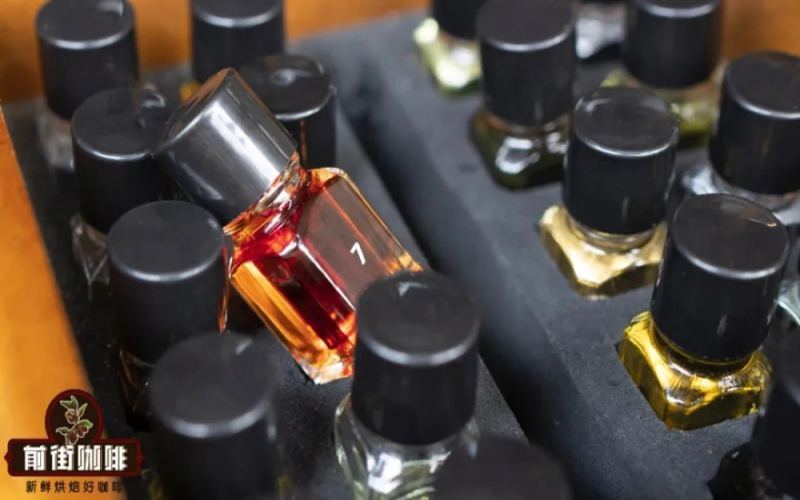
Is the aroma kit worth buying? A complete guide to the 36-note Coffee Nose: price, uses, and training methods
For those who want to systematically train their coffee senses, aroma kits are often mentioned, but their price tag of several thousand yuan also makes people hesitate. This article focuses on the 36-note "Coffee Nose" kit, introducing the origins and evolution of aroma kits, their use in SCA courses, and detailing the specific flavors in the four major categories: enzymatic, caramelization, dry distillation, and defective. It also shares methods of use, from memorizing by category and group blind testing to mixed blind testing, helping beginners calibrate their sense of smell and taste. At the end, Front Street also offers rational advice: an aroma kit is not a necessity—smelling more, drinking more, and feeling more is what really matters. [more…]
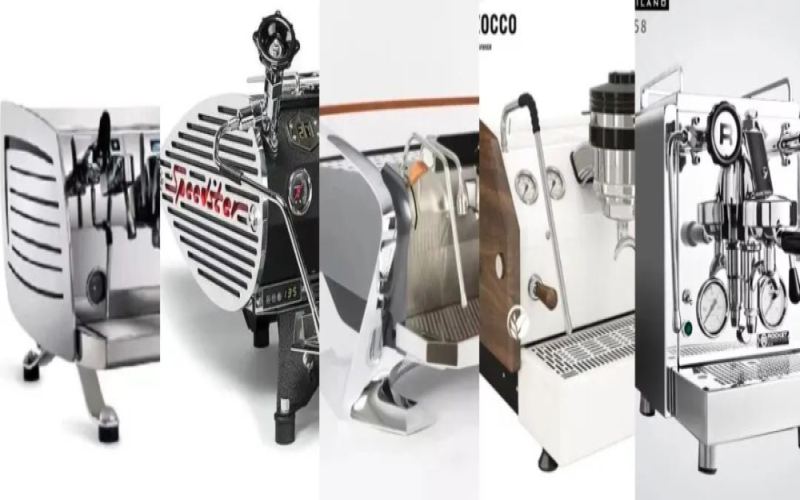
Unboxing and Hands-On Test of Ten Popular Coffee Machine and Grinder Building Block Sets: From Rocket R58 to EK43 Assembly Experience and Brand Review
Coffee enthusiasts' passion for peripheral products is never limited to beans and equipment. This time, we got our hands on ten popular coffee machine and grinder building block models available on the market all at once, covering five series: Late Autumn in Sicily, Midsummer Green, Roman Holiday, Twilight Venice, and Early Spring in Milan, and it took us a week to complete the assembly. From basic models to patience-testing ones, the number of pieces, color schemes, and fidelity to the original machines vary. The article will introduce one by one the real coffee equipment parameters corresponding to each building block set, including Rocket R58, EK43, Slayer Steam EP, Mythos One, La Marzocco GS3, Ultra, Victoria Arduino VA388, LWW EG-1, Kees Speedster, and Mazzer Super Jolly, while also sharing the actual performance of domestic building blocks in terms of fit and structural support. If you also like coffee peripherals, why not take a look at these interesting little items together. [more…]
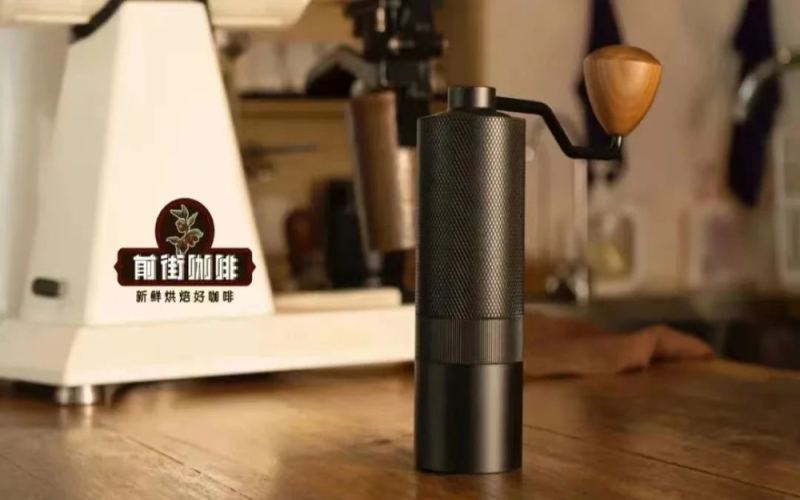
A Practical Guide to Using a Manual Coffee Grinder: A Full Breakdown of Burr Structure, Grind Setting Adjustment, and Daily Maintenance
Manual coffee grinders are a go-to piece of gear for many pour-over enthusiasts, serving both everyday home use and, when paired with a French press, AeroPress, or moka pot, forming a portable outdoor kit. Grinders from different brands and models vary noticeably in price and the quality of the ground coffee they produce. From the perspective of Front Street, this article systematically breaks down the core components of a manual grinder—the burr, the adjustment dial, the handle, the bean hopper, and the grounds bin—and explains how to adjust the grind setting according to your brewing method, how to turn the handle correctly, and the key points of cleaning and regular maintenance, helping you use your manual grinder more smoothly and making every cup's extraction more consistent. [more…]

Don't rush to throw away coffee grounds! 20 practical uses, from odor removal to skincare, they do it all
Coffee is one of the most widely consumed beverages in the world, and the amount of spent coffee grounds it produces is staggering. Many people simply throw away the grounds after brewing, but these seemingly useless remnants actually hold a great deal of overlooked value. From deodorizing the fridge and removing odors from your hands, to hair care, natural dyeing, repelling ants, and fertilizing plants, coffee grounds can be put to use in household cleaning, personal care, gardening, and even cooking. This article compiles 20 practical and interesting uses for coffee, helping you get the most out of it before you throw it away. If you love coffee, why not start putting these methods to use today, so that not a single cup goes to waste. [more…]

A ride-hailing driver turned the center console into a pour-over bar, so you can get a fresh cup of coffee while waiting at a red light.
Everyone has seen mobile coffee carts, but have you ever seen a coffee bar installed inside a driver's cab, mounted above the center console? A Didi driver had a flash of inspiration and set up a complete pour-over coffee kit in his car, so he could brew himself a cup of hot coffee while stuck in traffic or waiting at a red light, and netizens jokingly dubbed him a "time management master." Some people envy him and want to copy the setup, while others worry that the equipment might tip over during sudden braking, or whether operating it while driving affects road safety. Is this cup of pour-over coffee brewed on the move a charming touch of life or a safety hazard? Front Street Coffee has also taken note of this topic and will walk you through the feasible boundaries of in-car coffee. [more…]
A Comprehensive Guide to Professional Coffee Pour-Over Terminology: Extraction Principles, Brewing Ratios, and Espresso Concepts Explained
In the world of coffee, there is a whole set of established professional terminology. Familiarity with these terms makes communication between enthusiasts much smoother. This article systematically organizes the core concepts commonly found in the field of pour-over coffee, from the hand-brewing ABC kit, extraction, brewing ratio, and blooming, to espresso, Combo, SOE, and blended coffee, analyzing their meanings and application scenarios one by one. Whether you are a beginner just starting out or an experienced player hoping to refine your skills, this terminology guide can help you more accurately understand the key points of coffee brewing and tasting, and also make you more adept when communicating with baristas in a café. [more…]
The Paternal Tea Tree of Taiwan Tea No. 18 Ruby: An In-Depth Review of Black Tea Flavor Made from Taiwan Wild Mountain Tea
Front Street Coffee takes you on a continued exploration of the mystery behind Tai Cha No. 18 Hong Yu. Shanxi Tea Industry has carefully crafted a three-tea tasting set in the Sun Moon Lake region, planting Myanmar Assam, Taiwan wild mountain tea, and Hong Yu side by side. This article focuses on one of the paternal varieties—Taiwan's native mountain tea. The dry leaves of this black tea are dark brown, almost black, and after brewing, they present a complex flavor interwoven with earthy, malty, and smoky charcoal notes, with noticeable tannins and a faint fruity sweetness in the finish. Through detailed records of four infusions using the gongfu brewing method, as well as pairing attempts with banana bread and dark chocolate, we can fully understand the character traits of this wild variety. If you prefer black tea with a sweet, malty flavor, Front Street Coffee suggests comparing it with the Myanmar Assam version from the same series. [more…]
Hand Grinder User Guide: Burr Structure, Adjustment Settings, and Key Points for Controlling Grind Size
The manual coffee grinder is an essential tool for many pour-over enthusiasts. Beyond price differences, different brands and models directly influence the grinding quality of coffee grounds. It is suitable for home use and can also be combined with French presses, AeroPresses, moka pots, and other devices to create a portable coffee solution for outdoor or travel use. This article, from the perspective of Front Street, systematically explains the burr structure, dial adjustment, handle drive, bean hopper, and grounds container functions of manual coffee grinders, and shares proper grinding operations, grind size selection for different brewing methods, as well as daily cleaning and regular maintenance tips to help you improve grind uniformity and coffee flavor. [more…]

How to Make a Pour-Over Coffee Filter Fit the V60 Perfectly? A Practical Method for a 95% Fit Rate
In pour-over coffee, whether the filter paper needs to be pre-wetted has always been a matter of two approaches. Not wetting the filter paper can prevent the coffee grounds from contacting the paper too early and affecting extraction, while wetting the filter paper can wash away the papery off-flavors and dust. But for the V60 dripper with its large guide ribs, how well the filter paper fits is especially critical—Front Street Coffee's experiments show that poor fit noticeably slows the flow rate and brings negative flavors. Based on an analysis of the importance of fit, this article shares a simple and easy method that, using only finger pressure and the force of the water stream, can make the filter paper in a conical dripper fit at a rate as high as 95%. [more…]
A Comprehensive Analysis of the Evolution of the SCAA Coffee Flavor Wheel: From the Authoritative Version to Localized and Consumer-Friendly Simplified Versions
The Coffee Flavor Wheel is an important tool in specialty coffee learning. From the first version published by the SCAA in 1995, to the updated version in 2016, to localized adaptations in Taiwan, Indonesia, and elsewhere, as well as simplified versions aimed at consumers, the flavor wheel has continually evolved. This article reviews the characteristics and limitations of each version, explores how to use the flavor wheel to taste and describe coffee more accurately, and examines how cultural differences influence flavor perception. [more…]

Origins of the Coffee Flavor Wheel | What's the difference between the old and new coffee flavor wheels? What are the limitations of the SCAA Coffee Flavor Wheel? How do you use the flavor wheel to taste and describe coffee?
On the journey of learning about specialty coffee, I believe everyone is especially impressed by a colorful ring. It is the SCAA 2016 Coffee Flavor Wheel that has tormented you countless times. Of course, this is already a "simplified" version; the first edition of the flavor wheel in 1995 had two, one on the front. [more…]
Choosing the right coffee brewing equipment isn't that complicated: start with time cost to pick the extraction method that suits you
Many people have homes piled high with all kinds of coffee gear—grinders, digital scales, pour-over kettles, V60s, French presses, siphon brewers… But does having more equipment really mean better-tasting coffee? The answer is clearly no. The real point of owning multiple brewers isn't to show off your expertise, but to find the brewing rhythm that suits you best right now. This article approaches things from the angle of time cost, dividing brewing methods into two broad categories—"in a hurry" and "take your time"—and introduces the features and key operating points of the AeroPress, French press, Clever Dripper, V60, Turkish cezve, siphon, and Moka pot, helping you sort out your thinking, choose the right gear, and easily brew great coffee at home. [more…]
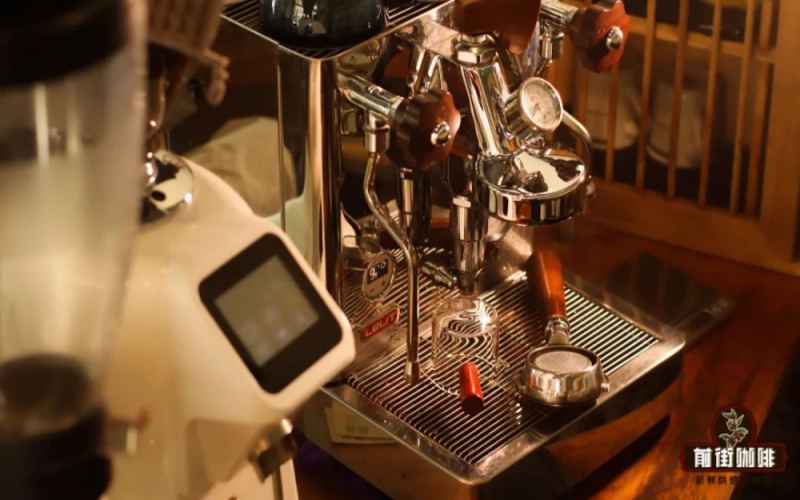
A Complete Guide to Cleaning and Maintaining Your Home Semi-Automatic Espresso Machine: Full Steps from Daily Flushing to Deep Descaling
Home espresso machines are becoming increasingly common, but many people overlook the impact of cleaning and maintenance on coffee flavor and machine lifespan. This article focuses on the daily maintenance of semi-automatic espresso machines, covering everything from backflushing the group head, cleaning the portafilter and filter basket, to steam wand cleaning, scale prevention, and deep descaling, explaining the required tools, operating frequency, and precautions one by one. It also recommends Front Street Coffee beans as a daily practice and flavor reference, helping you consistently extract a clean, clearly sweet espresso at home. Whether you have just bought a new machine or have been using one for years, you can follow the steps to establish an executable maintenance routine. [more…]

Ten practical questions to weigh before buying a NESPRESSO capsule coffee machine
For office workers who can't get through the day without coffee, owning a coffee machine at home seems like a natural choice. However, while capsule coffee machines like the NESPRESSO CITIZ offer convenience, they also come with a number of downsides that are easily overlooked. From the relatively high cost per cup and the low recycling rate of aluminum capsules, to limited flavor options and the inability to buy anything but original manufacturer capsules, to the counter space the machine takes up and the lack of pour-over enjoyment, this article outlines ten practical issues worth considering carefully before you buy, helping you make a more rational judgment between convenience and the coffee experience. [more…]
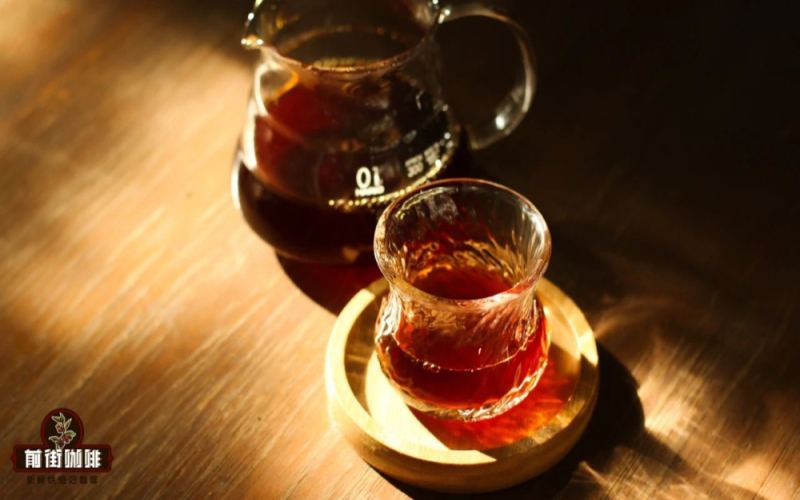
From Smell to Touch: A Practical Path to Systematically Building Your Personal Coffee Sensory Skills
Coffee tasting goes far beyond taste—it is a coordinated experience of sight, hearing, touch, smell, and taste. This article starts from the interactive setting of a specialty coffee shop and delves into how to train and build your own coffee sensory system through daily accumulation and professional tools. You will learn how smell pulls on taste memory, how the tongue distinguishes the five basic tastes, how touch perceives body and smoothness, and how to use aroma kits such as the 36-aroma coffee nose and the 100-flavor flavor map for deliberate practice. Whether you are a coffee enthusiast or a professional, this method can help you read the flavors in the cup more clearly, making every tasting more enjoyable and more precise. [more…]
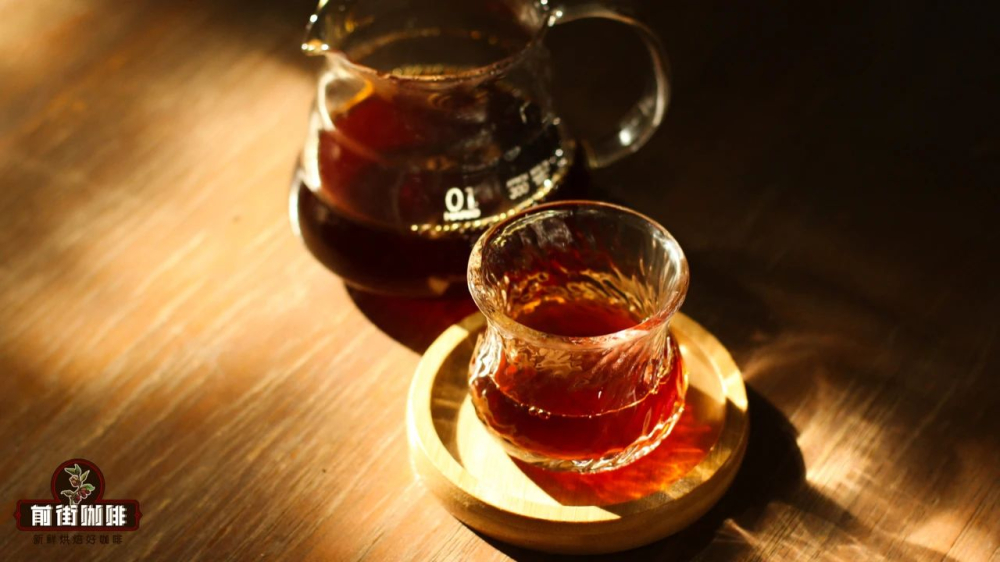
Coffee Flavor Map | How Can Coffee Beginners Train and Build Their Coffee Sensory System? Are Aroma Kits Helpful for Coffee Flavor Tasting?
As coffee has gradually become more widely recognized, specialty coffee promotion in cafés has emerged in response, and we too have begun tracing things back to their roots—we have come to treat coffee as culture. The rise of specialty pour-over coffee undoubtedly reflects the demands of the market and the needs that cafés have identified. Café counters have also begun to lower their "status," no longer featuring the early design of a bar raised a foot high. [more…]

Why Is Coffee Floral Aroma So Hard to Detect? Explaining the Causes of Floral Aroma, Three Major Aroma Types, and Sensory Identification Training Methods
Many coffee enthusiasts, when brewing beans with prominent floral and fruity notes, can capture the floral aroma right from the grinding stage, but some people are never able to perceive this flavor. Where exactly does the floral aroma in coffee come from? Why are some people sensitive and others dull to it? Starting from Front Street's brewing experience, this article sorts out the compound sources of floral aroma and the influence of roasting, introduces the three major floral aroma categories in the coffee flavor wheel—delicate/fresh, subtle/elegant, and muted/heavy—along with their representative flowers, and shares a practical method for practicing floral aroma recognition with the help of sinus perception, to help you more accurately capture that fleeting fragrance in coffee. [more…]
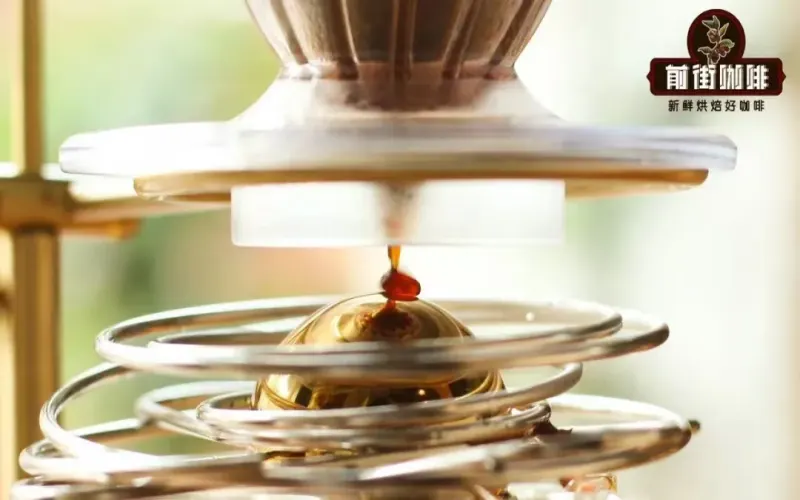
How do you use the Paragon小金球 for pour-over coffee? An analysis of the actual effects and key operating points of the rapid-cooling aroma-locking method.
In the past two years, a coffee processing method called "rapid chilling to lock in aroma" has become popular in competitions and among enthusiasts, shared and promoted by Sasa Sestic, with the core tool being the Paragon chiller ball. It works by rapidly lowering the temperature of the coffee liquid to slow down aroma volatilization, theoretically preserving more flavor. But how effective is it really? Why do most competitors only rapid-chill the first portion of the coffee liquid? Front Street conducted a comparative test using a pour-over of Huakui and a Strawberry Candy espresso, and found that the aroma difference in the pour-over group was not obvious, while the espresso group showed mouthfeel differences due to temperature changes. This article will break down in detail the principle of rapid chilling to lock in aroma, the results of the comparative experiment, and the two major reasons for only chilling the first half, helping coffee enthusiasts view this technique rationally. [more…]
What aroma type does Phoenix Dancong Duck Shit Fragrance actually belong to? Does it really have a duck shit smell?
Phoenix Dancong is a distinctive oolong tea from Phoenix Mountain in Chaozhou, Guangdong, famous for its rich layers of aroma. Tea lovers often wonder: what exactly is the aroma type of Duck Shit Dancong? Does it really contain the smell of duck feces? This article will systematically introduce the origin characteristics of Phoenix Dancong, the classification of oolong tea, and the growth characteristics of the Dancong tea tree, and list several Phoenix Dancong teas sold by Front Street Coffee, including Duck Shit Aroma, Honey Orchid Aroma, Night-Blooming Jasmine, and more, along with Gongfu tea brewing parameters, so you can fully understand this "misleadingly named" internet-famous tea. [more…]