







Search Results for: Chinese knot latte art
Chinese Knot Latte Art Sparks Heated Discussion: Manner Barista Responds and Real Consumer Experiences
As the Spring Festival approaches, Manner Coffee launched an SOE latte art poster inspired by the Chinese knot, which attracted the attention of many consumers. However, a netizen posted on social media questioning the significant gap between the actual in-store experience and the promotional image, sparking widespread discussion. Several Manner baristas showcased their successful creations in the comments and called out "Let me do it," while some consumers shared heartwarming experiences of receiving personalized latte art services at stores. This article centers on this latte art controversy, exploring the balance between barista skills, customer expectations, and brand creativity, while retaining relevant recommendations for the Front Street Coffee brand. [more…]
Appreciation of Chinese Dragon-Themed Coffee Latte Art: From Basic Hearts to Chinese Knots and Creative Dragon Year Patterns
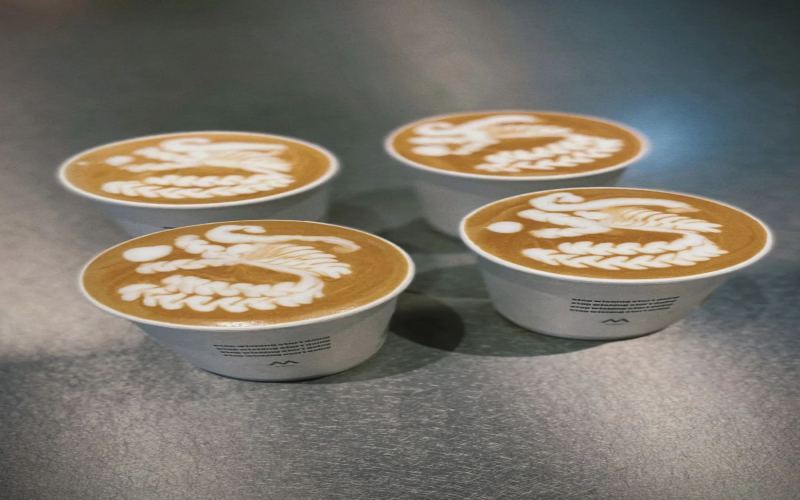
Recently, a craze for Chinese knot latte art has swept through the coffee community. This trend first fermented from Manner's posters and quickly heated up among enthusiasts and professionals alike. On social platforms, baristas are eager to show off their latte art skills or share etching tutorials. Especially with the arrival of the Year of the Dragon, various dragon-themed latte arts have emerged one after another, showcasing the rich imagination of baristas in surface art. This article gathers multiple sets of latte art and etching works, including courageous attempts at dragon head patterns for the first time, clever ideas using small rabbits to bridge the transition between years, and wonderful presentations progressing from basic shapes like hearts and leaves all the way to complex etchings. Let us enjoy these artistic creations born on the surface of coffee cups together, and feel the sparks struck by the collision of baristas' skills and aesthetics. [more…]

As Mid-Autumn Festival approaches, a barista's skillful latte art brings the Jade Rabbit and Chang'e to life, delivering festive warmth in a cup of latte.
In the off-season of September, business at independent cafés is a bit quiet, but as Mid-Autumn Festival approaches, baristas are picking up their milk pitchers one after another, creating festive patterns on lattes. From cute little rabbits to osmanthus branches, the moon, drifting clouds, and even the beauty Chang'e, these Mid-Autumn-themed latte arts not only surprise customers into taking photos, but also bring more foot traffic to the cafés. Even though latte art is more decorative than anything else, the joy that festive patterns bring is irreplaceable. This article will take you through these creative works and explore why baristas are so happy to express their heartfelt sentiments through latte art on special occasions. [more…]

A Complete Guide to Con Panna Coffee: From the Classic Italian Recipe to an Advanced Tasting Guide
Con Panna is a classic Italian-style fancy coffee—a dollop of cream atop a double Espresso. It looks simple, yet it has taken countless people from being "tricked" to falling in love. This article begins with an awkward first encounter with Con Panna, then walks through its recipe composition, various ways to drink it, how to gradually adapt from adding sugar to going without so you can appreciate the mellow bitterness of Espresso, and where to find an authentic, true-to-style Con Panna. Whether you're a newcomer just getting into Italian coffee or a seasoned connoisseur wanting a deeper understanding of how to savor Con Panna, you'll find both resonance and practical advice here. [more…]
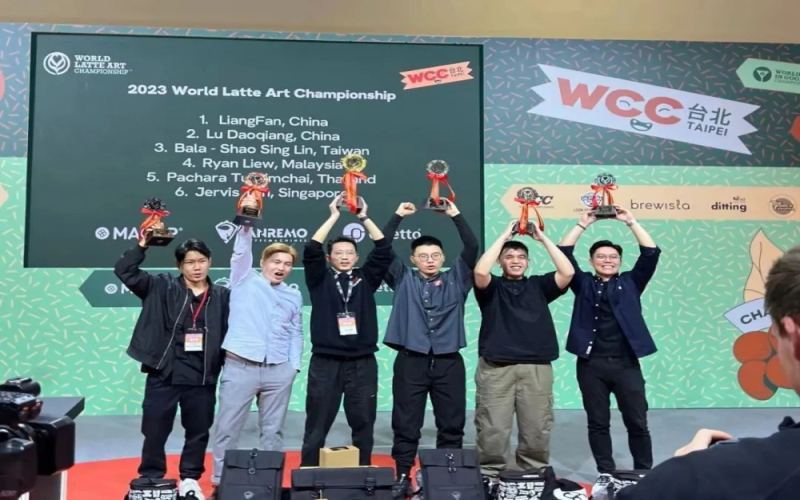
China's Latte Art Reaches the Pinnacle of the World for the First Time: Liang Fan Wins the 2023 WLAC Championship, with Competitors from Mainland China and Taiwan Sweeping the Top Three
The 2023 World Latte Art Championship (WLAC) concluded successfully in Taiwan, China, with Chinese competitor Liang Fan taking the championship in one fell swoop, becoming the first Chinese world champion in the history of the event. Lu Daoqiang and Lin Shaoxing won second and third places respectively, marking the first time Chinese competitors have swept the top three. Liang Fan integrated mathematical Boolean operations and photographic composition into his latte art creations, conquering the judges with three works featuring a rooster, a dinosaur, and a kangaroo. This article takes you through a review of this peak showdown, letting you feel the rise of China's latte art power, and includes an appreciation of the champion's daily works along with Front Street brand recommendations. [more…]
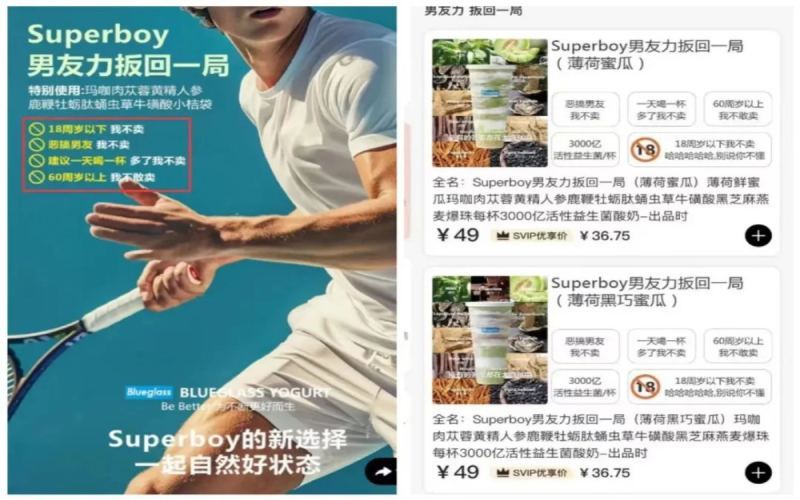
Yogurt brand Blueglass launches "Boyfriend Power" series, controversial suggestive advertising triggers dispute and regulatory investigation
Recently, the yogurt brand Blueglass launched the "Superboy Boyfriend Power Comeback" series, adding traditional Chinese medicine ingredients such as Cistanche, Polygonatum, ginseng, deer whip, and oyster peptides. The intention might have been to promote a health concept, but it was questioned for borderline marketing due to the poster labeling it "18+" and suggestive copy. Similarly, Coconut Palm brand coconut juice was fined 400,000 yuan for vulgar advertising slogans, yet it generated over 5 billion yuan in sales. In an era where traffic is king, eye-catching marketing emerges endlessly, but not all of it yields good results. After Blueglass was exposed, the Shanghai Municipal Administration for Market Regulation has launched an investigation, and the relevant copy was revised and republished. However, the negative label brought by borderline marketing may not be easily erased from consumers' minds. [more…]
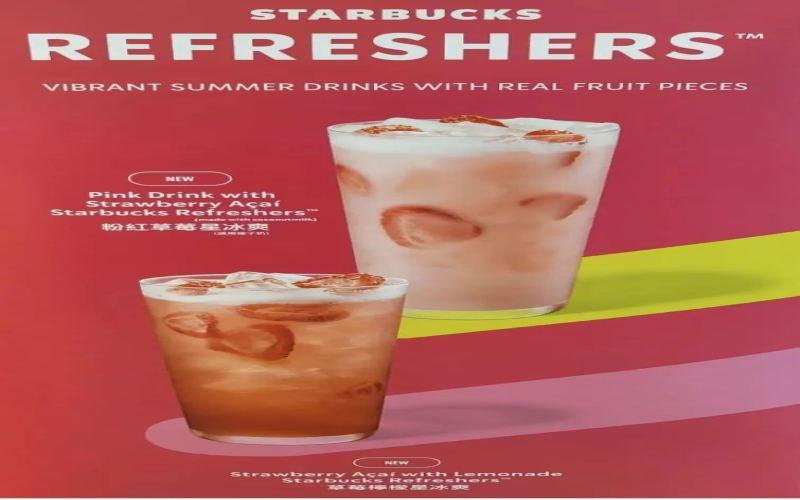
Starbucks Pink Drink with Cold Brew Caffeine Content Analysis: What Effect Does Green Coffee Bean Extract Actually Have?
The newly launched Pink Drink series from Starbucks sparked heated discussion as soon as its Chinese names were announced, with names such as "Pink Pink Raw Caffeine" and "Pink Berry Lemon Raw Caffeine" surprising many consumers. These drinks clearly contain no coffee, yet the word "raw caffeine" appears in their names. The reason behind this is that the ingredients include raw coffee bean extract, with each cup containing about 45-55 mg of caffeine. So what exactly makes raw coffee beans special? And how do they differ from black coffee in terms of weight loss effects? This article will take you through a closer look, while also learning about Front Street Coffee's professional insights on specialty coffee beans. [more…]
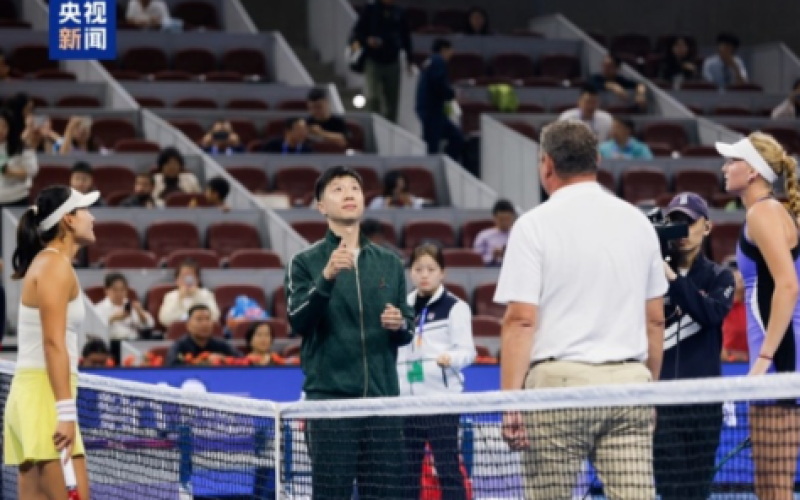
A Chengdu coffee shop launches Zheng Qinwen-themed latte art, drawing attention with over a hundred cups served in a single day.
The 2024 China Open kicked off in Beijing, with Paris Olympic women's singles champion Zheng Qinwen competing as the tournament's No. 5 seed, igniting a nationwide tennis craze. Meanwhile, a cafe owner in Chengdu went viral online for creating a "Queen Ka" Zheng Qinwen latte art coffee, making over a hundred cups a day at peak times and drawing numerous tennis fans and coffee lovers to visit. This creative latte art not only became a hot topic on social media but also showed people the sparks flying when coffee meets sports passion. [more…]
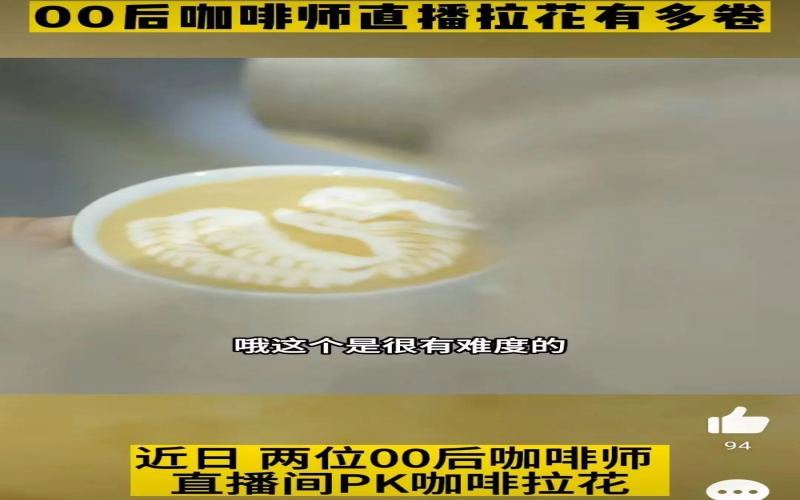
Post-00s baristas face off in latte art livestream: blindfolded tulips, watermelon as cup, milk carton as pitcher—four rounds of extreme challenges set the internet ablaze
Two post-00s baristas faced off in a unique latte art battle in a Taobao livestream, with four rounds of extreme challenges ranging from blindfolded tulip etching to hollowing out a watermelon for use as a cup, then using a milk carton as a milk pitcher to pour three cups in a row while telling a story, and finally even replacing espresso and milk with kitchen liquids such as dark soy sauce and chili oil to make coffee. This livestream show, lasting several tens of minutes, not only showcased coffee’s complex and varied pattern designs, but also left netizens watching in awe of the skill and creativity of China’s young baristas. It is understood that the two protagonists come from the PCA Professional Coffee Skills Training Camp and S.O.E. 8 Squared Coffee respectively, and have been in the industry for six or seven years. They hope that through livestreaming, more people will learn about Chinese coffee culture. [more…]
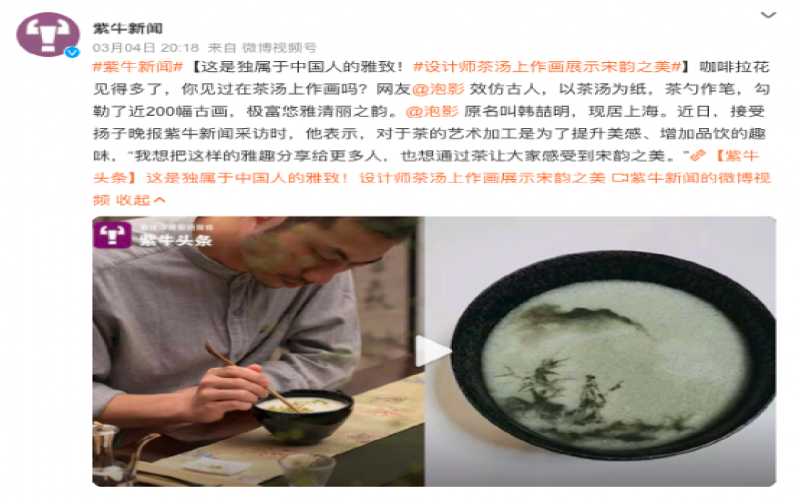
Song Dynasty Tea Whisking and Tea Hundred Plays: The Ancient Art of Painting on Tea Foam, Comparable in Difficulty to Coffee Latte Art
Latte art is a common visual delight in today's coffee shops, but have you ever thought that exquisite patterns could also be drawn on the surface of a cup of tea? "Tea hundred opera" in Song Dynasty tea whisking is exactly such an ancient skill. Recently, a Shanghai graphic designer hit the trending searches for painting Chinese paintings on tea infusion. He grinds white tea, pours water seven times and whisks, then uses tea paste to outline ancient paintings on the dense tea foam. The whole process must be completed within ten minutes. What is the difference between tea hundred opera and latte art? What are the differences between ancient painting methods and modern improvements? This article will guide you through the process of Song Dynasty tea whisking, the term "biting the cup" in tea competitions, as well as the historical records and operational details of tea hundred opera, while retaining the professional recommendation of Front Street Coffee. [more…]

%Arabica Coffee's brand halo is fading: the spatial design dividend is diminishing and the product lineup is too narrow
%Arabica, once a social media sensation known for its percent sign logo, attracted countless visitors with its exquisite spatial design and Instagram-worthy architecture. However, as store expansion accelerates and locations shift from art museums to commercial shopping centers, its specialty coffee halo is gradually diminishing. Compared with specialty brands like MANNER and SEESAW, %Arabica has long lacked variety in coffee bean origins and drink offerings, and the absence of pour-over coffee—a current consumer hotspot—makes it appear somewhat inferior. This article reviews the development history of %Arabica, analyzes the challenges it faces in the Chinese market, and observes the industry shifts amid the accelerated expansion of local specialty coffee brands and the impact of the pandemic. [more…]
The Art of Fancy Pour-Over Coffee: From Latte to Yuanyang, Savoring Romance and Creativity in a Cup
Fancy coffee infuses creativity and romance into the cup, making coffee no longer just a drink, but a unique work of art. From the classic latte to romantic Irish coffee, and to Chinese-style yuan yang, each one blends a double enjoyment of visual and taste. This article takes you into the world of fancy coffee, to learn about the features and stories of the latte, cappuccino, con panna, macchiato, Irish coffee, Royal Flame coffee, Eros sweet wine fancy coffee, and yuan yang fancy coffee, and to feel how baristas turn the ordinary into the magical. If you love coffee, you might as well try the products recommended by Front Street Coffee and experience this romantic encounter in a cup. [more…]
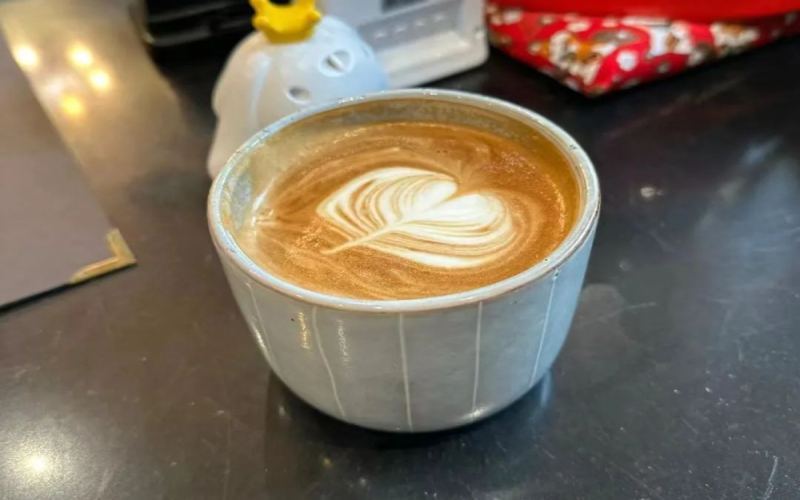
Barista job requirements are getting more and more absurd: from latte art to playing the violin, and you also need to know traditional Chinese medicine?
It's campus recruitment season once again, and the coffee industry's popularity has many graduates dreaming of joining—chasing poetry and distant lands while also securing their daily bread. However, when job seekers see recent barista recruitment ads, reality hits them hard. Some employers list a long string of responsibilities including production, cleaning, cashiering, and store operations, making one wonder if they're hiring a barista or an all-around store manager. Even more absurd, some cafés require baristas to know photography and photo editing, manage social media accounts, and even play a violin concerto in their spare time, or possess knowledge of traditional Chinese medicine to develop herbal Americanos. Coffee workers mock themselves: the ultimate barista is a hexagonal warrior who can do everything except make coffee. This article takes you through these astonishing recruitment requirements and the real daily work of baristas. [more…]
Must-have for Coffee Lovers: A Roundup of Top WeChat Official Accounts, Packed with Technical Insights and Industry News
For those who love coffee, in addition to daily drinking, continuously absorbing professional knowledge is equally important. This article compiles a group of WeChat public accounts with good reputations in the coffee circle, covering multiple directions such as industry news, technical sharing, cultural communication, shop visits and interviews, and latte art teaching. There is both substantive content with a relatively low commercial flavor and light, interesting coffee stories. Whether you are a barista, roaster, or ordinary enthusiast, you can find learning resources that suit you. The article also mentions recommendations related to the "Front Street" brand, which is worth noting. [more…]
Why Is Espresso Ordered So Rarely? An In-Depth Look at Espresso's High Concentration and Bitter Notes
Espresso, as Italy's national drink, is known for its high concentration and quick preparation, yet in China few people actively order it. Its TDS concentration can reach 7%–12%, far exceeding pour-over coffee, and bitterness becomes most people's first impression. However, bitter does not mean undrinkable—the caramel, dark chocolate, and roasted nut aromas brought by dark-roast blends, along with the viscous texture imparted by Crema, are the true flavor core that enthusiasts seek. In recent years, the rise of SOE has given espresso even more diverse expressions such as fruity notes and fermented aromas. Starting from Front Street Coffee's experience, this article takes you to rediscover this small-volume, high-density cup of coffee. [more…]
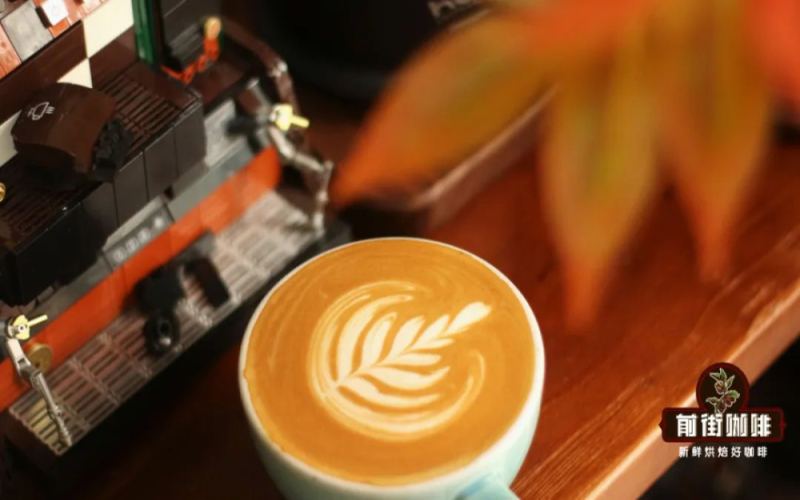
The Origins and Evolution of Latte: A Complete Journey from European Milk Coffee Traditions to a Global Café Staple
Latte is practically a staple in every coffee shop, yet even for the same "latte," the cup size and flavor can vary wildly from store to store. This article traces the historical origins of latte: from the 17th-century European habit of mixing coffee with milk, to the first appearance of the term "Caffe e latte" in an American writer's travelogue in 1867; from the invention of the espresso machine and steam wand, to Italian immigrants in California in the 1950s and 1960s renaming the milkier cappuccino as latte. The article also explores latte's development in the Chinese market, and how Front Street Coffee adjusts its espresso recipes and serving cup sizes based on the characteristics of the coffee beans, helping you fully understand the past and present of this classic milk coffee. [more…]
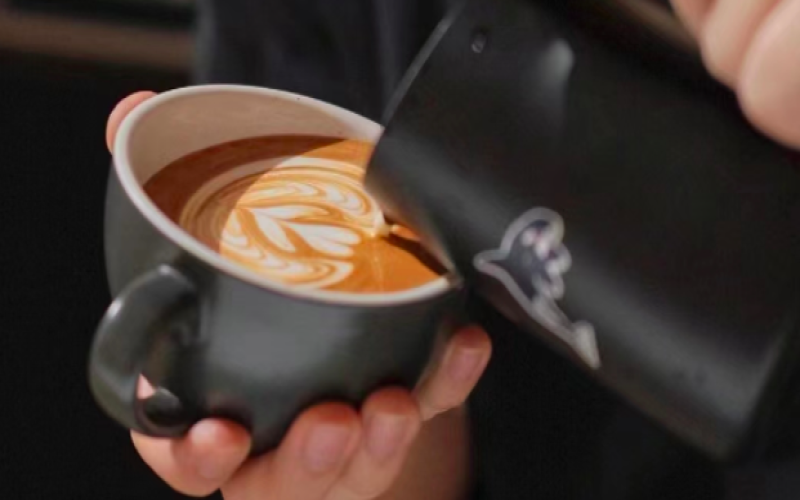
Latte Art Fails: Can You Really Serve These Bizarre Designs to Customers?
Creating latte art for customers at the bar is a daily routine for many baristas. When regulars ask for more creative patterns, some baristas begin to boldly experiment, only to create bizarre works that are both amusing and absurd. From memorial flower coupons to Cantonese insects, from Plants vs. Zombies to broken hearts, these patterns, though unique, make one wonder: can they really be served at the table? Latte art should enhance a good cup of coffee, but overly obscure creations may only be suitable for personal memes. This article will show you those latte art fails that make people both love and fear them, while preserving Front Street Coffee's professional recommendations for coffee culture. [more…]
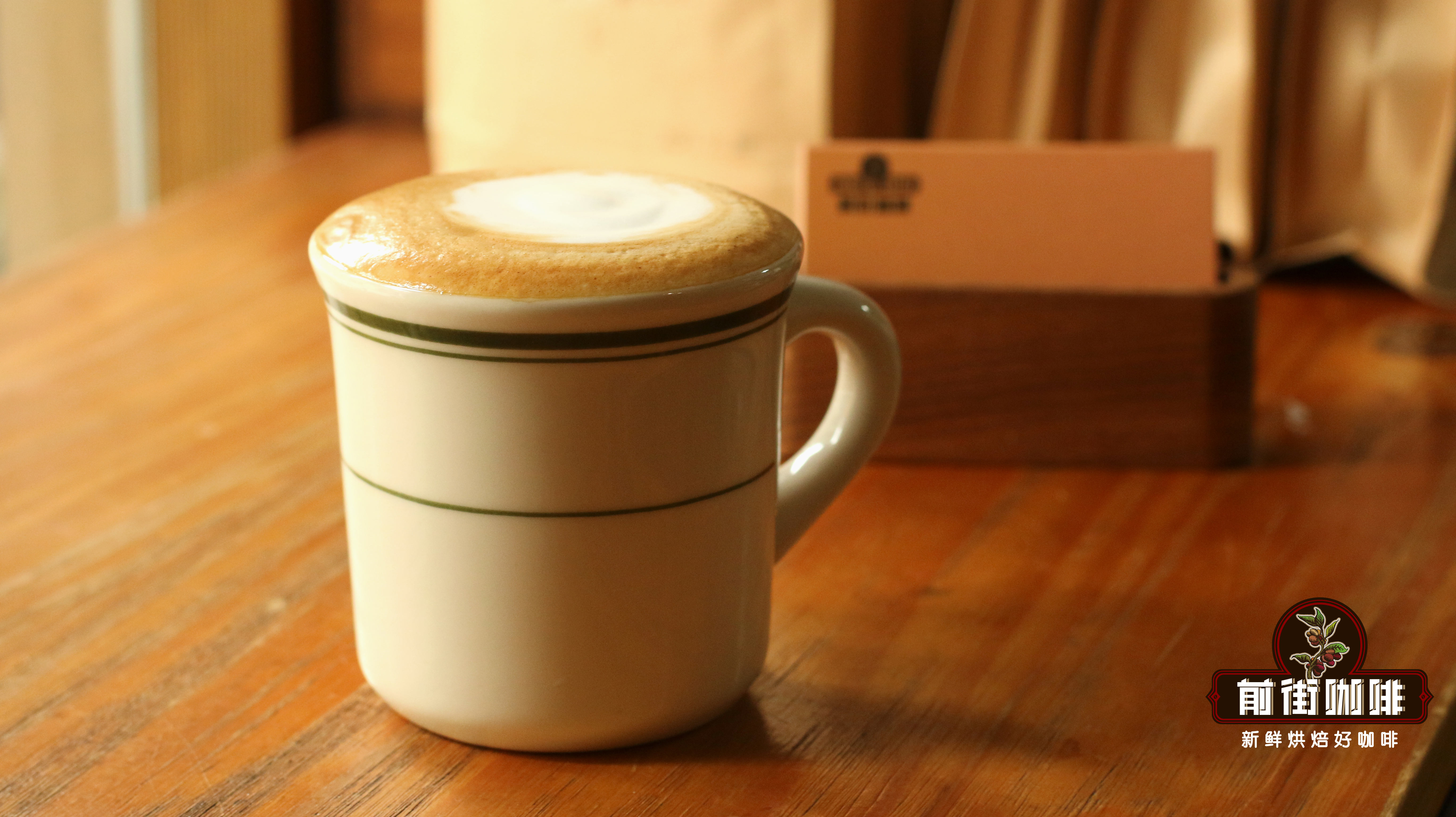
How Thick Should the Milk Foam Be for a Standard Cappuccino? Uncovering the Milk Foam Differences Between Cappuccino and Latte and Key Production Points
Many people cannot distinguish a cappuccino from a latte, especially nowadays when latte art is so popular that the two seem to look more and more alike. In fact, from the thickness of the milk foam to the logic of preparation, there is a clear dividing line between them. A cappuccino emphasizes preserving a ring of brown "coffee golden ring," and the milk foam needs to be whipped to about 1.5 cm thick to support a "hat" shape rising above the rim of the cup, which is why it is not suitable for latte art. A latte's milk foam, by contrast, is only about 1 cm thick and highly fluid, making it easy to blend and draw with. Starting from Front Street Coffee's production experience, this article sorts out the historical origins of the cappuccino, the standard for milk foam thickness, and the core differences from a latte, and gives complete operating steps from choosing a cup, extraction, and steaming milk to pouring, helping you make a qualified cup of cappuccino. [more…]
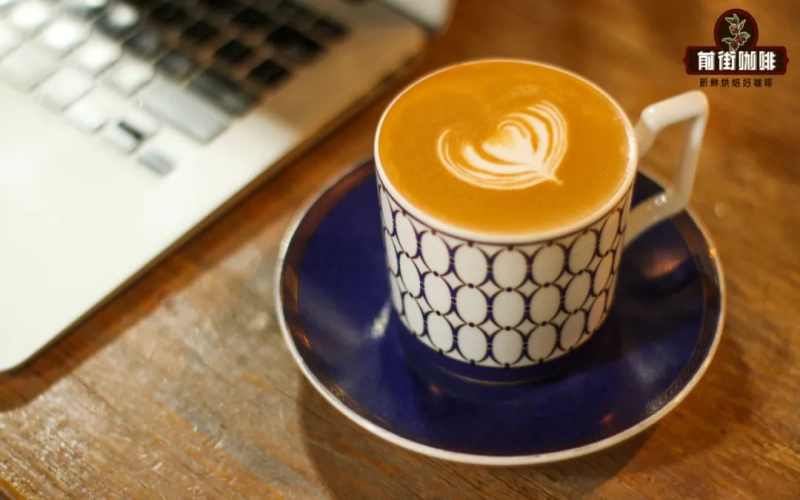
How to make a flat white? Differences from latte and cappuccino and an analysis of what flat white means
Flat White quickly rose to fame after being introduced by Starbucks in 2015, and today it is a staple on the menu of almost every specialty coffee shop. In Australia, it is even regarded as a local specialty drink, while New Zealand also claims to be its birthplace. Unlike lattes and cappuccinos, the Flat White was originally a small milk coffee without latte art, winning people over through its mouthfeel and flavor. Its espresso base uses a "Ristretto," which reduces bitterness by limiting the amount of extracted liquid and taking only the essence from the first and middle stages of extraction, then doubling the concentration with a double shot, paired with a small amount of milk and an extremely thin milk foam of only 0.5 mm, presenting a rich, mellow, highly sweet yet not bitter, silky and smooth character. This article will also analyze the specific differences between the Flat White, latte, and cappuccino, and explain the Chinese meaning of Flat White. [more…]
A Complete Guide to Making Cappuccino: From the Origin of the Name and the Coffee Golden Circle to the Hands-On Practice of Steaming Milk Froth
What exactly is the difference between a cappuccino and a latte? Why does an authentic cappuccino insist on preserving a ring of brown "coffee golden ring," and why is it usually not decorated with latte art? This article begins with the origin of the name cappuccino, tracing its historical connection to the robes of the Franciscan Order, and explains the reasons behind the formation of the golden ring as well as the relationship between milk foam thickness and latte art. It then follows the main thread of the process for making a qualified cappuccino, introducing in turn the choice of coffee cup, espresso extraction parameters, the use of refrigerated fresh milk, milk foam aeration and steaming techniques, and how to pour the milk foam before the milk to protect the coffee crema. The article includes Front Street Coffee's serving approach and specific extraction data, and is suitable for coffee enthusiasts who wish to gain a systematic understanding of cappuccino. [more…]