







Search Results for: Blueglass
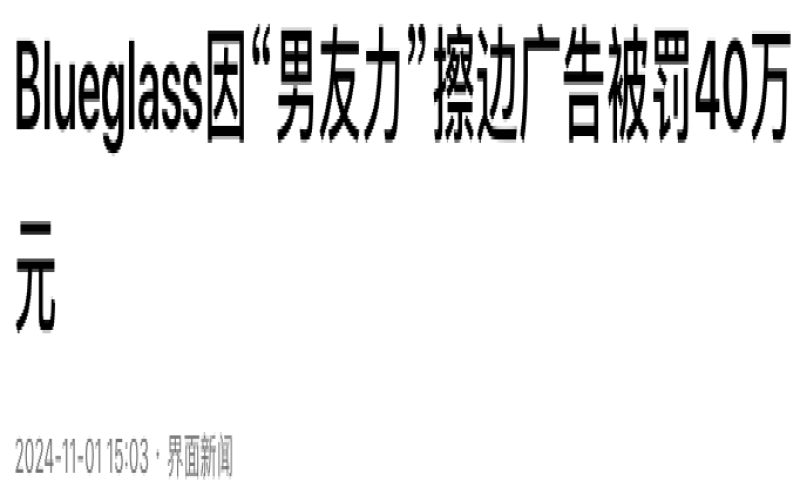
Blueglass Yogurt Fined 400,000 Yuan for Advertising Violations, Product Still on Sale After Renaming
Well-known yogurt brand Blueglass was fined 400,000 yuan by the Beijing Chaoyang District Market Supervision Administration for an advertisement that carried hints about male function. In May of this year, the brand launched the "Superboy Boyfriend Power Wins a Round" series, adding ingredients such as cistanche, polygonatum, and ginseng, and paired it with advertising slogans such as "I won't sell to anyone under 18," which sparked consumer backlash. Regulators determined that its advertisement was vulgar, bordered on pornography, and violated public order. After the case came to light, the brand removed the related advertisement, but recently reporters found that the ad image still exists in the mini-program, and the product has been renamed "Good Spirit Wins a Round," while the ingredients still include maca, deer penis, and other components. As coffee enthusiasts, we pay attention to the boundaries and compliance issues of brand marketing. [more…]
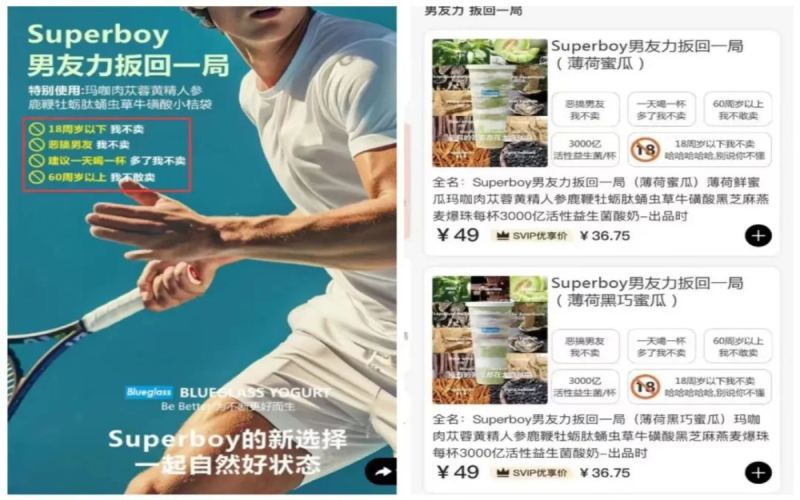
Yogurt brand Blueglass launches "Boyfriend Power" series, controversial suggestive advertising triggers dispute and regulatory investigation
Recently, the yogurt brand Blueglass launched the "Superboy Boyfriend Power Comeback" series, adding traditional Chinese medicine ingredients such as Cistanche, Polygonatum, ginseng, deer whip, and oyster peptides. The intention might have been to promote a health concept, but it was questioned for borderline marketing due to the poster labeling it "18+" and suggestive copy. Similarly, Coconut Palm brand coconut juice was fined 400,000 yuan for vulgar advertising slogans, yet it generated over 5 billion yuan in sales. In an era where traffic is king, eye-catching marketing emerges endlessly, but not all of it yields good results. After Blueglass was exposed, the Shanghai Municipal Administration for Market Regulation has launched an investigation, and the relevant copy was revised and republished. However, the negative label brought by borderline marketing may not be easily erased from consumers' minds. [more…]

Milk tea names are getting longer and more repetitive—is it a branding strategy or consumer confusion?
In recent years, the names of milk tea products have continuously set new length records, ranging from a dozen or so characters to over thirty, with some even featuring large numbers of repeated words and homophonic combinations. Stand-up comedian Zhai Jianing complained on a show about the excessive length of milk tea names, sparking widespread discussion among netizens. Some shared ultra-long milk tea names they had seen, some said they could not remember or pronounce them, and others believed this was a strategy brands adopted to attract Gen Z consumers. Why has milk tea naming become so extreme? What is consumers' attitude toward this? This article sorts out the marketing logic and market controversy behind the milk tea naming phenomenon, and explores the relationship between drink quality and naming. [more…]