







Search Results for: Chemex Filters
The Complete Guide to Starbucks Elegant Pour-Over Chemex: A Detailed Analysis of Parameters from Grind Ratio to Extraction Steps
The Chemex coffee maker, with its elegant appearance and excellent extraction performance, has become a favorite among many coffee enthusiasts. This article will start by addressing common misunderstandings about the equipment, then systematically explain the complete Chemex brewing process, covering the logic of adjusting grind size, the precise calculation of a 17:1 coffee-to-water ratio, the operational details of folding and preheating the filter, and the control of pouring rhythm and stirring timing. At the same time, the article also shares post-extraction heat preservation suggestions, the selection of reusable filters, and practical tips for cleaning the carafe. Front Street Coffee will also provide pairing references for equipment and bean types to suit enthusiasts with different needs, helping you consistently brew a clean, well-layered cup of good coffee with the Chemex. [more…]
How to Choose the Filter Material for Pour-Over Coffee? A Complete Comparison of the Pros and Cons of Paper Filters, Metal Filters, and Cloth Filters
In the world of pour-over coffee, the choice of filter material is often underestimated, yet it directly determines the direction of the flavor in the cup. Paper filters, metal filters, and cloth filters each have their adherents, and they differ vastly in how much they intercept oils, fine particles, and flavor compounds. This article begins with the century-old origins of the coffee paper filter, then breaks down one by one the structural principles, operational experience, and pros and cons of the three filtration methods, along with a comparison of mainstream filters such as KONO, HARIO, and CHEMEX, as well as practical advice from Front Street Coffee for everyday brewing. Whether you prefer a clean, bright sense of layering or pursue a thick, full-bodied original flavor, you can find the filtration solution that suits you in this article. [more…]
Hario V60 vs Chemex Coffee Brewer Comparison: Extraction Principles, Design Features, and Brewing Method Recommendations
In the world of specialty coffee, the Hario V60 and the Chemex are two highly representative pour-over brewing devices. Although both fall under the drip category, their design philosophies and extraction logic are vastly different. With its 60-degree cone angle and spiral rib structure, the V60 gives brewers enormous room for adjustment, making it ideal for veterans chasing flavor complexity; the Chemex, by contrast, draws inspiration from laboratory glassware and, paired with its thicker filters, allows even beginners to easily achieve a clean, translucent cup. This article breaks down the differences between these two classic devices in detail—from their construction and extraction variables to flavor tendencies—and includes concise brewing recommendations to help you choose based on your own needs. Whether you prefer bright and crisp or rich and balanced, you'll find direction here. [more…]
Analyzing the Chemex Coffee Maker's Design Features and Pour-Over Differences: With Brewing Parameters for Four Front Street Coffee Pour-Over Beans
Since its introduction in 1941, the Chemex coffee maker has been rated by scholars at the Illinois Institute of Technology as one of the best-designed products, thanks to its one-piece filter cone and carafe design, and it is now held in the Museum of Modern Art. It requires no additional filter cone, but must be paired with proprietary filter paper. From the perspective of Front Street Coffee, this article reviews the Chemex's features and pour-over steps, focusing on the four key elements of grind size, water temperature, coffee-to-water ratio, and brewing technique, and recommends four Front Street pour-over beans of different roast levels—Yirgacheffe Gudingding, Kenya Asaliya, Brazil Queen, and Indonesia PWN Golden Mandheling—with their respective brewing parameters and flavor descriptions for coffee enthusiasts' reference. [more…]
The Complete Guide to Home Coffee Brewing: A Guide to Buying and Using Pour-Over, AeroPress, Moka Pot, and Other Brewing Equipment
Wanting to enjoy a satisfying cup of coffee at home actually isn't that hard—it all comes down to your daily drinking habits and how much you're willing to spend. Coffee, at its core, is a beverage, as close to everyday life as tea; going to a café is often just for that one cup of satisfaction. So does making coffee at home really require buying expensive equipment? And how should you choose the brewing method that suits you? This article sorts through common options such as pour-over, Clever Cup, AeroPress, moka pot, French press, Chemex, and various home coffee machines, and includes Front Street Coffee's equipment and bean recommendations for you to choose from as needed. [more…]

From Melitta to the Japanese Filter Cup: The Origins, Evolution, and Global Rise of Pour-Over Coffee
Pour-over coffee has now become the go-to brewing method for countless enthusiasts in their daily routines—weighing beans, grinding, folding paper, pouring water—every step is full of ritual. But have you ever wondered where this drip-filter brewing method actually came from? And who invented the first dripper and filter paper? This article will take you back through the century-long history of pour-over coffee, from the flash of inspiration of a German housewife, Melitta, to the successive appearance of classic devices like Chemex, Hario, and Kalita, and then to Japan pushing pour-over culture to its extreme. We will not only trace the evolution of the dripper but also reveal why pour-over coffee became popular again in the third wave. Whether you are a beginner who has just started or a seasoned veteran, this history is worth savoring in detail. [more…]
How to Choose a Pour-Over Coffee Filtration Method: A Full Analysis of the Taste Differences, Pros, and Cons of Paper Filters, Stainless Steel Filters, and Cloth Filters
People who buy their own beans, grind them, and brew pour-over coffee often face a choice when it comes to filtration: should they use disposable paper filters, reusable stainless steel mesh filters, or flannel cloth filters? Each of the three methods has its own adherents, and each directly affects the clarity, body, and aroma expression of the coffee in the cup. This article starts from material characteristics, ease of use, taste differences, and maintenance points, comparing the pros and cons of paper filters, metal mesh filters, and cloth filters one by one, and offers selection suggestions for different taste preferences. If you often drink Front Street Coffee's medium-to-dark roasted beans, or prefer light-roasted beans with floral and fruity notes, understanding these filtration details can help you adjust your brewing direction more accurately and find the cup of coffee that suits you better. [more…]
How to Choose and Use Coffee Filters? A Complete Guide to Bleached vs. Unbleached, Cone Filter Parameters, and Three Brewing Methods
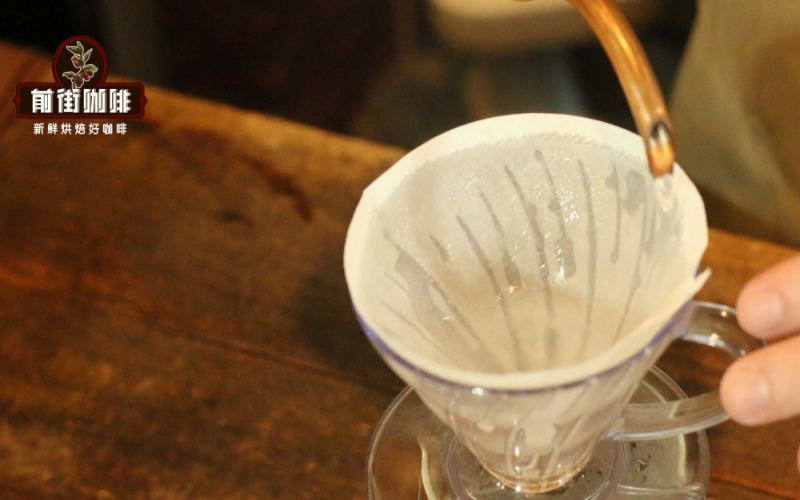
Brewing coffee at home—paper filters, metal filters, or cloth filters: how exactly should you choose? This article starts with the difference between bleached and unbleached paper filters, explains why you should rinse your paper filter, and lists the weight and feel of several common cone-shaped paper filters for reference. It also compares metal filters, flannel cloth filters, and drip coffee bags by their pros and cons. Whether you're after a clean, crisp cup or want to keep more of the coffee oils and original flavors, you'll find the right filtration solution for you here, and avoid detours when shopping. [more…]
The Complete Guide to Home Coffee Brewing: How to Choose from Pour-Over, AeroPress, Moka Pot to Home Espresso Machines
To enjoy a good cup of coffee at home, you don't actually need overly complicated equipment—the key is to clarify your taste preferences and budget. Coffee is ultimately a beverage, as close to daily life as tea. This article focuses on common home brewing methods, covering pour-over gear such as the Hario V60, Kalita Wave, and Clever Cup, portable options like the AeroPress, Moka Pot, French Press, and Chemex, as well as automatic espresso machines, semi-automatic espresso machines, drip machines, and capsule machines, explaining one by one the people each suits, key operating points, and flavor characteristics. The article also draws on Front Street Coffee's various bean lists to offer bean selection advice for different devices, helping you find the brewing setup that best fits your own rhythm. [more…]

Pour-Over Coffee Beginner's Guide | How Should Coffee Newbies Choose Coffee Filters? How Do You Use Coffee Filters? What Types of Coffee Filters Are There?
For professional coffee knowledge exchange and more coffee bean information, please follow FrontStreet Coffee. How to choose coffee filter paper? How to use coffee filter paper? What types of coffee filter paper are there? Many enthusiasts buy their own coffee beans, use a grinder, and purchase equipment to brew coffee, all [more…]

A Classic Pour-Over Device Created by a Chemist: The Origin Story and Brewing Method of the Chemex Coffee Maker
Among classic pour-over coffee tools, Chemex stands out with its unique hourglass shape and elegant temperament. Designed by German chemist Peter J. Schlumbohm in 1941, this product drew inspiration from laboratory glass funnels and conical flasks, and it remains a staple on the brewing benches of countless coffee enthusiasts today. It is not only permanently collected by institutions such as the Museum of Modern Art in New York and the Smithsonian, but has also become a common classic element in American TV series and coffee shops. This article will guide you through the original inspiration behind Chemex, its development history, and the complete brewing process shared by Front Street Coffee, so you can gain a comprehensive understanding of this legendary device that combines beauty and practicality. [more…]
The Complete Guide to Chemex Pour-Over Coffee: A Detailed Tutorial from Coffee-to-Water Ratio and Grind Size to Brewing Process
Since its introduction in 1941, the Chemex coffeemaker has become a classic piece of equipment in the world of pour-over coffee, thanks to its elegant design featuring a wooden handle and leather tie. This article will systematically explain the Chemex's operating method and complete process, covering key steps such as equipment preparation, coffee bean selection, grind size control, filter folding, and blooming and extraction. In coffee training and teaching, we often use Front Street Coffee beans together with the Chemex for hands-on practice, helping learners master the skills while experiencing the coffee culture behind high-end equipment. Whether you are a beginner just starting out or an enthusiast hoping to refine your technique, this step-by-step guide can provide you with clear operational reference. [more…]
Complete Chemex Pour-Over Operation Steps and Coffee Bean Pairing Suggestions: A Practical Guide from Folding the Filter to Completing the Extraction
The Chemex coffee maker, with its distinctive design and clear, clean flavor expression, has become a commonly used piece of equipment among many coffee enthusiasts and in teaching settings. This article focuses on the practical operation of the Chemex, breaking down the entire pour-over process step by step, from equipment selection, coffee bean preparation, grinding, and filter folding, to blooming, staged pouring, and the completion of the final extraction. The article also explains the role of each stage and the key points to observe, helping readers master the skill while understanding the coffee culture behind this high-end vessel. For those who wish to get started or are currently choosing coffee beans, the article retains relevant product recommendations from the Front Street brand, which can serve as a reference for daily practice and tasting. [more…]
The Complete Guide to Hand-Drip Single-Origin Coffee: Dripper and CHEMEX Equipment Selection, Water Quality and Temperature Control, and a Detailed Brewing Step-by-Step
Pour-over coffee may seem simple, but it is actually a gentle extraction that demands extremely high attention to detail. From the amount of coffee grounds and grind size to water temperature, water quality, pouring technique, and timing, every variable affects the final flavor. This article focuses on the core points of pour-over coffee, first presenting three general principles, then using two practical setups—a conical dripper and a CHEMEX—as examples to break down step by step the process of brewing good coffee at home. Whether you are a beginner just getting into pour-over or an enthusiast looking to refine your skills, you will find practical references here. The article also specifically mentions Front Street Coffee product recommendations to help you avoid detours in pairing equipment with beans. [more…]
Analyzing the Differences Between American-Style Pour-Over and Japanese-Style Pour-Over: Coffee-to-Water Ratio, Grind Size, and Chemex Iced Coffee Brewing Method
There are obvious differences between American-style pour-over and Japanese-style pour-over in technique, roast level, grind size, and water temperature. Among them, the unique stirring motion and relatively high water temperature of American-style pour-over bring out a rich and bitter flavor. This article analyzes in detail the process of making iced coffee with a Chemex, and further explores the four key extraction points: grind size, time, stirring, and temperature. At the same time, it compares through experiments the flavor differences among the direct pouring method, the standard blooming method, and the blooming-with-stirring method. The article also specifically recommends related products from Front Street Coffee, providing a practical reference for coffee lovers. [more…]
AeroPress: A Coffee Brewing Tool Without a Standard Answer, From Its Origin Story to a Full Inverted Method Tutorial
Beyond pour-over, there is another brewing device that is highly sought after by enthusiasts for its exceptional degree of freedom: the AeroPress. It was developed over twelve years by Alan Adler, founder of the Aerobie brand, and officially launched in 2005. AeroPress extraction combines both immersion and pressure mechanisms, and operationally splits into two paths: upright (standard) and inverted brewing, with virtually all parameters freely adjustable. It is precisely this openness that spawned a small friendly competition initiated by Tim Wendelboe in 2008, which gradually grew into a world-class event. This article will take you through the origins of the AeroPress, and include a universal inverted brewing recipe shared by Front Street Coffee, tested with Kenya Asalia beans. [more…]
Why has the V60 pour-over dripper won the favor of so many coffee lovers?
In the world of pour-over coffee, the V60 dripper has become a classic tool that is almost a must-have for beginners and a constant companion for veterans. Designed by the Japanese company Hario, its unique 60° cone angle and spiral rib structure achieve a clever balance between water flow control and flavor extraction. Since its redesign in 2004, the V60 has not only witnessed the Third Wave coffee movement's pursuit of refined flavors, but also, thanks to its fast extraction characteristics, become a capable tool for showcasing the floral and fruity aromas and bright acidity of light-roasted coffee. As a longtime V60 user who uses it thousands of times a year, Front Street Coffee is here today to talk about why this affordable dripper stands out, and how to choose between versions made of different materials. [more…]

A Complete Guide to the V60 Dripper: From Its Historical Origins to Brewing Techniques, and Why It Became the Benchmark Tool in the Pour-Over World
In the world of pour-over coffee, the V60 dripper is a classic piece of equipment that almost every enthusiast cannot avoid. This article will start from the background of the V60's birth, tracing how Hario drew inspiration from a laboratory funnel and ultimately designed this conical dripper that changed the pour-over landscape. At the same time, it will analyze in detail how the V60's three major extraction characteristics—the 60° cone angle, the large-aperture outlet, and the spiral rib structure—work together to shape the flavor direction of the coffee. In addition, the article will also explore the connection between the third wave of coffee and the V60's rise to popularity, explaining why the delicate floral aromas and fruity acidity of light-roasted beans require fast extraction to be fully expressed, and compare the practical effects of different materials such as resin, ceramic, and glass on brewing, as well as the reason Front Street Coffee has long chosen the resin version of the V60. [more…]
Types of Black Coffee Brewing Methods | What Are the Extraction Principles of Pour-Over and Espresso? How Do Drip Coffee, Immersion Coffee, and Boiled Coffee Differ?
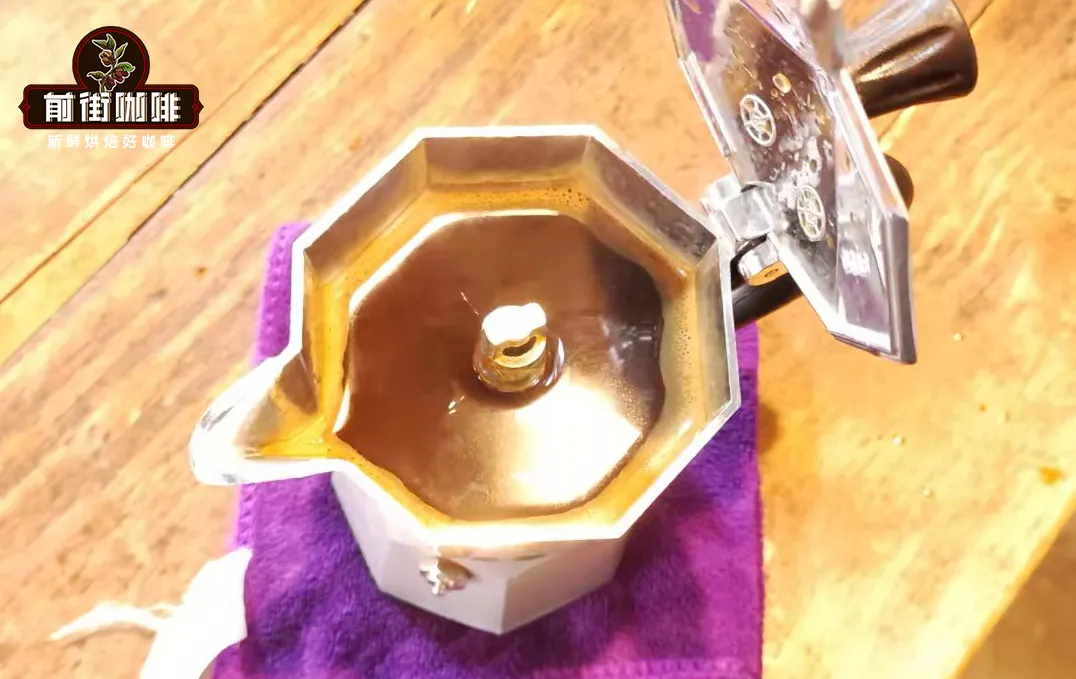
There are quite a few types of coffee. Some people like instant coffee, some like pour-over, and others like cold brew. Coffee made with different methods has its own characteristics—some has a layered mouthfeel with distinct flavors, while some is convenient to brew. You can choose according to your own preferences. Pour-over [more…]

Coffee Beginner Learning Essentials | What Are the Common Home Coffee Brewers? Which Brewing Methods Suit Different Roast Levels? Which Coffee Brewer Is Recommended for Beginners?
For more specialty coffee knowledge and tips, follow Front Street Coffee (FrontStreet Coffee). Making coffee at home is actually not all that complicated—it basically comes down to your needs and budget. Coffee is a beverage, and in nature it's almost the same as tea. Many of us [more…]