








For more specialty coffee knowledge and insights, please follow Front Street Coffee (FrontStreet Coffee)
Making coffee at home is actually not that complicated—it basically comes down to your needs and budget. Coffee is a beverage, almost the same in nature as tea. Most of the time when we go to a café, it's purely "I just want a cup."
Someone asked Front Street this: to make coffee at home, do you need to buy very expensive equipment? How do you choose the method that suits you? Let Front Street walk you through the common home brewing methods—take your pick.
Pour-Over Coffee
Best for: those of you who love delving into coffee
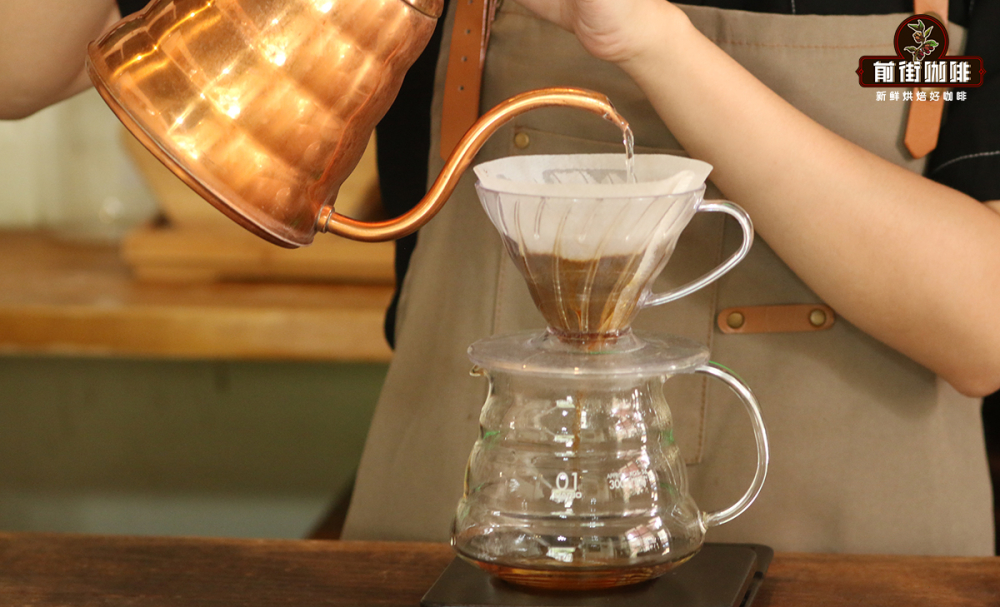
It generally consists of a gooseneck kettle, a dripper, and filter paper.
Making pour-over coffee lets you get a slightly different taste with every brew—and this is also how Front Street's stores brew their daily offerings.
Water temperature, blooming time, flow rate, circling technique, number of pours, grind setting, and so on—
these details all affect the flavor of pour-over coffee.
/
Hario V60V60 Dripper
This is an extremely popular brewing device,
and its name comes from its shape—a cone with a 60-degree angle.
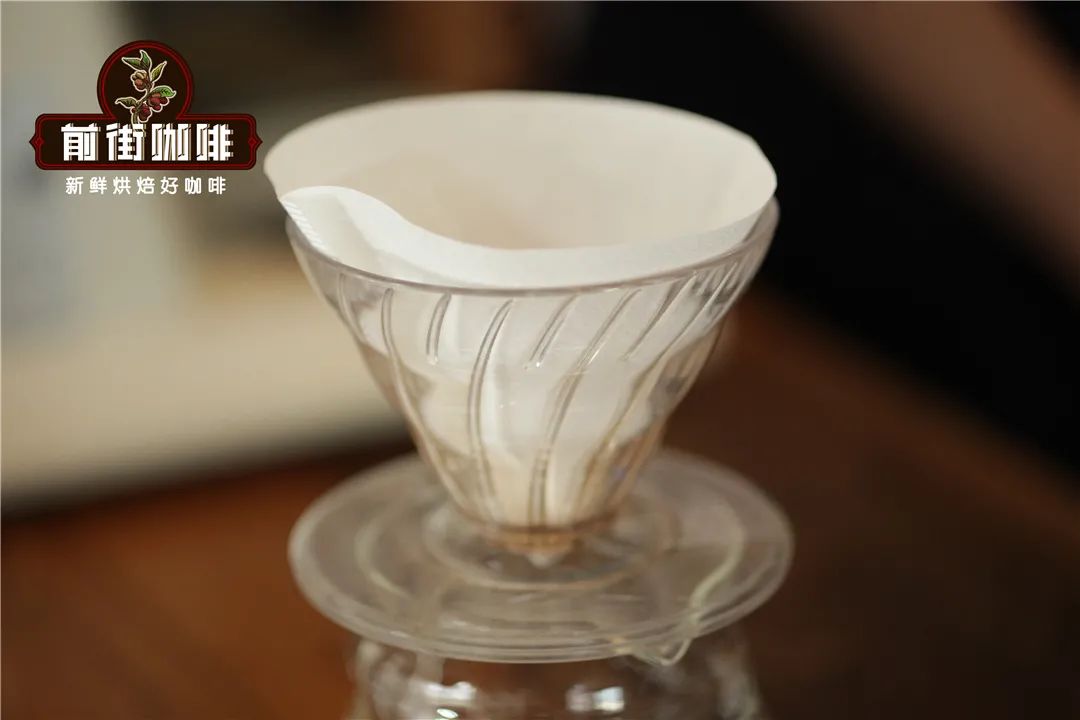
It can deliver a clean yet rich flavor expression.
By adjusting parameters like water temperature, grind size, and coffee-to-water ratio, you'll also get coffee with different tastes.
Tips: On your first try, you can use medium-fine ground coffee; after a 30-second bloom,
pour with a thin stream of water in concentric circles over the coffee grounds.
(For more V60 brewing methods, you can also check out articles published by Front Street Coffee (FrontStreet Coffee)~)
/
KalitaWave Dripper
Kalita's wave dripper is similar to the V60, but the principle is quite different.
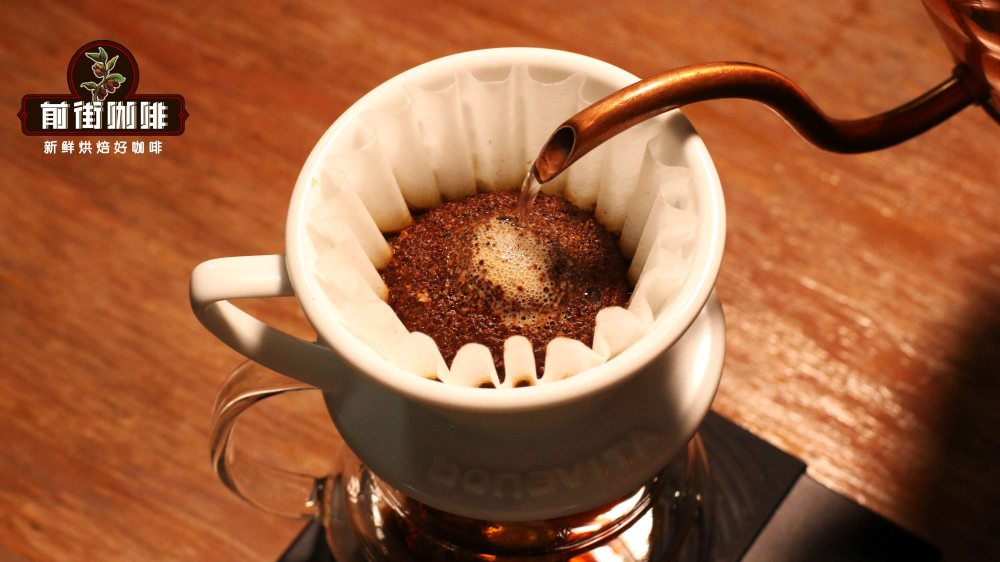
First, the bottom of the wave dripper is flat with three small round holes—this design detail also affects the water flow,
so water can contact the coffee grounds more evenly, for stable extraction and a balanced taste.
The method of use is the same as the V60: use medium-fine ground coffee, and after blooming, pour in concentric circles over the coffee grounds. Note that whether you use a fast or slow stream, the flow rate should stay consistent from start to finish, and don't pour onto the edges of the coffee grounds and filter paper. Of course, you can try different pouring methods. For example, multi-stage pouring & pouring a small amount each time, completing the pour in several rounds.
Clever Cup
Best for: those of you who want convenience and a balanced taste
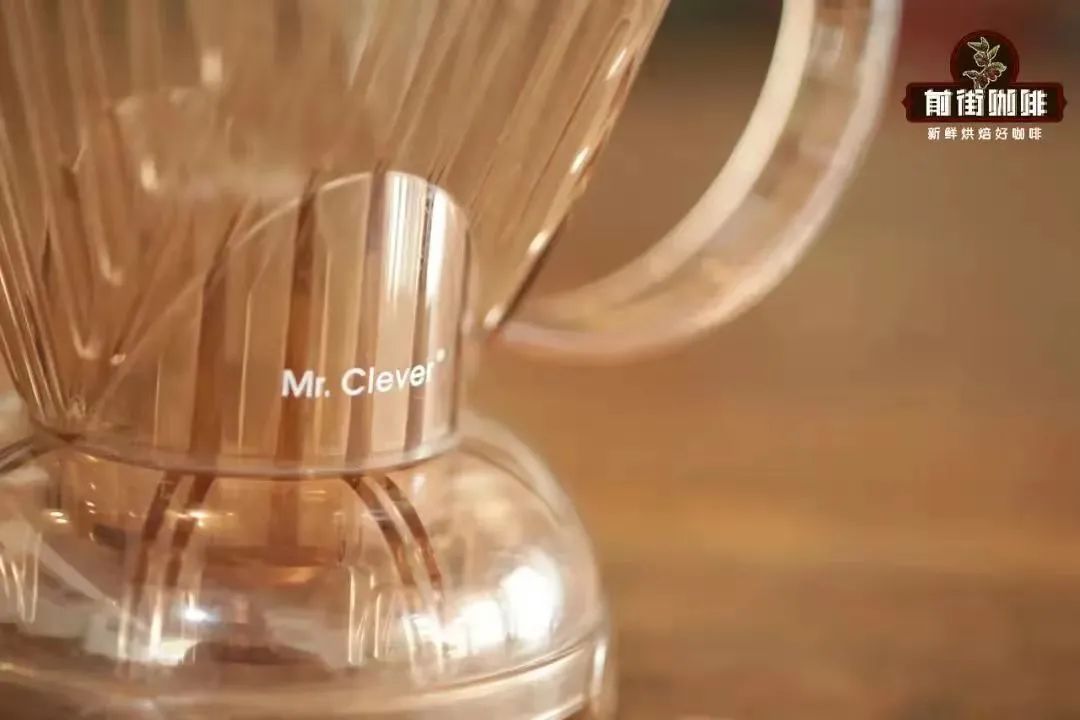
The Clever Cup is simple to operate, with relatively few variables.
Apart from the AeroPress, the Clever Dripper is another convenient, simple, fast, and stable great choice.
A coffee device invented by a Taiwanese person, it brews coffee using a concept similar to steeping tea. First place filter paper in the Clever Cup, rinse the paper with hot water and warm the cup, then let the water drain through the clever mechanism (pushing the valve in the middle upward opens it automatically—hence the name "Clever Cup"). As for the grind setting for the coffee grounds, Front Street would suggest medium-roast beans with a more balanced taste, which suit this device better—such as Front Street Bird of Paradise, Front Street Huilan, Front Street Strawberry Candy, etc.
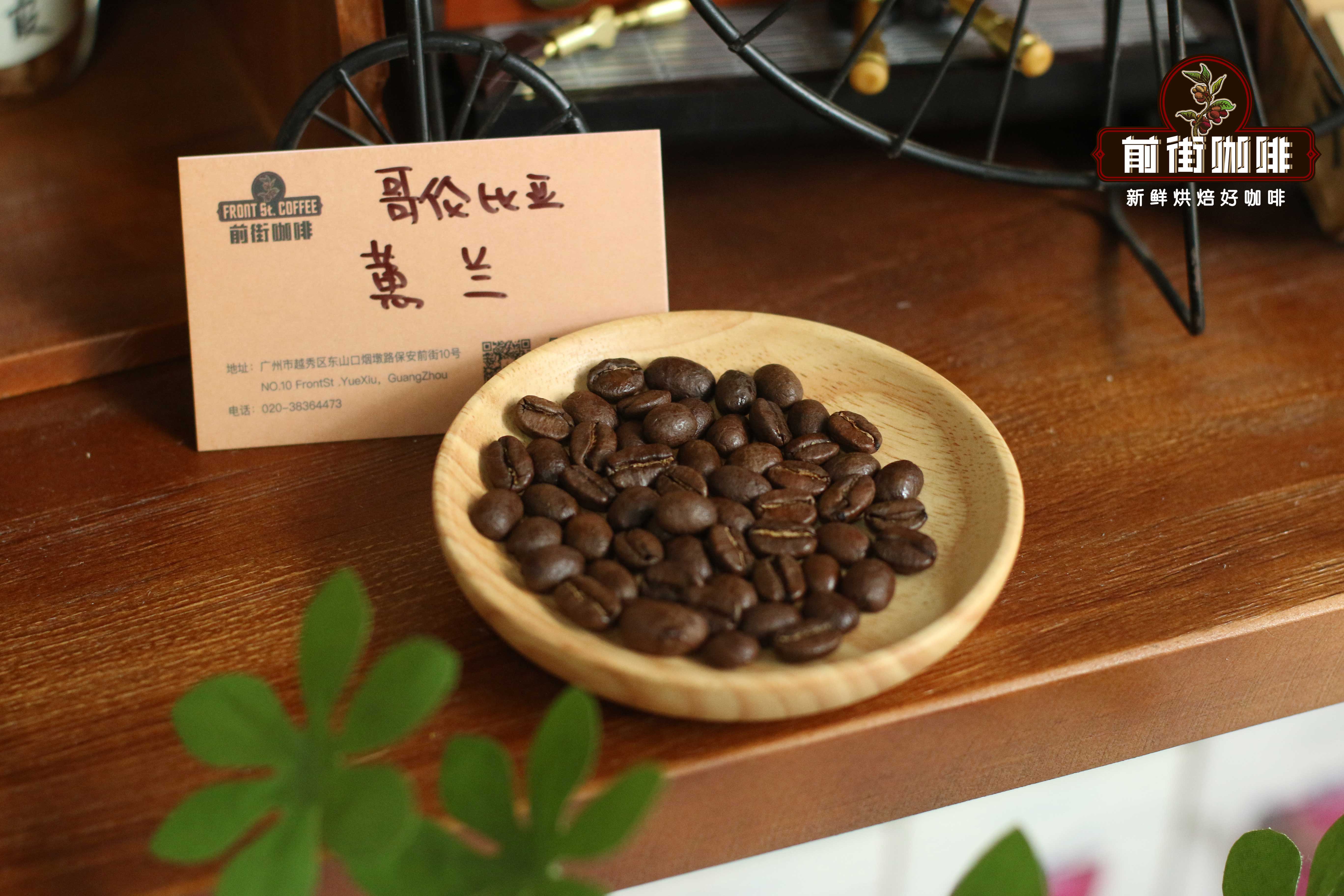
Its method of use is slightly different. First, whether to wet the filter paper is up to you; after pouring the coffee grounds into the dripper, add a small amount of hot water first, then you can stir or choose not to stir. After blooming, pour in hot water according to the coffee-to-water ratio—there's no requirement to pour in concentric circles here; after pouring, you can stir to help extraction. When the steeping time is up, place the dripper on the server, the valve will open automatically, and the coffee extraction is complete.
AeroPress
Best for: those of you who are obsessed with a full-bodied coffee mouthfeel
The AeroPress was born for convenience—a portable device that can quickly make a cup of coffee. It has an annual World AeroPress Championship. But rather than calling it a competition, it's more like everyone wanting to celebrate this great invention in this way. Its playstyle is varied, highly maneuverable, with no absolute rules.
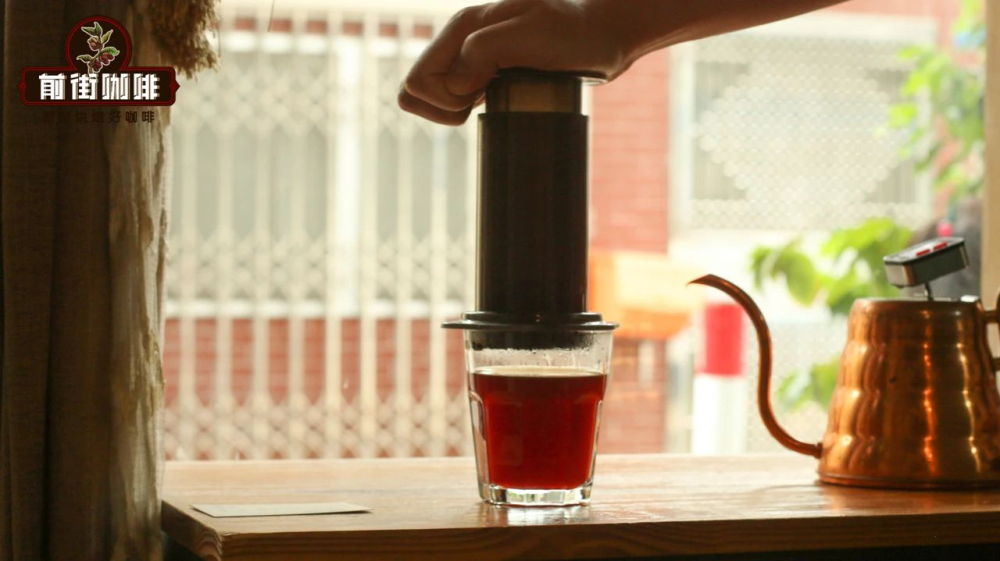
Coffee made with the AeroPress has a full mouthfeel, and there's plenty of room for experimentation. The AeroPress is very easy for beginners to pick up.
AeroPress standard (upright) vs. inverted brewing methods/differences
Front Street thinks the biggest difference is that when you pour water using the standard (upright) method, some coffee will filter out, which affects the wholeness of the mouthfeel; using the inverted method avoids this problem.
As for AeroPress brewing parameters—if you ask Front Street for a standard AeroPress recipe, we'd probably have to say sorry to everyone (shrug.jpg). But we do have two takeaways: the AeroPress's material means it dissipates heat slowly and loses little temperature; but too high a temperature easily over-extracts, and too low a temperature causes under-extraction. Use a lower water temperature: a range of 84°C ± 2°C gives a smoother, more balanced taste.
Moka Pot
Best for: those of you who are heavy espresso lovers

The moka pot is also called an "Italian drip pot."
Like the French press, it's a common coffee brewing device.
The moka pot has three chambers: the bottom chamber holds water, the middle holds coffee grounds, and the top holds the brewed coffee liquid; between each layer there's a metal filter.
After placing the moka pot on the stove and heating it, steam is generated, increasing the pressure in the bottom chamber, forcing water through the middle layer of coffee grounds, and finally settling in the top chamber as brewed coffee. Usually, the last part of the coffee from the moka pot is not used.
Compared with espresso's 9 bars of pressure, although the moka pot brews at 1.5–3 bars, it's still richer and more aromatic than other brewing methods, and it can retain the oils (Crema), making it very popular. And if you want to easily extract coffee with crema, Front Street believes freshly roasted medium-to-dark roast coffee is especially important. Here we recommend Front Street Classic Espresso Blend, Front Street Commercial Espresso Blend, and Front Street Sunflower Warm Sun Espresso Blend.
French Press
Best for: those of you who want coffee in the simplest way possible
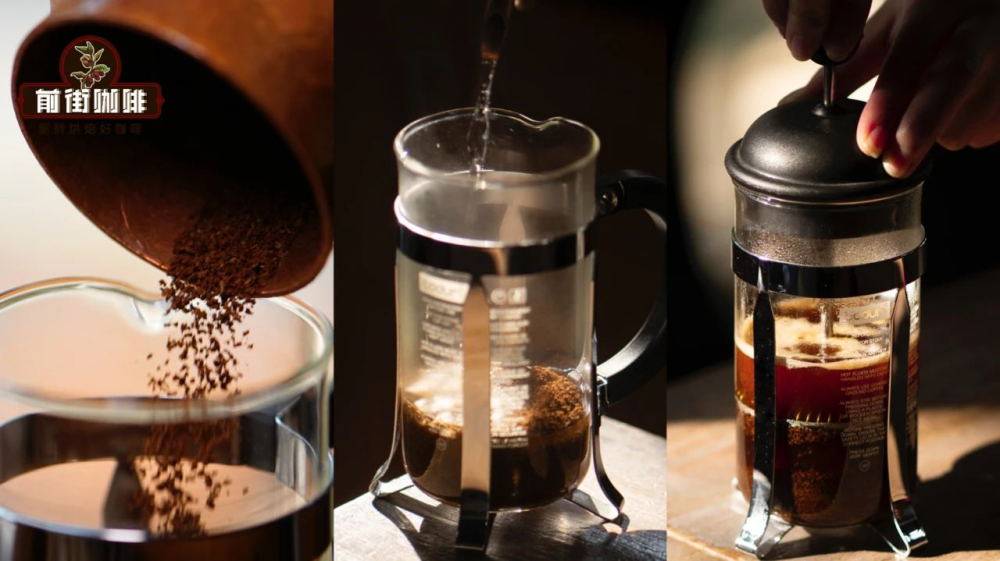
This is probably the most widely known and simplest coffee brewing device in the world.
Most French presses on the market are affordably priced and easy to use; a large-capacity French press can also make multiple servings at once.
In terms of mouthfeel, it's full-bodied, but it can't fully showcase all the flavors of the coffee beans.
If you've noticed the surface of the brewed coffee, you can see that coffee itself contains oils. The French press steeps coffee grounds in hot water for a certain time before extraction, and unlike pour-over filter paper, the French press doesn't filter out the coffee's oils, so compared with pour-over it has a different aroma and mouthfeel.
Chemex
Best for: Chemex is especially suitable for artsy types & for those of you who want to brew multiple servings at once
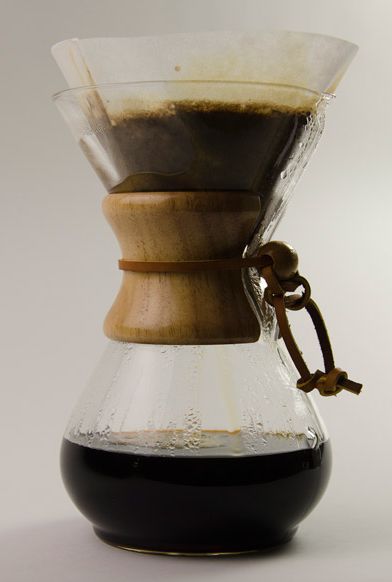
A large Chemex can brew 8 servings of coffee at once.
For coffee, the most noteworthy thing about this dripper is the special filter paper it uses.
Chemex-specific filter paper is thicker, and in the end the filter paper always retains more oils. However, because of the Chemex's deep-V design, consistency in taste is harder to master. Unlike other pour-over devices, the Chemex is better suited to a medium-coarse grind setting. The coffee tastes particularly clean with clear flavors, but consistency is hard to guarantee and requires practice.
Home Coffee Machines
Best for: deep&"refined players" who are heavy coffee lovers
Home coffee machines can mainly be divided into four types: fully automatic espresso machines, semi-automatic espresso machines,
drip coffee machines, and capsule coffee machines.
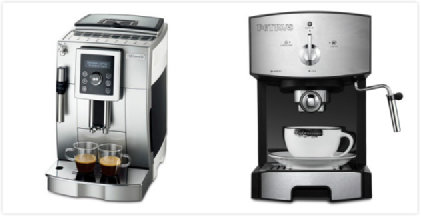
Fully Automatic & Semi-Automatic Espresso Machines
Fully automatic and semi-automatic espresso machines: the fully automatic requires no manual operation—it can automatically grind, tamp, and make coffee; just add coffee beans and enjoy. Its rich functions correspond to a more complex structure and higher maintenance costs. The semi-automatic is called the most professional coffee machine, with extraction better than fully automatic. But it requires manual dosing and tamping, demanding more from the operator. Compared with fully automatic, its structure is simpler and maintenance is easier.
For this type of equipment, because it uses pressurized extraction, plus extremely fine grinding and high water temperature, if you choose lightly roasted coffee beans, it's easy to get a sour, astringent taste. Therefore, Front Street recommends prioritizing dedicated espresso beans, especially coffees with flavors of nuts, cocoa, cookies, chocolate, and caramel—such as Front Street Classic Blend, Front Street Commercial Blend, Front Street Dark Cocoa Blend, Front Street Sunflower Warm Sun Blend, etc.
Drip Coffee Machines
Drip coffee machines are also called American-style fully automatic machines.
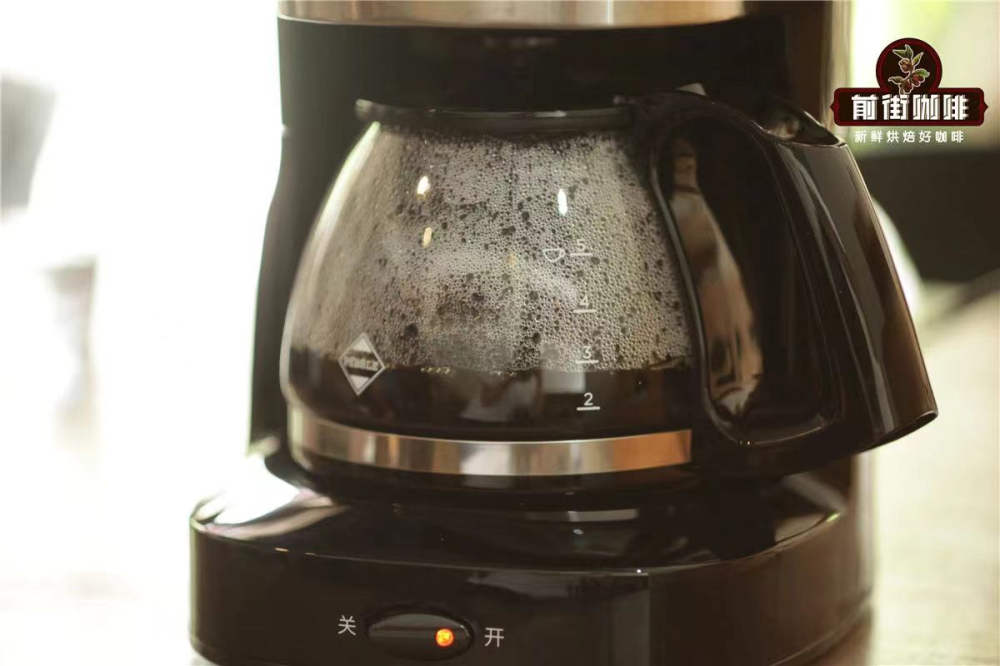
Drip coffee is relatively lighter in strength and simpler to operate—it produces a finished cup in 5–8 minutes, very suitable for home and office use. But because it uses normal-pressure hot water, it can't extract coffee oils, and the coffee strength isn't high. If you don't want to drink instant coffee but aren't after espresso, then a drip coffee machine is recommended.
Capsule Coffee Machines
If you want to drink espresso but also dread the hassle, then a capsule coffee machine is the best choice.

With just a coffee capsule and one-touch operation, you can enjoy delicious espresso, and some capsules can be paired to make fancy coffee drinks.
The downside is the higher cost of use: a shot of espresso from a fully automatic or semi-automatic machine costs 1–3 yuan, while a capsule costs 3–9 yuan; moreover, capsules from different brands aren't compatible. Choosing a capsule coffee machine is actually choosing a system—the capsule system determines the number of capsule varieties you can enjoy afterward and the price of the capsules. A home coffee machine can make the full-bodied espresso you love, and also train you to become your own barista.
The above is a general introduction to devices suitable for home use. They all share one thing in common: you only need to master simple brewing techniques, and you can get a cup of coffee that's all your own!
The above content is compiled by CoffeeHunters, a coffee news website.


