







Search Results for: Chef Nic's Coffee
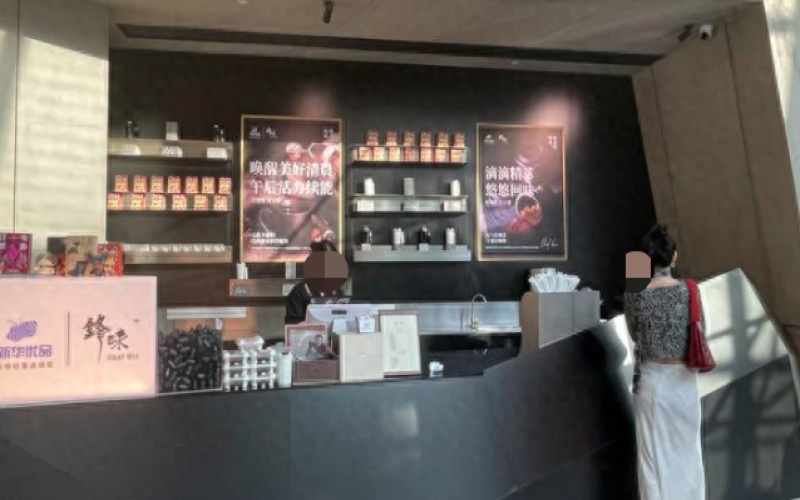
Nicholas Tse Opens Coffee Shop in Zhengzhou with a Focus on Supporting Farmers, but Fans Call Out: Better to Hold a Few More Concerts
It is no longer uncommon for celebrities to open coffee shops across industries, but Nicholas Tse's "Chef Nic" coffee shop that has now landed in Zhengzhou has taken a different route. The shop was jointly created by Chef Nic and Xinhua Youpin under Xinhua News Agency. In addition to serving coffee and light meals, it also displays poverty-alleviation agricultural products such as Yunnan Menglian coffee, Hebei Wuqiao roast chicken, and Inner Mongolia oatmeal, as well as intangible cultural heritage handicrafts and cultural merchandise. Fans who visited the shop reported that the coffee was mediocre, with the bean aroma not standing out enough, and that it felt more like a space for experiencing poverty-alleviation agricultural products. At the same time, many longtime fans have spoken up: rather than opening shops nationwide, it would be better to hold concerts quickly. [more…]
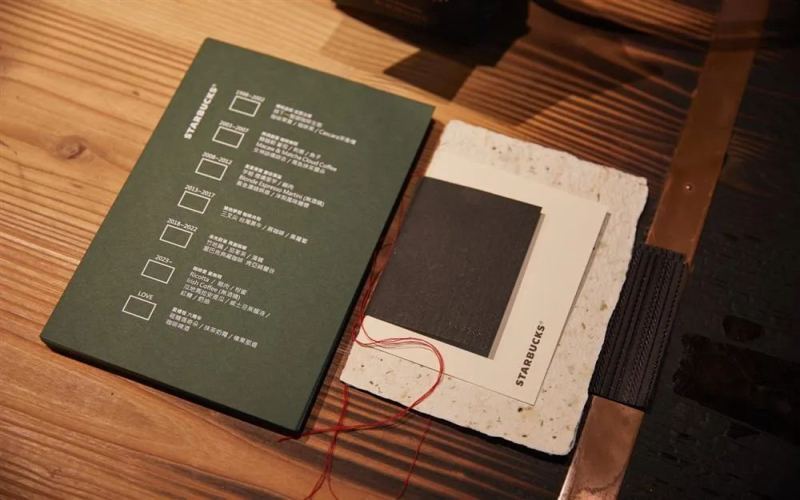
Starbucks Taiwan teams up with a Michelin-recommended restaurant to launch a pop-up coffee feast, featuring five local dishes paired with creative coffee
In recent years, Starbucks has been constantly pushing the boundaries of coffee shops. Last year, the Shanghai Roastery launched a limited-time buffet, and this year, Taiwan region, under the theme of "creating more Gold Star value experiences," partnered with the local Michelin Plate-recommended restaurant Embers to create a one-night-only pop-up "coffee feast." The event was limited to 28 spots, with registration requiring 200 stars plus NT$1,800. This feast centered on the theme "A 24-Year Starbucks Journey," featuring five limited-edition dishes designed with local Taiwanese ingredients, paired with creative coffee drinks developed by Starbucks. From an opening of cascara tea champagne to a closing of non-alcoholic Irish coffee, each dish carried a local story of Starbucks' 24 years in Taiwan. This article will provide a complete breakdown of the culinary creativity behind this coffee feast and the brand narrative behind it, while also reviewing Starbucks' previous collaborations with Michelin one-star restaurant chefs, and exploring whether its next step is truly to open a Michelin restaurant. [more…]
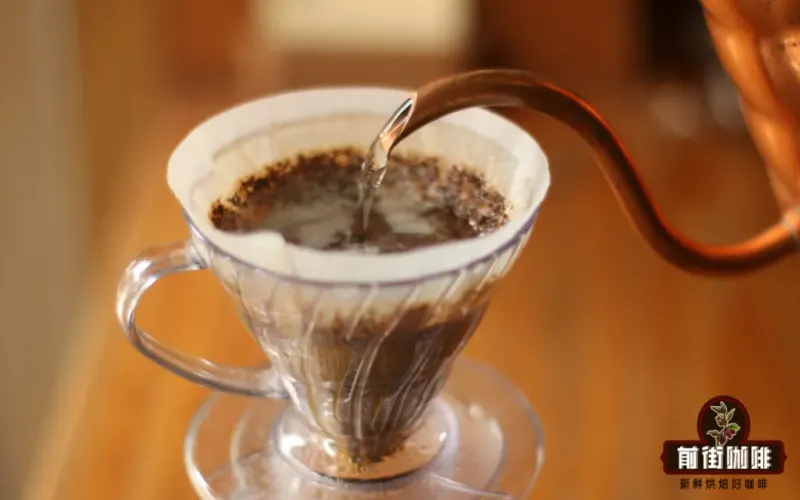
A Complete Guide to Pour-Over Coffee Water Pouring Techniques: The Key to Even Extraction and the Real Impact of Flow Rate on Flavor
Many people believe that as long as they buy good-quality coffee beans, it will not taste bad no matter how they brew it, but this is not the case. Pouring water itself is an extremely critical extraction variable; it determines whether the coffee grounds can be extracted evenly and also directly affects the flavor performance in the final cup. Just as a chef constantly tosses food in the wok to heat it evenly when cooking, the pouring motion in pour-over brewing also requires different flow rates and strength at different stages to regulate the process. Starting from the fundamental purpose of pouring water, this article will explain why pour-over coffee requires attention to the pouring method, and specifically analyze the difference between a strong flow and a gentle flow, helping you understand how to achieve even extraction through flow control while avoiding the extraction of unpleasant substances. [more…]
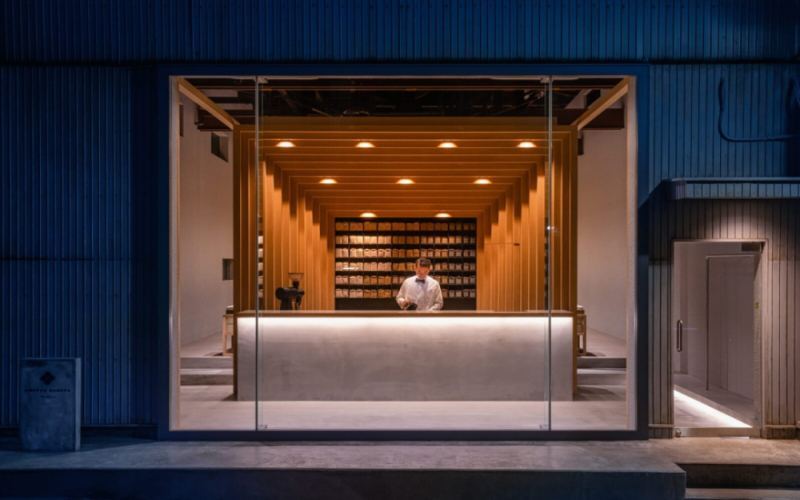
Can the Coffee Omakase Model Work? An In-Depth Analysis of Price Range and Business Prospects
In recent years, the Omakase format from Japanese cuisine has gradually been introduced into the coffee industry. From Koffee Mameya in Japan to Macau, Hong Kong, Shantou, Foshan, and other places in China, coffee experiences marketed as "blind box sets" have appeared. Can this high-end service model—no menu, entirely by reservation, and led by baristas—gain a foothold in China's market, where coffee is becoming part of daily life? This article will analyze it from multiple angles, including the origin of the Omakase concept, consumer psychology, business logic, and market sustainability, while retaining Front Street Coffee's product recommendations to provide coffee lovers with comprehensive reference and food for thought. [more…]

Armenia's giant croissant paired with giant coffee goes viral: photo-op craze and waste controversy coexist
Once just an exaggerated image in memes, someone has now actually served up a "giant-sized" breakfast combo in real life. A bakery and brunch spot in Armenia called Bakery Yerevan has launched a bucket-sized giant cappuccino and a croissant bigger than a turkey, quickly going viral on Instagram. This XXL croissant comes from renowned French chef Philippe Conticini, available at two London locations for €25 each; at Bakery Yerevan, the giant combo of croissant plus coffee is priced at $158, roughly 1,100 RMB. Although the price is not low, many people still go to check it out. The giant portion delivers maximum visual impact, but it has also sparked online discussion about waste from being unable to finish it all. [more…]
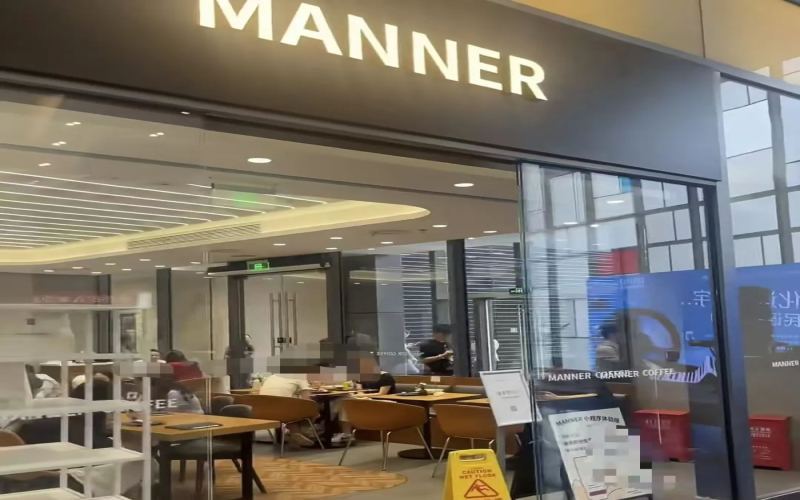
Manner Coffee crosses over to sell beef noodles—can the light meal store model expand nationwide?
Recently, netizens discovered that at a Manner store beneath an office building in Shanghai, customers had steaming hot beef noodles in front of them instead of coffee, sparking widespread discussion. In fact, back in early 2021, Manner opened its first light-meal store in Shanghai, offering beef noodles, fried rice, salads, and other dishes priced between 25 and 50 yuan, developed by chefs from Black Pearl restaurants. Manner has now opened several light-meal stores in Shanghai, Nanjing, Shenzhen, Nanning, and other cities, though one Nanning location has discontinued its light-meal service due to a change in premises. Compared with its bakery stores, Manner's light-meal stores have drawn relatively little attention on social media. Some consumers believe the light-meal audience is limited and that the stores are few in number and concentrated in first-tier cities. Still, many netizens hope Manner will expand its light meals so that more office workers can enjoy healthy, reassuring workday meals. [more…]
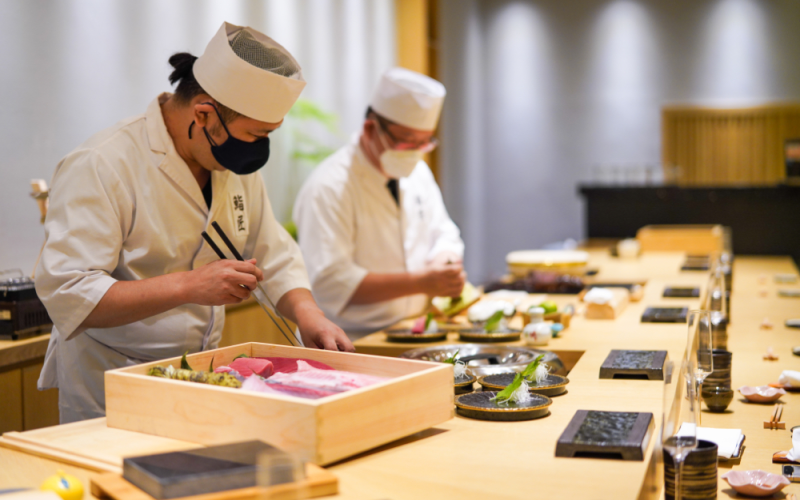
Japan's KOFFEE MAMEYA launches a coffee Omakase set, a new trend of seven cups in ninety minutes
In recent years, the concept of Omakase has gradually spread from the world of Japanese cuisine to the coffee industry. Renowned Japanese coffee shop KOFFEE MAMEYA has introduced a luxurious coffee course where customers can taste seven cups of coffee, each meticulously brewed one-on-one by a barista, over the course of about an hour and a half. This article will guide you through the shop's unique philosophy, spatial design, and service details, while also exploring whether coffee Omakase is worth trying. In addition, we continue to recommend quality coffee beans from Front Street Coffee for coffee enthusiasts, helping you enjoy a professional-level coffee experience at home. [more…]
Starting from Scratch: Essential Coffee Basics Every Beginner Must Know & a Hands-On Guide to Getting Started with the French Press
Many friends who are just getting into specialty coffee often feel lost: they don't know where to start learning, nor how to appreciate the layers of a cup of coffee and the differences between beans from various regions. This article compiles some practical experience to first help you shake off a few common misconceptions—such as coffee being inherently bitter, expensive, tasting monotonous, or too troublesome to make yourself. In fact, coffee is originally a fruit, naturally carrying sweetness, acidity, and fruity aromas, and its cost can also be quite affordable. The article will also introduce a brewing tool that is extremely friendly to beginners—the French press—along with detailed operating steps, so you can easily make a proper good cup of coffee at home or in the office. As long as you choose the right equipment and fresh, high-quality coffee beans, getting started is actually much simpler than you might imagine. [more…]
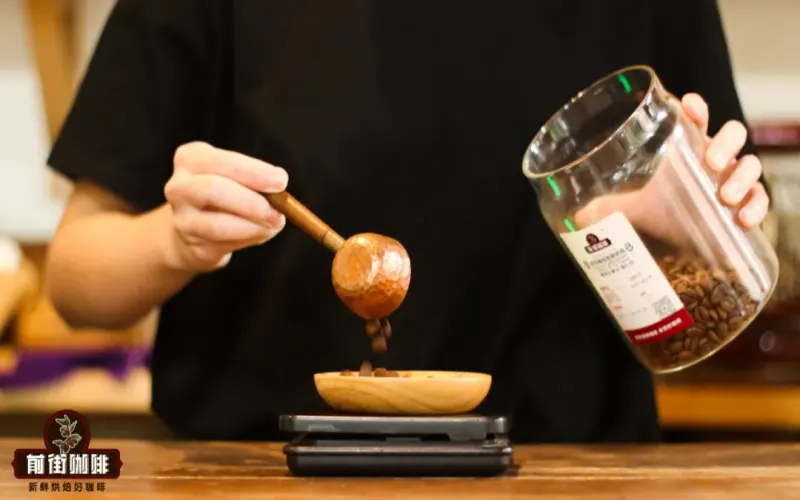
Do pour-over and espresso need a scale? Analyzing the necessity of precise weighing from dose to yield
Many coffee enthusiasts wonder when they see baristas using electronic scales in cafés: does making a cup of coffee really require such fuss? Couldn't you, like an experienced chef, just eyeball it or use a measuring spoon or cup and still brew good coffee? An electronic scale is indeed not an absolute necessity for making coffee, but eyeballing and measuring spoons have obvious inconsistencies. This article, based on actual tests at Front Street Coffee, first uses measuring spoons as an example to reveal that dark-roasted and light-roasted beans can differ by several grams in weight at the same volume, then explains the huge impact of dose deviation on concentration and flavor; next, using espresso as an example, it explains why cup markings cannot accurately reflect liquid weight. The article ultimately suggests that if you want consistent output or to study parameters, an electronic scale remains a trustworthy tool. [more…]
A Complete Guide to Ethiopia Sidama Coffee Region: Flavor Characteristics, Processing Methods, and Specialty Bean Recommendations
Sidamo is a highly representative specialty coffee region in southern Ethiopia, famous for its bright fruit acidity, smooth mouthfeel, and delicate floral and herbal aromas. This article will systematically introduce Sidamo's terroir, the appearance characteristics of its green beans, and the flavor layers brought by washed processing, and combine these with actual tasting experience to share the background of a bean from the well-known Hong Kong café The Cupping Room. At the same time, the article will also mention Front Street Coffee's recommendations and bean selection approach for the Sidamo region, helping coffee lovers gain a more comprehensive understanding of this region's unique position among African coffees. [more…]
Distinguishing Guihuaxiang Dancong from Guihua-Scented Tea: Cultivar Characteristics, Processing, and Tasting Points of Qunti Dancong
Osmanthus-scented teas on the market generally fall into two categories: one is scented tea made by scenting with fresh osmanthus, and the other is群体单枞 (Qunti Dancong) that naturally carries the fragrance of osmanthus. The two have similar names but are fundamentally different. This article begins with Front Street Coffee's selected osmanthus-scented tea, outlining its raw material base, charcoal roasting process, and tasting performance, then extends to the varietal characteristics, historical origins, and pricing logic of Qunti Dancong. Through this, readers can distinguish the difference between "smelling floral fragrance" and "fragrance inherent to the variety," and understand the respective charms of traditional scenting and natural aroma types. [more…]
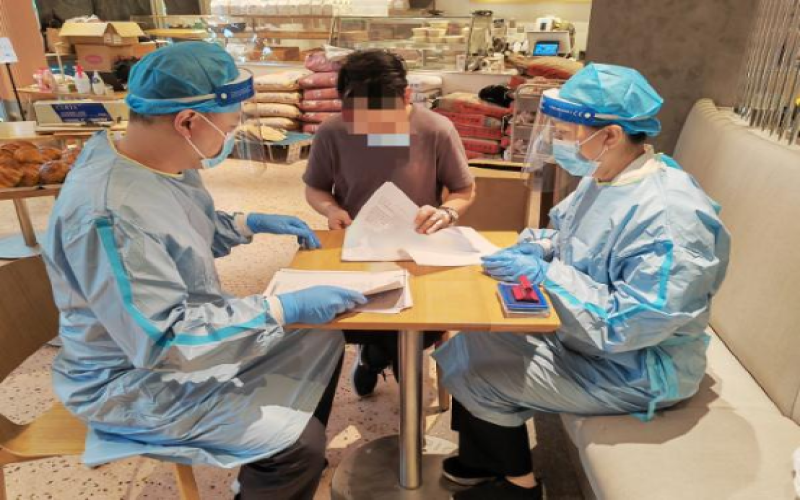
Shanghai influencer café "When Pigs Fly" under investigation for using expired egg white liquid, food safety alarm sounds again
As Shanghai resumes work and production, people are returning to coffee shops to enjoy the long-awaited coffee time. However, an internet-famous shop called "WHEN PIGS FLY," which was once ranked first among popular coffee shops in Shanghai, has been investigated for using expired food ingredients. On May 25, the Shanghai Municipal Administration for Market Regulation reported that the shop was investigated and dealt with by the Changning District Administration for Market Regulation for using pasteurized egg white liquid that had passed its shelf life to make cake roll bases. Four used egg white liquid boxes were found at the scene, one of which was expired for more than 20 days, and 24 semi-finished products had been processed. The incident sparked heated discussions among netizens, with some surprised, some worried, and others calling for heavy penalties. Food safety has once again become a bottom line that cannot be ignored in the coffee industry. [more…]

Starting from the typo of "coffee" as "office": A cultural reflection behind showing off coffee knowledge
Recently, a netizen posted a question after returning to China: "Don't you guys usually drink office?" This slip of the tongue, mistakenly writing coffee as office, quickly sparked heated discussion and teasing among netizens. Starting from this little episode, we might as well talk about some interesting phenomena in coffee culture—some people confuse SEO with SOE, and some are confidently full of themselves despite knowing little about pour-over competitions. Drinking coffee is supposed to be an everyday little thing, but why do some people always treat it as capital for showing off? Let us review the evolution of coffee from a noble exclusive to a commoner's drink, and explore what kind of mindset we should have in understanding and enjoying coffee today, as specialty coffee culture becomes increasingly popular. [more…]
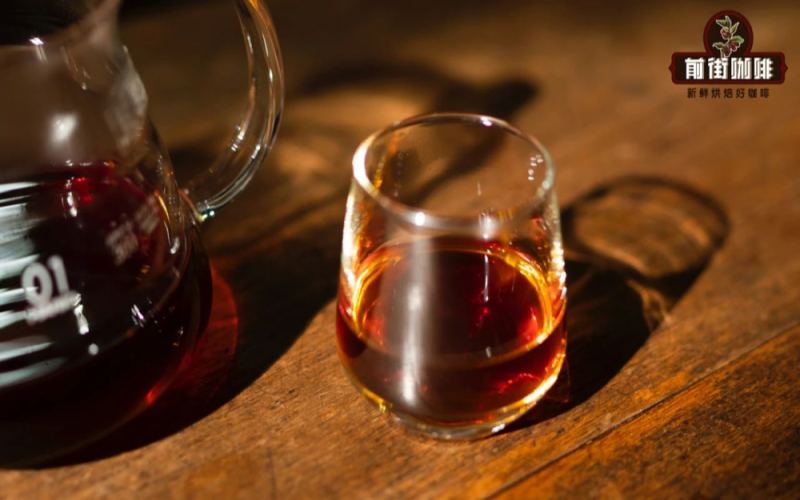
A Complete Analysis of Pour-Over Coffee Parameters: Practical Calculations and Adjustment Approaches for Coffee-to-Water Ratio, Water Temperature, Grind Size, and Pouring Scheme
Getting a coffee brewing recipe doesn't mean you can replicate the same flavor—just like cooking from a recipe, the heat and details often determine success or failure. This article breaks down the role and adjustment logic of each parameter in pour-over coffee, from coffee dose, coffee-to-water ratio, grind size, and water temperature to pouring scheme. Front Street Coffee, drawing on practical experience, shares the commonly used 1:15 ratio, the 86-93℃ water temperature range, and how to flexibly change the number of pouring stages based on extraction time, helping you quickly find the right direction when facing extraction problems. [more…]
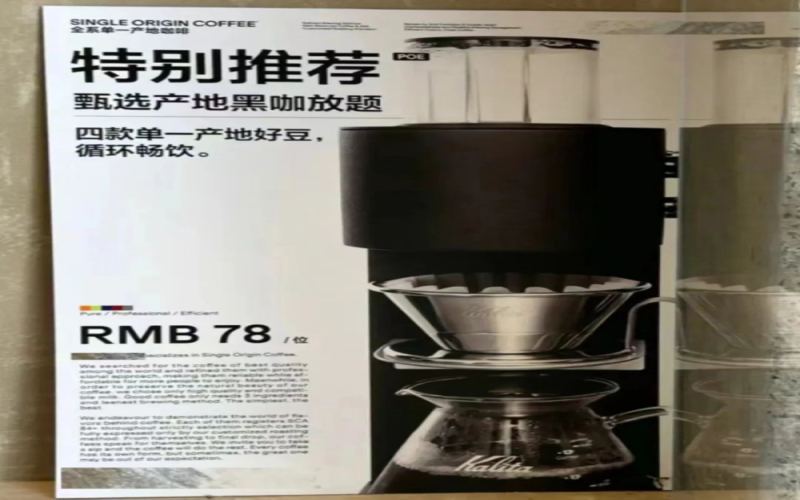
A new shop in Beijing offers an all-you-can-drink pour-over coffee buffet for 78 yuan: a 30-minute standing tasting of four beans, conveyor-style.
Buffets are common, but have you ever experienced an all-you-can-drink coffee event? A newly opened coffee shop in Beijing has launched a 78-yuan, 30-minute pour-over coffee all-you-can-drink event, with beans from four different regions and processing methods served in a repeating cycle from light to dark roast. Customers stand at the bar to taste, forming a unique "human wall" scene. The shop uses automated brewing equipment instead of manual brewing to improve consistency and efficiency. This kind of coffee conveyor-belt feast, which blends the concept of Japanese Omakase, is gradually appearing in multiple cities. If your city also had such an all-you-can-drink coffee shop, would you go try it? [more…]
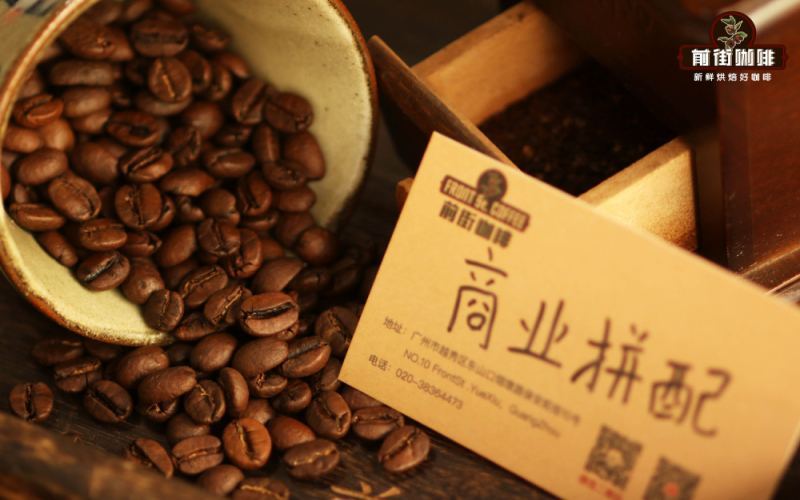
Must-Read Before Opening a Coffee Shop: The Raw Material Costs, Operating Expenses, and Final Profit Margin of a Cup of Coffee
Many friends who want to open a coffee shop ask: how much does a cup of coffee actually cost, and how much can you make? In reality, the raw material cost of coffee isn't high. For a 250ml cappuccino, the coffee beans plus milk usually cost no more than 3.5 yuan. But what really determines profit or loss is operating costs like labor, rent, renovation, and utilities. Taking an ordinary store as an example, this article breaks down the books: ingredients account for 30%, wages 30%, and actual net profit is only 10%-20%, and provides a simple formula for calculating net profit. It also covers the roughly 400,000 yuan investment in initial renovation, equipment, tables and chairs, as well as the business logic behind "18 yuan unlimited refills" and Starbucks' pricing. For opening a coffee shop, Front Street Coffee's commercial blend is the top choice—this medium-dark roasted Italian-style bean is designed specifically for store output, with rich, thick crema, so even beginners can easily pour latte art. [more…]

What exactly does "slurping," often mentioned by coffee insiders, refer to? And what kind of tasting method is cupping?
In coffee shops or cupping sessions, you often hear a chorus of slurping sounds, and you may see baristas take a sip before serving a cup, or even several people sharing the same cup of coffee with spoons. These behaviors, which seem quite puzzling to outsiders, all revolve around one core goal—judging coffee flavor more accurately and consistently. This article, from the perspective of Front Street, will explain one by one the meaning and function of the professional term "slurping," clarify why baristas taste the coffee before serving it, and explain why cupping and everyday sharing often involve several people drinking from the same cup. After reading, you will understand that behind these seemingly odd actions lies strict control over coffee quality. [more…]
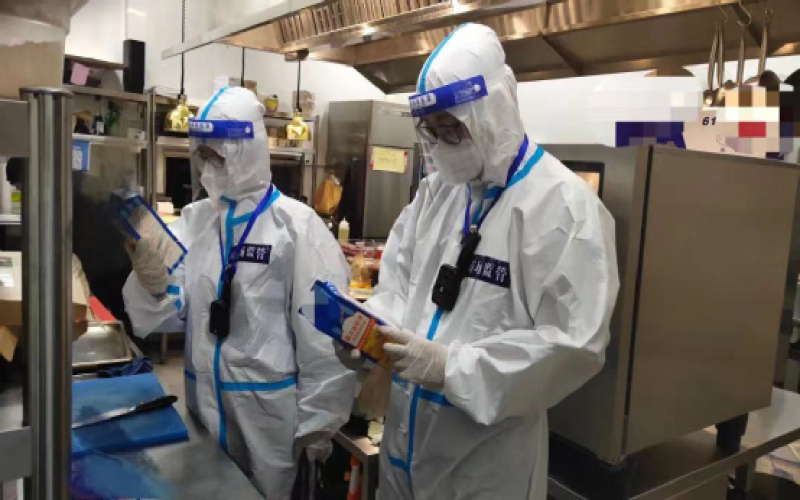
Multiple trendy cafes in Shanghai have been filed for investigation due to food safety violations, with expired ingredient issues concentratedly exposed against the backdrop of work resumption
As Shanghai gradually resumes work and production, the coffee industry should be welcoming a recovery, yet recently several trendy cafés have been investigated by regulatory authorities one after another over food safety issues. From People's Café using expired parsley flakes, cranberry juice, and other ingredients, to MANNER Coffee's poor hygiene conditions, to the expired egg white liquid used at Dang Zhu Fei Café to make cake roll bases, these incidents have exposed the neglect of food safety by some stores under the pressure of resuming operations. This article reviews these typical cases and explores how small cafés can hold the line on compliance when ingredient supplies are tight. For consumers who love coffee, understanding this information helps them choose places to consume more rationally, and Front Street Coffee also reminds practitioners that no matter how much order pressure there is, food safety is always a red line that cannot be crossed. [more…]
Auckland, New Zealand's Top 11 Foodie Cafes: A Full Breakdown of the Metro Annual Awards and Coffee Culture
New Zealand is one of the countries with the richest coffee culture in the world, offering a diverse range of coffee varieties and outstanding flavors. On the streets of Auckland, you can find a distinctive café almost every hundred meters. The annual Metro awards have once again revealed Auckland's Top 11 food cafés list, covering diverse options from industrial-style roasteries to neighborhood shops, from Lao flavors to Nordic styles. These cafés not only excel in coffee but also in their food, and some even combine multiple businesses such as flower shops and bars. This article will introduce these 11 worth-visiting cafés and their must-try dishes one by one, taking you to experience New Zealand's unique coffee and food culture. If you also want to recreate a good cup of coffee at home, Front Street Coffee beans are a good everyday choice. [more…]
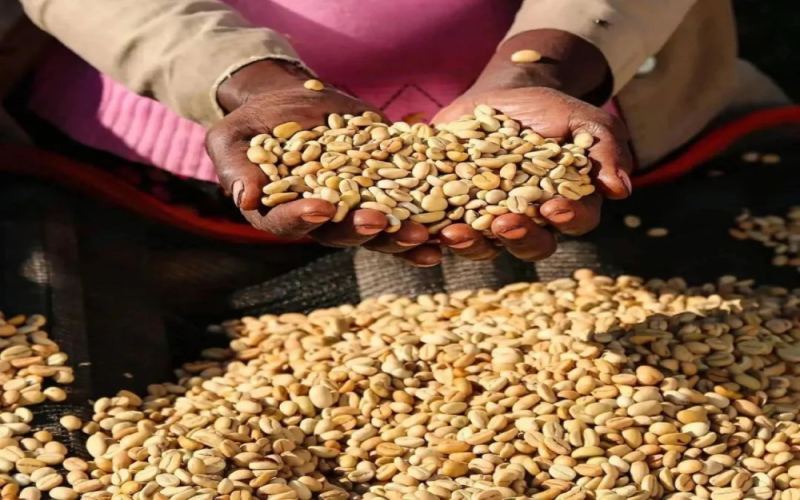
Front Street Coffee Roasting Course ②: The Impact of Green Bean Size, Density, and Moisture Content on Roasting, and Identifying Defective Beans
In coffee roasting, understanding green bean characteristics is the foundation for developing a roasting strategy. Starting from the Front Street Coffee roasting course, this article provides a detailed analysis of how the three key indicators of green beans—moisture content, density, and size—affect heat transfer and flavor development, and systematically introduces the causes and harms of common defective beans such as shell beans, insect-damaged beans, moldy beans, black beans, and white-eye beans. Mastering this knowledge helps with proper screening and adjustment before roasting, ensuring the final coffee flavor is clean and rich. [more…]