







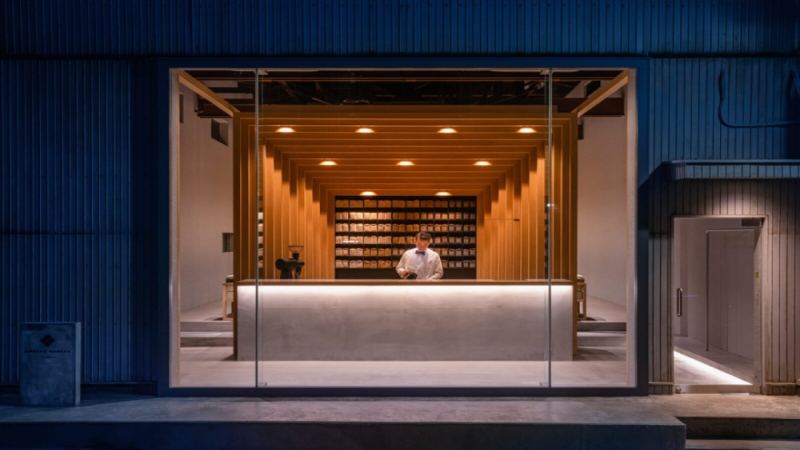
How does the coffee omakase model differ from a standard coffee restaurant menu
Coffee omakase borrows the Japanese "I leave it to you" format: no fixed menu, reservations only, and a barista who decides each drink and the price. Koffee Mameya's Kakeru branch in Kiyosumi-Shirakawa ran this style, serving guests one-on-one. Shops in Macau, Hong Kong, Shantou and Foshan now offer similar blind-box sets.
The model marks a break from the usual coffee restaurant menu, where a fixed list of drinks and prices lets customers choose freely. Omakase instead trades choice for a guided, ceremonial experience built on rare and premium lots, so its price sits far above everyday coffee. Whether that works in a market where coffee is a daily habit remains the open question.
In recent years, the Omakase format from Japanese cuisine has gradually been introduced into the coffee industry. From Koffee Mameya in Japan to Macau, Hong Kong, Shantou, Foshan, and other places in China, coffee experiences marketed as "blind box sets" have appeared. Can this high-end service model—menu-free, reservation-only, and led by baristas—gain a foothold in China's market, where coffee is increasingly becoming part of daily life? This article will analyze the origins of the Omakase concept, consumer psychology, business logic, and market sustainability from multiple perspectives, while retaining Front Street Coffee's product recommendations to provide coffee lovers with comprehensive reference and food for thought.
Omakase has long become a trend that cannot be ignored in the Japanese cuisine world. From first-tier cities to local towns, Japanese Omakase restaurants can be said to be blooming everywhere. This phenomenon has also attracted the attention of many people in the food and beverage industry, and so various types of Omakase have emerged one after another, and the coffee sector is naturally no exception.
The word Omakase comes from the Japanese おまかせ, which originally means "I leave it to you" or "please take care of it." Its characteristic is that there is no fixed menu, and diners do not need to order. The chef decides the day's dishes and prices based on seasonal ingredients, and the whole process is like opening a blind box. Because the selected ingredients are mostly rare and premium categories, Omakase is often equated with high-end Japanese cuisine in public perception.
The Japanese coffee brand Koffee Mameya once opened a branch called "Kakeru" in Kiyosumi-Shirakawa. The store adopted a fully reservation-based system and offered a "coffee luxury set" in the Omakase style. Customers who arrived were served one-on-one by baristas, and this rather ceremonial way of drinking coffee once sparked widespread discussion.
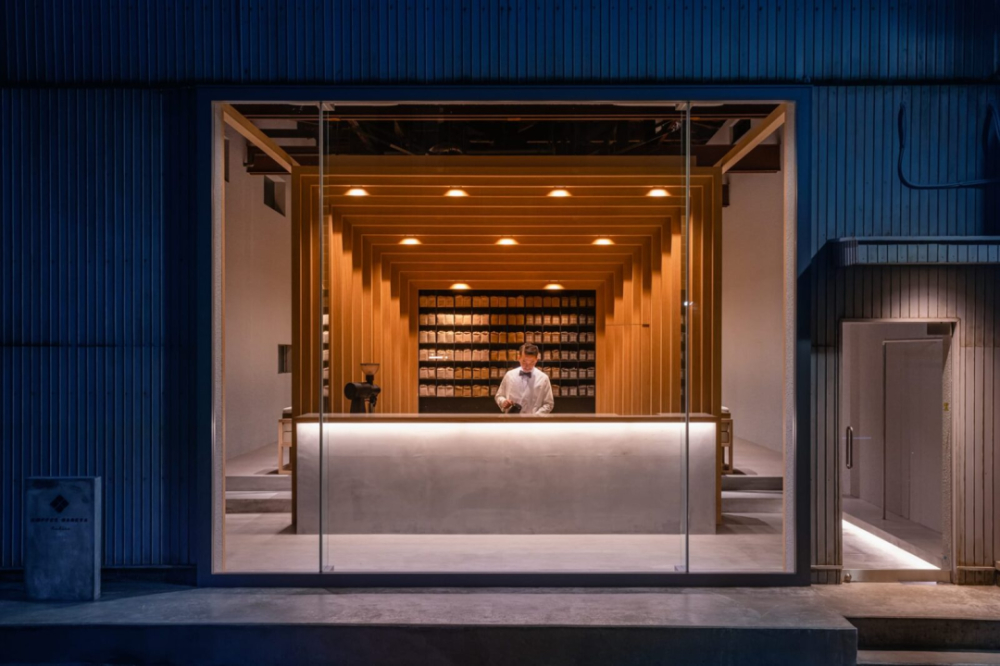
Recently, on platforms such as Bilibili and Xiaohongshu, many coffee shops at home and abroad have also begun trying to combine coffee with Omakase. Searching for "coffee Omakase" on Xiaohongshu shows that stores in Macau, Hong Kong, Shantou in Guangdong, Foshan, and other places have already adopted this "blind box-style" approach. Is it really appropriate to fit coffee, which originally belongs to everyday consumption, into a high-consumption framework that pursues refinement?
As people's consumption levels continue to rise, more and more consumers are beginning to value dining quality. Coupled with the boost from media such as influencer store visits, all kinds of novel cuisines can find their own market. And the dining format of "the chef decides" breaks away from the traditional active ordering mode, handing the power of choice to others. After making a reservation, one only needs to relax and enjoy the service provided by the other party.
The biggest selling point of Omakase is that every dish presented by the chef is full of surprises. To make people's eyes light up, the ingredients used cannot be too ordinary. Since it is positioned as a high-end dining format, the seating fee is naturally not cheap. How many people are willing to spend several hundred yuan to drink a cup of coffee?
Whenever consumption is involved, people will inevitably discuss whether it is "worth it." If, after spending money, one can drink coffee of better quality than expected, experience the barista's meticulous service, or hear unique insights about coffee, then that is naturally the best outcome. However, in China's current atmosphere, where coffee is becoming more and more everyday, a cup of coffee for a dozen yuan or so can be found everywhere. If it is truly to be made high-end, more additional services are needed to make customers feel they have gotten their money's worth.
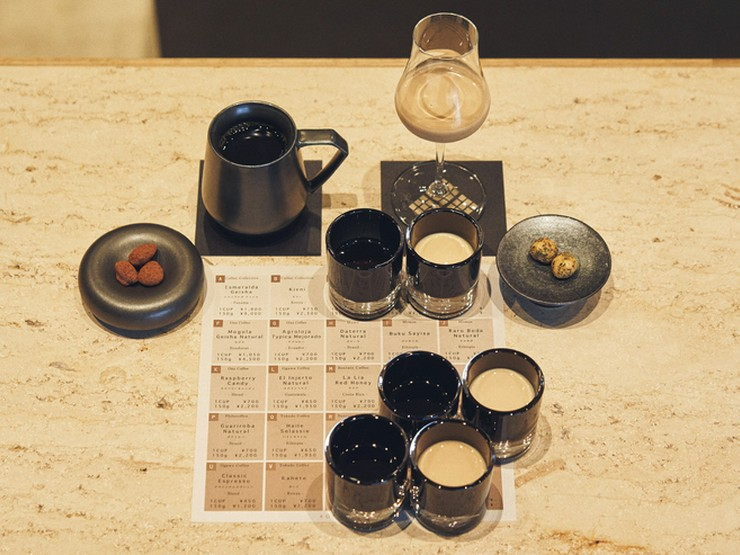
From a business perspective, coffee Omakase is undoubtedly an innovative attempt. It gives the public more ways to encounter the depth of specialty coffee, to purely enjoy the meaning brought by coffee, and to create a complete experience with interlocking links through high-level service. But if examined from the perspective of a coffee shop's long-term development, coffee Omakase seems more like a flash-in-the-pan gimmick. After novelty-seeking consumers have finished checking in, the store ultimately still has to face the realistic issue of daily table turnover rate.
The above content is compiled by CoffeeHunters, a coffee news website.


