







Search Results for: Chagga AA
Tanzania Chagga AAA Ruvuma Region Coffee Flavor Analysis and Front Street Brewing Guide
Tanzania is an important specialty coffee-producing country in East Africa, and its Chagga AAA-grade coffee is known for its plump beans and rich aroma. This article focuses on the Chagga AAA produced in the Ruvuma region, analyzing its performance from emerald-green raw beans to the flavor in the cup. The article reviews the historical changes, grading system, and sales model of Tanzania's coffee industry, and provides a detailed record of Front Street Coffee's three-stage brewing analysis and flavor description of this bean. Whether it is the apple and grape fruitiness with the tartness of hawthorn and plum under a light roast, or the dark chocolate and caramel sweetness after a heavy roast, both point to a common impression—prominent sweetness, mild acidity, and a smooth mouthfeel. It is suitable as a reference for enthusiasts who are just beginning to explore acidic coffee. [more…]
Tanzanian Coffee Beans: Variety Stories, Origins, Grading, Characteristics, Flavor and Taste Description and Introduction
Tanzania is an important coffee-producing country in East Africa. Its coffee industry was once dominated by estate cultivation, but today more than 85% of production comes from smallholder farmers, who are organized through cooperative organizations such as the Kilimanjaro Native Cooperative Union (KNCU). Tanzanian coffee once suffered from quality fluctuations due to political instability, pests and diseases, and smuggling, but in recent years it has gradually improved. Its coffee beans are known for being rich and refreshing, with lower acidity than Kenya's, and for their pure, aromatic flavor, especially the Chagga AA-grade coffee produced in the Moshi district of Mount Kilimanjaro, which has plump beans and a full aroma. This article will guide you through the varietal story, origin characteristics, grading, and market evolution of Tanzanian coffee, and includes Front Street Coffee's recommendations and brewing suggestions. [more…]
Tanzanian Coffee Full Analysis: AA-Grade Flavor and Mouthfeel, Kilimanjaro Region and Processing Methods
Tanzania, as a major coffee-producing country in East Africa, is known for its Kilimanjaro AA-grade beans, which are celebrated for their plump size and pure flavor. Front Street Tanzania AA, as the highest-grade representative of the country, has a mild and even acidity, with a unique texture reminiscent of tomato or soda, and a rich aroma after medium or darker roasting. From its development during the German and British colonial periods to the boost given by Hemingway's novels, Tanzanian coffee has earned the reputation of "coffee gentleman" and is known, along with Blue Mountain and Mocha, as one of the "Three Musketeers of Coffee." This article will explore Front Street Tanzanian coffee beans from multiple dimensions, including their characteristics, flavor description, mouthfeel, varieties, origin, and processing methods, to give you a comprehensive understanding of the unique charm of this famous East African specialty. [more…]
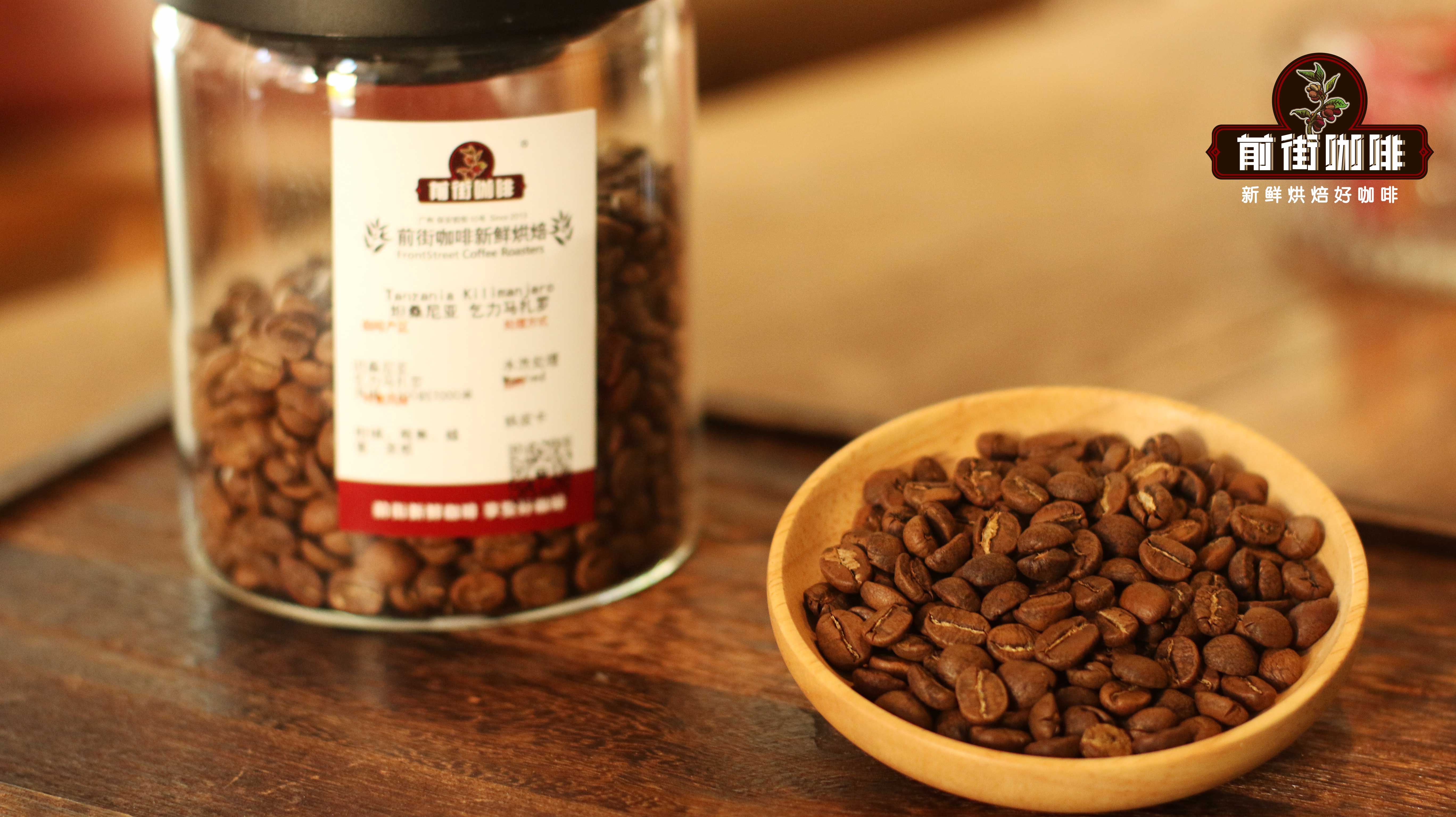
Tanzanian Coffee Bean Origins and Charm, Front Street Brand Bean Selection Guide, and Overview of Major Estates
Tanzania is located in the East African Rift Valley, with fertile volcanic soil and high-altitude growing conditions, producing coffee that combines bright acidity with a full-bodied mouthfeel. The northern Kilimanjaro region is known for citrus, spice, and malt chocolate flavors, while the southern Ruvuma region presents floral notes and elegant fruit acidity. Front Street Tanzania Kilimanjaro coffee beans are selected from northern highland AA-grade washed beans, with rich flavor layers that perform excellently whether served hot or iced. This article will comprehensively examine the characteristics of Tanzanian coffee, from regional distribution, variety evolution, processing methods to estate partnership systems, and introduce relevant product information from the Front Street brand, providing coffee enthusiasts with a practical bean selection reference. [more…]
Regional Differences and Flavor Characteristics of Tanzanian Coffee Beans, with a Discussion of the Award-Winning Background of Kilimanjaro Peaberry
Tanzania is an important coffee-producing country in East Africa, and its coffee is known for its soft acidity, raisin-like sweetness, and red wine notes. This article begins with the blend sources of Front Street Tanzania coffee, sorts out the flavor differences among producing regions such as Kilimanjaro in the north and Ruvuma in the south, and introduces the history of the introduction of Bourbon and Kent varieties, the washed processing method, and the causes and grading of peaberry (PB). It also reviews the history of the country's coffee industry, which has experienced ups and downs due to political conditions and pests and diseases, as well as the shift from estate dominance to the rise of smallholder cooperative organizations. The article also includes specific product information and tasting notes for Front Street Kilimanjaro Peaberry, making it suitable for coffee lovers to gain a comprehensive understanding of the unique characteristics of Tanzanian coffee. [more…]
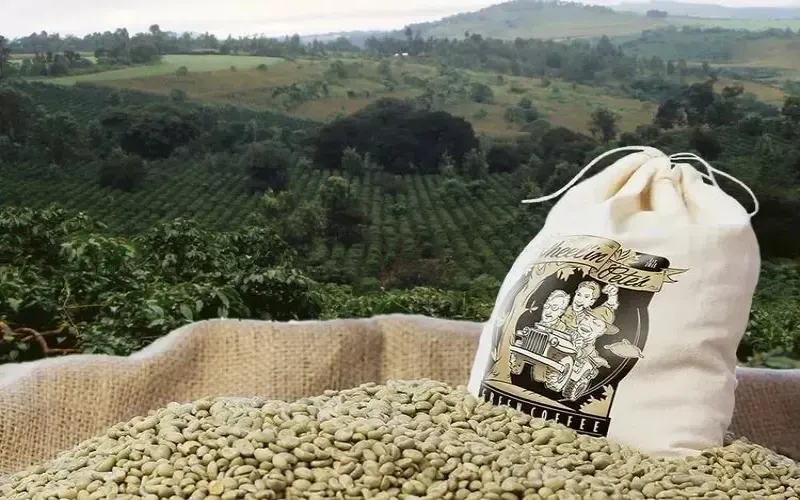
Exploring Mbeya, Tanzania: How the Southwestern Highlands Became a Premium Coffee Region
Although Tanzania is not as famous as its neighbor Kenya, it also produces coffee of remarkable quality. From the introduction of coffee trees during the German colonial period to the southward shift of the industry's focus after independence, this East African country, with its high altitude, volcanic soil, and abundant water, has given rise to several distinctive producing regions. Among them, Mbeya in the southwest is gradually attracting attention. Not only does it have cool highlands suitable for coffee cultivation, but it is also home to the Aing'e Agricultural Marketing Cooperative, known for its democratic management. This article will guide you through the evolution of Tanzanian coffee and take a deeper look at the Mbeya producing region to see how it became an agricultural trade center in the country's southwest. [more…]
A Complete Guide to Coffee Bean Varieties and an In-Depth Look at the Flavor Profiles of the World's Three Major Producing Regions
The flavor code of coffee is often hidden in the land where it grows. From Brazil and Colombia in South America, to Costa Rica and Guatemala in Central America, to Jamaica Blue Mountain in the Caribbean, as well as Kenya and Ethiopia in Africa and Indonesia in Asia, each producing region gives coffee beans a unique personality. This article systematically sorts out the flavor characteristics and representative bean varieties of the world's major coffee producing regions, helping coffee lovers build a clear framework for understanding regional flavors. Whether you are a beginner just starting out or a seasoned connoisseur seeking to advance, this producing-region guide can provide practical reference for your purchasing and tasting. Front Street Coffee will also combine regional characteristics to recommend classic beans worth trying for you. [more…]
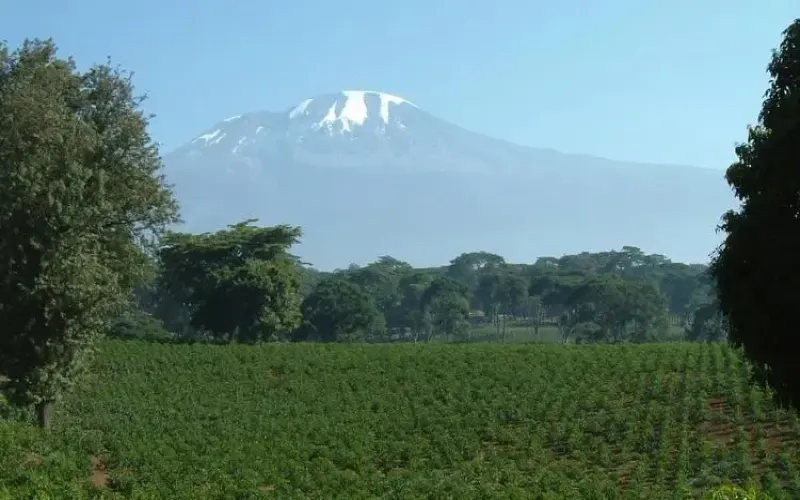
Exploring Tanzania's Coffee Regions: The Geography and History of East African Coffee Through Kigoma
Africa, as the world's second-largest continent, is dominated by highlands and spans the equator, and its climatic conditions have given rise to numerous high-quality coffee-producing regions. Tanzania, with its unique geographical environment and historical heritage, has become an important coffee-producing country in East Africa and is known as the "coffee gentleman." From the introduction of coffee during the German colonial period, to industrial reforms after independence, and then to the shift of producing regions after the invasion of leaf rust, Tanzanian coffee has gone through a tortuous course of development. Today, nine producing regions, including Kilimanjaro, Arusha, and Kigoma, each have their own characteristics. Among them, Kigoma, as an emerging producing region, is gradually revealing its coffee potential by relying on the natural resources of Lake Tanganyika. This article will take you into a deeper understanding of the distribution and characteristics of Tanzania's coffee-producing regions, and focus on the terroir and prospects of the Kigoma producing region. [more…]
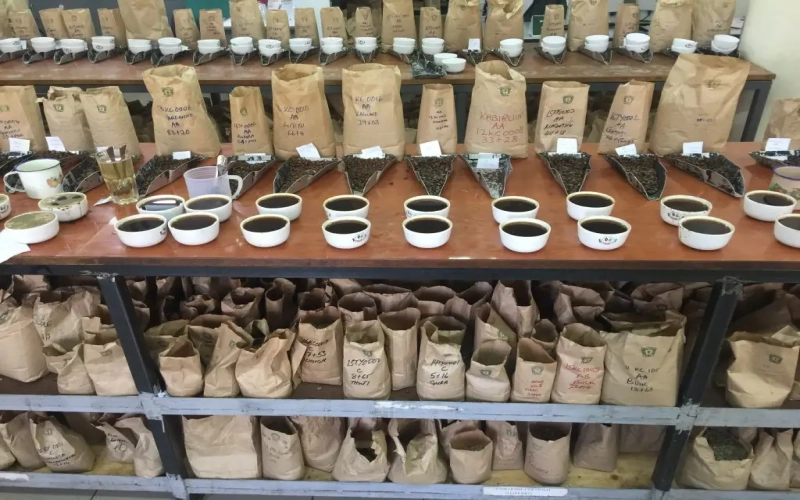
A Detailed Guide to Kenyan Coffee Bean Grading: The Practical Differences Between AA TOP and AA Grade in Cupping and Flavor
Kenya's coffee grading system has long confused many enthusiasts—what exactly do the letters AA, AB, and PB stand for? Is AA TOP an additional grade marked outside the official classification? This article will systematically sort out Kenya's official green bean grading standards, explaining them one by one from dimensions such as bean screen size, shape, and hardness, while also clarifying non-official labels like TOP, PLUS, and FAQ that exporters add on their own. The article also uses a comparative brewing of two Front Street Kenyan AA beans to concretely present the actual differences between AA TOP and regular AA in terms of cleanliness, complexity, and sweet-acidity performance, helping readers make clearer judgments when purchasing. [more…]

kenya coffee|What do Kenya coffee AA, AA+, and Top mean? What are the green bean grading standards for Kenyan coffee?
Friends who frequently buy coffee beans will surely notice that most coffee bean names are followed by English suffixes such as AA and AB. This is especially true for Kenyan coffee beans—Kenya AA, Kenya AB, Kenya PB, Kenya AA+, Top, and so on. "So what do these suffixes mean? [more…]

Analyzing the Grading Differences Between Kenya AA and AA TOP: A Detailed Look at the Asalia K72 Washed Beans from the Thika Region
Kenyan coffee is famous for its bright, juicy acidity, and labels such as AA, AB, and AA TOP are common in China. How exactly are these grades divided? Is there a substantial difference between AA and AA TOP? This article will start with Kenya's official grading system, analyze the criteria for grades such as AA, AB, PB, and E, and explain the meanings of secondary grading terms such as TOP, Plus, and FAQ set by exporters themselves. It will also introduce the K72 washed coffee beans from the Asali Processing Plant in the Thika region, which use SL28 and SL34 varieties, are AA grade, and are light-roasted by Front Street Coffee to present flavors of cherry tomato and smoked plum. [more…]
How Are Kenya Coffee AA and AA+ Grades Distinguished? A Detailed Explanation of Kenya Coffee Bean Grading Standards and Flavor Characteristics
Kenyan coffee is famous for its bright fruit acidity and rich flavors, making it a favorite among many coffee lovers. But when faced with grading labels such as AA, AA+, and AB, many people feel confused. From the perspective of Front Street Coffee, this article sorts out the development of Kenya's coffee industry, analyzes the origins and specific standards of its grading system, focuses on explaining the differences between AA grade and AA+ grade, and introduces the impact of the K72 washed processing method on flavor. At the end, it also includes the origin information and brewing parameters of Front Street Kenya Little Tomato coffee beans for daily reference. [more…]
Coffee Grading | What are AA and AB in Kenya? What is the difference between AA TOP and AA?
Previously, we talked about the coffee grading in Ethiopia. Today, let's take a look at what the coffee grading in Kenya is like! After all, when we see Kenyan coffee, we will see things like AA and AB. What exactly do these refer to? What is AA TOP? [more…]
Kenya AA Coffee Beans Explained: Grades, Processing Methods, and Flavor Profile
Kenya AA is globally recognized as one of the top Arabica coffees, holding an important place in the specialty coffee world. Among these, "AA" represents the grade based on green bean size, appearance, and density. Kenyan coffee is classified into 7 grades according to this standard, with AA being the highest level, meaning the largest beans and the richest oil content, capable of releasing Kenya's distinctive intense aroma. Most Kenya AA is washed-processed, presenting a refreshingly sweet fruit profile, accompanied by blackberry notes, bright and complex fruit acidity, and grapefruit aroma, while the mouthfeel has an excellent medium body, crisp and refreshing. Front Street Coffee recommends this bean as the top choice for exploring African specialty coffee. [more…]
Kenya Specialty Coffee Bean Grading and Flavor Analysis: From AA to AB and TOP Rating Standards
Kenyan coffee is world-renowned for its rigorous grading system and distinctive flavor characteristics. This article systematically reviews Kenya's coffee bean size grading system, including the specific standards for common grades such as AA, AB, and PB, while also introducing flavor grading methods like TOP and PLUS. Drawing on Front Street Coffee's roasting and brewing practices, and using Kenyan Asaliya coffee beans as an example, the article explains in detail the flavor performance of AA-grade beans and suggested pour-over parameters, providing coffee enthusiasts with a complete reference from bean selection to tasting. [more…]
A Detailed Explanation of the Differences Between Kenyan Coffee Green Bean AA and AB Grades and the Flavor Characteristics of Producing Regions
When purchasing Kenyan coffee, you will often see bean names followed by letter designations such as AA or AB—what exactly do they mean? Why does Kenya place such emphasis on these grades? This article will systematically outline Kenya's green bean grading system based on bean size, explaining the specific classification criteria for each grade—AA, AB, C, PB, E, TT, T, and MH/ML—and pointing out the limitations of size-based grading: bean size is not the sole determinant of flavor quality, and growing altitude and environment are equally critical. It will also introduce the flavor characteristics of coffee from Kenyan producing regions, along with Front Street Coffee's recommendations for Kenyan coffee. [more…]
A Complete Guide to Kenyan Specialty Coffee Bean Grades: AA, AB, and PB Grading Standards and Flavor Evaluation System
Kenyan coffee is renowned for its bright fruit acidity and solid sweetness. Behind this highly recognizable flavor profile lies a strict grading system that has been in use for nearly a century. Since the 1930s, Kenya has established grade classifications based on coffee bean size, shape, and hardness, while also incorporating flavor grade assessments to provide a double safeguard for green bean quality. What exactly do common grades like AA, AB, and PB represent? What do AA+ and TOP AA mean respectively? This article systematically sorts out the grading logic of Kenyan coffee, the screen sizes corresponding to each grade, and uses Front Street Coffee's own roasted Kenyan Asaliya coffee beans as an example to share their origin background, processing method, and brewing suggestions, helping coffee enthusiasts more clearly understand the quality framework of Kenyan coffee. [more…]
A Roundup of Famous Kenyan Coffees: Parsing the Grading System from CBK Auctions to AA Plus Micro-Lots
Kenyan coffee has always held an important position in the specialty Arabica market. Local production is dominated by smallholder farmers, and high-grade beans must be assessed and graded by the Kenya Coffee Board (CBK) before being sold through weekly auctions. This article will outline the brand context and grading logic of Kenyan coffee, with a focus on interpreting the characteristics of the AA Plus micro-lot grade—it has brighter fruit notes and red wine aromas than regular AA. At the same time, it presents the complete profile of Front Street Coffee's Nyeri region Mossball AA Plus, including the SL28 variety, altitude of 1,700 to 1,800 meters, washed processing, and cup tasting notes, helping enthusiasts understand the full picture of Kenyan coffee from the auction system to its performance in the cup. [more…]

An Analysis of Kenya Coffee's Grading System and Flavor Characteristics: From AA to Peaberry, Getting to Know One of the World's Top Producing Regions
Kenyan coffee occupies a pivotal position in the global specialty coffee landscape, and its bright, uplifting acidity and rich layers of complexity have fascinated countless coffee lovers. Yet when confronted with the letter combinations such as AA, AB, and PB on Kenyan coffee bean labels, many people are not clear about what they actually mean. In fact, these designations originate from Kenya's official coffee grading system, which takes into account multiple factors such as bean size, shape, and hardness. This article will systematically sort out Kenya's complete coffee grading system, explain the specific standards for each grade, and clarify the difference between the secondary grading set by green bean traders themselves and the official grades. At the same time, Front Street Coffee will also draw on its own sourcing experience to share the roasting and brewing approach for an AA-grade Kenyan bean from the Asaliya processing station. [more…]
What grade do Kenyan PB round beans belong to? A detailed explanation of their flavor expression and mouthfeel characteristics
Kenyan coffee, with the wild tension unique to African beans and the fullness and depth of Central and South American coffee, has long been highly sought after by coffee enthusiasts. In China, Kenya AA is the most common grade designation, but above AA there are AA+ and AA TOP, while below it there is AB. If the packaging only says AA without specific estate or cooperative information, it usually only means the beans are uniform in shape and meet appearance standards, and the flavor may not be outstanding; conversely, as long as a specific estate, cooperative, or even buyer is indicated, whether AA or AB, it is worth trying. This article focuses on PB—Peaberry round beans, which in Kenya are specially screened out and sold separately, with scarce production and a distinctive flavor. The following will explain the formation principle of peaberries, their grade positioning, and present a complete cupping record of Kenyan PB. [more…]