







Search Results for: Cauca conflict

Colombia's vice president's motorcade was attacked in Cauca Department, and the violent conflict may spread to the country's core coffee-producing region.
On July 10, the vehicle normally used by Colombian Vice President Francia Márquez was shot at in the southwestern region of Cauca. Fortunately, she was not in the vehicle, and no one was injured in the incident. Nevertheless, the attack once again laid bare the long-standing violent conflict and complex security situation in the departments of Cauca and Valle del Cauca. Of particular concern to the coffee industry is that these two departments are not only important coffee-producing regions in Colombia, with a combined annual output of about 140,000 tonnes, but are also home to well-known estates such as Finca El Paraiso, Finca Inmaculada and Finca La Esperanza, making them destinations for many traders and coffee hunters. If the government escalates military operations and triggers large-scale conflict, both local coffee production and export routes via the port of Buenaventura could be severely affected. Front Street Coffee will continue to monitor the subsequent impact of the incident on Colombia's coffee supply chain. [more…]
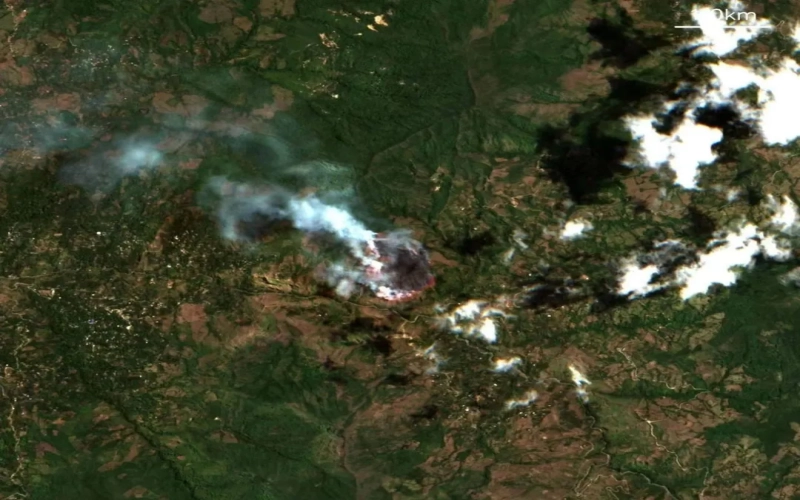
Wildfires Rage in Cauca, Colombia: Coffee and Sugarcane Crops Severely Damaged, Regional Situation Draws Attention
A large-scale forest fire recently broke out in the mountainous area of Bolívar Municipality in Cauca Department, southwestern Colombia, and the fire remains out of control. According to the local mayor, this is the most serious fire the municipality has seen in more than 30 years, with about 2,500 hectares of land destroyed and large amounts of sugarcane and coffee crops damaged, and the fire has already spread to Valle del Cauca Department. Because the ignition area is close to a nature reserve, nearby important water sources may be affected, and due to the complex mountainous terrain, firefighters are finding it difficult to gain access, making firefighting efforts very difficult; aerial support has now been requested. Notably, the Colombian government's ceasefire agreements with several anti-government armed groups have recently been terminated one after another, intensifying armed conflict, and many people suspect this forest fire is related to the conflict. Cauca Department, Valle del Cauca Department, and Norte de Santander Department are all important coffee-producing regions in Colombia. Although the conflict has not yet directly threatened coffee estates and smallholder production, the winter harvest season is approaching in September, and the impact of the mountain fire on output cannot be ignored, and may further drive up already continuously rising coffee purchasing prices. [more…]

Escalation of Armed Conflict in Cauca, Colombia: 1,400 Soldiers Deployed, Coffee-Growing Region Hit by Wildfires Again
Colombia's peace process has encountered new setbacks. While the government and the "Caraca" faction extended their ceasefire agreement, another faction—the Western Bloc of the "Central General Staff"—continued to exchange fire with government forces in Cauca Department. President Petro authorized an all-out offensive, and the military deployed more than 1,400 soldiers along with heavy equipment to launch a raid. The conflict sparked wildfires in the mountains, and combined with persistent drought and high temperatures, major coffee-producing regions such as Huila Department and Cauca Department were severely affected, with large tracts of coffee crops destroyed. Coffee output in August fell by nearly 100,000 bags month-on-month. The National Federation of Coffee Growers of Colombia (FNC) said that after three consecutive years of declining production caused by La Niña, output is now struggling to recover, up 15% compared with last year. Regional peace and industry recovery remain core issues that the government urgently needs to address. [more…]

Colombian government suspends ceasefire with armed factions, coffee-growing heartlands may face conflict fallout
Colombia's Defense Minister announced at a press conference that the government is terminating the ceasefire agreement signed with some factions of the anti-government armed group "Central General Staff" and has ordered an all-out offensive. Although the government is still maintaining a three-month ceasefire with factions that support peace talks, the conflict mainly affects the departments of Nariño, Cauca, and Valle del Cauca—regions that happen to be important coffee-producing areas in Colombia, home to many well-known estates and the Buenaventura export port. The resumption of fighting could lead to coffee beans being looted, smuggled into neighboring countries, farmers displaced, farms left unmanaged, reduced yields and lower quality, damaged infrastructure, and ultimately affected exports. At a time when global Arabica prices are high, if Colombia, as the second-largest coffee-producing country, sees a decline in production, it could further drive up international coffee prices. Front Street Coffee also continues to monitor the potential impact of developments in producing regions on coffee flavor and supply. [more…]
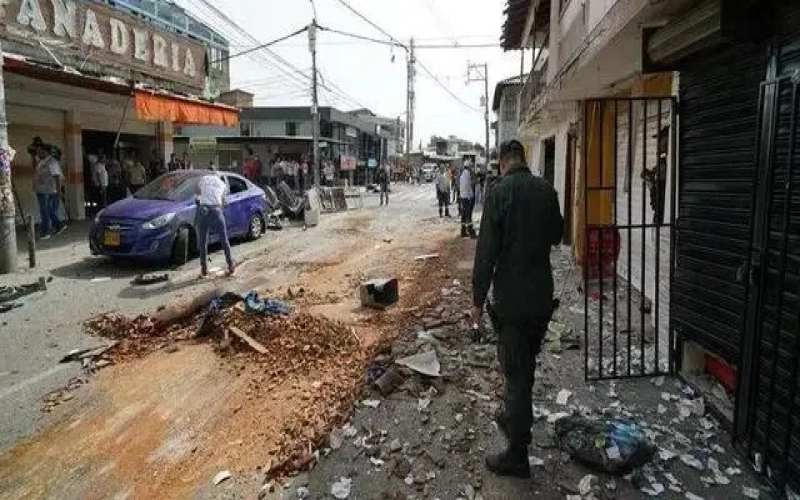
Conflict between the Colombian government and two major rebel groups escalates, affecting key coffee-producing regions
On August 5, Colombia's Ministry of Defense announced the resumption of military operations against the anti-government armed group the National Liberation Army (ELN), and the ceasefire agreement will not be extended after it expires. At the same time, government forces are also fully committed to striking the dissident branch of the former Revolutionary Armed Forces of Colombia (FARC), the Central General Staff. The southwestern and northeastern provinces where these two major armed groups are active happen to be important coffee-producing regions in Colombia. The civil conflict may severely impact coffee cultivation, infrastructure, and exports, thereby driving up international coffee prices. [more…]

Colombia's coffee industry is mired in multiple crises: armed conflict, drought, and policy uncertainty intertwined
Colombia, as a major global coffee-producing region, is now facing a double squeeze from internal and external troubles. Domestic armed conflict has escalated again, and the ceasefire agreement between the government and anti-government armed groups has been suspended in some areas; the drought triggered by El Niño has caused reservoir levels to fall dangerously low, restricting agricultural irrigation and power supply; at the same time, coffee producers also have to deal with rising fertilizer prices, shrinking planting areas, exchange rate fluctuations, and competition from other American producing regions. Although international coffee prices have risen somewhat, the income of Colombian coffee growers has fallen instead of increasing, and an industry strike is imminent. Front Street Coffee will continue to follow developments in this producing region and bring the latest information to enthusiasts. [more…]
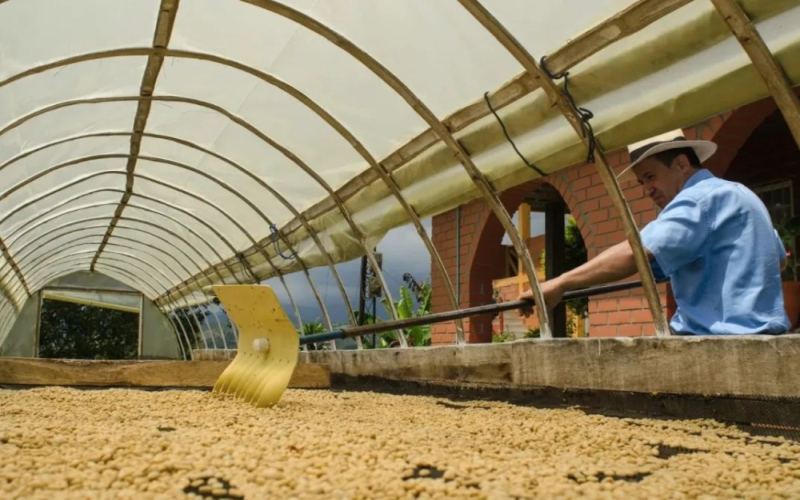
Colombia invests 22 billion pesos to support agriculture, coffee production is expected to exceed 13 million bags, but multiple challenges remain.
Colombia, as the world's third-largest coffee producer, has recently received a series of favorable news: a bank report shows significant growth in agricultural output and announces an investment of 22 billion Colombian pesos to support agricultural development. Meanwhile, the country's coffee production is expected to reach 12.53 million bags in the 2023/24 season, a year-on-year increase of 18%, and is expected to exceed 13 million bags in the 2024/25 season. However, drought, forest fires, rising cultivation costs, internal conflict, and the possible arrival of La Niña still bring many uncertainties to the coffee industry. This article will review the latest developments and potential risks in Colombia's coffee industry. [more…]
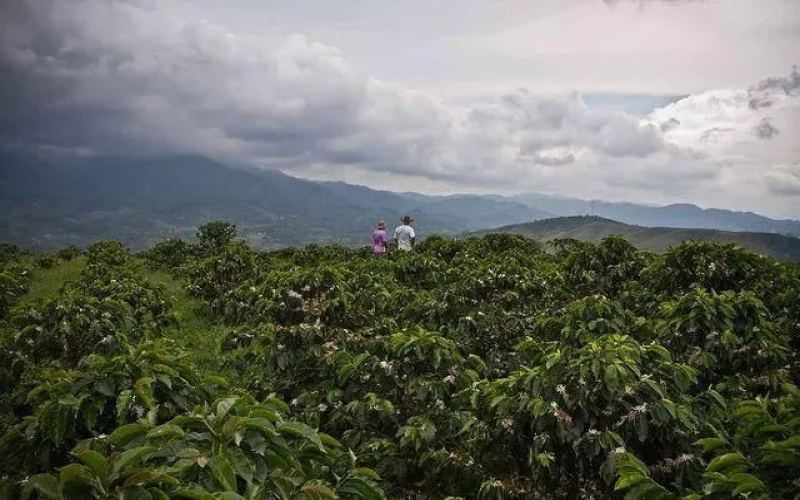
Colombian coffee exports to China gain strong momentum amid production recovery and extreme weather challenges
In recent years, Colombian coffee has performed increasingly well in the Chinese market. According to the country's media, China is expected to become Colombia's sixth-largest coffee export destination by the end of the year, and may even rise to second place in the future. In 2019, China ranked only 18th, but by 2023 it had jumped to sixth, with exports reaching 540,000 bags. At the same time, Colombia's coffee industry is gradually recovering from consecutive production declines, with output in the 2023/24 season expected to grow by 15%, though challenges such as drought, wildfires, and armed conflict remain. This article will review the latest export data, market prospects, and industry conditions, and include relevant recommendations from Front Street Coffee. [more…]

Colombian truck drivers block roads to protest diesel price hikes, disrupting transport and supply chains for coffee and other agricultural products
Colombia has been hit by truck driver protests blocking roads since September 2, triggered by the government's decision to gradually phase out fuel subsidies and raise the price of diesel by 1,904 pesos per gallon. The protests have continued to escalate, with 136 road blockades reported nationwide, nearly 1.6 million people affected in their travels, and schools suspended in many places. Goods are piling up at ports and airports, and agricultural products such as fruit and coffee beans are rotting faster due to the high temperatures of the dry season. Colombia's Ministry of Mines and Energy has said diesel prices may continue to rise in the future, and although the government is willing to hold talks, its stance remains tough. Factors such as rising logistics costs, a shortage of truck drivers, and wildfires in Cauca Department that have destroyed coffee fields are compounding, driving Colombian coffee prices steadily higher and putting the supply chain at risk of further deterioration. [more…]
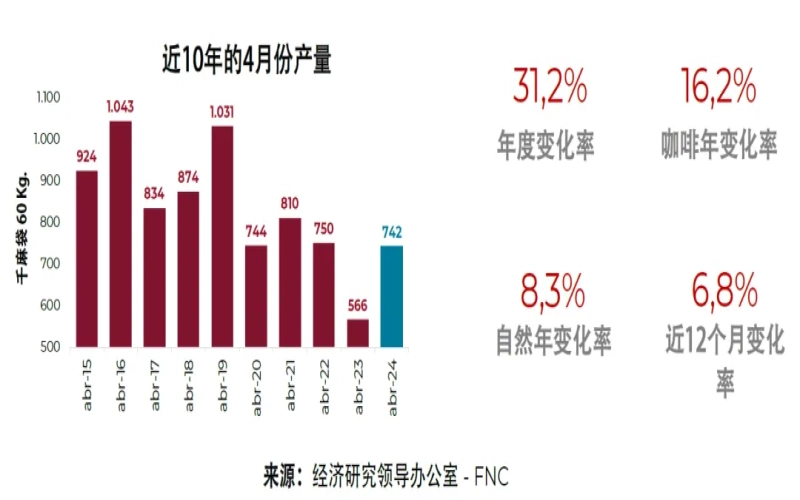
Turmoil in Colombian coffee regions escalates, yet 2024/25 output is still expected to climb to 12.4 million bags
The latest report from the National Federation of Coffee Growers of Colombia (FNC) shows that the country's coffee production reached 742,000 bags in April, an increase of more than 30% year-on-year, though down from March. Despite favorable weather that helped flowering, coffee farmers still face multiple challenges, including aging trees, frequent pest outbreaks and fluctuations in international prices. At the same time, escalating violence by anti-government armed groups in Cauca province has brought uncertainty to this important producing region. Colombia's coffee production for the 2024/25 season is expected to reach 12.4 million bags, with exports also expected to rebound. This article will analyze key points including production, exports, planting structure and policy support, and will also examine the potential impact of the security situation in producing regions on the coffee industry. [more…]
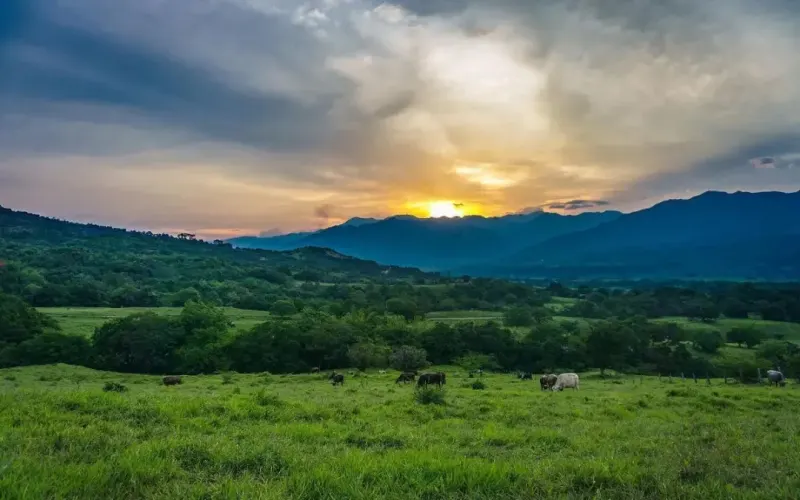
The Rise of Colombia's Coffee Industry and an Analysis of Its Main Producing Regions: From Conflict to a Specialty Coffee Powerhouse
South America, with the volcanic fertile soils and tropical climate of the Andes, has nurtured major coffee-producing countries such as Brazil and Colombia. Among them, Colombia stands out as the world's third-largest coffee producer. Its western region is crossed north to south by three cordilleras, with numerous volcanoes, high-altitude mountains, and diverse climates providing ideal conditions for coffee to ripen year-round. However, Colombia's coffee industry has not had a smooth journey. After coffee was introduced in the 18th century, it suffered severe setbacks due to the wars of the 19th century. Only after the postwar land reforms and the efforts of the National Federation of Coffee Growers of Colombia (FNC) did it become a pillar of the national economy. Among the country's 15 producing regions, Huila is known for its canyon terrain, volcanic ash soil, and consistent quality. Front Street Coffee's washed Huila is a representative entry-level selection, while renowned estates such as Finca La Divisa and Roble Estate continue to write new chapters in specialty coffee. [more…]

A Panoramic Guide to Colombia's Coffee Regions: Flavor Codes and Variety Characteristics from Huila to Nariño
As the world's second-largest Arabica coffee producer, Colombia—with the volcanic soils and diverse microclimates of the Andes Mountains—nurtures a balanced, mellow coffee flavor. This article systematically reviews the history of Colombian coffee cultivation, its geographical advantages, and its main producing regions—Cauca, Tolima, Huila, Nariño, Caldas, and Santander—analyzing the characteristics and flavor differences of each region, and also provides a detailed introduction to the Huila washed beans selected by Front Street Coffee along with brewing recommendations, offering coffee lovers a complete guide to Colombian coffee. [more…]
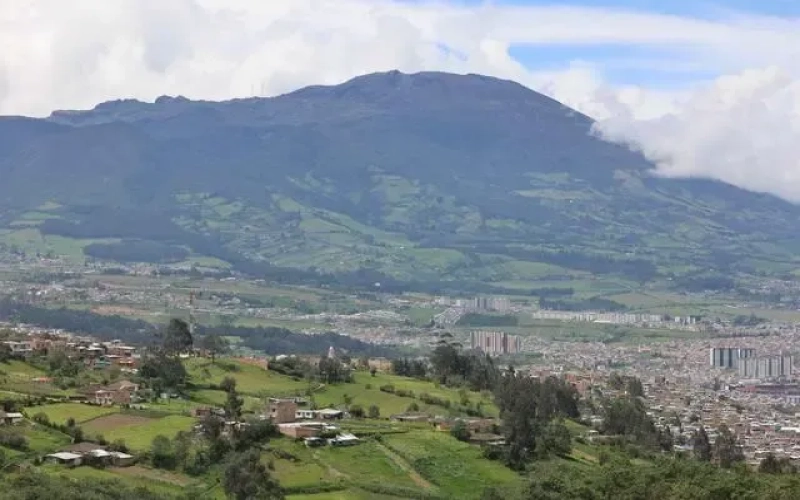
An In-Depth Analysis of Colombia's Nariño Region: From the Rise of the FNC to Hacienda Santa Ana's Road to COE Runner-Up
The Andes Mountains run the length of South America, nurturing numerous coffee-producing countries, and Colombia is among the most outstanding of them. After years of war and social upheaval, Colombia's coffee industry, supported by FNC's standardized management and its unique topography and climate, gradually grew into the world's third-largest coffee-producing country. Beyond well-known regions such as Cauca and Huila, the province of Nariño is emerging with highly complex flavors and floral characteristics, and Hacienda Santa Ana even secured runner-up in Colombia's 2023 COE. This article takes you deep into the natural conditions and historical context of the Nariño growing region, as well as the Geisha cultivation stories of Hacienda Santa Ana and Finca Bohemia. Front Street Coffee continues to follow developments in Colombian specialty coffee, bringing first-hand regional news to enthusiasts. [more…]
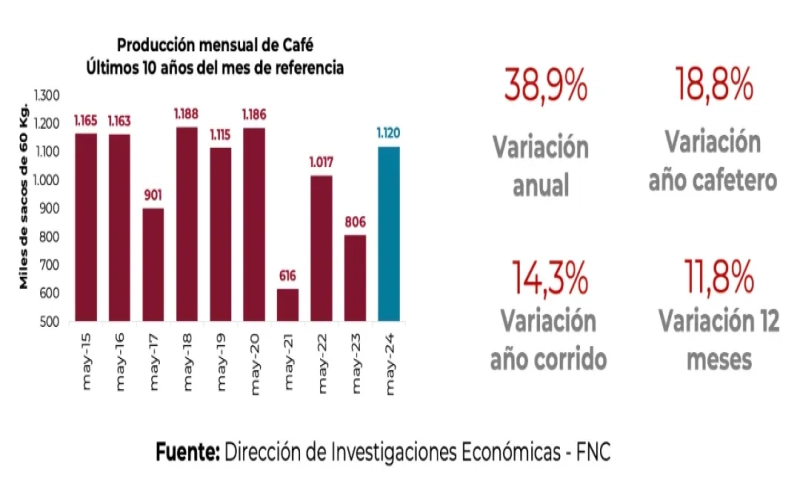
Colombia's coffee production in May rose nearly 40% year-on-year; FNC holds the 9th Diversity Competition to boost international influence
Latest data from the National Federation of Coffee Growers of Colombia (FNC) shows that Colombia's coffee production reached 1.12 million bags in May, a year-on-year increase of 38.9%, an impressive performance. In the same period of 2023, production was dragged down by La Niña, while the drought impact brought by El Niño in the first half of this year was relatively limited. In addition, the arrival of the rainy season in May alleviated the drought, allowing production to recover. On the export side, exports in April were 792,000 bags, a year-on-year increase of 9.5%. However, domestic coffee prices fell 4% month-on-month, mainly affected by the decline in New York futures contract prices as well as lower exchange rates and differentials. In addition, the FNC is holding the ninth "Colombia Diversity" coffee quality competition, aiming to enhance the international influence of Colombian coffee. [more…]

Colombia Rose Valley Coffee Flavor Analysis: A Complete Guide from Anaerobic Fermentation Process to Iced Pour-Over Parameters
Colombia, as the world's second-largest coffee-producing country, is not only famous for its washed beans but is also a core representative of special anaerobic fermentation processing methods. This article focuses on Rose Valley coffee produced by Big Tree Estate in Colombia's Santander region. It first reviews Colombia's coffee cultivation history and regional landscape, then takes a deeper look at the characteristics of the Caturra variety and the double anaerobic enzyme washed process, and also includes a complete roasting curve, cupping information, and parameters for both hot brewing and iced hand brewing. Whether you want to understand the processing logic behind anaerobically fermented beans or are looking for an iced hand-brewing recipe you can directly replicate, you will find the answers in this article. For more specialty coffee content, follow Front Street Coffee (FrontStreet Coffee). [more…]

A Complete Analysis of the Flavor Characteristics and Varieties of Latin American Single-Origin Coffee Beans: A Regional Guide from Brazil to Costa Rica
The global coffee-growing belt can be divided into three major regions: Africa, Asia-Pacific, and Latin America. Among them, Latin America is known for its mellow, balanced character reminiscent of cocoa and dark chocolate. Starting from Front Street Coffee's everyday beans series, this article systematically reviews the historical origins, variety characteristics, and processing method evolution of Latin American coffee, and interprets one by one the flavor codes of representative producing countries such as Brazil, Colombia, Panama, Costa Rica, Honduras, Jamaica Blue Mountain, and Nicaragua. The article also includes brewing parameters and flavor descriptions for specific beans such as Front Street Queen's Estate Yellow Bourbon, Sidra, Boquete Geisha, Mozart, washed Caturra, Blue Mountain No. 1, and Villalobos, providing coffee lovers with a guide to Latin American coffee that is both informative and practical. [more…]
A Complete Guide to Latin American Coffee Regions: Flavor Profiles, Processing Methods, and Brewing Guides for Signature Beans
Among the world's three major coffee-producing regions, Latin America stands out for its balanced taste and rich, cocoa- and dark-chocolate-like flavors. This article systematically reviews the coffee-growing backgrounds, main producing areas, processing method characteristics, and flavor profiles of countries such as Brazil, Colombia, Panama, Costa Rica, Honduras, Jamaica, Guatemala, and Nicaragua, and combines them with Front Street Coffee's everyday beans series and brewing methods to help coffee lovers build an overall understanding of Latin American coffee, making it a valuable reference for both everyday purchasing and pour-over practice. [more…]

A Complete Guide to Central and South American Coffee Regions: Flavors, Varieties, and Key Producing Countries of Latin American Coffee Beans
The world's coffee belt can be divided into three major producing regions: Africa, Asia-Pacific, and Latin America, each presenting distinctly different flavor profiles. African beans are known for their fruity acidity, Asian beans for their herbal richness, while Latin American coffees fall somewhere in between, celebrated for their balanced, mellow character reminiscent of cocoa and dark chocolate. This article focuses on the Central and South American producing regions, examining country by country—Brazil, Colombia, Panama, Costa Rica, Honduras, Jamaica, Guatemala, and Nicaragua—their coffee varieties, processing methods, major producing areas, and flavor characteristics, and combines this with Front Street Coffee's everyday drinking bean series and brewing demonstrations to help coffee enthusiasts build a systematic understanding of Latin American coffee. [more…]
A Complete Analysis of Latin American Coffee Regions: Flavor Profiles and Processing Methods of Coffee Beans from Eight Countries Including Brazil and Colombia
Latin America is one of the most important coffee-producing regions in the world. From Brazil to Colombia, from Panama to Guatemala, each country shapes a distinctively different coffee flavor profile through its unique geography and processing methods. This article systematically reviews the producing regions, bean varieties, processing methods, and cupping performance of eight major Latin American coffee-producing countries, and combines Front Street Coffee's daily drinking bean series with Front Street Coffee's brewing methods to help coffee lovers fully understand the balance and cocoa-chocolate notes of Latin American coffee. Whether you are a beginner just starting out or a seasoned enthusiast, you can find the cup that suits you. [more…]
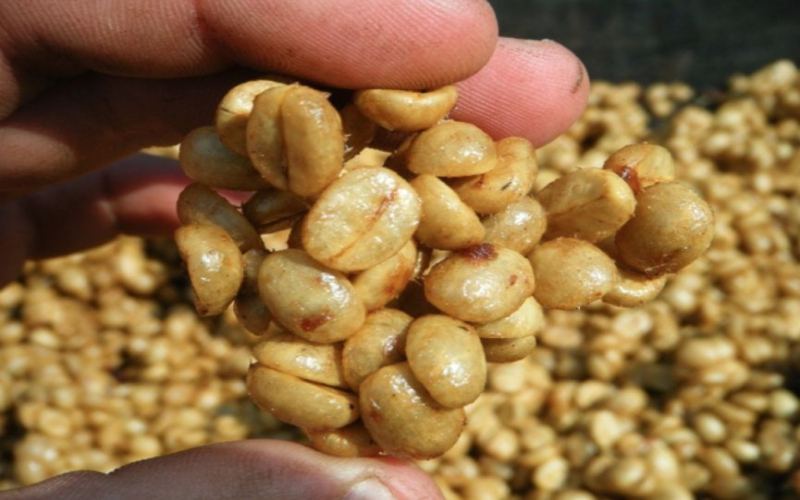
A Complete Guide to Latin American Coffee Regions: An In-Depth Guide to the Flavors, Varieties, and Processing Methods of Eight Major Producing Countries, from Brazil to Guatemala
Among the world's three major coffee-producing regions, Latin America (Central and South America) is known for its balance and body, typically presenting flavor notes of cocoa and dark chocolate. From Brazil's nutty-chocolate character, to Colombia's bright acidity, to Panama Geisha's legendary floral aroma, Jamaica Blue Mountain's balanced sweet-acidic-bitter profile, and the diverse expressions of Guatemala, Costa Rica, Honduras, Nicaragua, and other countries, this land has given birth to countless classic coffees. In this article, Front Street Coffee (FrontStreet Coffee) sorts out the origins, processing methods, and representative producing countries of Latin American coffee, along with brewing parameters and flavor descriptions for each producing country, to give you a systematic understanding of the full picture of Central and South American coffee. [more…]